
Finnish Spitz
FIN-ish SPITS
Finland· Central and northern Finland
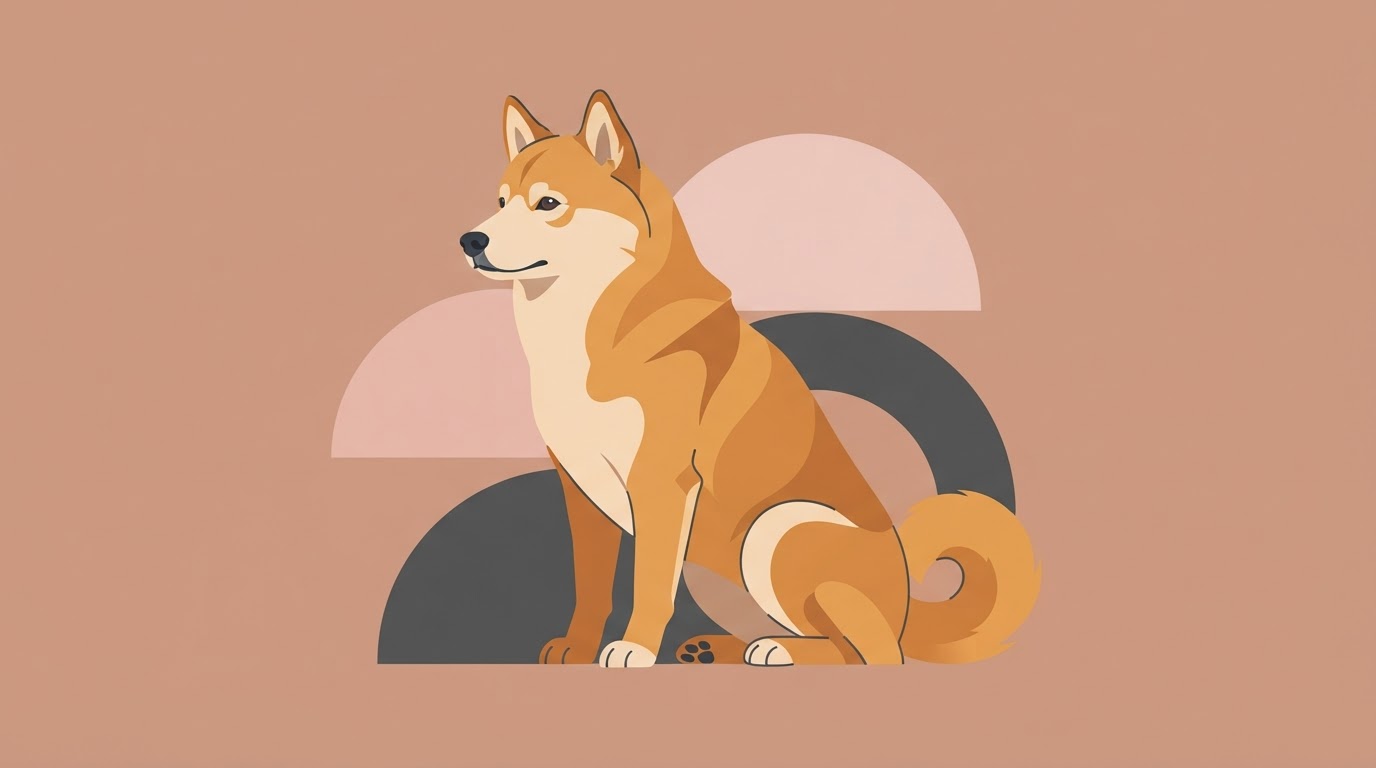
The Finnish Spitz is Finland's national dog, a fox-red hunting breed developed to locate game birds by scent and hold them with rhythmic barking until a hunter arrives.
At a glance
Quick facts
Size
Medium
Exercise needs
60 minutes daily
Home size suited to
Small to medium home
Grooming frequency
Weekly brush, hand-strip a few times a year
Coat length
Wiry
Sheds
Yes, heavily when moulting
Lifespan
13-15 years
Town or country
Happiest in the country
Garden size needed
Small to medium
Where it comes from
Origins of the Finnish Spitz
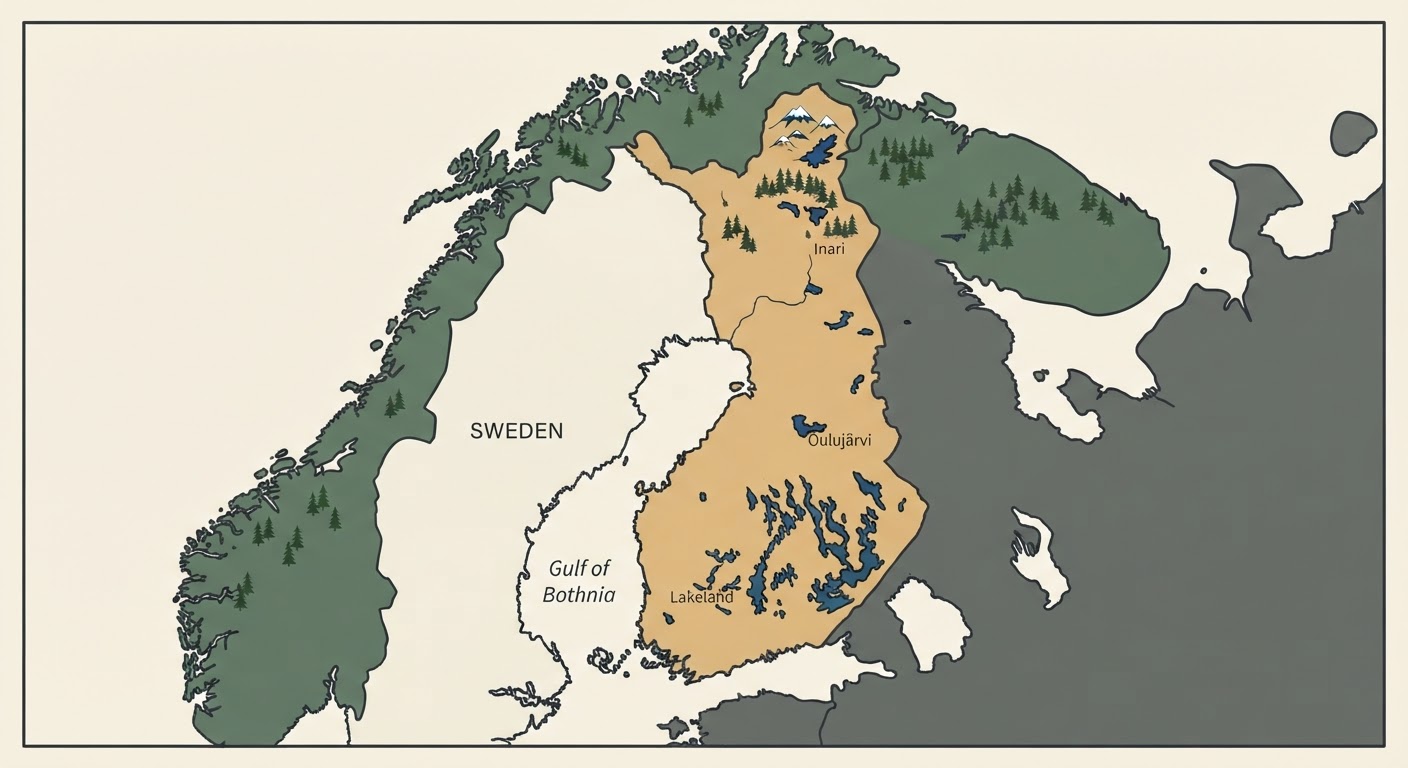
Shaped by centuries of forest bird hunting in Finland, where a dog's job was to find grouse and capercaillie by scent and hold them with barking until the hunter arrived.
- Region
- Central and northern Finland
- Climate it was bred for
- Cold boreal forest
- Original job
- Barking to point and hold game birds
The long read
About the breed
The breed descends from ancient spitz-type dogs that accompanied Finno-Ugric peoples for thousands of years, refined over generations to specialise in "loud mouth" bird hunting, a style of hunting rare outside the Nordic countries. A dog finds game, usually capercaillie or black grouse in the treetops, and barks steadily to keep the bird's attention fixed while the hunter closes in. Finnish breeders organised formal conservation of the type in the late 1800s after crossbreeding with other dogs threatened its purity.
Living with a Finnish Spitz means living with a genuinely vocal dog: the bark that makes it useful in the forest can become a challenge in a quiet street, and prospective owners should be realistic about this before buying. Otherwise it is an affectionate, alert, cat-like companion, independent-minded but devoted to its family, and generally good with children it is raised alongside. The coat is dense and weatherproof, shedding heavily twice a year but needing only moderate brushing the rest of the time.
Today the breed remains most popular in Finland, where it is still used for bird hunting as well as kept as a companion, and it has a small but loyal following elsewhere including the UK. It suits owners who enjoy an intelligent, characterful dog and can manage or tolerate its vocal habits.
Living with one
Temperament & needs
Our own ratings, based on the breed standard and how these dogs behave in ordinary homes.
Friendliness
3/5
How openly the Finnish Spitz greets people it does not know.
Trainability
3/5
Intelligent but independent, training needs patience.
Energy
4/5
Alert and active, enjoys scenting games and long walks.
Barking
5/5
Extremely vocal, barking was its entire job.
Grooming
3/5
Dense coat, moderate upkeep with heavy seasonal shedding.
Suits a first-time owner
2/5
How forgiving the Finnish Spitz is for someone taking on their first dog.
Sociability
3/5
Affectionate at home, reserved with unfamiliar people.
Independence
4/5
Bred to work at a distance from the hunter, thinks for itself.
Illustrated breed standard
The points of the breed
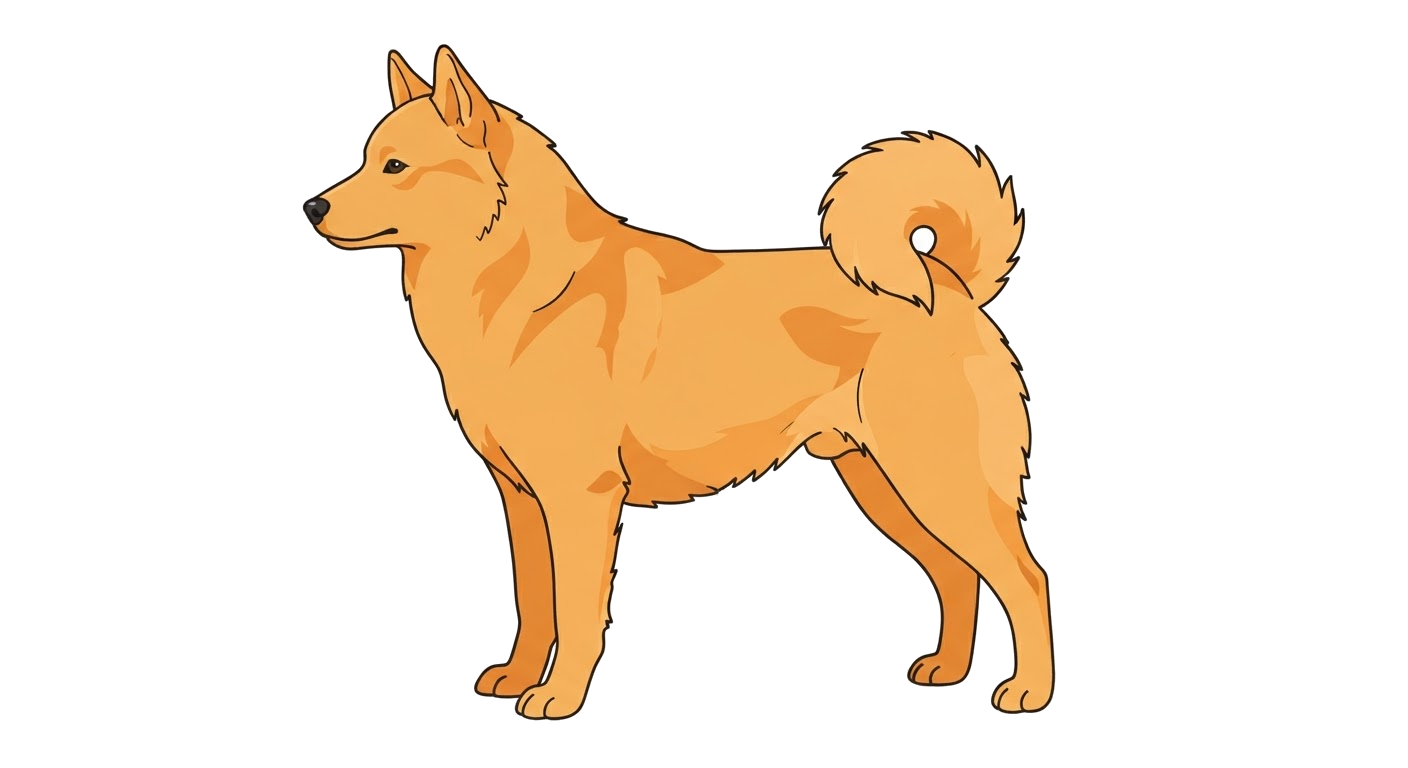
Hover or tap a numbered point to read what the standard asks for.
Point 1
Skull
The Finnish Spitz's skull is judged on balance rather than size — proportionate to the body, with a clean cheek and a stop typical of the breed. Coarseness or an over-refined head are both faulted.
Colours & patterns
Recognised coats
Which coats the standard accepts — and which are simply popular.
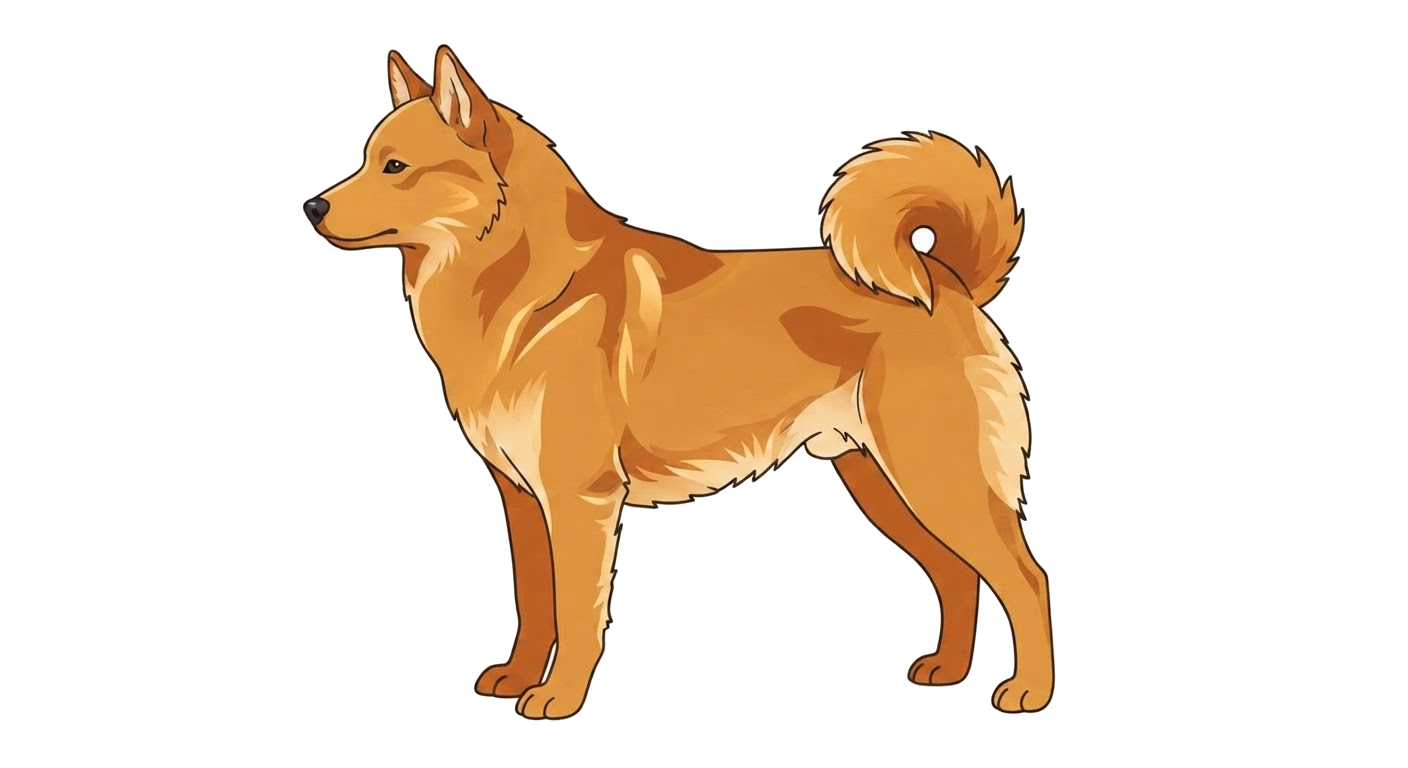
Golden red
Standard colour
The classic and most common Finnish Spitz colour.
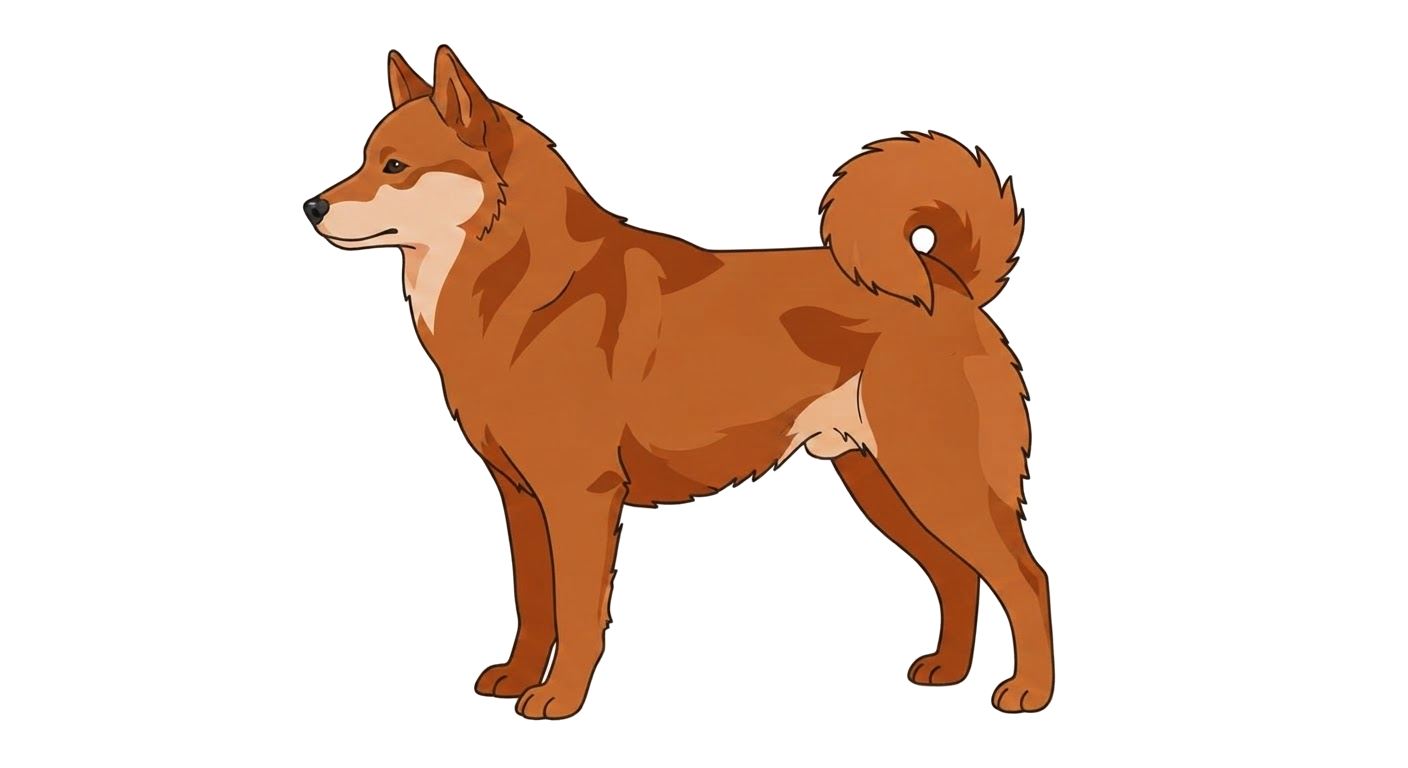
Reddish brown
Standard colour
Deeper, darker shade also within the standard.
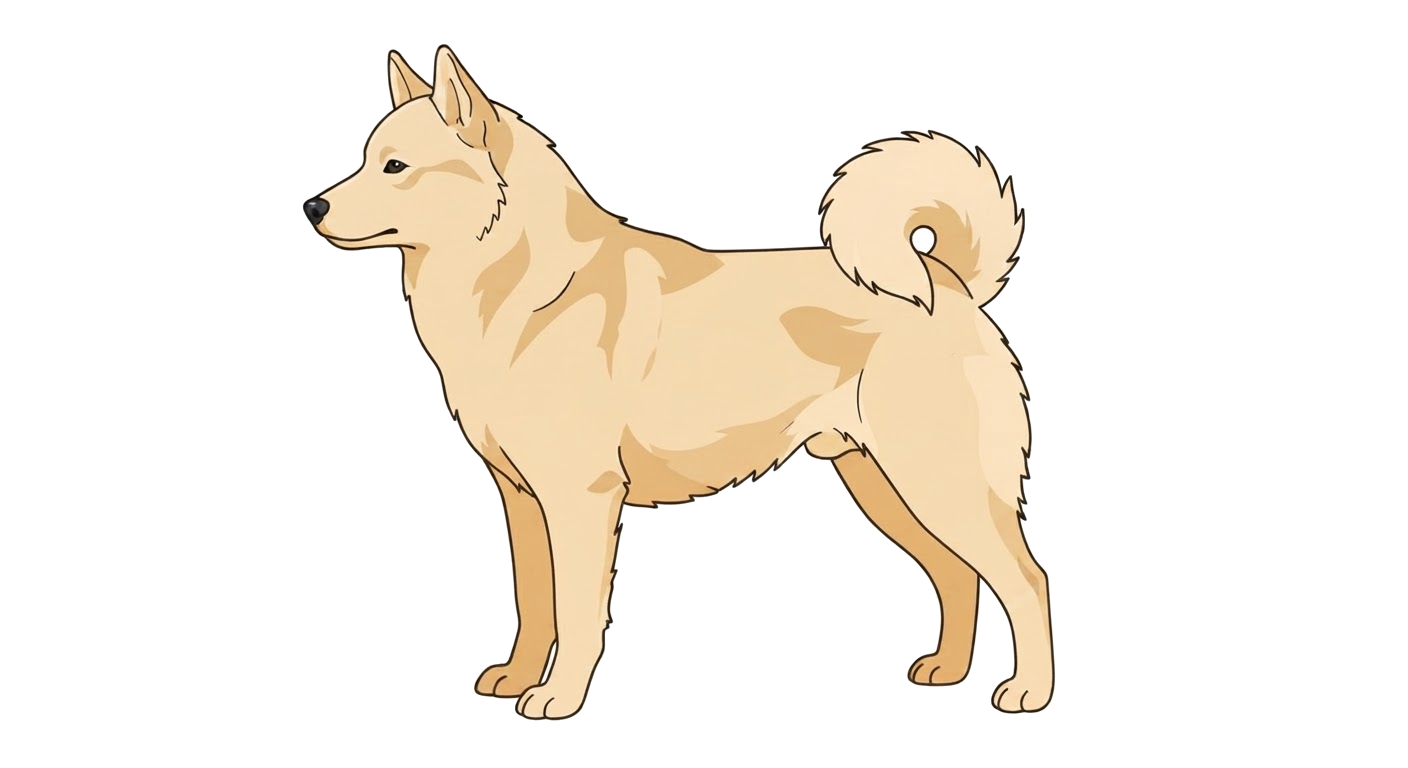
Pale honey
Standard colour
Lighter shade seen on puppies and some adults.
Timeline
History & development
1880s
Type at risk
Crossbreeding with imported dogs threatens the native spitz type in Finland.
1890
Conservation begins
Finnish sportsmen Hugo Roos and Hugo Sandberg begin selective breeding to preserve the type.
1892
Breed standard written
The first standard is drawn up, formalising the breed as we know it today.
1979
National dog status
Finland declares the Finnish Spitz its national dog breed.
Reference
Breed standard summary
- body
- Square, short, strong loin
- coat
- Short on head and legs, long elsewhere
- ears
- Small, erect, highly mobile
- eyes
- Dark, medium size, lively
- gait
- Quick, light, agile
- head
- Wedge-shaped, alert expression
- size
- Medium · 39-50cm · 14-16kg
- tail
- Curled forward over the back
- colour
- Golden red, Reddish brown, Pale honey. Colours outside this list are seen but are not accepted by the kennel clubs.
- temperament
- Typical of the breed: strongest in barking, energy, independence. Nervousness or aggression are serious faults in the show ring and in the home.
- general appearance
- Fox-like, square, lively spitz breed
Health
What to screen for
Green means little to worry about, amber means ask the breeder for test results, red means manage it actively.
Hip dysplasia
Low concern
Uncommon but scoring is available for reassurance.
Patellar luxation
Screen for it
Vets can check knee stability during routine exams.
Progressive retinal atrophy
Screen for it
Ask breeders for eye test certificates.
Epilepsy
Watch closely
Reported in some lines; ask about family history.
General information only — always speak to your vet about your own dog.
From real owners
Dogs like this
Finnish Spitzs added by PawPoint members through their pet passports. Share yours to appear here.
Loading the wall…
Made for the Finnish Spitz
The book, plus prints, hoodies and mugs using our own Finnish Spitz illustration — and one everyday accessory that suits any dog.

The book
Pawpoint: The Complete Dog Breed Book
Every officially recognised breed plus the unofficial ones nobody else documents. 400+ pages, hardback, printed and shipped from the UK.
Own stock — shipped by us
Framed poster
Finnish Spitz Framed Poster
Museum-weight print of our Finnish Spitz illustration, framed or unframed.
Printed to order
Hoodie
Finnish Spitz Hoodie
Heavyweight hoodie carrying the Finnish Spitz illustration on the chest.
Printed to order
Mug
Finnish Spitz Mug
Ceramic mug with the Finnish Spitz illustration wrapped around it.
Printed to order
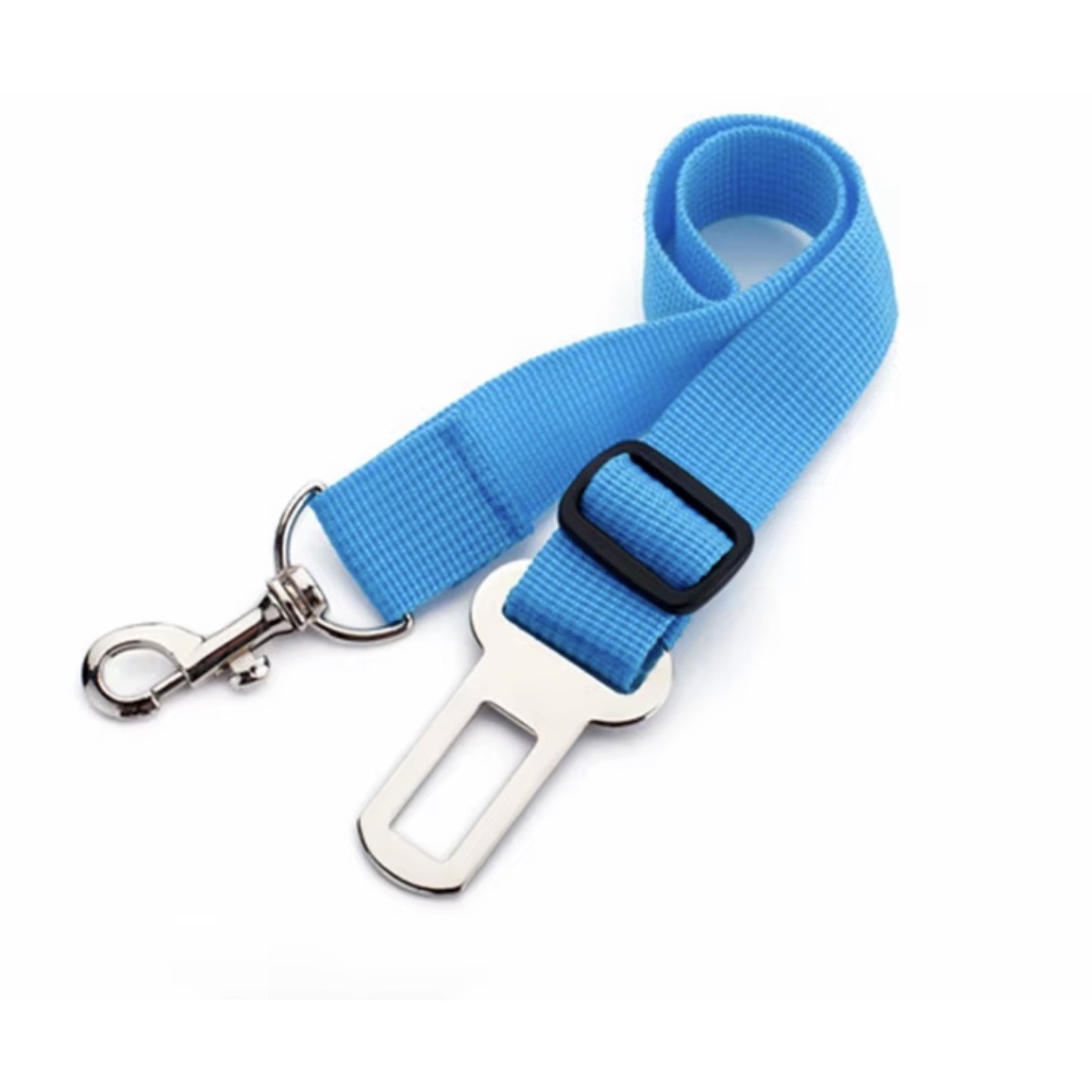
Accessory
Car Seatbelt Restraint
Clips any harness to a standard seatbelt buckle.
Fits any dog
Pawpoint on YouTube
Watch the full Finnish Spitz video
Breed deep-dives, history and honest ownership talk. New film every week.
Watch now