
Foxhound
FOKS-hownd
United Kingdom· Rural England
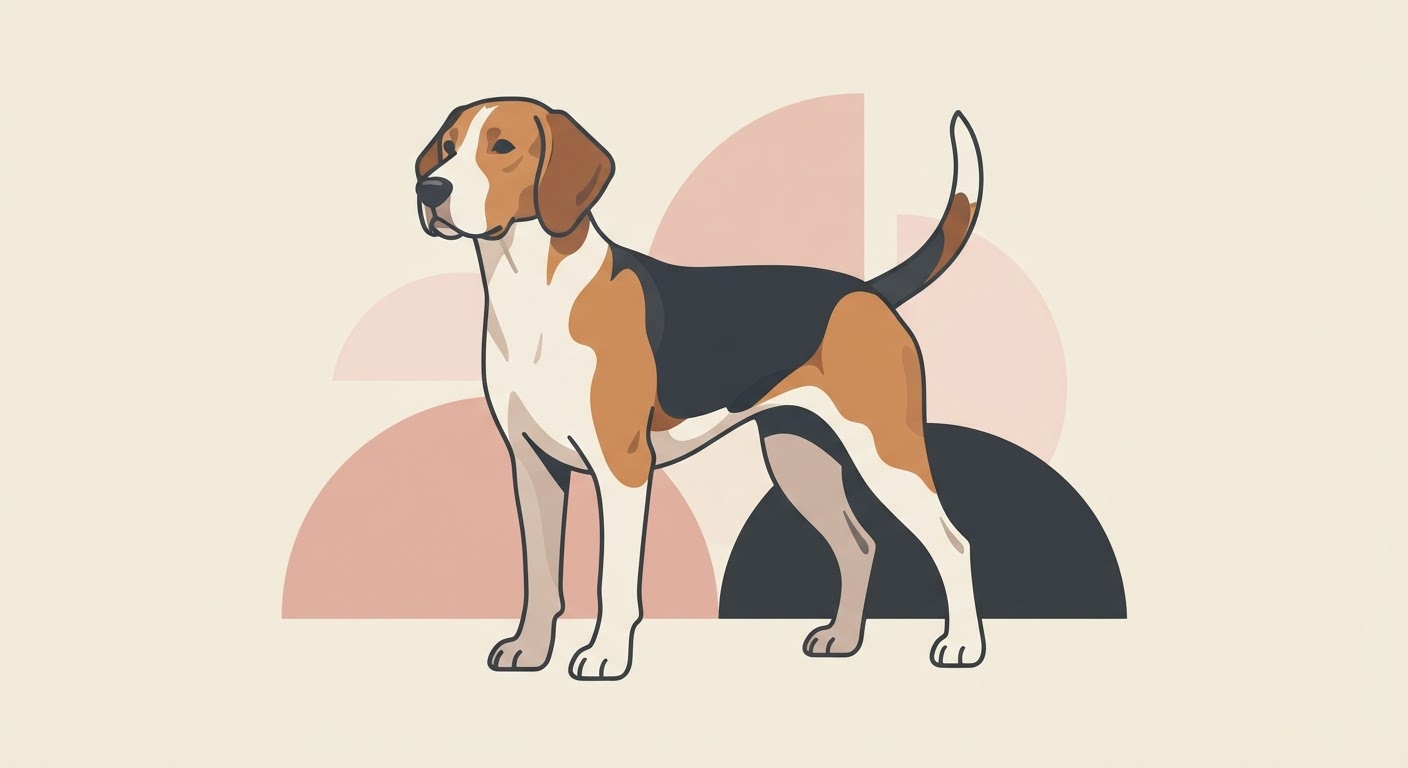
The Foxhound, in its English form, is a large scent hound bred over centuries to hunt foxes in mounted packs across open countryside at relentless speed and stamina.
At a glance
Quick facts
Size
Large
Exercise needs
120 minutes daily
Home size suited to
Medium to large home
Grooming frequency
Weekly brush
Coat length
Short
Sheds
Yes, heavily when moulting
Lifespan
10-13 years
Town or country
Happiest in the country
Garden size needed
Medium or larger
Where it comes from
Origins of the Foxhound
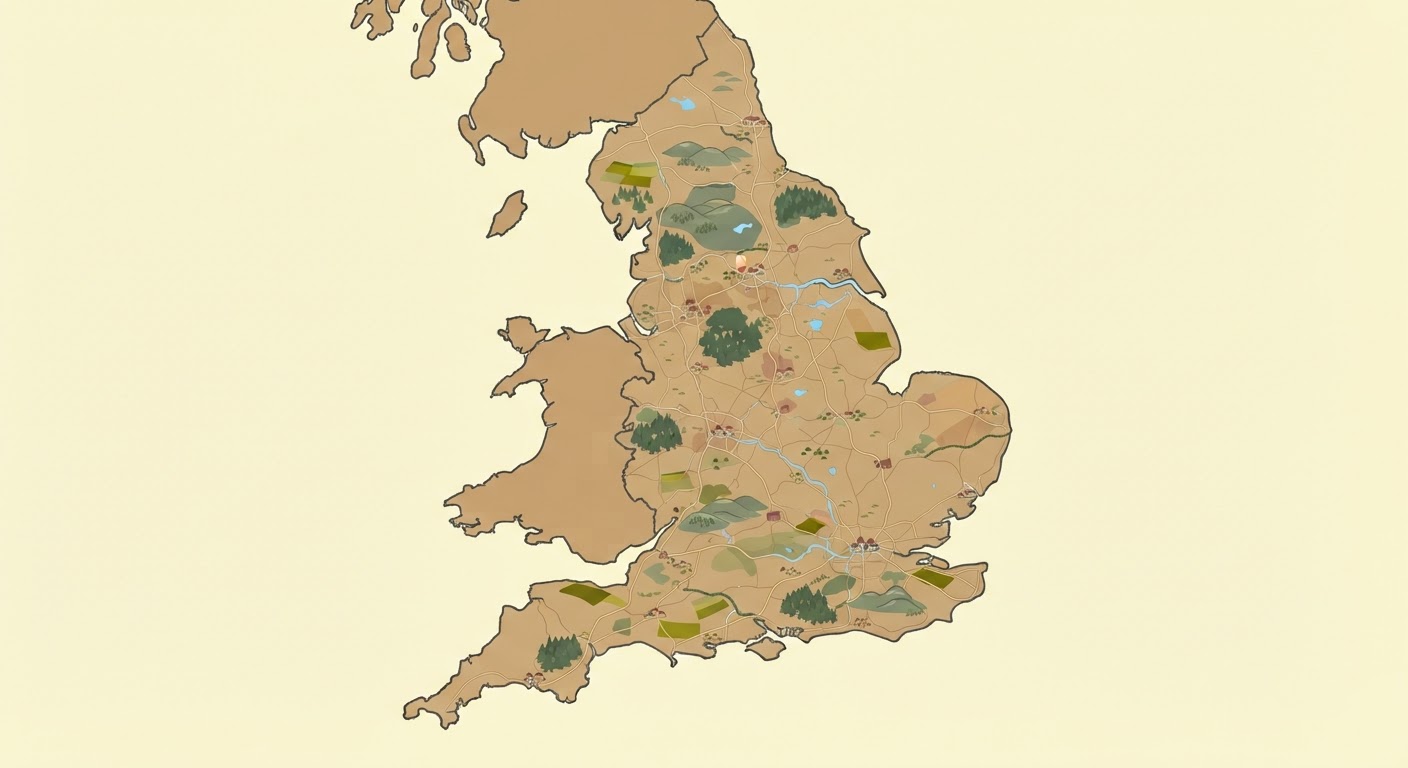
Developed on English hunting estates from the 1600s onward, bred and kept in packs by hunt kennels for the stamina and scenting ability needed to chase foxes across open country.
- Region
- Rural England
- Climate it was bred for
- Temperate open countryside
- Original job
- Pack hunting foxes on horseback
The long read
About the breed
English Foxhounds trace their development to the 1600s, when English landowners began keeping organised packs for mounted fox hunting, refining older hound bloodlines for pack cohesion, scenting ability and the stamina to run for hours across varied terrain. Meticulous pack studbooks, some running back over two centuries, make the Foxhound one of the most carefully documented working breeds in existence, historically bred by hunt kennels rather than individual private owners.
Living with a Foxhound is unusual by pet standards, since the breed was never developed to live as a solitary house dog; hounds worked and lived in packs of dozens, bred for cooperation with other hounds rather than a one-to-one bond with a single owner. Those kept as pets today, often hounds retired from hunting or bred by small enthusiast kennels, need enormous amounts of exercise, thrive with canine company, and can be a challenge for first-time owners due to their independence and powerful hunting instinct.
Today the Foxhound is rare as a pet and remains associated mainly with organised hunting and trail-hunting activities, though some countries' changes to hunting law have reduced pack sizes and working numbers. A small rehoming movement exists for hounds no longer needed by packs, giving some the chance at a family home, though this suits only very experienced, active owners.
Living with one
Temperament & needs
Our own ratings, based on the breed standard and how these dogs behave in ordinary homes.
Friendliness
4/5
How openly the Foxhound greets people it does not know.
Trainability
2/5
Independent and driven by scent, recall is a lifelong challenge.
Energy
5/5
Bred for hours of sustained running, needs vast amounts of exercise.
Barking
3/5
Bays and gives voice readily, especially on a scent.
Grooming
1/5
Short, dense coat needs minimal grooming.
Suits a first-time owner
1/5
How forgiving the Foxhound is for someone taking on their first dog.
Sociability
4/5
Sociable with people and especially with other hounds.
Independence
5/5
Bred to work in a pack rather than bond one-to-one with an owner.
Illustrated breed standard
The points of the breed
Hover or tap a numbered point to read what the standard asks for.
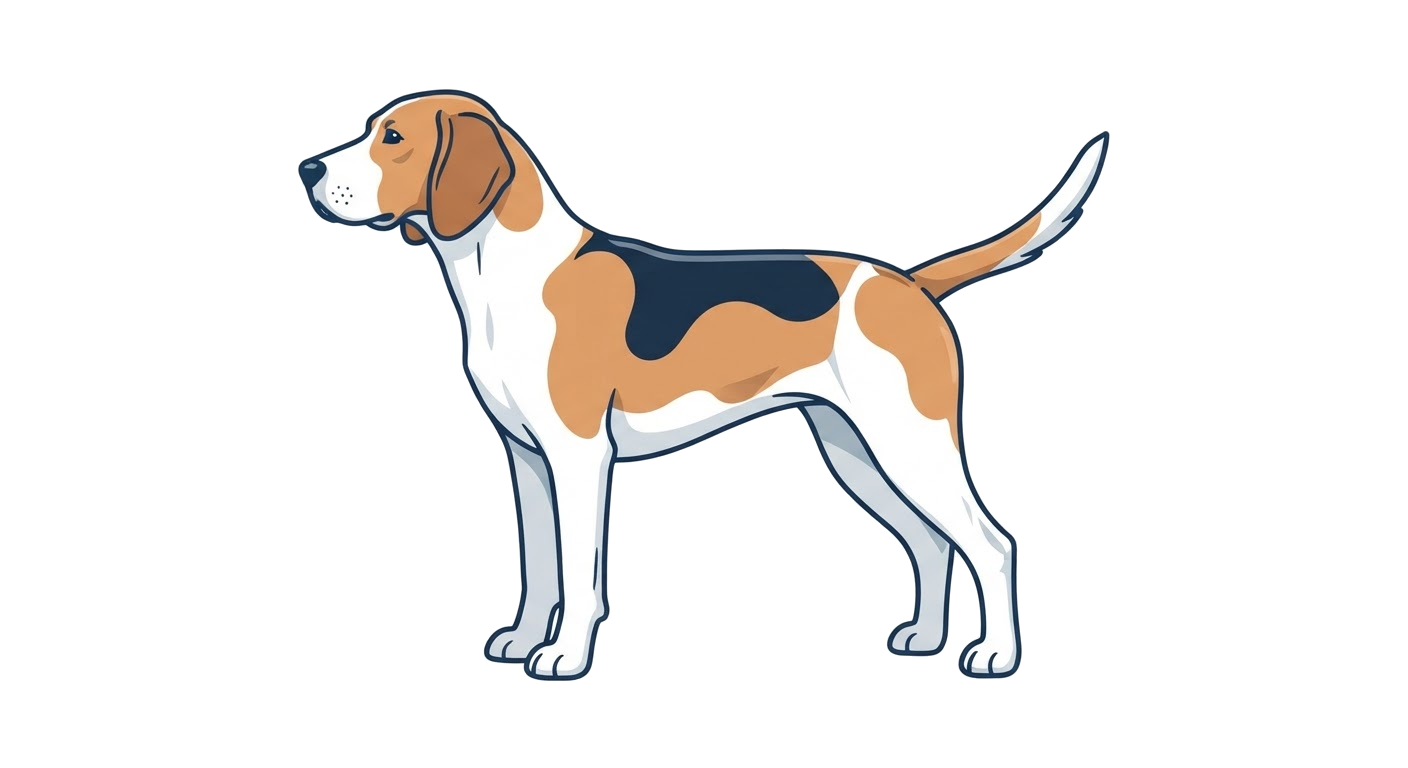
Point 1
Skull
The Foxhound's skull is judged on balance rather than size — proportionate to the body, with a clean cheek and a stop typical of the breed. Coarseness or an over-refined head are both faulted.
Colours & patterns
Recognised coats
Which coats the standard accepts — and which are simply popular.
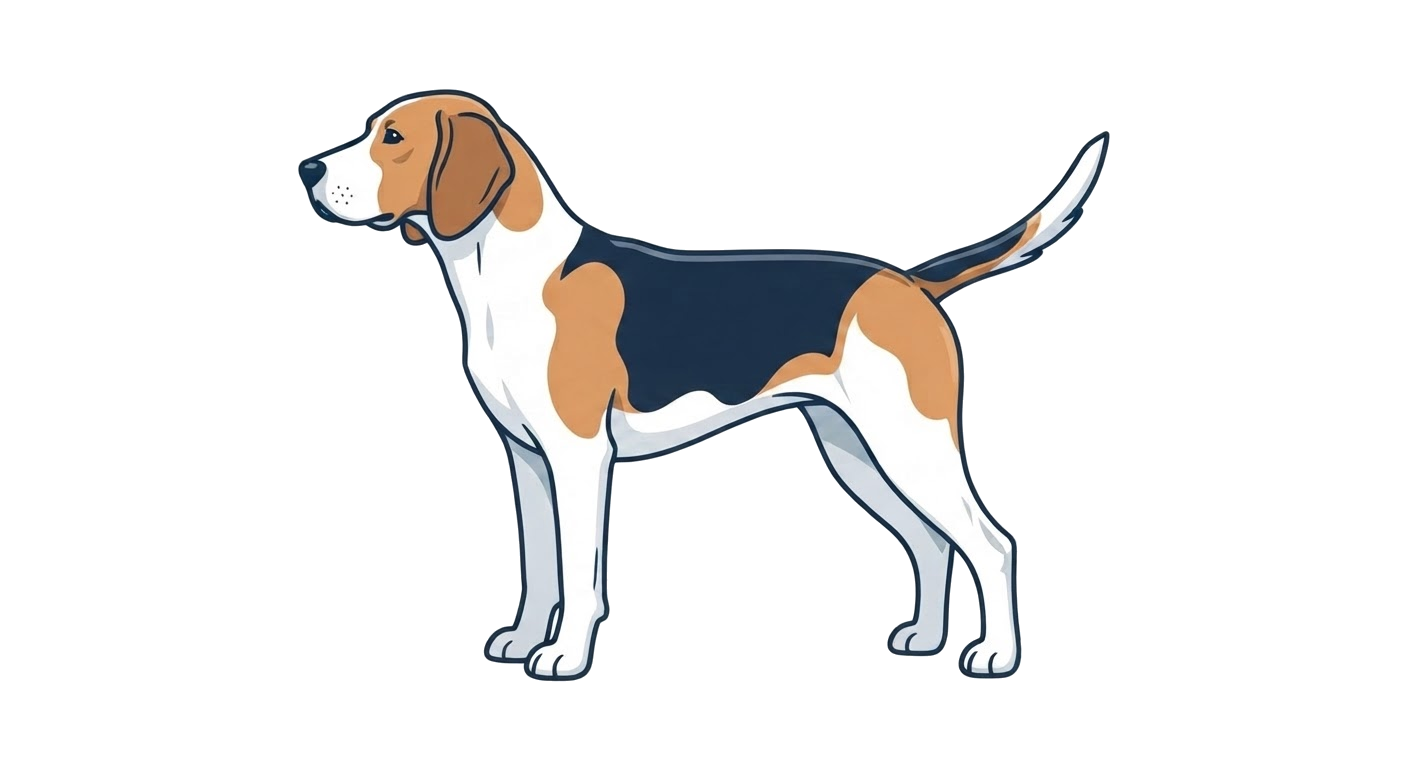
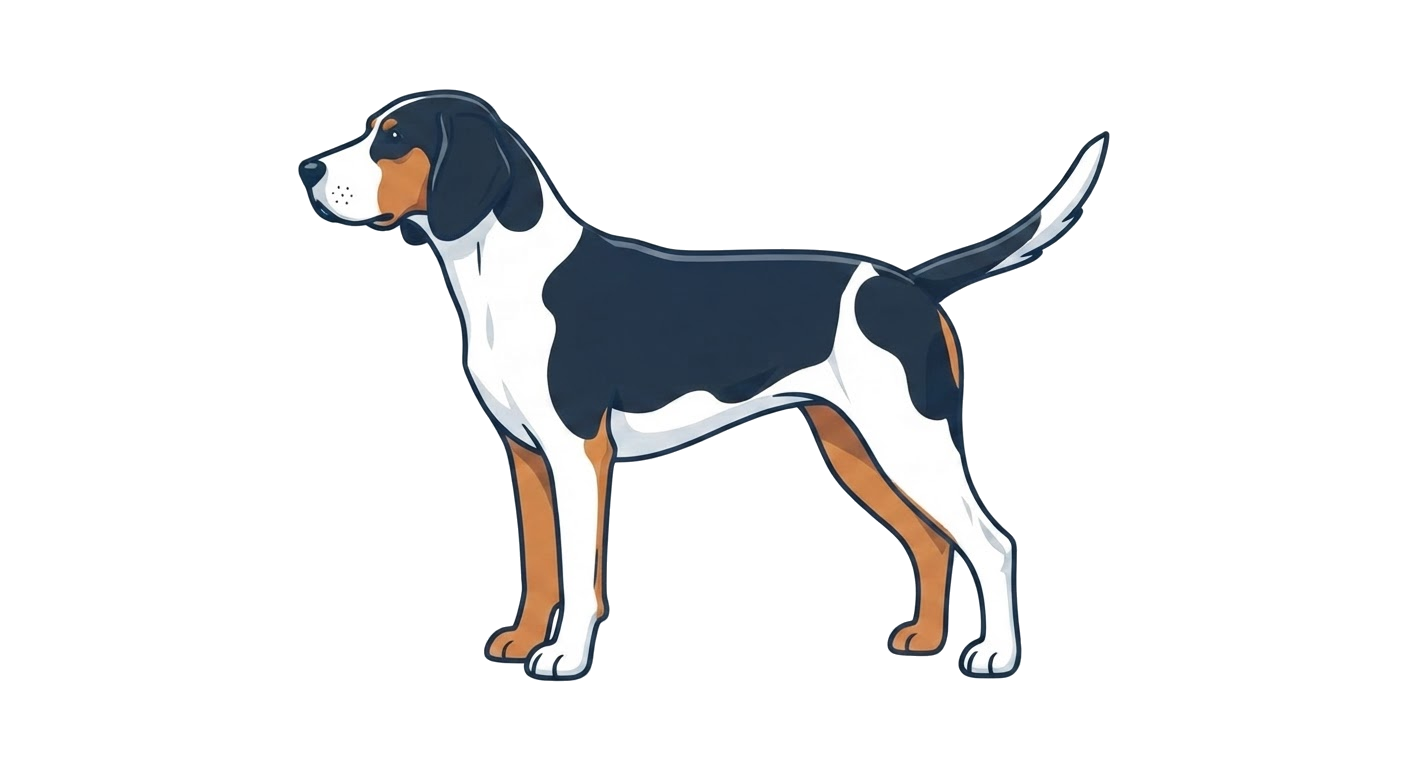
Tricolour
Standard colour
Black, white and tan, the classic hunting hound pattern.
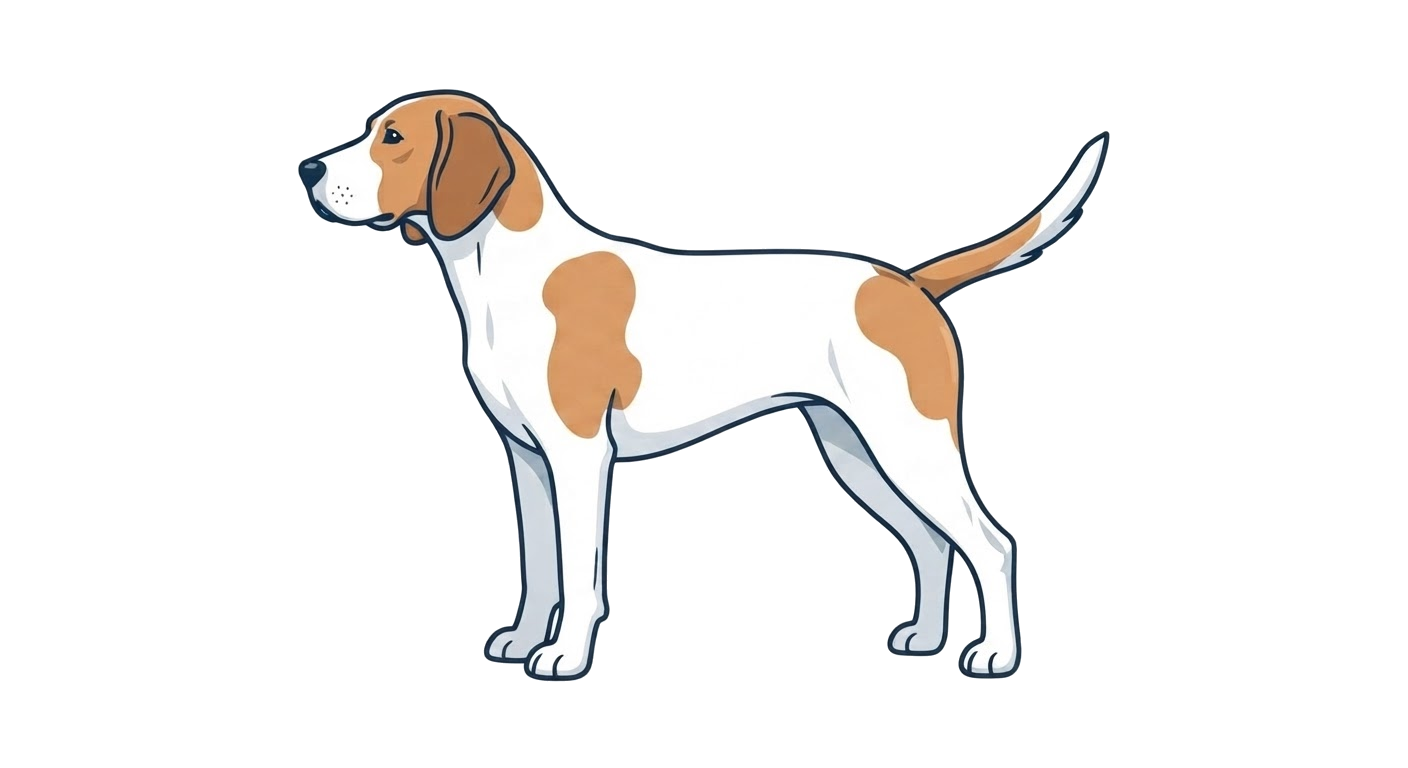
Black and tan
Standard colour
Black saddle with tan points, seen frequently.
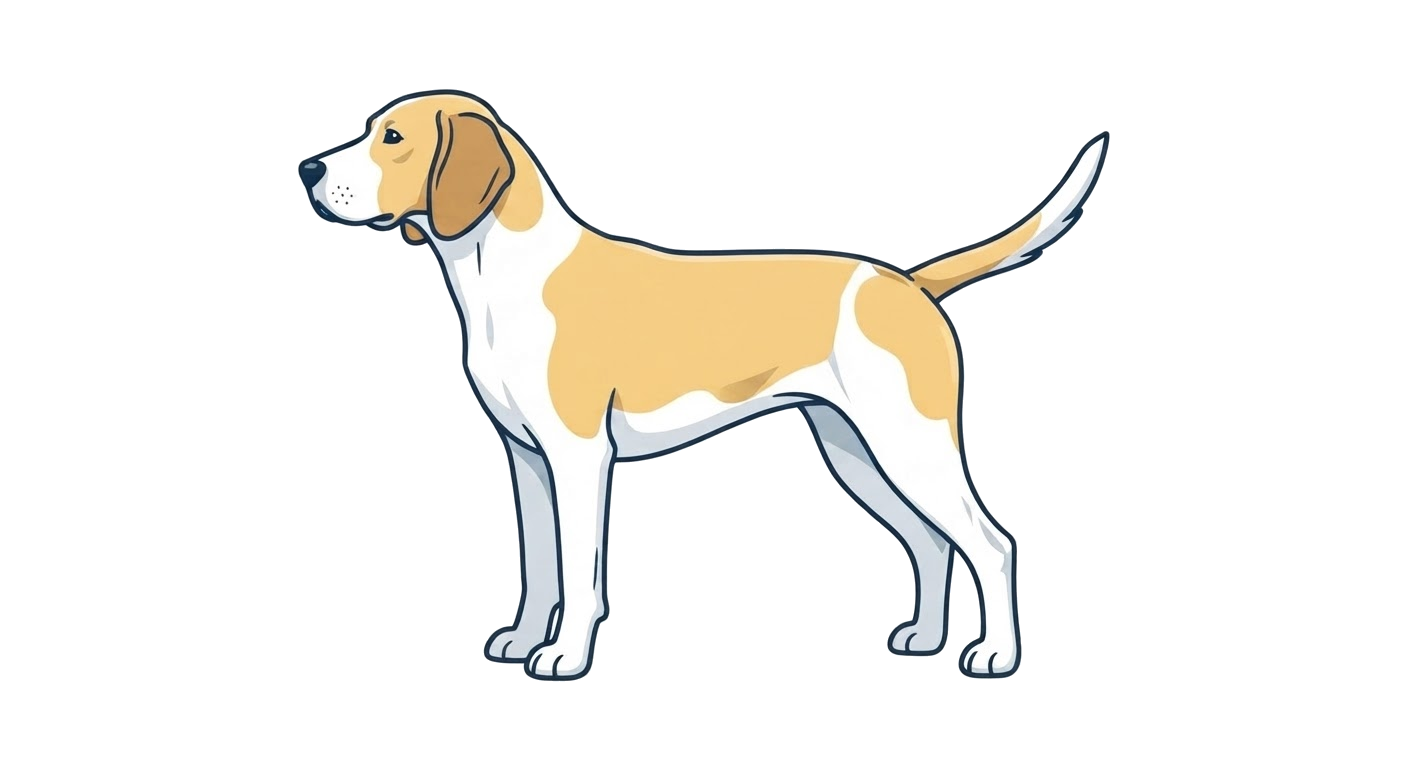
White and tan
Standard colour
Predominantly white with tan patches.
Lemon and white
Standard colour
Paler variant seen in some pack bloodlines.
Timeline
History & development
1650s
Organised packs begin
English landowners establish formal packs for mounted fox hunting.
1800s
Studbooks kept
Hunt kennels maintain detailed pedigree records, among the oldest of any breed.
1866
Master of Foxhounds Association
The association forms to standardise pack management and breeding practice.
2004
Hunting Act
Changes to English and Welsh law around hunting with dogs reshape how packs operate.
Reference
Breed standard summary
- body
- Deep chest, strong loin
- coat
- Short, dense, weatherproof
- ears
- Medium, set low, hanging close to cheek
- eyes
- Dark or hazel, wide set
- gait
- Long, driving stride, tireless
- head
- Long, moderate stop
- size
- Large · 58-69cm · 29-34kg
- tail
- Set high, carried with slight curve
- colour
- Tricolour, Black and tan, White and tan, Lemon and white. Colours outside this list are seen but are not accepted by the kennel clubs.
- temperament
- Typical of the breed: strongest in energy, independence, sociability. Nervousness or aggression are serious faults in the show ring and in the home.
- general appearance
- Athletic, powerful, built for endurance
Health
What to screen for
Green means little to worry about, amber means ask the breeder for test results, red means manage it actively.
Hip dysplasia
Screen for it
Hip scoring is sensible given the breed's size and workload.
Bloat
Watch closely
Deep-chested; feeding smaller meals reduces risk.
Ear infections
Low concern
Pendant ears benefit from regular checking after exercise.
Thrombocytopathy
Low concern
A rare inherited platelet disorder reported in some lines.
General information only — always speak to your vet about your own dog.
From real owners
Dogs like this
Foxhounds added by PawPoint members through their pet passports. Share yours to appear here.
Loading the wall…
Made for the Foxhound
The book, plus prints, hoodies and mugs using our own Foxhound illustration — and one everyday accessory that suits any dog.
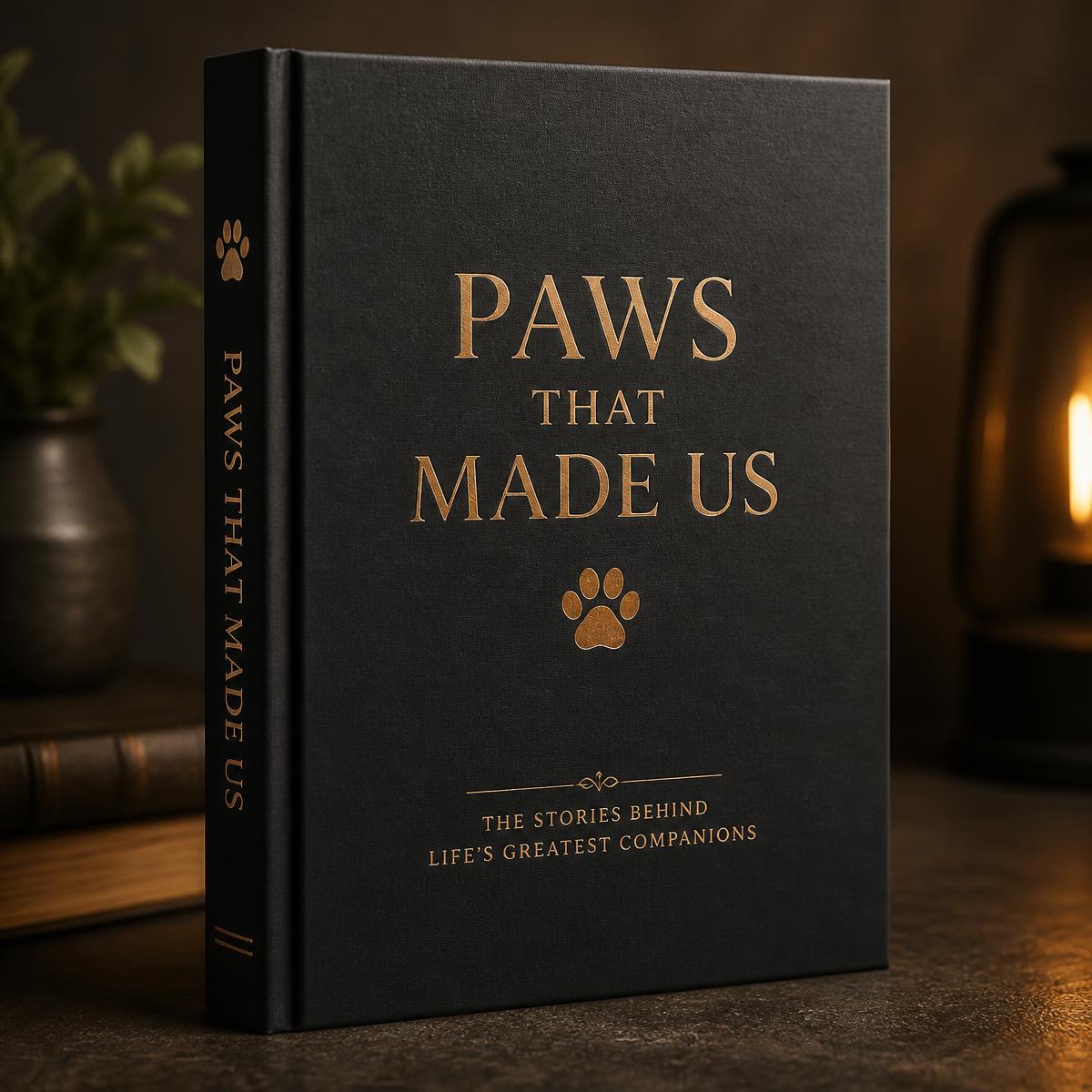
The book
Pawpoint: The Complete Dog Breed Book
Every officially recognised breed plus the unofficial ones nobody else documents. 400+ pages, hardback, printed and shipped from the UK.
Own stock — shipped by us
Framed poster
Foxhound Framed Poster
Museum-weight print of our Foxhound illustration, framed or unframed.
Printed to order
Hoodie
Foxhound Hoodie
Heavyweight hoodie carrying the Foxhound illustration on the chest.
Printed to order
Mug
Foxhound Mug
Ceramic mug with the Foxhound illustration wrapped around it.
Printed to order
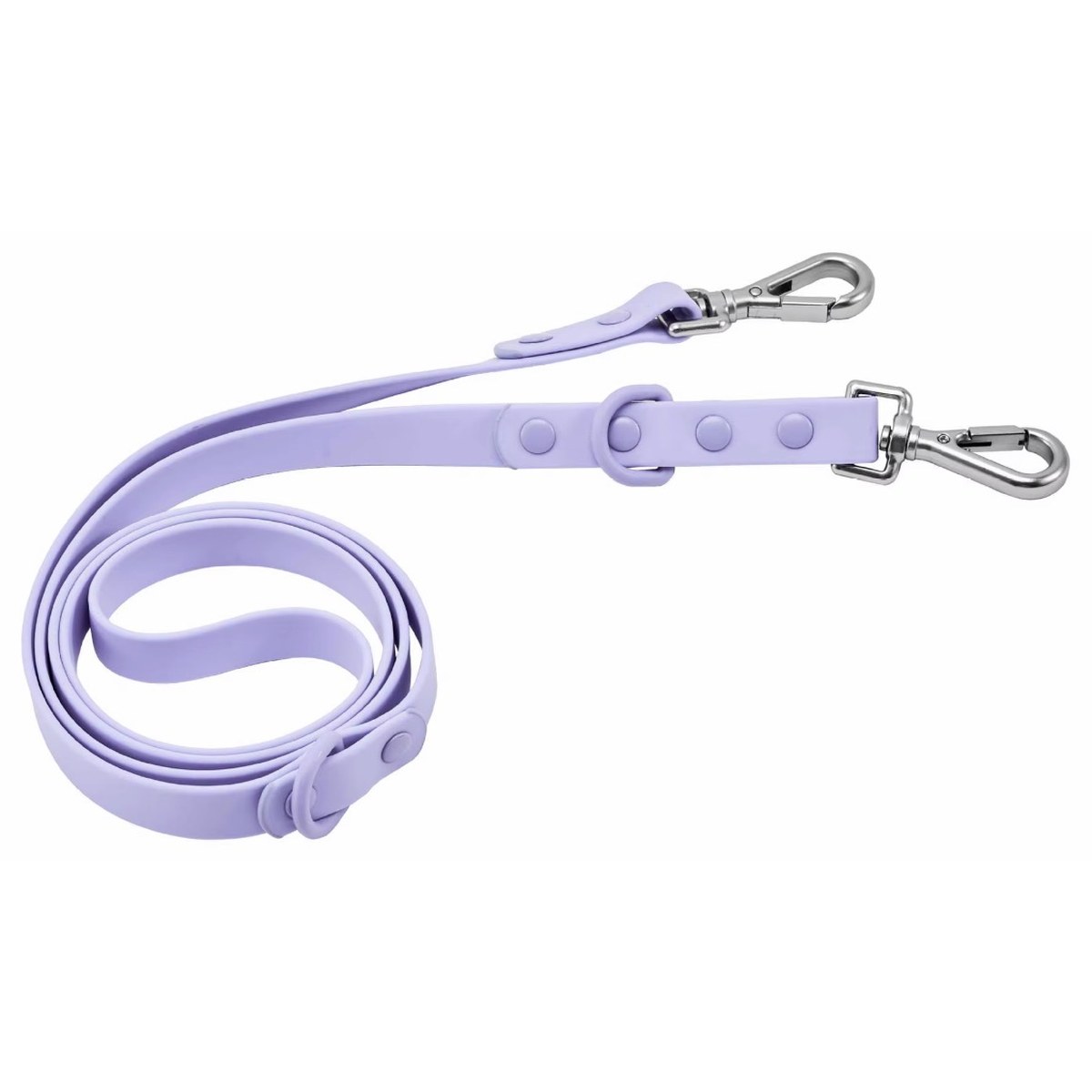
Accessory
Standard Lead
Padded-handle 1.2m lead in Pawpoint tan.
Fits any dog
Pawpoint on YouTube
Watch the full Foxhound video
Breed deep-dives, history and honest ownership talk. New film every week.
Watch now