Gaddi Kutta
GUD-dee KOO-tah
India· Himachal Pradesh, India
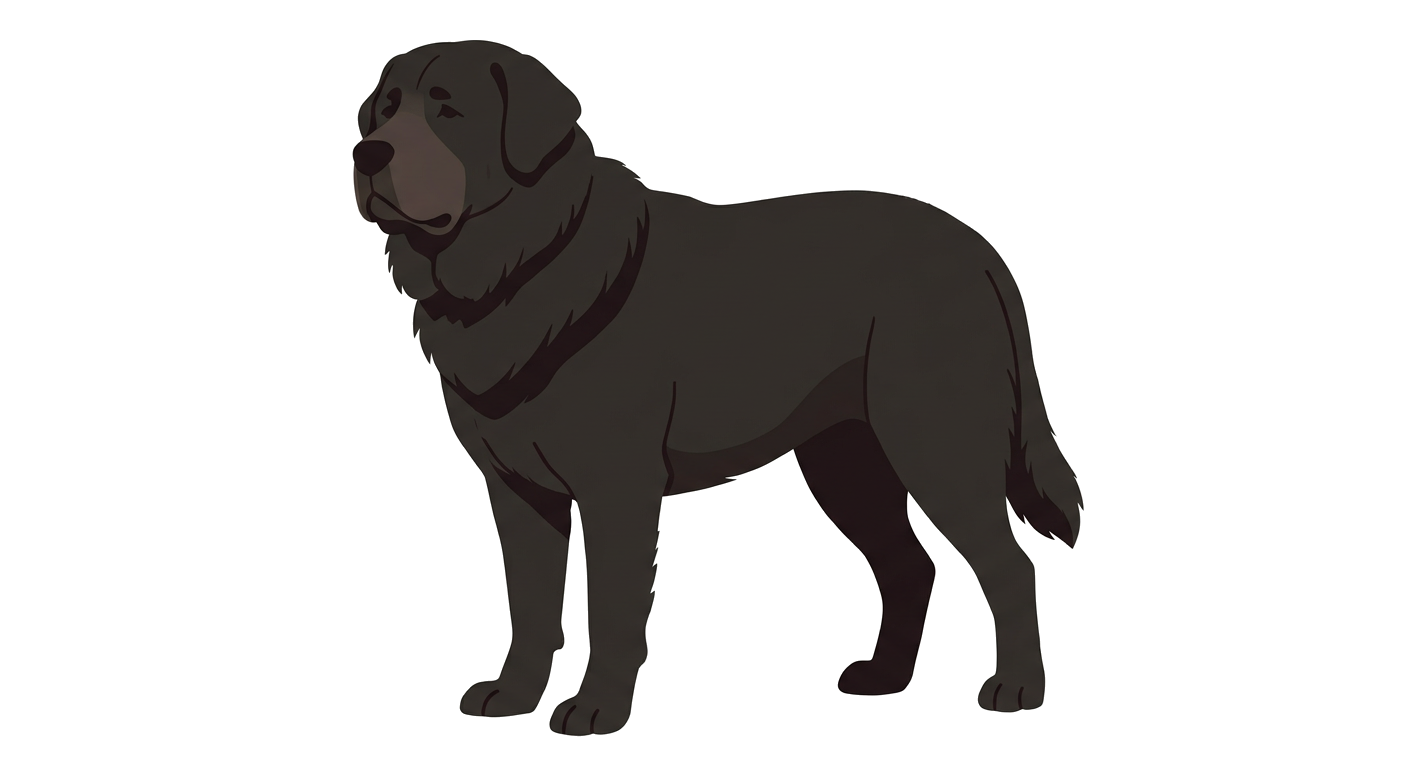
The Gaddi Kutta, also commonly referred to as the Himalayan Sheepdog or Mahidant Mastiff, is an indigenous livestock guardian dog native to the western Himalayas, primarily associated with the state of Himachal Pradesh in northern India. Developed through centuries of practical selection by the nomadic Gaddi pastoralist tribe, these dogs were bred to protect flocks of sheep and goats from high-altitude predators such as leopards, snow leopards, and Himalayan black bears during seasonal transhumance.
At a glance
Quick facts
Size
Large to Giant
Exercise needs
Moderate to high
Home size suited to
Large rural properties or farms only
Grooming frequency
Moderate (regular brushing required)
Coat length
Medium to long
Sheds
High (heavy seasonal blow)
Lifespan
10–12 years
Town or country
Strictly rural or montane
Garden size needed
Large, securely fenced acreage
Where it comes from
Origins of the Gaddi Kutta
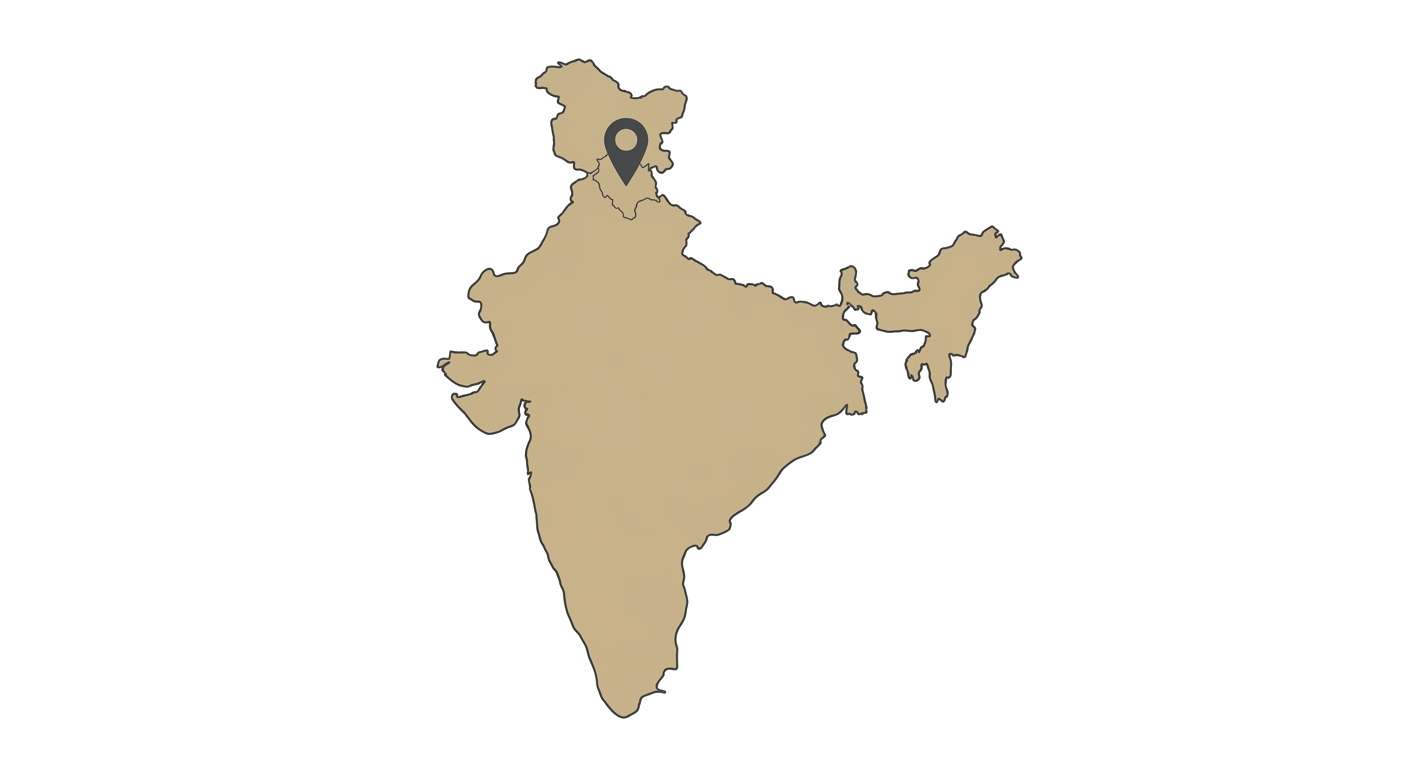
Developed by the nomadic Gaddi shepherds in the rugged western Himalayas of northern India.
- Region
- Himachal Pradesh, India
- Climate it was bred for
- Alpine and montane cold temperate
- Original job
- Livestock guardian and predator deterrent in high-altitude pastures
The long read
About the breed
Characterised by a heavy, dense double coat and a robust, muscular frame, the Gaddi Kutta is physically well adapted to survive severe montane weather and rugged terrain. While functionally functioning as a guardian rather than a herder, the breed exhibits an autonomous, protective temperament. Within their native pastoral context, they are noted for loyalty to their handler's family and flock, coupled with a deep, territorial suspicion toward unfamiliar intruders.
Formal documentation, studbook records, and genetic surveys for the Gaddi Kutta remain relatively sparse. The breed is maintained predominantly as an indigenous working landrace rather than an internationally standardised show dog, though it is acknowledged regionally by the Kennel Club of India. In recent decades, pastoral lifestyle changes and informal cross-breeding have prompted concern among Indian cynologists regarding the dilution of pure landrace bloodlines in remote valleys.
Illustrated breed standard
The points of the breed
Hover or tap a numbered point to read what the standard asks for.
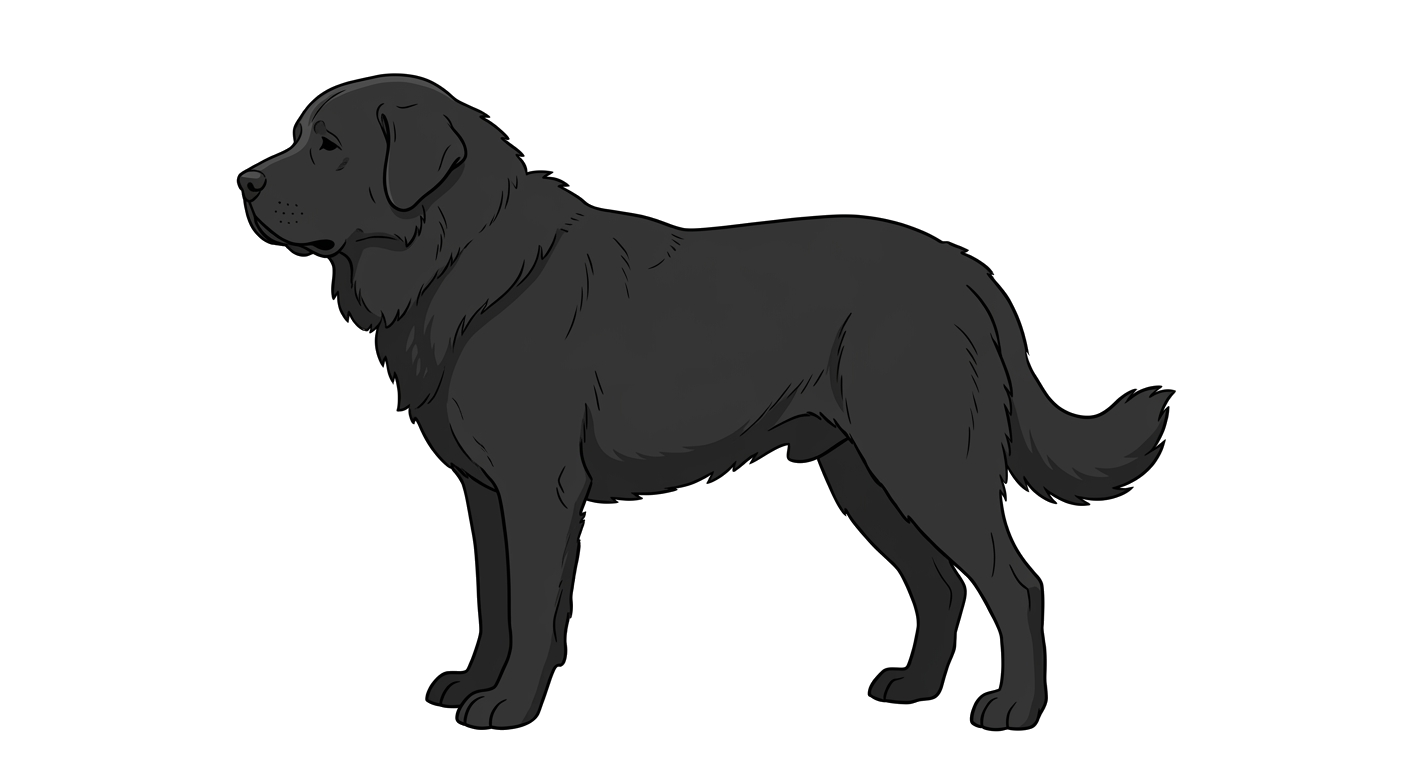
Point 1
Skull
The Gaddi Kutta's skull is judged on balance rather than size — proportionate to the body, with a clean cheek and a stop typical of the breed. Coarseness or an over-refined head are both faulted.
Colours & patterns
Recognised coats
Which coats the standard accepts — and which are simply popular.
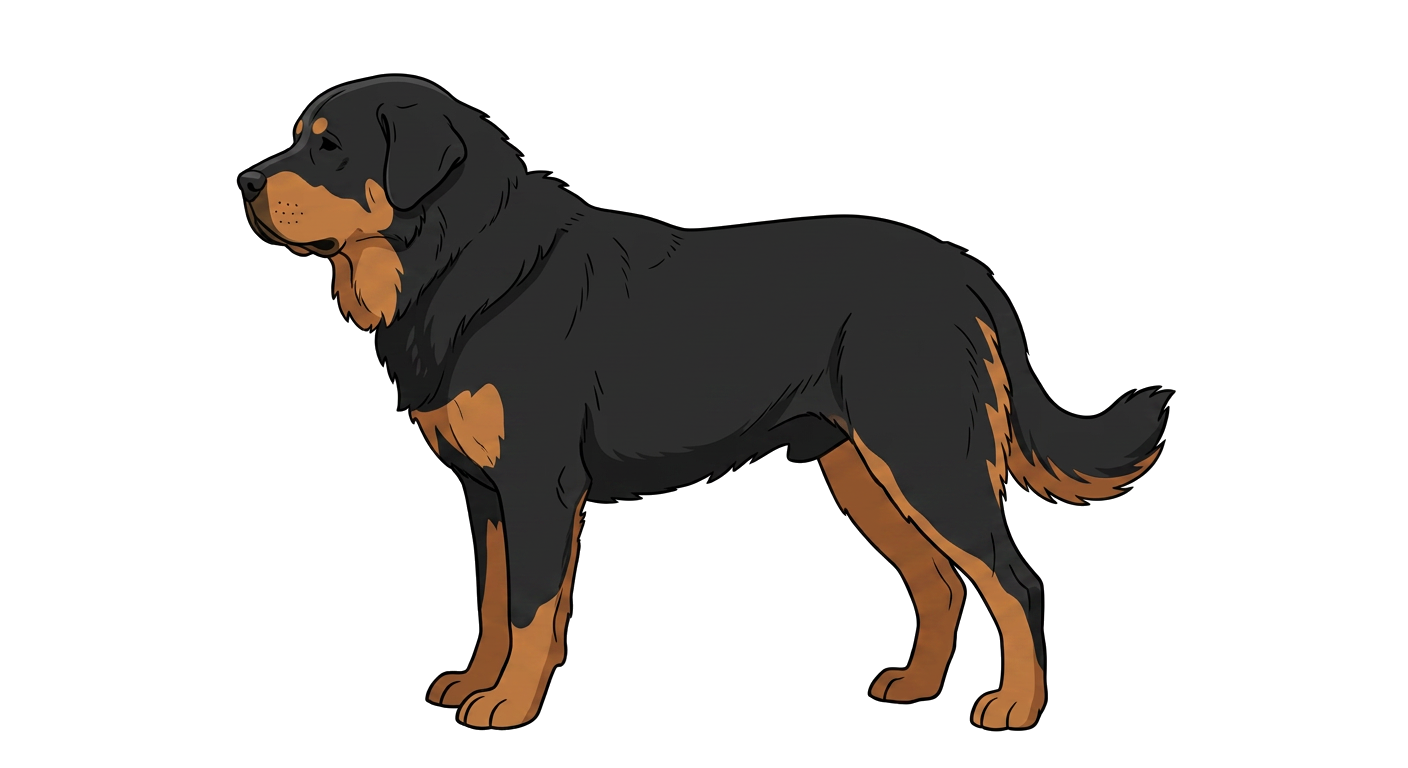
Black and Tan
Standard colour
Classic working colouration featuring a black mantle with rich tan points on muzzle, eyebrows, and legs.
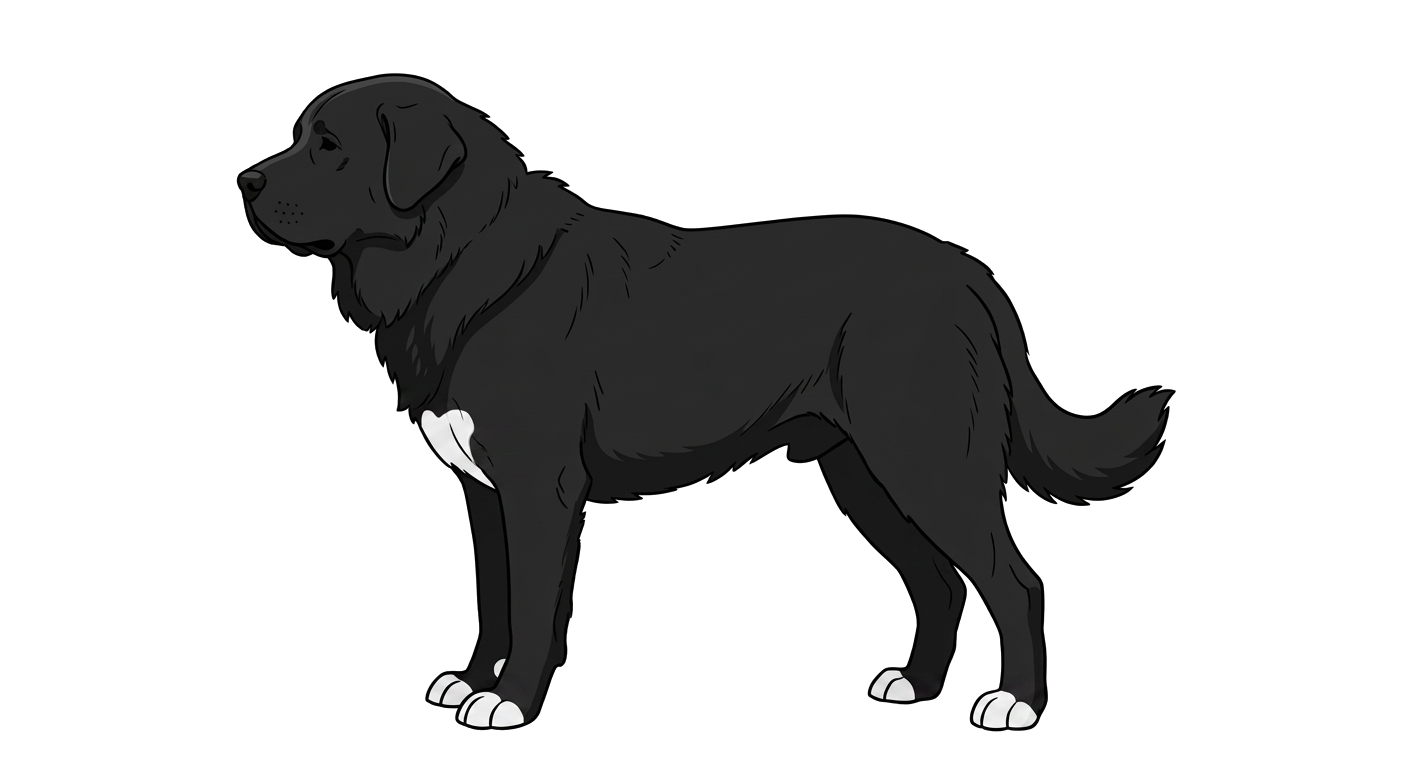
Solid Black
Standard colour
Uniform black coat, sometimes displaying minor white markings on the chest or toes.
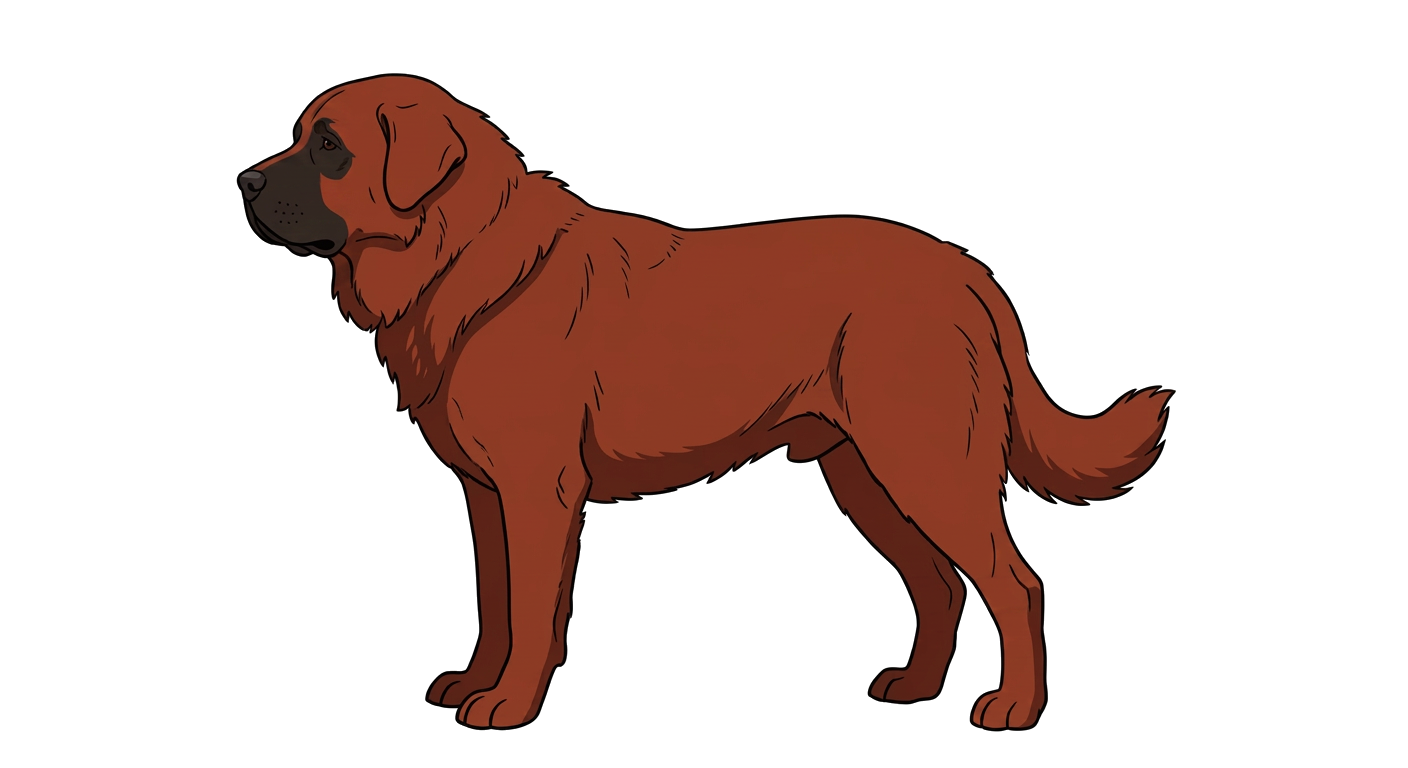
Fawn / Reddish-Brown
Standard colour
Ranges from pale sand and wheaten to deep reddish-brown, often with a darker mask.
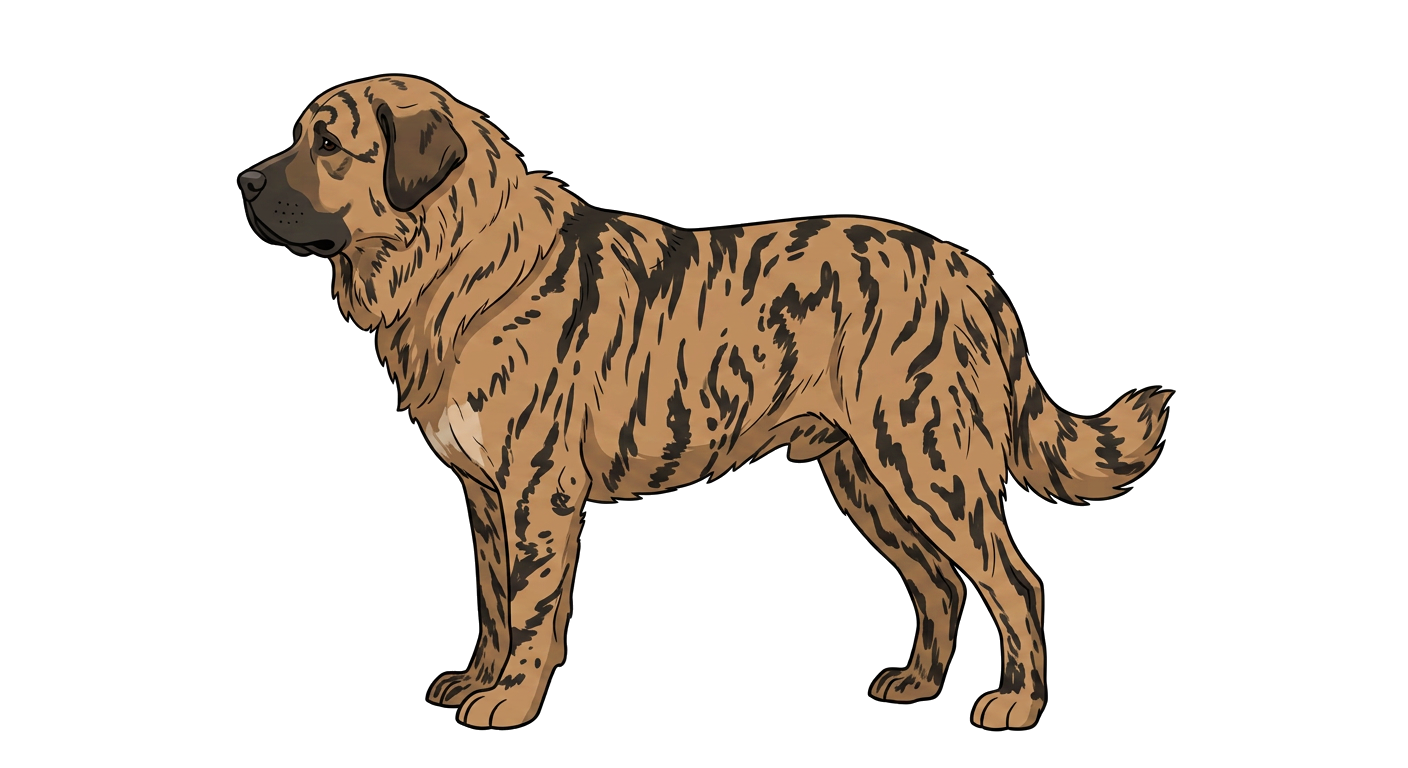
Brindle
Standard colour
Dark striping over a lighter fawn, grey, or brown base coat, traditional in mountain working stock.
Timeline
History & development
c. 1000–1800
Pastoral Landrace Emergence
Nomadic Gaddi pastoralists in the Dhauladhar and Pir Panjal ranges selectively maintain large mastiff-type dogs to protect livestock during seasonal migrations across high-altitude mountain passes.
1880–1920
Colonial-Era Documentation
British explorers, sportsmen, and colonial administrators in northern India document encounters with formidable Himalayan sheepdogs, noting their fierce defence against mountain leopards and thick, lion-like ruffs.
2000s–Present
Conservation and Landrace Status
Regional cynologists and indigenous breed advocates highlight the declining numbers of unmixed working stock, initiating local efforts to document and preserve the traditional Himalayan pastoral mastiff.
Reference
Breed standard summary
- body
- Sturdy and well-muscled; back is level and strong, chest is deep and moderately broad reaching the elbows, with a moderate tuck-up at the loin.
- coat
- Thick, hard-textured, straight outer coat over a dense, woolly undercoat that thickens considerably in winter, with a pronounced ruff around the neck and shoulders.
- ears
- Medium-sized, triangular with rounded tips, hanging close to the sides of the head, though raised slightly when the dog is alert.
- eyes
- Medium in size, almond-shaped, set slightly obliquely, ranging in colour from dark hazel to deep brown, with a calm, watchful expression.
- gait
- Powerful, purposeful, and ground-covering, demonstrating effortless movement and agility over steep, uneven ground.
- head
- Broad, substantial, and wedge-shaped with a moderately defined stop, conveying strength without excessive coarseness or loose facial skin.
- size
- Height typically ranges between 55 and 75 cm at the withers, with weights generally between 35 and 50 kg, though unstandardised working specimens vary.
- tail
- Moderately long, heavily feathered, and typically carried curled or loosely arched over the back when in motion or alert.
- colour
- Most frequently solid black, black and tan, fawn, reddish-brown, or brindle, occasionally with white markings on the chest and feet.
- muzzle
- Deep, broad, and strong, roughly equal in length to the skull, ending in a broad black nose; lips are moderately tight to slightly pendulous.
- temperament
- Courageous, independent, and deeply territorial; aloof and cautious with strangers, yet calm and protective towards family and livestock.
- general appearance
- A large, powerful, and rugged mastiff-type dog built for endurance in rough mountain terrain, carrying a dense weather-resistant double coat and a bushy tail curled over the back.
Health
What to screen for
Green means little to worry about, amber means ask the breeder for test results, red means manage it actively.
Hip and Elbow Dysplasia
Screen for it
Common to heavy-boned mountain breeds, though lack of formal screening makes precise prevalence unrecorded.
Gastric Dilatation-Volvulus (Bloat)
Watch closely
Deep-chested anatomy places the breed at theoretical risk of acute stomach twisting.
Heat Intolerance
Screen for it
The heavy alpine double coat predisposes the dog to heatstroke in warm or humid lowland climates.
Ectropion and Entropion
Watch closely
Eyelid laxity and structural eye irritation may occur occasionally in heavier-headed lines.
General information only — always speak to your vet about your own dog.
From real owners
Dogs like this
Gaddi Kuttas added by PawPoint members through their pet passports. Share yours to appear here.
Loading the wall…
Made for the Gaddi Kutta
The book, plus prints, hoodies and mugs using our own Gaddi Kutta illustration — and one everyday accessory that suits any dog.
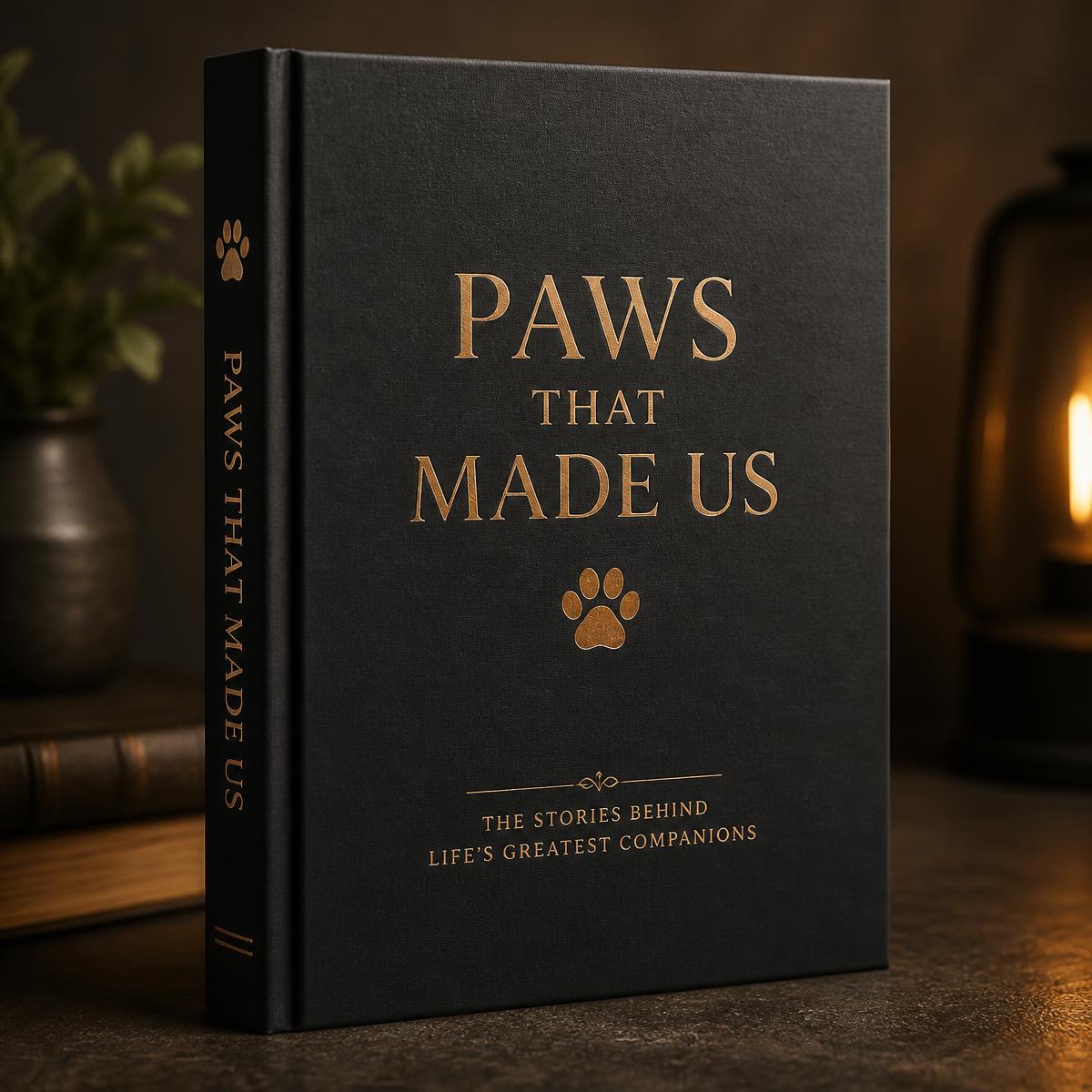
The book
Pawpoint: The Complete Dog Breed Book
Every officially recognised breed plus the unofficial ones nobody else documents. 400+ pages, hardback, printed and shipped from the UK.
Own stock — shipped by us
Framed poster
Gaddi Kutta Framed Poster
Museum-weight print of our Gaddi Kutta illustration, framed or unframed.
Printed to order
Hoodie
Gaddi Kutta Hoodie
Heavyweight hoodie carrying the Gaddi Kutta illustration on the chest.
Printed to order
Mug
Gaddi Kutta Mug
Ceramic mug with the Gaddi Kutta illustration wrapped around it.
Printed to order
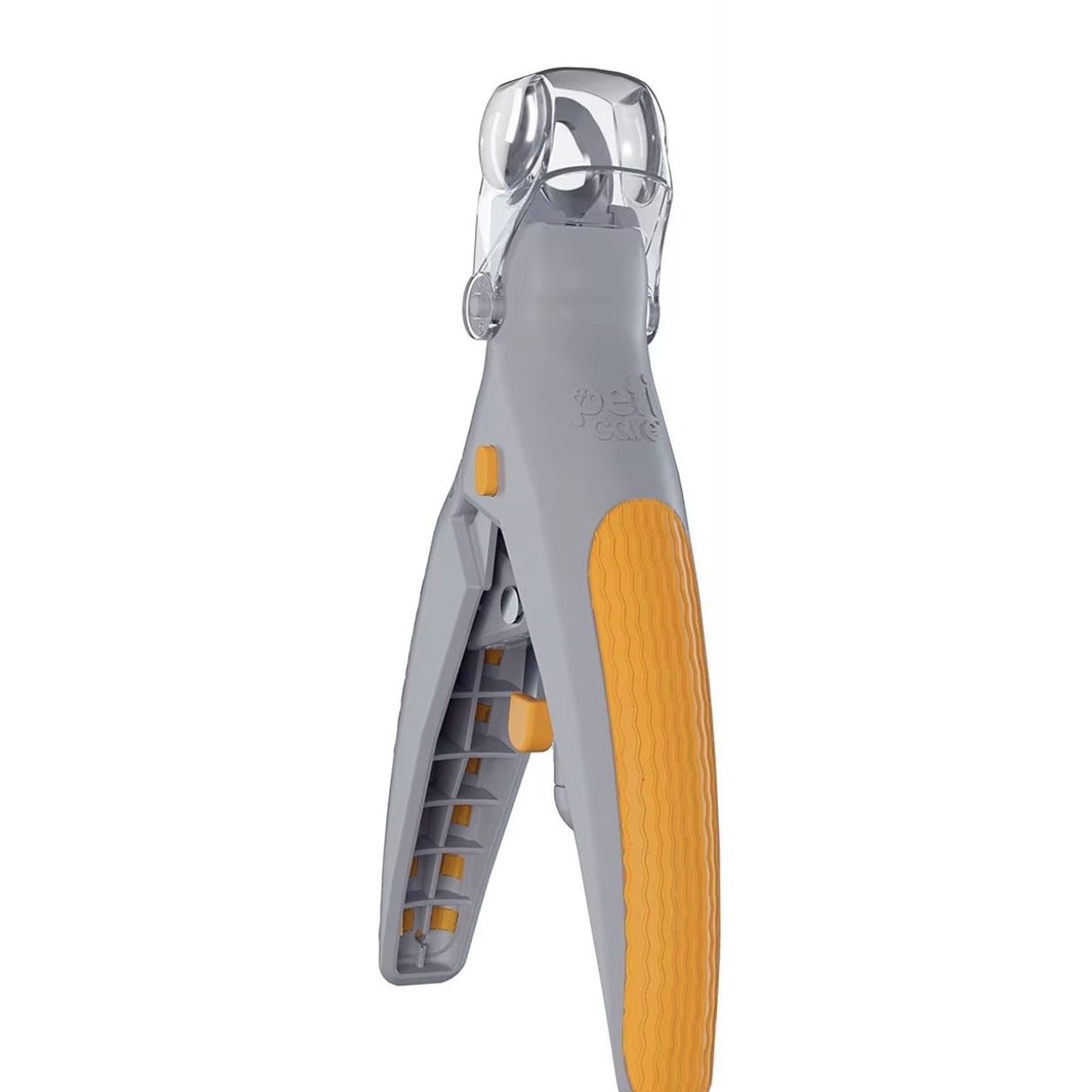
Accessory
Nail Clippers & Grinder
Safety-guard clippers with a quiet rotary grinder.
Fits any dog
Pawpoint on YouTube
Watch the full Gaddi Kutta video
Breed deep-dives, history and honest ownership talk. New film every week.
Watch now