
German Pinscher
JUR-muhn PIN-shuhr
Germany· Central Germany
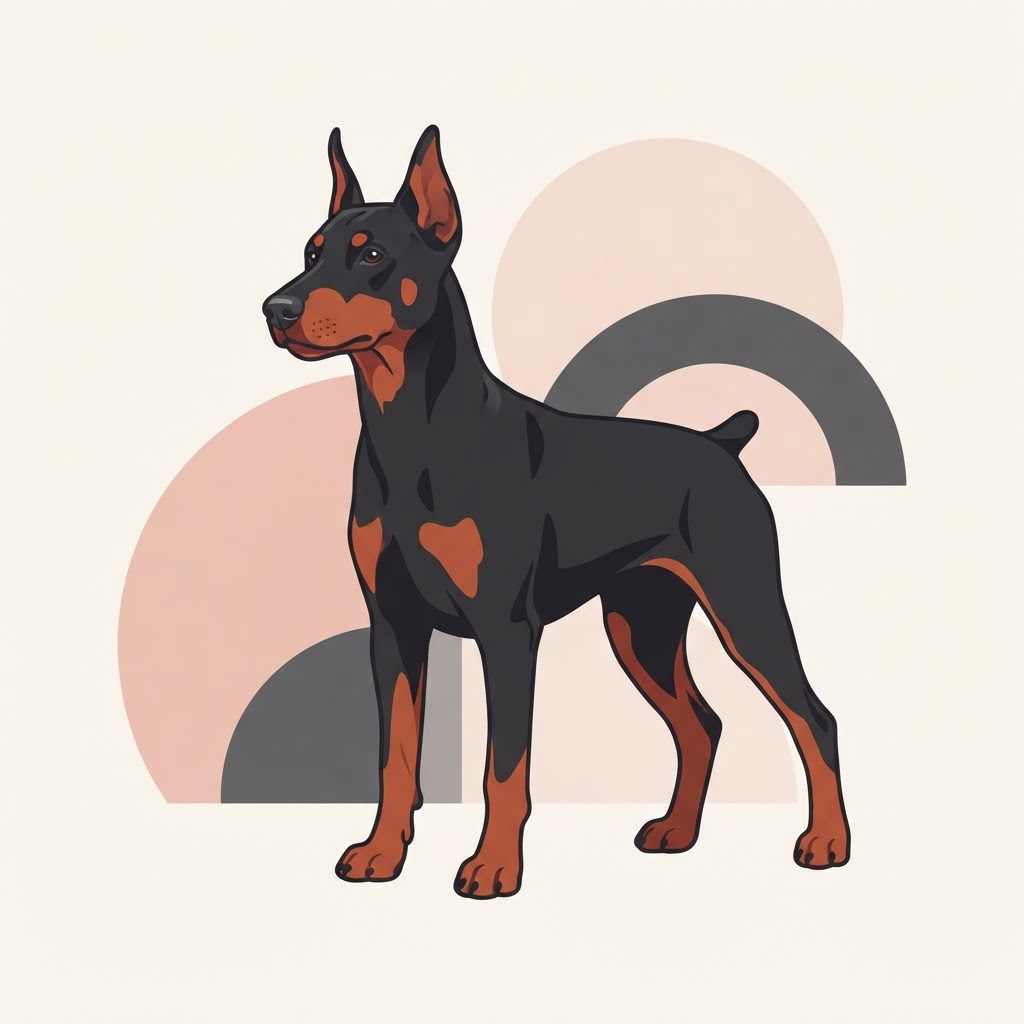
The German Pinscher is a medium-sized, sleek working terrier-type breed from Germany, bred to guard property and control vermin around farms and stables.
At a glance
Quick facts
Size
Medium
Exercise needs
60 minutes daily
Home size suited to
Small to medium home
Grooming frequency
Weekly brush
Coat length
Short
Sheds
Yes, heavily when moulting
Lifespan
12-14 years
Town or country
Either, with enough exercise
Garden size needed
Small to medium
Where it comes from
Origins of the German Pinscher
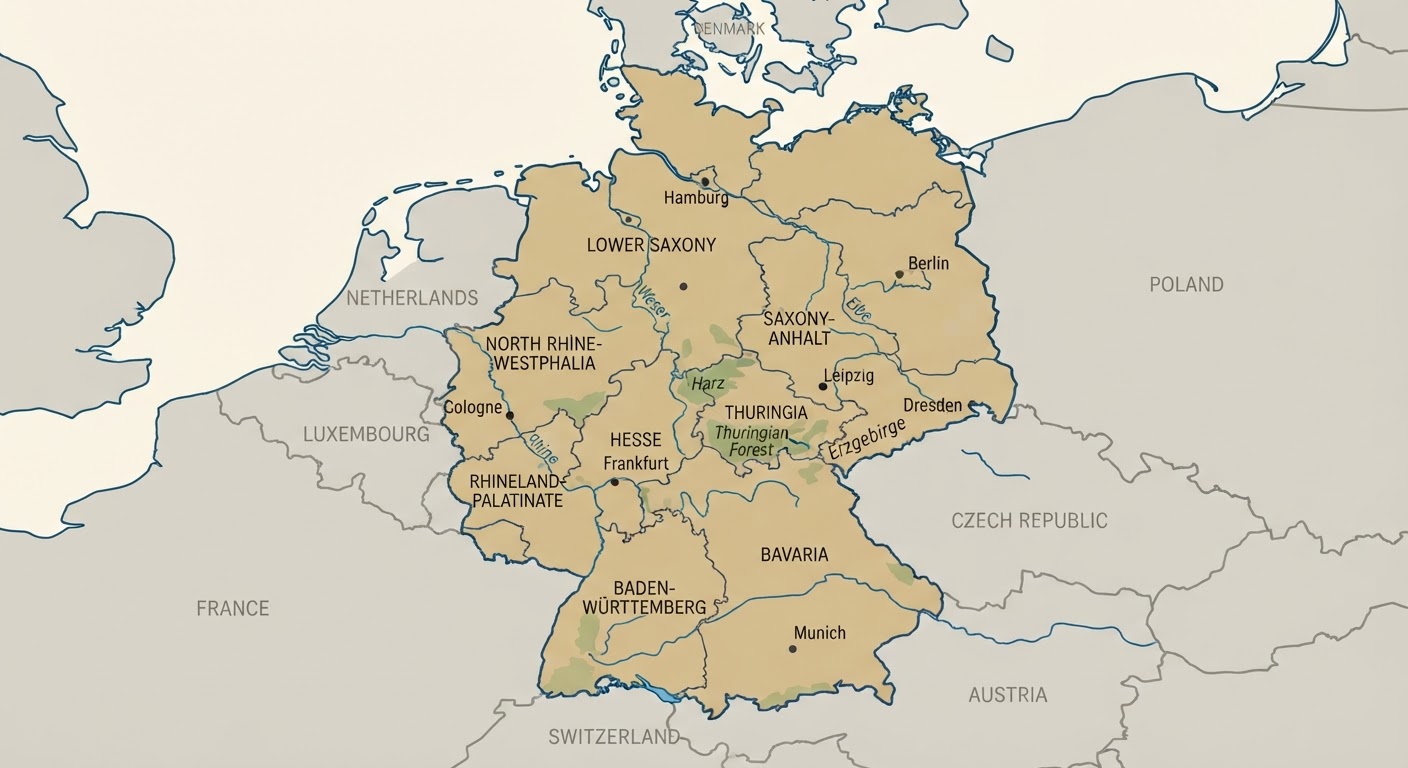
Developed on German farms and stables as a general-purpose guard and ratting dog, valued for alertness and a sleek, low-maintenance coat suited to working life.
- Region
- Central Germany
- Climate it was bred for
- Temperate central European
- Original job
- Guarding property and ratting
The long read
About the breed
The breed developed in Germany over several centuries and stands as the ancestor of both the Doberman and the Miniature Pinscher, though it very nearly disappeared after the Second World War, when only a handful of dogs remained in East Germany. Breeder Werner Jung rebuilt the population from these survivors in the 1950s, sourcing outcrosses carefully to widen the gene pool without losing the breed's character.
Living with a German Pinscher means living with an alert, confident, and energetic dog that takes its guarding instincts seriously; they are naturally wary of strangers and make effective watchdogs without excessive barking. They need firm, consistent training from an early age, as they are intelligent enough to test boundaries, and plenty of daily exercise to prevent boredom-related mischief. The smooth, short coat needs minimal grooming, a practical feature given the breed's active lifestyle.
Today the German Pinscher remains relatively rare outside Germany, valued by owners who want a versatile, low-maintenance-coated working dog capable of obedience, agility, or simply being an attentive household guardian. Its history as a near-extinct breed makes genetic diversity an ongoing consideration for breed clubs managing its recovery.
Living with one
Temperament & needs
Our own ratings, based on the breed standard and how these dogs behave in ordinary homes.
Friendliness
3/5
How openly the German Pinscher greets people it does not know.
Trainability
4/5
Intelligent and capable, but needs firm consistent handling.
Energy
4/5
Active and athletic, needs a solid daily exercise routine.
Barking
3/5
Alert without being excessively vocal.
Grooming
1/5
Short, smooth coat needs minimal upkeep.
Suits a first-time owner
3/5
How forgiving the German Pinscher is for someone taking on their first dog.
Sociability
3/5
Wary of strangers, devoted to its own family.
Independence
3/5
Confident and self-assured, not overly clingy.
Illustrated breed standard
The points of the breed
Hover or tap a numbered point to read what the standard asks for.
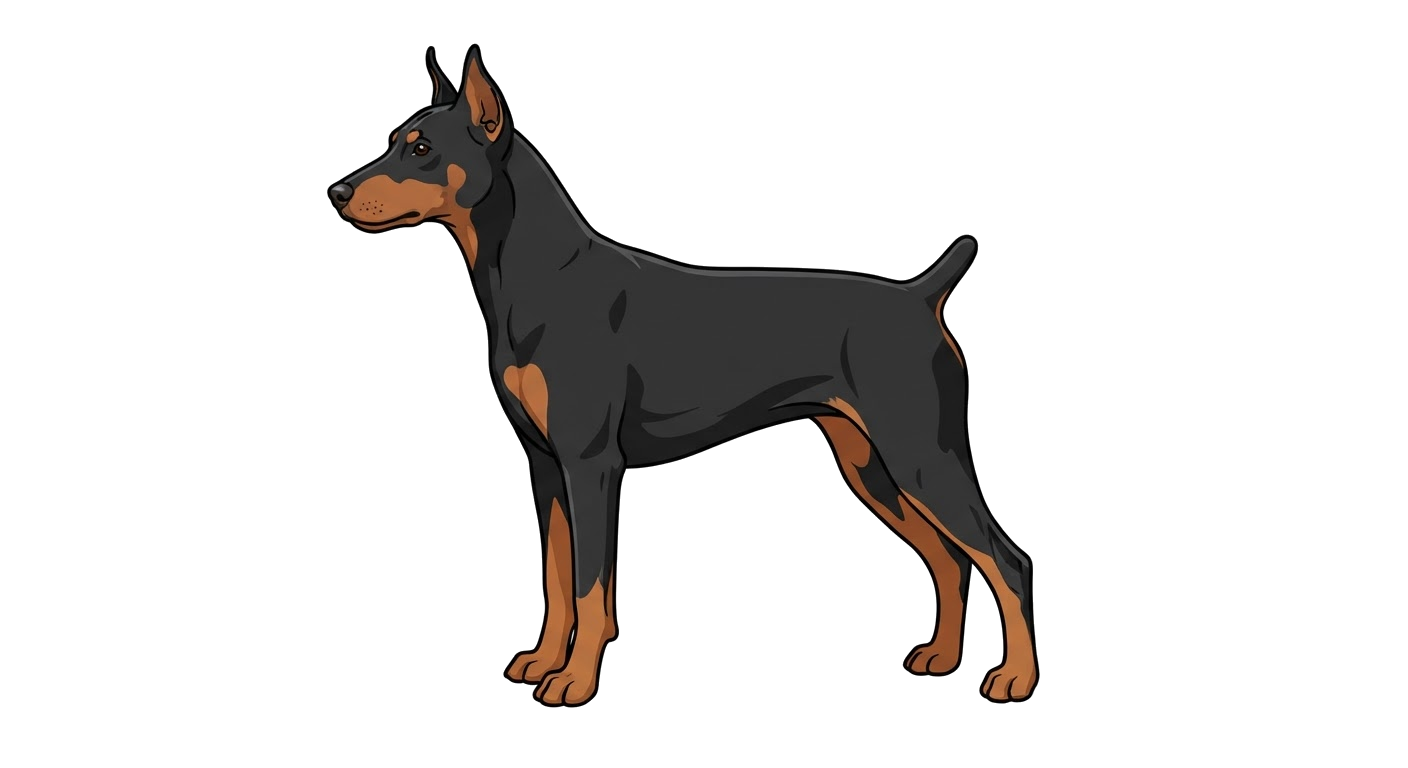
Point 1
Skull
The German Pinscher's skull is judged on balance rather than size — proportionate to the body, with a clean cheek and a stop typical of the breed. Coarseness or an over-refined head are both faulted.
Colours & patterns
Recognised coats
Which coats the standard accepts — and which are simply popular.
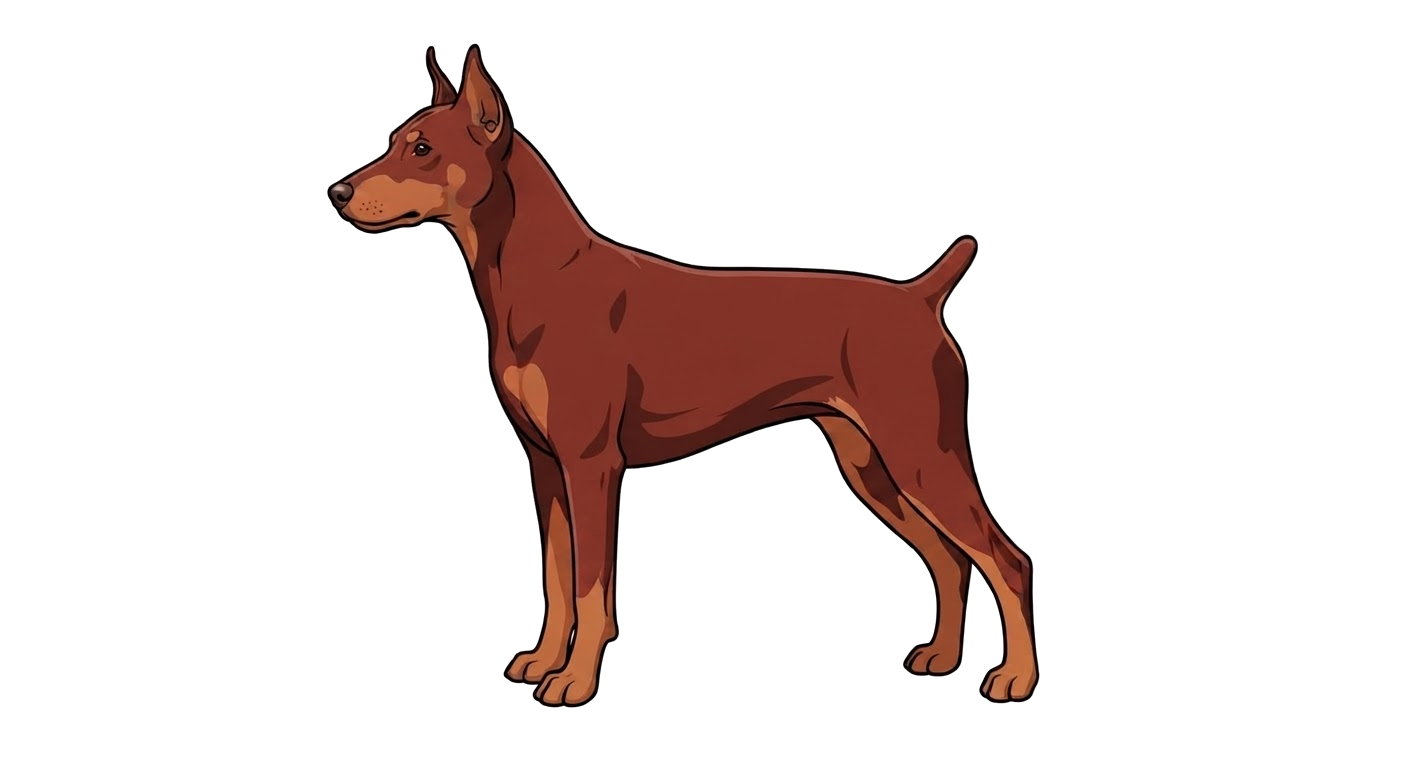
Red
Standard colour
Ranges from light tan to deep rust red.
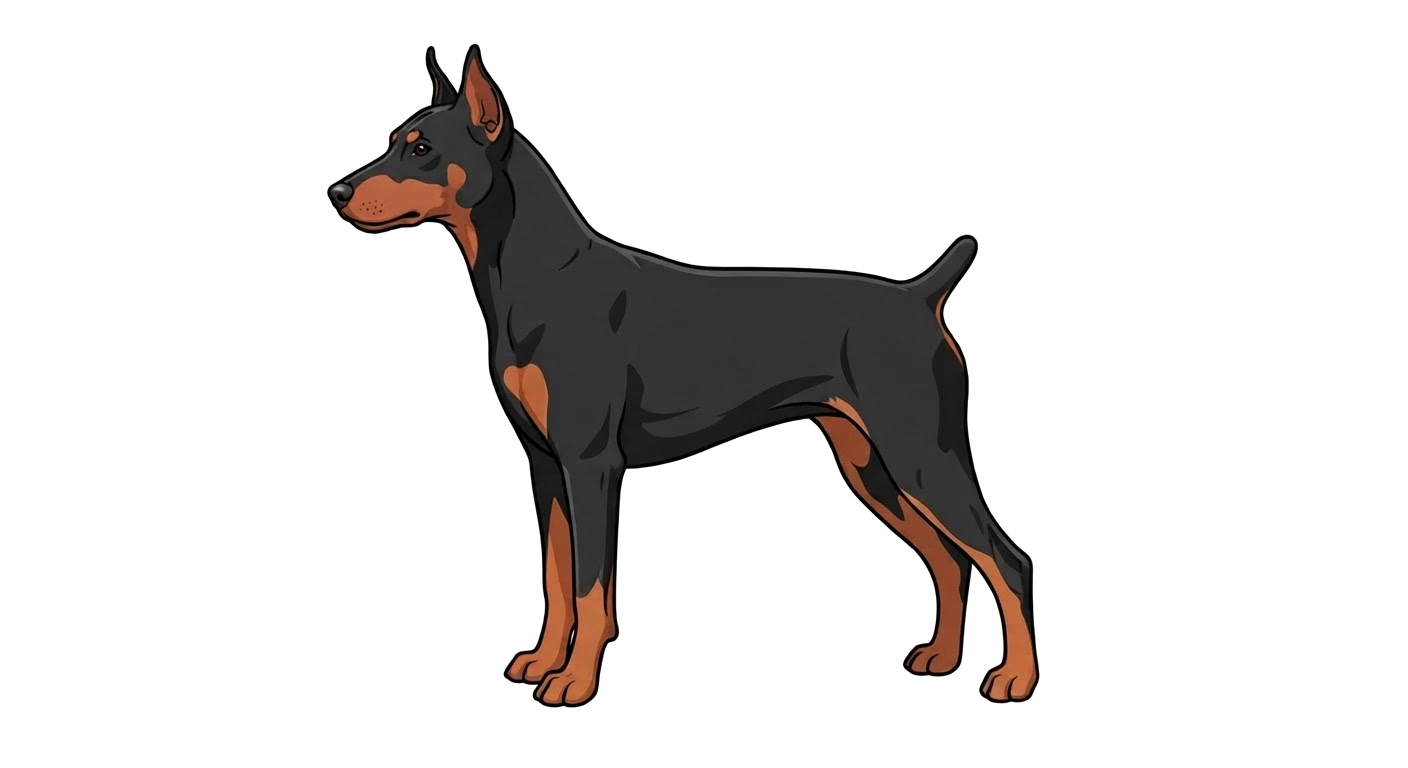
Black and tan
Standard colour
Classic pattern shared with the Doberman lineage.
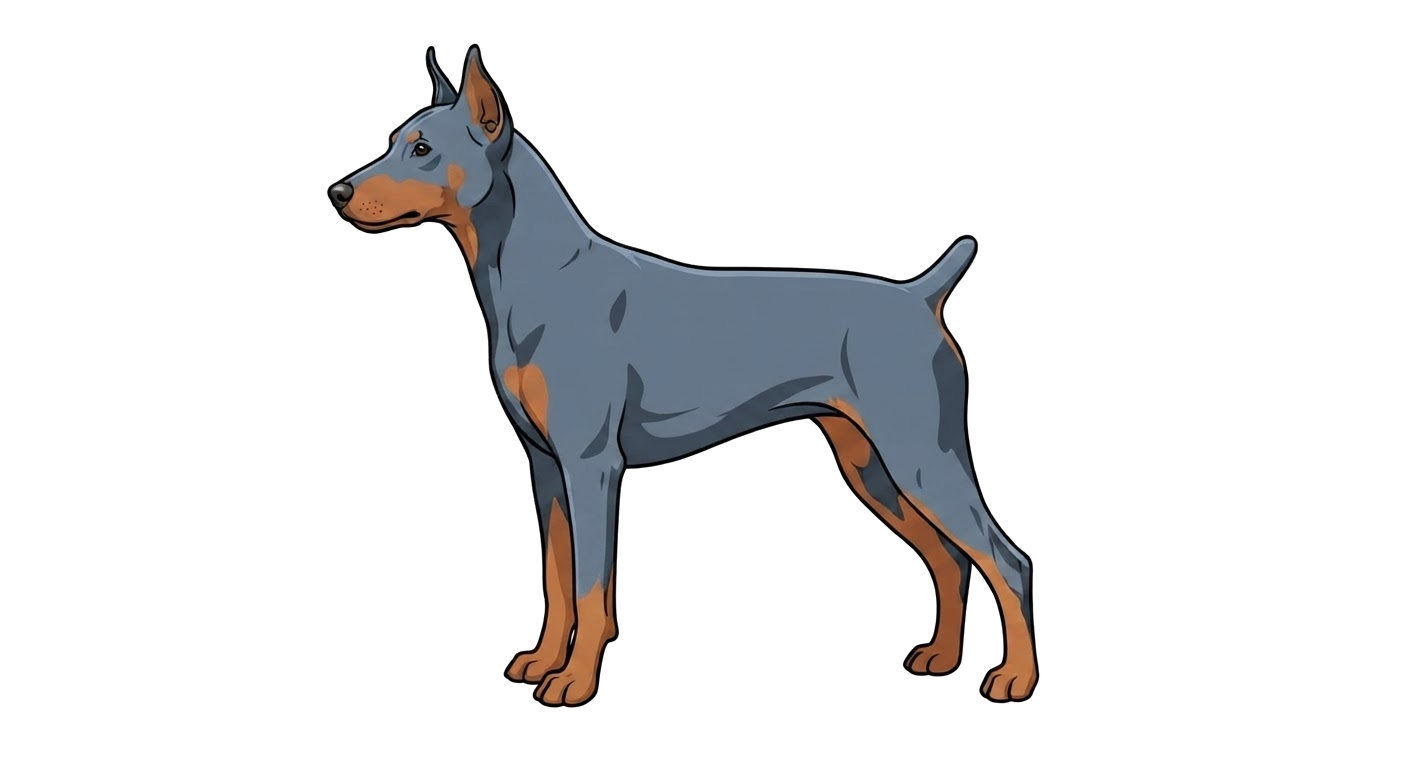
Blue and tan
Standard colour
A less common but accepted dilute pattern.
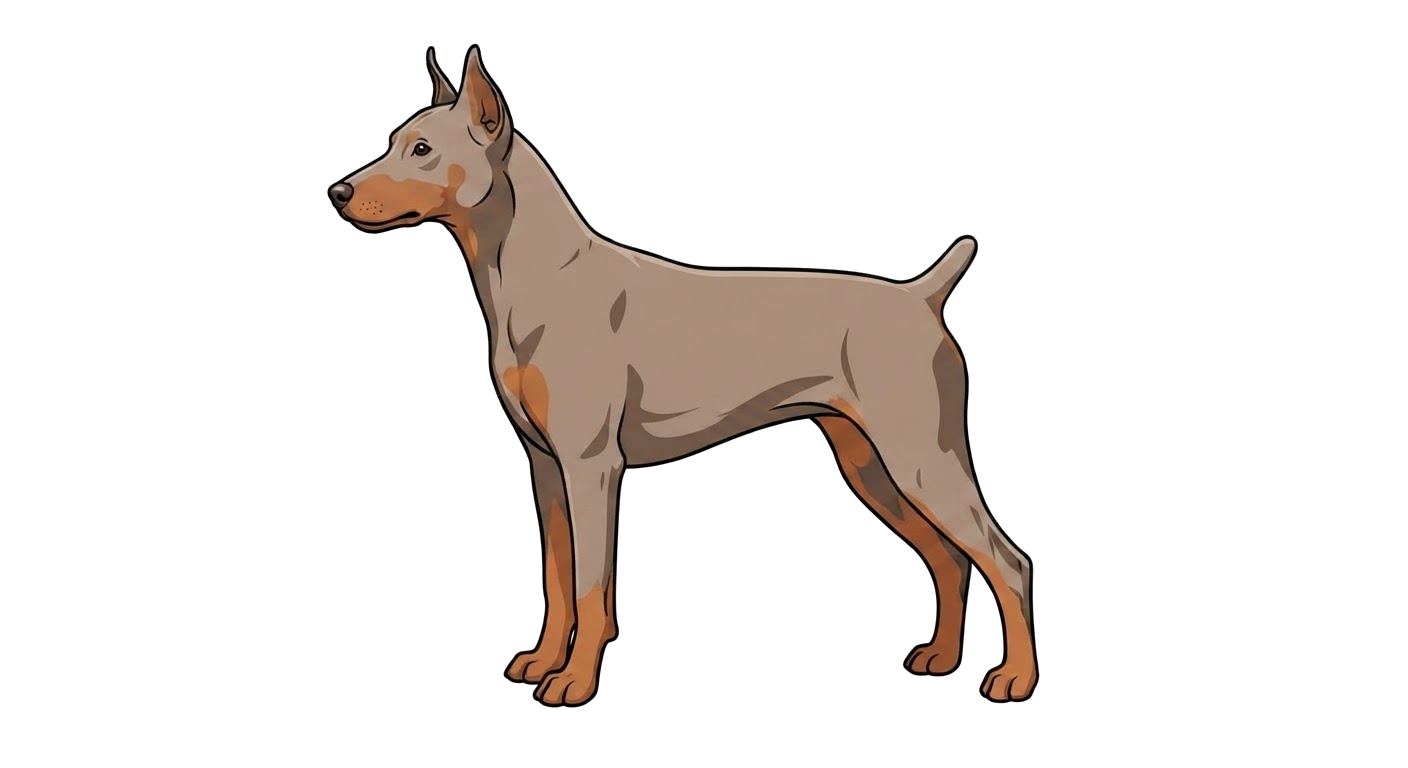
Fawn and tan
Standard colour
Pale dilute variant, also within the standard.
Timeline
History & development
1800s
Farm working dog
German Pinschers work as all-purpose guards and ratters on farms and in stables.
1895
Pinscher-Schnauzer Club founded
A club forms in Germany to standardise Pinscher and Schnauzer types.
1949
Near extinction
Only a few German Pinschers survive in East Germany after the Second World War.
1958
Breed revival
Werner Jung rebuilds the population using surviving dogs and careful outcrossing.
Reference
Breed standard summary
- body
- Square profile, deep chest
- coat
- Short, smooth, close-lying
- ears
- Small, natural drop or cropped where legal
- eyes
- Dark, oval, medium size
- gait
- Free, elastic, ground-covering trot
- head
- Elongated, moderate stop
- size
- Medium · 43-48cm · 14-20kg
- tail
- Docked or natural, carried level
- colour
- Red, Black and tan, Blue and tan, Fawn and tan. Colours outside this list are seen but are not accepted by the kennel clubs.
- temperament
- Typical of the breed: strongest in energy, trainability, sociability. Nervousness or aggression are serious faults in the show ring and in the home.
- general appearance
- Square, muscular, elegant working dog
Health
What to screen for
Green means little to worry about, amber means ask the breeder for test results, red means manage it actively.
Hip dysplasia
Screen for it
Ask breeders for hip scores on both parents.
Von Willebrand's disease
Watch closely
A DNA test is available and worth requesting.
Cardiac issues
Watch closely
Occasional; a cardiac check is a reasonable precaution.
Cataracts
Low concern
Eye testing is available for peace of mind.
General information only — always speak to your vet about your own dog.
From real owners
Dogs like this
German Pinschers added by PawPoint members through their pet passports. Share yours to appear here.
Loading the wall…
Made for the German Pinscher
The book, plus prints, hoodies and mugs using our own German Pinscher illustration — and one everyday accessory that suits any dog.

The book
Pawpoint: The Complete Dog Breed Book
Every officially recognised breed plus the unofficial ones nobody else documents. 400+ pages, hardback, printed and shipped from the UK.
Own stock — shipped by us
Framed poster
German Pinscher Framed Poster
Museum-weight print of our German Pinscher illustration, framed or unframed.
Printed to order
Hoodie
German Pinscher Hoodie
Heavyweight hoodie carrying the German Pinscher illustration on the chest.
Printed to order
Mug
German Pinscher Mug
Ceramic mug with the German Pinscher illustration wrapped around it.
Printed to order
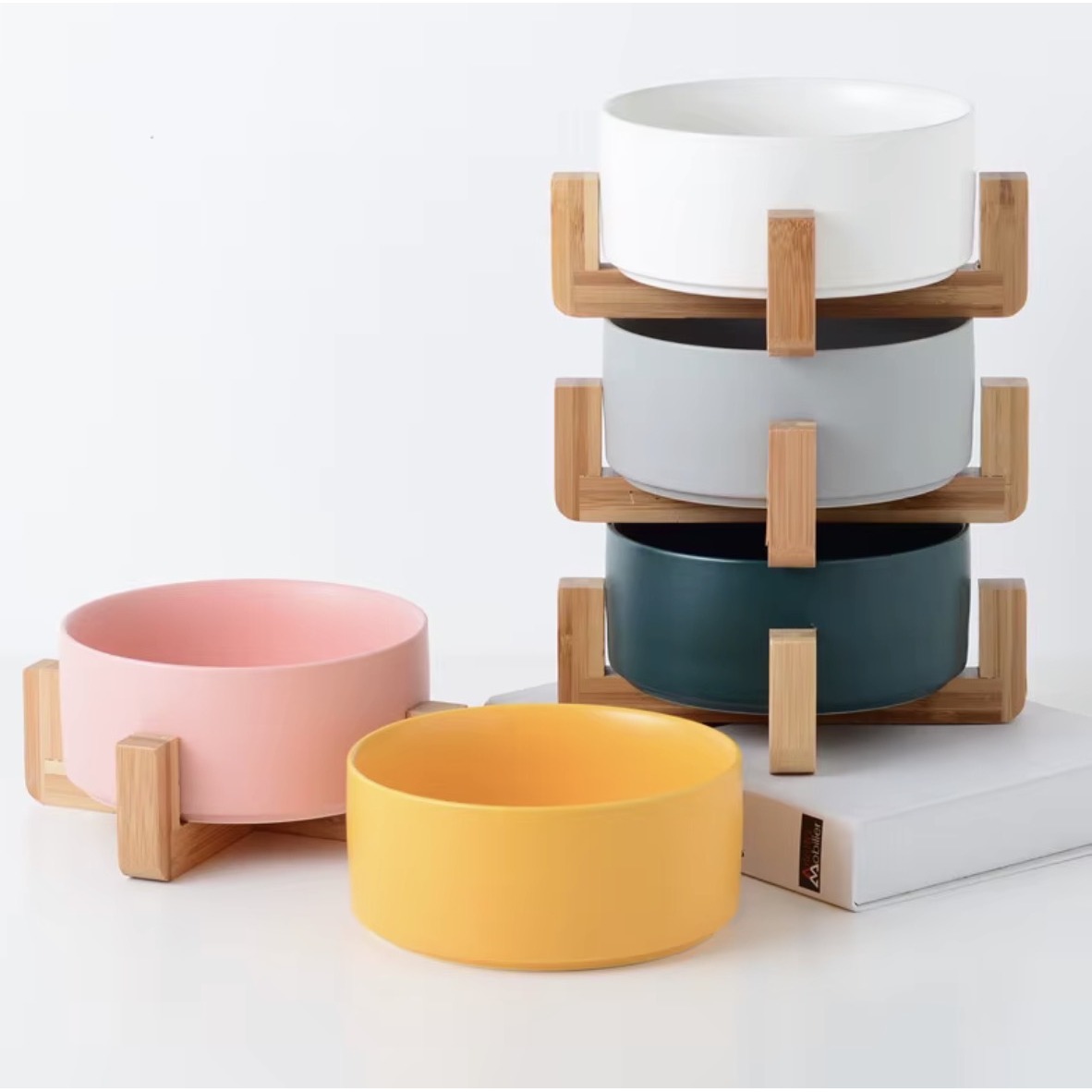
Accessory
Stainless Dog Bowl
Weighted, non-slip base. Dishwasher safe.
Fits any dog
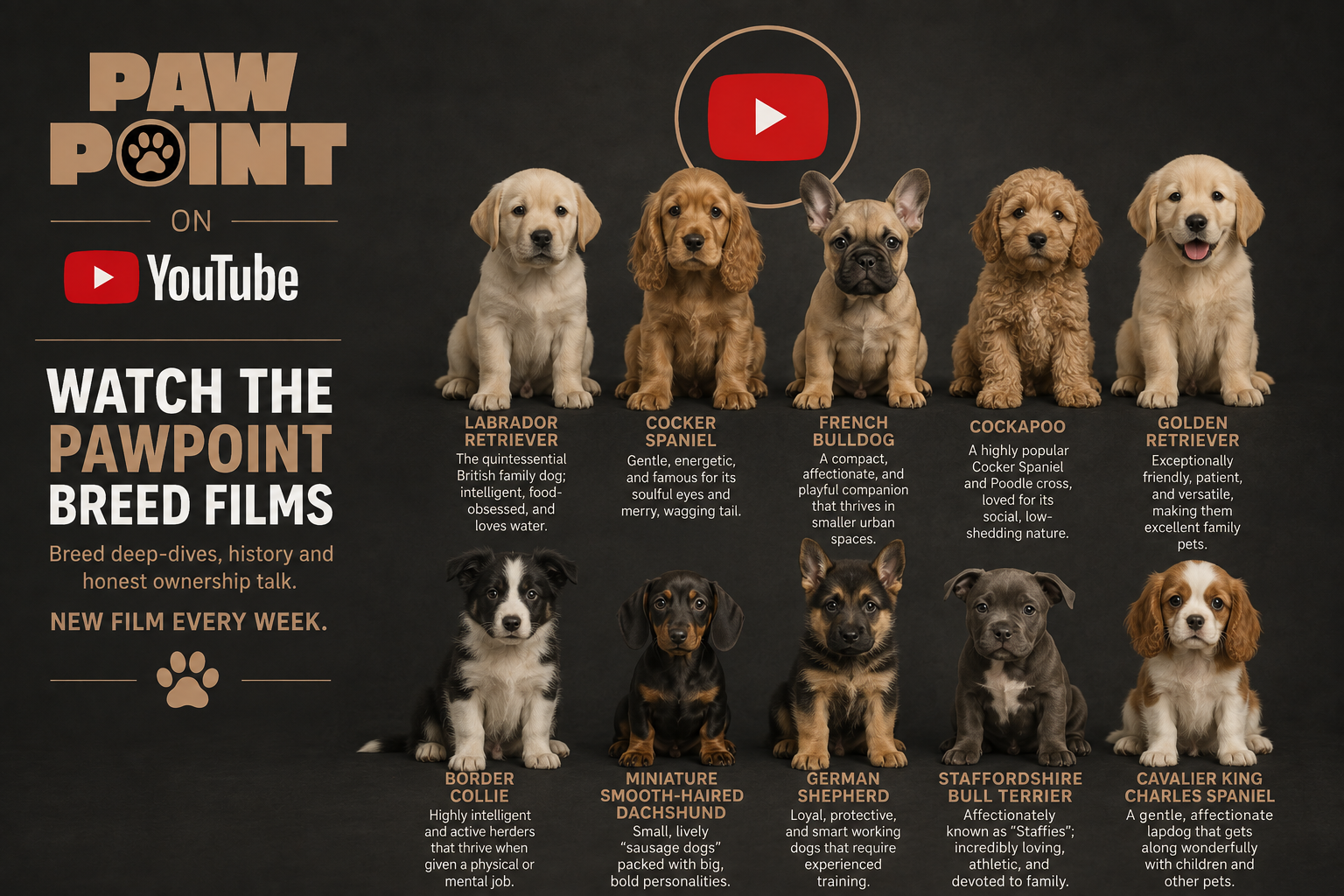
Pawpoint on YouTube
Watch the full German Pinscher video
Breed deep-dives, history and honest ownership talk. New film every week.
Watch now