
Glen of Imaal Terrier
"glen of im-AWL"
Ireland· Glen of Imaal, County Wicklow
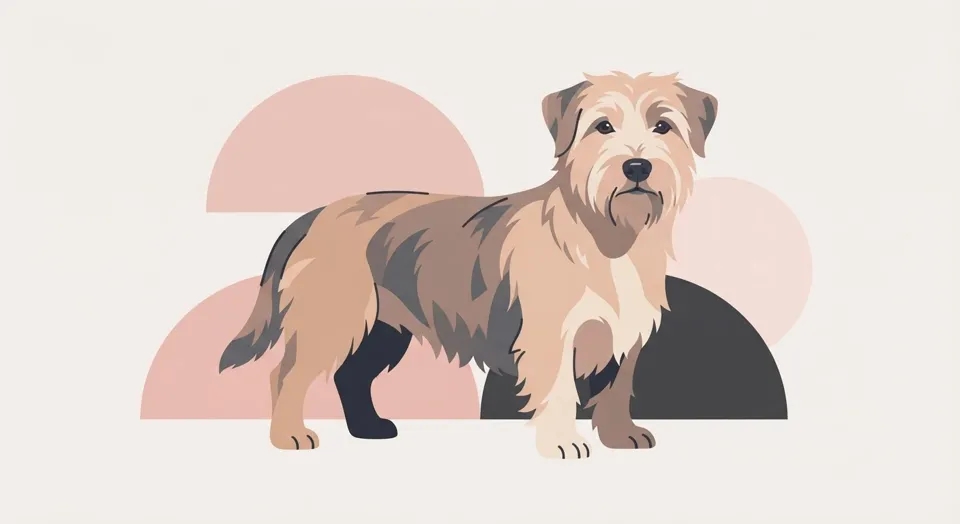
The Glen of Imaal Terrier is a small, sturdy working terrier from a remote valley in County Wicklow, Ireland, bred to go to ground after vermin and to work as a farm dog of all trades.
At a glance
Quick facts
- Size
- Small
- Exercise needs
- 45-60 minutes daily
- Home size suited to
- Flat or small home
- Grooming frequency
- Weekly brush, hand-strip a few times a year
- Coat length
- Wiry
- Sheds
- Yes, heavily when moulting
- Lifespan
- 10-14 years
- Town or country
- Either, with enough exercise
- Garden size needed
- Small garden or none
Where it comes from
Origins of the Glen of Imaal Terrier
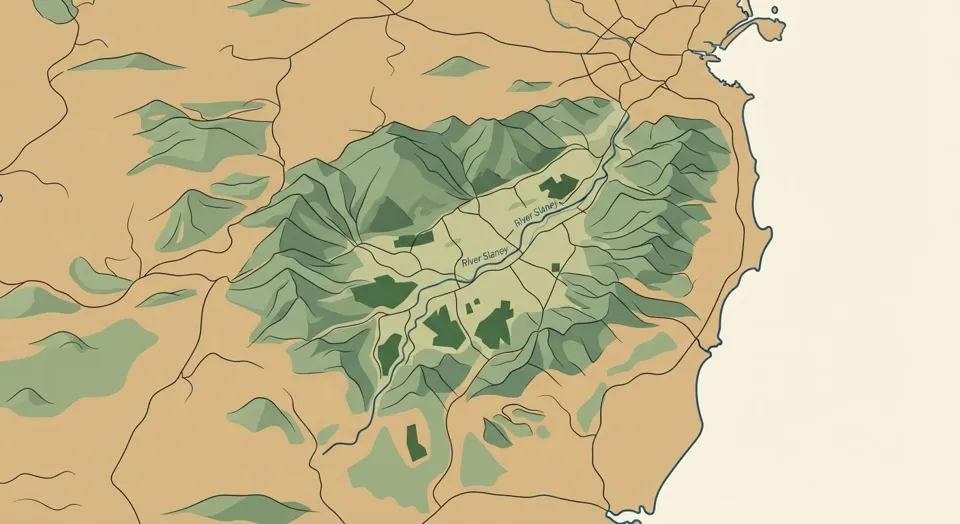
Named for a remote glacial valley in the Wicklow Mountains, where isolation let a distinct low-slung terrier type develop with little outside crossbreeding. Farmers needed a dog that could dig, guard and turn a spit.
- Region
- Glen of Imaal, County Wicklow
- Climate it was bred for
- Damp, remote upland valley
- Original job
- Going to ground after vermin and general farm work
The long read
About the breed
Isolated in the Glen of Imaal, a glacial valley in the Wicklow Mountains, the breed developed with little outside influence, valued by farmers for going to ground after foxes and badgers, turning the spit over an open fire, and generally earning its keep. Its bowed front legs and low-set body suited digging and squeezing into dens rather than fast chasing.
Living with a Glen suits owners who want a genuine terrier character in a smaller, calmer package: it is game and tenacious when working but notably less yappy and frenetic than many terriers at home, content with a solid walk rather than constant activity. It can be strong-willed with other animals given its earthy vermin-hunting instincts.
Today it remains a rare breed even in Ireland, valued by a small number of enthusiasts for its unusual combination of terrier grit and placid domestic temperament, and it is recognised as a vulnerable native breed by the Irish Kennel Club.
Living with one
Temperament & needs
Our own ratings, based on the breed standard and how these dogs behave in ordinary homes.
Friendliness
3/5
How openly the Glen of Imaal Terrier greets people it does not know.
Trainability
3/5
Independent-minded but capable with patience.
Energy
3/5
Content with solid daily walks, not hyperactive.
Barking
2/5
Quieter than most terriers.
Grooming
2/5
Wiry coat needs hand-stripping a few times a year.
Suits a first-time owner
3/5
How forgiving the Glen of Imaal Terrier is for someone taking on their first dog.
Sociability
3/5
Reserved with strangers, loyal at home.
Independence
4/5
Strong terrier instincts around small animals.
Illustrated breed standard
The points of the breed
Hover or tap a numbered point to read what the standard asks for.
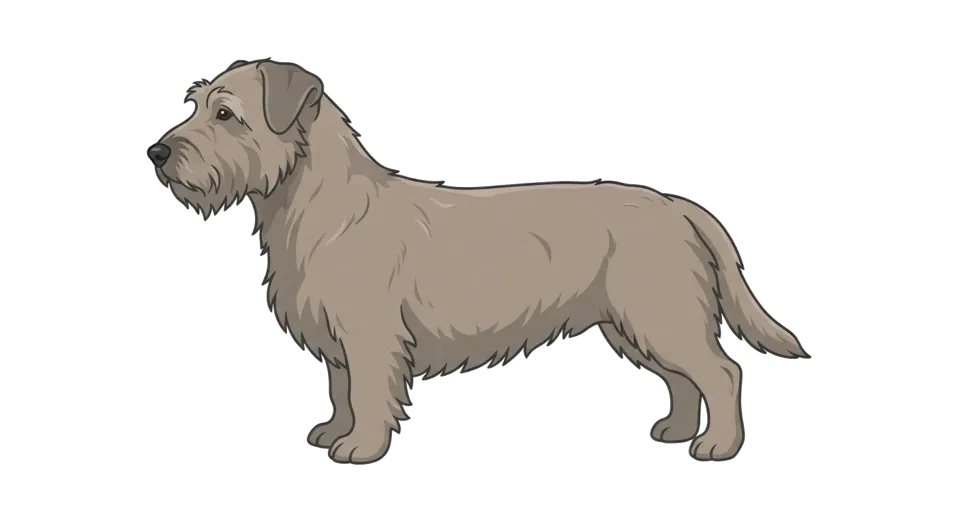
Point 1
Skull
The Glen of Imaal Terrier's skull is judged on balance rather than size — proportionate to the body, with a clean cheek and a stop typical of the breed. Coarseness or an over-refined head are both faulted.
Colours & patterns
Recognised coats
Which coats the standard accepts — and which are simply popular.
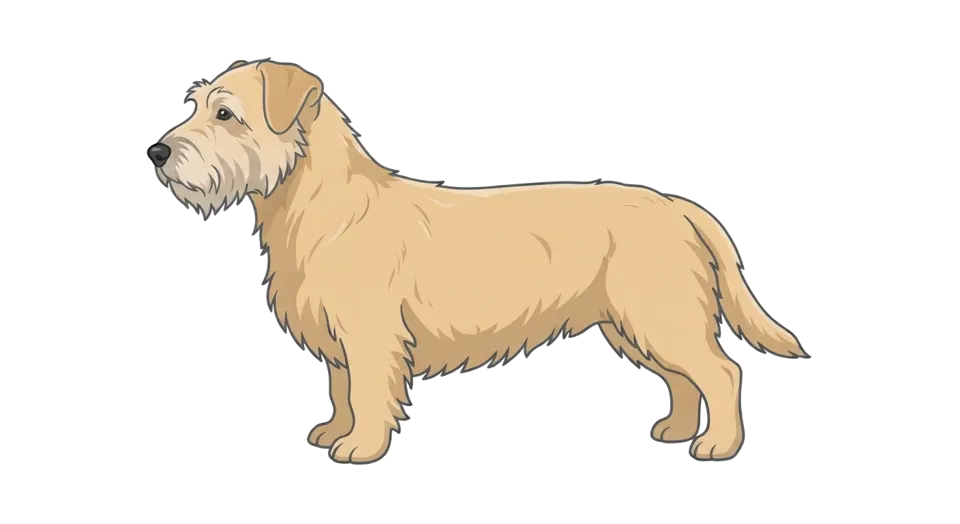
Wheaten
Standard colour
A warm straw colour, common and traditional.
Blue
Standard colour
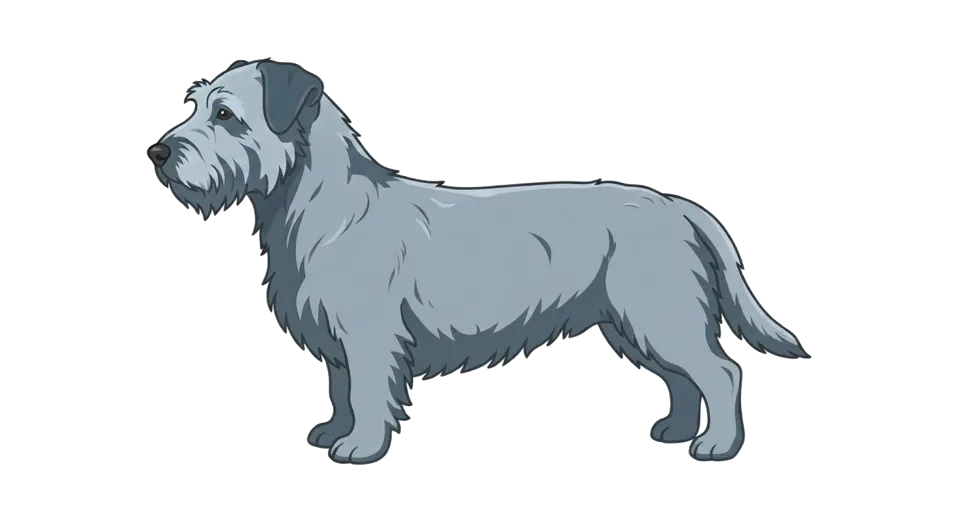
A steel-blue shade, often lightening with age.
Brindle
Standard colour
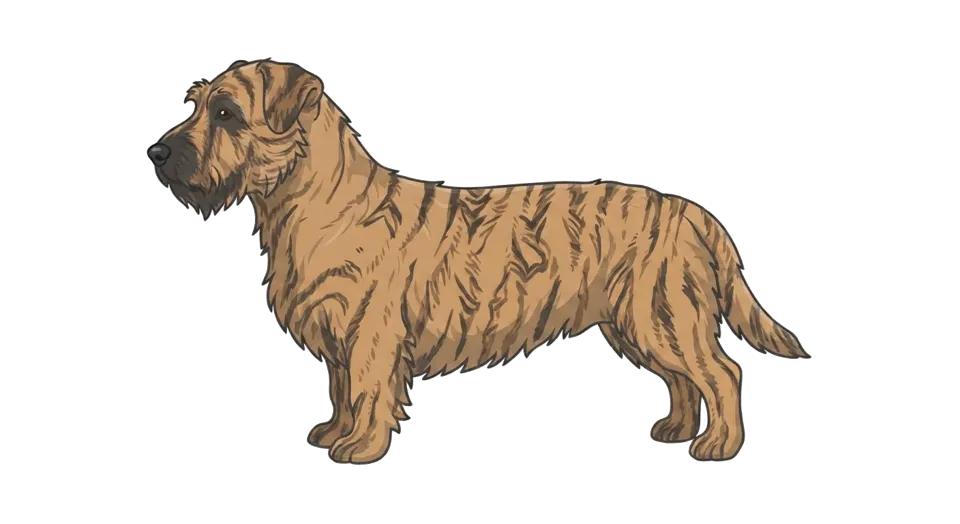
Streaked pattern over a base colour.
Timeline
History & development
1600s-1700s
Isolated development
Terriers in the remote Glen of Imaal developed separately from other Irish terrier types.
1933
Recognition
The Irish Kennel Club formally recognised the breed.
1981
UK recognition
The Kennel Club in Britain granted recognition.
2004
AKC recognition
The American Kennel Club added the breed to its Terrier Group.
Reference
Breed standard summary
- body
- Longer than tall, with a slight bow in the forelegs
- coat
- Medium length, harsh, with soft undercoat
- ears
- Small, rose or half-pricked
- eyes
- Brown, medium size, round
- gait
- Free and level, driving from the rear
- head
- Fairly long, powerful, tapering slightly to the nose
- size
- Small
- tail
- Set high, previously docked, now often natural
- colour
- Wheaten, Blue, Brindle. Colours outside this list are seen but are not accepted by the kennel clubs.
- temperament
- Typical of the breed: strongest in independence, energy, trainability. Nervousness or aggression are serious faults in the show ring and in the home.
- general appearance
- Small, sturdy, medium-boned terrier with a bold outlook
Health
What to screen for
Green means little to worry about, amber means ask the breeder for test results, red means manage it actively.
Hip dysplasia
Screen for it
Ask for hip scores despite the breed's small size.
Progressive retinal atrophy
Screen for it
DNA testing of breeding stock is recommended.
Patellar luxation
Screen for it
Vets can check knee stability at routine visits.
General information only — always speak to your vet about your own dog.
From real owners
Glen of Imaal Terriers in the PAWPOINT Pack
Glen of Imaal Terriers added by PawPoint members through their pet passports. Share yours to appear here.
Loading the wall…
Made for the Glen of Imaal Terrier
The book, plus hoodies, tees and mugs featuring the Glen of Imaal Terrier.