
Grand Anglo-Français Blanc et Orange
grahn ahn-gloh frahn-seh blahnk ay oh-rahnzh
France· France
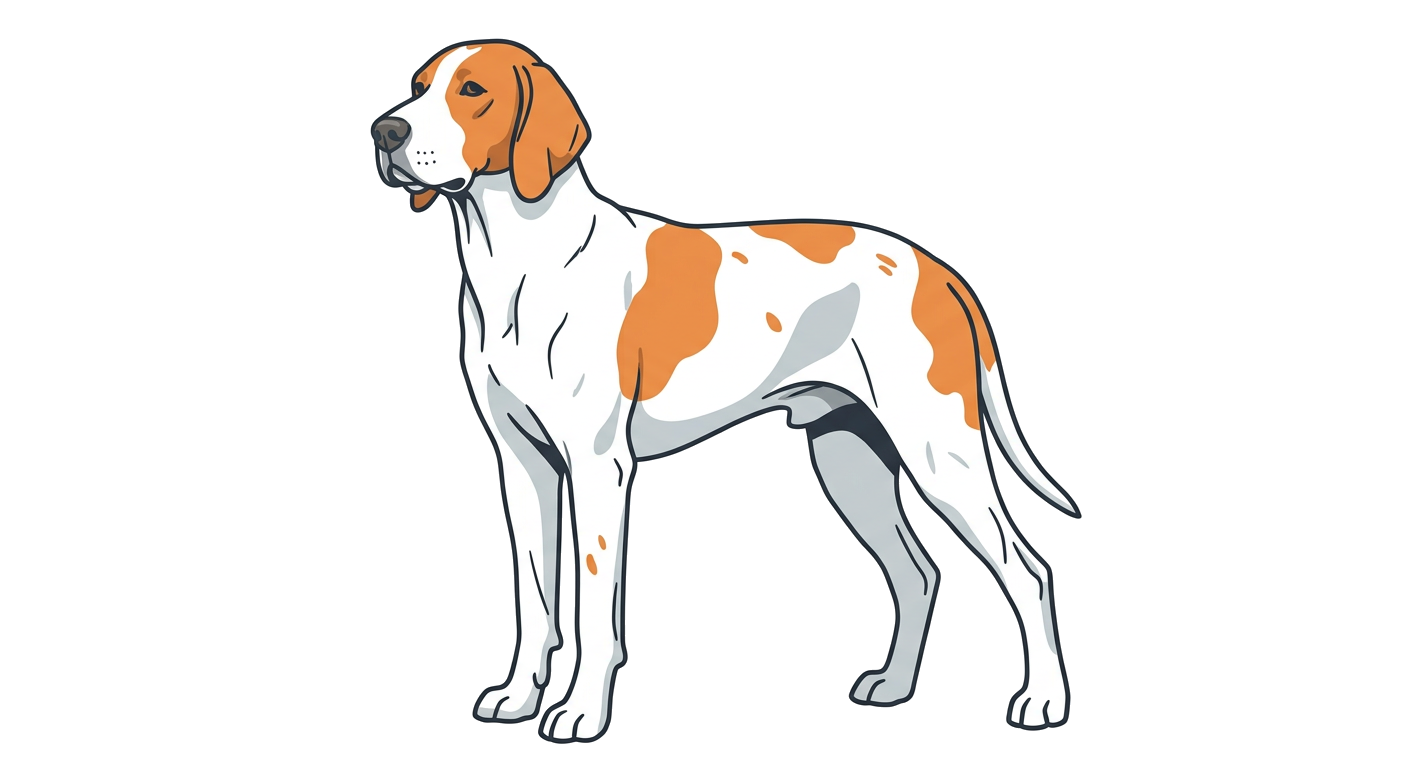
The Grand Anglo-Français Blanc et Orange (Great Anglo-French White and Orange Hound) is a large, scent-driven pack hound originating in France. Developed primarily to hunt big game such as roe deer, red deer, and wild boar, the breed arose from deliberate crosses between the traditional Français Blanc et Orange and the English Foxhound. The introduction of Foxhound stock was intended to infuse the native French hound lines with greater speed, bone density, endurance, and pack discipline, yielding an exceptionally robust venery hound.
At a glance
Quick facts
Size
Large
Exercise needs
Very High
Home size suited to
Rural estate or kennel facility
Grooming frequency
Low
Coat length
Short
Sheds
Moderate
Lifespan
10–13 years
Town or country
Country only
Garden size needed
Extensive rural acreage
Where it comes from
Origins of the Grand Anglo-Français Blanc et Orange
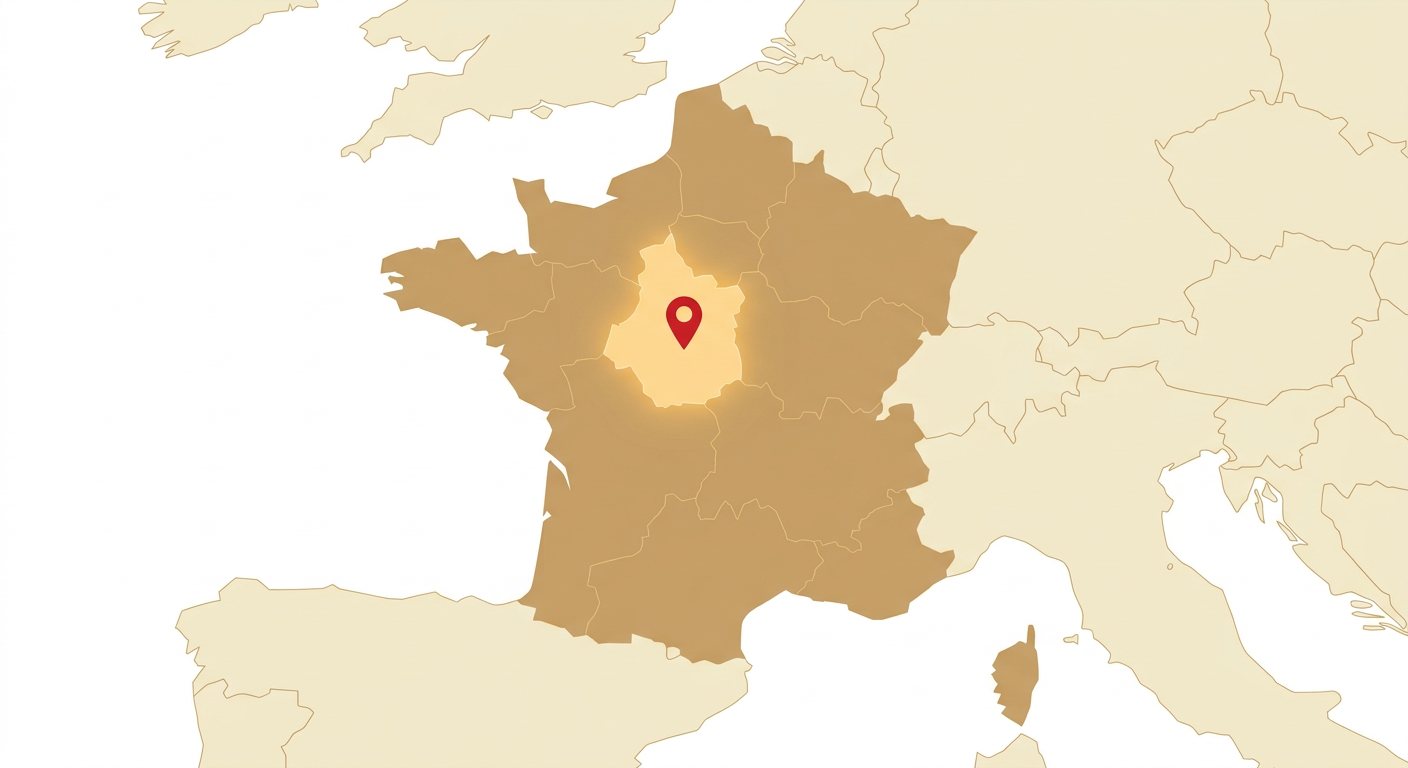
Developed in nineteenth-century France by crossing indigenous French hounds with English Foxhounds to create an enduring big-game pack hunter.
- Region
- France
- Climate it was bred for
- Temperate European
- Original job
- Large-pack scent hound for hunting big game such as deer and wild boar
The long read
About the breed
Physically, the Blanc et Orange is distinguished from its fellow Grand Anglo-Français counterparts—the Tricolore and the Blanc et Noir—by its coloration and subtle differences in head structure. Reflecting its English ancestry, the skull is somewhat broader and the head shorter and less finely chiseled than that of traditional French running hounds. Standing between 60 and 70 centimetres at the withers, it possesses a powerful, well-balanced frame, deep chest, and weather-resistant short coat patterned in white and varying shades of orange or lemon.
Documentary records and registration figures suggest that the Blanc et Orange is the least numerous of the three Grand Anglo-Français varieties. It remains almost exclusively a utilitarian working dog, maintained in specialised rural hunting kennels rather than kept as a domestic companion. Due to its intense hunting instinct, need for collective pack life, and immense stamina requirements, documented assessments of its suitability for ordinary home environments are sparse, and it is widely considered unsuitable for urban or solitary family living.
Living with one
Temperament & needs
Our own ratings, based on the breed standard and how these dogs behave in ordinary homes.
Energy
5/5
Calm and low-key around the home.
Barking
4/5
Quick to sound off.
Grooming
1/5
Wash-and-go coat.
Sociability
4/5
Friendly and outgoing.
Independence
4/5
Independent thinker; tolerates being left to it.
Trainability
2/5
Slow and stubborn — keep sessions short.
Illustrated breed standard
The points of the breed
Hover or tap a numbered point to read what the standard asks for.
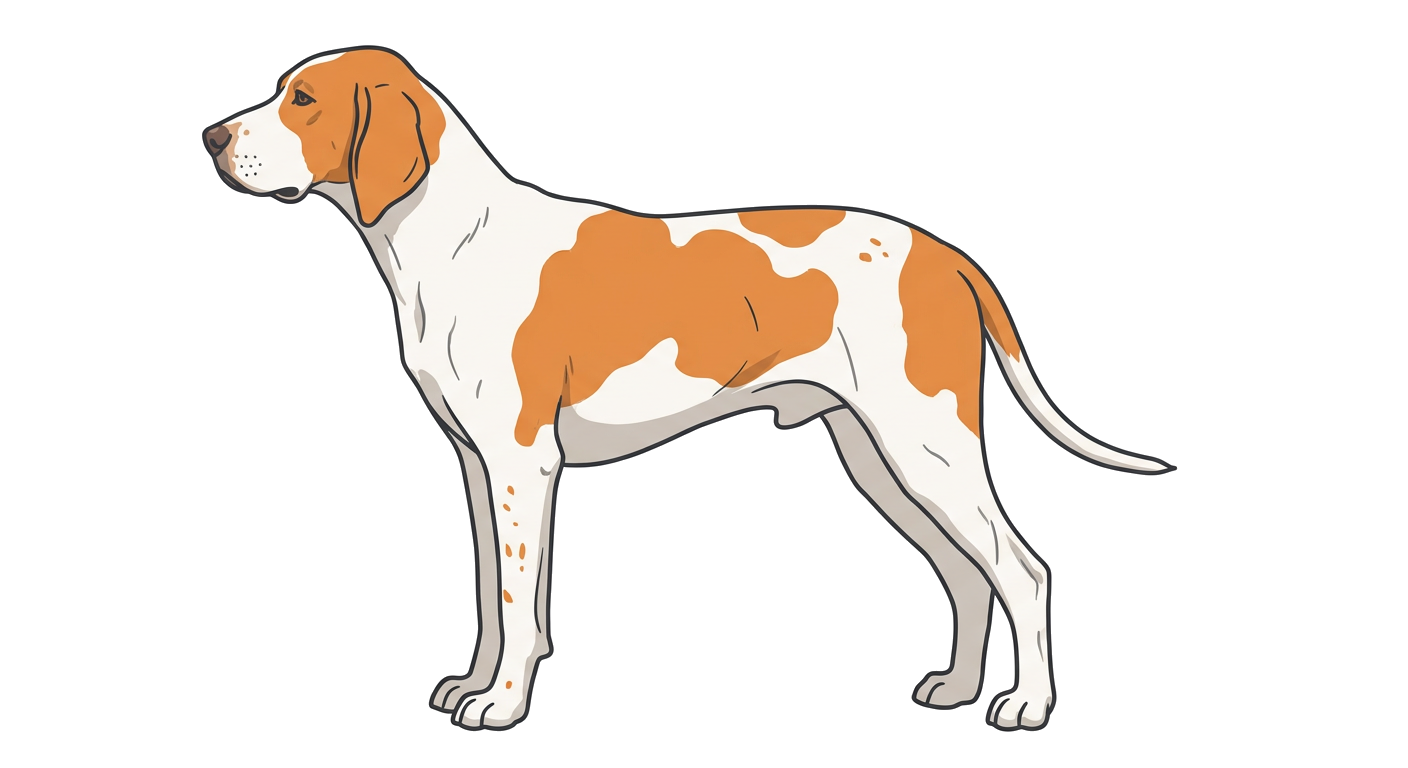
Point 1
Head
Relatively large and rather broad, showing more English influence than pure French breeds; skull is somewhat flat with a moderately marked stop.
Colours & patterns
Recognised coats
Which coats the standard accepts — and which are simply popular.
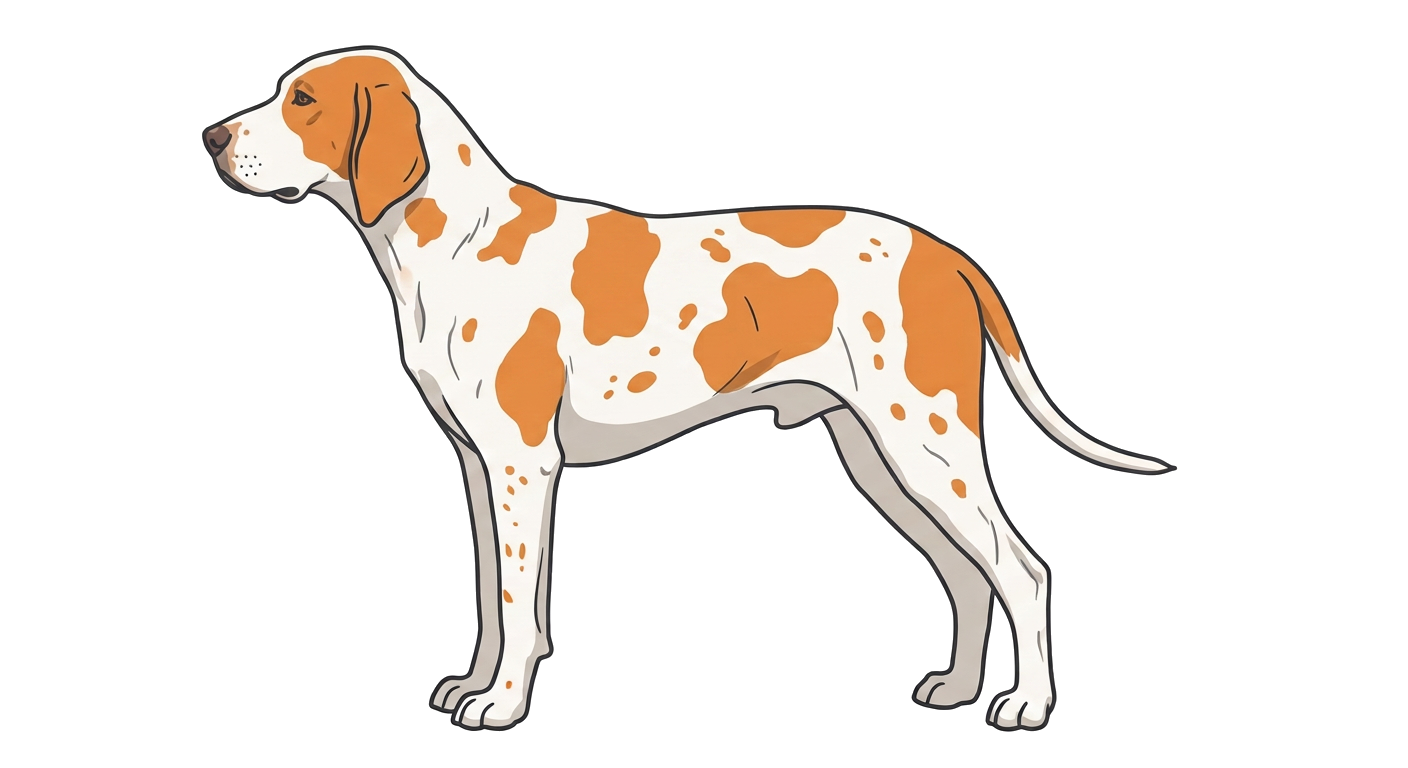
White and Orange
Standard colour
White ground with orange patches of varying distribution; the standard preferred shade.
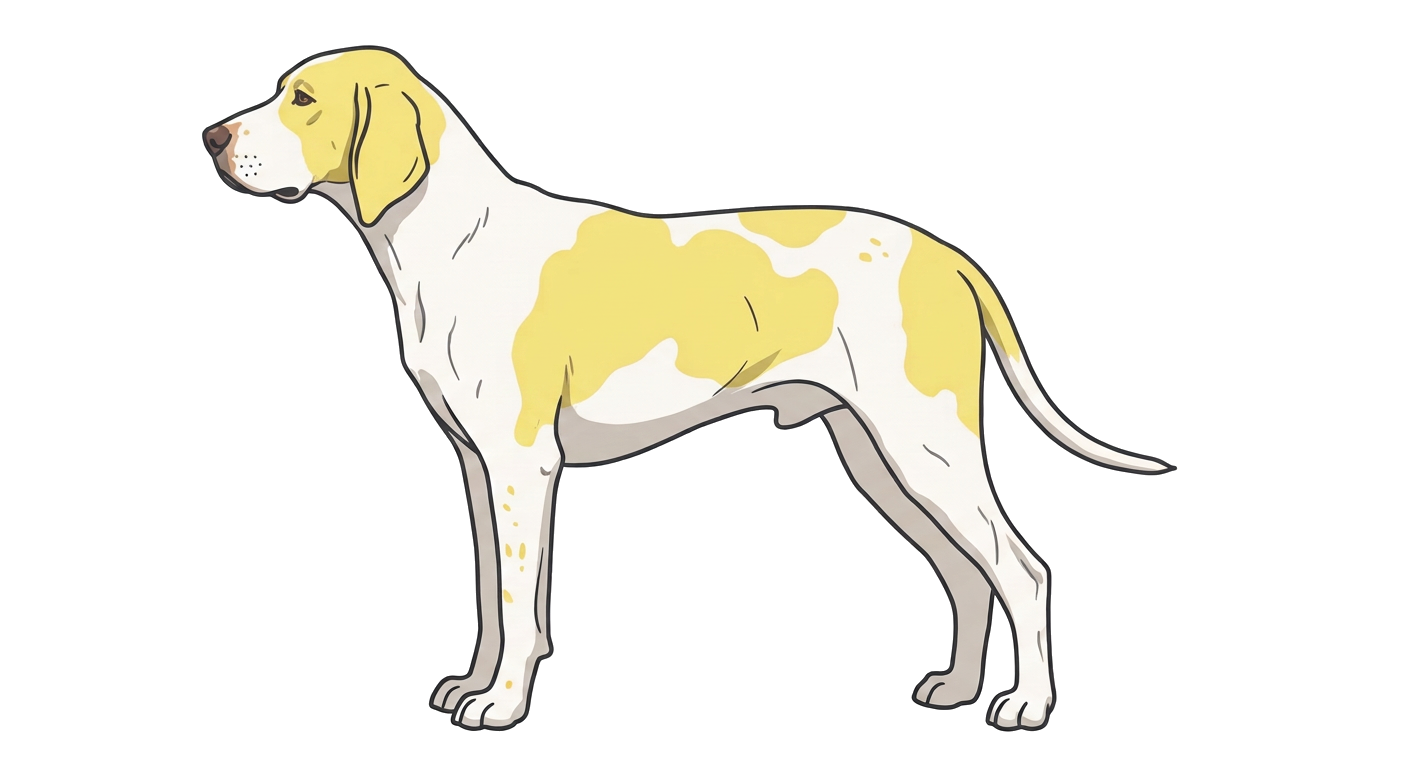
White and Lemon
Standard colour
White ground with pale, lemon-yellow markings; fully permissible under the standard.
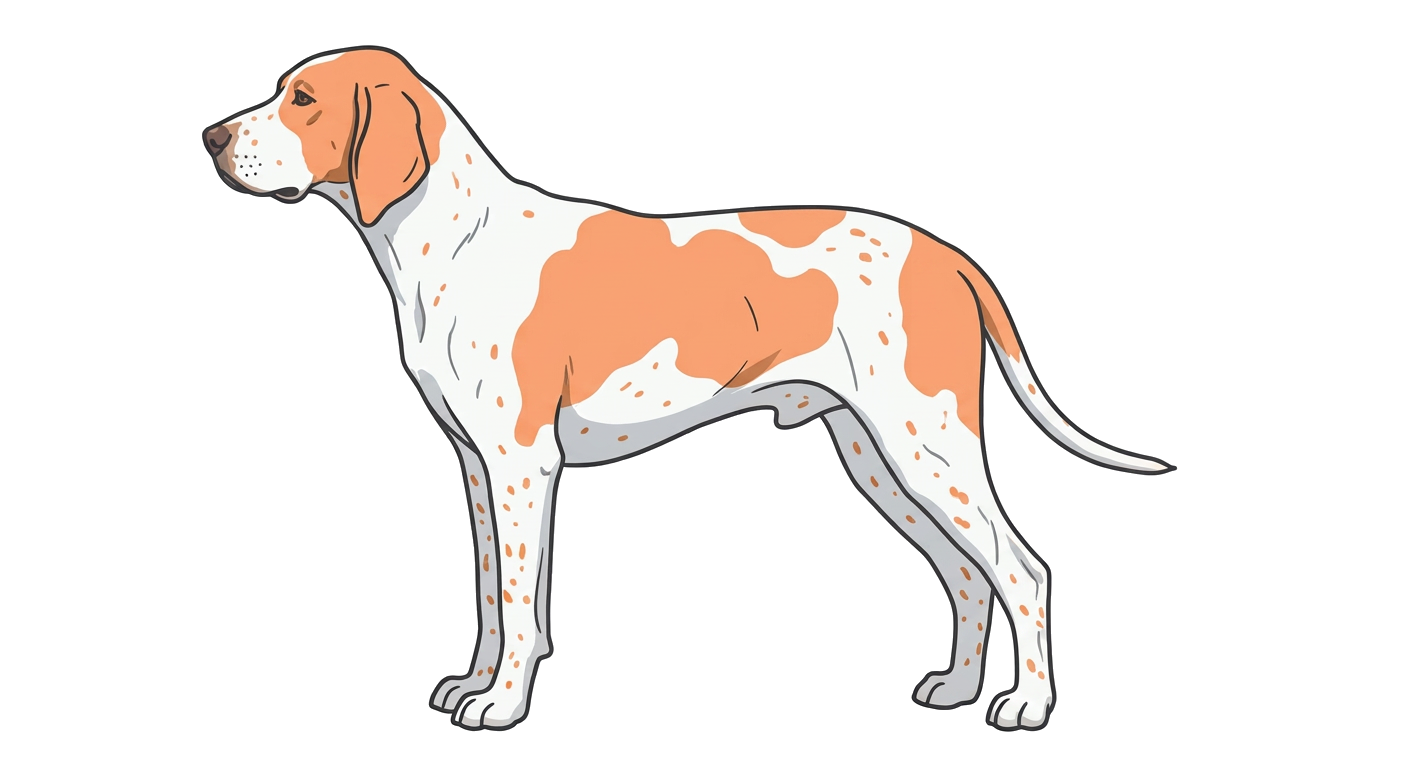
White and Orange with Ticking
Standard colour
White base with orange patches and slight orange flecking or ticking on the limbs.
Timeline
History & development
19th Century
Foxhound Outcrosses
French huntsmen cross native white-and-orange running hounds with imported English Foxhounds to enhance stamina, bone structure, and drive in tracking big game.
1957
Breed Categorisation
French cynological authorities officially standardise the Anglo-French hound types into separate varieties based on size and coat colour patterns.
1983
FCI Recognition
The Fédération Cynologique Internationale formally recognises the Grand Anglo-Français Blanc et Orange under Standard No. 324.
Present Day
Modern Status
The variety persists in modest numbers as a dedicated working hound within French hunting packs, rarely seen in show rings or kept as a family pet.
Reference
Breed standard summary
- body
- Strong and well-proportioned; back is straight and well supported, loin muscular and slightly arched, chest deep and well let down to elbow level.
- coat
- Short, dense, smooth, and resilient against inclement weather and rough undergrowth.
- ears
- Set moderately broad at eye level or slightly lower, relatively short and flat, ending in a slight curve.
- eyes
- Large, dark brown, set well into the sockets, displaying an open and intelligent expression.
- gait
- Easy, supple, and tireless with extensive reach and strong drive from the hindquarters.
- head
- Relatively large and rather broad, showing more English influence than pure French breeds; skull is somewhat flat with a moderately marked stop.
- size
- Height at the withers is typically 60 to 70 cm for both dogs and bitches.
- tail
- Strong at the root, carried saber-fashion, well-feathered with short hair and reaching approximately to the hock.
- colour
- White and orange or white and lemon; the orange should not approach chestnut or red.
- muzzle
- Straight and reasonably long, roughly equal in length to the skull, with slight lateral development.
- temperament
- Tenacious, cooperative within a pack, courageous in the field, and gentle in demeanor toward handlers.
- general appearance
- Large, powerful, and balanced scent hound displaying a harmonious blend of French hound elegance and English Foxhound substance.
Health
What to screen for
Green means little to worry about, amber means ask the breeder for test results, red means manage it actively.
Gastric Dilatation-Volvulus (GDV)
Screen for it
The breed's deep chest structure increases theoretical vulnerability to bloat and gastric torsion following vigorous exercise or rapid feeding.
Hip Dysplasia
Screen for it
Large working frame warrants screening of breeding stock to reduce the incidence of degenerative joint changes.
Otitis Externa
Watch closely
Hanging hound ears can trap moisture and debris from the field, predisposing the ear canal to bacterial or yeast infections.
Field and Musculoskeletal Trauma
Watch closely
Heavy physical exertion in dense terrain carries risk of cuts, puncture wounds, and ligament strains.
General information only — always speak to your vet about your own dog.
From real owners
Dogs like this
Grand Anglo-Français Blanc et Oranges added by PawPoint members through their pet passports. Share yours to appear here.
Loading the wall…
Made for the Grand Anglo-Français Blanc et Orange
The book, plus prints, hoodies and mugs using our own Grand Anglo-Français Blanc et Orange illustration — and one everyday accessory that suits any dog.
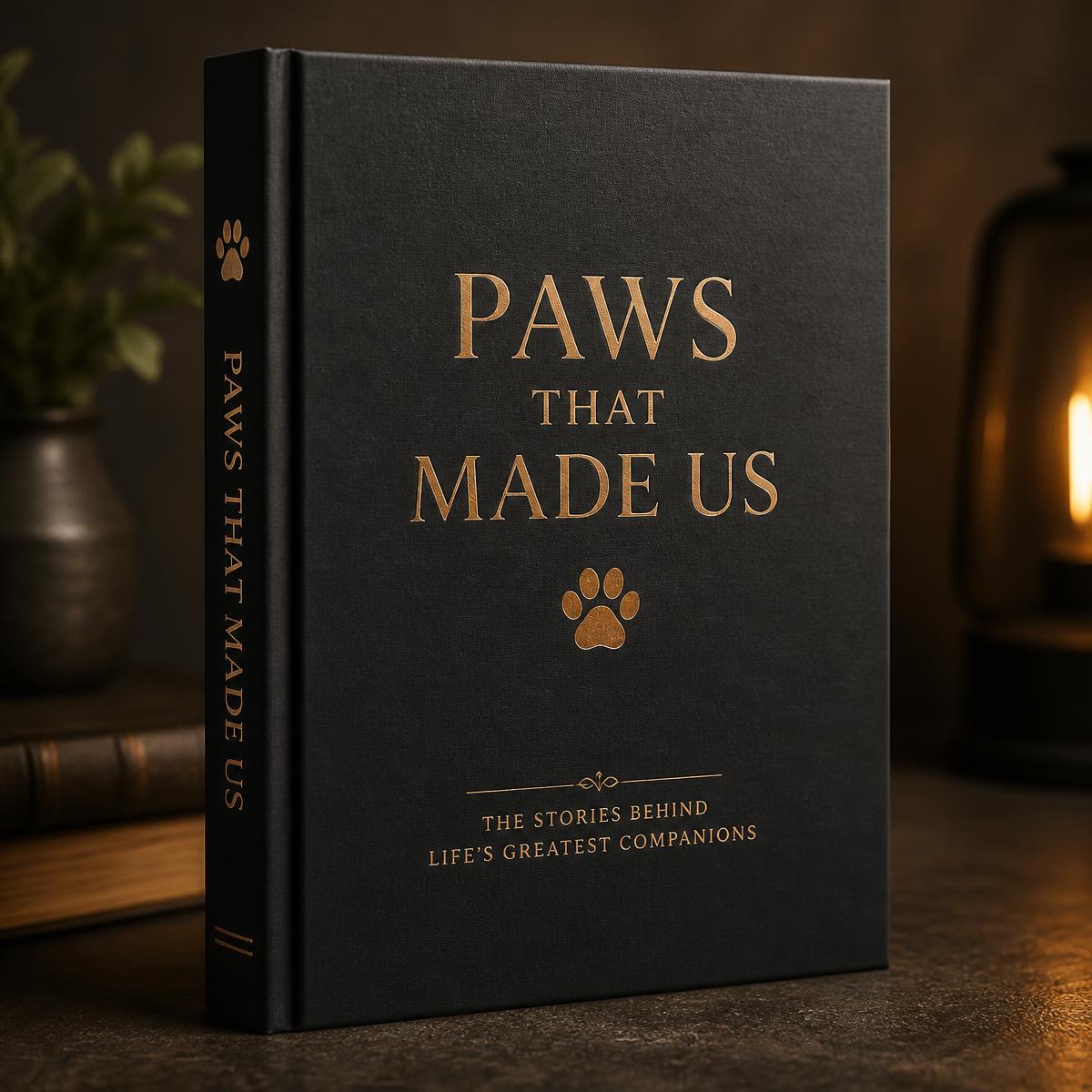
The book
Pawpoint: The Complete Dog Breed Book
Every officially recognised breed plus the unofficial ones nobody else documents. 400+ pages, hardback, printed and shipped from the UK.
Own stock — shipped by us
Framed poster
Grand Anglo-Français Blanc et Orange Framed Poster
Museum-weight print of our Grand Anglo-Français Blanc et Orange illustration, framed or unframed.
Printed to order
Hoodie
Grand Anglo-Français Blanc et Orange Hoodie
Heavyweight hoodie carrying the Grand Anglo-Français Blanc et Orange illustration on the chest.
Printed to order
Mug
Grand Anglo-Français Blanc et Orange Mug
Ceramic mug with the Grand Anglo-Français Blanc et Orange illustration wrapped around it.
Printed to order
Accessory
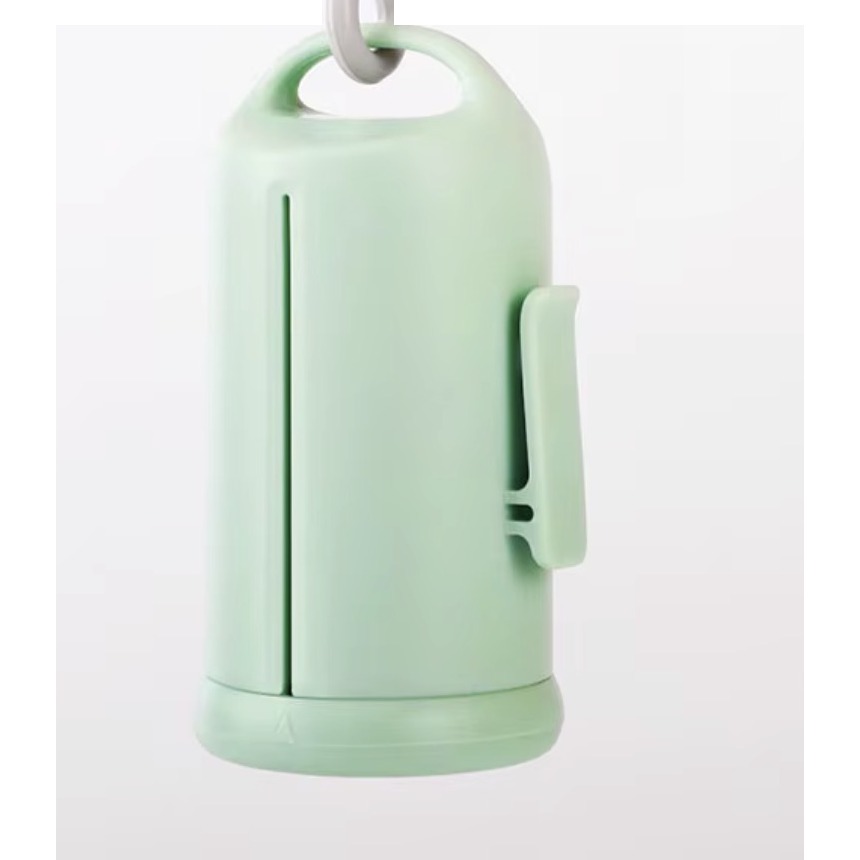
Waste Bag Dispenser
Clips to the lead, holds one standard roll.
Fits any dog
Pawpoint on YouTube
Watch the full Grand Anglo-Français Blanc et Orange video
Breed deep-dives, history and honest ownership talk. New film every week.
Watch now