Great Dane
GRAYT DAYN
Germany· Central and southern Germany
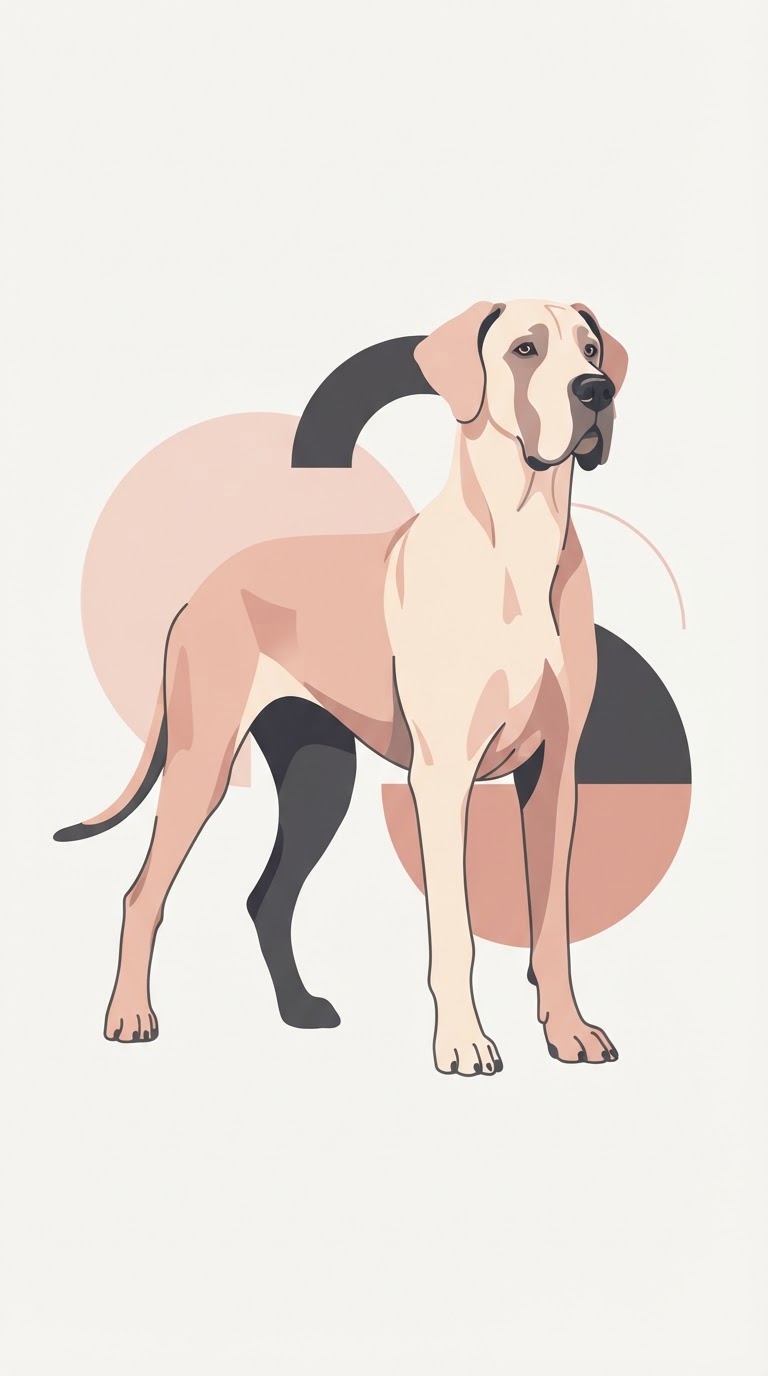
The Great Dane is a giant German breed once used to hunt wild boar, later refined into an elegant estate guardian and companion.
At a glance
Quick facts
Size
Giant
Exercise needs
45-60 minutes daily
Home size suited to
Large home with space to stretch out
Grooming frequency
Weekly brush
Coat length
Short
Sheds
Yes, heavily when moulting
Lifespan
7-10 years
Town or country
Better suited to the country
Garden size needed
Large and securely fenced
Where it comes from
Origins of the Great Dane
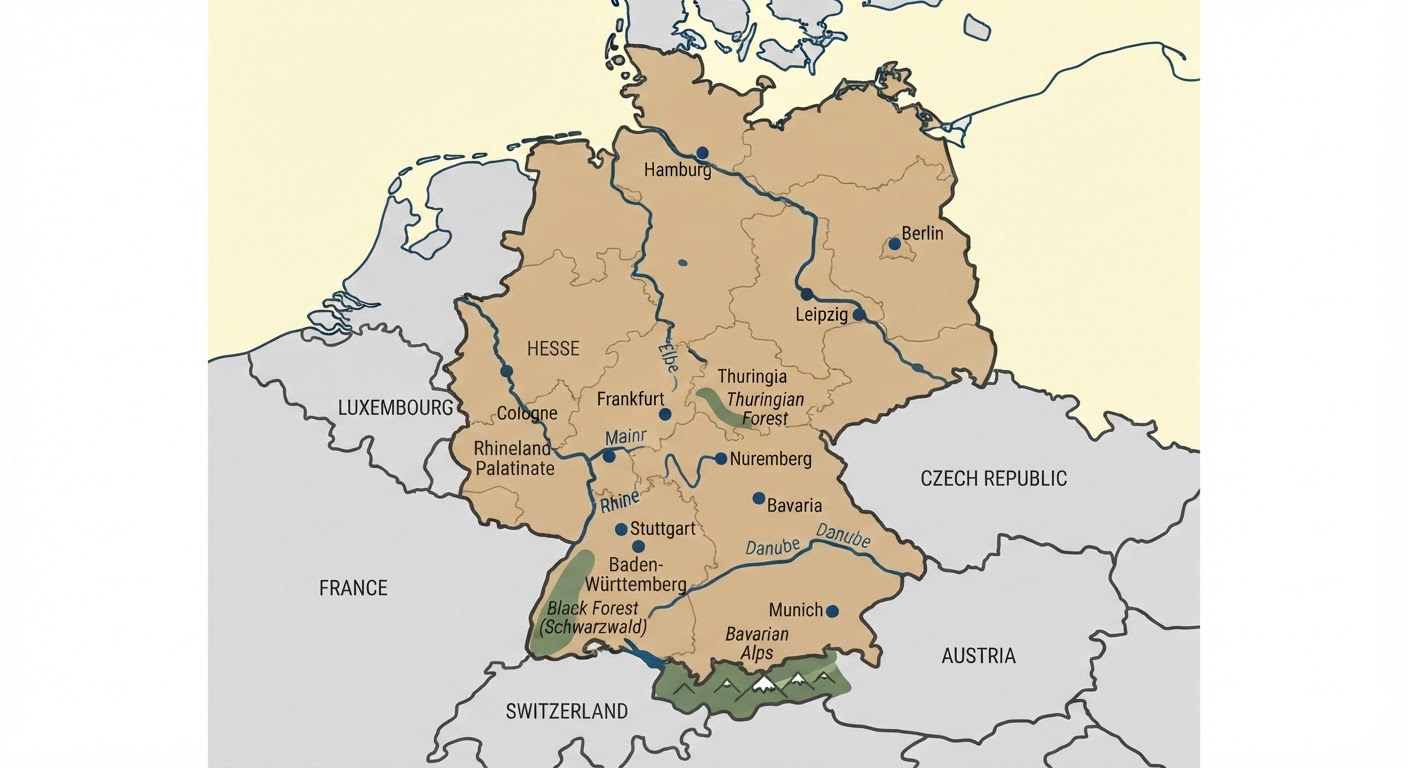
Developed on German noble estates where forested hunting grounds required a powerful dog to hold wild boar at bay. Later favoured as a striking guardian for large houses and grounds.
- Region
- Central and southern Germany
- Climate it was bred for
- Temperate European estates and forest
- Original job
- Boar hunting and estate guarding
The long read
About the breed
German nobility developed the breed over centuries from mastiff-type boarhounds crossed with sighthounds for extra speed, aiming for a dog powerful enough to hold a boar at bay yet elegant enough to accompany a carriage. Otto von Bismarck was a noted enthusiast, and the breed was formally named Deutsche Dogge in Germany in 1880, though English speakers retained the older French-derived name Great Dane.
Living with a Great Dane means accommodating serious size in ordinary rooms and furniture, but the temperament is usually gentle, patient and affectionate, earning it the nickname "gentle giant". Exercise needs are moderate for its size, as growing joints should not be overworked, but the sheer scale of the dog means food, medication and equipment costs are significant.
Today it is popular as a calm family companion despite its size, though its short lifespan and susceptibility to bloat and heart disease are serious considerations, and prospective owners should be prepared for the practical realities of owning one of the tallest dog breeds.
Living with one
Temperament & needs
Our own ratings, based on the breed standard and how these dogs behave in ordinary homes.
Friendliness
4/5
How openly the Great Dane greets people it does not know.
Trainability
4/5
Eager to please, benefits from early socialisation given its size.
Energy
3/5
Moderate exercise needs, calmer than its size suggests.
Barking
2/5
Not prone to excessive barking.
Grooming
1/5
Short coat, minimal grooming needed.
Suits a first-time owner
4/5
How forgiving the Great Dane is for someone taking on their first dog.
Sociability
4/5
Generally gentle and friendly with people.
Independence
2/5
Enjoys close company with family.
Illustrated breed standard
The points of the breed
Hover or tap a numbered point to read what the standard asks for.
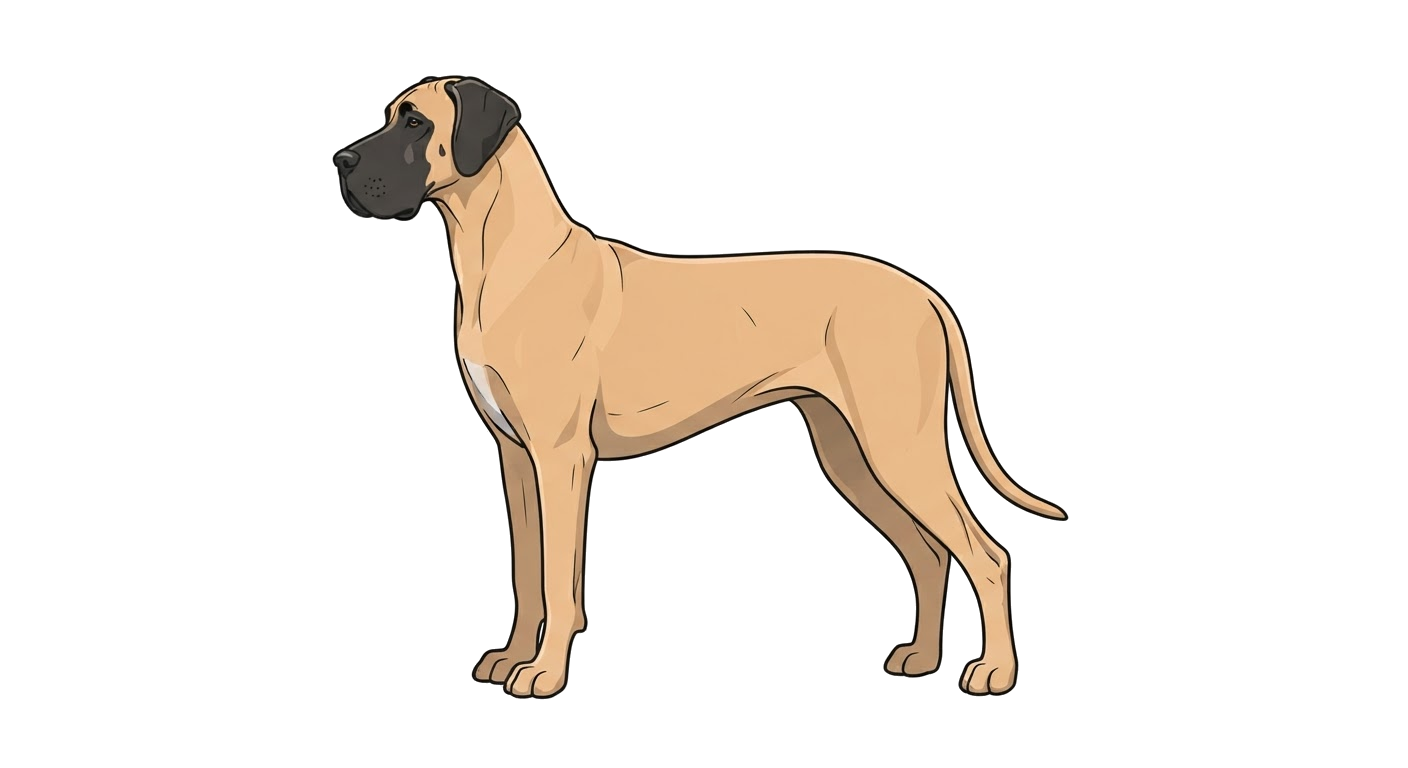
Point 1
Skull
The Great Dane's skull is judged on balance rather than size — proportionate to the body, with a clean cheek and a stop typical of the breed. Coarseness or an over-refined head are both faulted.
Colours & patterns
Recognised coats
Which coats the standard accepts — and which are simply popular.
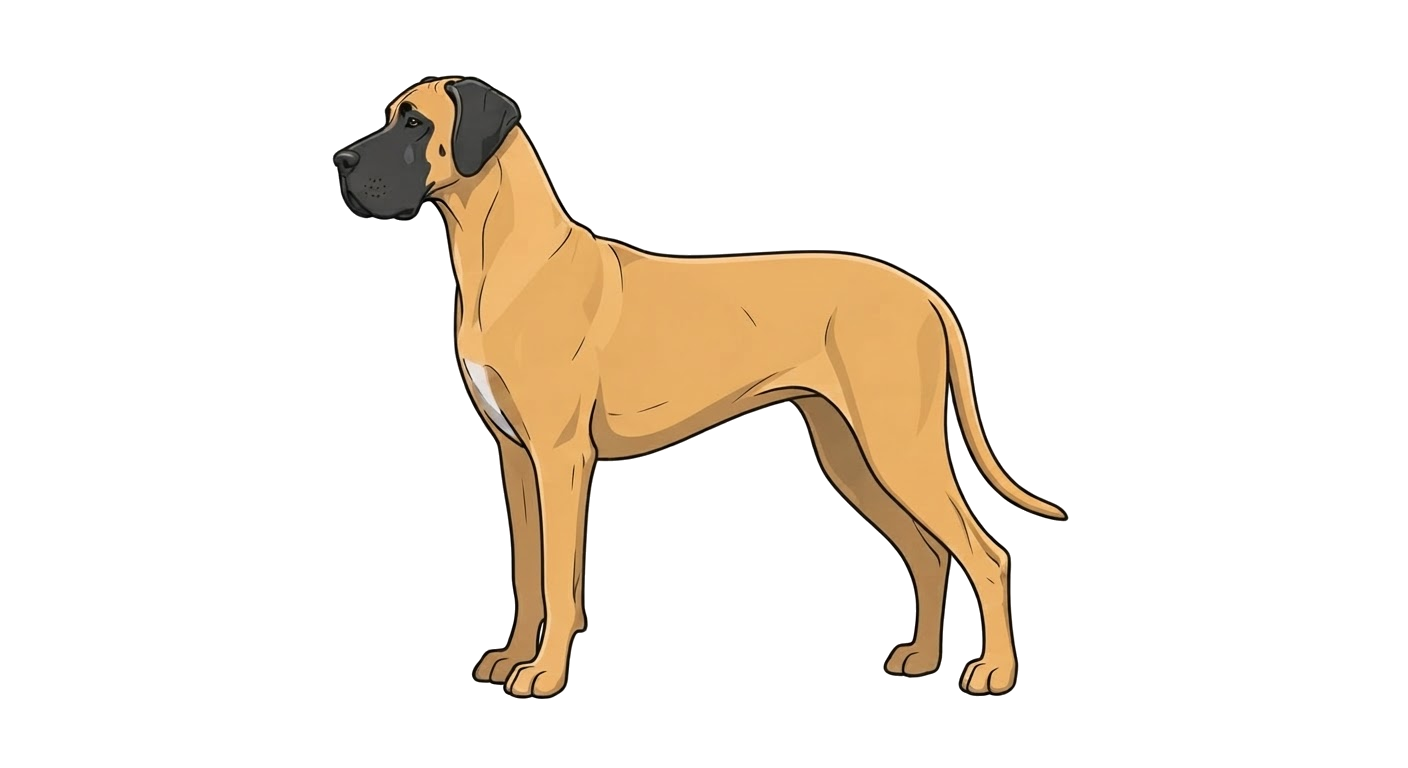
Fawn
Standard colour
A golden tan with a black mask.
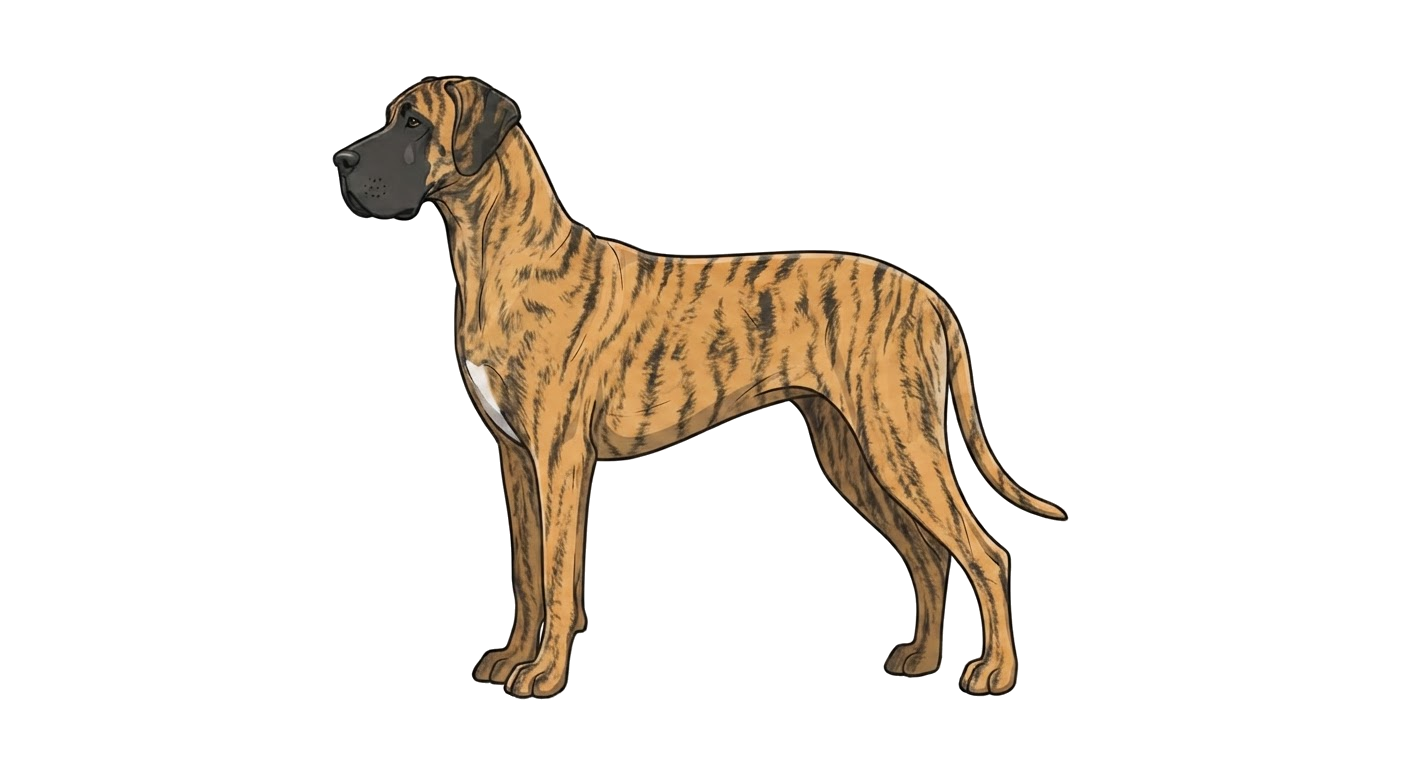
Brindle
Standard colour
Fawn base with black stripes.
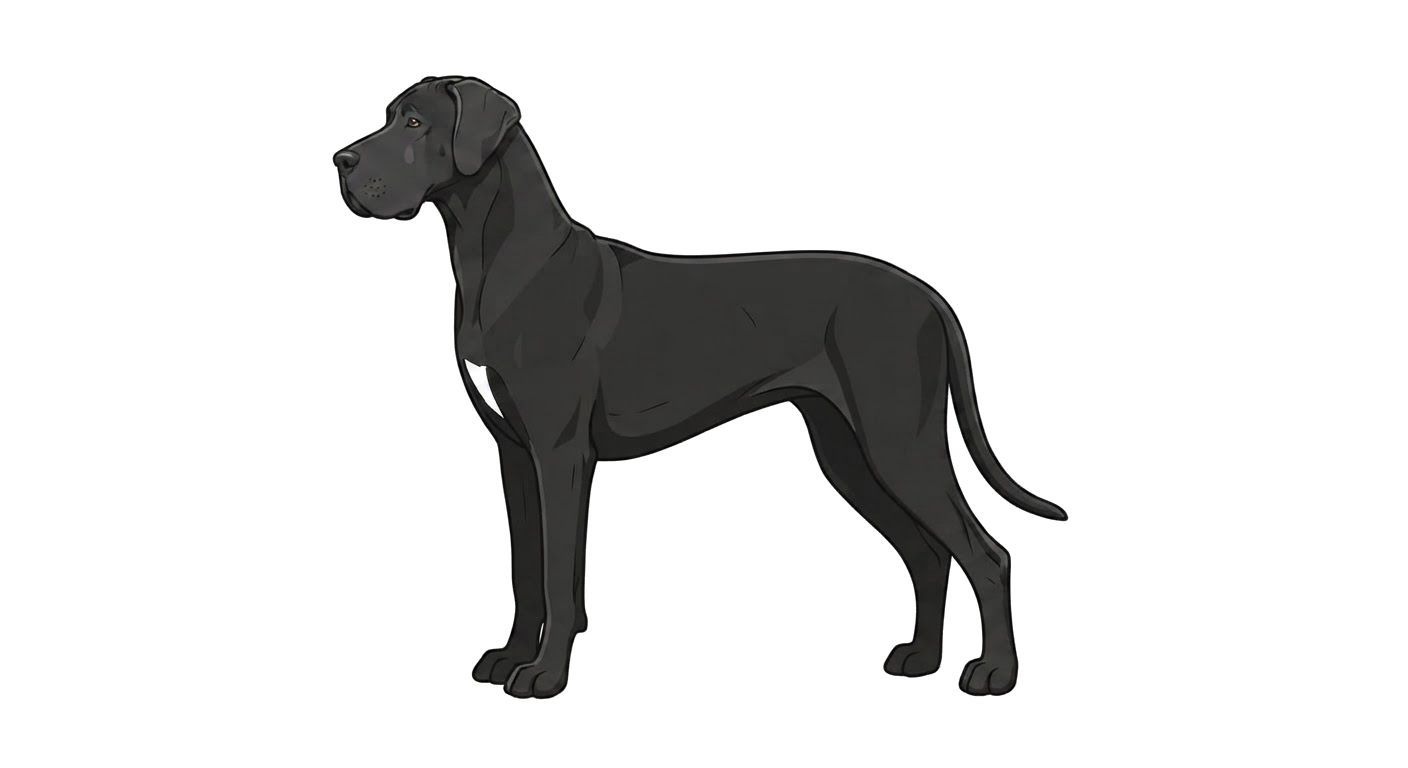
Black
Standard colour
A solid glossy black.
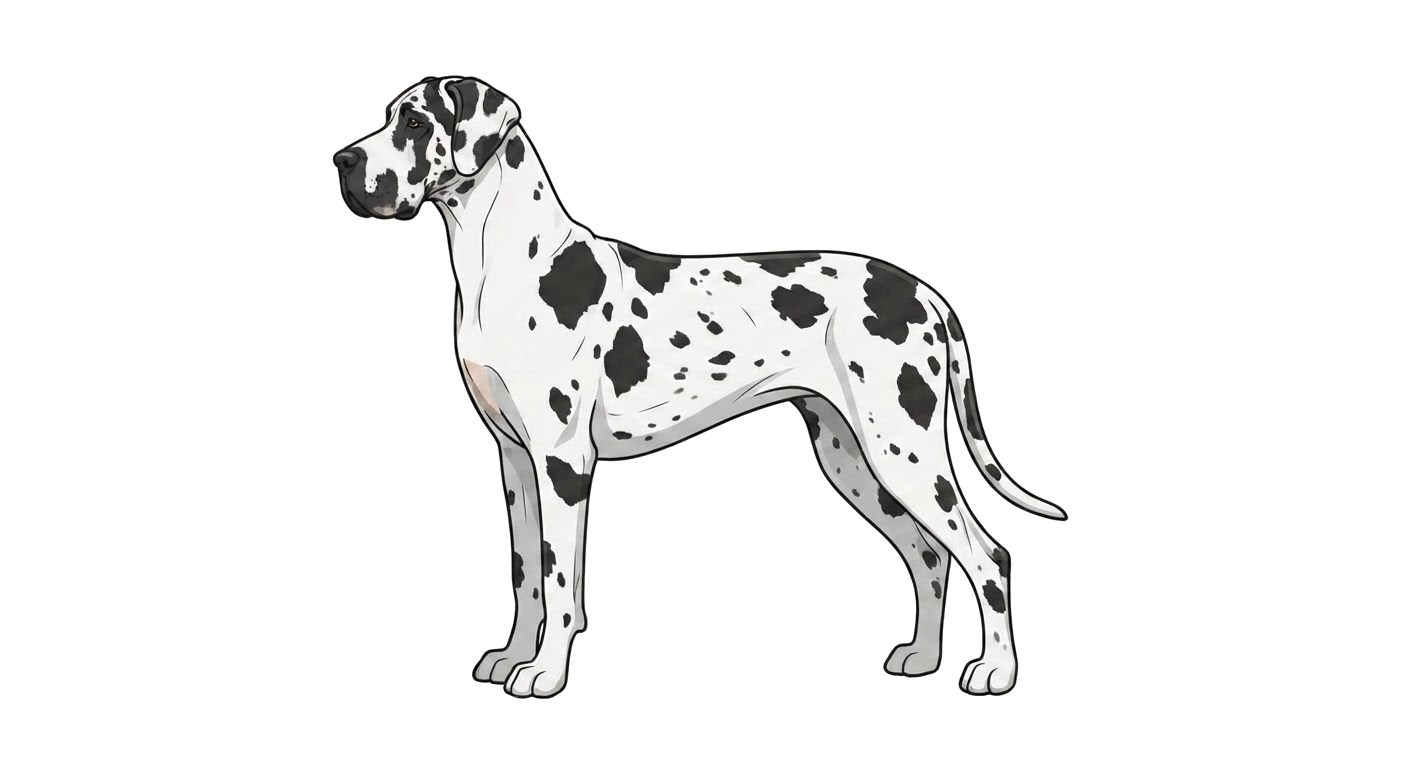
Harlequin
Standard colour
White base with irregular black patches.
Outside the standard
Other colours
Dilute coats you will see advertised. They are the same breed, but no kennel club accepts them.
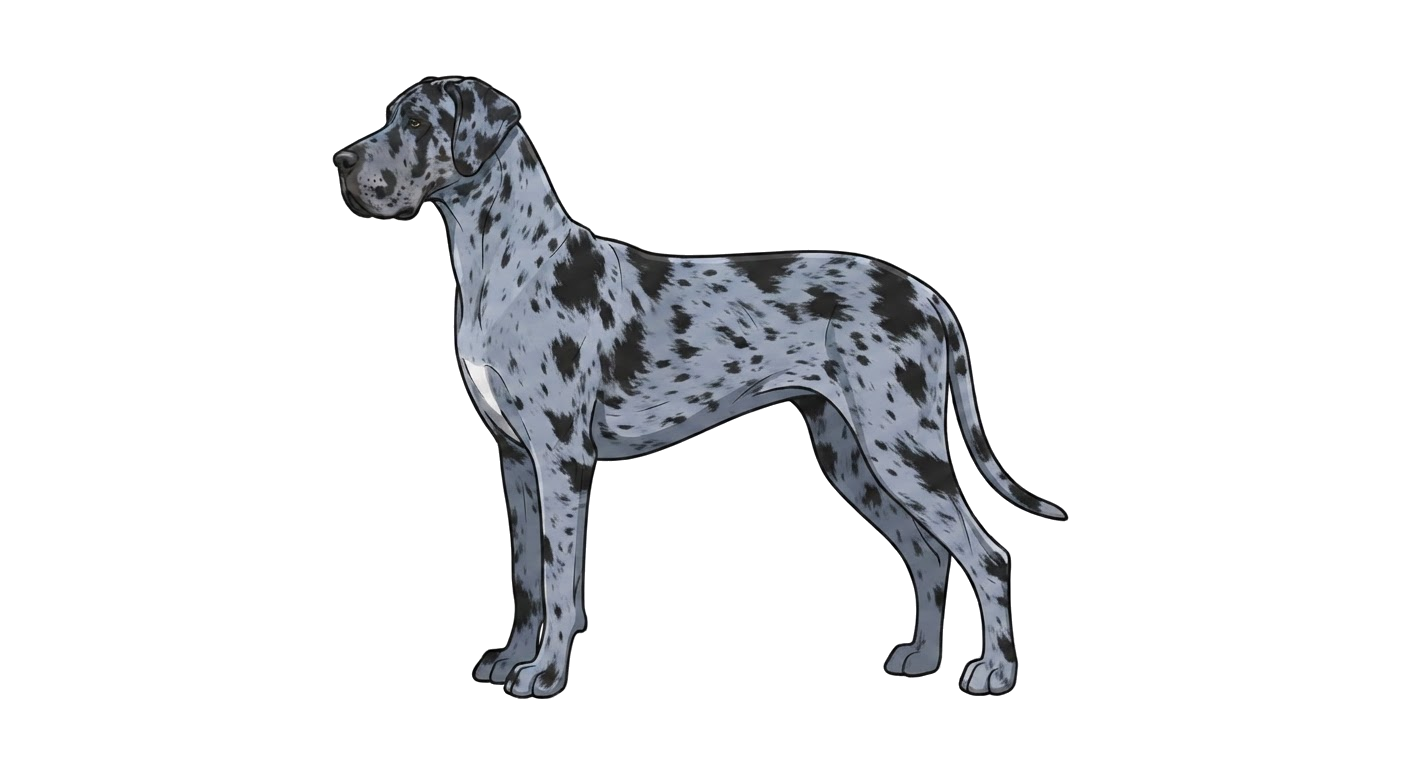
Merle
Not in the standard
A mottled pattern, controversial and linked to health issues.
Timeline
History & development
16th century
Boarhound origins
German nobility bred large mastiff-sighthound crosses to hunt wild boar.
1800s
Refinement for elegance
Breeders favoured a more elegant, less aggressive dog suited to estate life.
1880
German standard
The breed was named Deutsche Dogge and a national standard set.
1889
Breed club founded
The Deutscher Doggen-Club was established in Berlin.
1950s onward
The breed today
Kennel club registrations settled into a steady pattern and the Great Dane moved from a working specialist to a family companion, with breed clubs in the UK and abroad now focused on health testing and keeping true type alive.
Reference
Breed standard summary
- body
- Deep chest, strong level back
- coat
- Short, dense, smooth
- ears
- Medium, folded forward
- eyes
- Medium, dark, deep-set
- gait
- Long, easy stride with good reach
- head
- Long, rectangular, with a pronounced stop
- size
- Giant
- tail
- Set high, tapering, carried level
- colour
- Fawn, Brindle, Black, Harlequin. Colours outside this list are seen but are not accepted by the kennel clubs.
- temperament
- Typical of the breed: strongest in trainability, sociability, energy. Nervousness or aggression are serious faults in the show ring and in the home.
- general appearance
- Very large, elegant, well-muscled and dignified
Health
What to screen for
Green means little to worry about, amber means ask the breeder for test results, red means manage it actively.
Dilated cardiomyopathy
Watch closely
Ask for cardiac screening on both parents; this is a leading cause of early death.
Bloat
Watch closely
Feed smaller meals, use a raised bowl only if vet-advised, and avoid exercise after eating.
Hip dysplasia
Screen for it
Ask for hip scores despite the breed's size making assessment harder.
Wobbler syndrome
Watch closely
A neurological condition affecting the neck; discuss with breeders about family history.
General information only — always speak to your vet about your own dog.
From real owners
Dogs like this
Great Danes added by PawPoint members through their pet passports. Share yours to appear here.
Loading the wall…
Made for the Great Dane
The book, plus prints, hoodies and mugs using our own Great Dane illustration — and one everyday accessory that suits any dog.
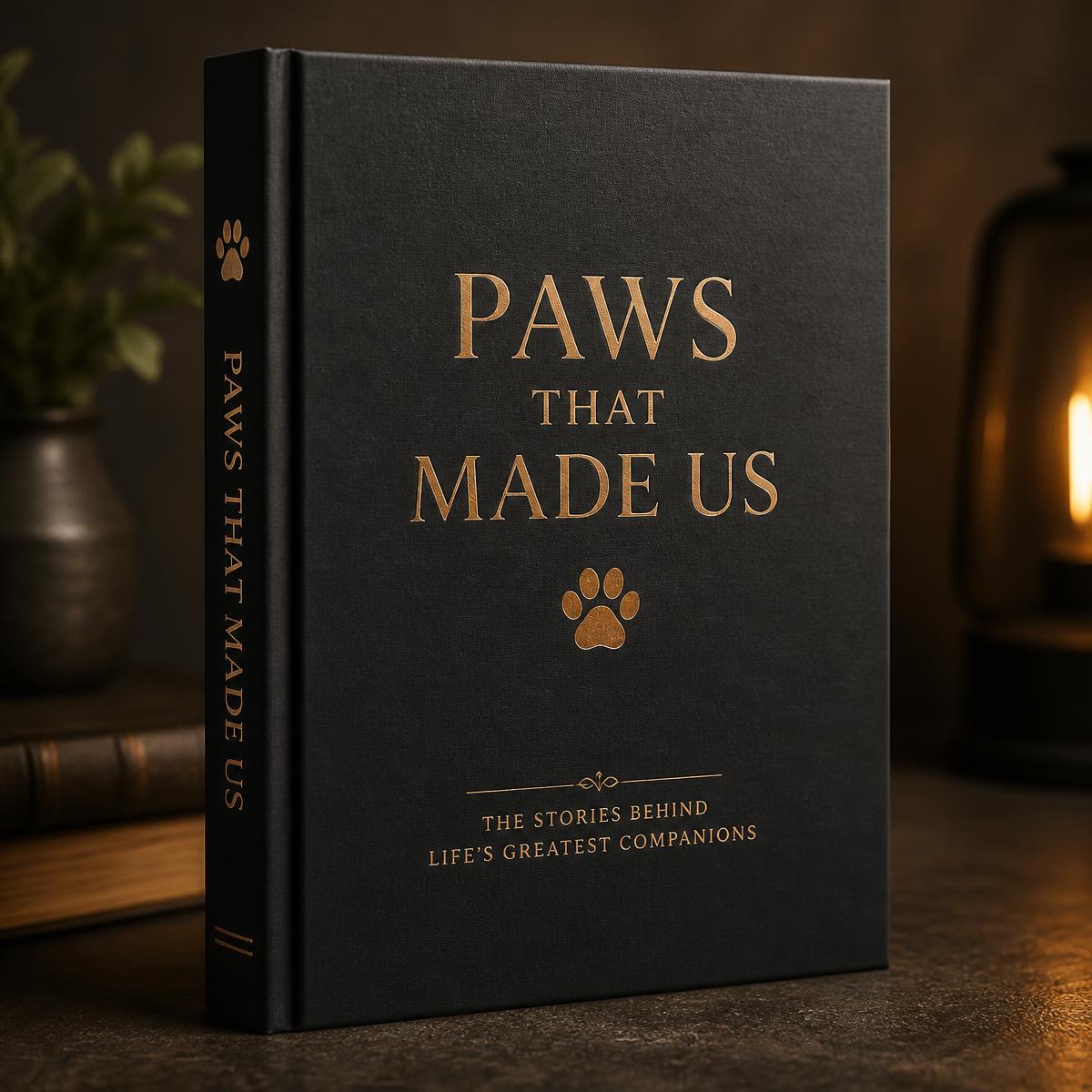
The book
Pawpoint: The Complete Dog Breed Book
Every officially recognised breed plus the unofficial ones nobody else documents. 400+ pages, hardback, printed and shipped from the UK.
Own stock — shipped by us
Framed poster
Great Dane Framed Poster
Museum-weight print of our Great Dane illustration, framed or unframed.
Printed to order
Hoodie
Great Dane Hoodie
Heavyweight hoodie carrying the Great Dane illustration on the chest.
Printed to order
Mug
Great Dane Mug
Ceramic mug with the Great Dane illustration wrapped around it.
Printed to order
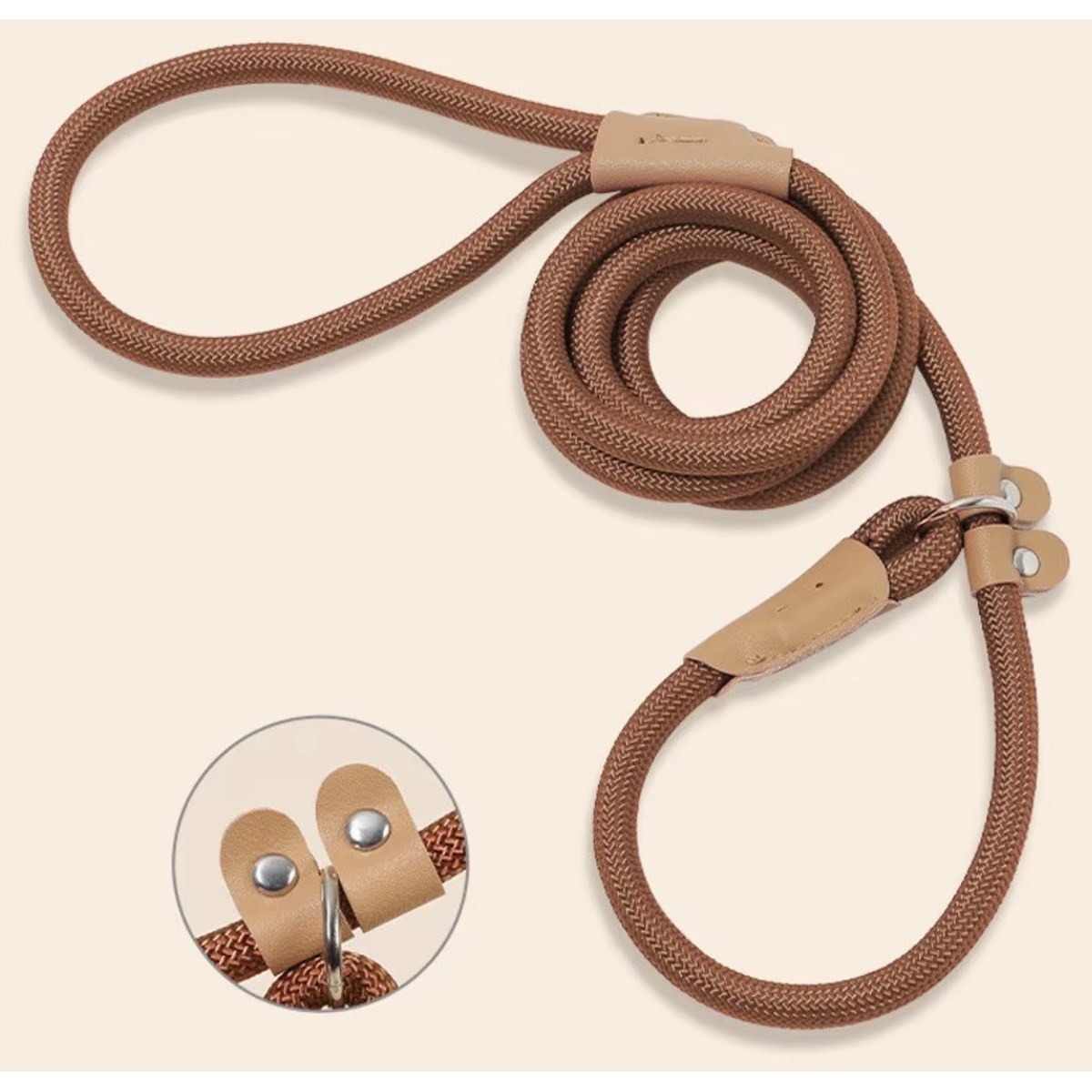
Accessory
Rope Slip Lead
Braided rope lead with a leather stop, 150cm. Good for training walks.
Fits any dog
Pawpoint on YouTube
Watch the full Great Dane video
Breed deep-dives, history and honest ownership talk. New film every week.
Watch now