
Hanoverian Scent Hound
han-oh-VAIR-ee-an SENT hownd
Germany· Hanover and surrounding forested regions of northern Germany
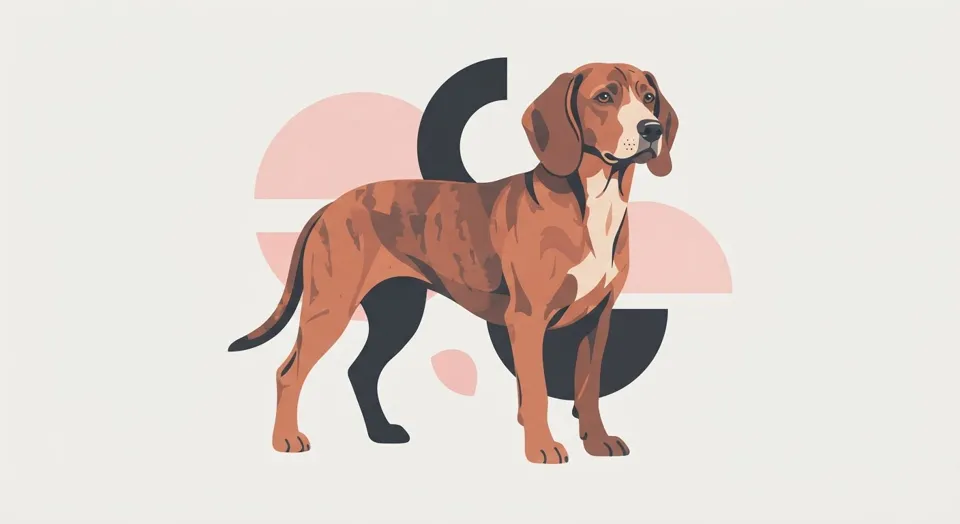
The Hanoverian Scent Hound is one of the oldest German tracking breeds, developed to follow the blood trail of wounded deer and boar with exceptional precision over long periods.
At a glance
Quick facts
- Size
- Large
- Exercise needs
- 1.5-2 hours per day
- Home size suited to
- Large
- Grooming frequency
- Minimal
- Coat length
- Short
- Sheds
- Moderate
- Lifespan
- 10-12 years
- Town or country
- Country only
- Garden size needed
- Large, securely fenced
Where it comes from
Origins of the Hanoverian Scent Hound
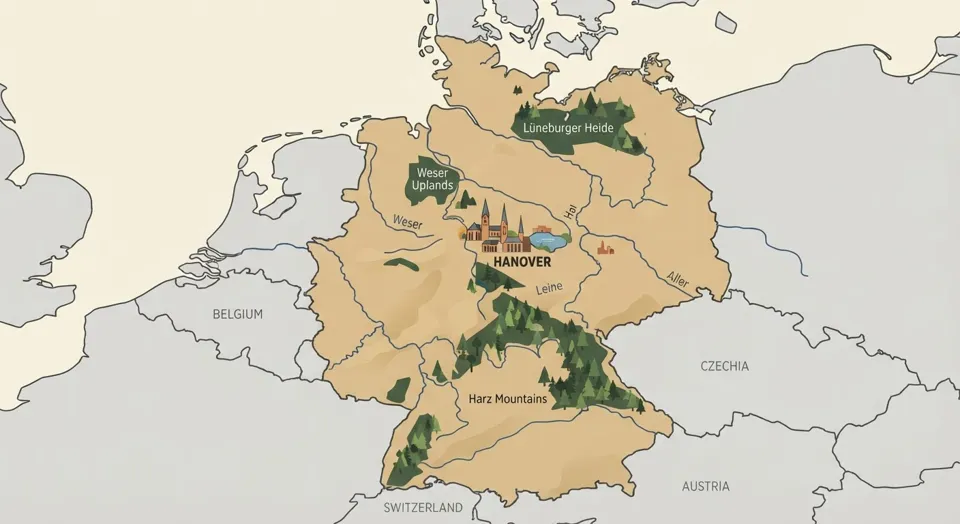
The extensive hunting forests around Hanover required a powerful, heavy-boned tracking dog able to methodically follow the cold blood trail of wounded deer and boar across long distances. Descended from medieval leash hounds used by German nobility, the breed was refined for precision, patience and a superb nose rather than speed.
- Region
- Hanover and surrounding forested regions of northern Germany
- Climate it was bred for
- Temperate forested lowlands and hills
- Original job
- Tracking wounded large game such as deer and boar over long distances by scent
The long read
About the breed
Its specialist heritage as a leashed tracking dog for professional huntsmen produced a heavier, more powerful build than lighter hounds, along with immense patience, a methodical pace and close attachment to a single handler.
It is not typically kept as a general household pet; the breed needs an experienced hunting or working home with regular scent work, as it can become frustrated and difficult without a clear job to do.
Today it remains a specialist working dog used almost exclusively by professional hunters and forestry services in German-speaking Europe, with very limited numbers elsewhere.
Living with one
Temperament & needs
Our own ratings, based on the breed standard and how these dogs behave in ordinary homes.
Friendliness
3/5
How openly the Hanoverian Scent Hound greets people it does not know.
Trainability
3/5
How readily the breed takes to training in an ordinary home.
Energy
3/5
How much daily exercise and stimulation the breed expects.
Barking
3/5
How vocal the breed tends to be day to day.
Grooming
3/5
How much coat work the breed needs to stay comfortable.
Suits a first-time owner
3/5
How forgiving the Hanoverian Scent Hound is for someone taking on their first dog.
Illustrated breed standard
The points of the breed
Hover or tap a numbered point to read what the standard asks for.
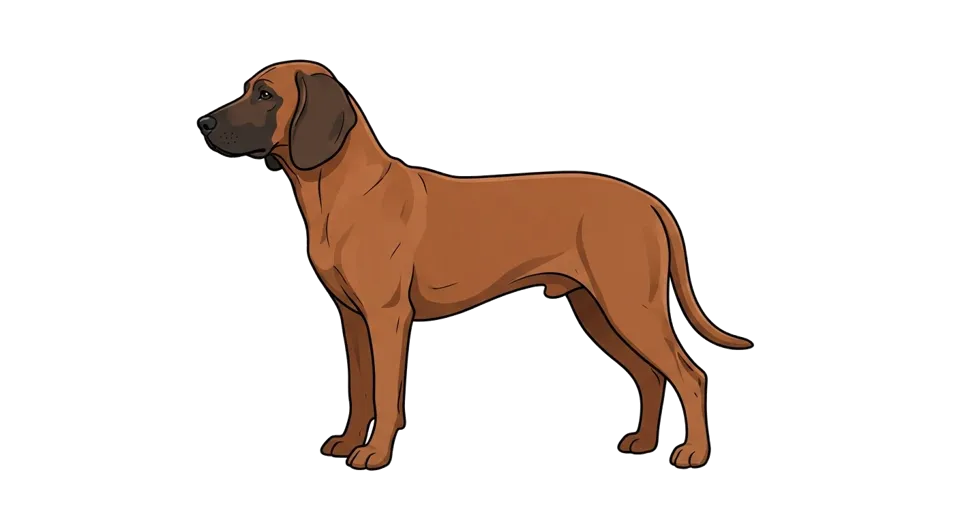
Point 1
Skull
The Hanoverian Scent Hound's skull is judged on balance rather than size — proportionate to the body, with a clean cheek and a stop typical of the breed. Coarseness or an over-refined head are both faulted.
Timeline
History & development
Medieval period
Leash hound ancestry
The breed descends from medieval European leash hounds (Leithunde) used to track wounded game for noble hunts.
1830s
Refinement in Hanover
Huntsmen in the Hanover region refined the type specifically for precise, patient blood-trailing.
1894
Breed club founded
A dedicated club was established to standardise and preserve the breed.
1955
FCI recognition
The Hanoverian Scent Hound received official FCI recognition.
2000s
Modern professional use
The breed remains a specialist tool for professional foresters and hunters tracking wounded large game.
Reference
Breed standard summary
- body
- Long and powerful, with a broad, deep chest and strong loin.
- coat
- Short, thick and close-lying, dense but not harsh.
- ears
- Set high, broad, hanging flat and close to the head.
- eyes
- Dark, medium-sized, with a serious, thoughtful expression.
- head
- Broad and strong, with heavy flews and a pronounced stop.
- size
- Dogs 50-55cm, bitches 48-53cm at the withers
- colour
- Reddish-brown to brindled fawn, or deer-red, sometimes with a dark mask.
- temperament
- Calm, patient and deeply devoted to its handler, reserved with strangers, single-minded on a trail.
- general appearance
- A powerfully built, heavy tracking hound with great strength and a calm, dignified bearing.
Health
What to screen for
Green means little to worry about, amber means ask the breeder for test results, red means manage it actively.
General information only — always speak to your vet about your own dog.
From real owners
Hanoverian Scent Hounds in the PAWPOINT Pack
Hanoverian Scent Hounds added by PawPoint members through their pet passports. Share yours to appear here.
Loading the wall…
Made for the Hanoverian Scent Hound
The book, plus hoodies, tees and mugs featuring the Hanoverian Scent Hound.