
Hellenic Hound
heh-LEN-ik HOWND
Greece· Mainland Greece
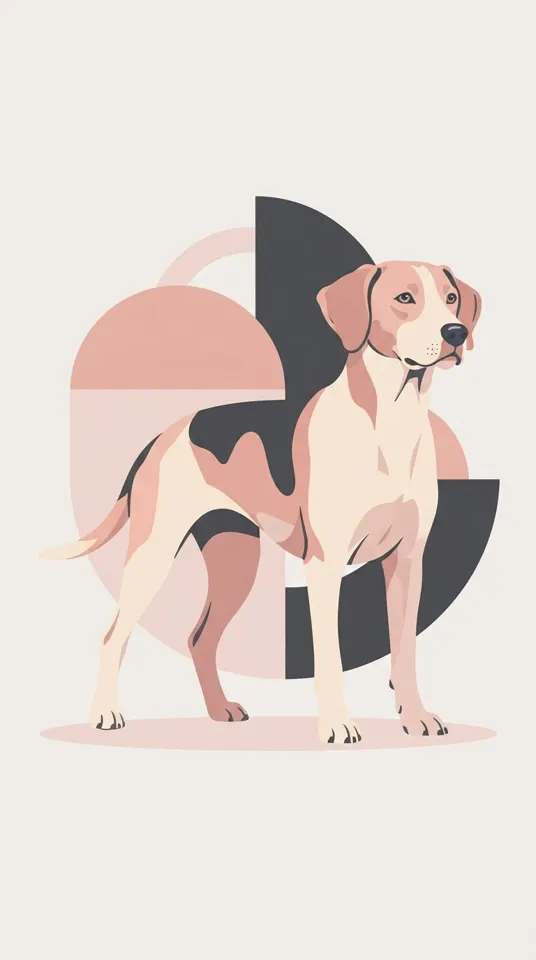
The Hellenic Hound is Greece's native scenthound, a lean, black-and-tan pack hunter used traditionally for hare and fox across the country's rocky terrain.
At a glance
Quick facts
- Size
- Medium
- Exercise needs
- 1.5-2 hours per day
- Home size suited to
- Medium or larger
- Grooming frequency
- Minimal
- Coat length
- Short
- Sheds
- Moderate
- Lifespan
- 12-14 years
- Town or country
- Country preferred
- Garden size needed
- Large, securely fenced
Where it comes from
Origins of the Hellenic Hound

Greece's rocky, scrub-covered hills and hot climate favoured a lean, hardy scenthound capable of working in packs over long distances without tiring. The Hellenic Hound descends from ancient Mediterranean hunting dogs and has been kept largely unchanged for its practical hunting ability rather than appearance.
- Region
- Mainland Greece
- Climate it was bred for
- Mediterranean hills and mountains with hot, dry summers
- Original job
- Pack hunting hare and fox across rocky Greek terrain
The long read
About the breed
Its ancient working role in loosely organised hunting packs shaped a hound with great stamina, a strong voice and a cooperative, pack-oriented temperament rather than one bred for solitary companionship.
In a home setting it can be affectionate but retains a powerful prey drive and independence, doing best with active owners who can provide secure outdoor space and regular exercise.
The breed remains uncommon outside Greece, where it is still used by hunters, and international recognition and exposure are relatively recent developments.
Living with one
Temperament & needs
Our own ratings, based on the breed standard and how these dogs behave in ordinary homes.
Friendliness
3/5
How openly the Hellenic Hound greets people it does not know.
Trainability
3/5
How readily the breed takes to training in an ordinary home.
Energy
3/5
How much daily exercise and stimulation the breed expects.
Barking
3/5
How vocal the breed tends to be day to day.
Grooming
3/5
How much coat work the breed needs to stay comfortable.
Suits a first-time owner
3/5
How forgiving the Hellenic Hound is for someone taking on their first dog.
Illustrated breed standard
The points of the breed
Hover or tap a numbered point to read what the standard asks for.
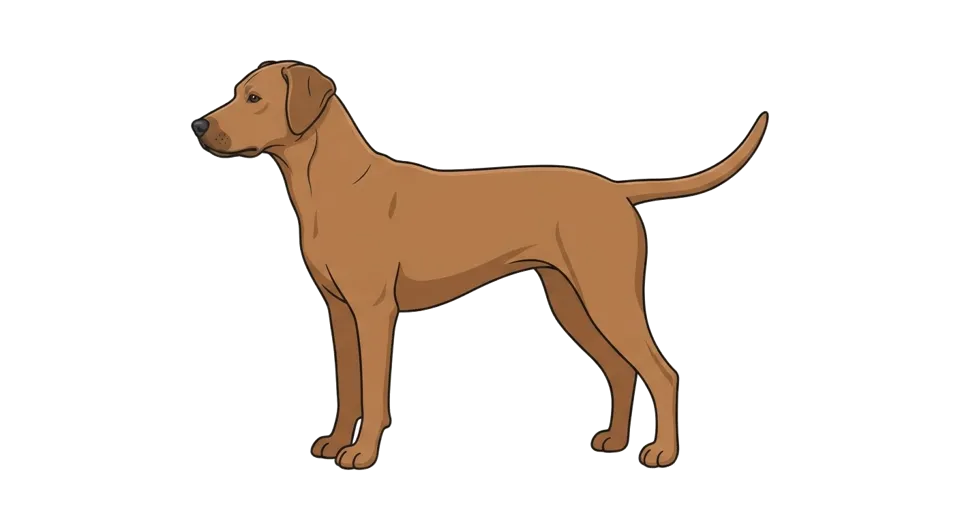
Point 1
Skull
The Hellenic Hound's skull is judged on balance rather than size — proportionate to the body, with a clean cheek and a stop typical of the breed. Coarseness or an over-refined head are both faulted.
Timeline
History & development
Antiquity
Ancient Mediterranean origins
Scenthounds resembling the modern breed are depicted in ancient Greek art and writing.
1800s
Pack hunting tradition
Greek hunters kept packs of these hounds for hare and fox across mainland Greece.
1990s
Breed standardisation
Greek cynological organisations worked to formalise a modern breed standard.
1995
FCI recognition
The Hellenic Hound was officially recognised by the FCI.
2000s
Continued hunting use
The breed remains predominantly a working hound within Greece today.
Reference
Breed standard summary
- body
- Slightly longer than tall, with a strong back and deep chest.
- coat
- Short, dense and glossy.
- ears
- Set at eye level, medium length, hanging close to the head.
- eyes
- Dark brown, medium-sized, with an alert, keen expression.
- head
- Long, lean, with a flat skull and moderate stop.
- size
- Dogs 47-53cm, bitches 45-51cm at the withers
- colour
- Black with tan markings, always this combination.
- temperament
- Hardy, tenacious and cooperative when hunting in packs, wary with strangers.
- general appearance
- A medium-sized, lean and rustic scenthound with great endurance and a determined expression.
Health
What to screen for
Green means little to worry about, amber means ask the breeder for test results, red means manage it actively.
General information only — always speak to your vet about your own dog.
From real owners
Hellenic Hounds in the PAWPOINT Pack
Hellenic Hounds added by PawPoint members through their pet passports. Share yours to appear here.
Loading the wall…
Made for the Hellenic Hound
The book, plus hoodies, tees and mugs featuring the Hellenic Hound.