
Himalayan Sheepdog
hih-muh-LAY-uhn SHEEP-dog
India· Himalayan foothills and high-altitude valleys (Himachal Pradesh, Uttarakhand, and Jammu & Kashmir, India)
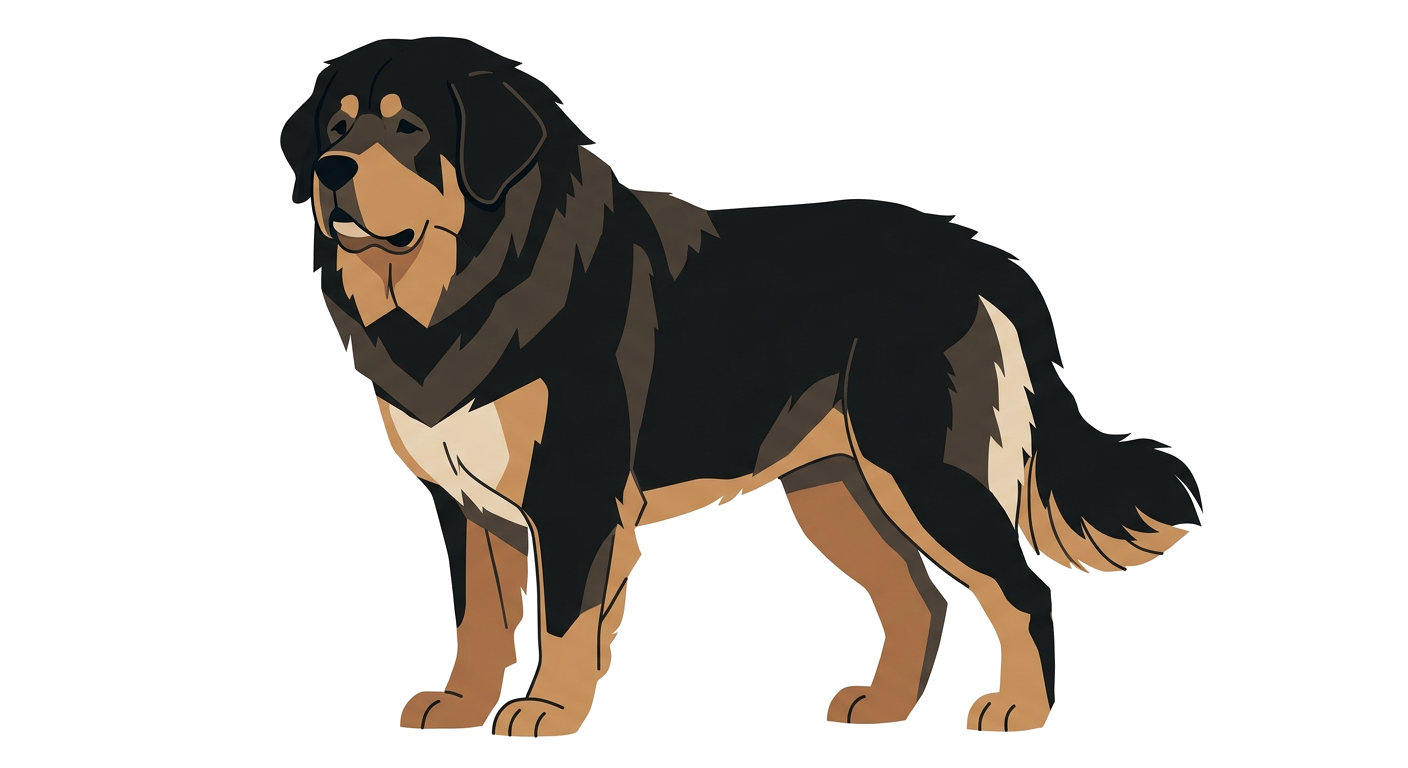
The Himalayan Sheepdog, often closely associated with or referred to as the Bhotia or Gaddi Kutta in parts of northern India, is a rugged, heavy-coated livestock guardian dog indigenous to the Himalayan foothills. Developed by nomadic pastoralist communities such as the Gaddi and Gujjar peoples, the breed was bred specifically to withstand extreme sub-zero alpine conditions while safeguarding sheep and goat herds from apex mountain predators.
At a glance
Quick facts
Size
Large
Exercise needs
Moderate to high (requires territory to patrol)
Home size suited to
Large rural property or farm
Grooming frequency
Moderate (thorough weekly brushing)
Coat length
Medium to long
Sheds
High (heavy seasonal coat blow)
Lifespan
10–13 years
Town or country
Country only
Garden size needed
Extensive, securely fenced grounds
Where it comes from
Origins of the Himalayan Sheepdog
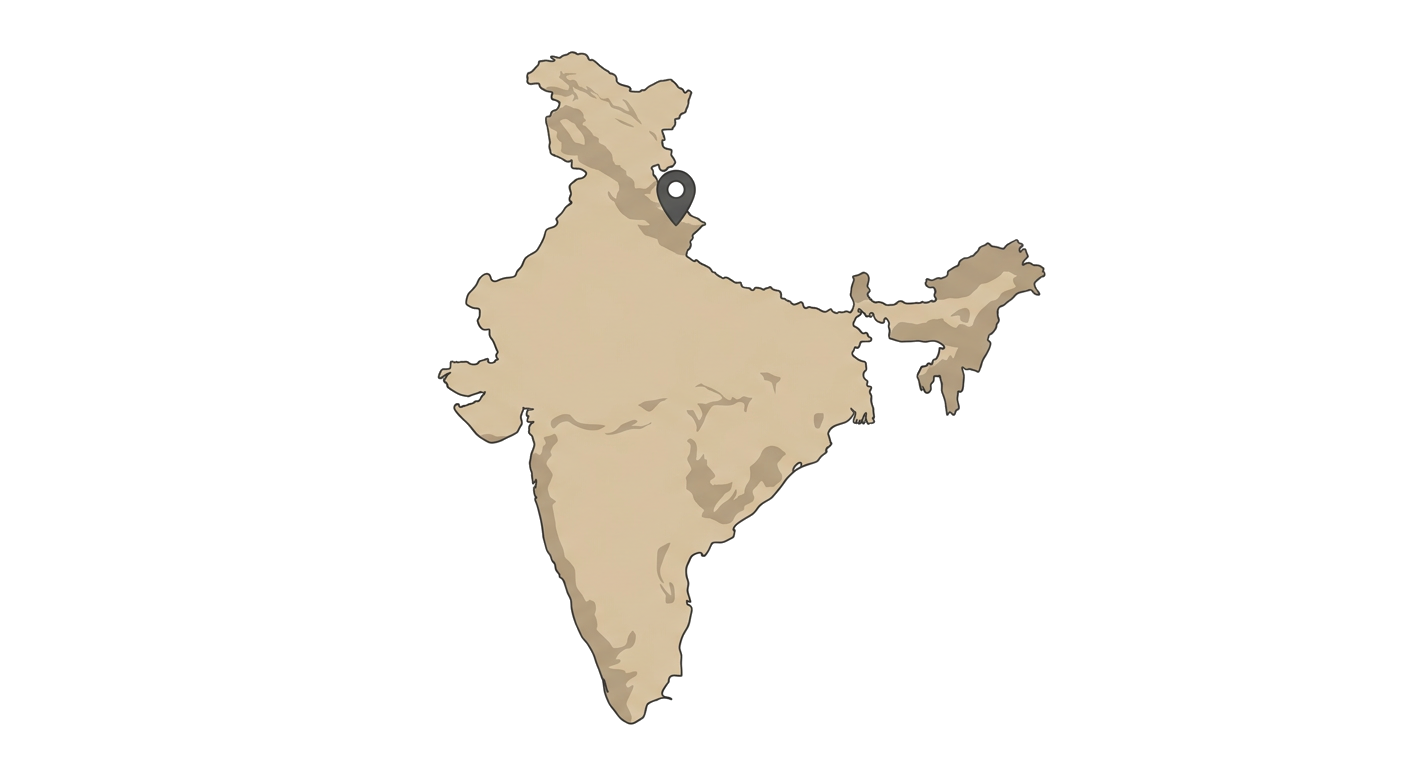
Indigenous to the rugged Himalayan ranges of northern India, developed by pastoral tribes to guard flocks against mountain predators.
- Region
- Himalayan foothills and high-altitude valleys (Himachal Pradesh, Uttarakhand, and Jammu & Kashmir, India)
- Climate it was bred for
- Alpine and sub-alpine mountain climate
- Original job
- Livestock guarding, flock protection, and pastoral homestead defence
The long read
About the breed
Physically, the breed exhibits the substantial bone, broad skull, and dense double coat typical of high-altitude Asian landraces. While they function primarily as perimeter flock guardians rather than herders, they are prized for their courage, physical endurance, and ability to navigate steep, treacherous terrain. Their temperament is characterised by deep loyalty to their handler and flock, combined with a sharp, natural suspicion towards unfamiliar humans and animals.
Formal documentation and standardisation for the Himalayan Sheepdog remain relatively limited. The breed exists predominantly as a working landrace rather than a kennel-club show dog, although it receives recognition from regional bodies such as the Kennel Club of India. Due to changing pastoral practices and interbreeding with other mountain dogs, pure working lines are considered vulnerable, prompting ongoing regional conservation interest.
Illustrated breed standard
The points of the breed
Hover or tap a numbered point to read what the standard asks for.
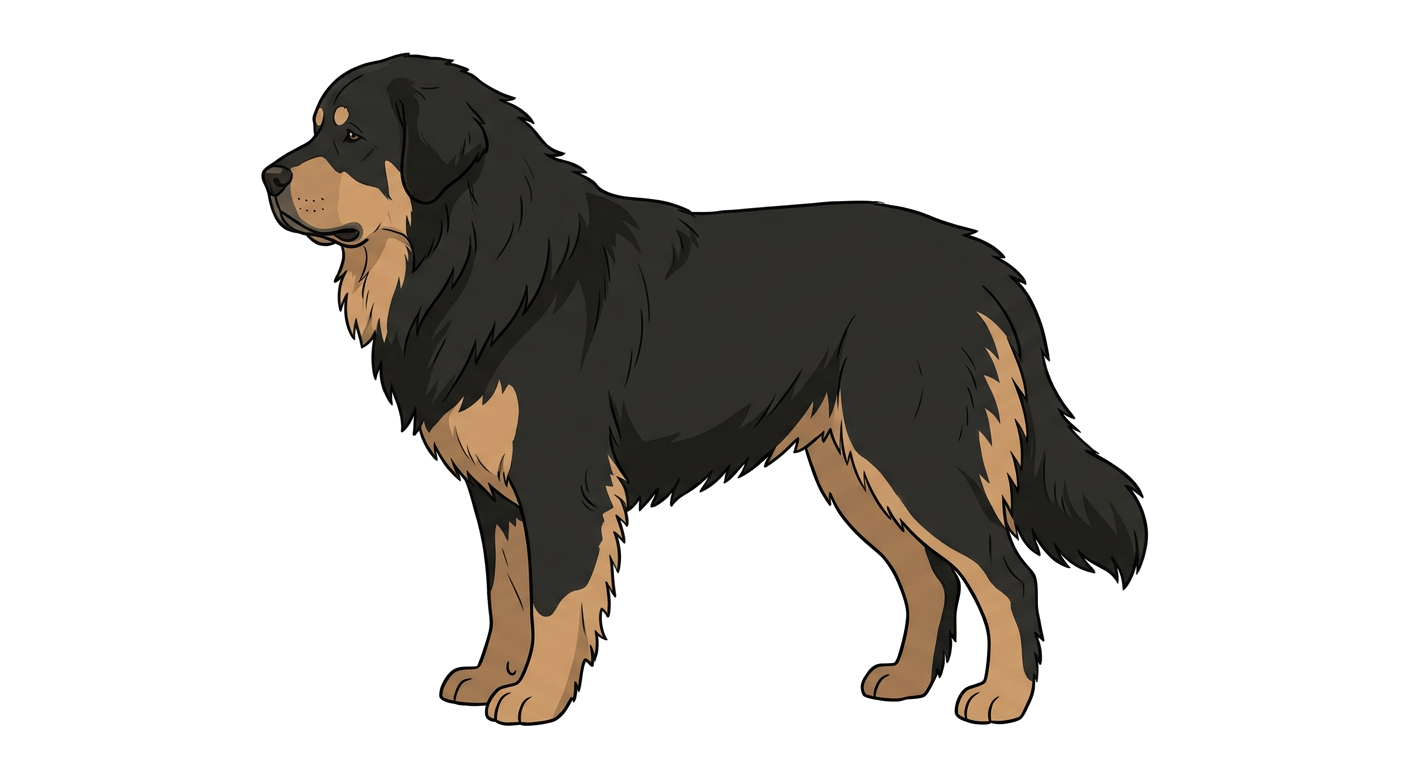
Point 1
Skull
The Himalayan Sheepdog's skull is judged on balance rather than size — proportionate to the body, with a clean cheek and a stop typical of the breed. Coarseness or an over-refined head are both faulted.
Colours & patterns
Recognised coats
Which coats the standard accepts — and which are simply popular.
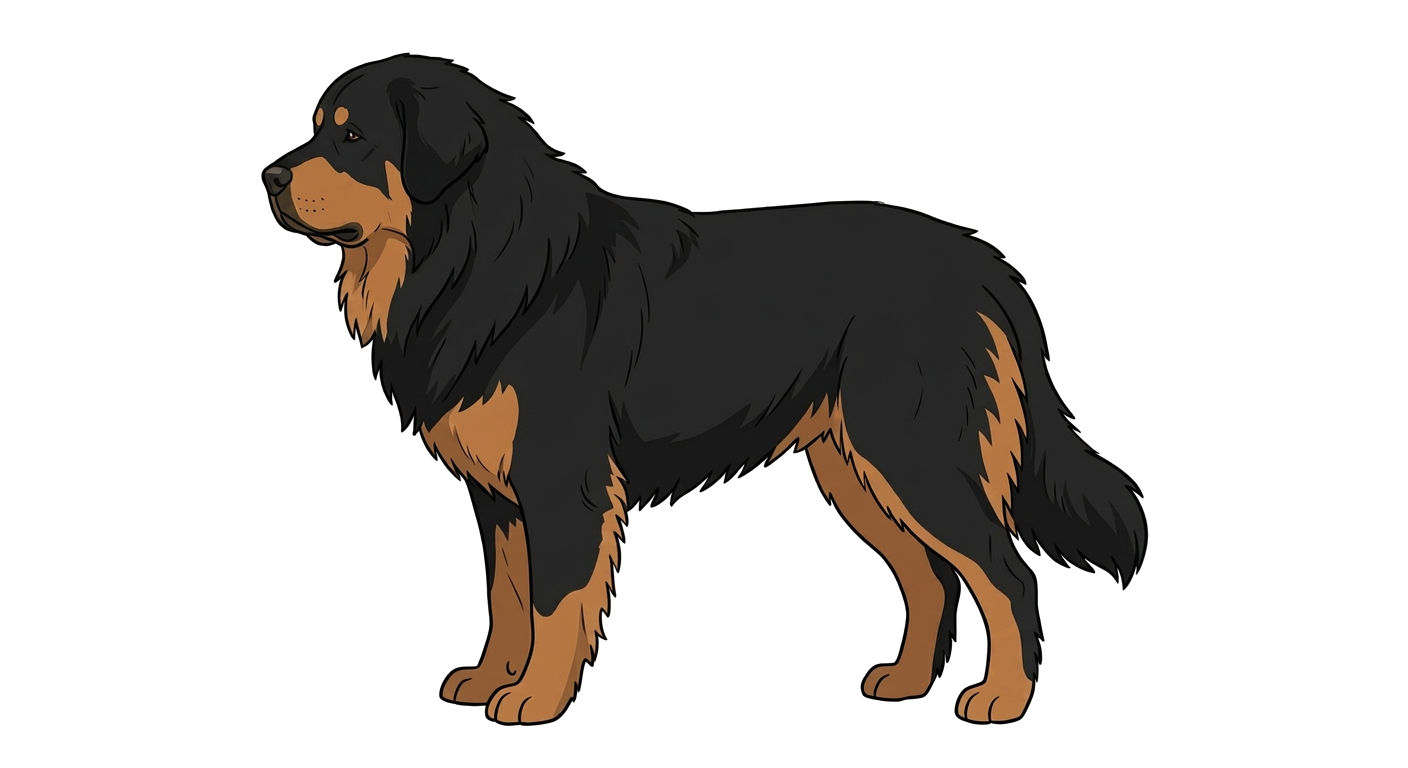
Black & Tan
Standard colour
The most common and traditional colour pattern, often featuring distinct tan points over the eyes and on the limbs.
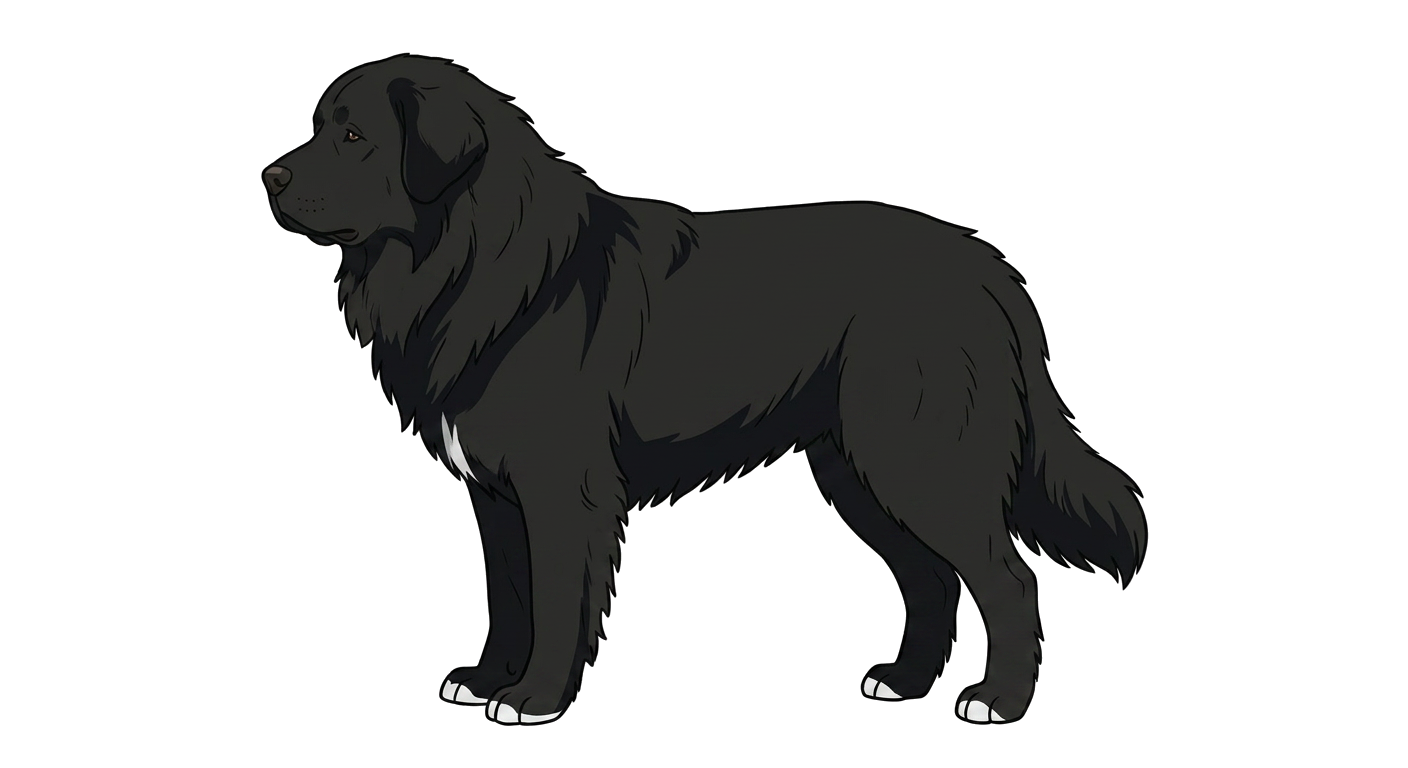
Solid Black
Standard colour
Deep black coat, occasionally with small white markings on the chest or feet.
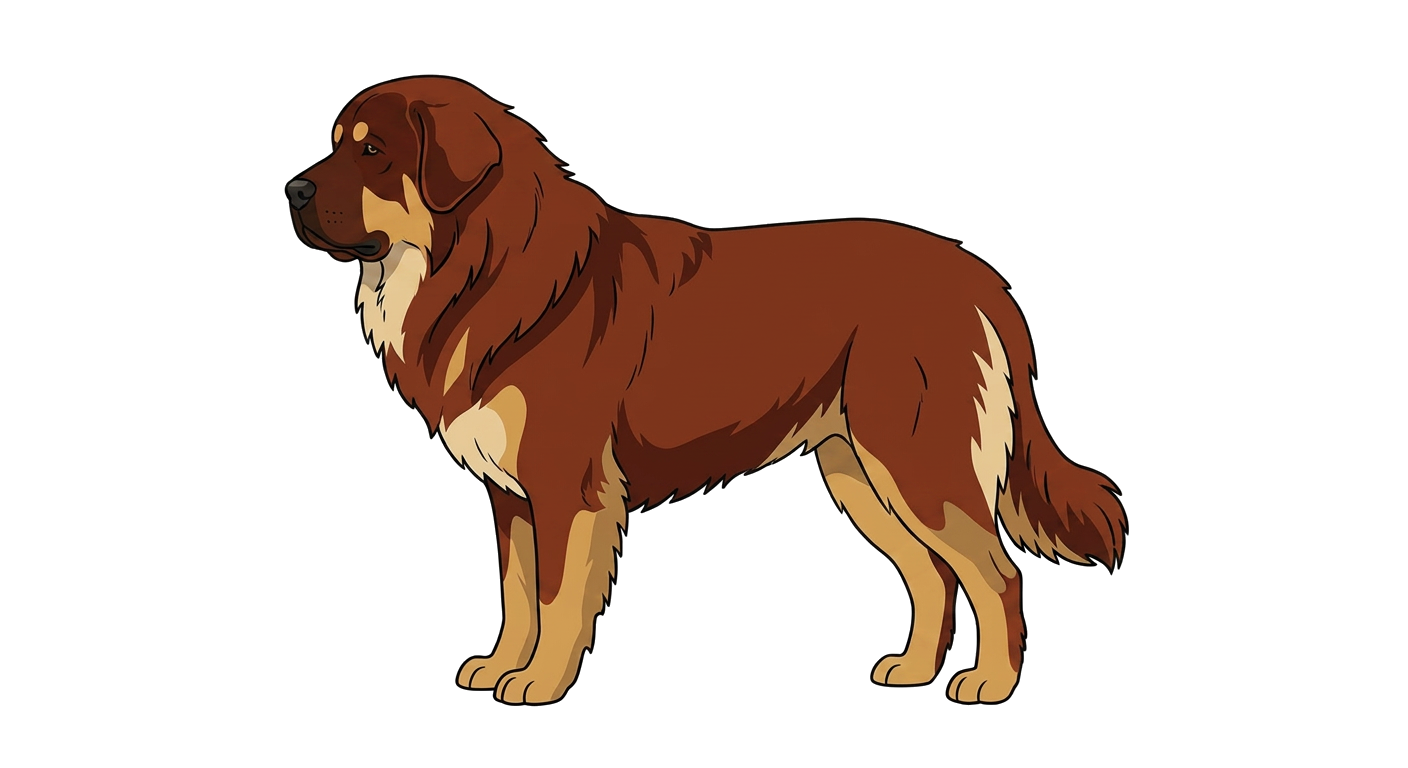
Fawn & Reddish-Brown
Standard colour
Ranging from light golden-fawn to deep russet brown, often accompanied by a darker facial mask.
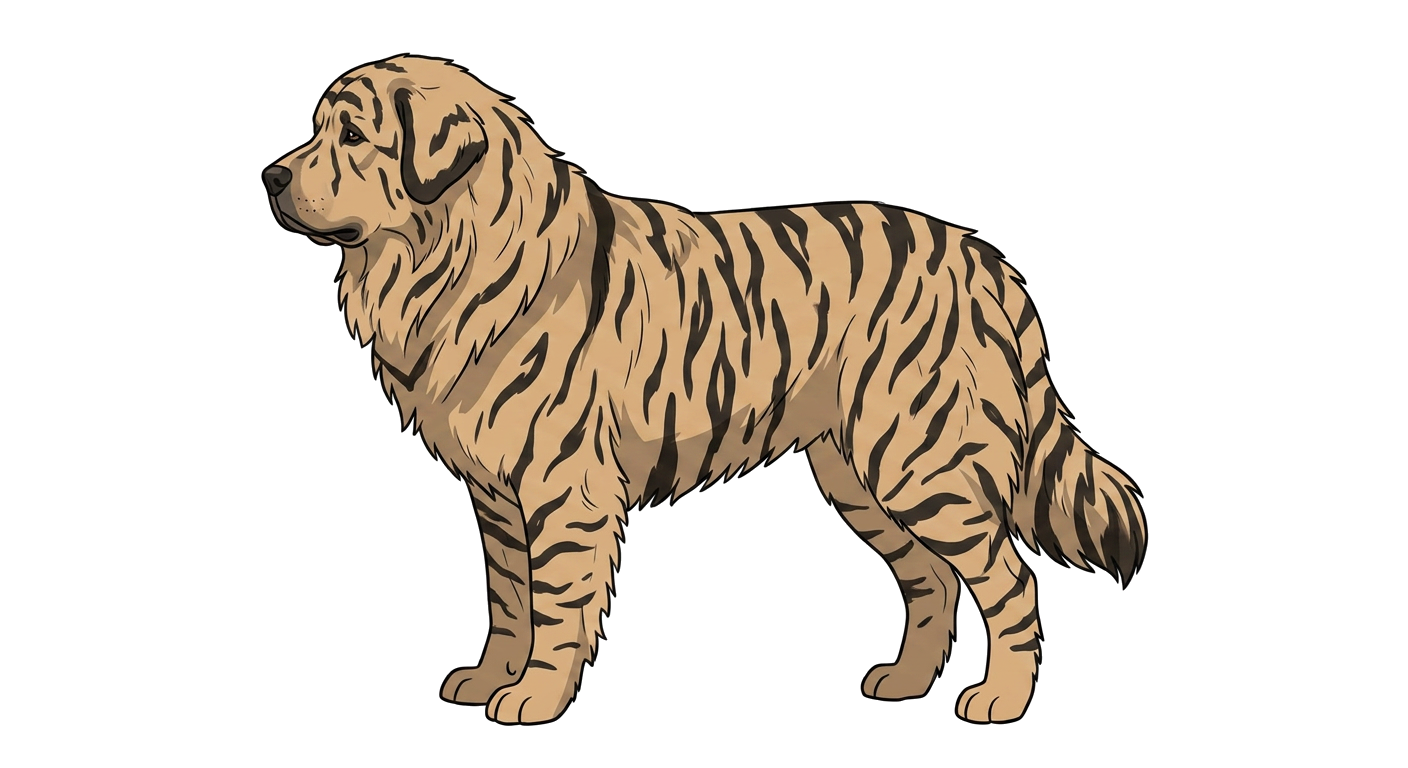
Brindle
Standard colour
Dark striping over a lighter fawn or grey base, less commonly seen in standard pastoral lines.
Timeline
History & development
Ancient Origins
Pastoral Development
Nomadic pastoralists in the western and central Himalayas selectively breed robust, weather-resistant dogs to protect their wandering herds from wolves, snow leopards, and bears.
c. 1890
Colonial Accounts
British naturalists and colonial administrators in northern India document the formidable working sheepdogs and mastiff-type landraces of the Gaddi and Bhotia tribes.
2005
KCI Recognition
The Kennel Club of India (KCI) highlights indigenous working dogs, documenting the Himalayan Sheepdog and Gaddi Kutta under native breed preservation programmes.
Present
Conservation Focus
Regional breed enthusiasts and agricultural bodies seek to document and preserve pure working lines amid increasing urbanisation and cross-breeding in rural areas.
Reference
Breed standard summary
- body
- Sturdy and compact to moderately long, featuring a broad and deep chest, well-sprung ribs, a straight back, and muscular loins.
- coat
- Dense, harsh, and straight outer coat with a thick, woolly undercoat that thickens considerably in winter, often forming a slight mane around the neck and shoulders.
- ears
- Medium-sized, triangular with rounded tips, pendant, carried close to the head and raised slightly when alert.
- eyes
- Medium in size, almond-shaped, slightly oblique, ranging in colour from dark brown to hazel, with a watchful and solemn expression.
- gait
- Free, powerful, and deliberate, covering ground effortlessly with good reach and drive suited to uneven mountain gradients.
- head
- Broad, heavy, and wedge-shaped, with a flat skull, moderate stop, and strong jaw development suited to a guardian breed.
- size
- Height at the withers typically ranges from 55 to 68 cm (22 to 27 in), with males noticeably larger and heavier than females.
- tail
- Moderately long, heavily feathered, set high, and typically carried curled over the back or to the side when active.
- colour
- Predominantly black and tan, solid black, reddish-brown, or fawn, occasionally with minor white patches on the chest or toes.
- muzzle
- Deep and broad throughout its length, tapering only slightly towards the nose, with firm or slightly pendulous black flews.
- temperament
- Fiercely protective, independent, and calm at rest, yet highly reactive to perceived threats; reserved with strangers and deeply loyal to its household.
- general appearance
- A powerful, robust, and deep-chested mountain dog of substantial substance, covered in a dense, weather-resistant double coat and conveying strength, calm vigilance, and endurance.
Health
What to screen for
Green means little to worry about, amber means ask the breeder for test results, red means manage it actively.
Heat Intolerance
Screen for it
Heavily insulated for sub-zero alpine climates; at high risk of heatstroke in warm or humid environments.
Hip & Elbow Dysplasia
Screen for it
Common in large, heavy-boned pastoral breeds; careful growth management is recommended during puppyhood.
Gastric Torsion (Bloat)
Watch closely
Deep-chested conformation creates a potential risk for acute gastric dilatation-volvulus.
Dermatological Issues
Watch closely
Dense undercoats can trap moisture and parasites if not regularly groomed and dried thoroughly.
General information only — always speak to your vet about your own dog.
From real owners
Dogs like this
Himalayan Sheepdogs added by PawPoint members through their pet passports. Share yours to appear here.
Loading the wall…
Made for the Himalayan Sheepdog
The book, plus prints, hoodies and mugs using our own Himalayan Sheepdog illustration — and one everyday accessory that suits any dog.

The book
Pawpoint: The Complete Dog Breed Book
Every officially recognised breed plus the unofficial ones nobody else documents. 400+ pages, hardback, printed and shipped from the UK.
Own stock — shipped by us
Framed poster
Himalayan Sheepdog Framed Poster
Museum-weight print of our Himalayan Sheepdog illustration, framed or unframed.
Printed to order
Hoodie
Himalayan Sheepdog Hoodie
Heavyweight hoodie carrying the Himalayan Sheepdog illustration on the chest.
Printed to order
Mug
Himalayan Sheepdog Mug
Ceramic mug with the Himalayan Sheepdog illustration wrapped around it.
Printed to order
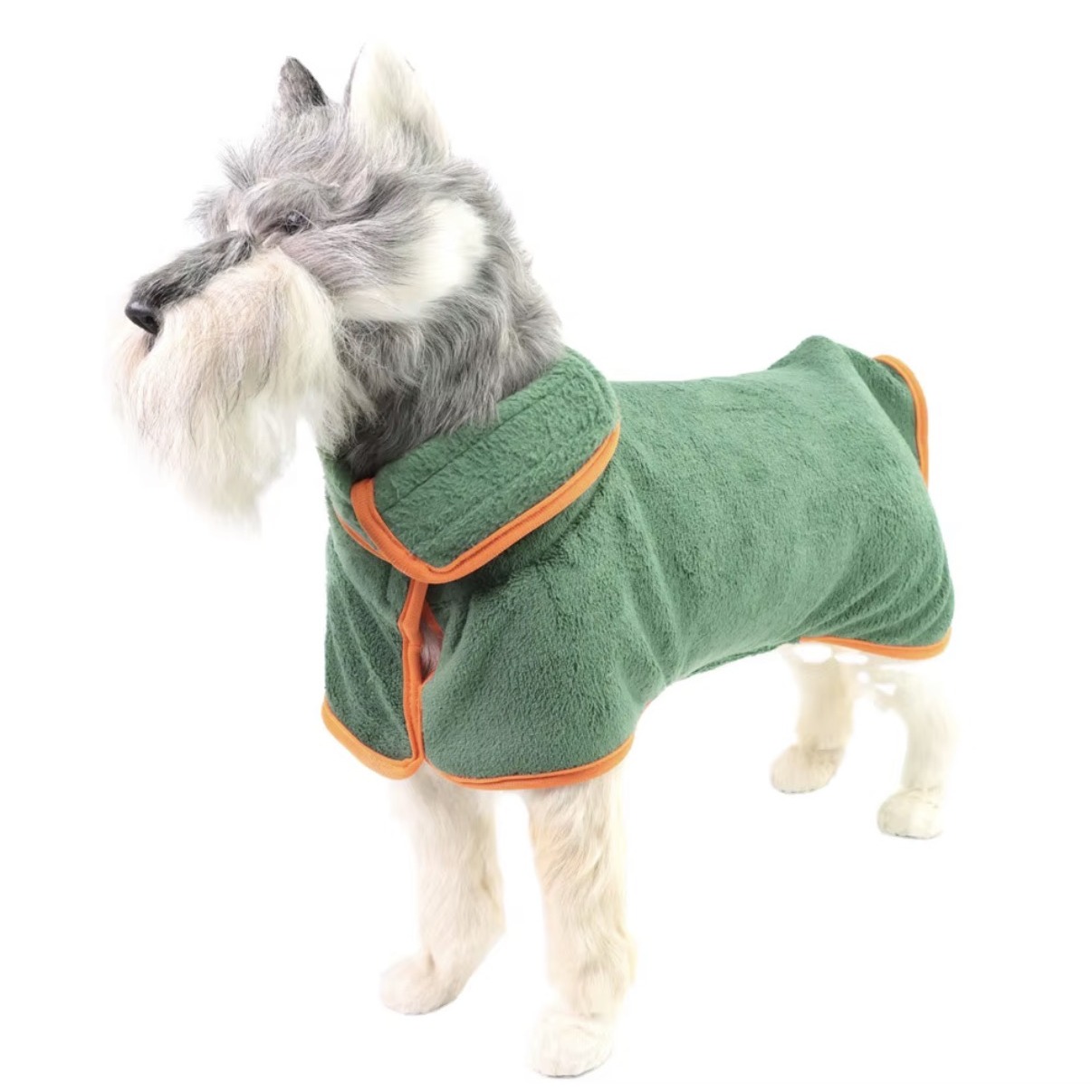
Accessory
Drying Towel Robe
Microfibre robe that soaks up a wet-walk shake.
Fits any dog
Pawpoint on YouTube
Watch the full Himalayan Sheepdog video
Breed deep-dives, history and honest ownership talk. New film every week.
Watch now