Hovawart
"HOH-vah-vart"
Germany· Black Forest and Harz Mountains
The Hovawart is a medium-large German farm and guard dog, bred to watch over isolated homesteads in the Black Forest and Harz mountains, its name simply meaning "yard guardian" in Old German.
At a glance
Quick facts
Size
Large
Exercise needs
1.5-2 hours daily
Home size suited to
Medium to large home
Grooming frequency
Daily brushing
Coat length
Long
Sheds
Yes, heavily when moulting
Lifespan
10-14 years
Town or country
Either, with enough exercise
Garden size needed
Medium or larger
Where it comes from
Origins of the Hovawart
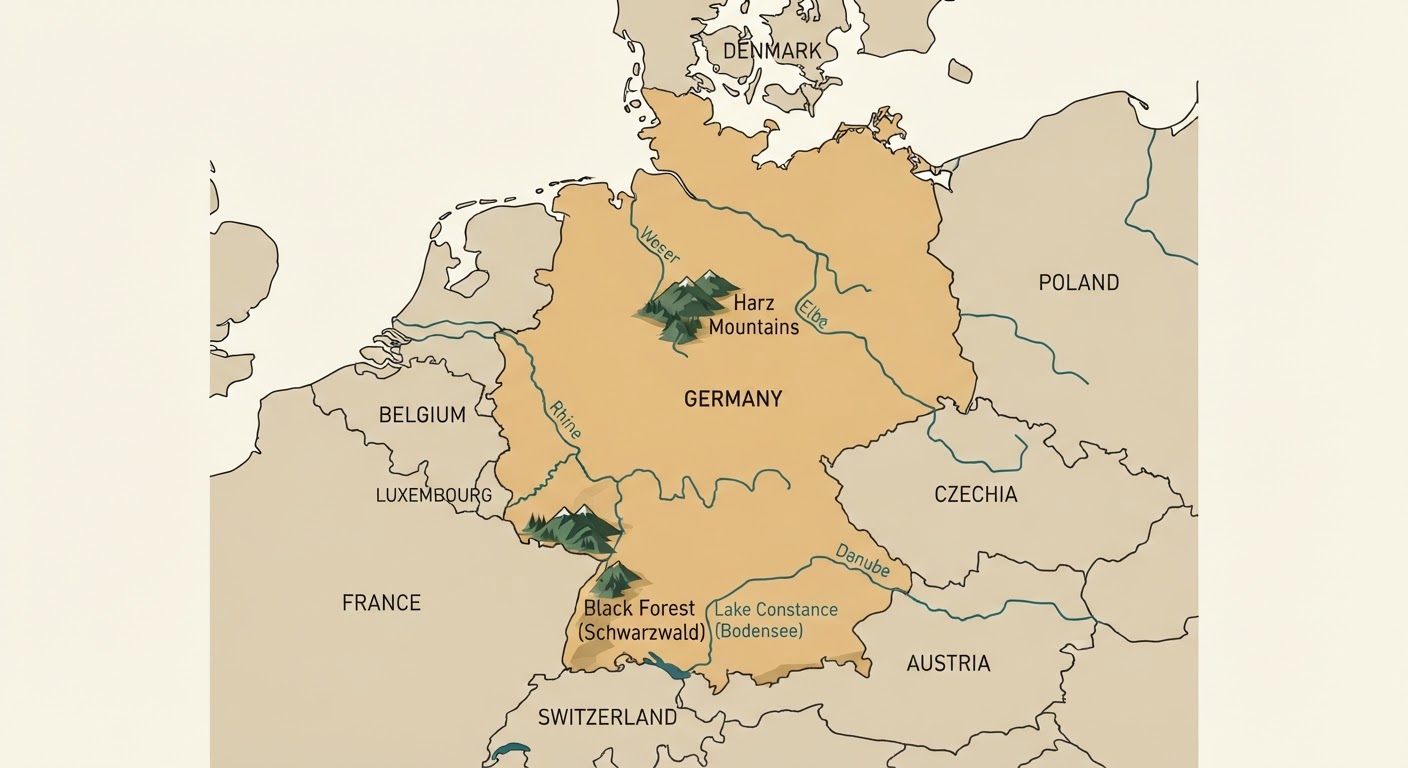
Reconstructed from farm dogs surviving in remote Black Forest villages, where isolated homesteads needed a dog capable of guarding property alone for long stretches. The cool, forested upland climate favoured a dog with a dense, weatherproof coat.
- Region
- Black Forest and Harz Mountains
- Climate it was bred for
- Cool, forested upland climate
- Original job
- Guarding isolated farms and homesteads
The long read
About the breed
Dogs of this general type appear in medieval German records and artwork from the 13th century onward, but the breed as known today was reconstructed in the 1920s by Kurt Konig, who gathered surviving farm dogs of the right type from remote Black Forest villages and crossbred them with Kuvasz, Leonberger and German Shepherd stock to fix a consistent, functional guard dog.
Living with a Hovawart means owning a watchful, independent dog that matures slowly, often not reaching full mental maturity until three years old, and needs an owner willing to socialise it widely and set clear boundaries early. It is calmer indoors than many working breeds but takes its guarding instincts seriously, barking at anything unfamiliar approaching the home.
The breed remains rare outside Germany, including in Britain, where it is kept mainly by people specifically seeking a traditional, unfussed farm guardian rather than a more common working breed, valuing its steadiness and lack of exaggerated features.
Living with one
Temperament & needs
Our own ratings, based on the breed standard and how these dogs behave in ordinary homes.
Friendliness
2/5
How openly the Hovawart greets people it does not know.
Trainability
3/5
Intelligent but matures slowly and can be independent.
Energy
3/5
Steady rather than hyperactive, enjoys long walks.
Barking
4/5
A committed watchdog that barks at anything unfamiliar.
Grooming
3/5
Long double coat needs weekly brushing.
Suits a first-time owner
3/5
How forgiving the Hovawart is for someone taking on their first dog.
Sociability
2/5
Reserved with strangers, devoted to its family.
Independence
4/5
Confident and capable of making its own decisions.
Illustrated breed standard
The points of the breed
Hover or tap a numbered point to read what the standard asks for.
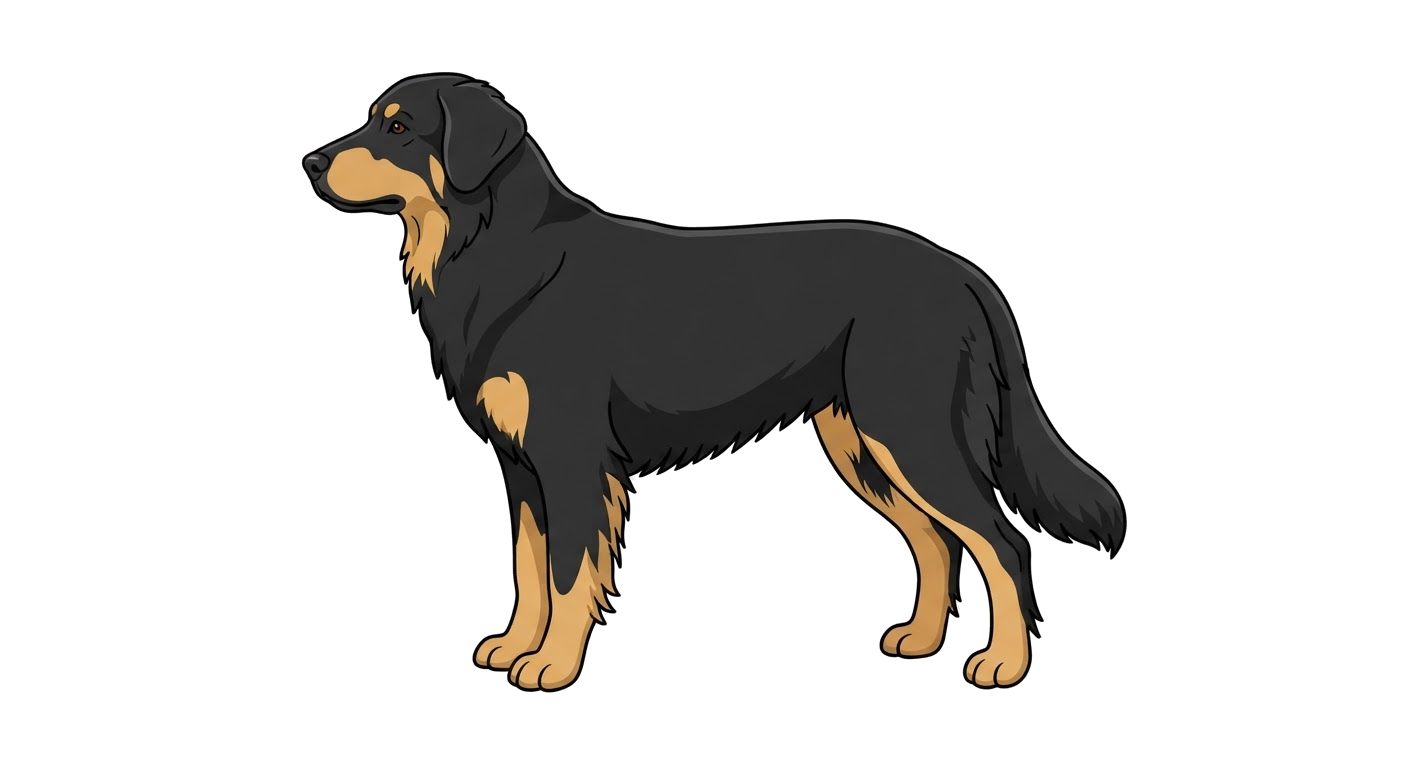
Point 1
Skull
The Hovawart's skull is judged on balance rather than size — proportionate to the body, with a clean cheek and a stop typical of the breed. Coarseness or an over-refined head are both faulted.
Colours & patterns
Recognised coats
Which coats the standard accepts — and which are simply popular.
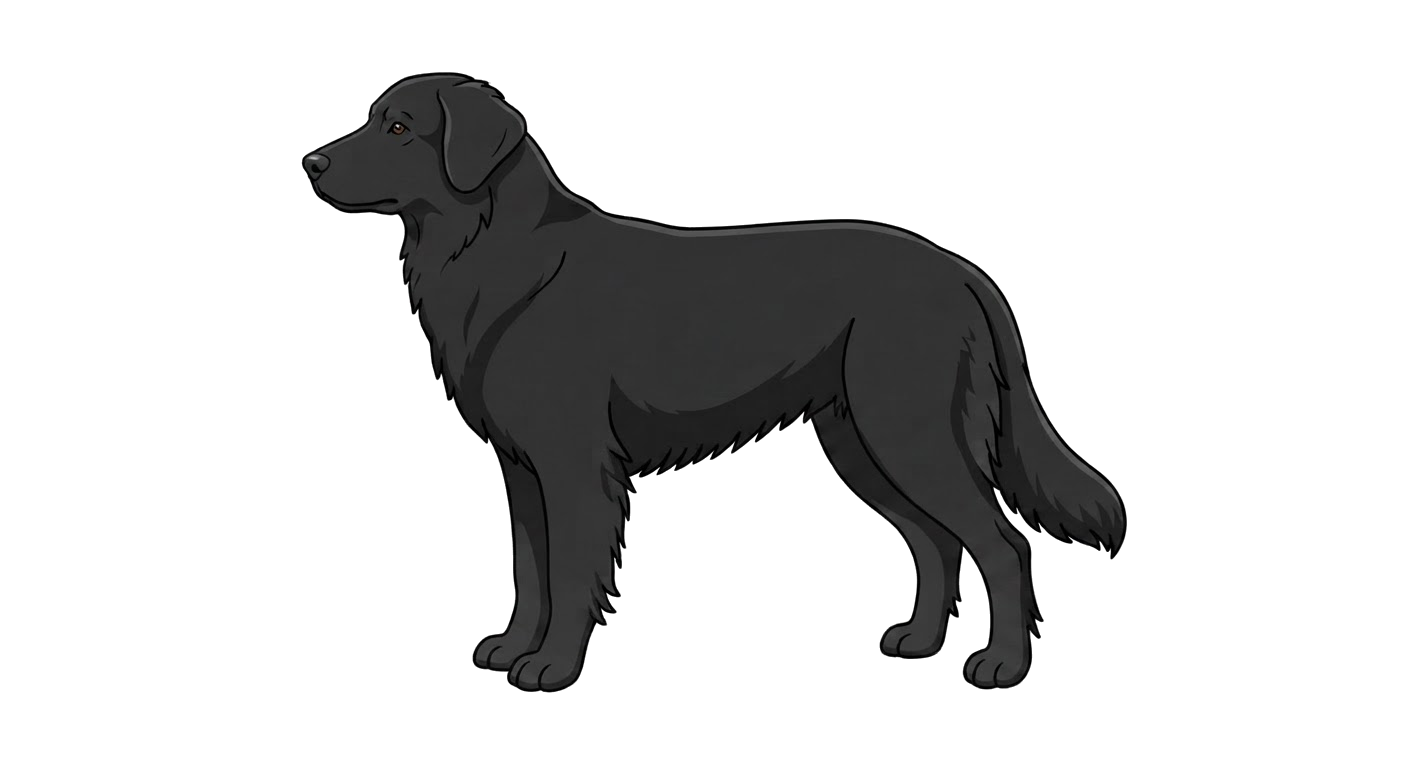
Black
Standard colour
Solid black, one of the three recognised colours.
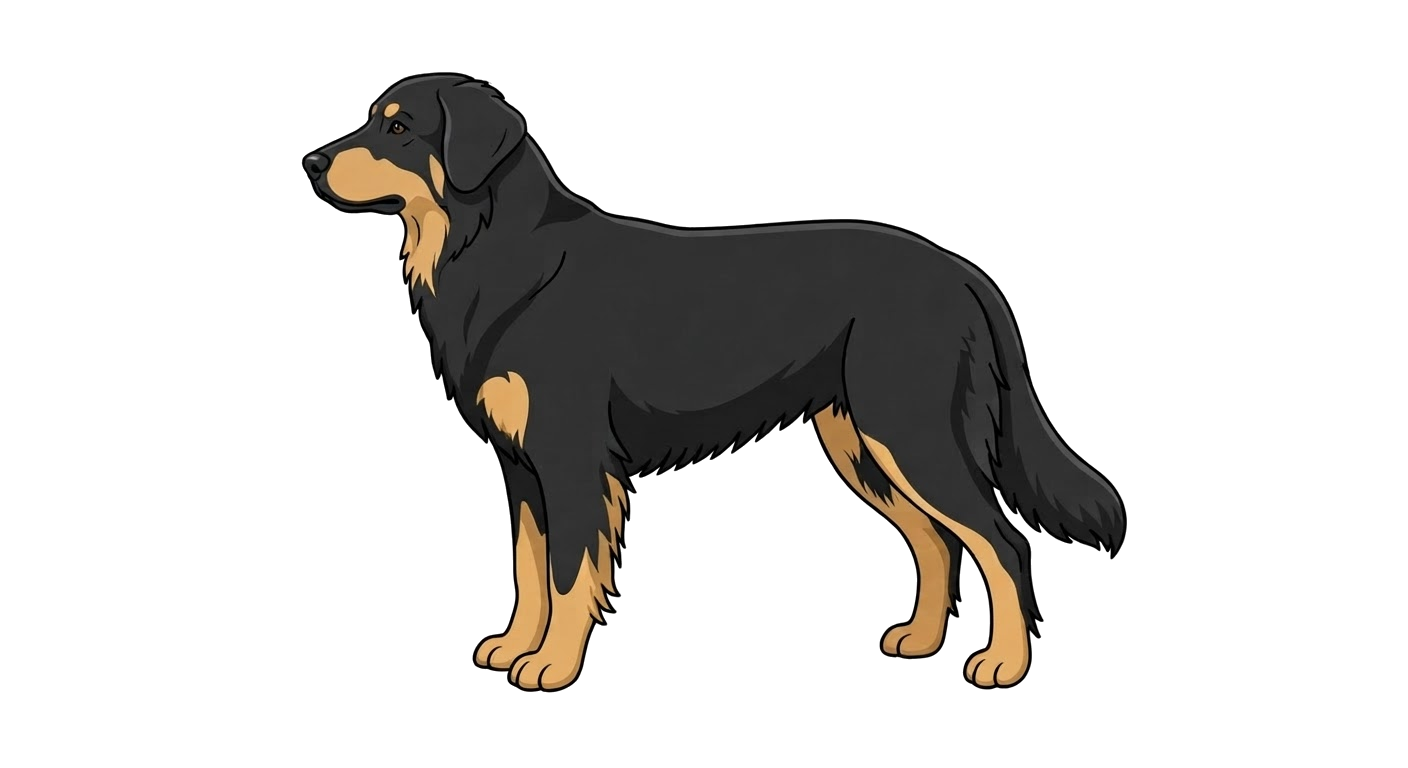
Black and gold
Standard colour
Black with tan-gold markings, historically the most common.
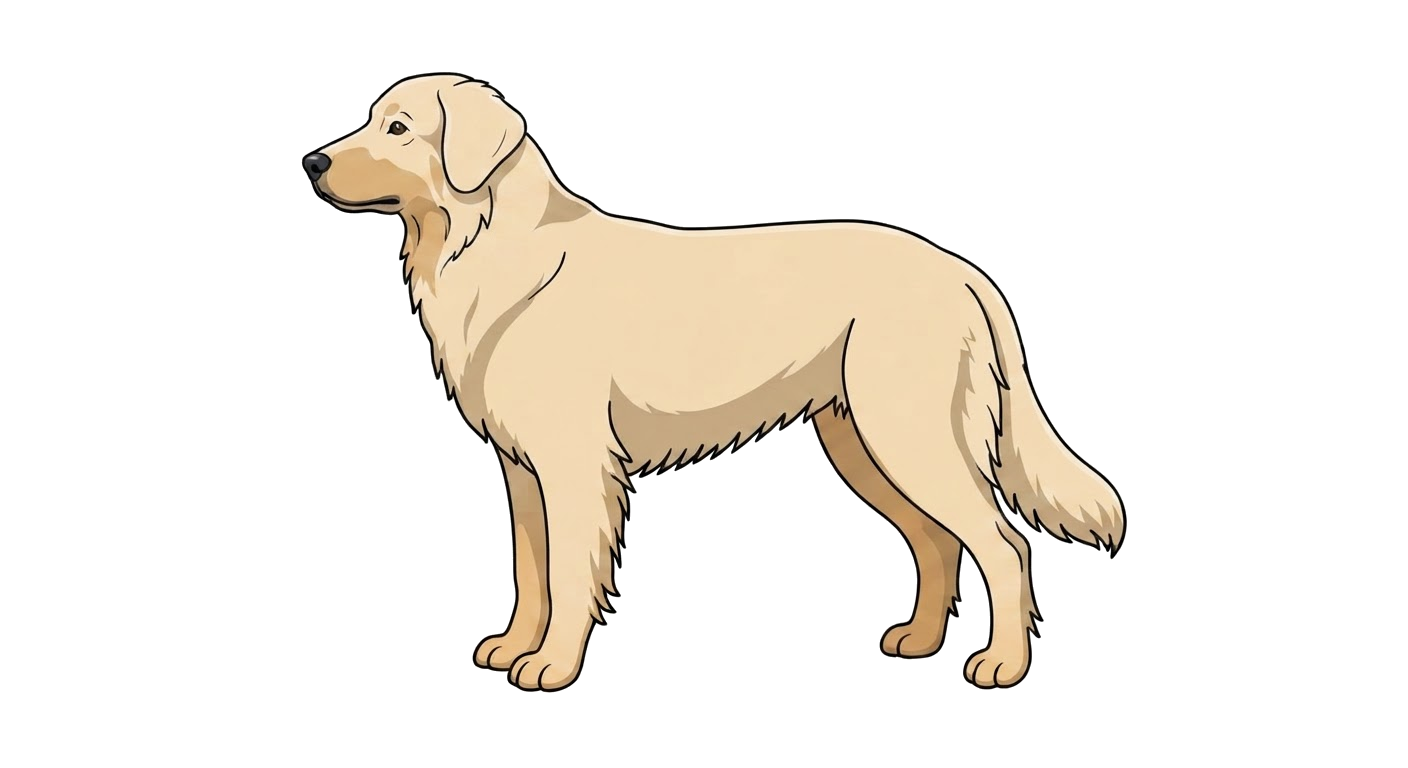
Blond
Standard colour
A honey-gold colour, ranging from pale to deep.
Timeline
History & development
13th century
Early records
Farm guard dogs matching the Hovawart type appear in medieval German manuscripts and castle records.
1920s
Reconstruction begins
Kurt Konig sought out surviving farm dogs of the traditional type in remote Black Forest villages.
1922
Breed standard set
A formal standard was drawn up and the breed name Hovawart, from the Old German for yard guardian, was adopted.
1930s onward
Slow spread
The breed spread gradually through Germany as a farm and family guardian, remaining rare abroad.
Reference
Breed standard summary
- body
- Slightly longer than tall, strong back
- coat
- Long, slightly wavy, weatherproof
- ears
- Set high, dropped, triangular
- eyes
- Oval, dark, calm expression
- gait
- Ground-covering, purposeful trot
- head
- Broad skull with a strong, moderately long muzzle
- size
- Large
- tail
- Bushy, carried level or slightly raised
- colour
- Black, Black and gold, Blond. Colours outside this list are seen but are not accepted by the kennel clubs.
- temperament
- Typical of the breed: strongest in independence, barking, energy. Nervousness or aggression are serious faults in the show ring and in the home.
- general appearance
- Medium-large, well-balanced, unexaggerated working dog
Health
What to screen for
Green means little to worry about, amber means ask the breeder for test results, red means manage it actively.
Hip dysplasia
Screen for it
Ask for BVA/KC hip scores on both parents.
Elbow dysplasia
Screen for it
Elbow scoring is advisable given the breed's size.
Hypothyroidism
Screen for it
Thyroid testing of breeding stock is worth requesting.
Epilepsy
Watch closely
Discuss any family history of seizures with the breeder.
General information only — always speak to your vet about your own dog.
From real owners
Dogs like this
Hovawarts added by PawPoint members through their pet passports. Share yours to appear here.
Loading the wall…
Made for the Hovawart
The book, plus prints, hoodies and mugs using our own Hovawart illustration — and one everyday accessory that suits any dog.
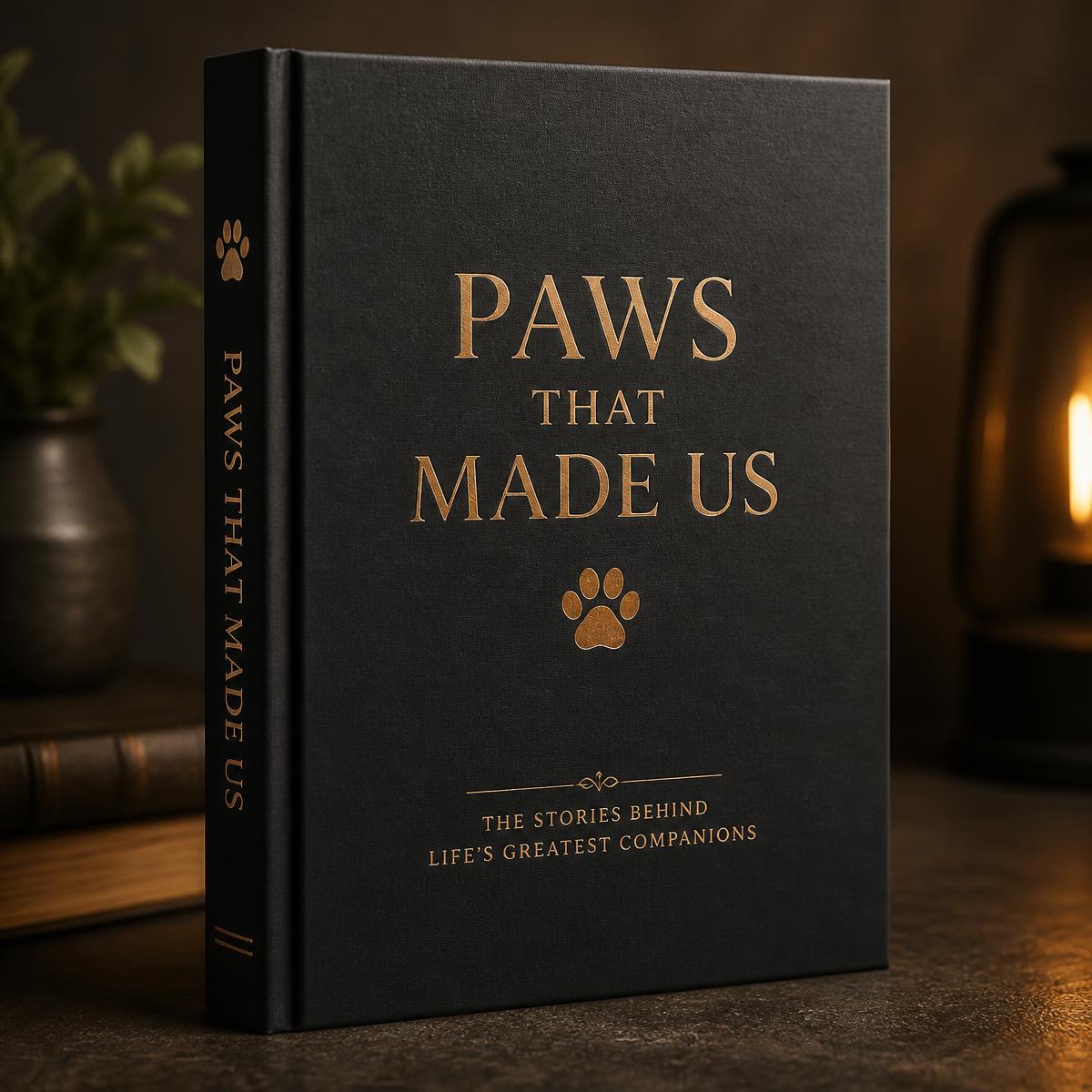
The book
Pawpoint: The Complete Dog Breed Book
Every officially recognised breed plus the unofficial ones nobody else documents. 400+ pages, hardback, printed and shipped from the UK.
Own stock — shipped by us
Framed poster
Hovawart Framed Poster
Museum-weight print of our Hovawart illustration, framed or unframed.
Printed to order
Hoodie
Hovawart Hoodie
Heavyweight hoodie carrying the Hovawart illustration on the chest.
Printed to order
Mug
Hovawart Mug
Ceramic mug with the Hovawart illustration wrapped around it.
Printed to order
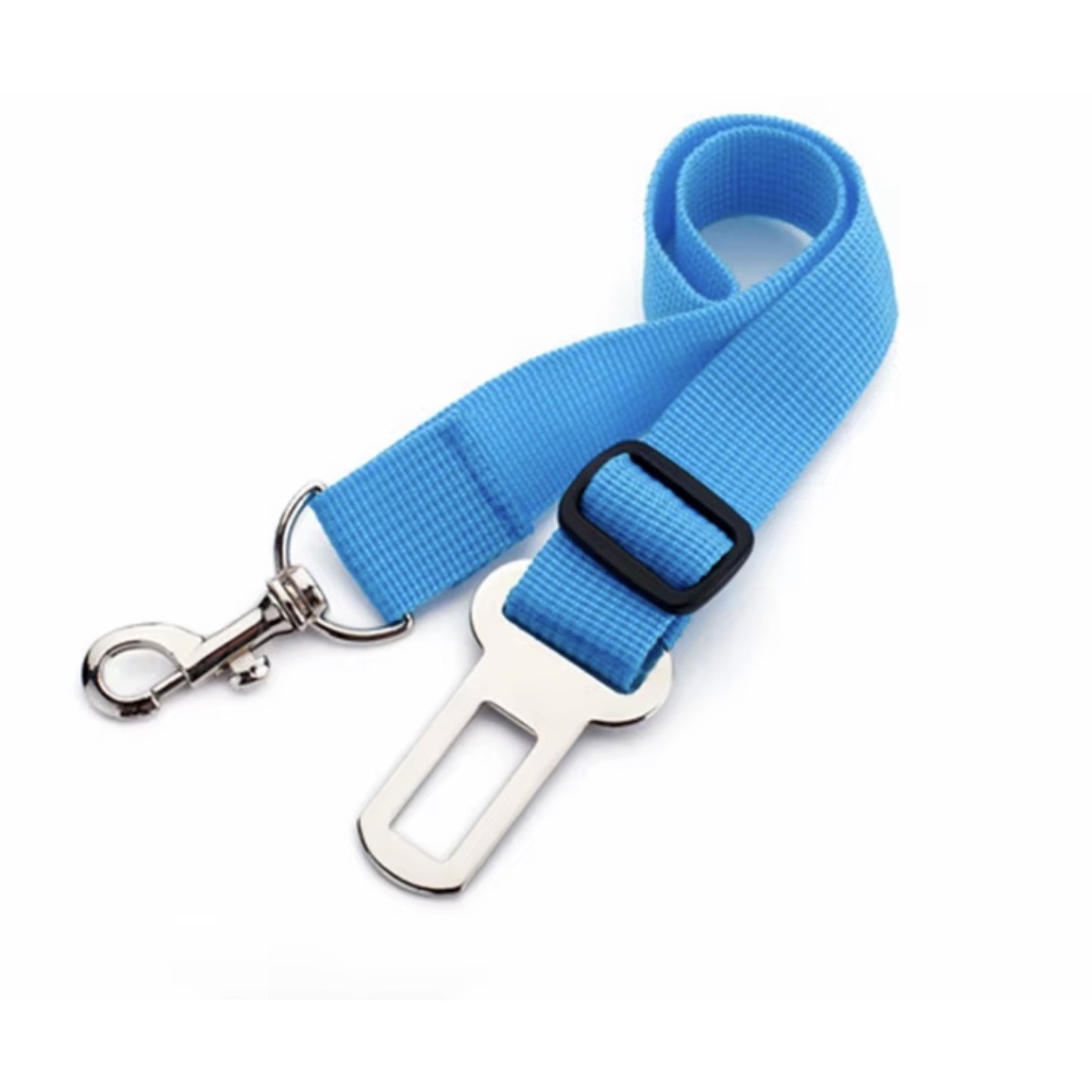
Accessory
Car Seatbelt Restraint
Clips any harness to a standard seatbelt buckle.
Fits any dog
Pawpoint on YouTube
Watch the full Hovawart video
Breed deep-dives, history and honest ownership talk. New film every week.
Watch now