
Hungarian Greyhound
hun-GAIR-ee-an GRAY-hownd
Hungary· Great Hungarian Plain (Puszta)
The Hungarian Greyhound, or Magyar Agár, is a robust sighthound native to the Hungarian plains, developed over centuries for coursing hare and other fast game.
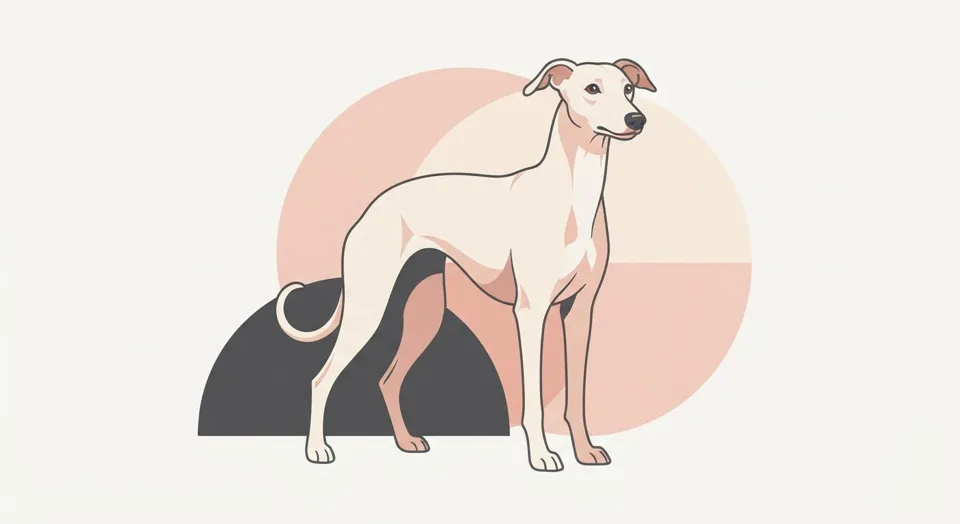
At a glance
Quick facts
- Size
- Large
- Exercise needs
- 1-1.5 hours per day
- Home size suited to
- Medium or larger
- Grooming frequency
- Minimal
- Coat length
- Short
- Sheds
- Moderate
- Lifespan
- 12-14 years
- Town or country
- Both, with adequate exercise
- Garden size needed
- Large, securely fenced
Where it comes from
Origins of the Hungarian Greyhound
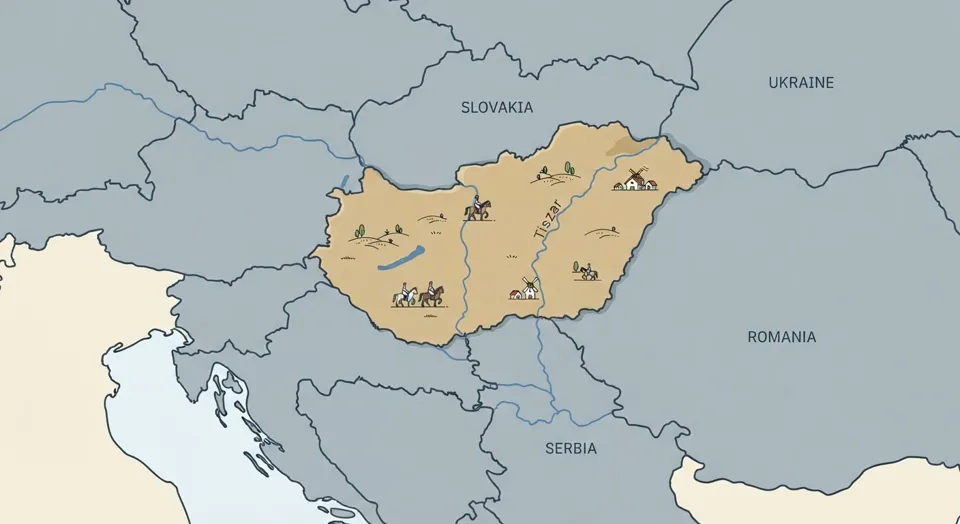
The vast open grasslands of the Hungarian Puszta gave sighthounds room to reach top speed chasing hare, and the Magyar Agár was bred by Hungarian nobility and commoners alike over many centuries for exactly this purpose. Slightly more robust than the Western European Greyhound, it was built to withstand a harsher continental climate.
- Region
- Great Hungarian Plain (Puszta)
- Climate it was bred for
- Open grassland plains with hot summers and cold winters
- Original job
- Coursing hare and other game by sight across the open Hungarian plains
The long read
About the breed
Its working history on open grassland produced a slightly heavier, hardier frame than the English Greyhound, better suited to variable weather, alongside the explosive speed and keen sight typical of the sighthound group.
As a companion it is calm and gentle indoors, forming close bonds with its family, though it retains a strong chase instinct and needs secure, fenced space to run safely; it generally gets on well with other dogs it is raised with.
Still used for coursing and increasingly for lure coursing sport in Hungary, the breed remains relatively rare outside its homeland but has a steady and dedicated following.
Living with one
Temperament & needs
Our own ratings, based on the breed standard and how these dogs behave in ordinary homes.
Friendliness
3/5
How openly the Hungarian Greyhound greets people it does not know.
Trainability
3/5
How readily the breed takes to training in an ordinary home.
Energy
3/5
How much daily exercise and stimulation the breed expects.
Barking
3/5
How vocal the breed tends to be day to day.
Grooming
3/5
How much coat work the breed needs to stay comfortable.
Suits a first-time owner
3/5
How forgiving the Hungarian Greyhound is for someone taking on their first dog.
Illustrated breed standard
The points of the breed
Hover or tap a numbered point to read what the standard asks for.
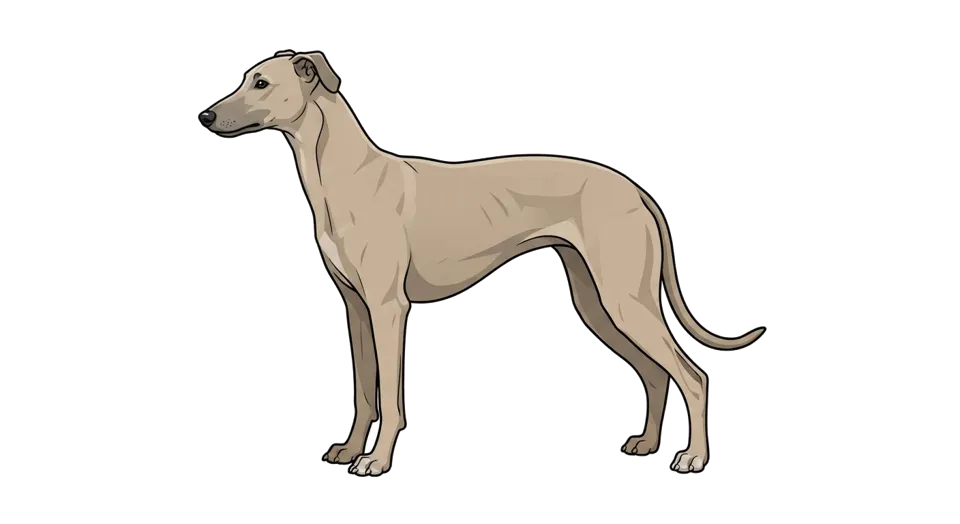
Point 1
Skull
The Hungarian Greyhound's skull is judged on balance rather than size — proportionate to the body, with a clean cheek and a stop typical of the breed. Coarseness or an over-refined head are both faulted.
Timeline
History & development
9th-10th century
Arrival with Magyar tribes
Sighthounds are believed to have accompanied the Magyar tribes into the Carpathian Basin.
1500s
Established coursing hound
The breed became a well-established coursing dog used by nobility and commoners across the Hungarian plains.
1900s
Standardisation efforts
Hungarian cynologists worked to formalise a modern breed standard distinct from other European sighthounds.
1966
FCI recognition
The Hungarian Greyhound received official FCI recognition.
2000s
Rise of lure coursing
The breed has found a modern outlet in organised lure coursing events across Europe.
Reference
Breed standard summary
- body
- Long and muscular, with a deep chest and slightly arched loin.
- coat
- Short, smooth and dense, close-lying.
- ears
- Small, rose-shaped, folded back when relaxed.
- eyes
- Dark, medium-sized, oval, with a lively expression.
- head
- Long and lean, with a flat skull and strong jaws.
- size
- Dogs 65-70cm, bitches 62-67cm at the withers
- colour
- Any colour is acceptable.
- temperament
- Calm and gentle at home, reserved with strangers, fast and keen when coursing.
- general appearance
- A robust, medium-large sighthound, slightly heavier boned than the English Greyhound but built for speed.
Health
What to screen for
Green means little to worry about, amber means ask the breeder for test results, red means manage it actively.
General information only — always speak to your vet about your own dog.
From real owners
Hungarian Greyhounds in the PAWPOINT Pack
Hungarian Greyhounds added by PawPoint members through their pet passports. Share yours to appear here.
Loading the wall…
Made for the Hungarian Greyhound
The book, plus hoodies, tees and mugs featuring the Hungarian Greyhound.