
Hungarian Kuvasz
"KOO-vahss"
Hungary· Great Hungarian Plain
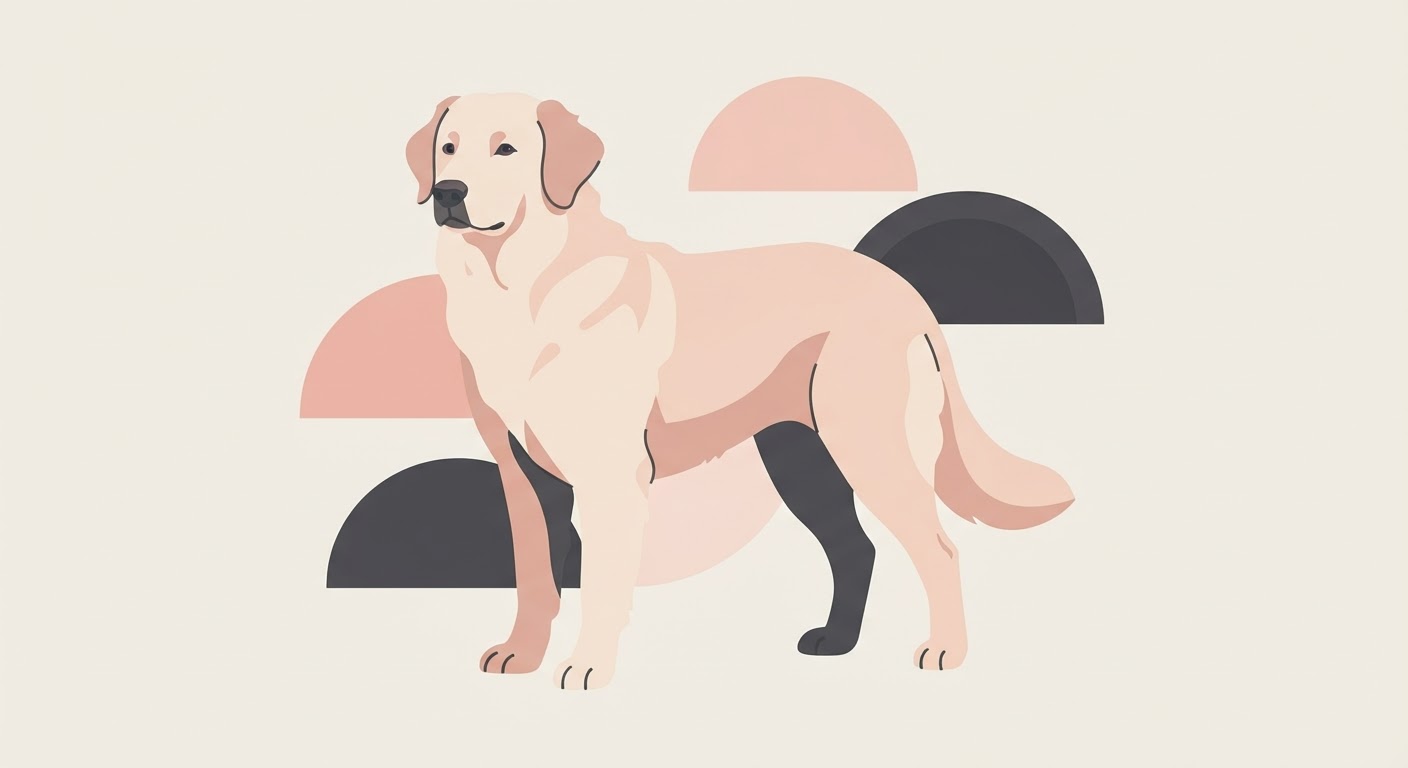
The Hungarian Kuvasz is a large, white livestock guardian bred over centuries on the Hungarian plains to live among sheep flocks and defend them from wolves without close human supervision.
At a glance
Quick facts
Size
Large
Exercise needs
1.5-2 hours daily plus space to patrol
Home size suited to
Medium to large home
Grooming frequency
Twice weekly brush
Coat length
Medium
Sheds
Yes, heavily when moulting
Lifespan
10-12 years
Town or country
Happiest in the country
Garden size needed
Medium or larger
Where it comes from
Origins of the Hungarian Kuvasz
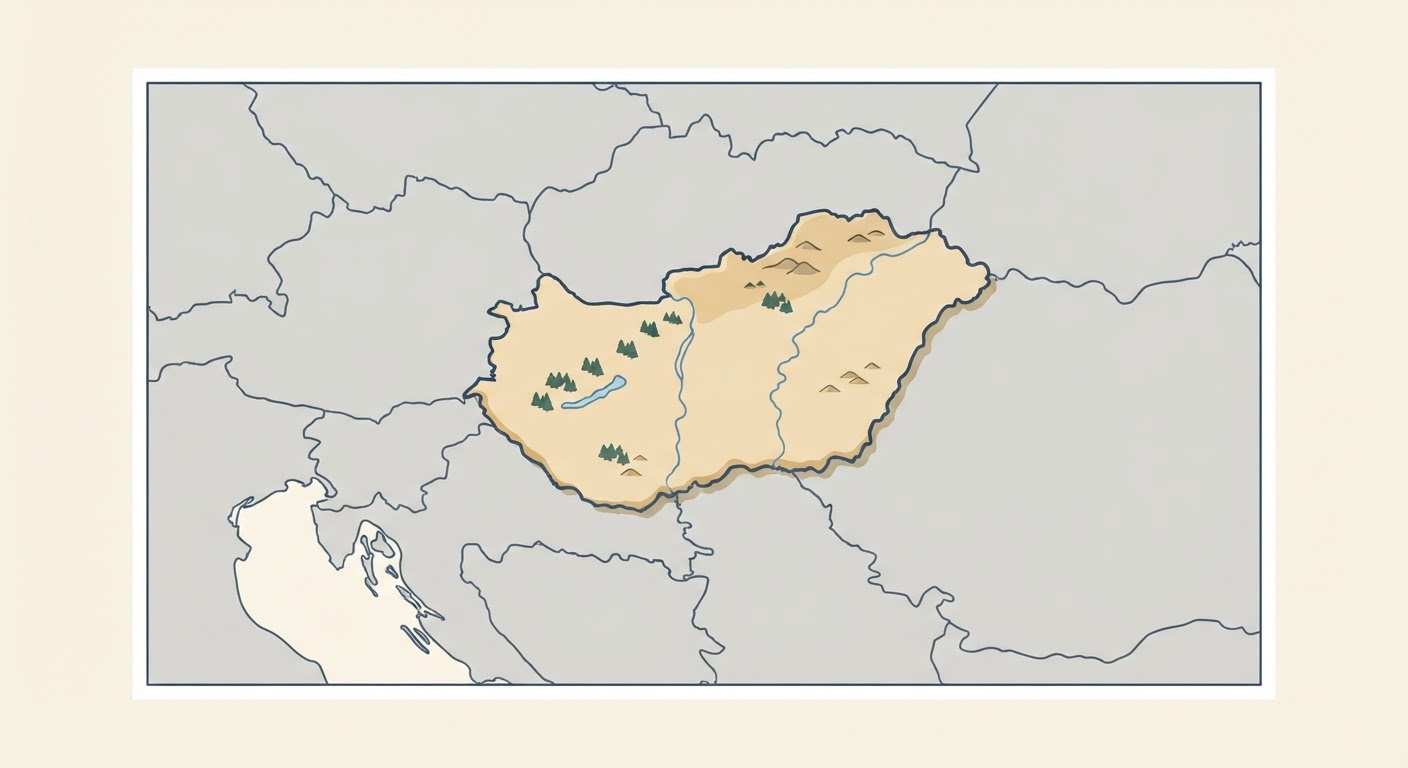
Developed on the open Hungarian plain, where flocks grazed far from shepherds and needed a dog able to guard them alone. Its all-white coat let herders distinguish it from wolves at a distance in low light.
- Region
- Great Hungarian Plain
- Climate it was bred for
- Continental, hot summers, cold winters
- Original job
- Livestock guarding against wolves
The long read
About the breed
It descends from ancient guardian dogs brought to the Carpathian Basin by Magyar tribes and related Tibetan mastiff-type dogs, refined over centuries into a large, all-white dog able to work independently far from shepherds and to be told apart from wolves at a distance in poor light. The breed reached its peak favour in the 15th century under King Matthias Corvinus, who reportedly trusted Kuvasz more than many of his courtiers.
Living with a Kuvasz means owning a dog bred to think for itself and make decisions without instruction, which makes it a poor fit for owners wanting quick, eager obedience; it needs early, extensive socialisation and firm, patient handling, and it retains a strong instinct to guard territory and family. The dense white double coat sheds heavily, particularly twice a year, and needs regular brushing to manage.
The breed suffered heavy losses during and after the Second World War as its guarding instinct made it a target, and numbers remain modest worldwide, including in Britain, where it is kept by a small number of dedicated owners drawn to its independence and old-world guardian character.
Living with one
Temperament & needs
Our own ratings, based on the breed standard and how these dogs behave in ordinary homes.
Friendliness
2/5
How openly the Hungarian Kuvasz greets people it does not know.
Trainability
2/5
Independent-minded, trains slowly and needs patience.
Energy
4/5
Needs space and daily exercise, not suited to flats.
Barking
4/5
Barks readily to warn of anything unusual.
Grooming
4/5
Dense double coat sheds heavily twice a year.
Suits a first-time owner
2/5
How forgiving the Hungarian Kuvasz is for someone taking on their first dog.
Sociability
2/5
Loyal to family, naturally suspicious of strangers.
Independence
5/5
Bred to make guarding decisions without instruction.
Illustrated breed standard
The points of the breed
Hover or tap a numbered point to read what the standard asks for.
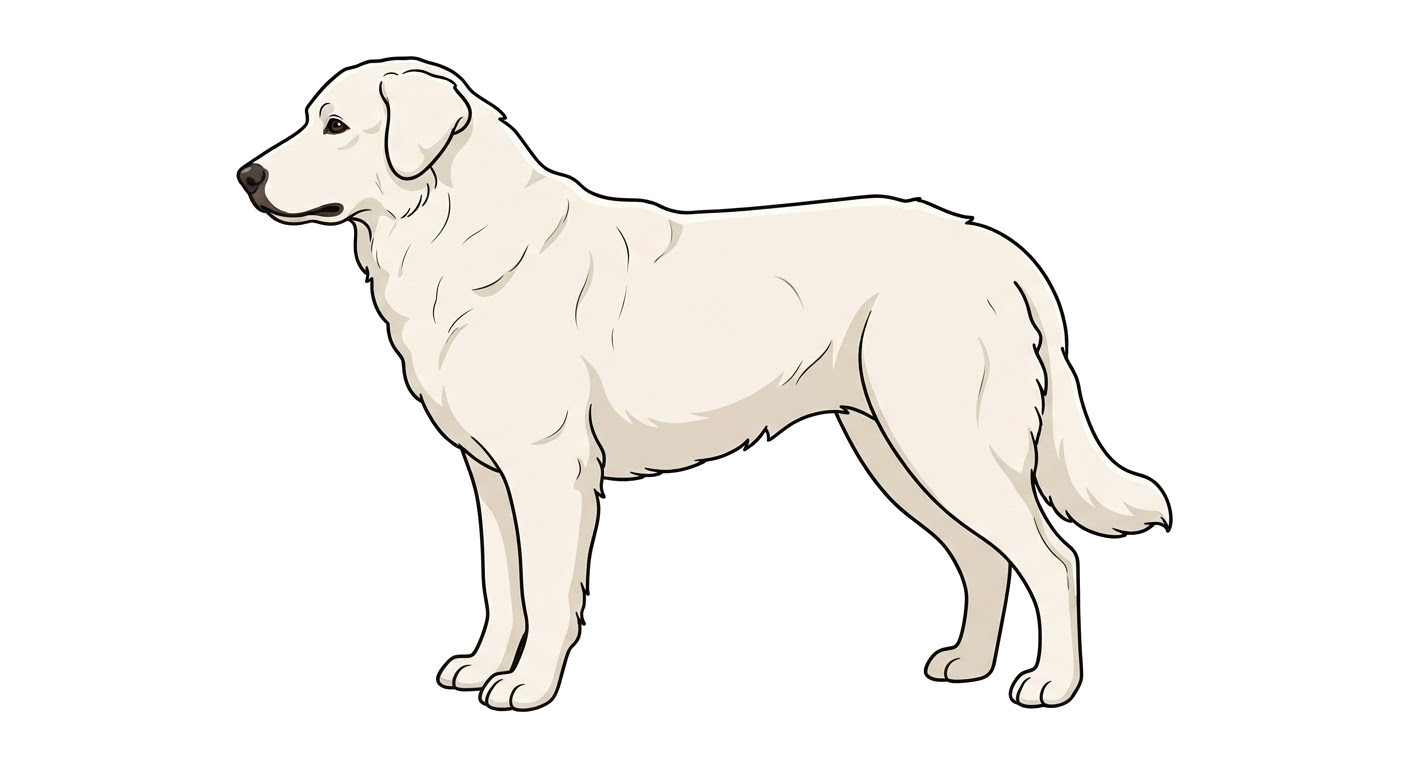
Point 1
Skull
The Hungarian Kuvasz's skull is judged on balance rather than size — proportionate to the body, with a clean cheek and a stop typical of the breed. Coarseness or an over-refined head are both faulted.
Colours & patterns
Recognised coats
Which coats the standard accepts — and which are simply popular.
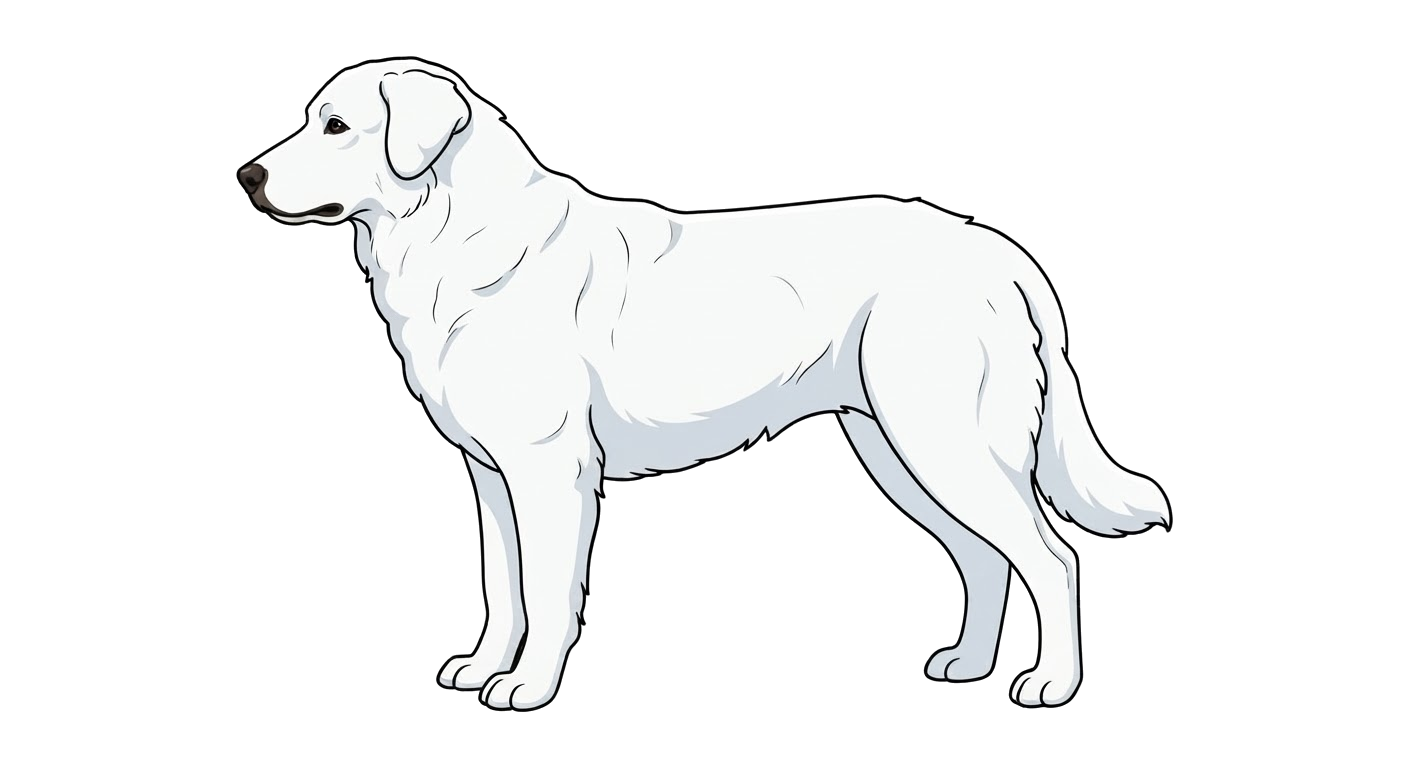
White
Standard colour
The only standard colour, sometimes with an ivory tinge.
Timeline
History & development
Medieval period
Magyar origins
Guardian dogs of this general type arrived with Magyar tribes settling the Carpathian Basin.
1400s
Royal favour
King Matthias Corvinus kept Kuvasz at court and reportedly trusted them highly.
1930s
Formal standardisation
Hungarian breeders drew up a formal standard, consolidating the modern type.
1940s
Wartime decline
The breed's guarding instinct made it a target during and after the Second World War, and numbers fell sharply.
Late 20th century
International revival
Careful breeding programmes rebuilt numbers both in Hungary and abroad.
1950s onward
The breed today
Kennel club registrations settled into a steady pattern and the Hungarian Kuvasz moved from a working specialist to a family companion, with breed clubs in the UK and abroad now focused on health testing and keeping true type alive.
Reference
Breed standard summary
- body
- Muscular, slightly longer than tall
- coat
- Medium length, wavy, dense white double coat
- ears
- V-shaped, set moderately high, dropped
- eyes
- Almond-shaped, dark
- gait
- Light, elastic trot
- head
- Long, lean, slightly domed skull
- size
- Large
- tail
- Set moderately low, reaching the hock
- colour
- White. Colours outside this list are seen but are not accepted by the kennel clubs.
- temperament
- Typical of the breed: strongest in independence, energy, barking. Nervousness or aggression are serious faults in the show ring and in the home.
- general appearance
- Large, muscular, all-white livestock guardian
Health
What to screen for
Green means little to worry about, amber means ask the breeder for test results, red means manage it actively.
Hip dysplasia
Screen for it
Ask for BVA/KC hip scores on both parents.
Elbow dysplasia
Screen for it
Elbow scoring is advisable given the size and growth rate.
Osteochondritis dissecans
Screen for it
Avoid over-exercising this breed while it is still growing.
Bloat
Watch closely
Feed smaller meals and avoid vigorous exercise around feeding times.
General information only — always speak to your vet about your own dog.
From real owners
Dogs like this
Hungarian Kuvaszs added by PawPoint members through their pet passports. Share yours to appear here.
Loading the wall…
Made for the Hungarian Kuvasz
The book, plus prints, hoodies and mugs using our own Hungarian Kuvasz illustration — and one everyday accessory that suits any dog.

The book
Pawpoint: The Complete Dog Breed Book
Every officially recognised breed plus the unofficial ones nobody else documents. 400+ pages, hardback, printed and shipped from the UK.
Own stock — shipped by us
Framed poster
Hungarian Kuvasz Framed Poster
Museum-weight print of our Hungarian Kuvasz illustration, framed or unframed.
Printed to order
Hoodie
Hungarian Kuvasz Hoodie
Heavyweight hoodie carrying the Hungarian Kuvasz illustration on the chest.
Printed to order
Mug
Hungarian Kuvasz Mug
Ceramic mug with the Hungarian Kuvasz illustration wrapped around it.
Printed to order
Accessory
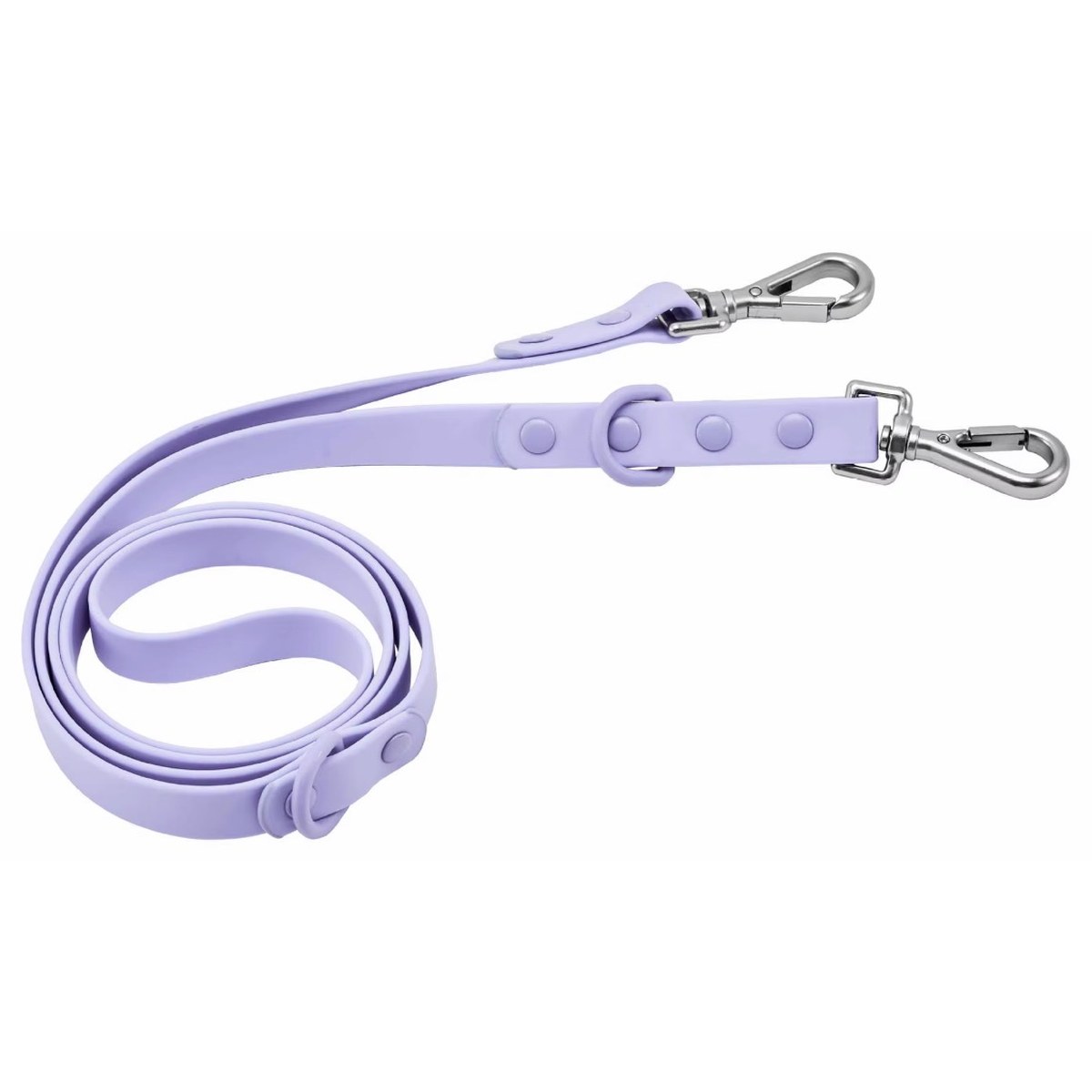
Standard Lead
Padded-handle 1.2m lead in Pawpoint tan.
Fits any dog
Pawpoint on YouTube
Watch the full Hungarian Kuvasz video
Breed deep-dives, history and honest ownership talk. New film every week.
Watch now