
Hungarian Puli
POO-lee
Hungary· The Hungarian Great Plain (Puszta)
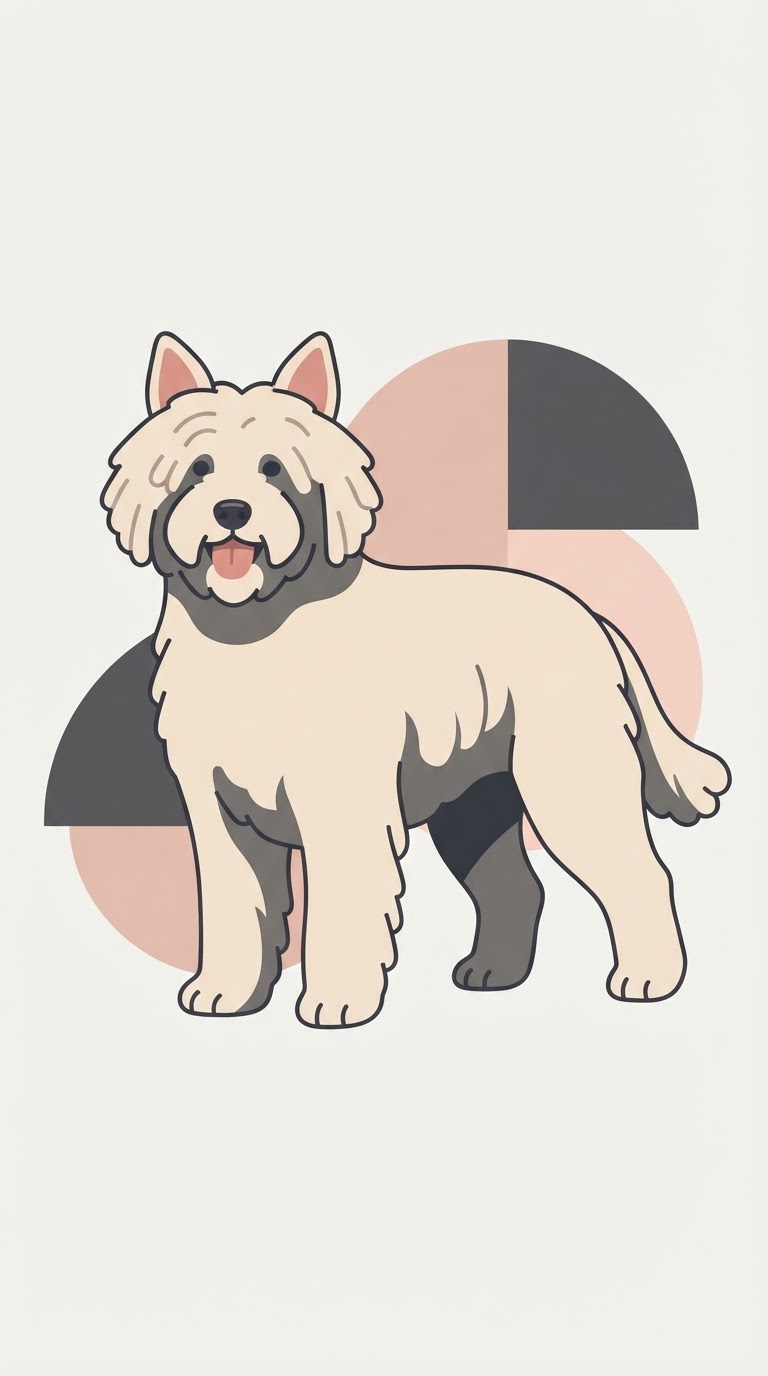
The Hungarian Puli is a medium-sized herding dog instantly recognisable for its long, naturally corded coat, developed over centuries on the Hungarian plains to move sheep at speed.
At a glance
Quick facts
Size
Medium
Exercise needs
60 minutes daily plus mental stimulation
Home size suited to
Small to medium home
Grooming frequency
Daily brushing
Coat length
Long
Sheds
Yes, heavily when moulting
Lifespan
12-16 years
Town or country
Happiest in the country
Garden size needed
Small to medium
Where it comes from
Origins of the Hungarian Puli
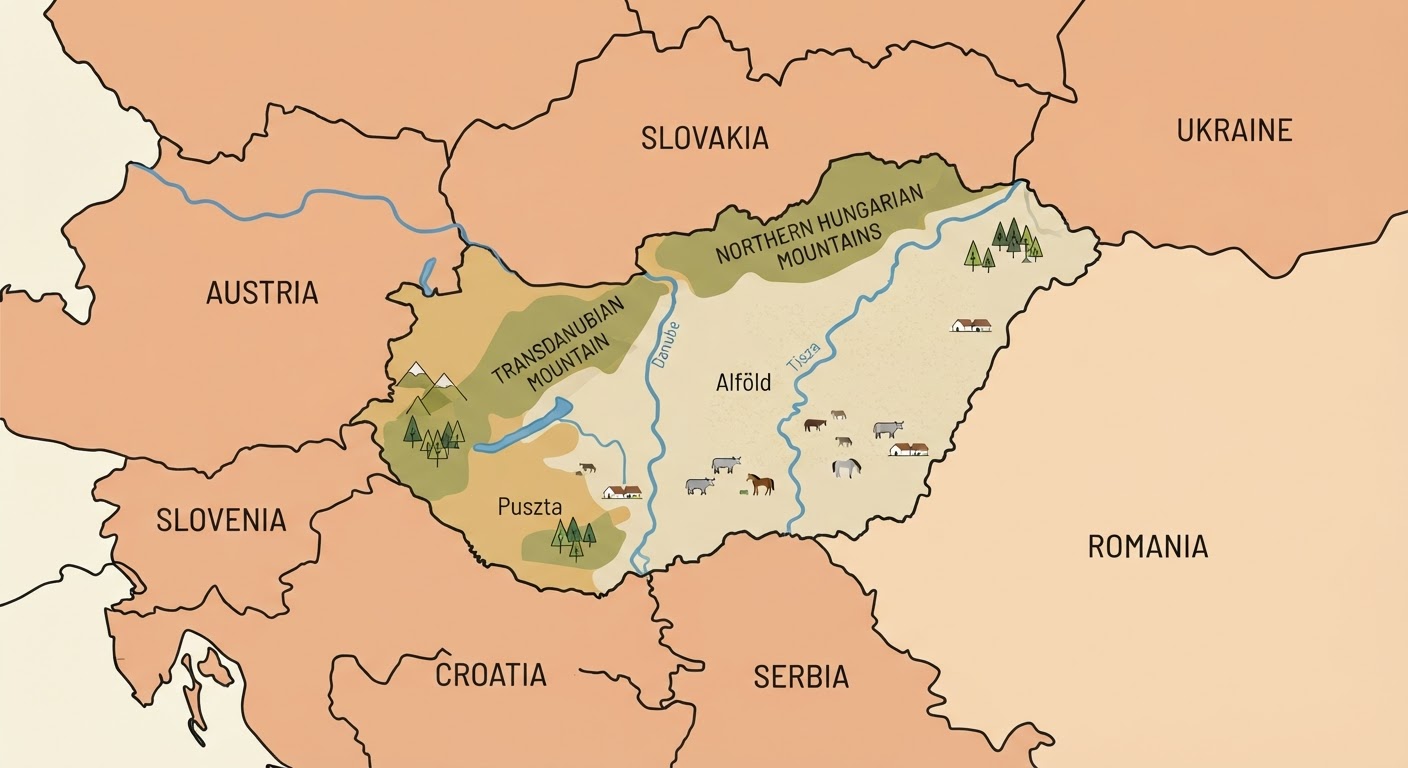
Worked the flat, open Puszta grasslands of Hungary alongside shepherds, where a light, agile dog was needed to dart around large flocks; the corded coat offered protection from weather and from the teeth of guardian dogs and wolves alike.
- Region
- The Hungarian Great Plain (Puszta)
- Climate it was bred for
- Open grassland with hot summers and cold, windy winters
- Original job
- Herding and driving sheep
Living with one
Temperament & needs
Our own ratings, based on the breed standard and how these dogs behave in ordinary homes.
Friendliness
3/5
How openly the Hungarian Puli greets people it does not know.
Trainability
4/5
Quick-witted and eager to work, though can be stubborn if bored.
Energy
5/5
A tireless herding dog that needs a real job or serious exercise.
Barking
4/5
Vocal by nature, especially when herding or guarding.
Grooming
5/5
The corded coat needs regular separating by hand to avoid matting into felt.
Suits a first-time owner
3/5
How forgiving the Hungarian Puli is for someone taking on their first dog.
Sociability
3/5
Devoted to its family, watchful with strangers.
Independence
3/5
Bred to make quick decisions moving stock without constant direction.
Illustrated breed standard
The points of the breed
Hover or tap a numbered point to read what the standard asks for.
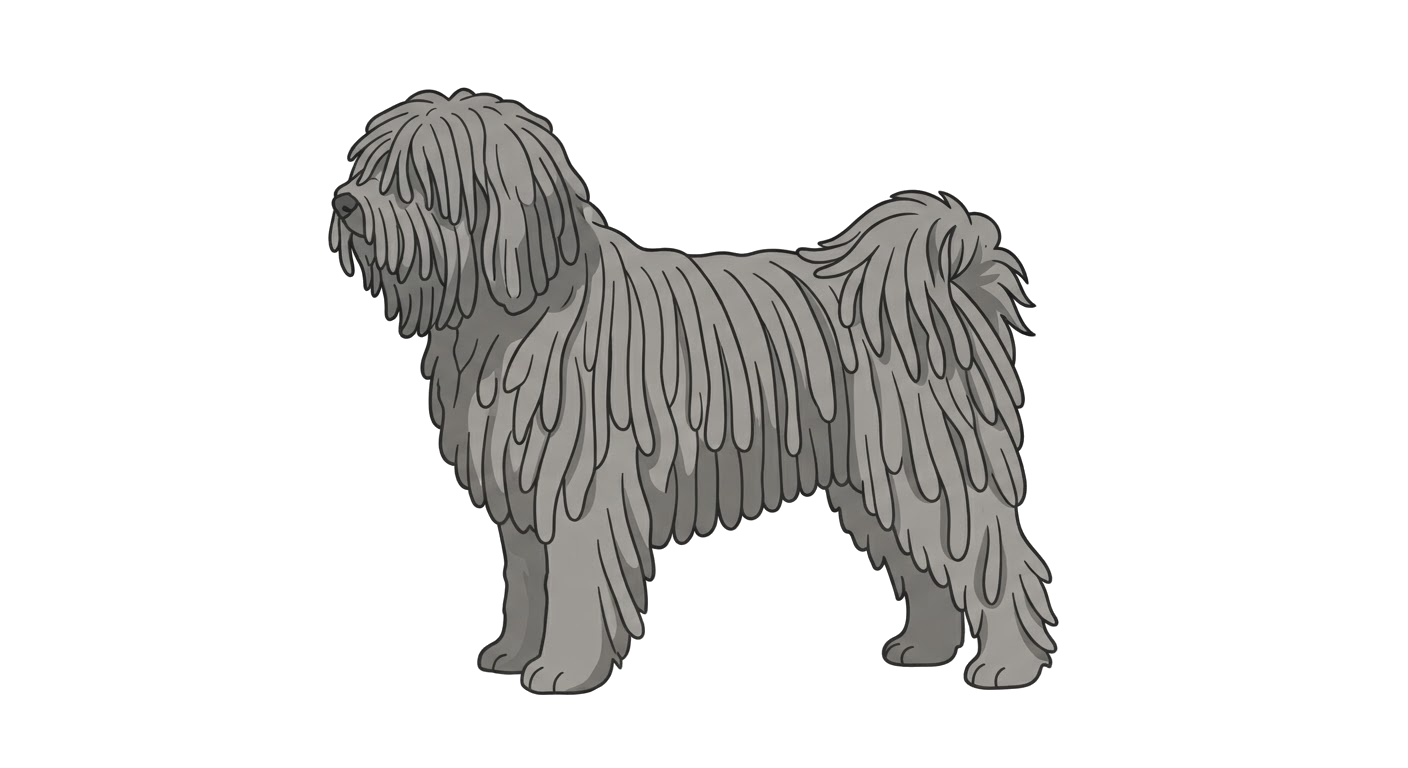
Point 1
Skull
The Hungarian Puli's skull is judged on balance rather than size — proportionate to the body, with a clean cheek and a stop typical of the breed. Coarseness or an over-refined head are both faulted.
Colours & patterns
Recognised coats
Which coats the standard accepts — and which are simply popular.
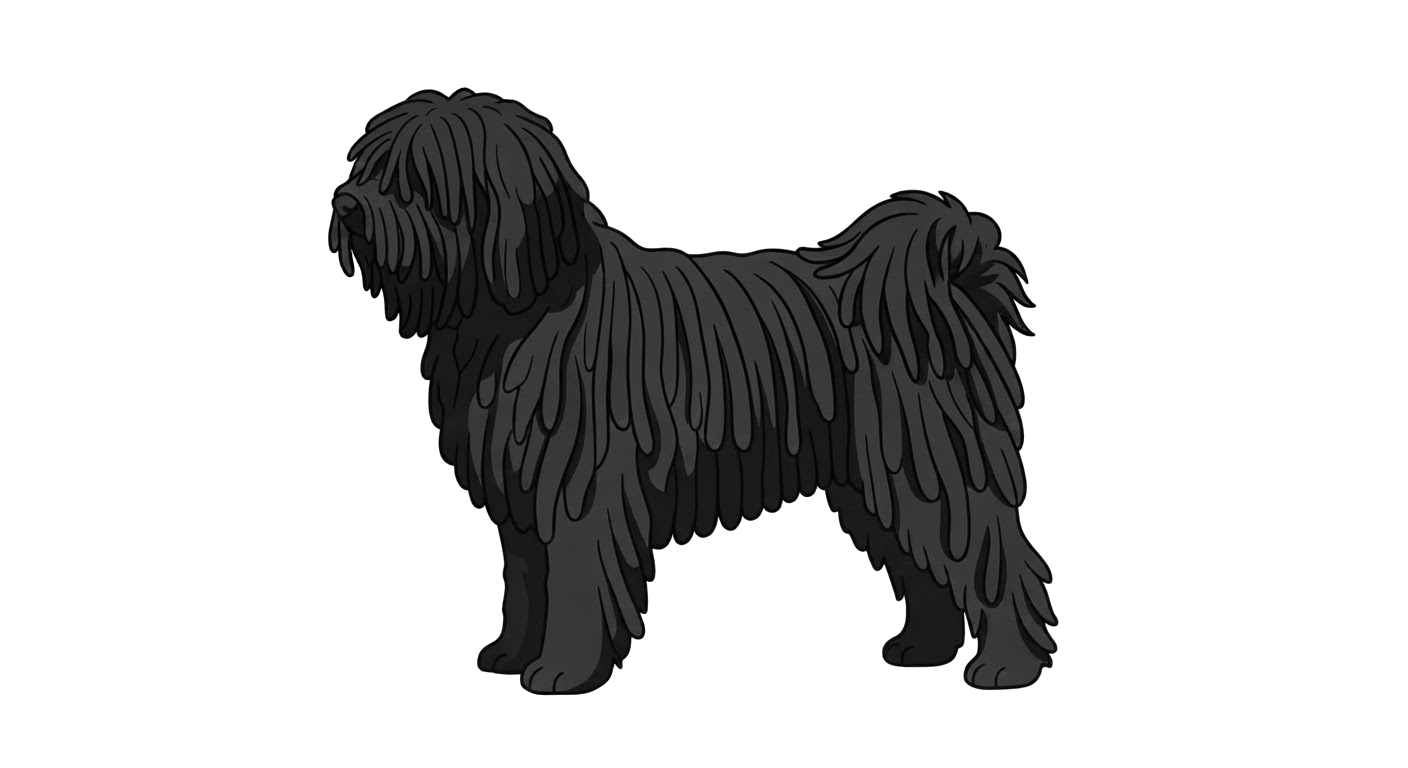
Black
Standard colour
The classic and most common Puli colour.
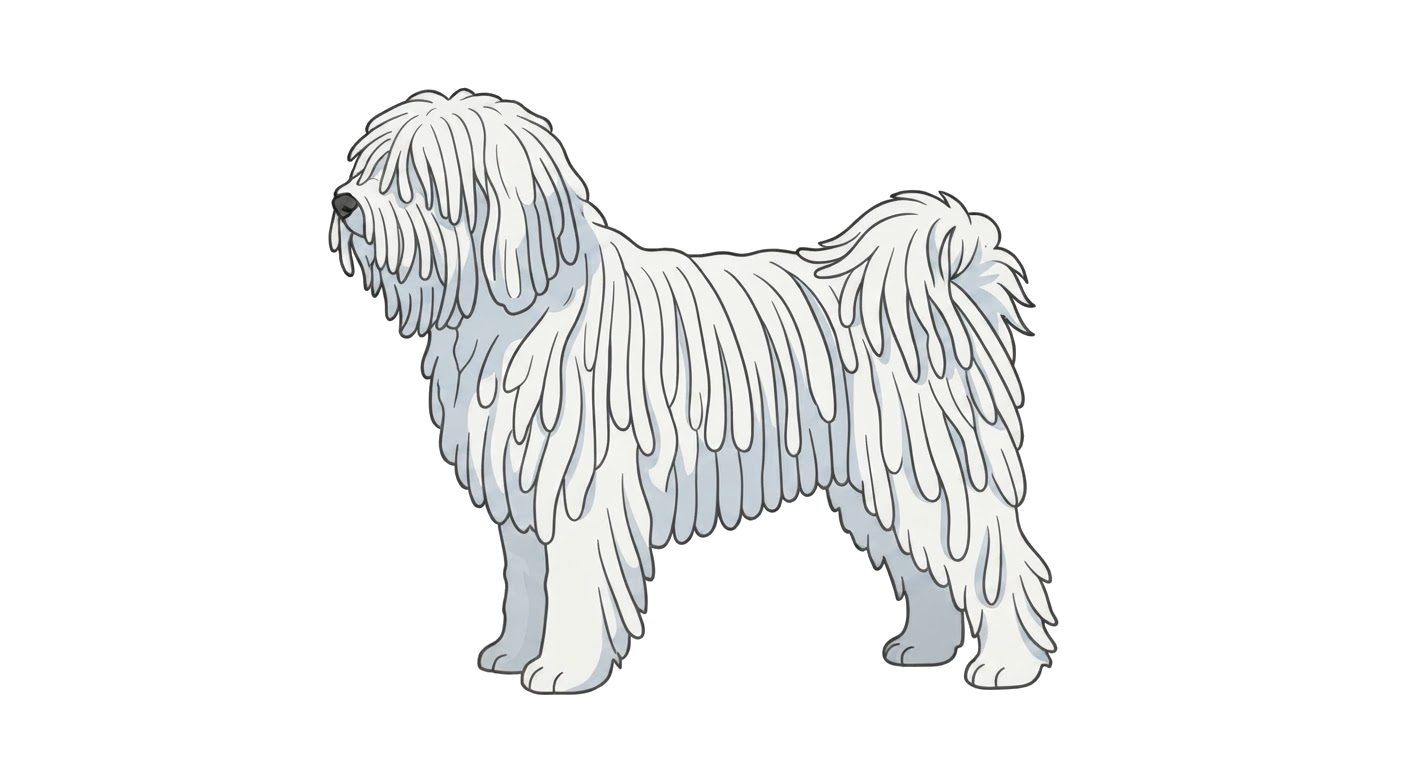
White
Standard colour
A striking solid colour, historically used to distinguish herding dogs from wolves at a distance.
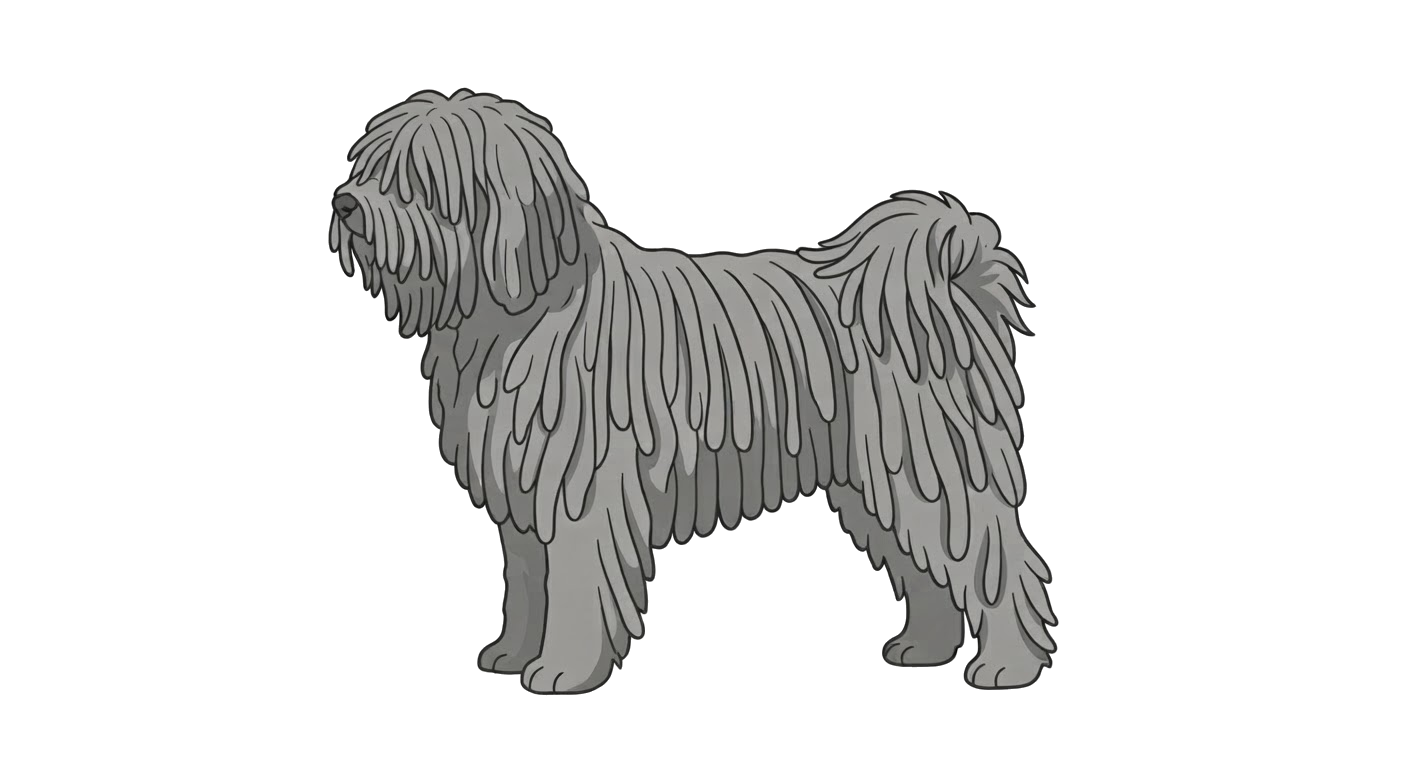
Grey
Standard colour
Ranges from silvery to charcoal, sometimes fading with age.
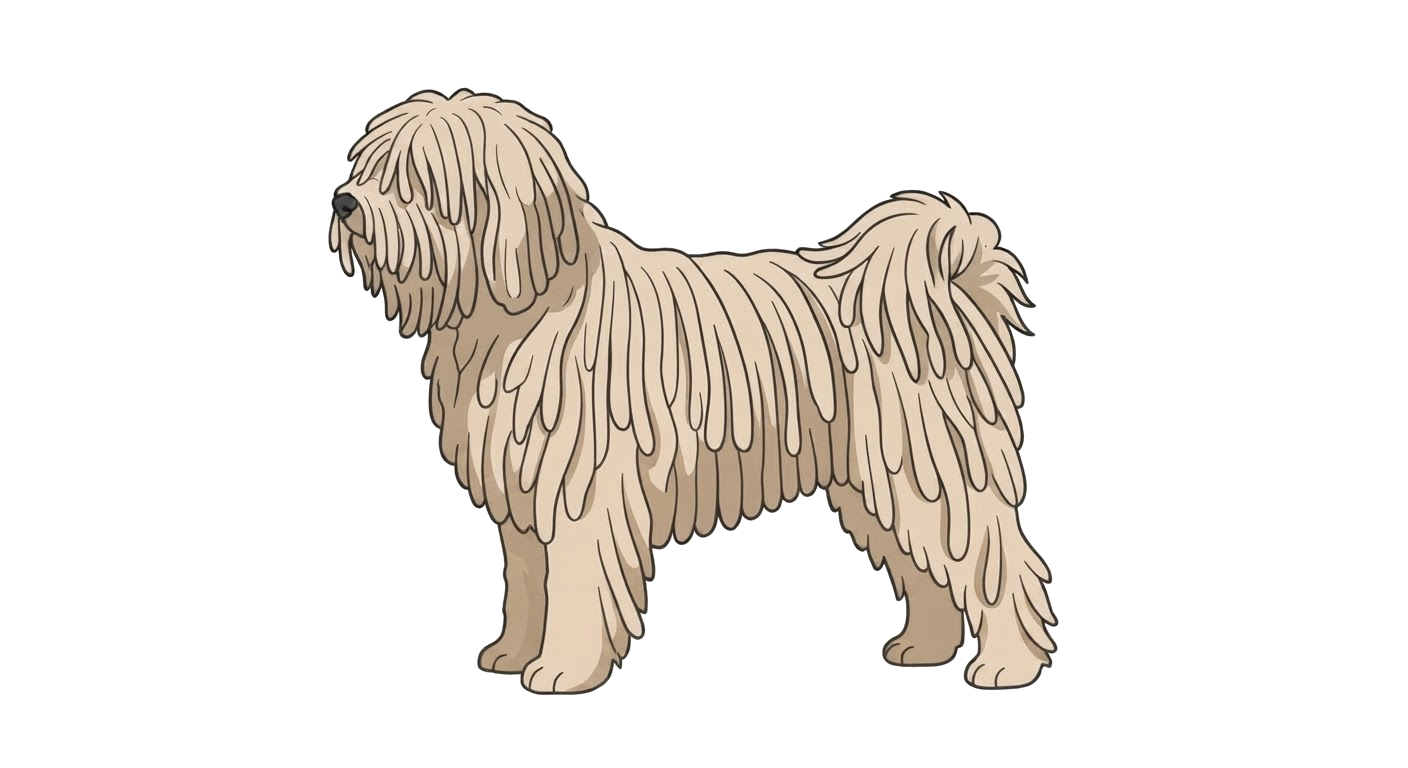
Fako (cream/apricot)
Standard colour
A rare pale shade traditionally called fako in Hungarian.
Timeline
History & development
9th century
Arrival with the Magyars
Ancestors of the Puli are believed to have travelled with Magyar tribes migrating into the Carpathian Basin.
1500s
Established on the Puszta
The breed became a fixture of Hungarian sheep farming on the great plains.
1930s
Standardisation
Hungarian breed clubs formalised the Puli standard, distinguishing it from the larger Komondor.
1936
AKC recognition
The Puli was recognised by the American Kennel Club.
1950s
Post-war revival
Careful breeding programmes rebuilt the population after wartime losses in Hungary.
Reference
Breed standard summary
- body
- Square, short-coupled, robust and light on its feet.
- coat
- Naturally cords into rope-like strands from a dense double coat.
- ears
- V-shaped, hanging, medium set.
- eyes
- Deep-set, dark brown, lively expression.
- gait
- Light, quick, with good reach, suited to fast direction changes.
- head
- Medium-sized, finely proportioned, often hidden under coat.
- size
- Height 36-45cm at the shoulder.
- tail
- Carried over the back, forming part of the coat's cords.
- colour
- Black, White, Grey, Fako (cream/apricot). Colours outside this list are seen but are not accepted by the kennel clubs.
- temperament
- Typical of the breed: strongest in energy, grooming, trainability. Nervousness or aggression are serious faults in the show ring and in the home.
- general appearance
- Medium-sized, square-built herding dog, covered in distinctive corded coat, alert and agile.
Health
What to screen for
Green means little to worry about, amber means ask the breeder for test results, red means manage it actively.
Hip dysplasia
Screen for it
Ask for hip scores on both parents before buying.
Progressive retinal atrophy
Screen for it
A DNA test is available; ask breeders for clear results.
Deafness
Watch closely
More common in white dogs; ask about BAER hearing test results.
General information only — always speak to your vet about your own dog.
From real owners
Dogs like this
Hungarian Pulis added by PawPoint members through their pet passports. Share yours to appear here.
Loading the wall…
Made for the Hungarian Puli
The book, plus prints, hoodies and mugs using our own Hungarian Puli illustration — and one everyday accessory that suits any dog.

The book
Pawpoint: The Complete Dog Breed Book
Every officially recognised breed plus the unofficial ones nobody else documents. 400+ pages, hardback, printed and shipped from the UK.
Own stock — shipped by us
Framed poster
Hungarian Puli Framed Poster
Museum-weight print of our Hungarian Puli illustration, framed or unframed.
Printed to order
Hoodie
Hungarian Puli Hoodie
Heavyweight hoodie carrying the Hungarian Puli illustration on the chest.
Printed to order
Mug
Hungarian Puli Mug
Ceramic mug with the Hungarian Puli illustration wrapped around it.
Printed to order
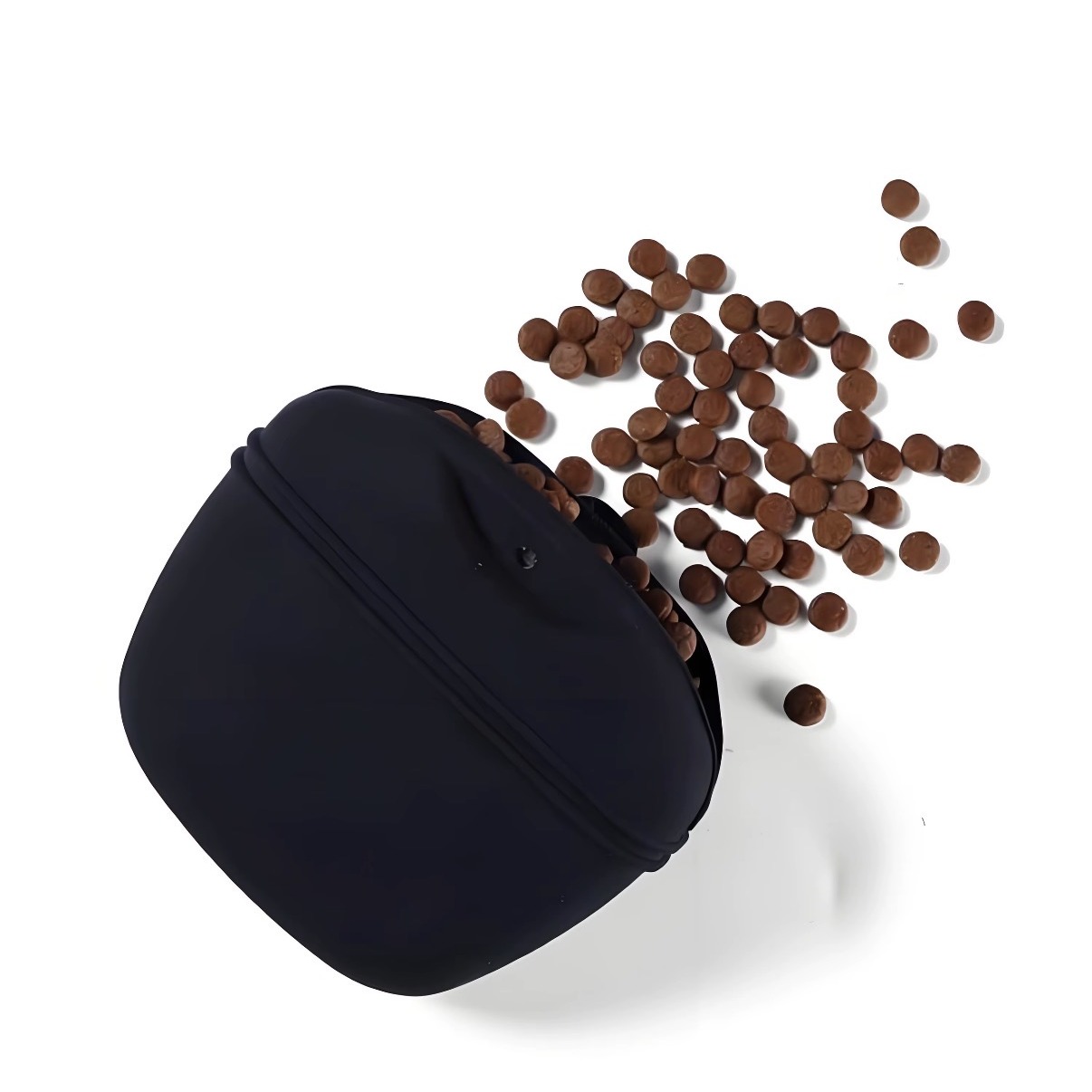
Accessory
Treat Pouch
Magnetic-close belt pouch for training sessions.
Fits any dog
Pawpoint on YouTube
Watch the full Hungarian Puli video
Breed deep-dives, history and honest ownership talk. New film every week.
Watch now