
Hungarian Pumi
POO-mee
Hungary· Hungarian puszta plains
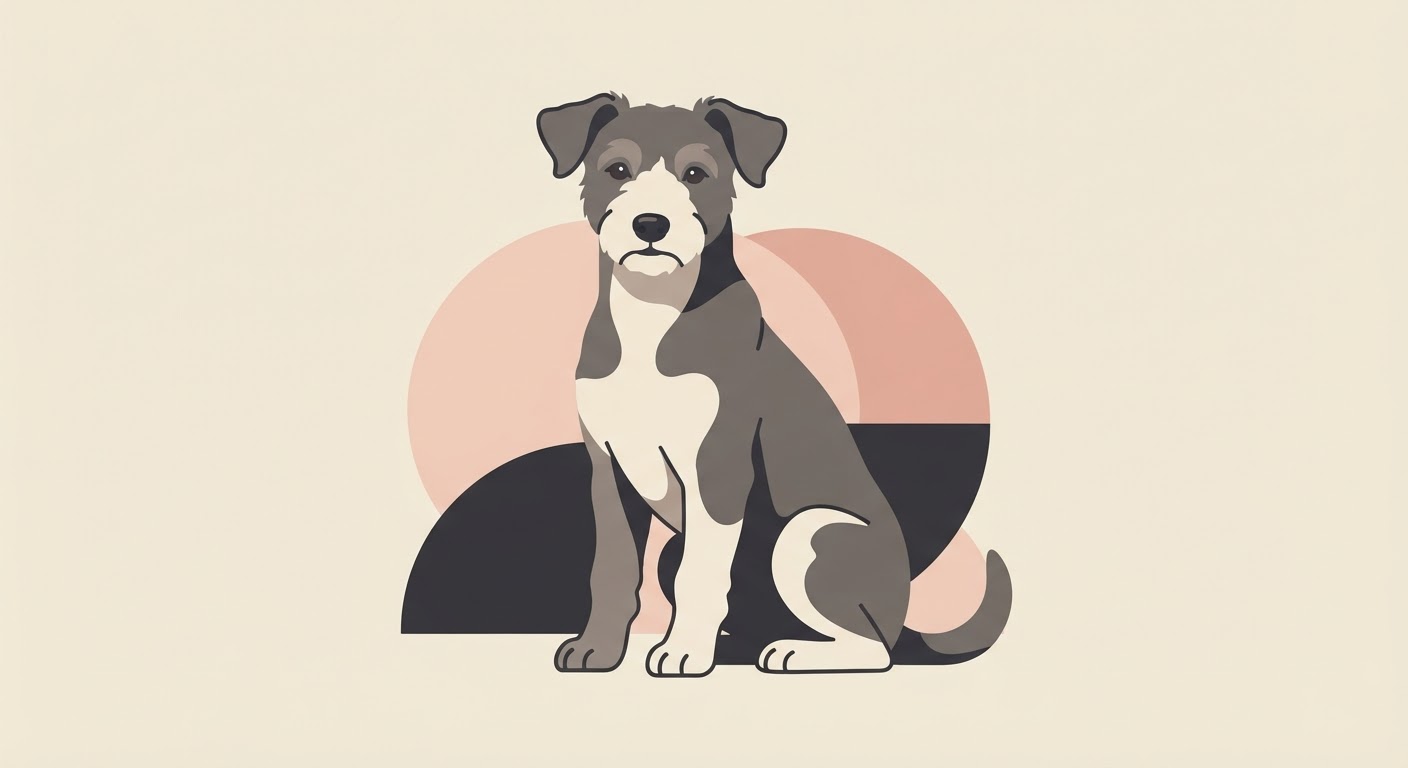
The Hungarian Pumi is a lively, curly-coated herding dog developed in Hungary to drive cattle, sheep and pigs, distinguished from its Puli relative by a shorter, wavier coat and famously mobile ears.
At a glance
Quick facts
Size
Medium
Exercise needs
1-1.5 hours daily plus mental work
Home size suited to
Small to medium home
Grooming frequency
Brush every other day, clip regularly
Coat length
Curly
Sheds
Very little
Lifespan
12-14 years
Town or country
Happiest in the country
Garden size needed
Small to medium
Where it comes from
Origins of the Hungarian Pumi
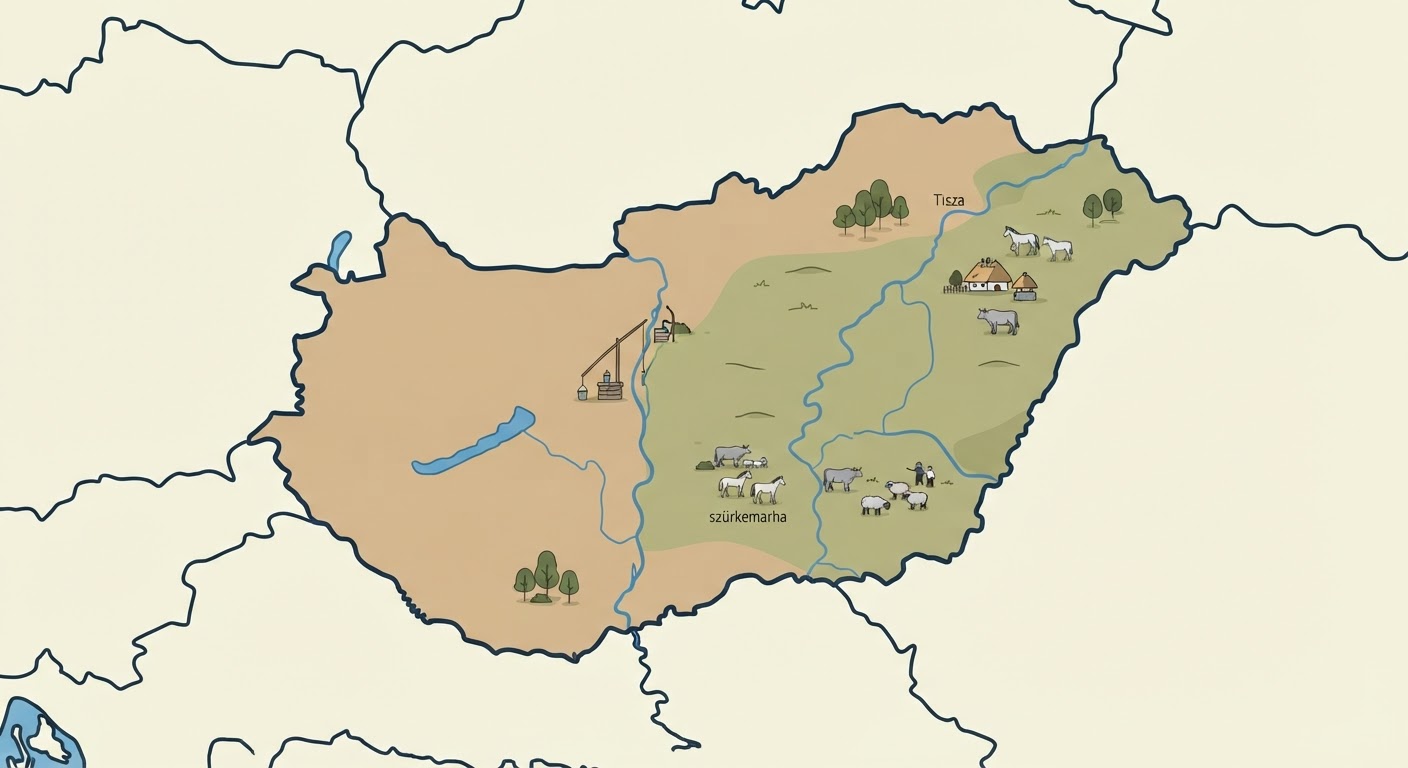
Developed on the open puszta plains of Hungary, where farmers needed a sharper, more mobile herder than the older Puli to control cattle, sheep and notoriously stubborn pigs.
- Region
- Hungarian puszta plains
- Climate it was bred for
- Continental, hot summers and cold winters
- Original job
- Driving cattle, sheep and pigs on open farmland
The long read
About the breed
The Pumi emerged in Hungary from around the 17th and 18th centuries, when herding dogs from western Europe, likely including German and French terrier types, were crossed with the older native Puli. The result was a nimbler, more terrier-like herder that combined the Puli's driving instinct with a sharper temperament well suited to controlling half-wild Hungarian grey cattle and flocks of sheep across the open puszta plains, as well as working pigs, which are notoriously difficult livestock to move. Because it developed later and more informally than the Puli, the Pumi remained closer to a farm dog than a formal breed for much of its history, only being systematically described and standardised in the early 20th century.
Living with a Pumi means having an alert, busy, vocal dog that treats almost everything as worth commenting on, from a knock at the door to a bird in the garden. It is intelligent and highly trainable, excelling at agility, obedience and herding trials, but it needs a genuine job or consistent mental work to stay settled, and can become a persistent barker if under-occupied. The curly, medium-length coat is fairly low-maintenance compared with the corded Puli, needing regular brushing rather than the specialist care corded coats demand.
Outside Hungary the Pumi remains a fairly uncommon breed, though it has a growing following among dog sport enthusiasts in Britain, the United States and elsewhere in Europe. It suits active owners looking for a working-brained companion dog rather than a placid pet, and does best in homes prepared to manage its vocal, high-energy nature.
Living with one
Temperament & needs
Our own ratings, based on the breed standard and how these dogs behave in ordinary homes.
Friendliness
3/5
How openly the Hungarian Pumi greets people it does not know.
Trainability
5/5
Extremely quick to learn, excels in agility and obedience sports.
Energy
5/5
A working herder that needs vigorous daily exercise and a job to do.
Barking
5/5
Notably vocal, quick to alert bark at any disturbance.
Grooming
3/5
Curly coat needs regular brushing but no corded-coat specialist care.
Suits a first-time owner
3/5
How forgiving the Hungarian Pumi is for someone taking on their first dog.
Sociability
3/5
Affectionate with family, wary and vocal with strangers.
Independence
3/5
Confident enough to make its own decisions when herding.
Illustrated breed standard
The points of the breed
Hover or tap a numbered point to read what the standard asks for.
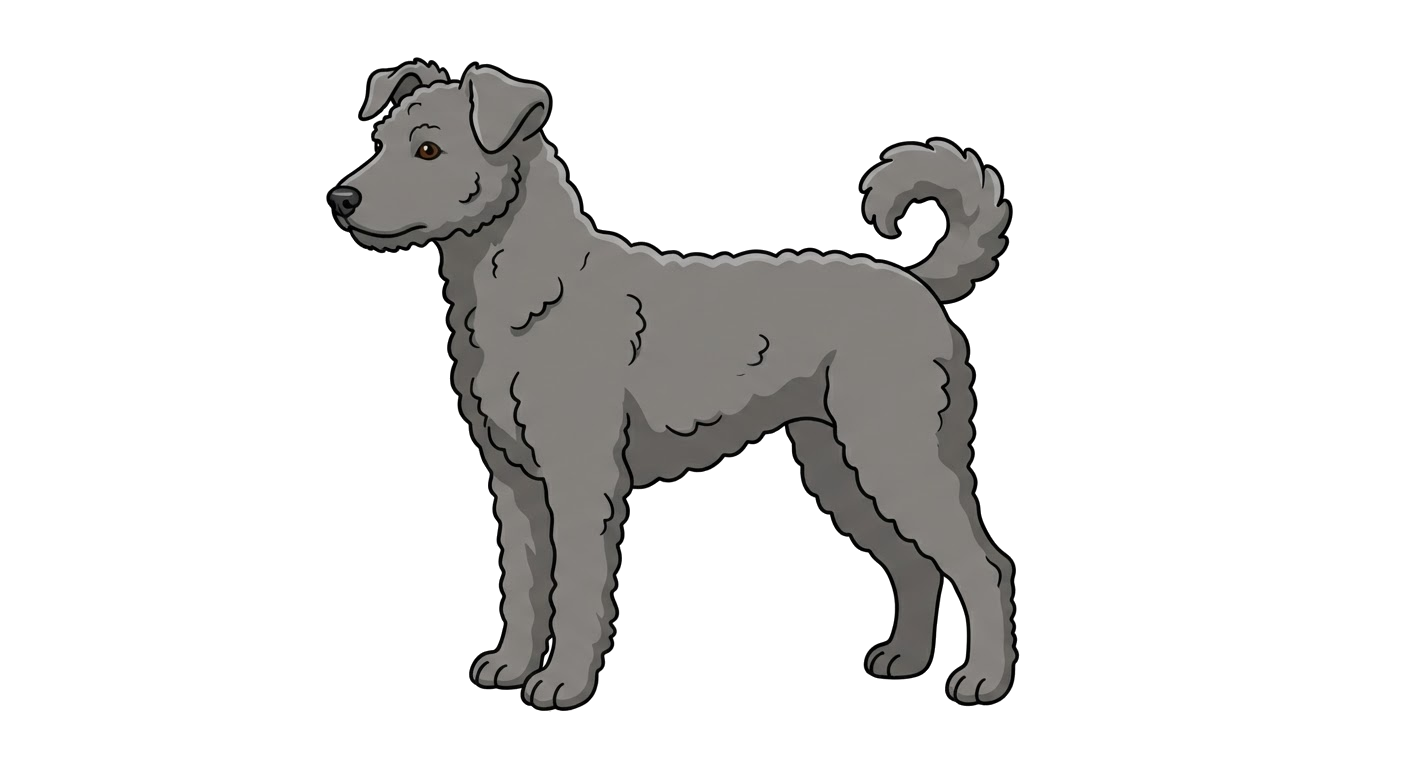
Point 1
Skull
The Hungarian Pumi's skull is judged on balance rather than size — proportionate to the body, with a clean cheek and a stop typical of the breed. Coarseness or an over-refined head are both faulted.
Colours & patterns
Recognised coats
Which coats the standard accepts — and which are simply popular.
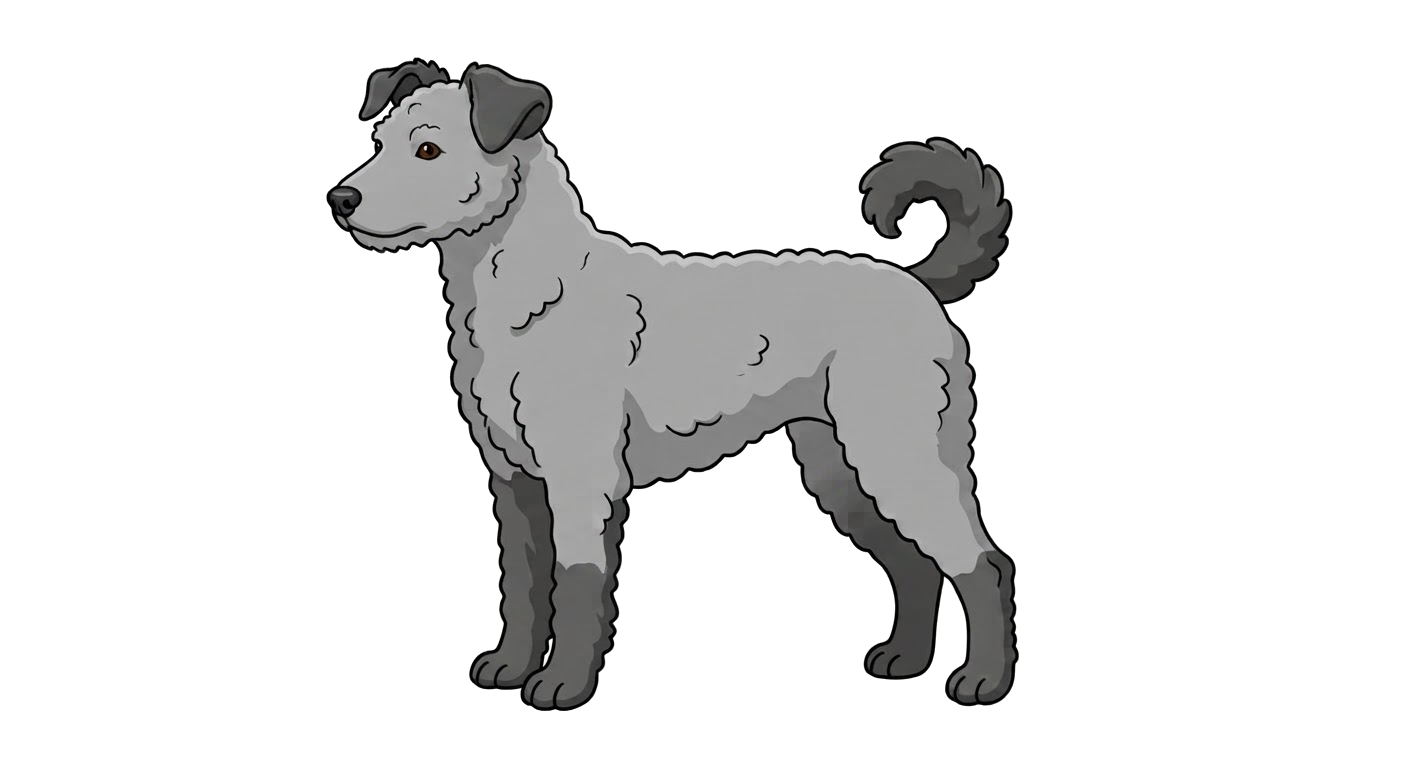
Grey (various shades)
Standard colour
The most typical Pumi colour, ranging from silver to slate.
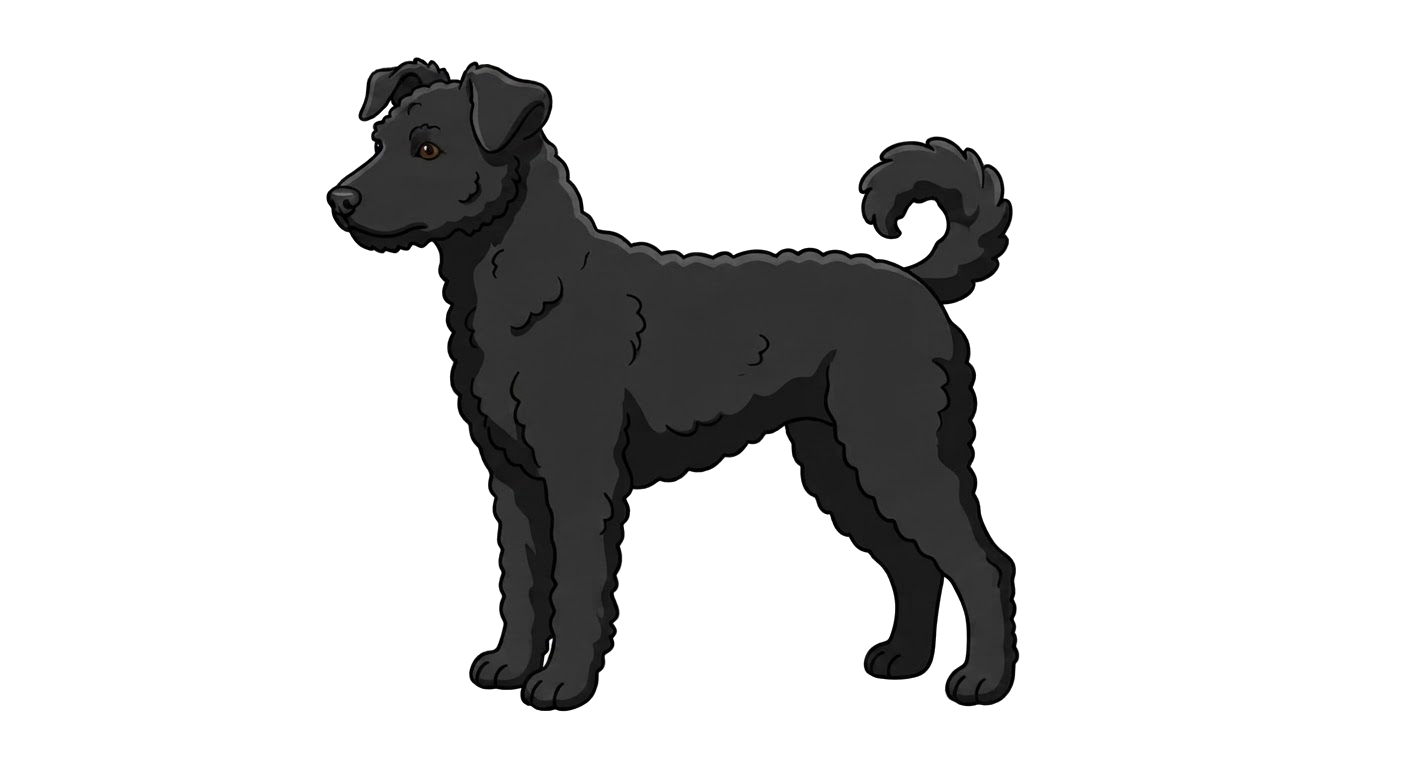
Black
Standard colour
A solid, accepted Pumi colour.
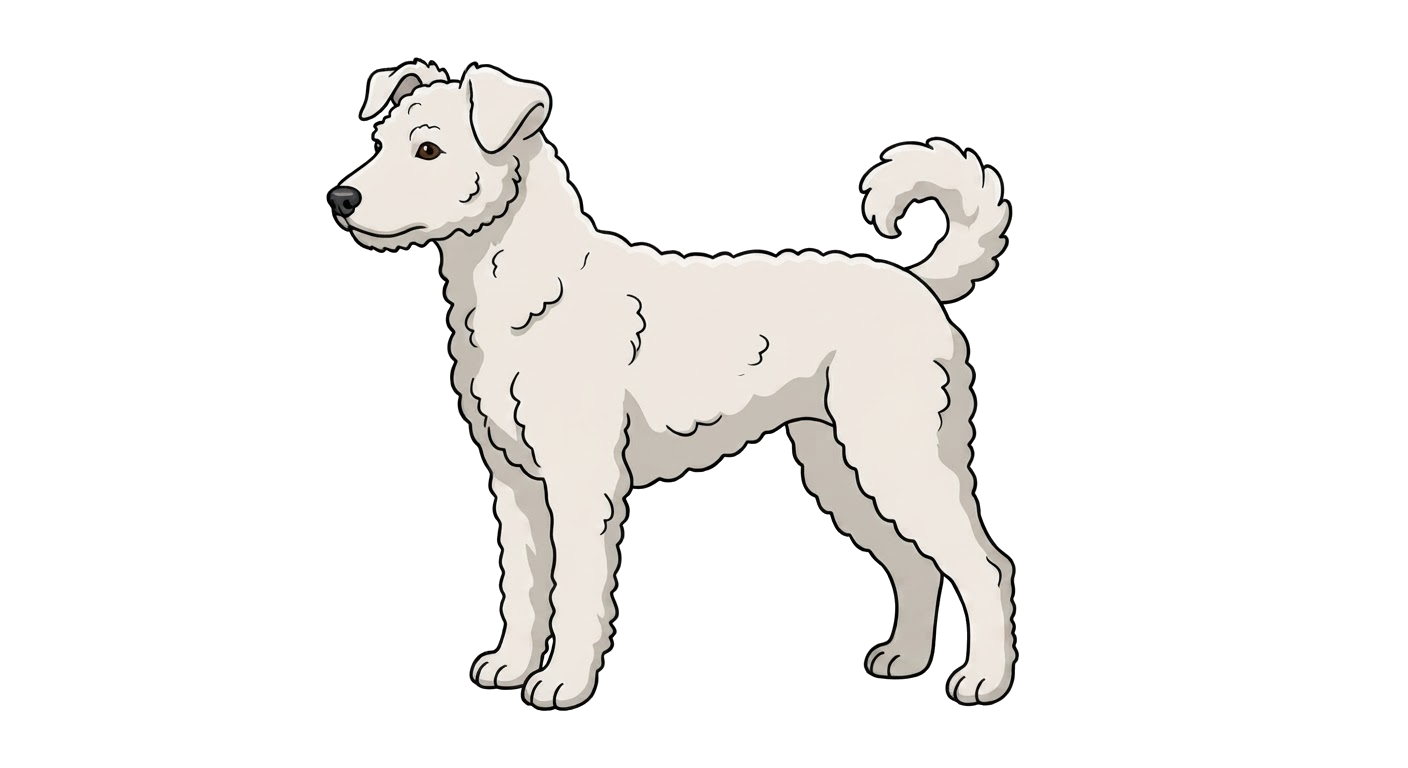
White
Standard colour
An accepted solid colour, less common than grey.
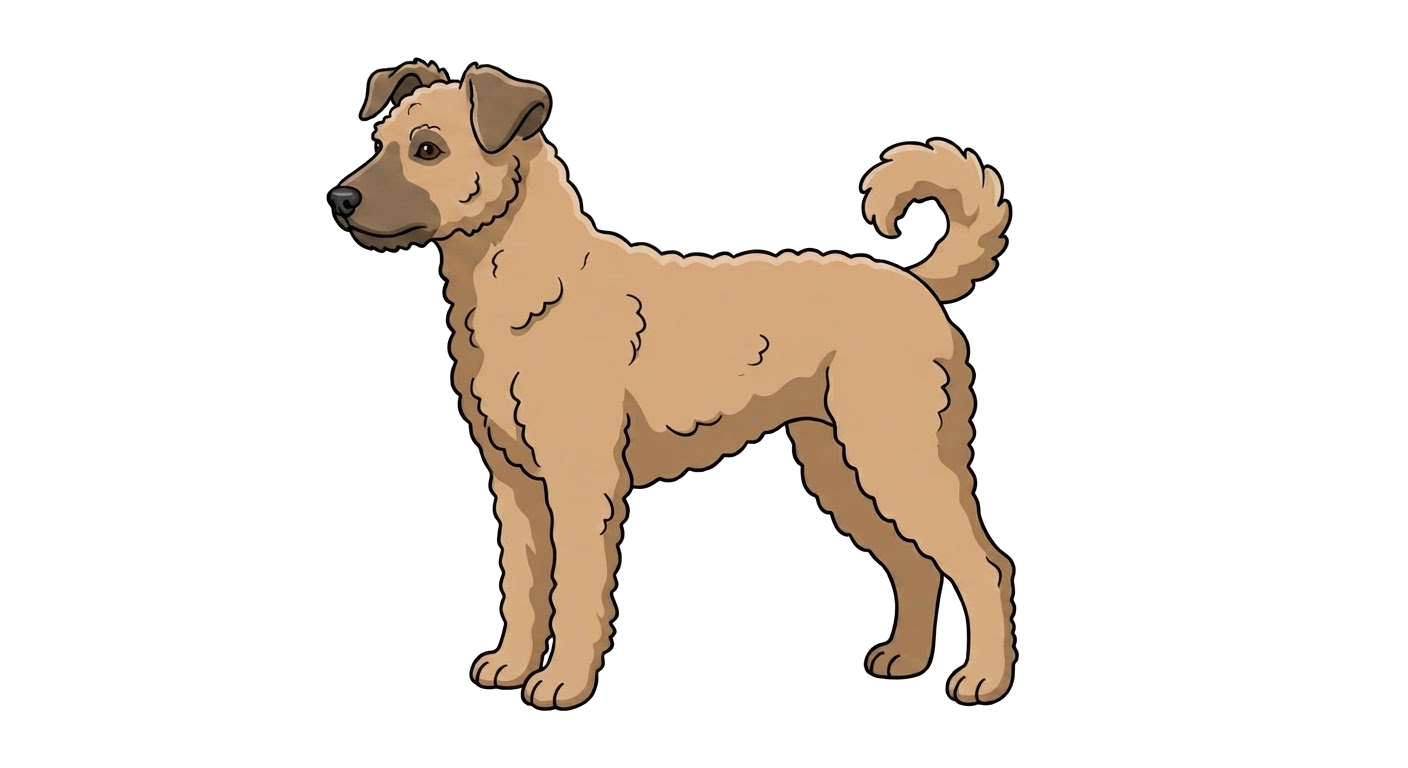
Fawn/red
Standard colour
A warm reddish shade, accepted within the standard.
Timeline
History & development
1600s-1700s
Crossbreeding with the Puli
Western European herding and terrier-type dogs were crossed with the native Hungarian Puli, gradually producing a distinct, sharper-tempered type.
1800s
Farm dog status
The Pumi remained primarily a working farm dog across Hungary, valued for controlling cattle, sheep and pigs rather than bred to a fixed standard.
1920s
First formal description
Hungarian cynologist Emil Raitsits produced early written descriptions distinguishing the Pumi clearly from the Puli.
1966
FCI recognition
The Federation Cynologique Internationale formally recognised the Hungarian Pumi as a distinct breed.
2014
UK Kennel Club recognition
The breed was recognised by the UK Kennel Club within the Pastoral group.
Reference
Breed standard summary
- body
- Square in profile, with a short, firm back and moderately deep chest.
- coat
- Curly to wavy, of medium length, forming loose curls rather than cords.
- ears
- Set high, semi-erect, highly mobile, giving the breed its characteristic alert look.
- eyes
- Dark, medium-sized, oval, with a lively, alert expression.
- gait
- Light, quick and springy, reflecting its herding agility.
- head
- Fairly long, with a flat skull and a well-defined but moderate stop.
- size
- 38-45cm at the withers.
- tail
- Set high, carried in a curl or curved over the back.
- colour
- Grey (various shades), Black, White, Fawn/red. Colours outside this list are seen but are not accepted by the kennel clubs.
- temperament
- Typical of the breed: strongest in energy, trainability, barking. Nervousness or aggression are serious faults in the show ring and in the home.
- general appearance
- A medium-sized, square, lively terrier-like herding dog with a distinctive curly coat.
Health
What to screen for
Green means little to worry about, amber means ask the breeder for test results, red means manage it actively.
Hip dysplasia
Screen for it
Ask for official hip scores on both parents before buying a puppy.
Patellar luxation
Screen for it
Request a vet check of the knees on breeding stock.
Primary lens luxation
Watch closely
A DNA test exists; ask breeders for clear or hereditary-clear pairings.
Cataracts
Low concern
An annual eye check through an official scheme is a sensible precaution.
General information only — always speak to your vet about your own dog.
From real owners
Dogs like this
Hungarian Pumis added by PawPoint members through their pet passports. Share yours to appear here.
Loading the wall…
Made for the Hungarian Pumi
The book, plus prints, hoodies and mugs using our own Hungarian Pumi illustration — and one everyday accessory that suits any dog.

The book
Pawpoint: The Complete Dog Breed Book
Every officially recognised breed plus the unofficial ones nobody else documents. 400+ pages, hardback, printed and shipped from the UK.
Own stock — shipped by us
Framed poster
Hungarian Pumi Framed Poster
Museum-weight print of our Hungarian Pumi illustration, framed or unframed.
Printed to order
Hoodie
Hungarian Pumi Hoodie
Heavyweight hoodie carrying the Hungarian Pumi illustration on the chest.
Printed to order
Mug
Hungarian Pumi Mug
Ceramic mug with the Hungarian Pumi illustration wrapped around it.
Printed to order
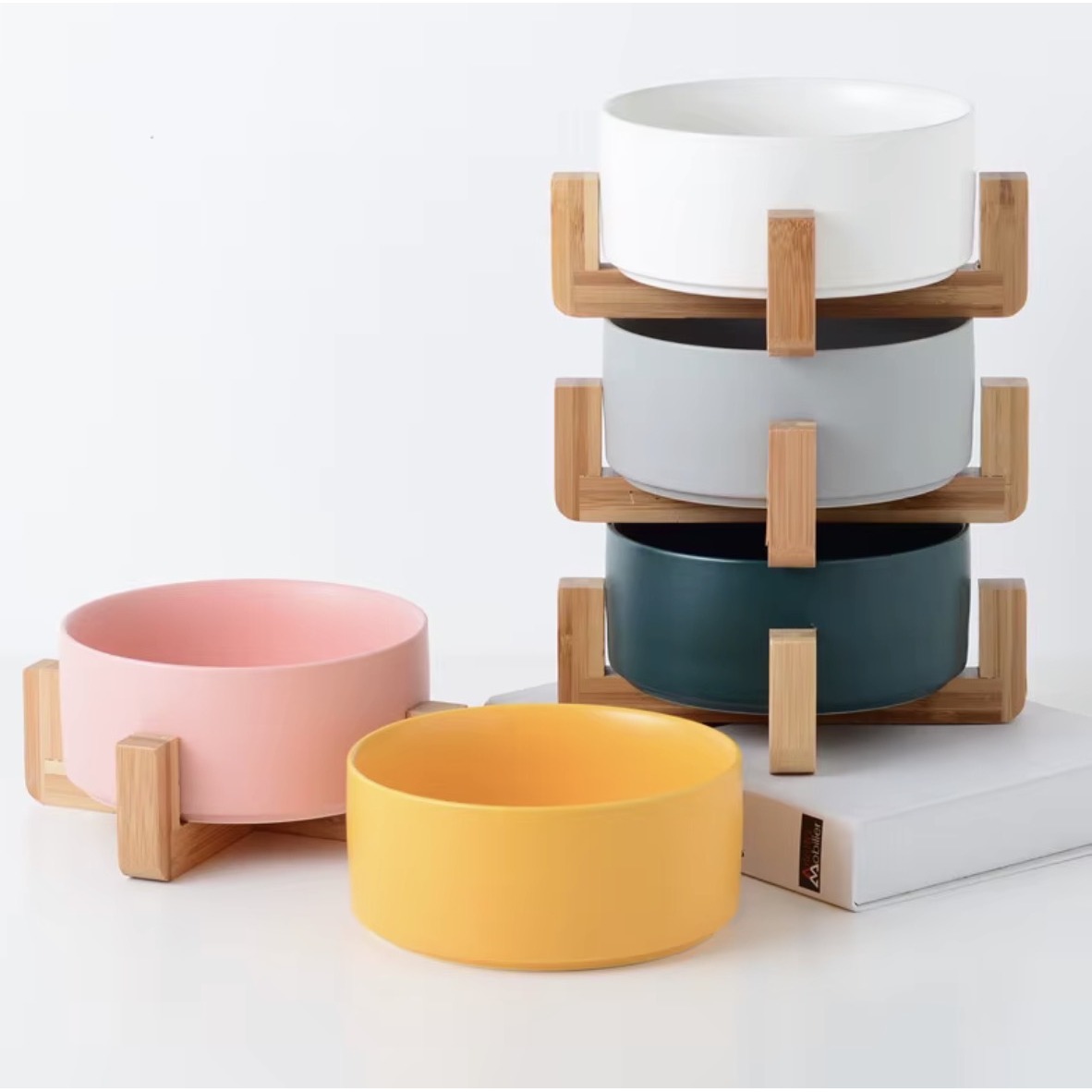
Accessory
Stainless Dog Bowl
Weighted, non-slip base. Dishwasher safe.
Fits any dog

Pawpoint on YouTube
Watch the full Hungarian Pumi video
Breed deep-dives, history and honest ownership talk. New film every week.
Watch now