
Ibizan Hound
ih-BEE-thun
Spain· Balearic Islands (Ibiza)
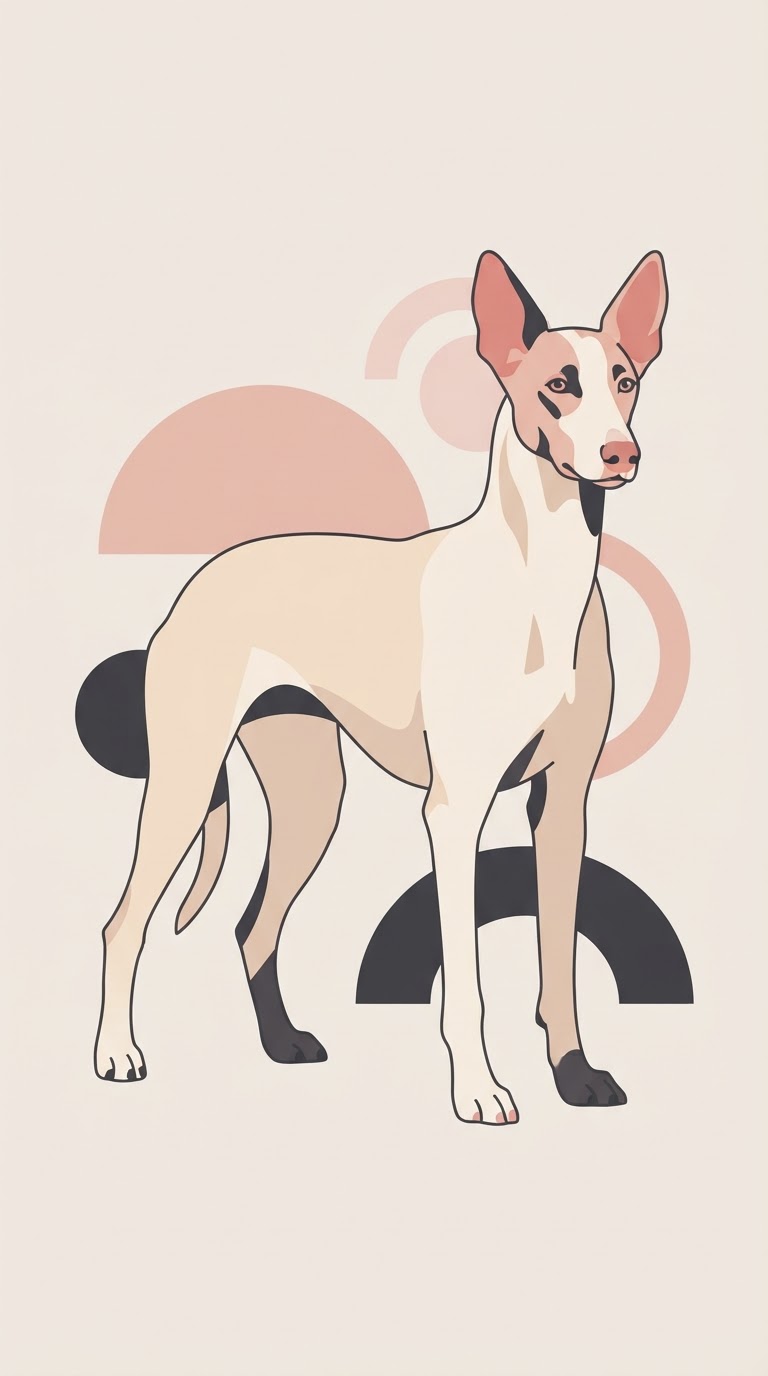
The Ibizan Hound is a tall, elegant sighthound from the Balearic Islands, bred to course rabbits over rough, rocky ground by sight, scent and hearing alike.
At a glance
Quick facts
Size
Large
Exercise needs
60-90 minutes daily, securely fenced
Home size suited to
Medium to large home
Grooming frequency
Weekly brush, hand-strip a few times a year
Coat length
Wiry
Sheds
Little, needs stripping instead
Lifespan
11-14 years
Town or country
Happiest in the country
Garden size needed
Medium or larger
Where it comes from
Origins of the Ibizan Hound
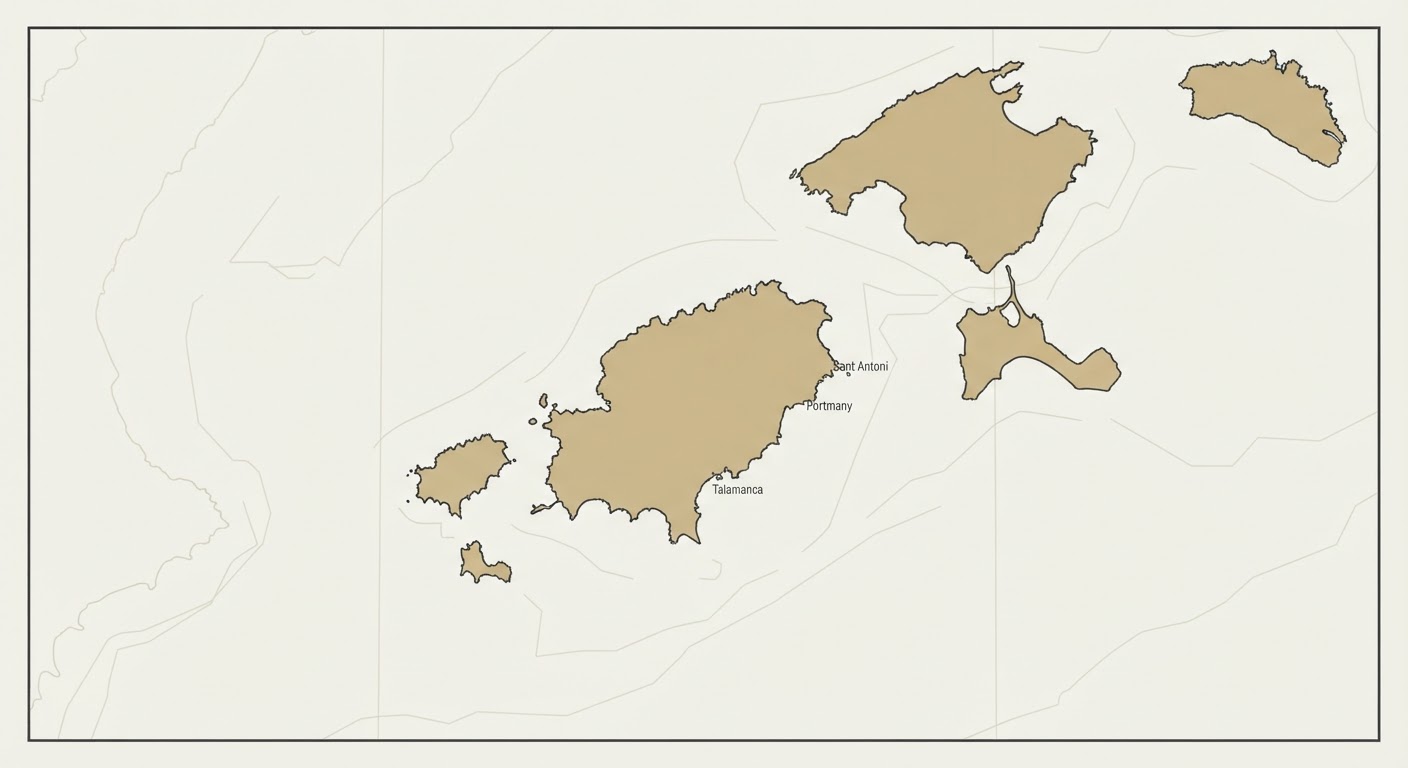
Bred on Ibiza and the neighbouring islands, the hound's tall ears, leaping ability and short coat all suit dense scrub and stony ground under a punishing Mediterranean sun.
- Region
- Balearic Islands (Ibiza)
- Climate it was bred for
- Hot, dry Mediterranean summers, rocky scrubland
- Original job
- Coursing rabbits on rough terrain
The long read
About the breed
The breed has hunted on Ibiza and the surrounding islands for centuries, likely brought by Phoenician or Carthaginian traders, though the romantic idea of an unbroken line back to ancient Egypt has been discounted by genetic studies; the resemblance to Egyptian tomb art is convergent, not ancestral. Local hunters used the dogs in packs, working fields and scrubland to flush and catch rabbits, prizing their large ears and ability to jump straight up from a standstill to see over undergrowth.
An Ibizan Hound in the home is quieter than its athletic build suggests, often affectionate and clownish with its own family while remaining aloof with strangers. The prey drive that made it useful in the field is very much intact, so recall off-lead around small animals is not reliable and gardens need secure, high fencing since the breed can clear surprising heights from standing. The coat, whether smooth or the rarer wirehaired type, is low-maintenance, but the thin skin and lack of body fat mean the dog feels the cold and dislikes damp weather.
Outside its native islands the Ibizan Hound remains a minority breed, kept mostly by lure coursing enthusiasts and owners drawn to its unusual look and calm indoor temperament. It suits an experienced sighthound owner more than a first-time dog owner, given its independence and specific exercise and containment needs.
Living with one
Temperament & needs
Our own ratings, based on the breed standard and how these dogs behave in ordinary homes.
Friendliness
3/5
How openly the Ibizan Hound greets people it does not know.
Trainability
3/5
Intelligent but independent-minded and easily bored by repetition.
Energy
4/5
Needs daily sprinting time in a securely fenced area.
Barking
2/5
Generally quiet indoors.
Grooming
1/5
Smooth coat needs minimal care; wire coat needs occasional stripping.
Suits a first-time owner
2/5
How forgiving the Ibizan Hound is for someone taking on their first dog.
Sociability
3/5
Affectionate at home, reserved with strangers.
Independence
4/5
A true hunting sighthound with a strong prey drive.
Illustrated breed standard
The points of the breed
Hover or tap a numbered point to read what the standard asks for.
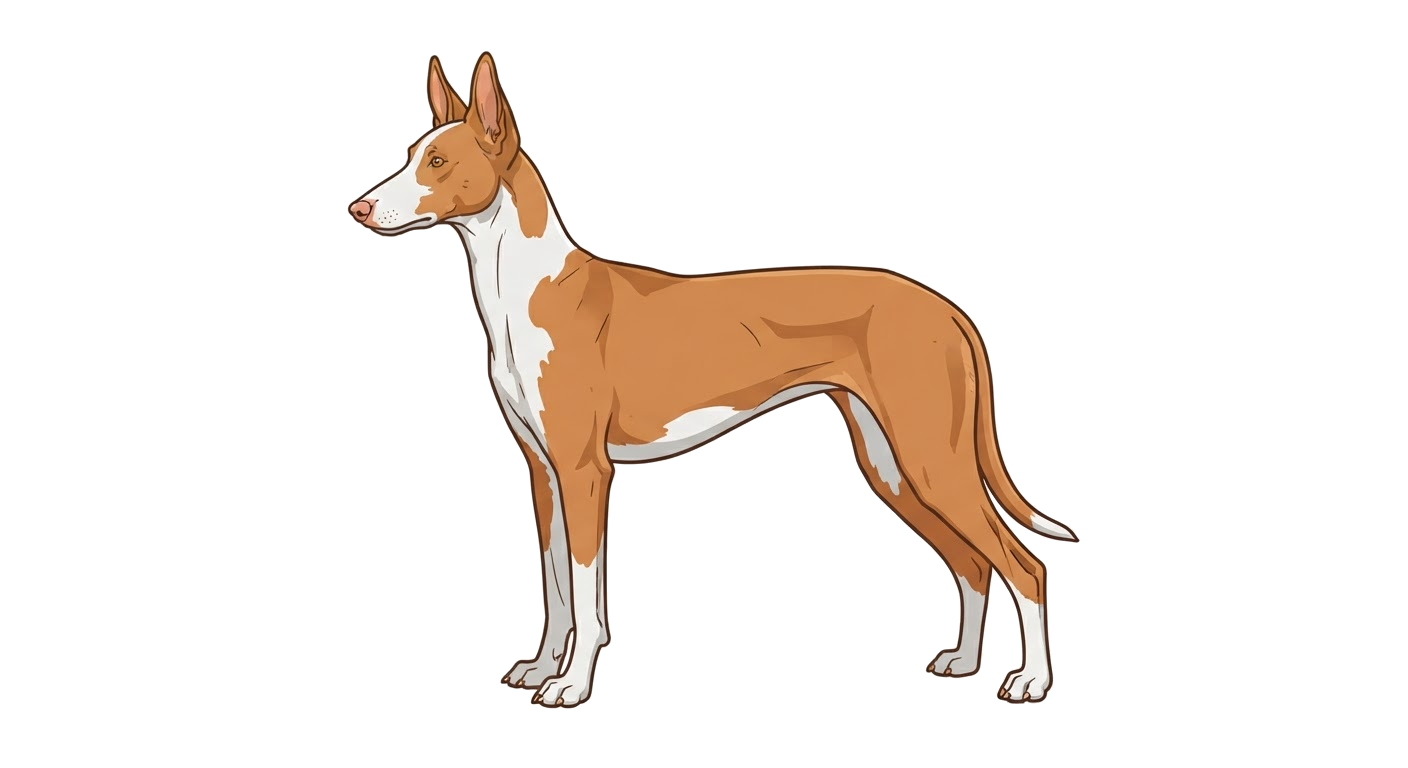
Point 1
Skull
The Ibizan Hound's skull is judged on balance rather than size — proportionate to the body, with a clean cheek and a stop typical of the breed. Coarseness or an over-refined head are both faulted.
Colours & patterns
Recognised coats
Which coats the standard accepts — and which are simply popular.
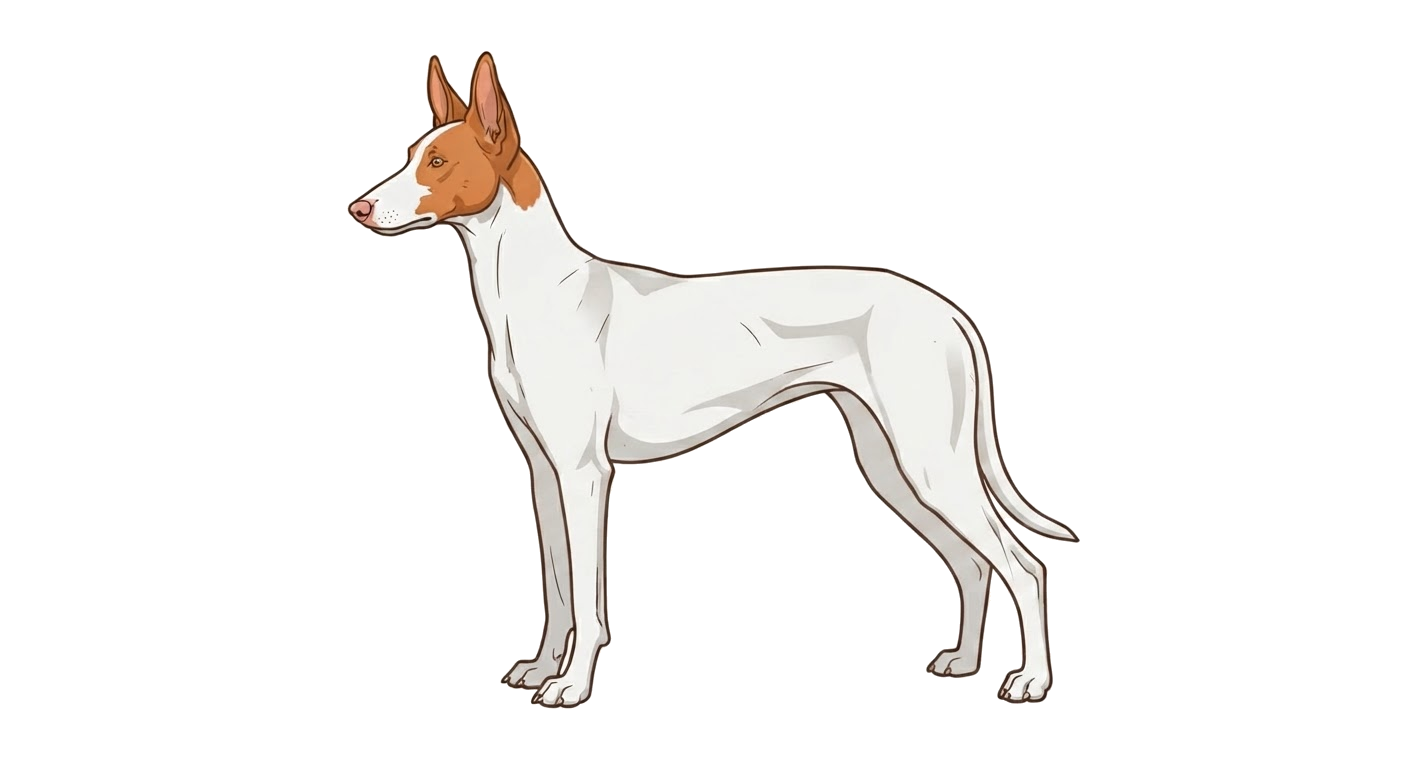
White and red
Standard colour
The most typical and widely seen combination.
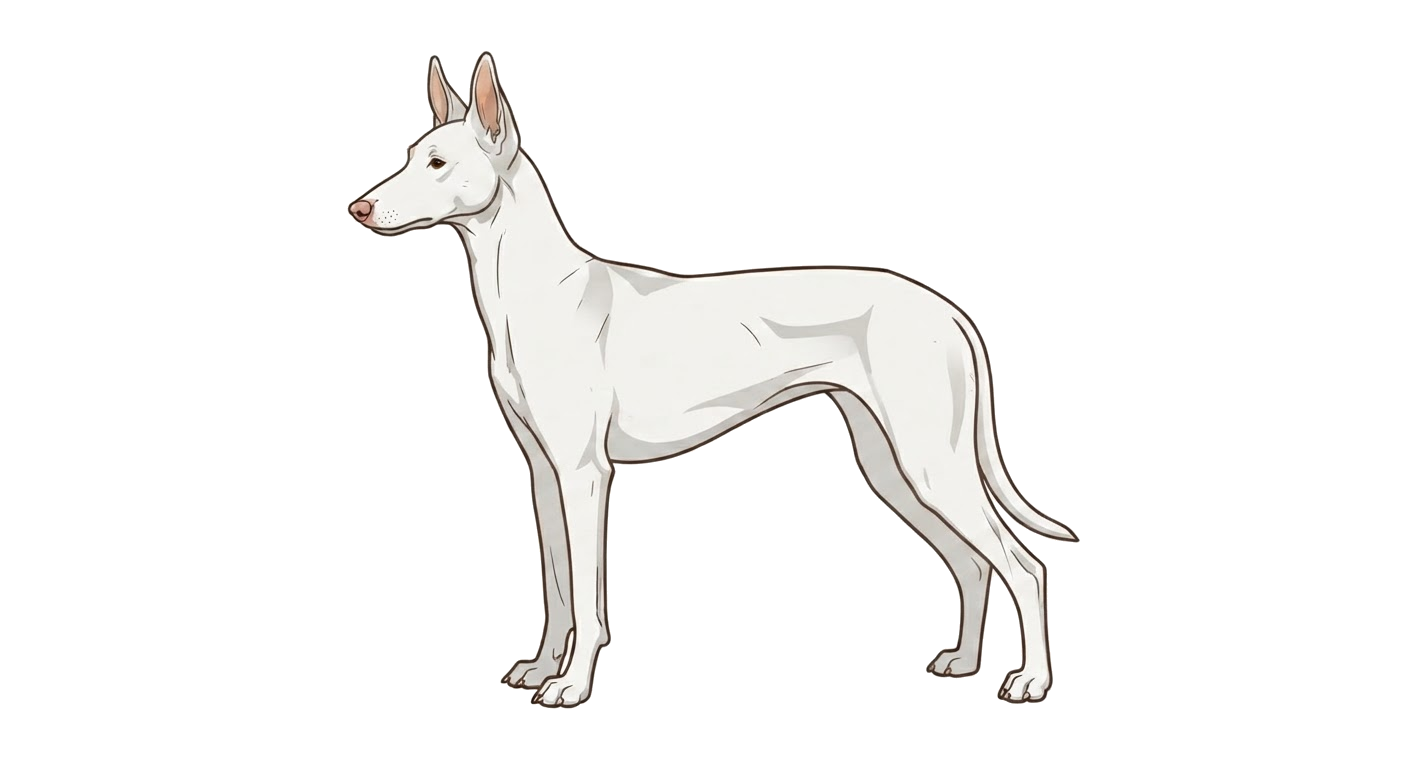
Solid white
Standard colour
Accepted, though can carry higher deafness risk.
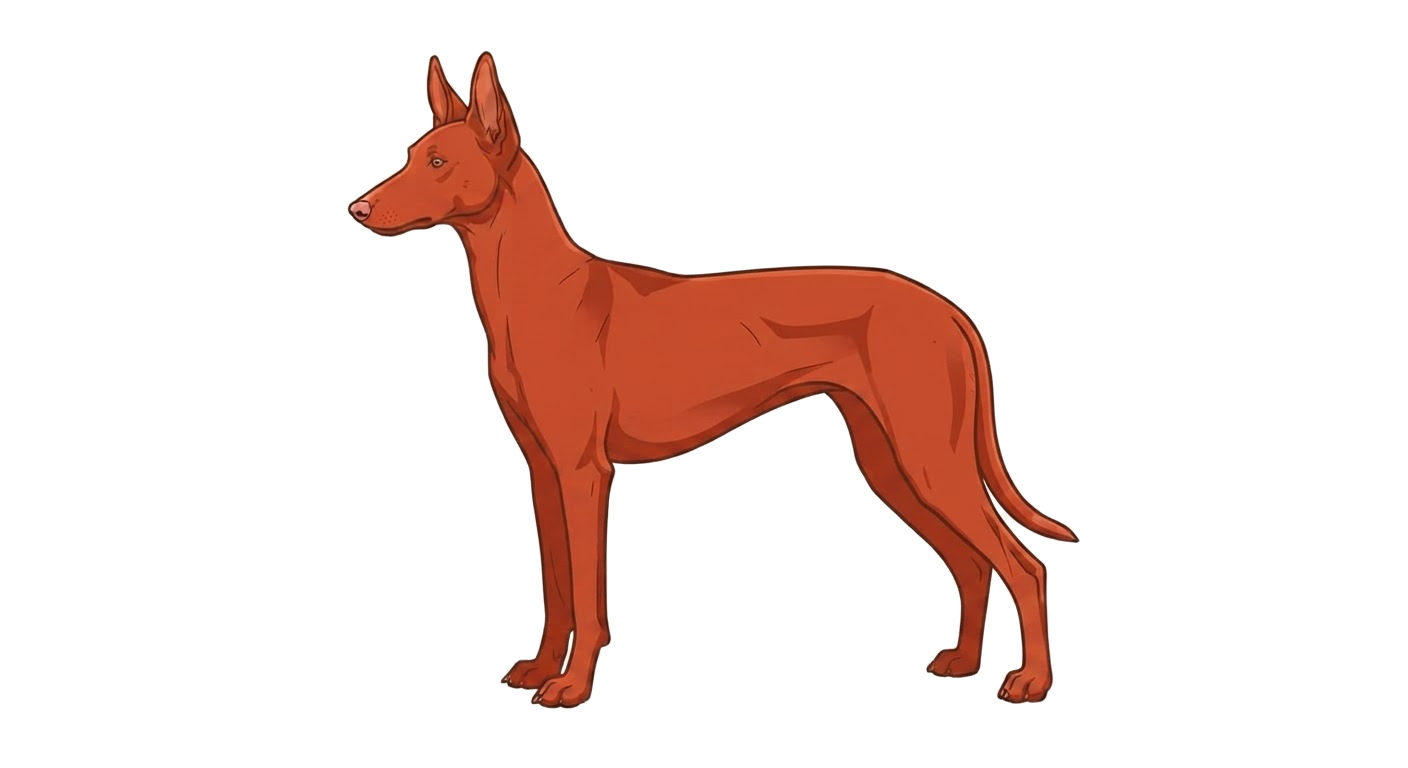
Solid red
Standard colour
A rich chestnut-red seen without white markings.
Outside the standard
Other colours
Dilute coats you will see advertised. They are the same breed, but no kennel club accepts them.
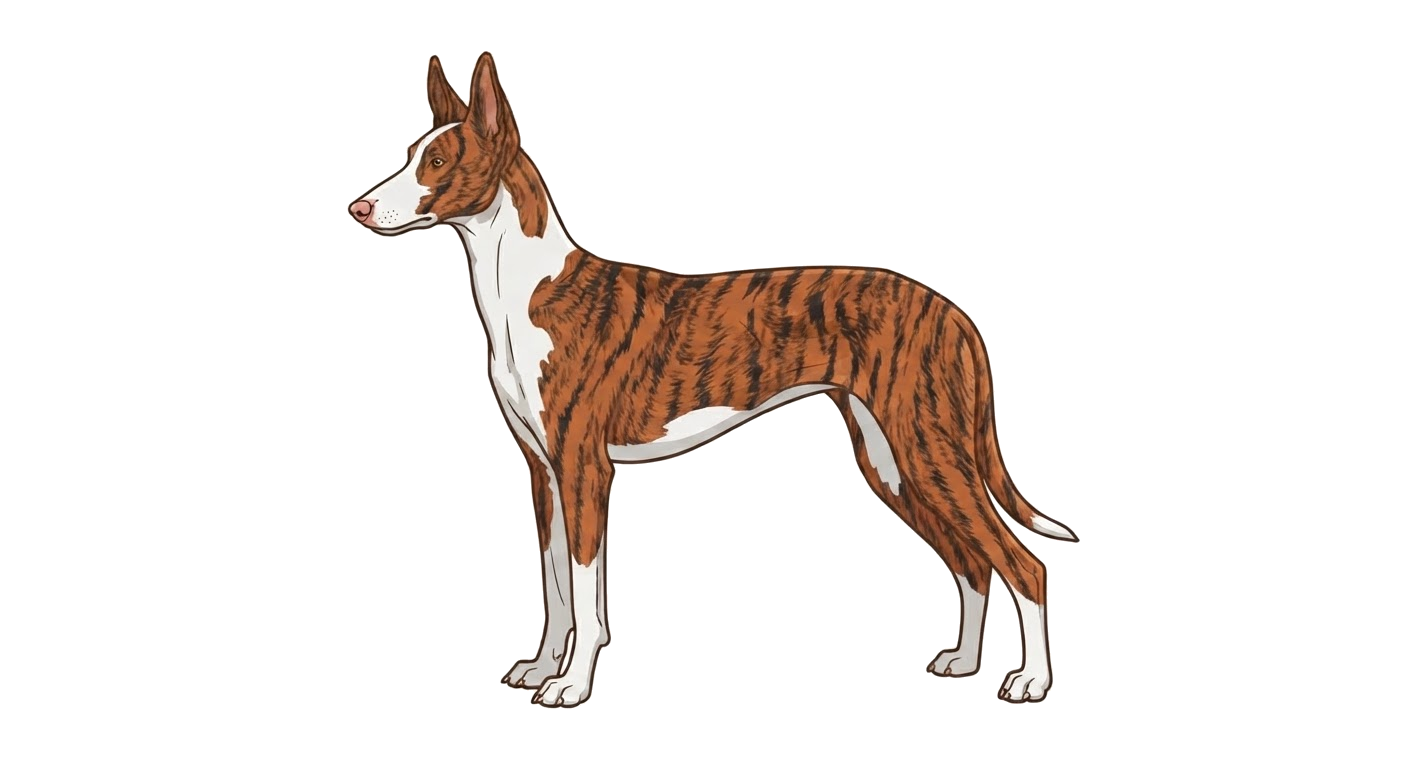
Red brindle
Not in the standard
Occasionally seen but not typical of the standard.
Timeline
History & development
antiquity
Arrival in the Balearics
Traders are thought to have brought sighthound ancestors to Ibiza, where they developed in relative isolation.
medieval period
Working rabbit hound
Local hunters used packs of the hounds to course rabbits across the islands' rocky terrain.
1950s
Arrival in America
The breed was imported to the United States, sparking wider international interest.
1979
AKC recognition
The Ibizan Hound was formally recognised by the American Kennel Club.
Reference
Breed standard summary
- body
- Long, deep chest, arched loin.
- coat
- Smooth or rough, hard in texture.
- ears
- Large, mobile, carried erect.
- eyes
- Amber, clear, giving an alert expression.
- gait
- Free, flowing, with great spring.
- head
- Long, narrow, with a slight stop.
- size
- Large
- tail
- Low-set, carried low or curled when moving.
- colour
- White and red, Solid white, Solid red. Colours outside this list are seen but are not accepted by the kennel clubs.
- temperament
- Typical of the breed: strongest in energy, independence, trainability. Nervousness or aggression are serious faults in the show ring and in the home.
- general appearance
- Tall, lean sighthound, deer-like and elegant.
Health
What to screen for
Green means little to worry about, amber means ask the breeder for test results, red means manage it actively.
Deafness
Watch closely
Ask breeders about BAER hearing testing, more common in white-heavy dogs.
Allergies
Low concern
Some lines are prone to skin sensitivities; ask about diet history.
Axonal degeneration
Watch closely
A rare inherited neurological condition reported in the breed; discuss with the breeder.
General information only — always speak to your vet about your own dog.
From real owners
Dogs like this
Ibizan Hounds added by PawPoint members through their pet passports. Share yours to appear here.
Loading the wall…
Made for the Ibizan Hound
The book, plus prints, hoodies and mugs using our own Ibizan Hound illustration — and one everyday accessory that suits any dog.

The book
Pawpoint: The Complete Dog Breed Book
Every officially recognised breed plus the unofficial ones nobody else documents. 400+ pages, hardback, printed and shipped from the UK.
Own stock — shipped by us
Framed poster
Ibizan Hound Framed Poster
Museum-weight print of our Ibizan Hound illustration, framed or unframed.
Printed to order
Hoodie
Ibizan Hound Hoodie
Heavyweight hoodie carrying the Ibizan Hound illustration on the chest.
Printed to order
Mug
Ibizan Hound Mug
Ceramic mug with the Ibizan Hound illustration wrapped around it.
Printed to order
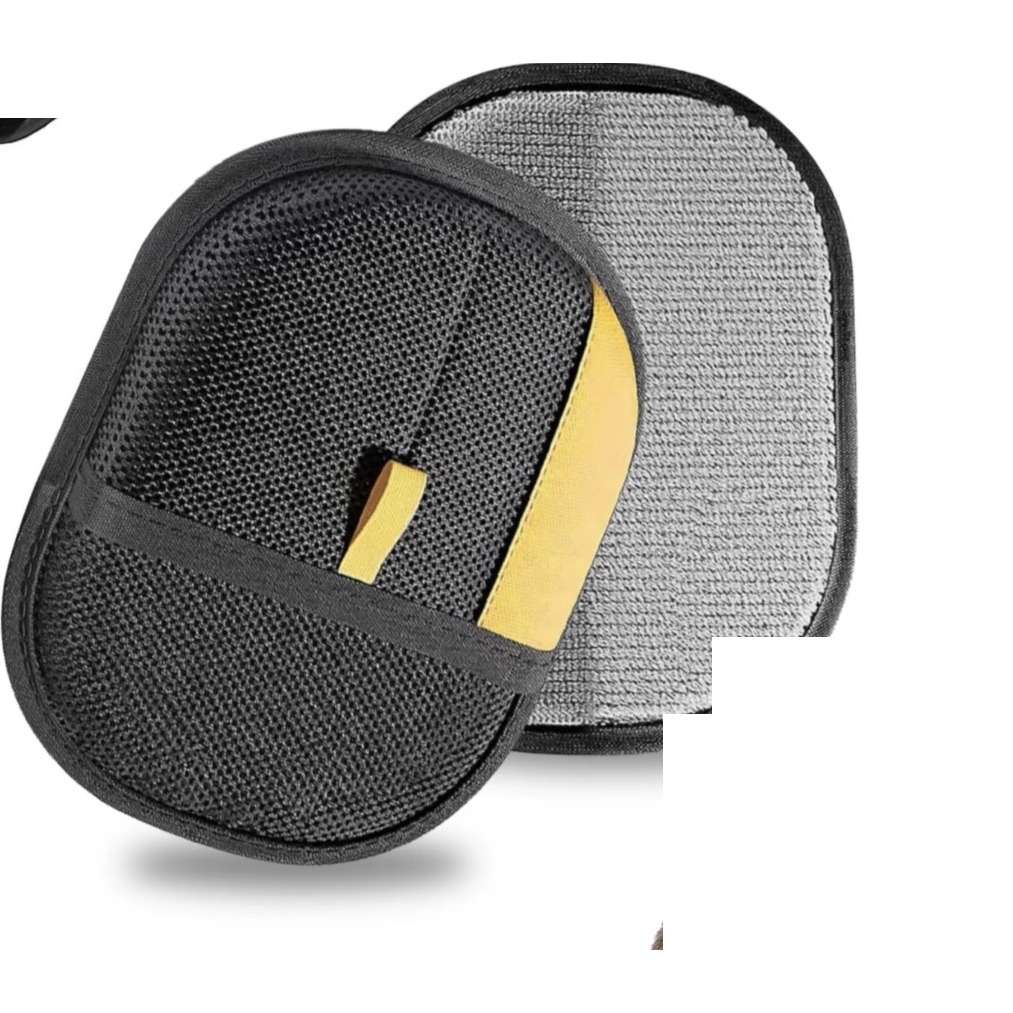
Accessory
Slicker & Deshedding Brush
Self-cleaning slicker head for coats of every length.
Fits any dog

Pawpoint on YouTube
Watch the full Ibizan Hound video
Breed deep-dives, history and honest ownership talk. New film every week.
Watch now