
Icelandic Sheepdog
ice-LAN-dik SHEEP-dog
Iceland· Rural Iceland
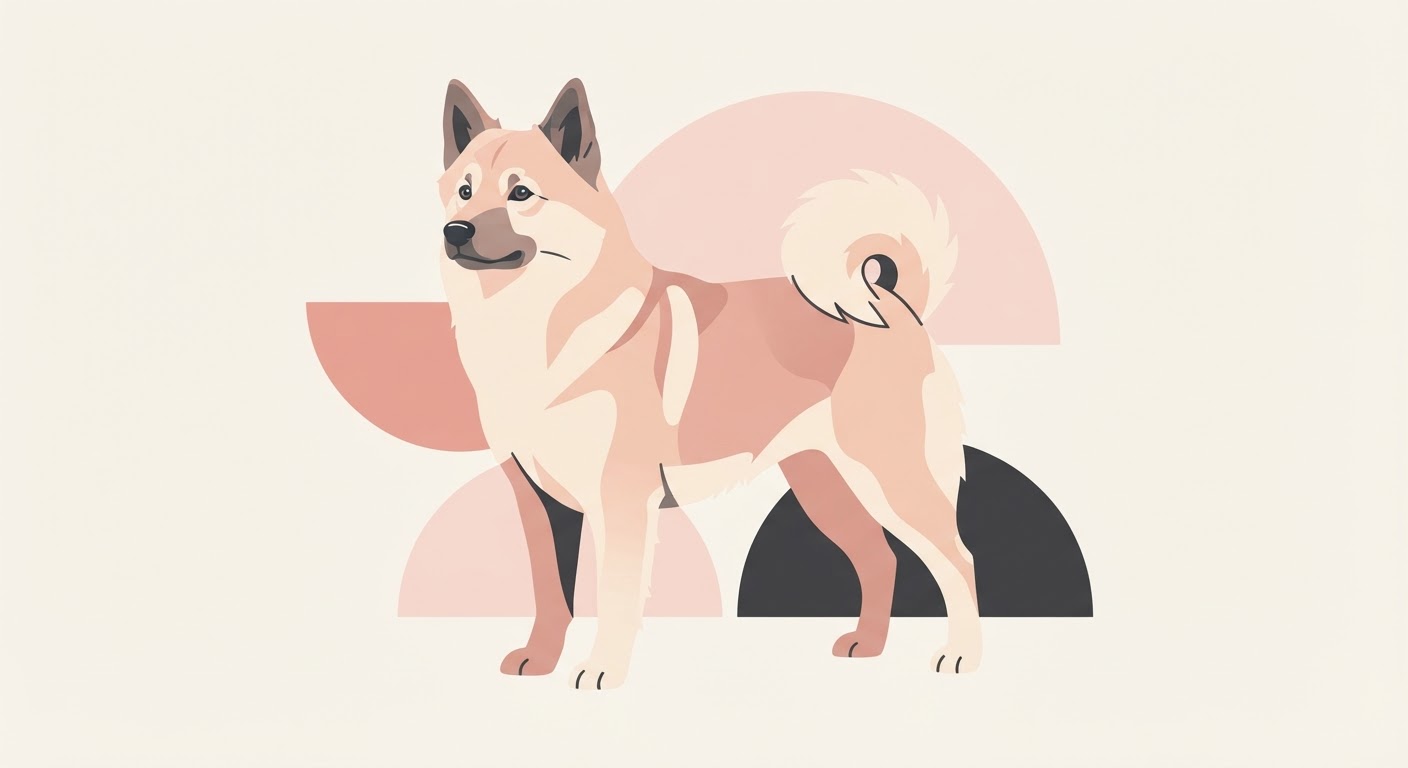
The Icelandic Sheepdog is Iceland's only native breed, a hardy spitz-type herding dog brought by Norse settlers over a thousand years ago to gather and guard sheep across the island's harsh terrain.
At a glance
Quick facts
Size
Medium
Exercise needs
45-60 minutes daily
Home size suited to
Small to medium home
Grooming frequency
Weekly brush
Coat length
Short
Sheds
Yes, heavily when moulting
Lifespan
12-14 years
Town or country
Happiest in the country
Garden size needed
Small to medium
Where it comes from
Origins of the Icelandic Sheepdog

Isolated on Iceland for over a thousand years, the breed developed a dense weatherproof double coat and sure-footedness needed to work sheep across lava fields, fjords and mountain pasture.
- Region
- Rural Iceland
- Climate it was bred for
- Cold, windswept, volcanic terrain
- Original job
- Herding sheep and horses, guarding against birds of prey
The long read
About the breed
Viking settlers arriving in the ninth century brought dogs that, isolated on Iceland with little outside influence, developed into the sturdy, weatherproof herder known today. Icelandic farmers relied on the breed to move sheep and horses across lava fields, mountainsides and fjords, and to warn of predatory birds threatening lambs. Distemper epidemics in the nineteenth and twentieth centuries twice pushed the breed close to extinction, and a dedicated preservation effort from the 1950s onward, backed by an import ban on other dog breeds into Iceland, saved it.
In the home the Icelandic Sheepdog is friendly, alert and vocal, a dog that announces visitors and enjoys being part of family life rather than working alone. It gets on well with children and other dogs, reflecting centuries of being bred to work cooperatively on small farms rather than guard territory aggressively. The double coat sheds heavily twice a year and needs regular brushing to stay free of mats, and the breed's herding instinct means it may try to gather children or other pets if not given an outlet.
Today it remains a farm dog in Iceland and a companion breed elsewhere, valued for its cheerful temperament and hardiness rather than raw athleticism. It is still relatively rare outside Scandinavia, and buyers should expect a wait and a long journey to find a reputable litter.
Living with one
Temperament & needs
Our own ratings, based on the breed standard and how these dogs behave in ordinary homes.
Friendliness
5/5
How openly the Icelandic Sheepdog greets people it does not know.
Trainability
4/5
Eager to please and quick to learn herding and obedience work.
Energy
3/5
Enjoys daily walks and farm-style activity, not marathon exercise.
Barking
5/5
Vocal by design, used to alert farmers to danger.
Grooming
3/5
Double coat sheds heavily twice a year.
Suits a first-time owner
4/5
How forgiving the Icelandic Sheepdog is for someone taking on their first dog.
Sociability
5/5
Friendly with people, children and other dogs.
Independence
2/5
Bred to work with people rather than alone.
Illustrated breed standard
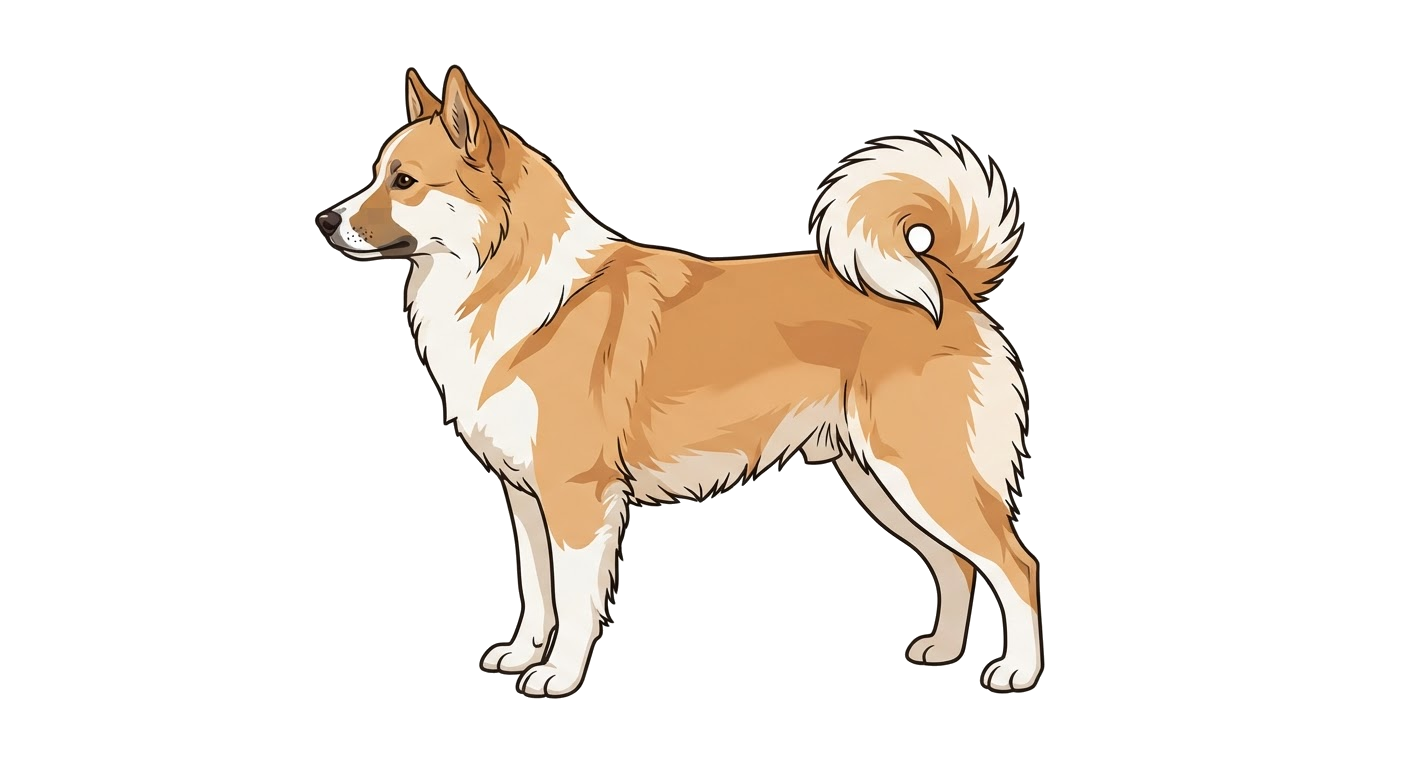
The points of the breed
Hover or tap a numbered point to read what the standard asks for.
Point 1
Skull
The Icelandic Sheepdog's skull is judged on balance rather than size — proportionate to the body, with a clean cheek and a stop typical of the breed. Coarseness or an over-refined head are both faulted.
Colours & patterns
Recognised coats
Which coats the standard accepts — and which are simply popular.
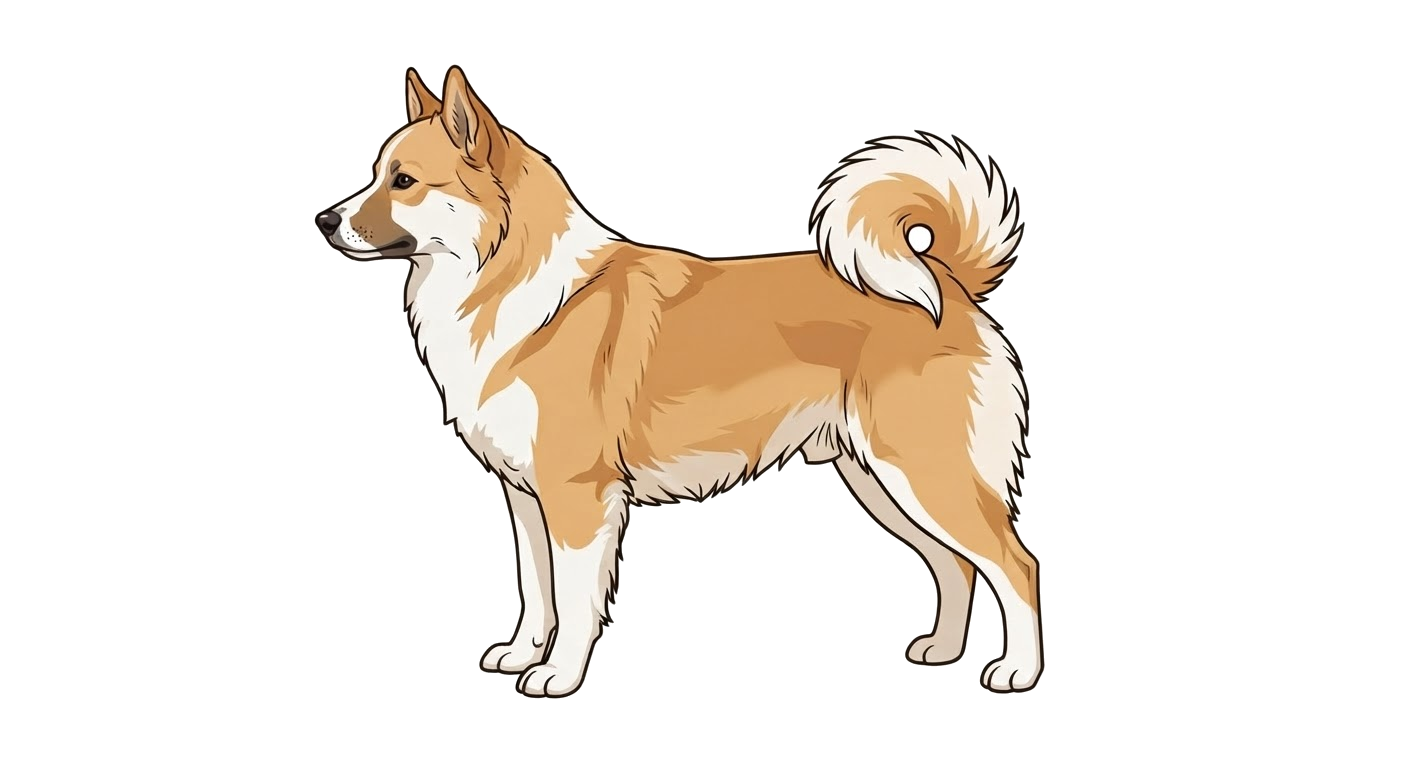
Tan
Standard colour
The most common base colour, from cream to reddish-brown.
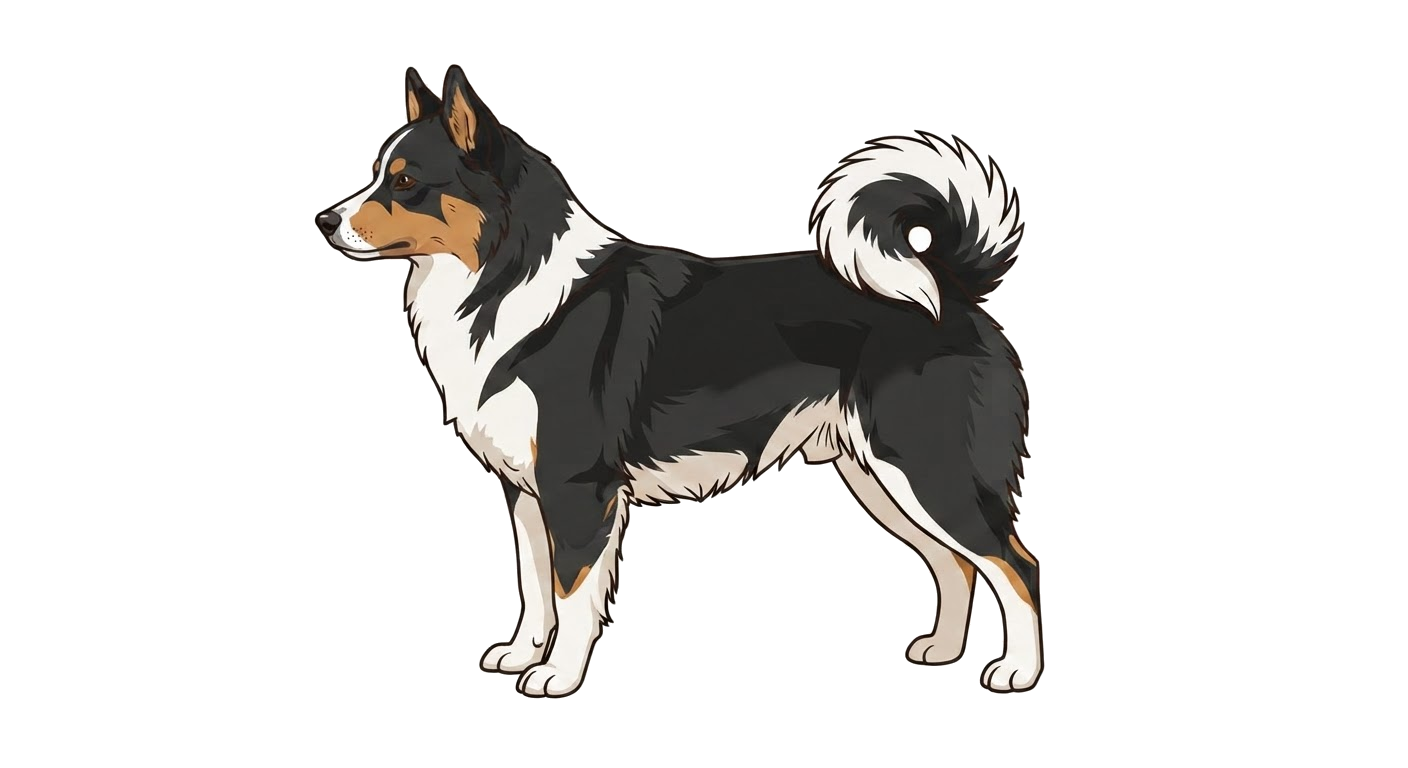
Black and tan
Standard colour
A darker variation with tan points.
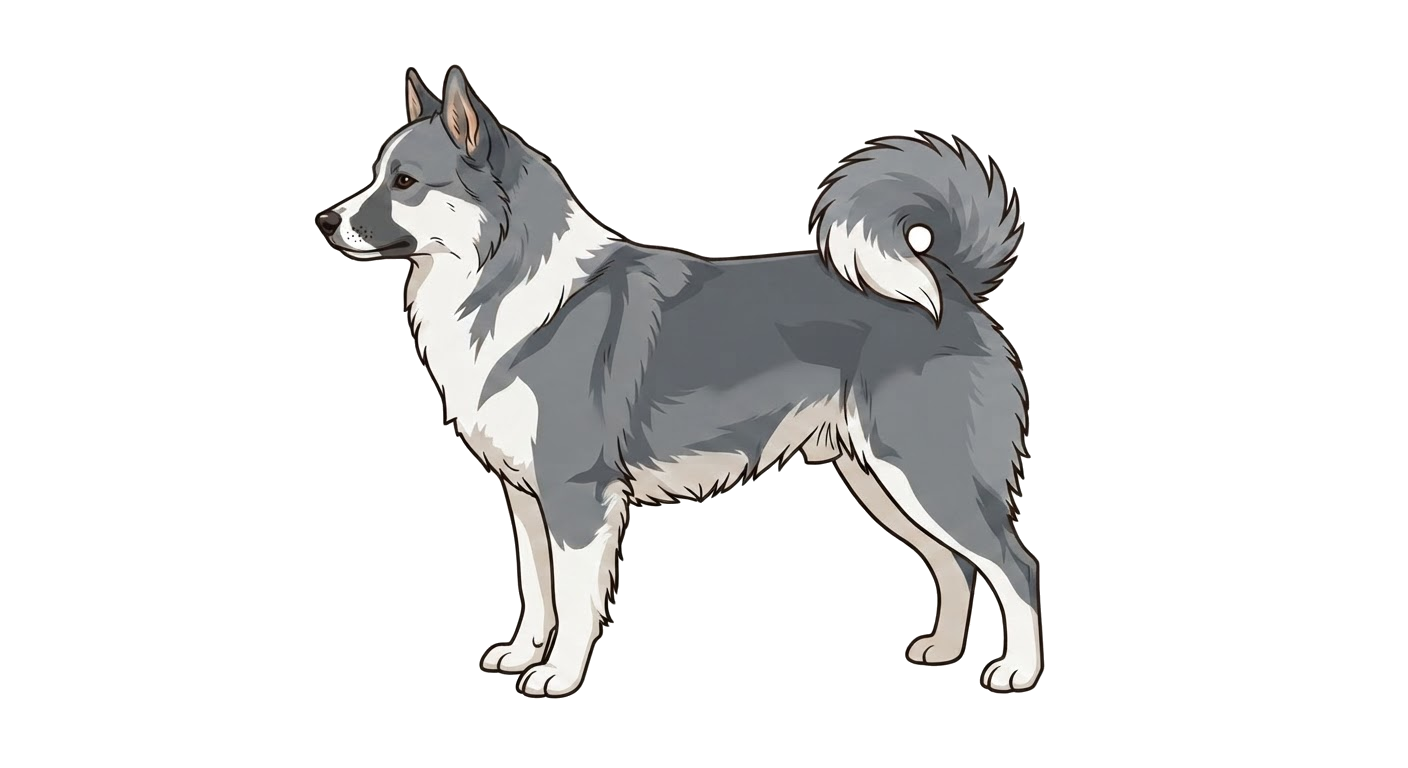
Grey
Standard colour
A cooler-toned variant, less common than tan.
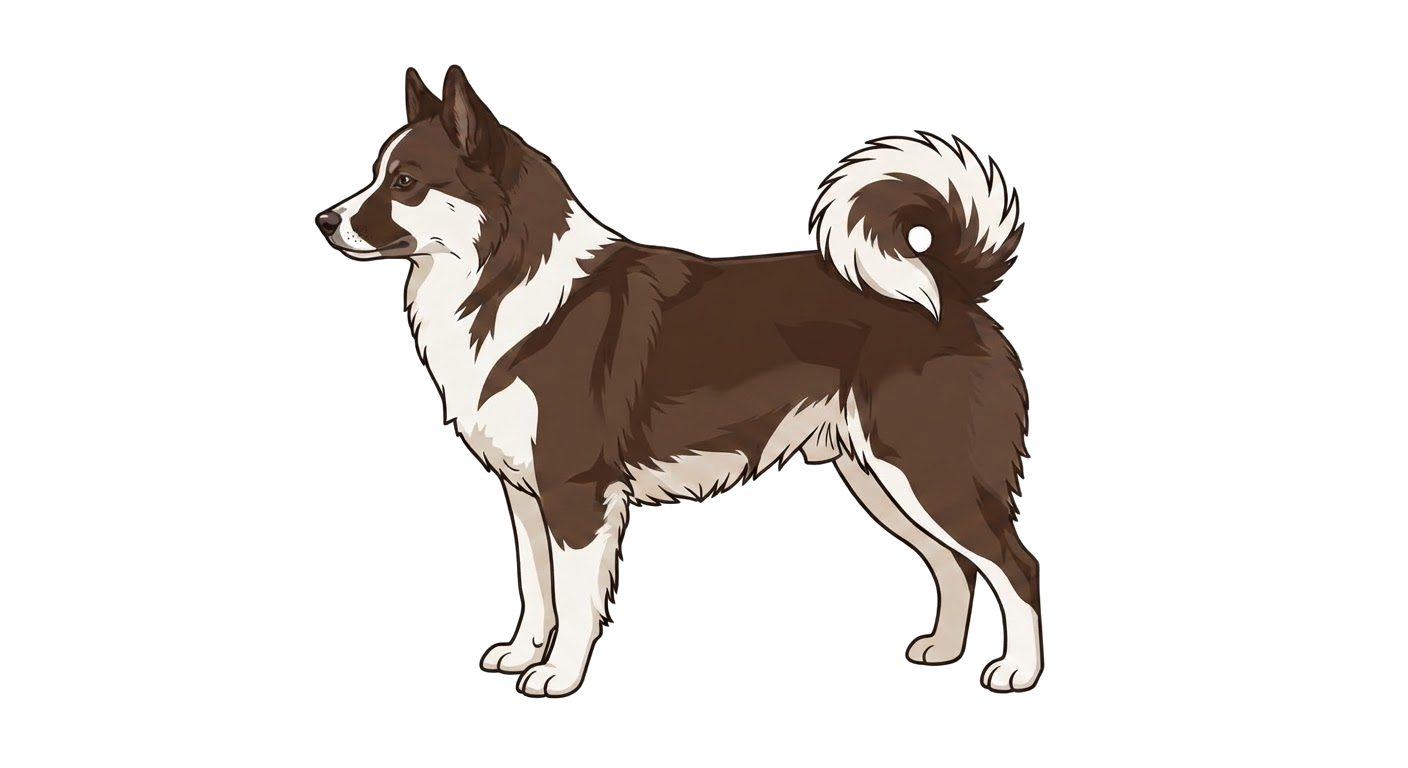
Chocolate
Standard colour
A warm brown shade seen in the standard.
Timeline
History & development
9th century
Arrival with Norse settlers
Viking settlers brought spitz-type dogs to Iceland to help work farms.
1650
First written description
Early accounts describe the dogs herding sheep across the Icelandic countryside.
1900s
Near extinction
Distemper epidemics repeatedly reduced numbers to critically low levels.
1969
Breed club founded
The Icelandic Kennel Club and dedicated breeders began organised preservation.
1972
Recognition
The FCI formally recognised the Icelandic Sheepdog as a distinct breed.
Reference
Breed standard summary
- body
- Strong, rectangular, deep chest.
- coat
- Double coat, short or long variety.
- ears
- Erect, medium-sized, very mobile.
- eyes
- Dark brown, medium, friendly expression.
- gait
- Light, agile, tireless.
- head
- Triangular, strong, with a defined stop.
- size
- Medium
- tail
- Curled over the back, richly plumed.
- colour
- Tan, Black and tan, Grey, Chocolate. Colours outside this list are seen but are not accepted by the kennel clubs.
- temperament
- Typical of the breed: strongest in sociability, barking, trainability. Nervousness or aggression are serious faults in the show ring and in the home.
- general appearance
- Sturdy spitz-type herder, slightly longer than tall.
Health
What to screen for
Green means little to worry about, amber means ask the breeder for test results, red means manage it actively.
Hip dysplasia
Screen for it
Ask for hip scores on both parents before buying.
Cryptorchidism
Low concern
A recognised issue in males; ask the breeder about incidence in the line.
Cataracts
Screen for it
Eye testing is recommended for breeding stock.
General information only — always speak to your vet about your own dog.
From real owners
Dogs like this
Icelandic Sheepdogs added by PawPoint members through their pet passports. Share yours to appear here.
Loading the wall…
Made for the Icelandic Sheepdog
The book, plus prints, hoodies and mugs using our own Icelandic Sheepdog illustration — and one everyday accessory that suits any dog.

The book
Pawpoint: The Complete Dog Breed Book
Every officially recognised breed plus the unofficial ones nobody else documents. 400+ pages, hardback, printed and shipped from the UK.
Own stock — shipped by us
Framed poster
Icelandic Sheepdog Framed Poster
Museum-weight print of our Icelandic Sheepdog illustration, framed or unframed.
Printed to order
Hoodie
Icelandic Sheepdog Hoodie
Heavyweight hoodie carrying the Icelandic Sheepdog illustration on the chest.
Printed to order
Mug
Icelandic Sheepdog Mug
Ceramic mug with the Icelandic Sheepdog illustration wrapped around it.
Printed to order
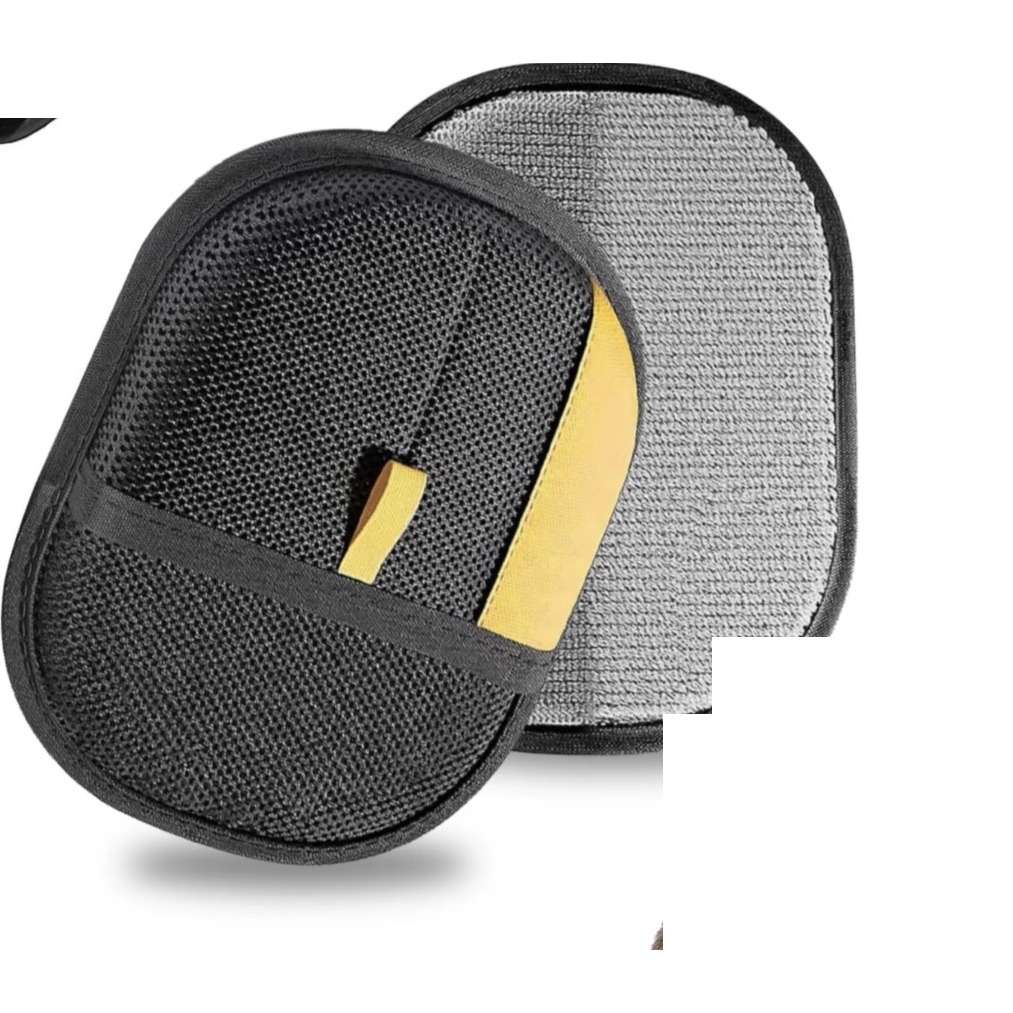
Accessory
Slicker & Deshedding Brush
Self-cleaning slicker head for coats of every length.
Fits any dog
Pawpoint on YouTube
Watch the full Icelandic Sheepdog video
Breed deep-dives, history and honest ownership talk. New film every week.
Watch now