Irish Terrier
EYE-rish TER-ee-uhr
Ireland· Ireland, countrywide
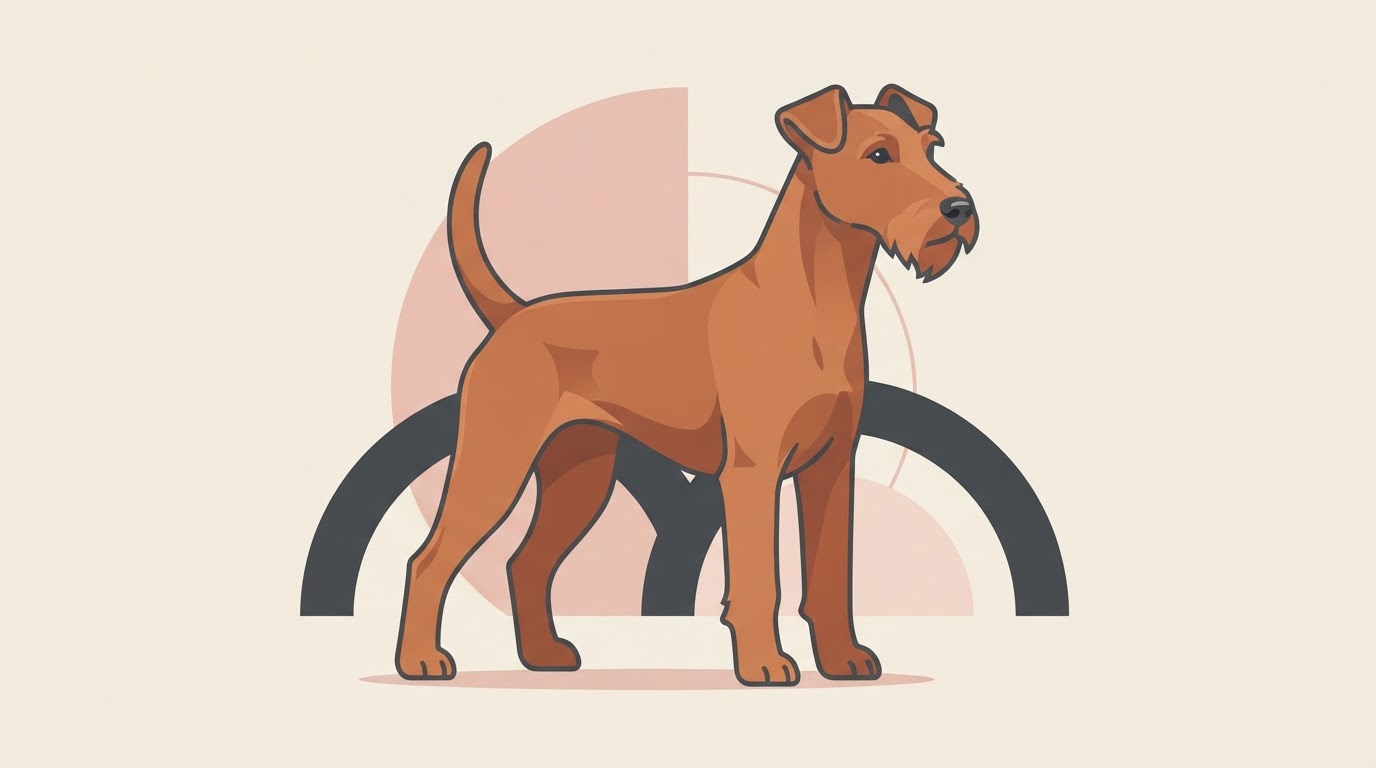
The Irish Terrier is a wiry, red-coated terrier from Ireland, bred as an all-purpose farm dog for ratting, guarding and, in its early years, dog fighting.
At a glance
Quick facts
Size
Medium
Exercise needs
45-60 minutes daily
Home size suited to
Small to medium home
Grooming frequency
Weekly brush, hand-strip a few times a year
Coat length
Wiry
Sheds
Yes, heavily when moulting
Lifespan
13-15 years
Town or country
Either, with enough exercise
Garden size needed
Small to medium
Where it comes from
Origins of the Irish Terrier
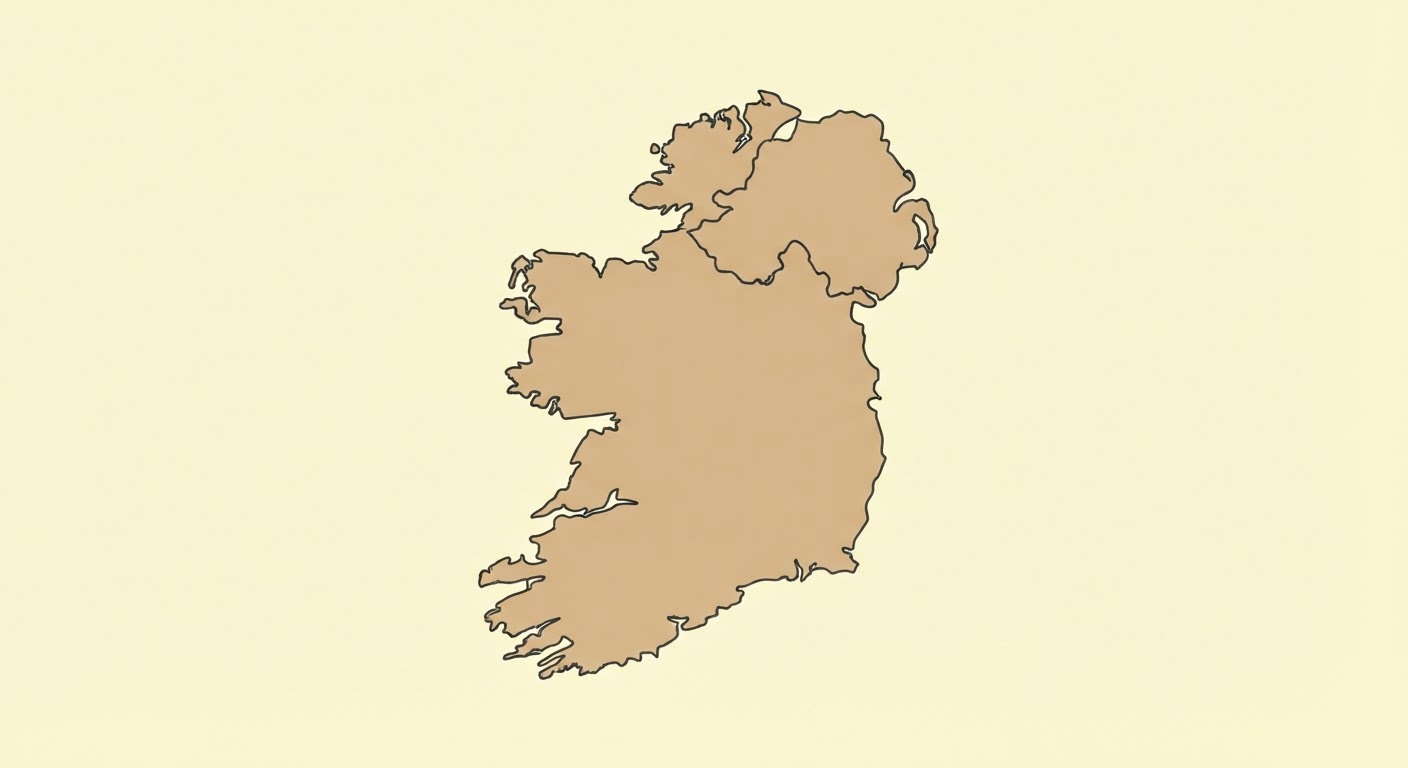
Developed on Irish farms as a rugged all-rounder, the terrier's wiry red coat shed rain and mud while its fearless temperament suited guarding and vermin control.
- Region
- Ireland, countrywide
- Climate it was bred for
- Cool, damp farmland
- Original job
- Ratting and guarding on Irish farms
The long read
About the breed
One of the oldest terrier breeds, it was established in Ireland well before formal dog shows began, working as a general-purpose vermin hunter and watchdog on farms across the country. It was first shown as a distinct breed in Dublin in 1875 and quickly gained a reputation for fearlessness, serving as a messenger dog in the trenches of the First World War, a role that cost many of the breed's dogs their lives and earned it the nickname "the poor man's sentinel and the rich man's playfellow".
In the home the Irish Terrier is game, loyal and often described by owners as having more personality than its modest size would suggest; it forms close bonds with its family and can be reserved or assertive with unfamiliar dogs, a legacy of its terrier heritage. It needs daily exercise and enjoys having a task, whether that is a long walk, scentwork or simply supervising the household, and does not do well left alone for long stretches. The wiry coat needs hand-stripping two or three times a year to keep its harsh texture, a job most owners hand to a groomer.
The breed today is a companion first and a working terrier second, though it retains the confidence and terrier stubbornness of its farm-dog ancestors. It suits owners who want a characterful, sturdy dog and are prepared for firm, consistent training rather than a dog that defers easily.
Living with one
Temperament & needs
Our own ratings, based on the breed standard and how these dogs behave in ordinary homes.
Friendliness
3/5
How openly the Irish Terrier greets people it does not know.
Trainability
3/5
Intelligent but strong-willed, responds best to consistent handling.
Energy
4/5
Needs daily exercise and enjoys having a task.
Barking
3/5
Alert and will bark to announce visitors.
Grooming
3/5
Wiry coat needs hand-stripping two or three times a year.
Suits a first-time owner
3/5
How forgiving the Irish Terrier is for someone taking on their first dog.
Sociability
3/5
Devoted to family, can be reserved with strange dogs.
Independence
3/5
Confident and capable of entertaining itself.
Illustrated breed standard
The points of the breed
Hover or tap a numbered point to read what the standard asks for.
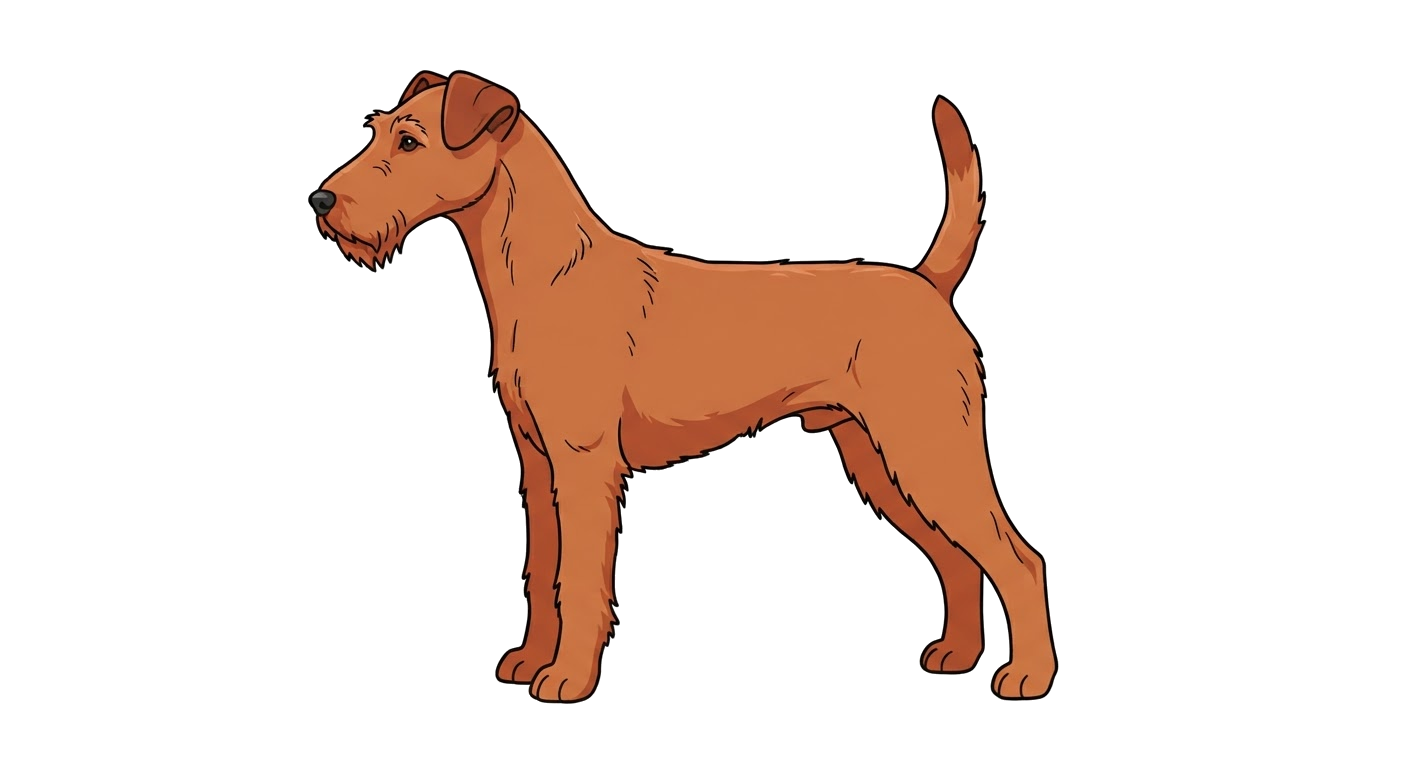
Point 1
Skull
The Irish Terrier's skull is judged on balance rather than size — proportionate to the body, with a clean cheek and a stop typical of the breed. Coarseness or an over-refined head are both faulted.
Colours & patterns
Recognised coats
Which coats the standard accepts — and which are simply popular.
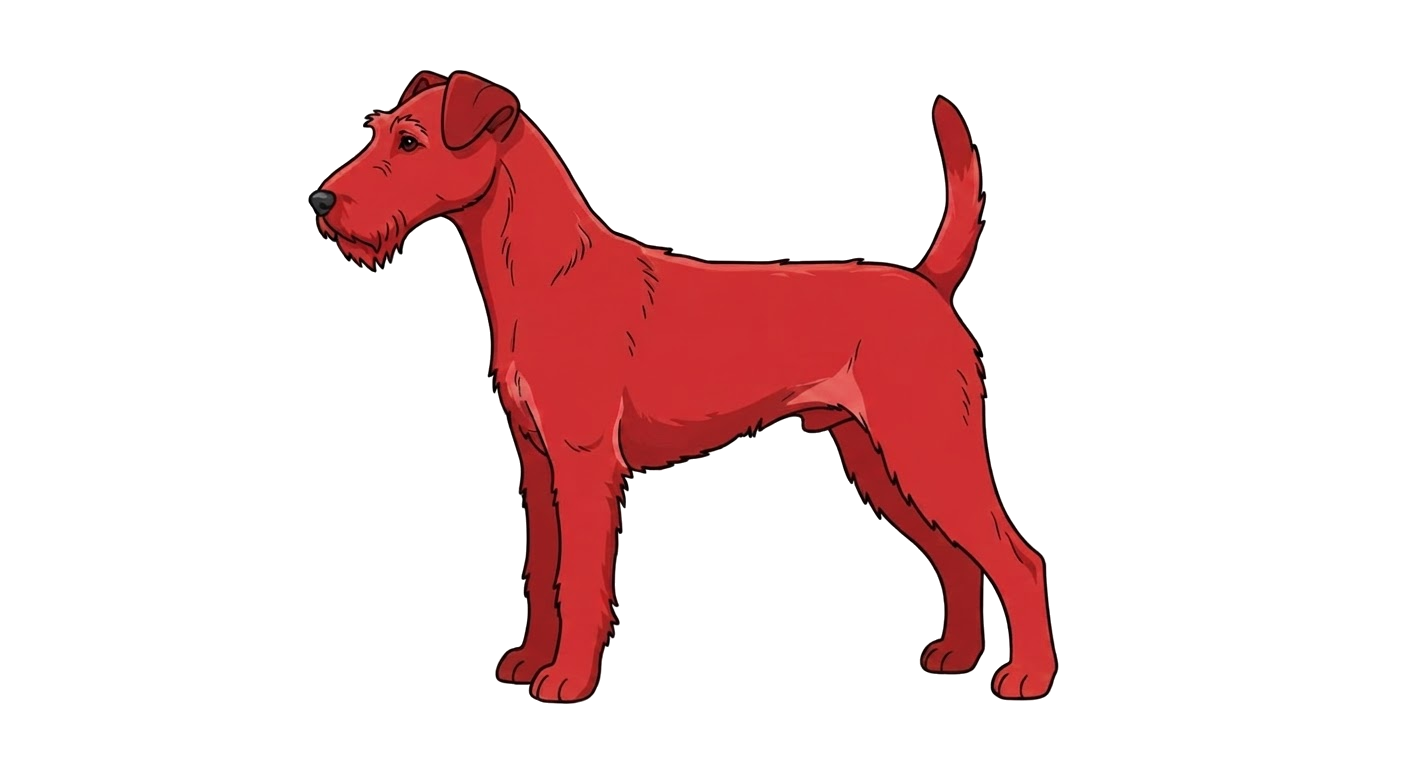
Bright red
Standard colour
The most typical and preferred shade.
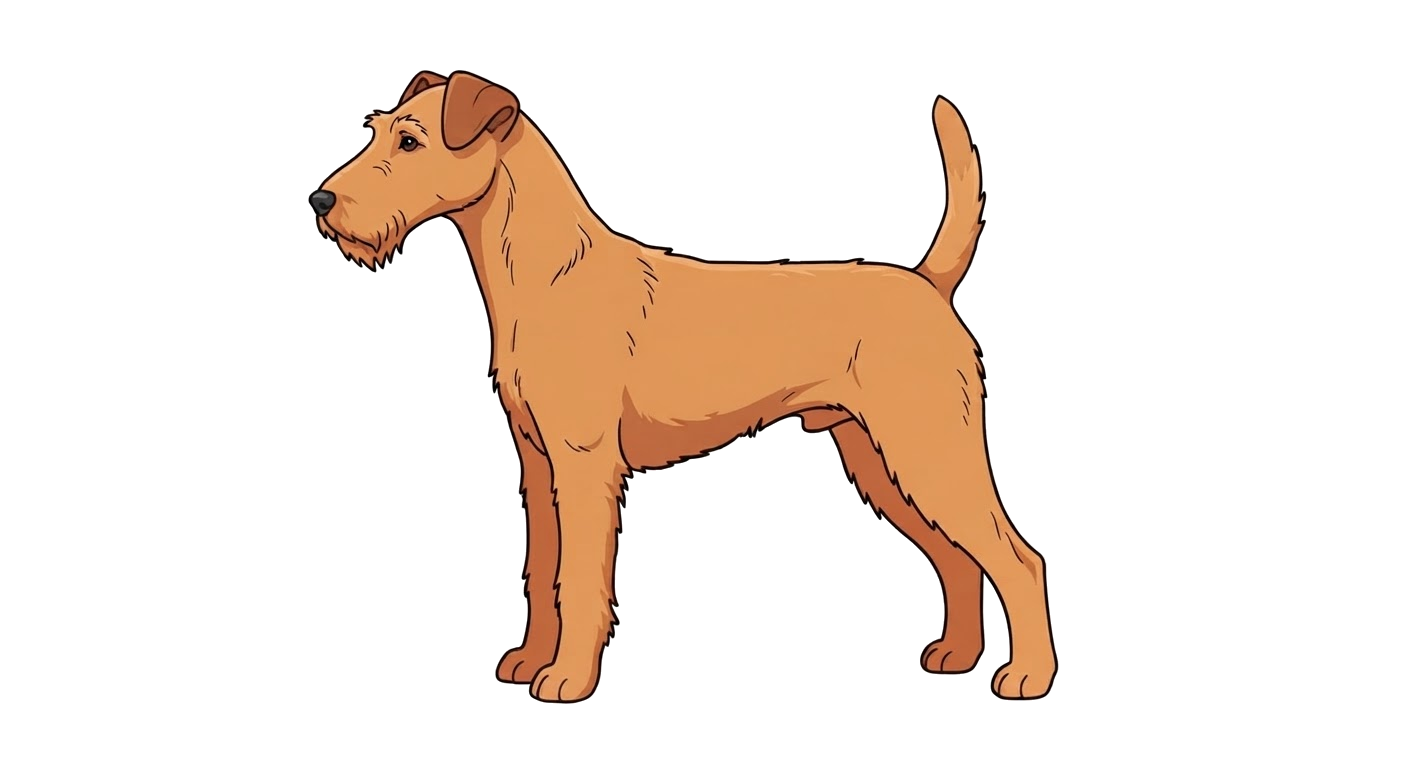
Red wheaten
Standard colour
A lighter golden-red also accepted.
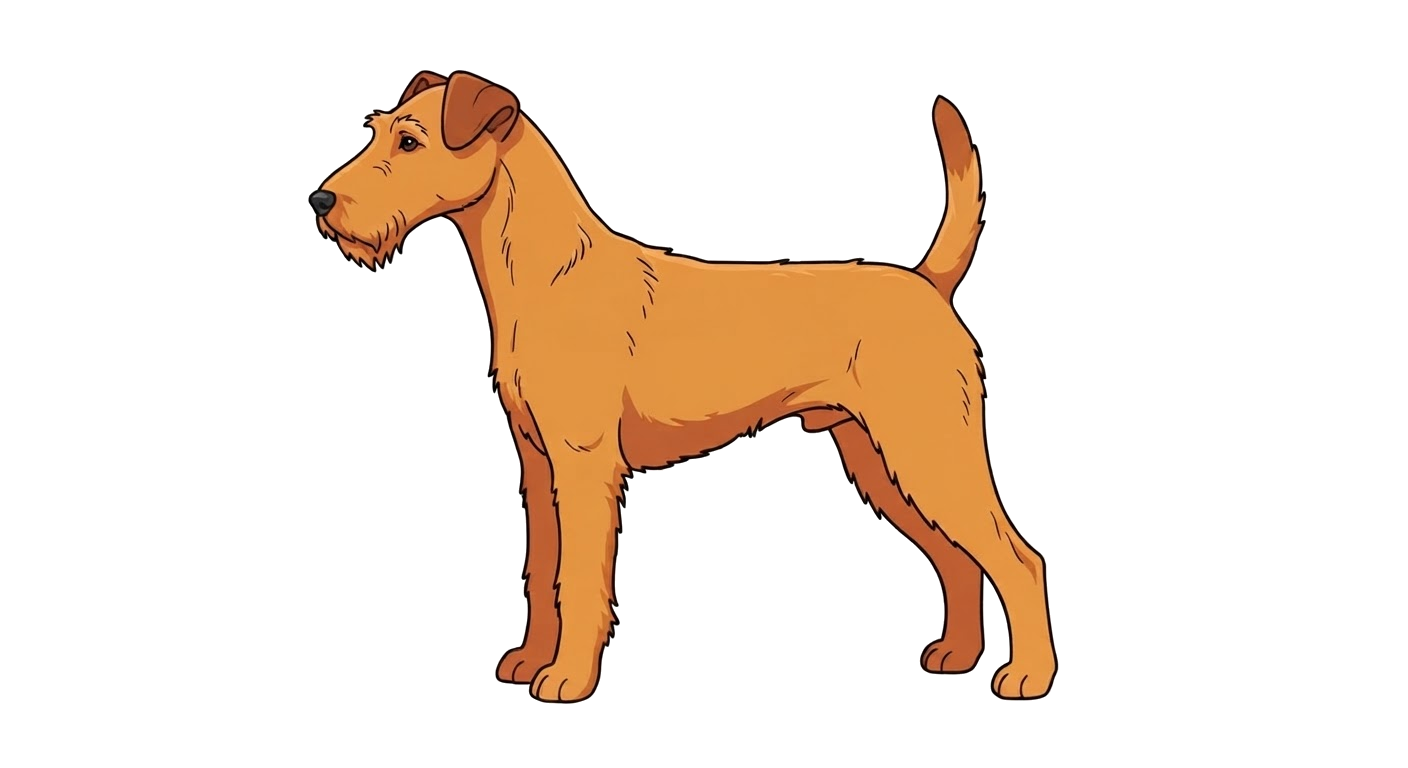
Golden red
Standard colour
A warm variant within the standard range.
Timeline
History & development
pre-1800s
Farm origins
An all-purpose working terrier developed across rural Ireland for centuries before formal recording began.
1875
First shown
The breed was exhibited as a distinct type at a Dublin show.
1879
Breed club founded
The Irish Terrier Club was established to set a formal standard.
1914-18
War service
Irish Terriers served as messenger dogs in the trenches of the First World War.
1950s onward
The breed today
Kennel club registrations settled into a steady pattern and the Irish Terrier moved from a working specialist to a family companion, with breed clubs in the UK and abroad now focused on health testing and keeping true type alive.
Reference
Breed standard summary
- body
- Compact, strong, moderate length.
- coat
- Dense, wiry, harsh texture.
- ears
- Small, V-shaped, folded forward.
- eyes
- Small, dark, full of fire.
- gait
- Free, straight, with good drive.
- head
- Long, flat skull, slight stop.
- size
- Medium
- tail
- Traditionally docked in origin countries; carried gaily.
- colour
- Bright red, Red wheaten, Golden red. Colours outside this list are seen but are not accepted by the kennel clubs.
- temperament
- Typical of the breed: strongest in energy, trainability, sociability. Nervousness or aggression are serious faults in the show ring and in the home.
- general appearance
- Sturdy, red-coated terrier of racy build.
Health
What to screen for
Green means little to worry about, amber means ask the breeder for test results, red means manage it actively.
Hyperkeratosis
Screen for it
A paw pad condition seen in the breed; ask about DNA testing in the line.
Cataracts
Screen for it
Eye testing is recommended for breeding stock.
Hip dysplasia
Low concern
Less common than in larger breeds, but hip scoring is still sensible.
General information only — always speak to your vet about your own dog.
From real owners
Dogs like this
Irish Terriers added by PawPoint members through their pet passports. Share yours to appear here.
Loading the wall…
Made for the Irish Terrier
The book, plus prints, hoodies and mugs using our own Irish Terrier illustration — and one everyday accessory that suits any dog.

The book
Pawpoint: The Complete Dog Breed Book
Every officially recognised breed plus the unofficial ones nobody else documents. 400+ pages, hardback, printed and shipped from the UK.
Own stock — shipped by us
Framed poster
Irish Terrier Framed Poster
Museum-weight print of our Irish Terrier illustration, framed or unframed.
Printed to order
Hoodie
Irish Terrier Hoodie
Heavyweight hoodie carrying the Irish Terrier illustration on the chest.
Printed to order
Mug
Irish Terrier Mug
Ceramic mug with the Irish Terrier illustration wrapped around it.
Printed to order
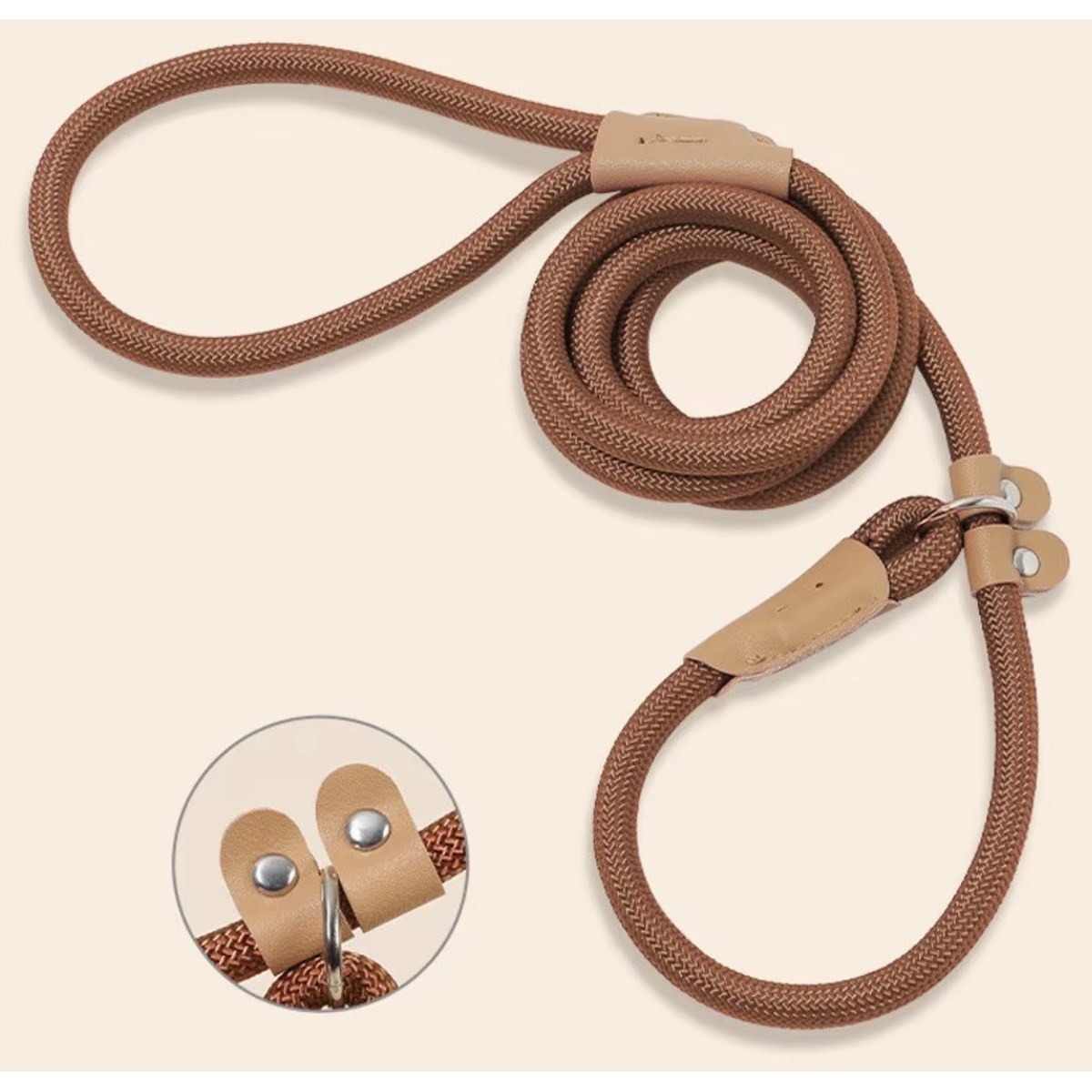
Accessory
Rope Slip Lead
Braided rope lead with a leather stop, 150cm. Good for training walks.
Fits any dog
Pawpoint on YouTube
Watch the full Irish Terrier video
Breed deep-dives, history and honest ownership talk. New film every week.
Watch now