
Jagdterrier
YAHKT-terr-ee-er
Germany· Germany
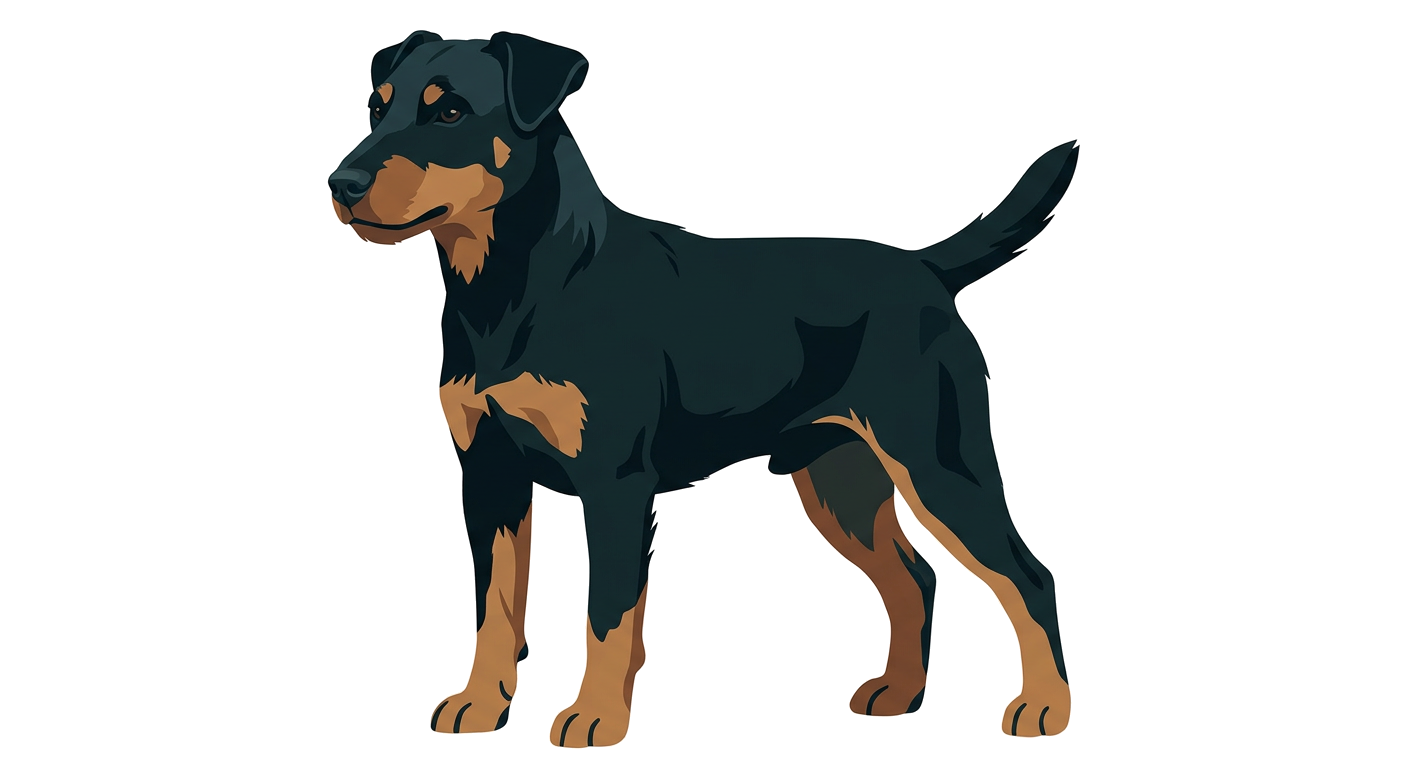
The Jagdterrier — German Hunting Terrier — is a small, black-and-tan working terrier bred in Germany in the 1920s for one purpose: hunting. Everything about it, from the tight dark eye to the narrow chest, was selected for function rather than the show ring.
At a glance
Quick facts
Size
Small
Exercise needs
2+ hours daily, plus real mental work
Home size suited to
House with secure garden; not suited to flats
Grooming frequency
Weekly brush; rough coats need occasional hand-stripping
Coat length
Short — harsh/rough or smooth
Sheds
Yes, moderately
Lifespan
13-15 years
Town or country
Country; needs space and a job
Garden size needed
Secure and dig-proof — this breed goes to ground
Where it comes from
Origins of the Jagdterrier
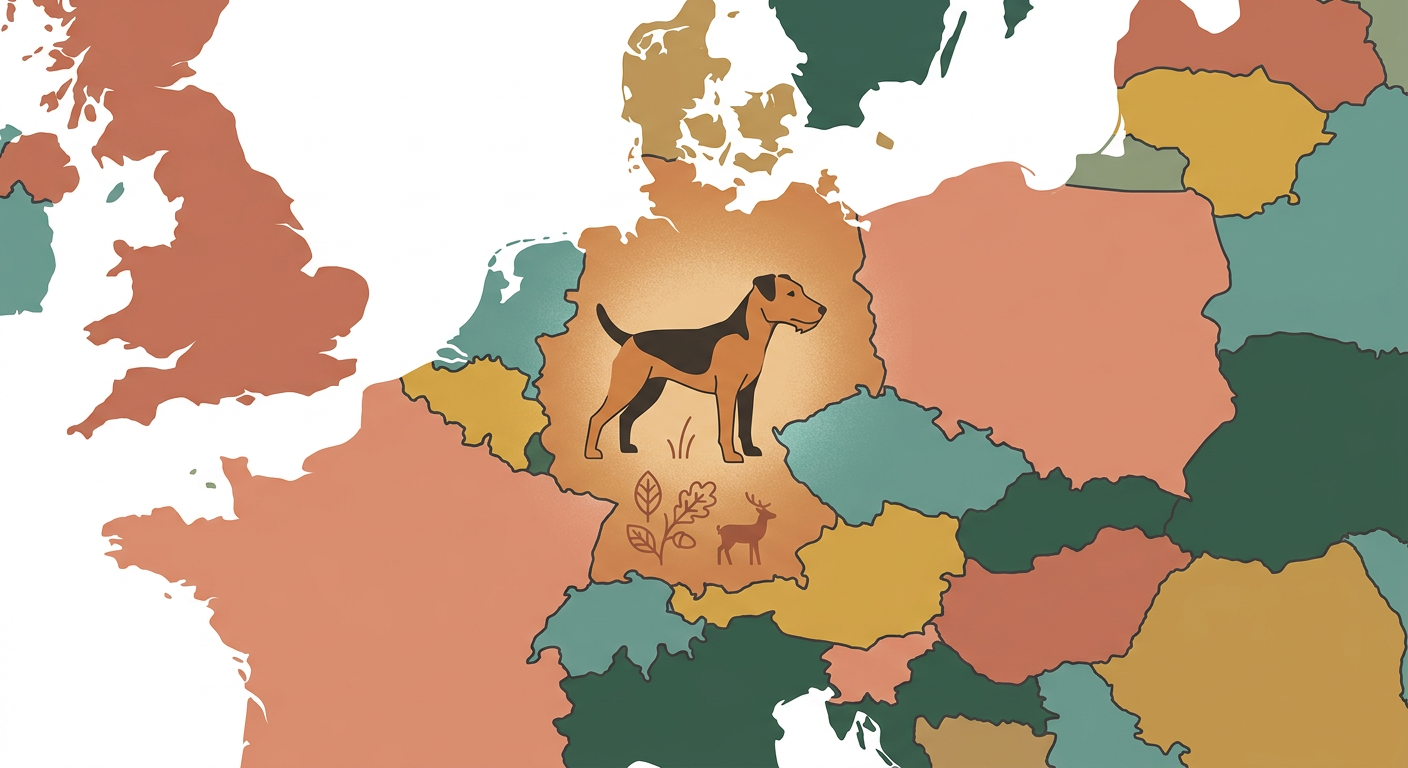
Created in 1920s Germany by hunters who wanted a purely functional black-and-tan terrier — small enough to enter an earth, hard enough to face badger and boar, and capable of tracking and water work as well.
- Region
- Germany
- Climate it was bred for
- Cool temperate forest and farmland
- Original job
- Going to ground after fox and badger, tracking wounded game, boar hunting and vermin control
The long read
About the breed
It is a genuinely versatile hunting dog rather than a specialist. A Jagdterrier is expected to go to ground after fox and badger, work dense cover for wild boar, track wounded game by blood scent, retrieve from water and account for rats and other vermin around the farm. German breeders built the type from working Fox Terriers, Welsh Terrier and old English black-and-tan terrier blood, then culled hard for courage and hunting drive.
That history matters for anyone considering one as a pet. The Jagdterrier is affectionate, clean, biddable with its own people and highly trainable — but it carries one of the strongest prey drives of any terrier, and it is bred to keep going when other dogs stop. Left without work it becomes noisy, destructive and quick to fight. It is not usually a good match for homes with cats, rabbits or small pets, and rarely for first-time owners.
Given real work, or a serious programme of tracking, mantrailing, scentwork and daily exercise, it is a tough, healthy, long-lived and remarkably capable dog. It remains uncommon outside hunting circles, and German breed clubs deliberately keep it that way by requiring working tests before breeding.
Living with one
Temperament & needs
Our own ratings, based on the breed standard and how these dogs behave in ordinary homes.
Friendliness
3/5
How openly the Jagdterrier greets people it does not know.
Trainability
4/5
Quick, willing and genuinely biddable with its handler — but only when the drive is channelled.
Energy
5/5
Very high and sustained; bred to work a full day without letting up.
Barking
4/5
Vocal at quarry and quick to sound off when bored or frustrated.
Grooming
4/5
Low maintenance; a weekly brush and an occasional strip for rough coats.
Suits a first-time owner
1/5
Very rarely — the prey drive and hardness demand experience.
Sociability
2/5
Devoted to its people but often intolerant of other dogs and unsafe with small pets.
Independence
4/5
Works away from the handler and thinks for itself underground.
Illustrated breed standard
The points of the breed
Hover or tap a numbered point to read what the standard asks for.
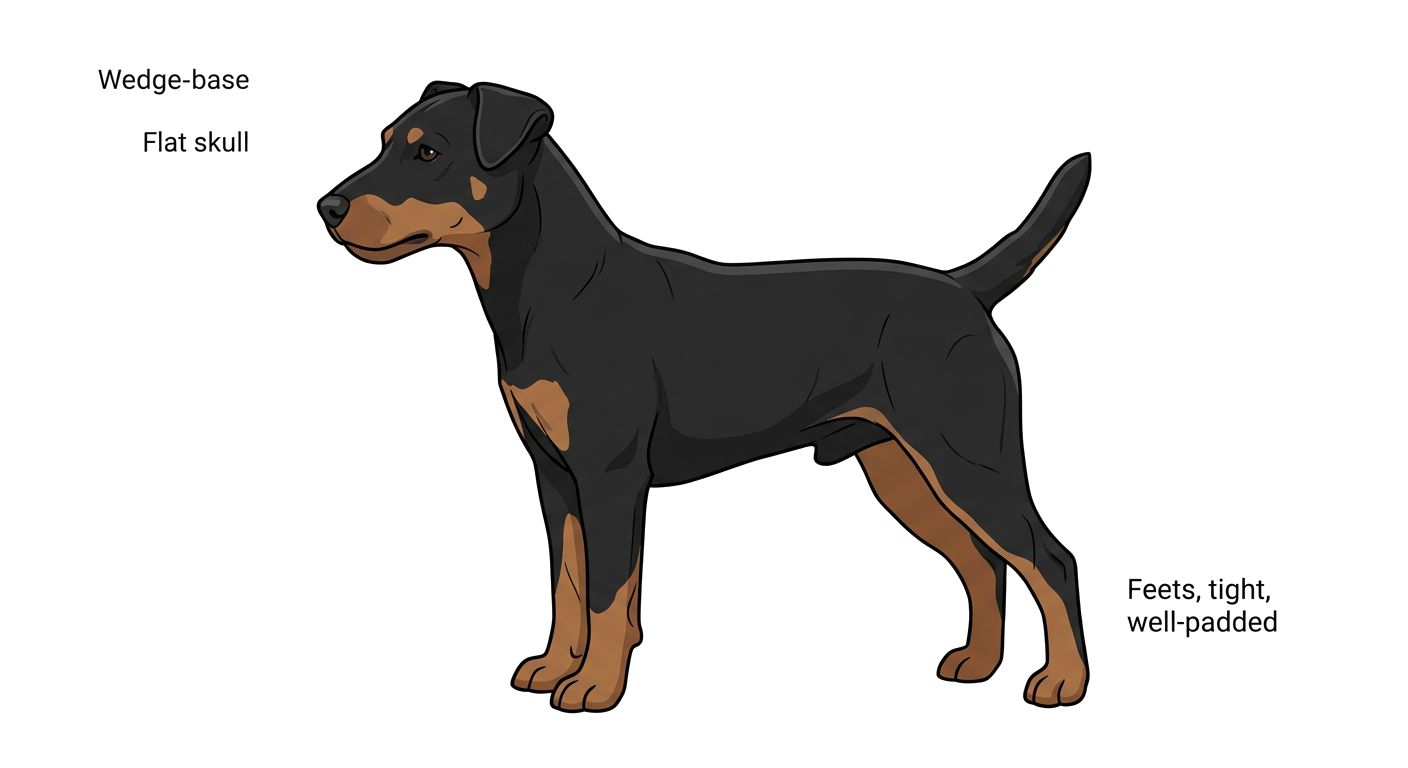
Point 1
Skull
Flat and only slightly broader between the ears, with a barely marked stop — a narrow, workmanlike head that can follow its quarry into a tight earth.
Colours & patterns
Recognised coats
Which coats the standard accepts — and which are simply popular.
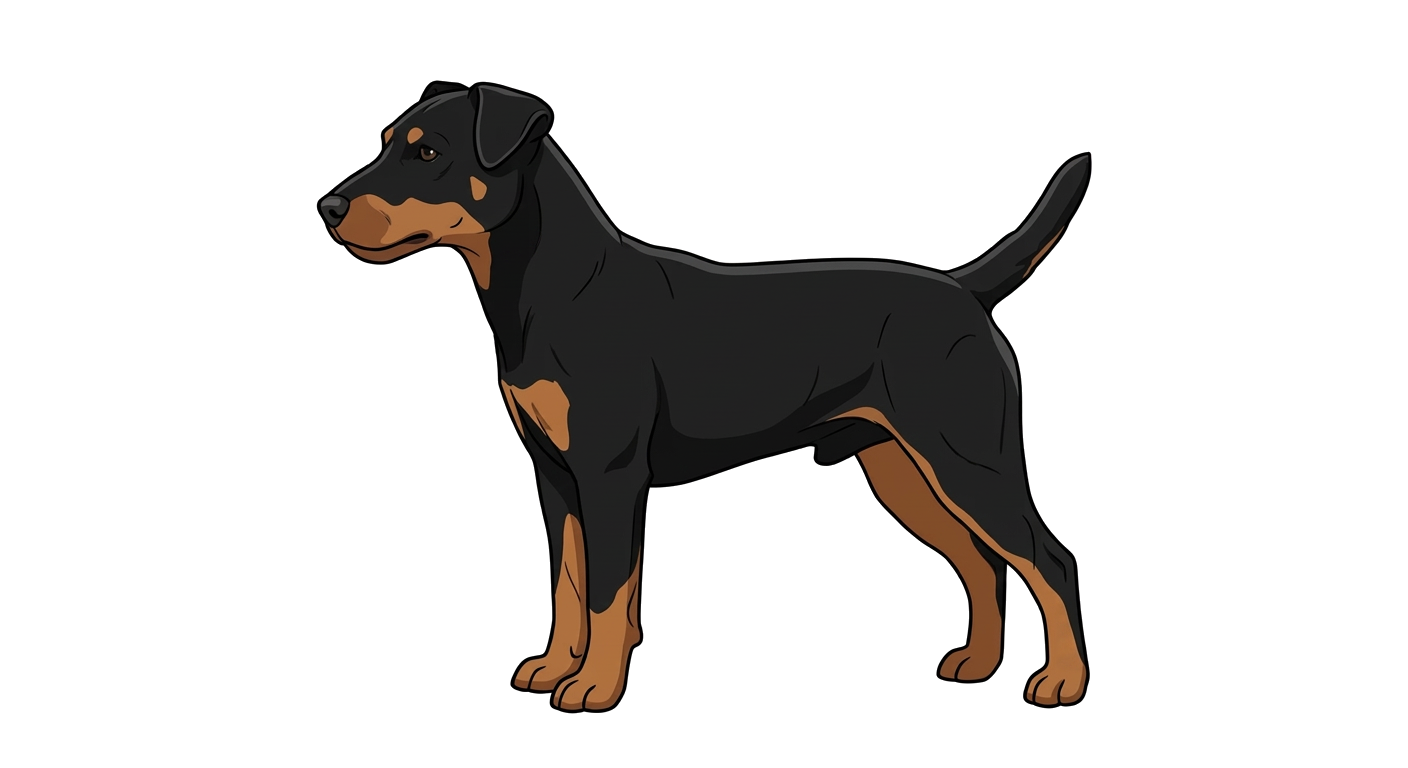
Black & Tan
Standard colour
The classic and commonest colour: dense black with clearly defined tan markings.
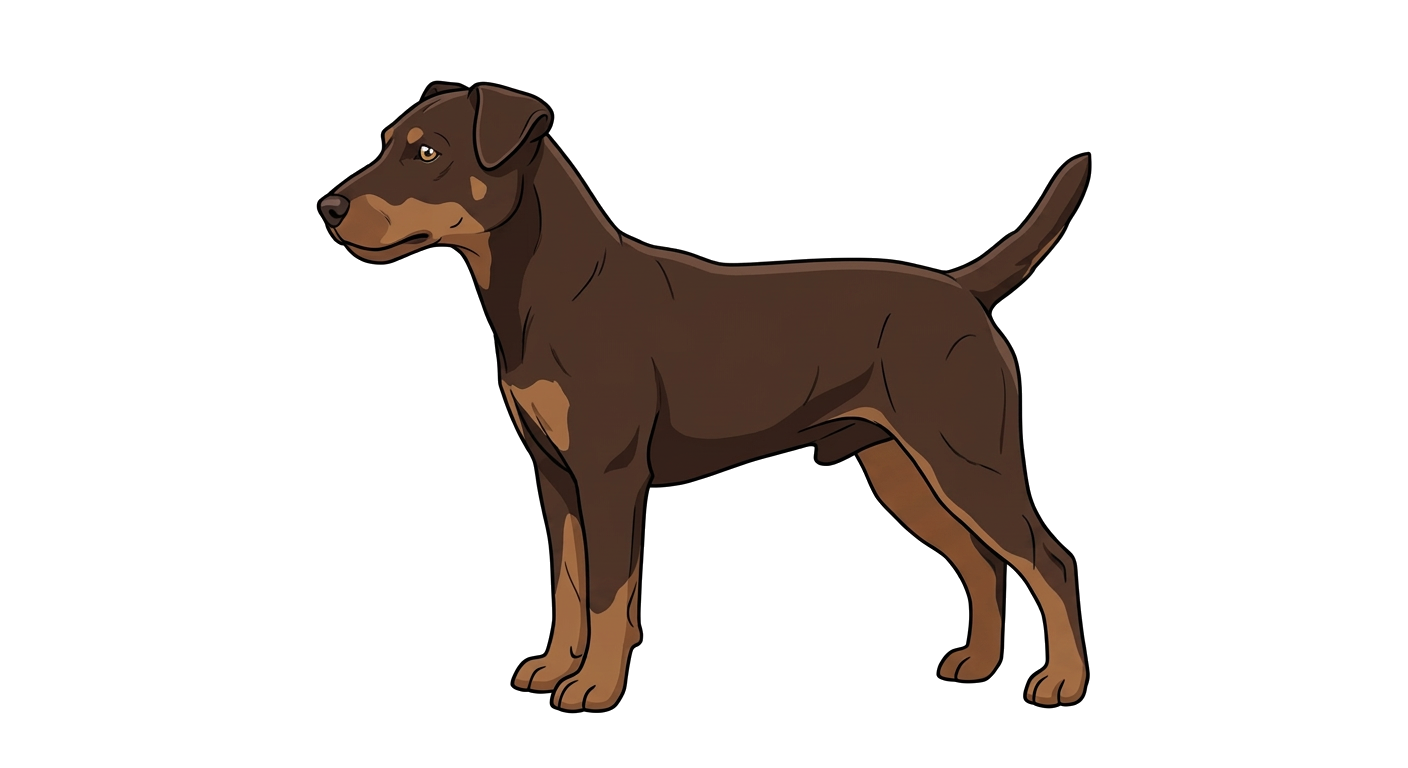
Dark Brown & Tan
Standard colour
Deep chocolate brown replacing the black, with the same tan pattern.
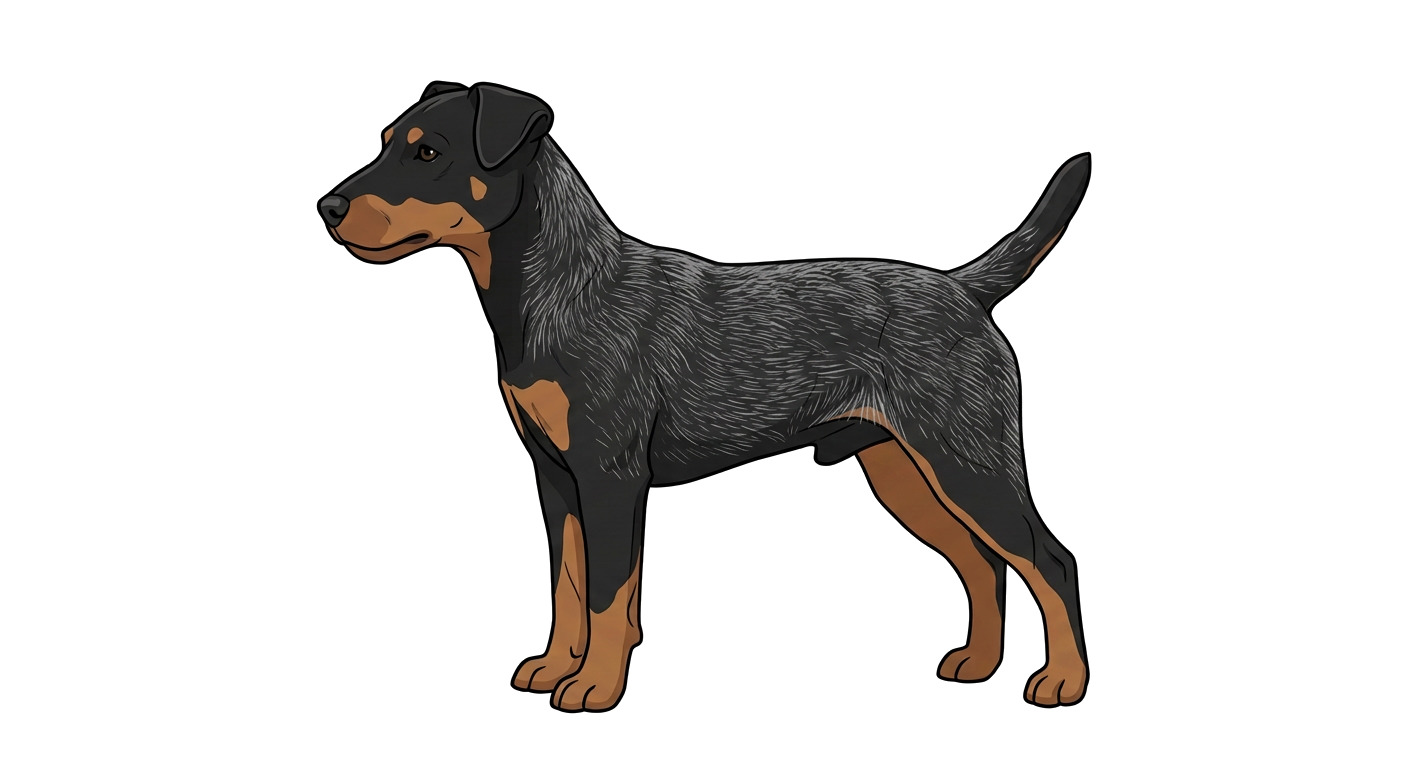
Greying Black
Standard colour
Black interspersed with grey hairs, giving a slightly frosted saddle.
Timeline
History & development
1920s
Bred for the job
A group of German hunters, dissatisfied with show-bred Fox Terriers, set out to recreate a purely working black-and-tan terrier using Fox Terrier, Welsh Terrier and old English terrier lines.
1926
Deutscher Jagdterrier-Club
The breed club was founded to fix the type and, crucially, to make proven hunting performance a condition of registration.
Post-war
Spread across Europe
The Jagdterrier became a standard earth-dog and boar-hunting terrier across Germany, Austria, the Czech lands and Scandinavia.
Today
A working breed still
Recognised by the FCI as breed 103 in the terrier group. Breeding stock must still pass working tests, so the hunting drive remains fully intact.
Reference
Breed standard summary
- body
- Deep but not broad chest, ribs carried well back, firm level back, strong loin, moderate tuck-up.
- coat
- Two coat types, both correct: harsh, dense and rough with a beard, or short, dense and smooth. Both must be weatherproof with a thick undercoat.
- ears
- Set high, V-shaped, carried folded close to the skull.
- eyes
- Small, dark, deep-set with tight lids; a light or protruding eye is a serious fault.
- gait
- Free, ground-covering, economical and tireless; parallel movement seen from front and rear.
- head
- Wedge-shaped, flat skull with a slightly marked stop; strong deep muzzle nearly as long as the skull.
- neck
- Strong, of moderate length, with tight skin at the throat.
- size
- Dogs 33-40 cm; bitches 33-40 cm. Weight 9-10 kg for dogs, 7.5-8.5 kg for bitches.
- tail
- Set high, carried slightly raised, not curled over the back.
- colour
- Black, dark brown or greying-black with clearly defined light brown to tan markings on eyebrows, muzzle, chest, legs and around the vent. Small white markings on chest and toes are tolerated.
- muzzle
- Powerful with strong jaws, complete scissor bite and well-developed lips.
- temperament
- Courageous, hard, tough and enduring, reliable in the hunt, biddable and trustworthy with its handler. Neither nervous nor sharp with people.
- general appearance
- A small, compact, well-proportioned working terrier of hard condition, slightly longer than tall, with an alert and determined expression.
Health
What to screen for
Green means little to worry about, amber means ask the breeder for test results, red means manage it actively.
Primary lens luxation
Screen for it
Ask for eye testing in both parents; sudden eye pain needs urgent attention.
Patellar luxation
Screen for it
Watch for skipping on a hind leg in young dogs.
Working injuries
Screen for it
Bites, skin tears, eye and dental damage from going to ground — check after every outing.
Hereditary ataxia
Watch closely
A DNA test exists; confirm parents are tested or clear by descent.
Hip dysplasia
Watch closely
Uncommon but worth scoring in breeding stock.
General information only — always speak to your vet about your own dog.
From real owners
Dogs like this
Jagdterriers added by PawPoint members through their pet passports. Share yours to appear here.
Loading the wall…
Made for the Jagdterrier
The book, plus prints, hoodies and mugs using our own Jagdterrier illustration — and one everyday accessory that suits any dog.

The book
Pawpoint: The Complete Dog Breed Book
Every officially recognised breed plus the unofficial ones nobody else documents. 400+ pages, hardback, printed and shipped from the UK.
Own stock — shipped by us
Framed poster
Jagdterrier Framed Poster
Museum-weight print of our Jagdterrier illustration, framed or unframed.
Printed to order
Hoodie
Jagdterrier Hoodie
Heavyweight hoodie carrying the Jagdterrier illustration on the chest.
Printed to order
Mug
Jagdterrier Mug
Ceramic mug with the Jagdterrier illustration wrapped around it.
Printed to order
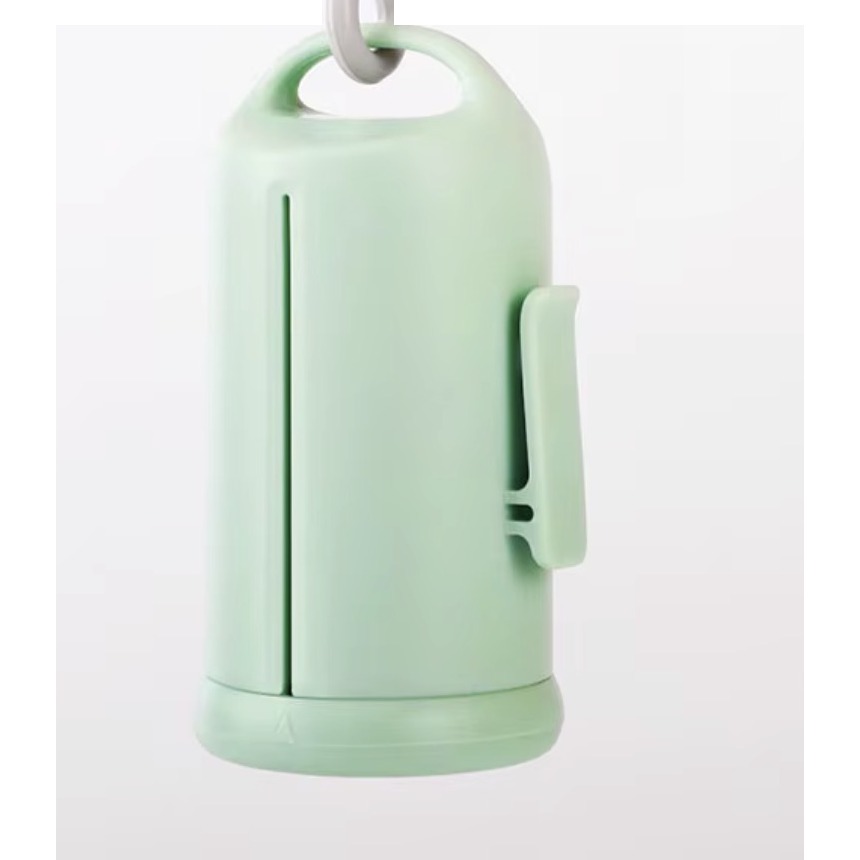
Accessory
Waste Bag Dispenser
Clips to the lead, holds one standard roll.
Fits any dog
Pawpoint on YouTube
Watch the full Jagdterrier video
Breed deep-dives, history and honest ownership talk. New film every week.
Watch now