
Jämthund
YEMT-hund
Sweden· Jämtland, central Sweden
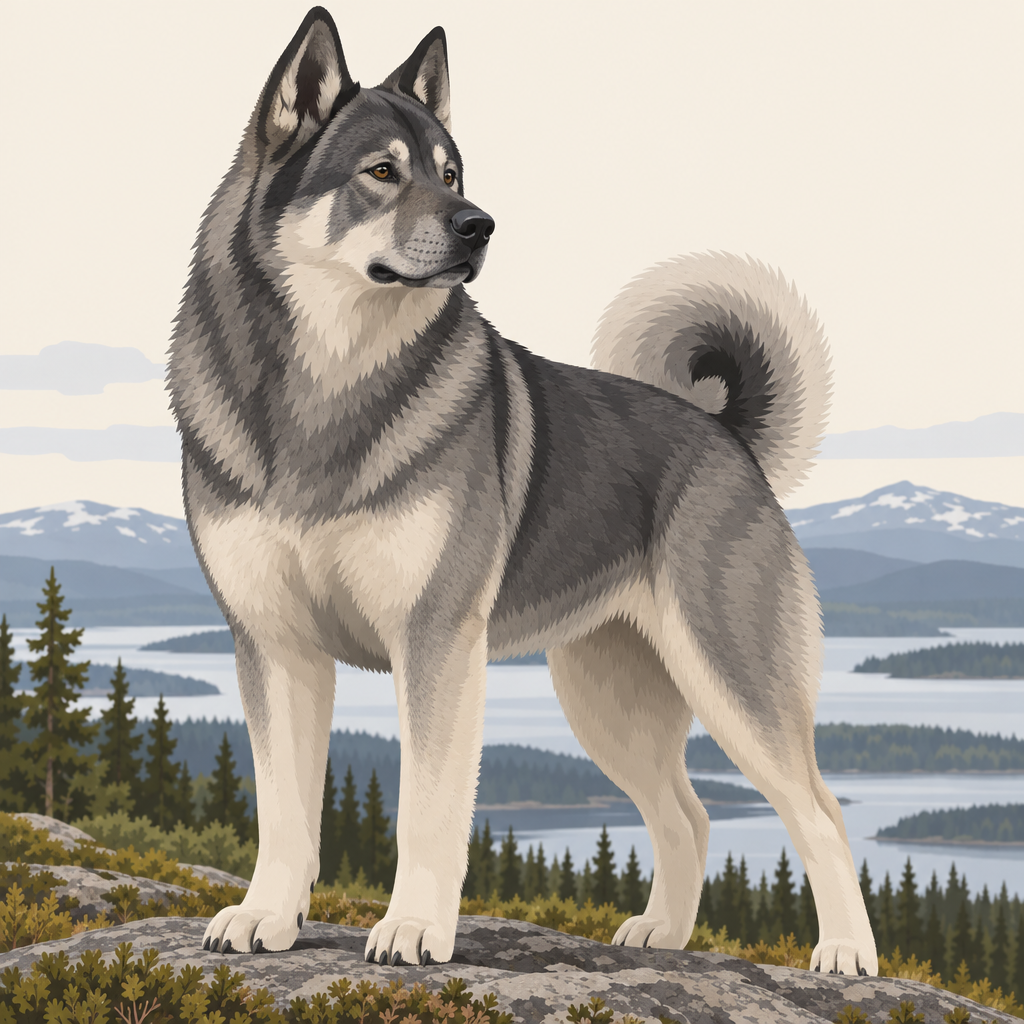
The Jämthund is a large Swedish spitz bred in the forests of Jämtland to hunt elk and bear and to guard the homestead.
At a glance
Quick facts
Size
Large
Exercise needs
2 hours+ per day
Home size suited to
Large
Grooming frequency
Weekly brush, heavy seasonal shed
Coat length
Medium, dense double coat
Sheds
Yes, heavily
Lifespan
12-13 years
Town or country
Country preferred
Garden size needed
Large, secure
Where it comes from
Origins of the Jämthund
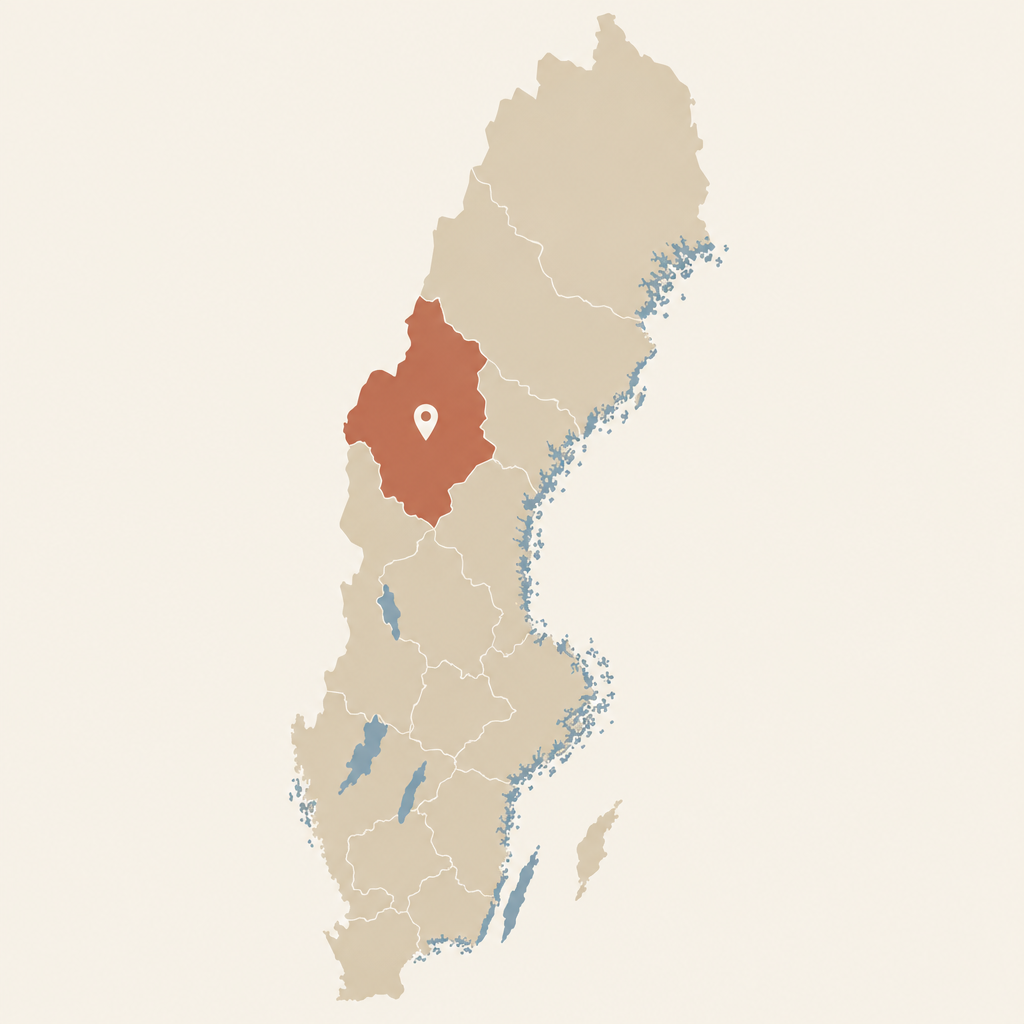
The vast conifer forests of Jämtland, with their deep snow and long dark winters, are elk country, and hunting elk there demanded a big, silent-tracking spitz that could hold a moose at bay until the hunter arrived. The Jämthund grew up alongside the settlers of this harsh region, doubling as a guard and general farm dog. Its size, coat and courage are all answers to that landscape.
- Region
- Jämtland, central Sweden
- Climate it was bred for
- Subarctic boreal forest with long, snow-bound winters
- Original job
- Hunting elk (moose) and bear, and guarding homesteads in the northern forests
The long read
About the breed
For centuries the big spitz dogs of central Sweden were all-rounders, but their great work was the elk hunt: ranging silently through the forest, finding the moose, then holding it with bark and movement without ever closing in recklessly. That job produced a powerful, wolf-grey dog with stamina, independence and remarkable courage, wrapped in a dense double coat that shrugs off a Scandinavian winter.
With its family the Jämthund is calm, loyal and surprisingly gentle, and it is famously good with children, but this is not a beginner's dog. It is independent-minded, needs firm and consistent training, and has a strong hunting instinct that makes recall work essential. It needs space, cold-weather exercise and an owner who understands primitive spitz character.
The breed was separated from the Norwegian Elkhound and formally recognised in Sweden in 1946, and it remains the national dog of Sweden in all but statute. Most Jämthunds still work: elk hunting with the breed is deeply embedded in Swedish rural culture, and hunting trials keep the working instinct central to breeding decisions.
Outside the standard
Other colours
Dilute coats you will see advertised. They are the same breed, but no kennel club accepts them.
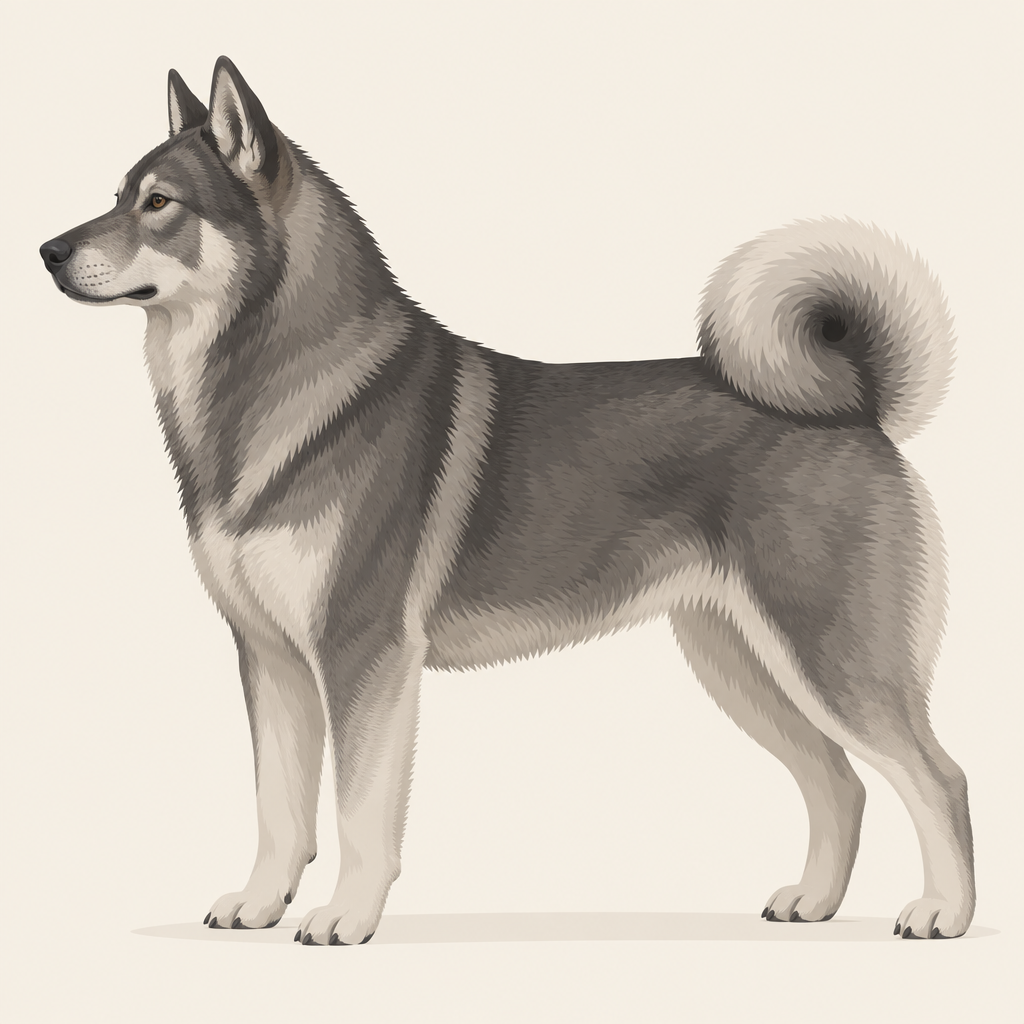
Not in the standard
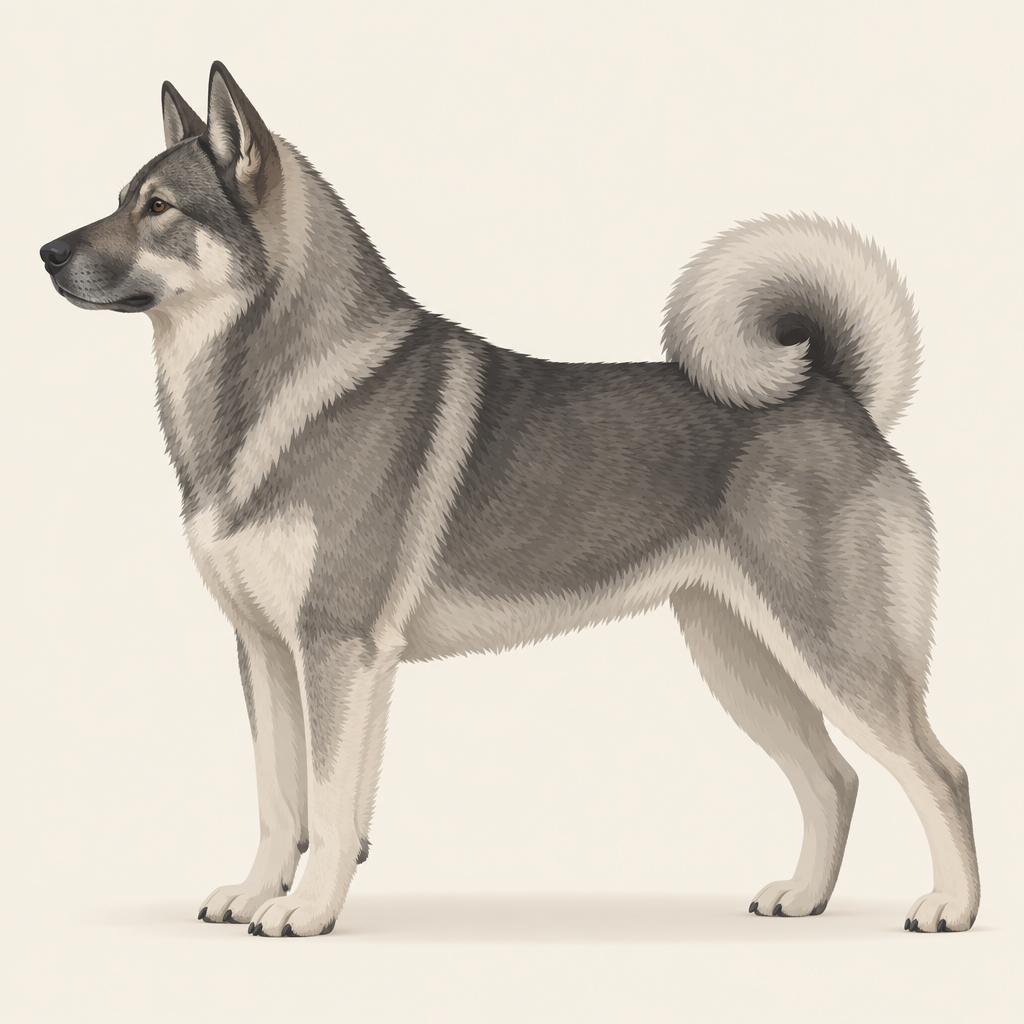
Not in the standard
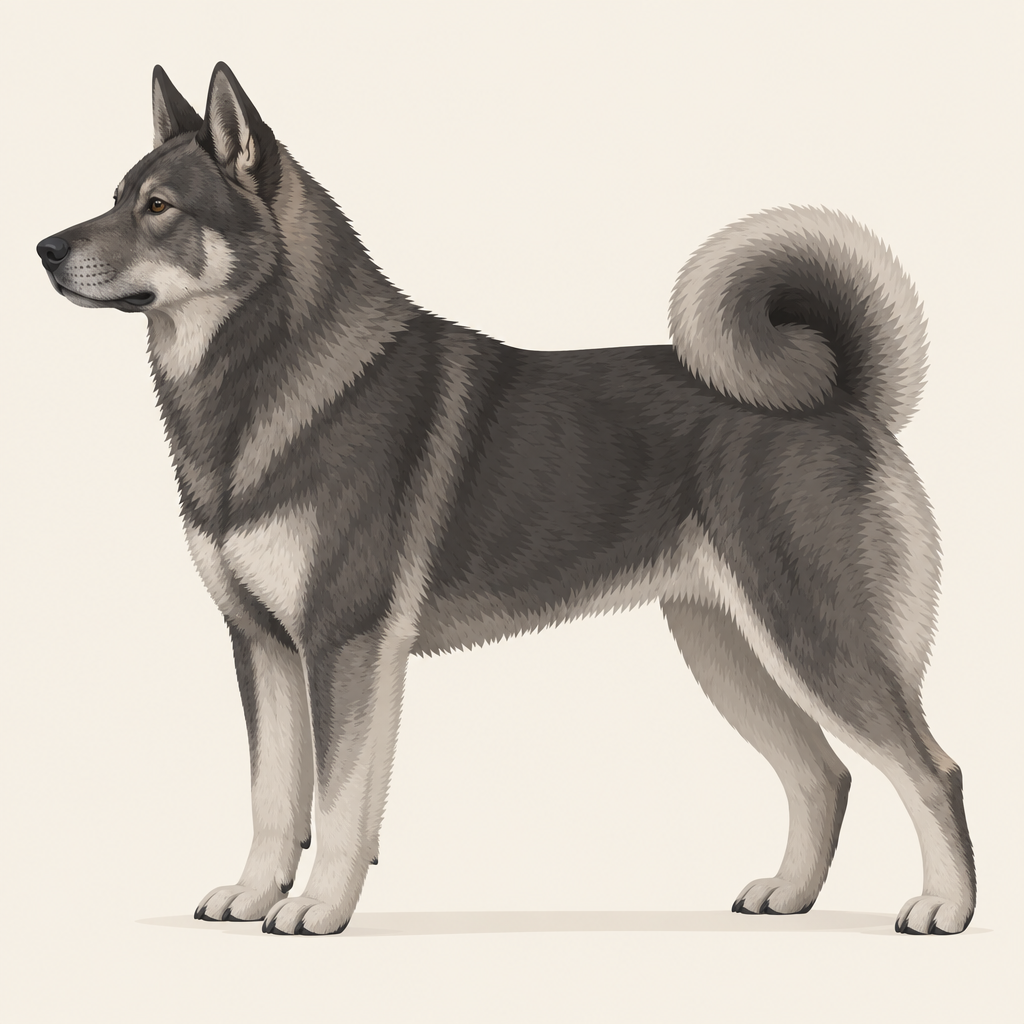
Not in the standard
Timeline
History & development
Prehistoric
Northern spitz roots
Large spitz-type dogs accompany settlers into Scandinavia's forests, hunting big game and guarding camps.
1800s
Elk dogs of Jämtland
The big grey hunting spitz becomes firmly associated with the Jämtland province and its elk hunters.
1946
Swedish recognition
The Jämthund is formally recognised in Sweden as a breed distinct from the Norwegian Elkhound.
1956
FCI recognition
The FCI recognises the breed internationally in the Nordic hunting spitz section.
2020s
Working icon
Still Sweden's premier elk-hunting dog, with most puppies going to working hunting homes.
Reference
Breed standard summary
- body
- Powerful and rectangular; deep chest, straight back, muscular loin and slight tuck-up.
- coat
- Close-lying harsh topcoat with a soft, dense, light-coloured undercoat; short on the head and front of legs, longer on neck, thighs and tail.
- ears
- Set high, erect, pointed and slightly longer than the width at the base; very mobile.
- eyes
- Slightly oval, brown, calm and fearless in expression.
- head
- Long, clean-cut and fairly broad between the ears; moderate stop; strong muzzle tapering without snipiness.
- size
- Dogs 57-65cm, bitches 52-60cm at the withers.
- colour
- Wolf grey in various shades, with a characteristic light grey or cream undercoat and lighter shading on muzzle, cheeks, chest, belly and legs; dark mask and mantle markings typical.
- temperament
- Calm, courageous and energetic; independent but loyal to its family; an enduring and determined hunting dog.
- general appearance
- Large, powerful spitz of rectangular outline; wolf-like in appearance, with erect ears and a tightly curled tail; gives an impression of strength and endurance.
Health
What to screen for
Green means little to worry about, amber means ask the breeder for test results, red means manage it actively.
General information only — always speak to your vet about your own dog.
From real owners
Dogs like this
Jämthunds added by PawPoint members through their pet passports. Share yours to appear here.
Loading the wall…
Made for the Jämthund
The book, plus prints, hoodies and mugs using our own Jämthund illustration — and one everyday accessory that suits any dog.

The book
Pawpoint: The Complete Dog Breed Book
Every officially recognised breed plus the unofficial ones nobody else documents. 400+ pages, hardback, printed and shipped from the UK.
Own stock — shipped by us
Framed poster
Jämthund Framed Poster
Museum-weight print of our Jämthund illustration, framed or unframed.
Printed to order
Hoodie
Jämthund Hoodie
Heavyweight hoodie carrying the Jämthund illustration on the chest.
Printed to order
Mug
Jämthund Mug
Ceramic mug with the Jämthund illustration wrapped around it.
Printed to order
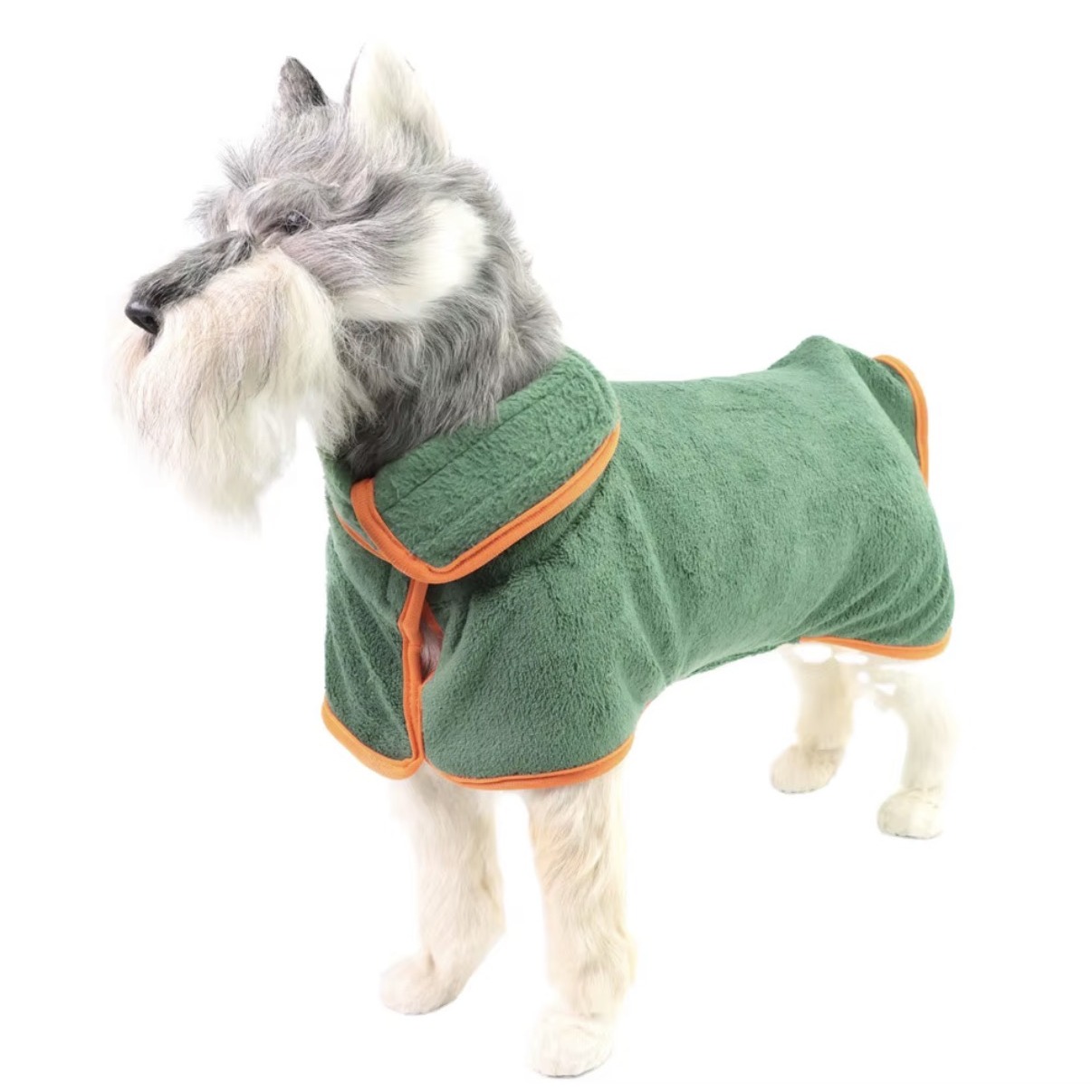
Accessory
Drying Towel Robe
Microfibre robe that soaks up a wet-walk shake.
Fits any dog
Pawpoint on YouTube
Watch the full Jämthund video
Breed deep-dives, history and honest ownership talk. New film every week.
Watch now