
Japanese Shiba Inu
SHEE-bah EE-noo
Japan· Mountainous regions of Honshu
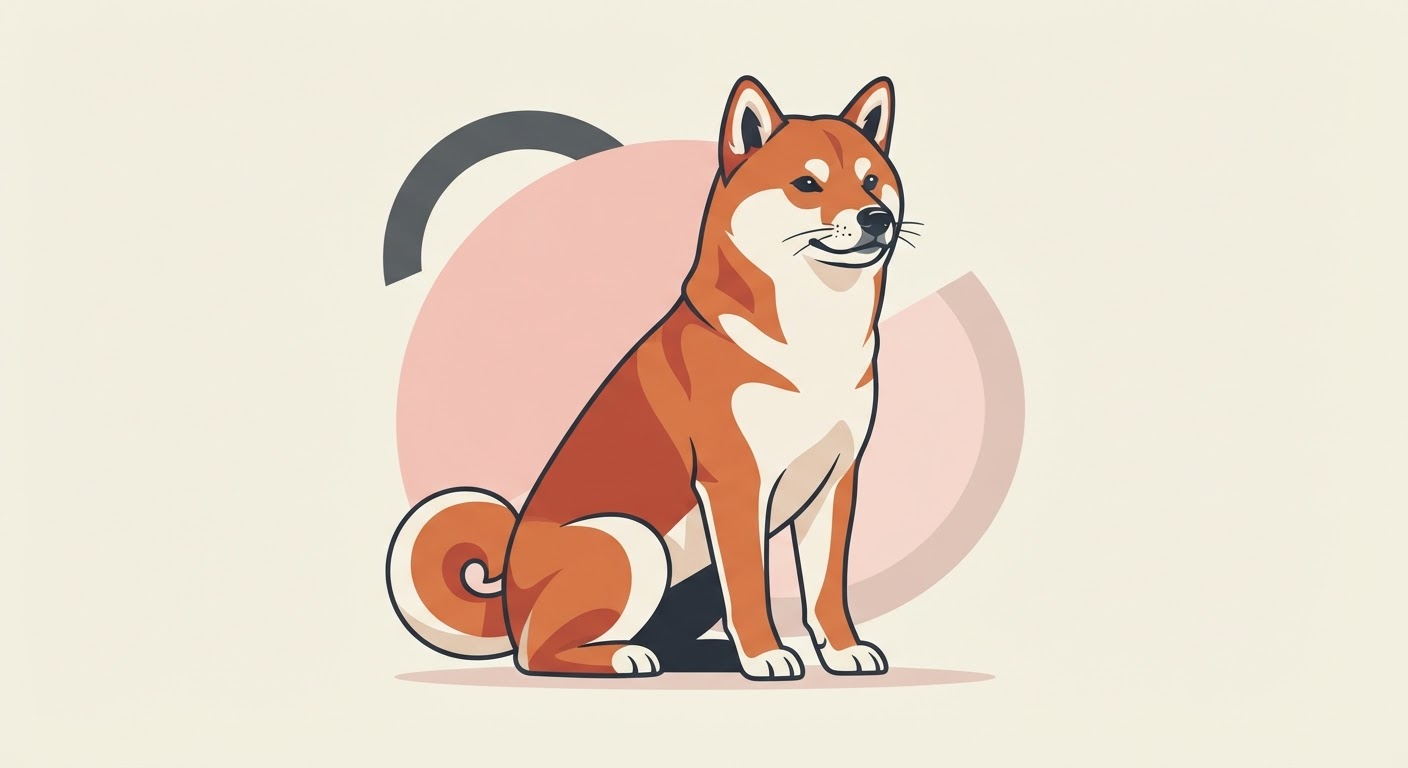
The Shiba Inu is a small, fox-like spitz breed from Japan, developed to flush and hunt small game in the mountainous terrain of the country's interior.
At a glance
Quick facts
Size
Small
Exercise needs
45-60 minutes daily
Home size suited to
Flat or small home
Grooming frequency
Weekly brush, hand-strip a few times a year
Coat length
Wiry
Sheds
Yes, heavily when moulting
Lifespan
12-15 years
Town or country
Either, happy in town
Garden size needed
Small garden or none
Where it comes from
Origins of the Japanese Shiba Inu
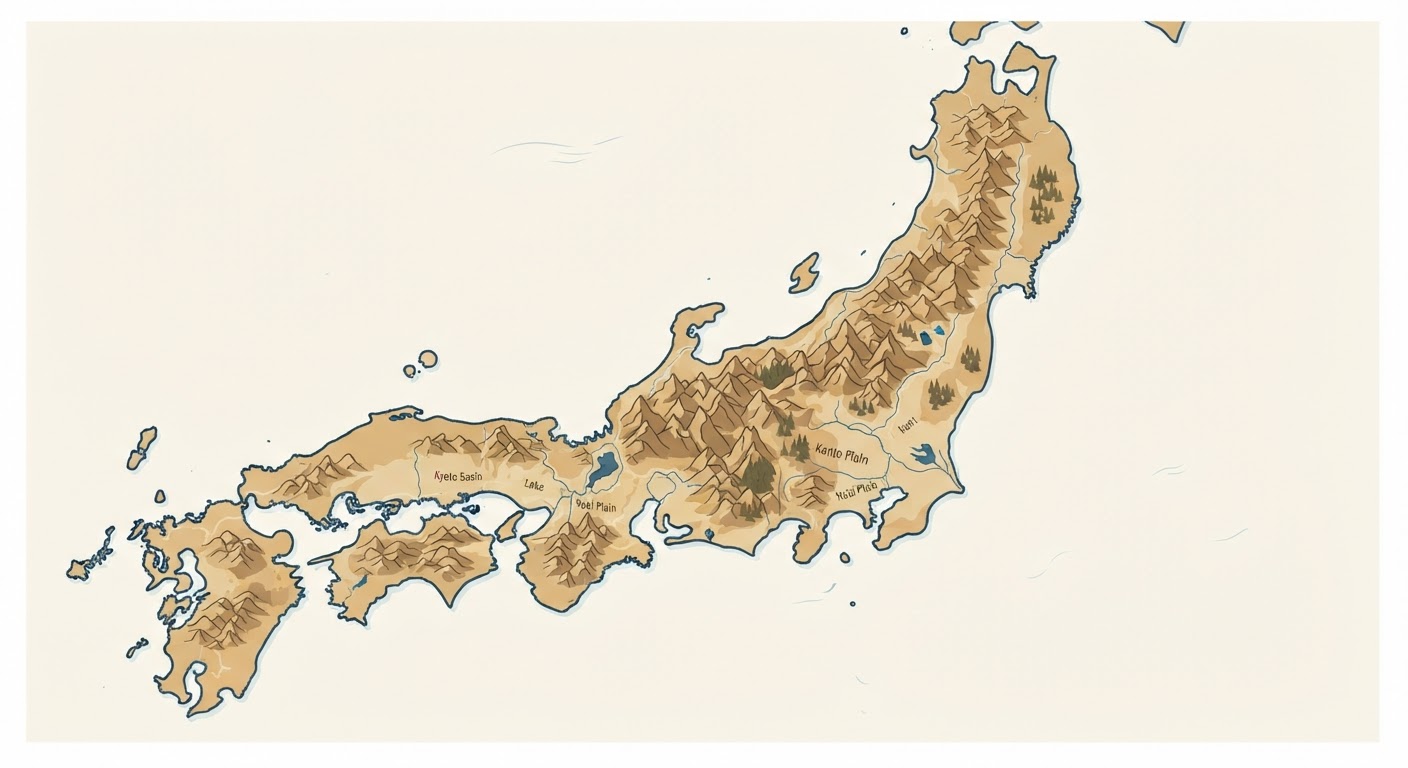
Bred to hunt in the dense, mountainous brush of Honshu, the Shiba's compact size, keen senses and thick double coat suited a hunter who needed to move fast through rough terrain and cold winters.
- Region
- Mountainous regions of Honshu
- Climate it was bred for
- Mountainous, cold winters
- Original job
- Flushing small game and birds in mountain terrain
The long read
About the breed
One of Japan's oldest native breeds, the Shiba's ancestors were used by hunters in the mountains of Honshu to flush birds and small game, and possibly wild boar, working in dense brush where a small, agile dog with keen senses had the advantage over a larger one. The breed nearly disappeared after the Second World War, when distemper, food shortages and the effects of bombing devastated dog populations across Japan, and it survived only through a concerted post-war effort to interbreed the few remaining regional bloodlines, including the Shinshu, Mino and San'in strains.
The Shiba is famous, sometimes notoriously so, for its independent, almost cat-like temperament; it is intelligent and alert but not naturally biddable, and many owners describe a stubborn streak that requires patient, consistent training rather than repetition-based obedience work. It is fastidiously clean, often grooming itself like a cat, and tends to be reserved or even standoffish with strangers and other dogs, a trait sometimes called "shiba-ness" by devoted owners. The dense double coat sheds year-round with two heavy seasonal blowouts, requiring considerably more brushing during those periods.
Today the Shiba Inu is Japan's most popular companion dog and has a substantial following internationally, partly amplified by its internet fame through memes and the "Doge" phenomenon. It suits owners prepared for a strong-willed, vocal, somewhat cat-like dog rather than one seeking easy, eager-to-please obedience.
Living with one
Temperament & needs
Our own ratings, based on the breed standard and how these dogs behave in ordinary homes.
Friendliness
2/5
How openly the Japanese Shiba Inu greets people it does not know.
Trainability
2/5
Understands quickly, complies selectively.
Energy
3/5
Brisk daily walks suit it; it is not a tireless runner.
Barking
2/5
Quiet day to day, but capable of a piercing scream when restrained.
Grooming
4/5
Sheds heavily twice a year in dense clouds of undercoat.
Suits a first-time owner
2/5
How forgiving the Japanese Shiba Inu is for someone taking on their first dog.
Sociability
2/5
Aloof with strangers and often intolerant of pushy dogs.
Independence
5/5
Highly self-directed; recall is unreliable off lead.
Illustrated breed standard
The points of the breed
Hover or tap a numbered point to read what the standard asks for.
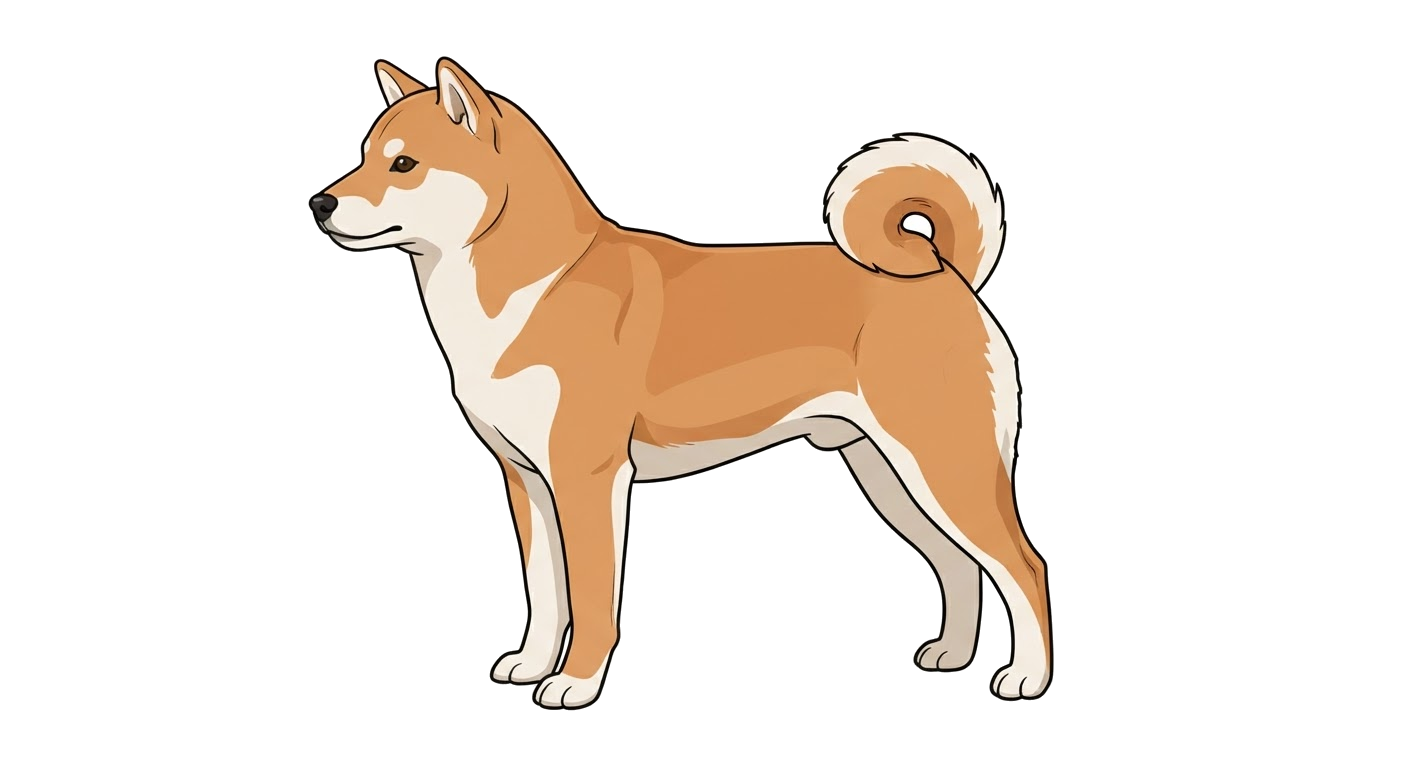
Point 1
Skull
The Japanese Shiba Inu's skull is judged on balance rather than size — proportionate to the body, with a clean cheek and a stop typical of the breed. Coarseness or an over-refined head are both faulted.
Colours & patterns
Recognised coats
Which coats the standard accepts — and which are simply popular.
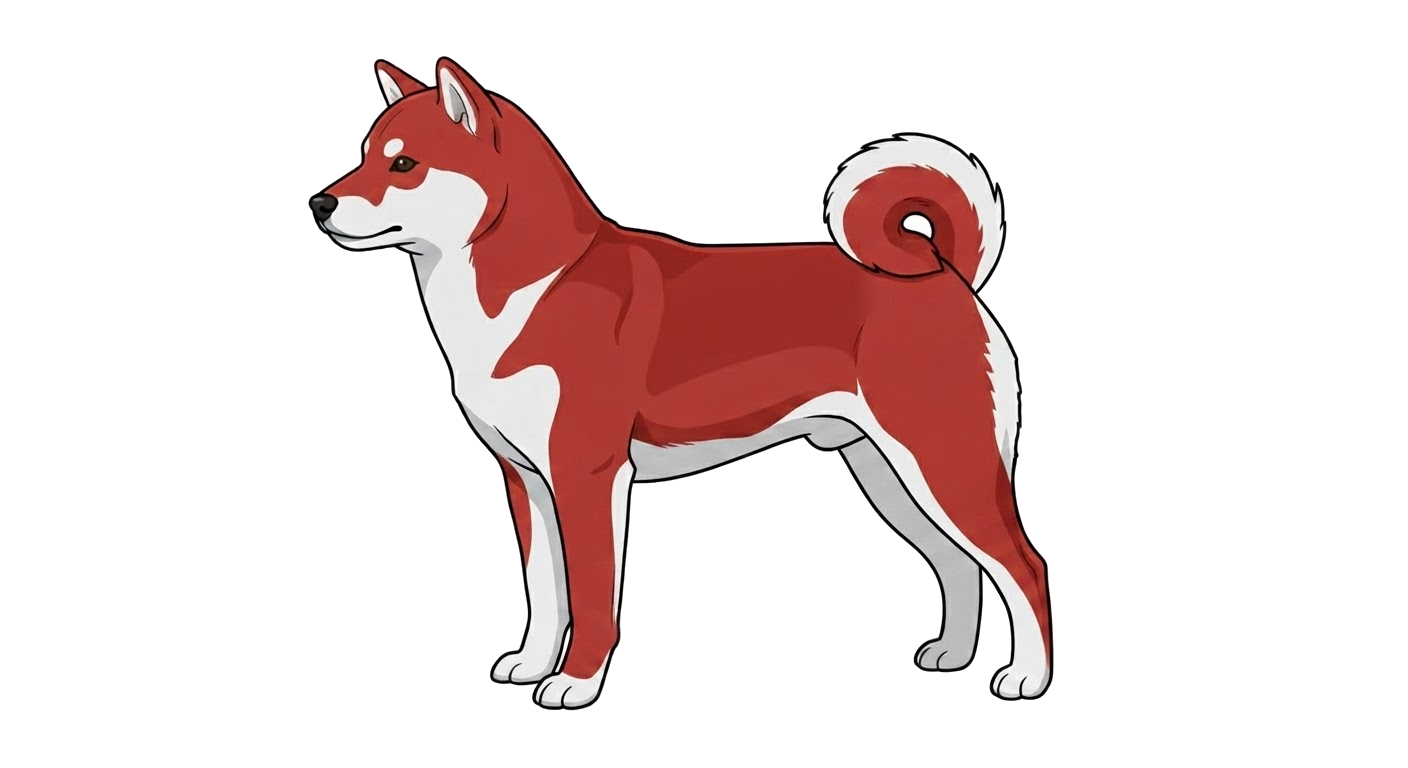
Red
Standard colour
The most iconic and common colour, with cream urajiro markings.
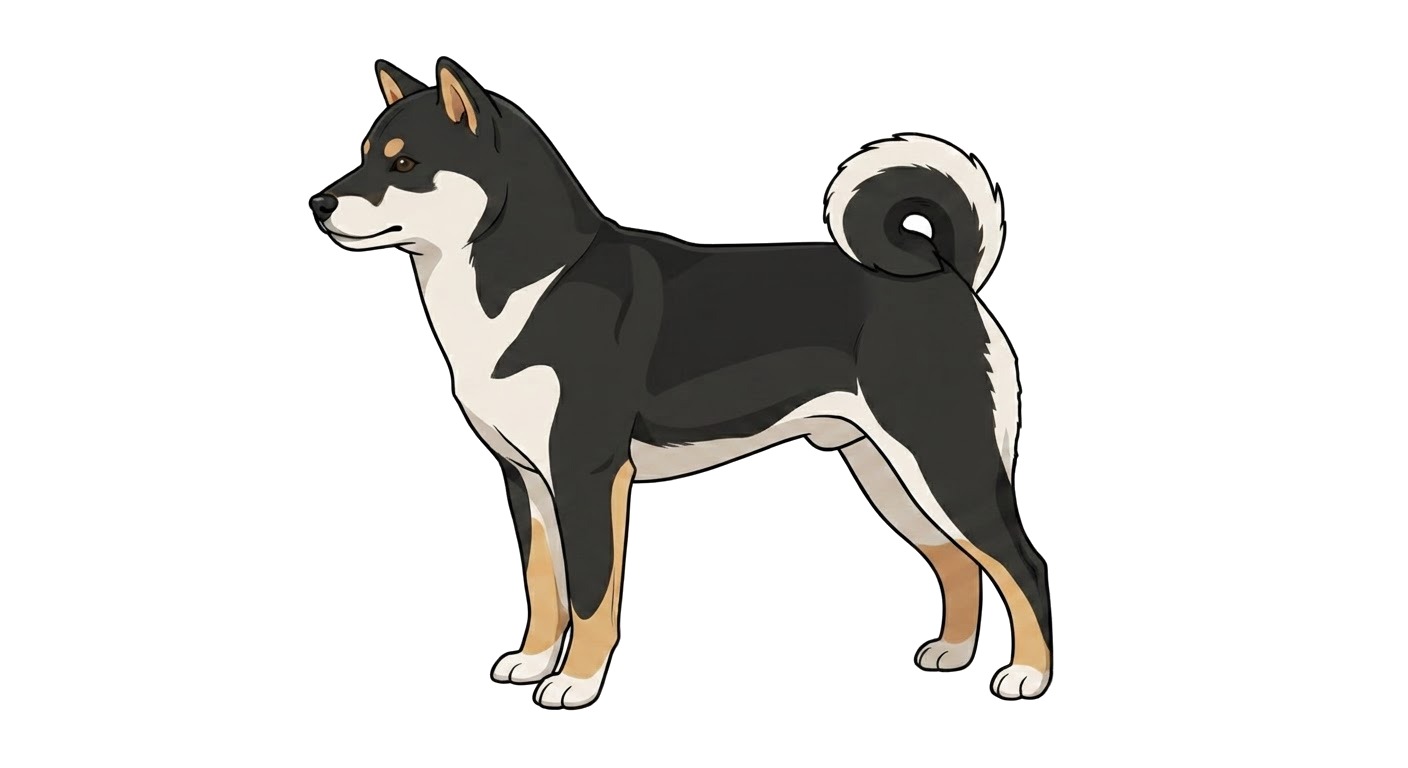
Black and tan
Standard colour
A striking accepted combination, also with urajiro markings.
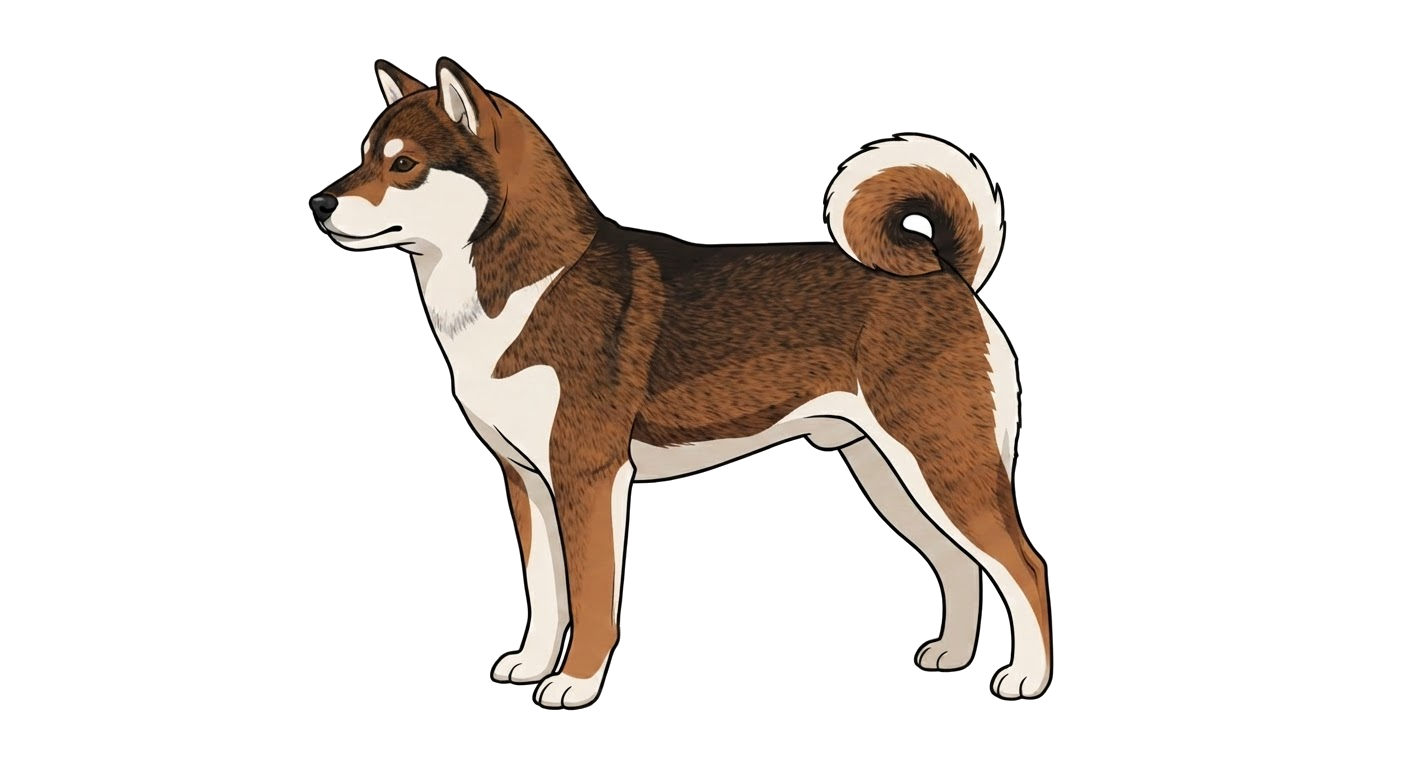
Sesame
Standard colour
Red base with black-tipped hairs, evenly distributed.
Outside the standard
Other colours
Dilute coats you will see advertised. They are the same breed, but no kennel club accepts them.
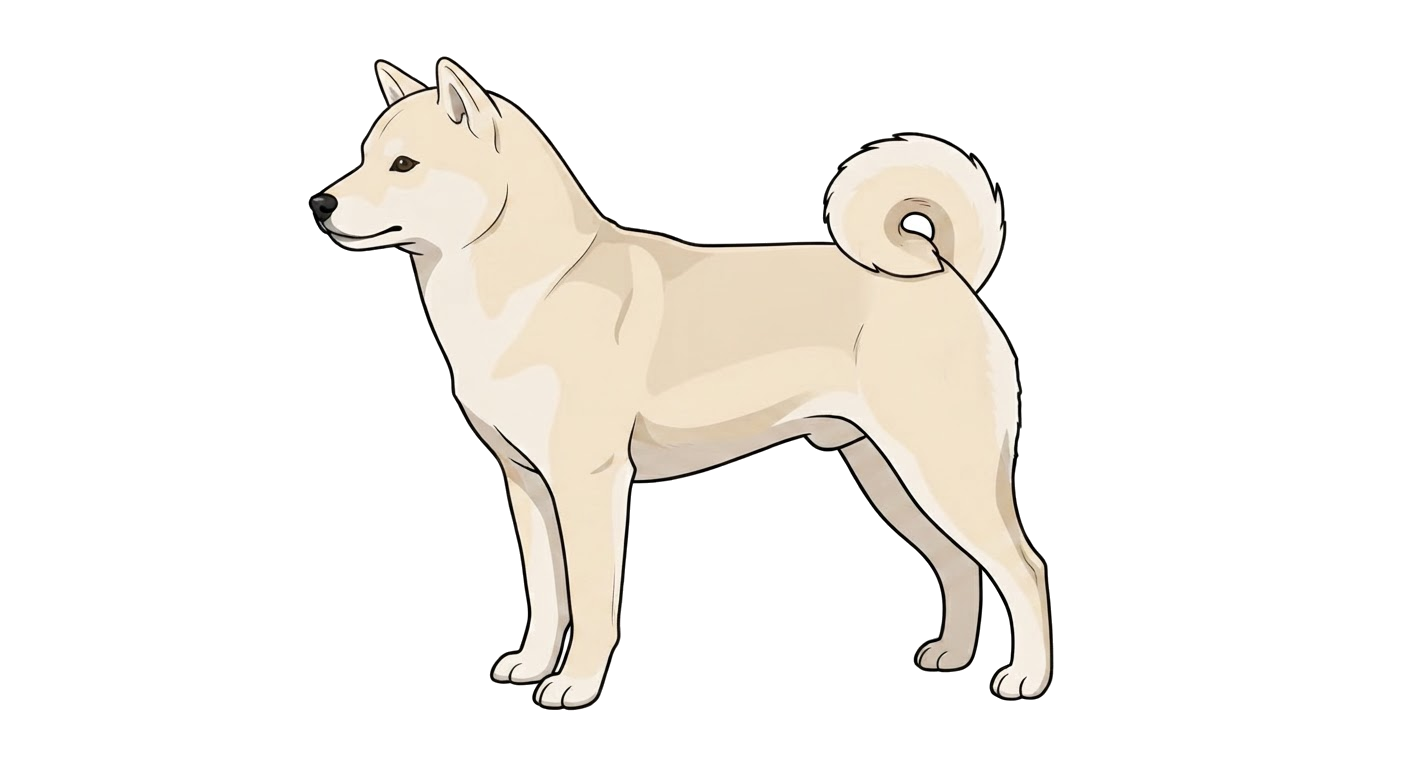
Cream
Not in the standard
A recessive colour, seen but considered a fault in most standards.
Timeline
History & development
pre-300 BC
Ancient origins
Small hunting dogs resembling the Shiba are believed to have existed in Japan for millennia.
1920s
Recognition of regional strains
Distinct regional bloodlines, including Shinshu, Mino and San'in, were identified.
1944
Wartime decline
The breed was nearly wiped out by distemper and wartime hardship.
1954
Introduction to the US
The first Shiba Inu was brought to the United States by a military family.
1992
AKC recognition
The Shiba Inu was formally recognised by the American Kennel Club.
Reference
Breed standard summary
- body
- Well-balanced, moderate bone.
- coat
- Double, harsh outer coat, soft undercoat.
- ears
- Small, triangular, erect.
- eyes
- Small, triangular, dark.
- gait
- Light, quick, agile.
- head
- Broad forehead, moderate stop.
- size
- Small
- tail
- Thick, carried curled over the back.
- colour
- Red, Black and tan, Sesame. Colours outside this list are seen but are not accepted by the kennel clubs.
- temperament
- Typical of the breed: strongest in independence, grooming, energy. Nervousness or aggression are serious faults in the show ring and in the home.
- general appearance
- Compact, well-muscled spitz with a fox-like expression.
Health
What to screen for
Green means little to worry about, amber means ask the breeder for test results, red means manage it actively.
Hip and elbow dysplasia
Screen for it
Ask for hip and elbow scores on breeding parents.
Patellar luxation
Screen for it
Ask whether parents have been checked for kneecap stability.
Progressive retinal atrophy
Screen for it
DNA testing is available and worth asking about.
Allergies
Low concern
Skin sensitivities are fairly common; ask about diet and skin history.
General information only — always speak to your vet about your own dog.
From real owners
Dogs like this
Japanese Shiba Inus added by PawPoint members through their pet passports. Share yours to appear here.
Loading the wall…
Made for the Japanese Shiba Inu
The book, plus prints, hoodies and mugs using our own Japanese Shiba Inu illustration — and one everyday accessory that suits any dog.

The book
Pawpoint: The Complete Dog Breed Book
Every officially recognised breed plus the unofficial ones nobody else documents. 400+ pages, hardback, printed and shipped from the UK.
Own stock — shipped by us
Framed poster
Japanese Shiba Inu Framed Poster
Museum-weight print of our Japanese Shiba Inu illustration, framed or unframed.
Printed to order
Hoodie
Japanese Shiba Inu Hoodie
Heavyweight hoodie carrying the Japanese Shiba Inu illustration on the chest.
Printed to order
Mug
Japanese Shiba Inu Mug
Ceramic mug with the Japanese Shiba Inu illustration wrapped around it.
Printed to order

Accessory
Travel Water Bottle & Bowl
550ml bottle with a fold-out drinking trough.
Fits any dog
Pawpoint on YouTube
Watch the full Japanese Shiba Inu video
Breed deep-dives, history and honest ownership talk. New film every week.
Watch now