
Japanese Terrier
juh-PAN-eez TEH-ree-er
Japan· Kobe and Yokohama, Japan
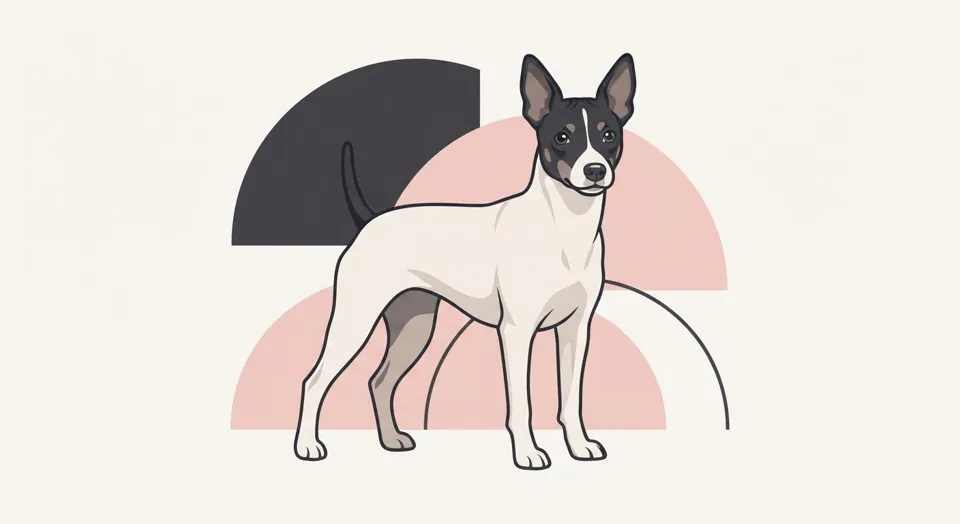
The Japanese Terrier is a small, tricoloured companion breed developed in Japanese port cities.
At a glance
Quick facts
- Size
- Small
- Exercise needs
- 30-60 minutes per day
- Home size suited to
- Any
- Grooming frequency
- Minimal
- Coat length
- Short
- Sheds
- Low
- Lifespan
- 12-14 years
- Town or country
- Either
- Garden size needed
- Small or larger
Where it comes from
Origins of the Japanese Terrier
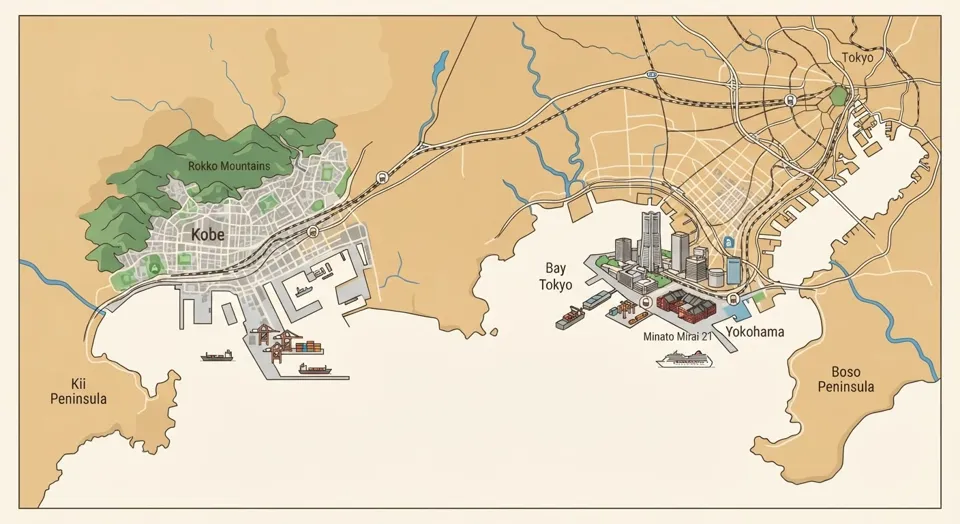
Smooth Fox Terriers brought by foreign traders to the port cities of Kobe and Yokohama were crossed with local toy dogs to produce a small, refined companion suited to Japanese homes. The breed remained rare even in Japan, developed mainly as a household pet rather than a working dog.
- Region
- Kobe and Yokohama, Japan
- Climate it was bred for
- Temperate, humid coastal port cities
- Original job
- Companionship and ratting around port trading areas
The long read
About the breed
Its origins as a refined household pet rather than a working ratter shaped a gentle, lively and affectionate temperament with a neat, elegant build.
It suits owners seeking a small, sociable companion, being generally easy-going indoors though still terrier-alert and playful.
Today it remains extremely rare even within Japan, with dedicated preservation efforts needed to sustain the tiny population.
Living with one
Temperament & needs
Our own ratings, based on the breed standard and how these dogs behave in ordinary homes.
Friendliness
3/5
How openly the Japanese Terrier greets people it does not know.
Trainability
3/5
How readily the breed takes to training in an ordinary home.
Energy
3/5
How much daily exercise and stimulation the breed expects.
Barking
3/5
How vocal the breed tends to be day to day.
Grooming
3/5
How much coat work the breed needs to stay comfortable.
Suits a first-time owner
3/5
How forgiving the Japanese Terrier is for someone taking on their first dog.
Illustrated breed standard
The points of the breed
Hover or tap a numbered point to read what the standard asks for.
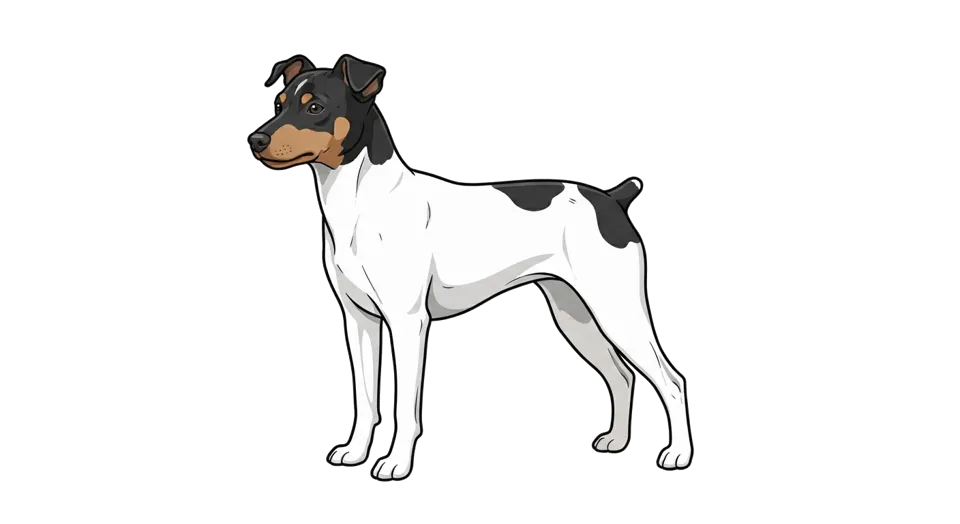
Point 1
Skull
The Japanese Terrier's skull is judged on balance rather than size — proportionate to the body, with a clean cheek and a stop typical of the breed. Coarseness or an over-refined head are both faulted.
Timeline
History & development
1900s
Foreign imports
Smooth Fox Terriers arrived with foreign traders in Kobe and Yokohama.
1930s
Breed stabilised
Local breeding efforts stabilised a small, distinctive Japanese type.
1930
Standard established
An early breed standard was drawn up in Japan.
1964
FCI recognition
The Japanese Terrier gained recognition from the FCI.
2000s
Conservation concern
Numbers dwindled to a critically low population, prompting preservation efforts.
Reference
Breed standard summary
- body
- Slim, well-proportioned body.
- coat
- Short, smooth and glossy.
- ears
- Small, folded forward, high set.
- eyes
- Small, oval, dark.
- head
- Narrow, flat skull with a fine muzzle.
- size
- 30-33cm at the withers
- colour
- White with black or tan markings, or tricolour.
- temperament
- Gentle, lively and affectionate, sociable with people.
- general appearance
- A small, slender, elegant terrier with a smooth tricolour coat.
Health
What to screen for
Green means little to worry about, amber means ask the breeder for test results, red means manage it actively.
General information only — always speak to your vet about your own dog.
From real owners
Japanese Terriers in the PAWPOINT Pack
Japanese Terriers added by PawPoint members through their pet passports. Share yours to appear here.
Loading the wall…
Made for the Japanese Terrier
The book, plus hoodies, tees and mugs featuring the Japanese Terrier.