
Japanese Tosa
TOH-sa
Japan· Tosa province, Shikoku island
The Japanese Tosa is a giant, heavy-boned Molosser developed in Kochi Prefecture from the middle of the nineteenth century, when native Shikoku dogs were crossed with imported Mastiff, Great Dane, Bull Terrier, Bulldog and Pointer stock. It is recognised by the FCI and the Japan Kennel Club, and remains rare outside Japan.
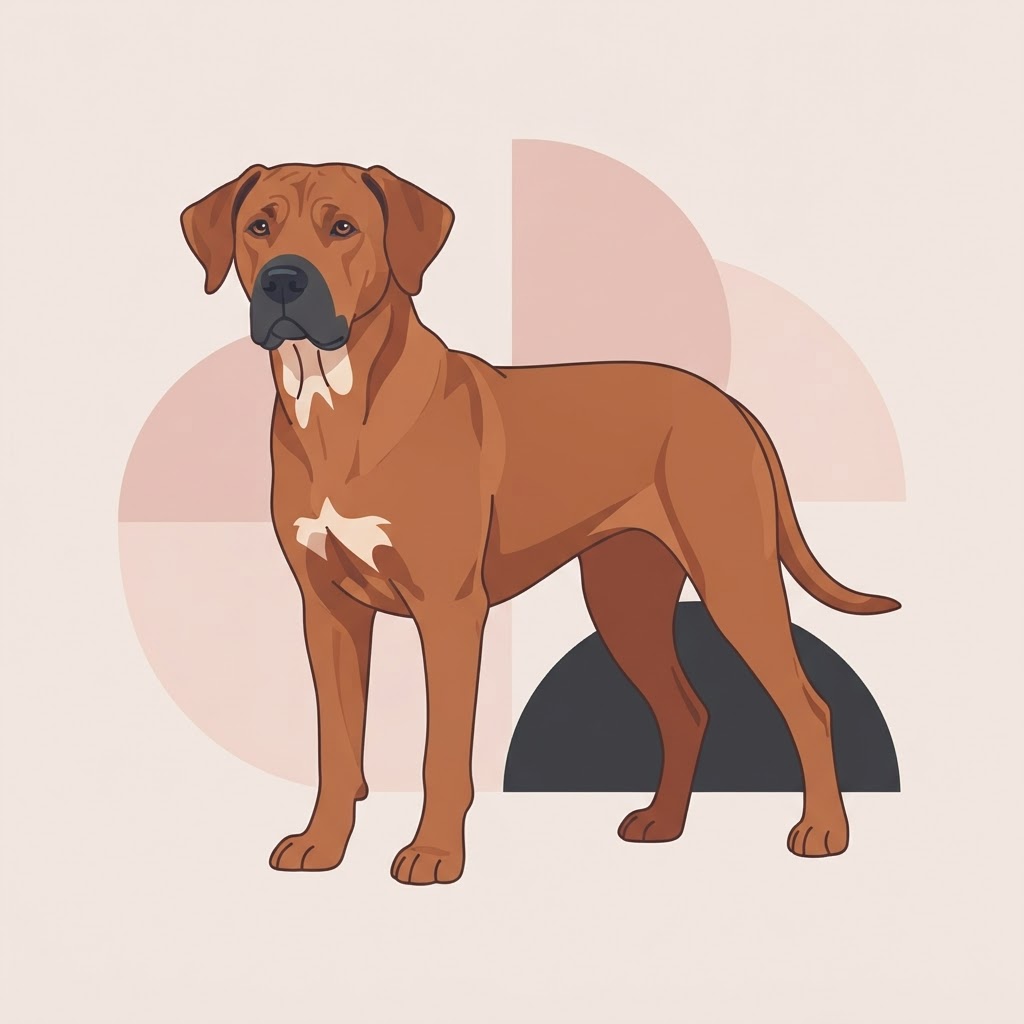
At a glance
Quick facts
Size
Giant
Exercise needs
1 hour per day
Home size suited to
House with secure garden
Grooming frequency
Weekly brush
Coat length
Short
Sheds
Low to moderate
Lifespan
10-12 years
Town or country
Country or quiet suburbs
Garden size needed
Medium or larger, securely fenced
Where it comes from
Origins of the Japanese Tosa
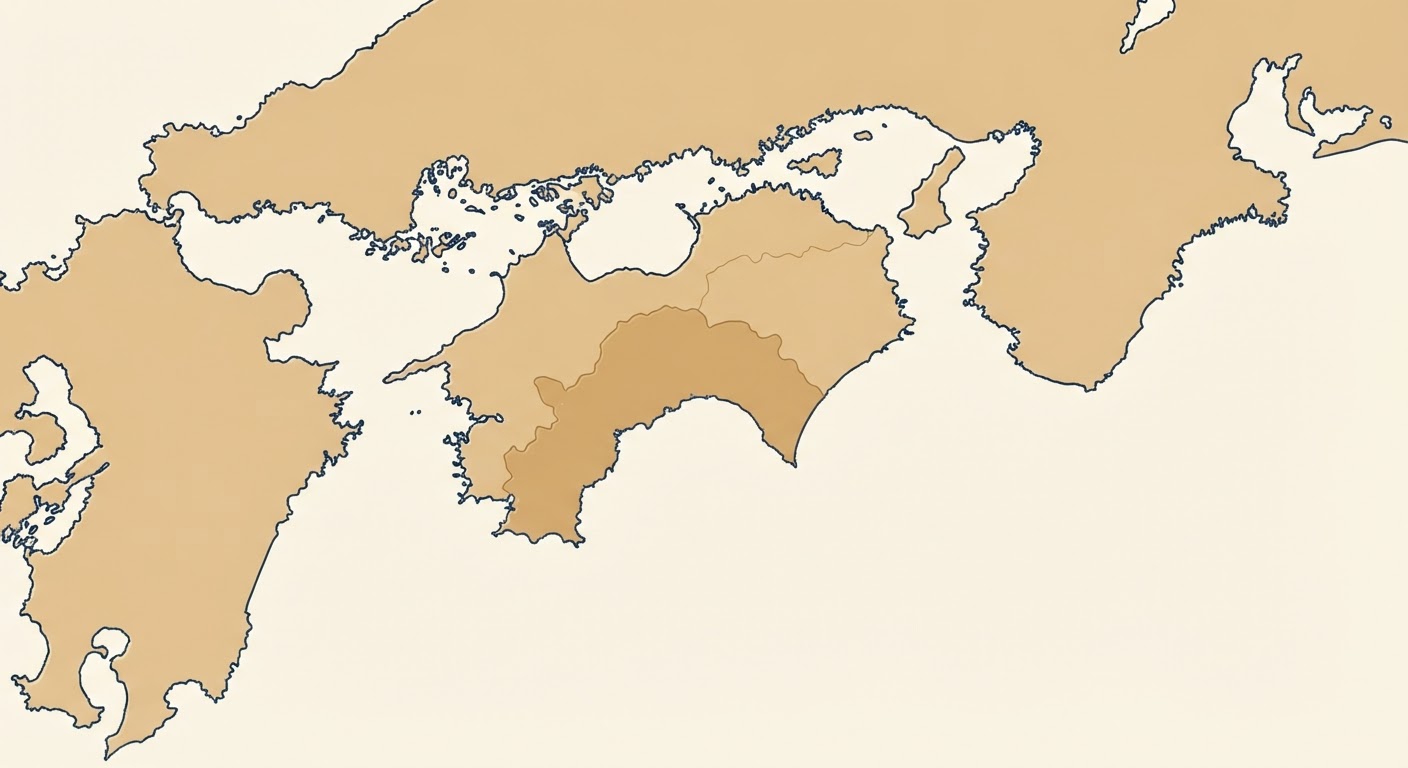
The Tosa was built in the Kochi region of Shikoku from the 1850s onward, when local Shikoku fighting dogs were crossed with Western imports — Mastiff, Bull Terrier, Great Dane, Bulldog and Pointer — brought in through the newly opened ports. The result was a heavier, quieter dog bred for the formal Japanese ring, where silence and composure were prized above aggression.
- Region
- Tosa province, Shikoku island
- Climate it was bred for
- Warm temperate, humid summers
- Original job
- A composed guardian and formal contest dog
The long read
About the breed
Its character surprises people who know only its history. In the Japanese ring, dogs were expected to work in near silence without snarling or panic, and that temperament was selected hard: the modern Tosa is typically calm, still, slow to react and deeply attached to its own household. It is not a noisy or busy dog, and it does not seek strangers out.
That composure is not the same as safety. This is a dog of great physical power with strong guarding instinct and low tolerance of other dogs, particularly of the same sex. It needs an experienced owner, early and sustained socialisation, secure fencing and calm, consistent handling from puppyhood. In the United Kingdom the Tosa is a prohibited type under the Dangerous Dogs Act 1991, and several other countries restrict or ban ownership, so anyone considering the breed must check local law first.
Physically it is straightforward to keep: a short, hard coat needing little more than a weekly brush, but a heavy frame that must not be over-exercised while growing. Give it steady daily walking rather than jumping and hard turning, keep it lean, and watch for the joint, heart and bloat risks that follow any giant Molosser.
Living with one
Temperament & needs
Our own ratings, based on the breed standard and how these dogs behave in ordinary homes.
Friendliness
2/5
Reserved and watchful with strangers; attached to its own household.
Trainability
3/5
Willing but slow-maturing and strong-minded; needs calm, consistent handling.
Energy
2/5
An hour of steady walking suits it; avoid hard exercise while growing.
Barking
1/5
Notably quiet — silence was selected for in the Japanese ring.
Grooming
1/5
Short hard coat; a weekly brush and regular wrinkle checks.
Suits a first-time owner
1/5
No. Great size, guarding instinct and legal restrictions demand real experience.
Illustrated breed standard
The points of the breed
Hover or tap a numbered point to read what the standard asks for.
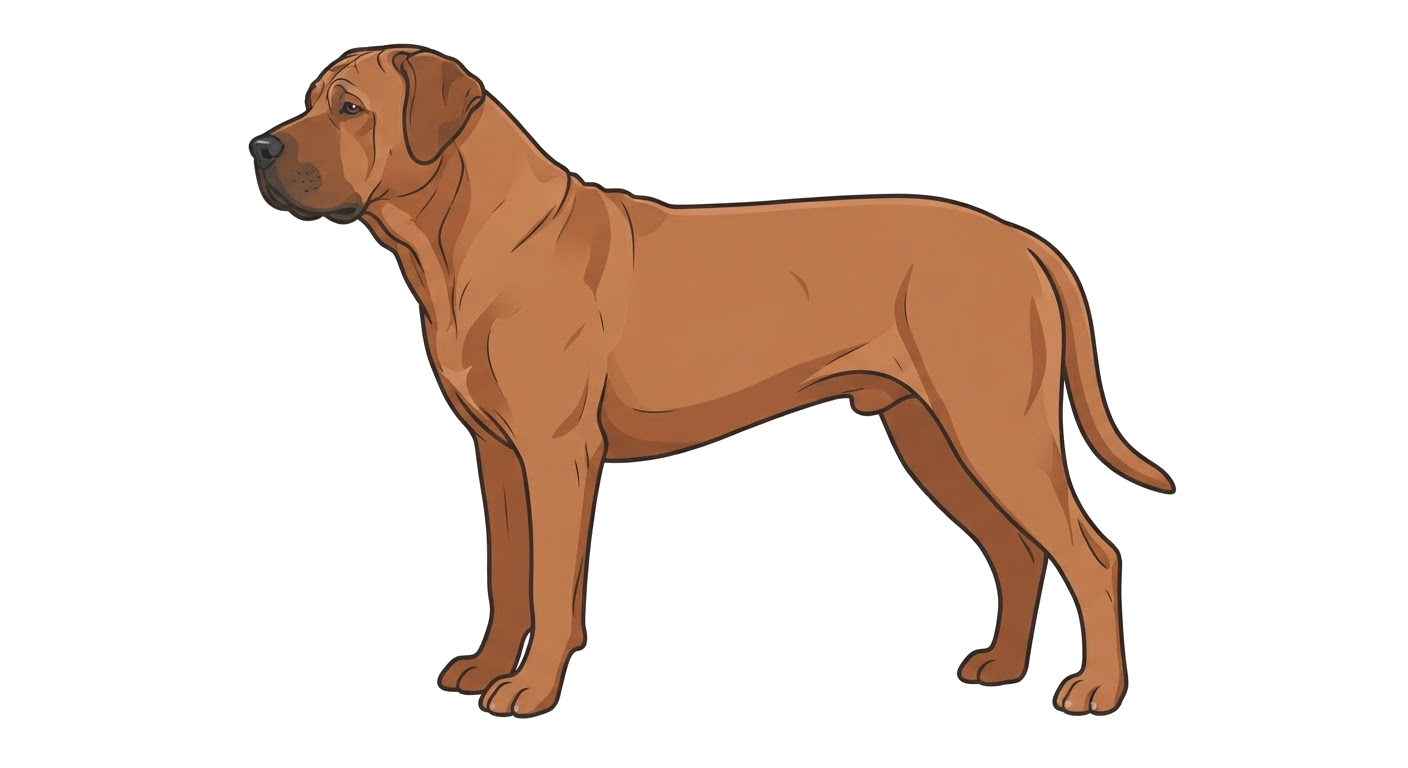
Point 1
Skull
The skull is broad across the cheeks with an abrupt stop and moderate wrinkle. Weight of head must still look proportionate to the body; excessive loose skin or a narrow skull are both faulted.
Colours & patterns
Recognised coats
Which coats the standard accepts — and which are simply popular.
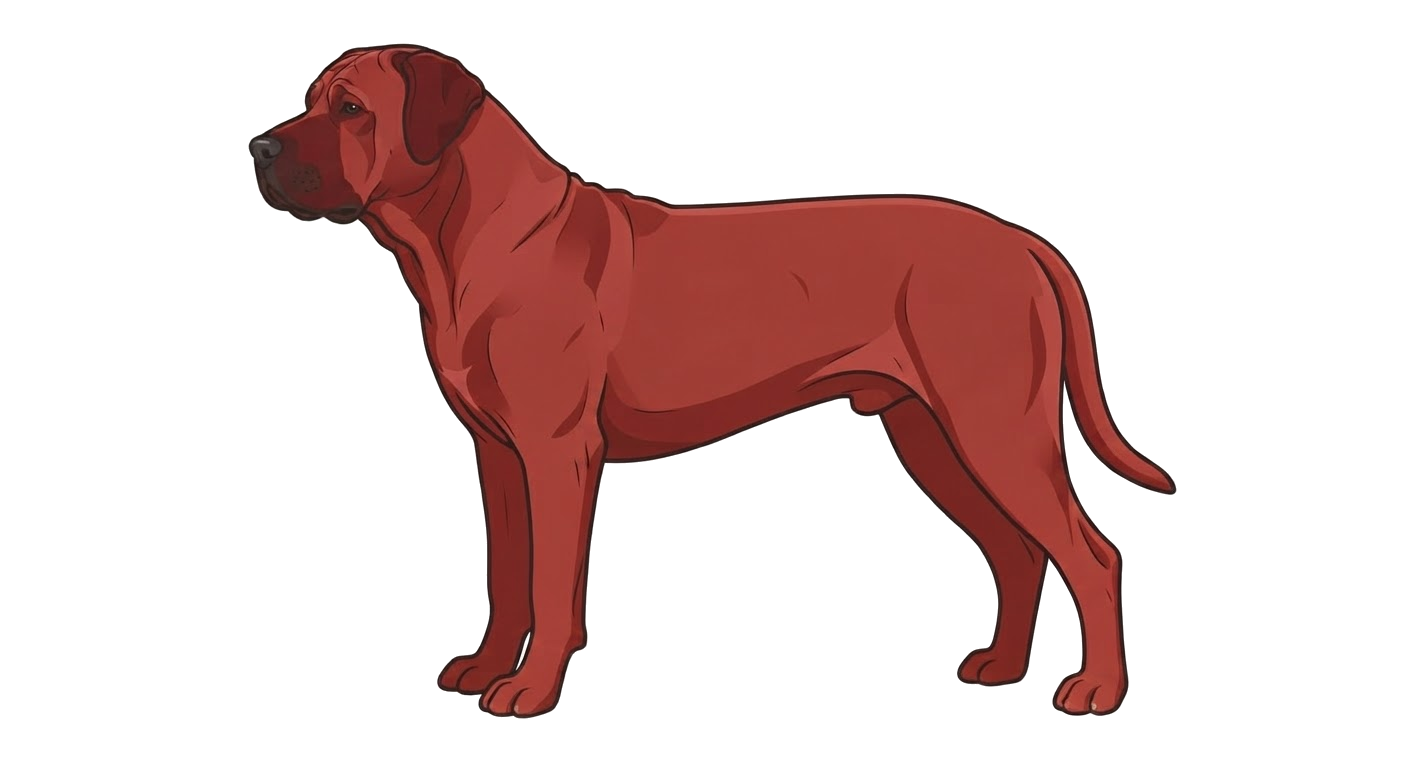
Red
Standard colour
The classic and most common Tosa colour.
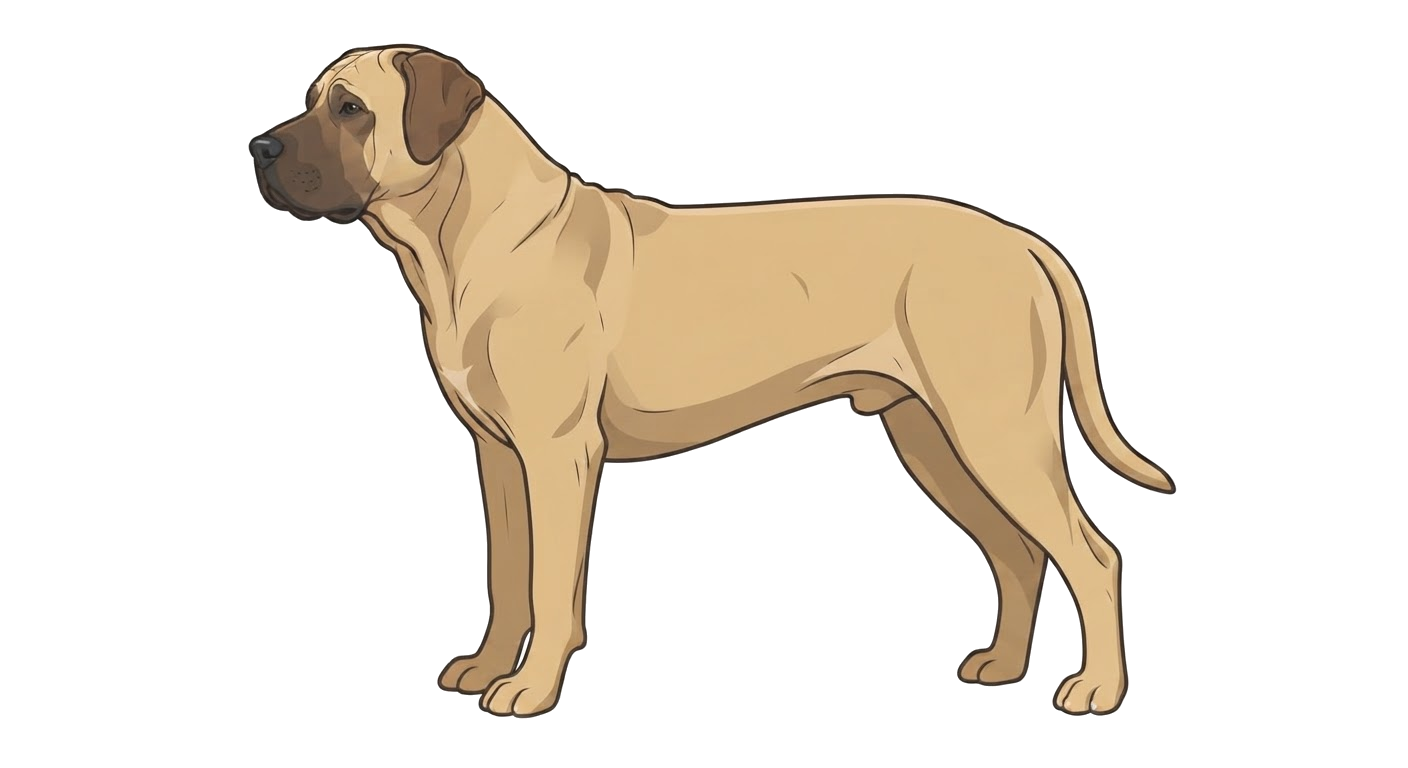
Fawn
Standard colour
Often with a darker mask.
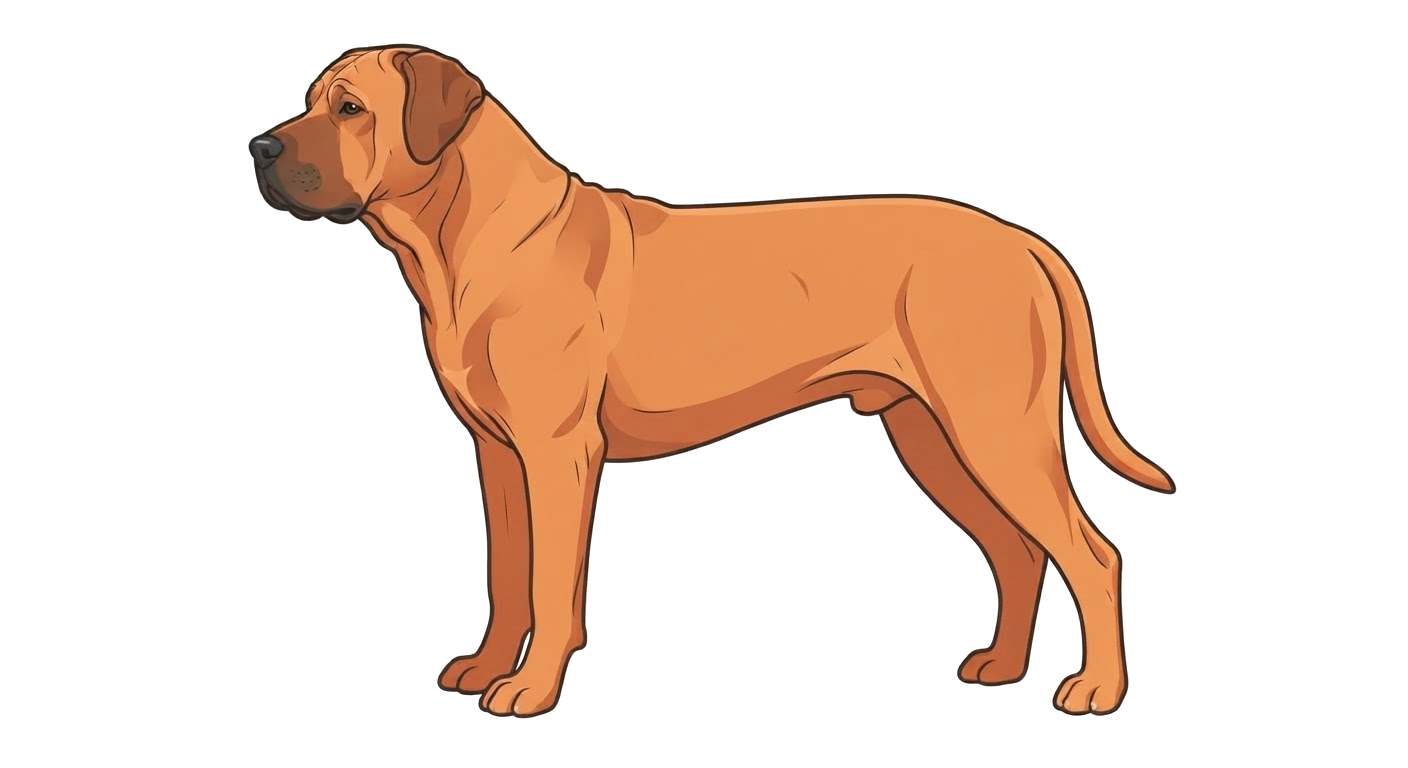
Apricot
Standard colour
A lighter dilution of red.
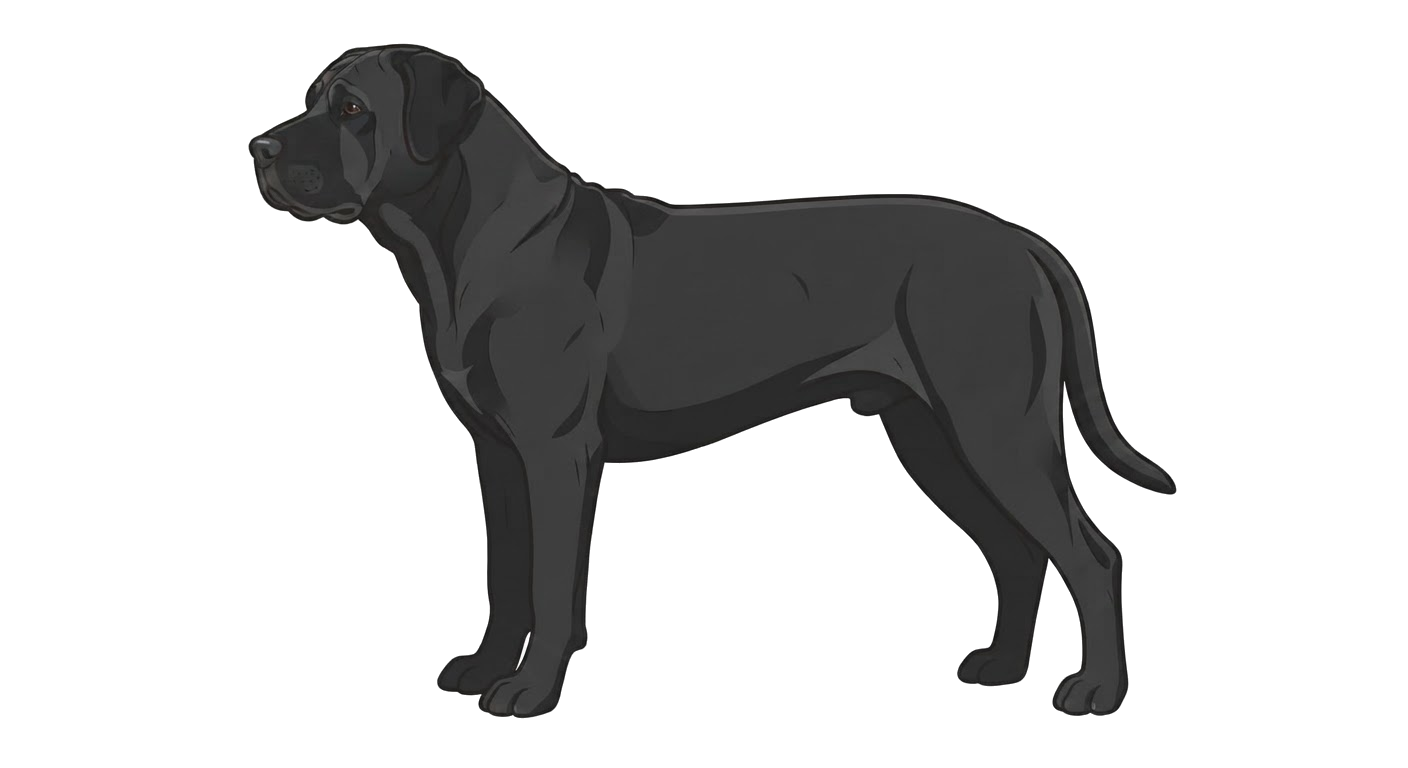
Black
Standard colour
Sometimes described as dull black in the standard.
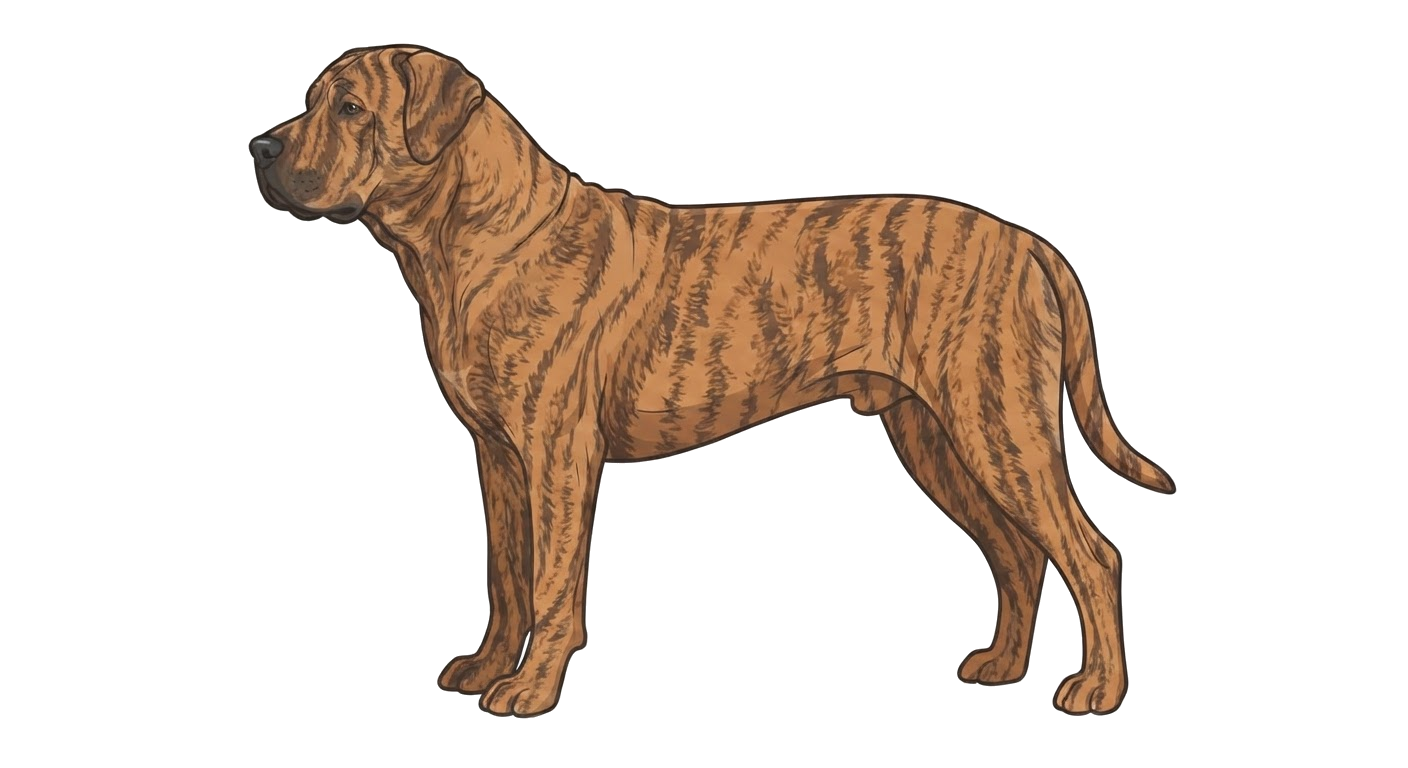
Brindle
Standard colour
Striping over a red or fawn ground.
Timeline
History & development
1850s
Western crosses begin
Local Shikoku fighting dogs in Tosa province are crossed with imported Mastiff, Bulldog, Bull Terrier, Great Dane and Pointer stock.
1900s
Type settles
Breeders in Kochi fix a heavier, silent contest dog with a short coat and composed temperament.
1991
Banned in Britain
The Tosa is named a prohibited type under the UK Dangerous Dogs Act, and several other countries follow with restrictions.
Today
Rare and regulated
Recognised by the FCI and Japan Kennel Club, still uncommon outside Japan and legally restricted in many countries.
Reference
Breed standard summary
- body
- Deep, broad chest with well-sprung ribs, level back and a taut, drawn-up belly.
- coat
- Short, hard and dense, lying flat against the skin.
- ears
- Relatively small and thin, set high and hanging close to the cheeks.
- eyes
- Rather small, dark brown, with a dignified and composed expression.
- head
- Broad skull with an abrupt stop, moderate wrinkling and a squarely built muzzle.
- size
- Dogs from 60cm at the withers, bitches from 55cm; typically 40-90kg.
- colour
- Red, fawn, apricot, black and brindle; small white markings on the chest and feet are permitted.
- temperament
- Patient, composed and courageous; bold but never noisy or flighty.
- general appearance
- A large, dignified Molosser of imposing bulk and quiet bearing, muscular without coarseness and always balanced.
Health
What to screen for
Green means little to worry about, amber means ask the breeder for test results, red means manage it actively.
Bloat and gastric torsion
Watch closely
A deep-chested giant; learn the signs and split meals into two or three.
Hip and elbow dysplasia
Watch closely
Ask for scores on both parents and keep growing puppies lean and low-impact.
Dilated cardiomyopathy
Screen for it
Annual heart checks from middle age are sensible in giant Molossers.
Hypothyroidism
Screen for it
Weight gain, coat loss or lethargy warrant a blood test.
Skin fold and eyelid irritation
Low concern
Keep facial wrinkles clean and dry; watch for entropion in heavier heads.
General information only — always speak to your vet about your own dog.
From real owners
Dogs like this
Japanese Tosas added by PawPoint members through their pet passports. Share yours to appear here.
Loading the wall…
Made for the Japanese Tosa
The book, plus prints, hoodies and mugs using our own Japanese Tosa illustration — and one everyday accessory that suits any dog.

The book
Pawpoint: The Complete Dog Breed Book
Every officially recognised breed plus the unofficial ones nobody else documents. 400+ pages, hardback, printed and shipped from the UK.
Own stock — shipped by us
Framed poster
Japanese Tosa Framed Poster
Museum-weight print of our Japanese Tosa illustration, framed or unframed.
Printed to order
Hoodie
Japanese Tosa Hoodie
Heavyweight hoodie carrying the Japanese Tosa illustration on the chest.
Printed to order
Mug
Japanese Tosa Mug
Ceramic mug with the Japanese Tosa illustration wrapped around it.
Printed to order
Accessory
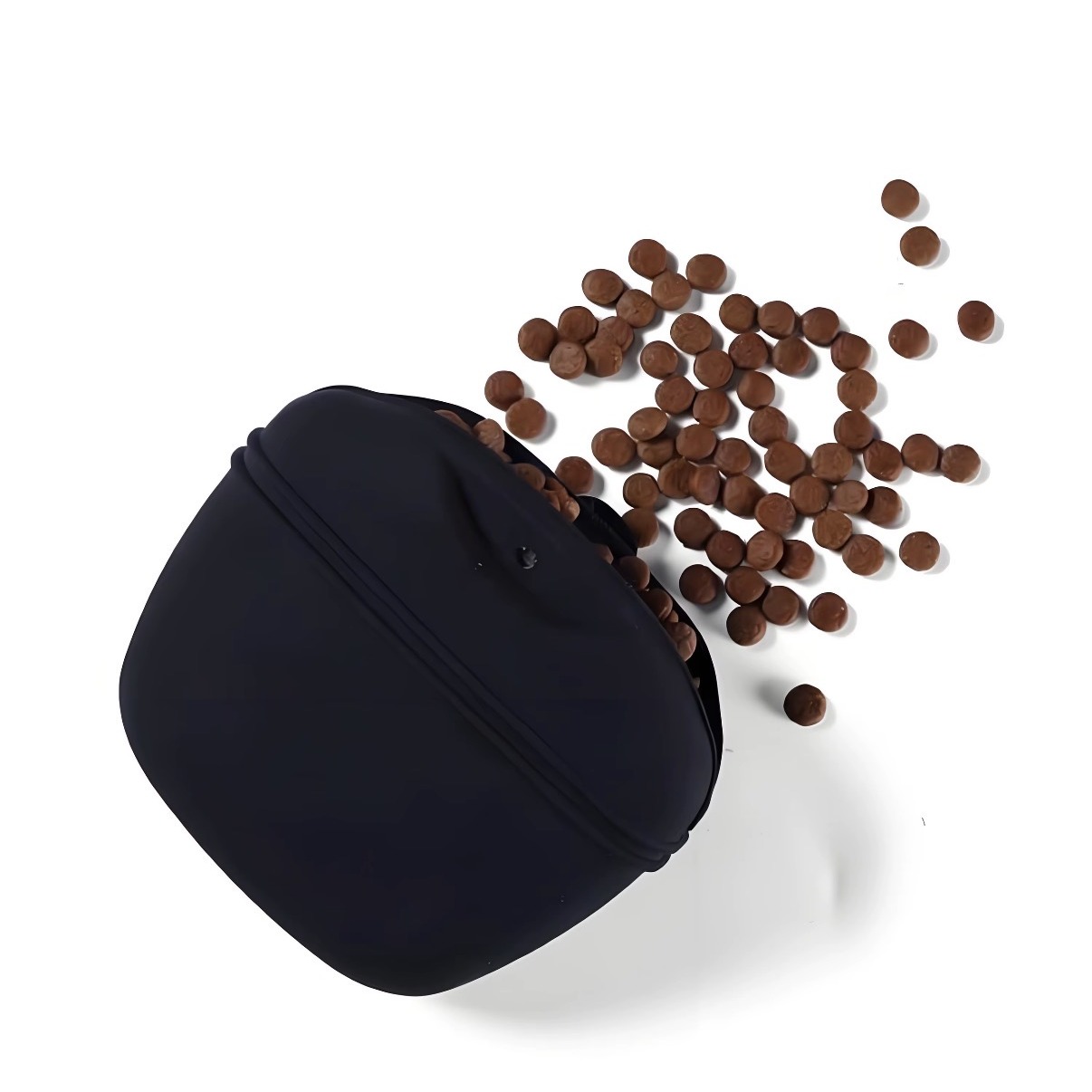
Treat Pouch
Magnetic-close belt pouch for training sessions.
Fits any dog
Pawpoint on YouTube
Watch the full Japanese Tosa video
Breed deep-dives, history and honest ownership talk. New film every week.
Watch now