
Jonangi
joh-NAHN-gee
India· Andhra Pradesh, India
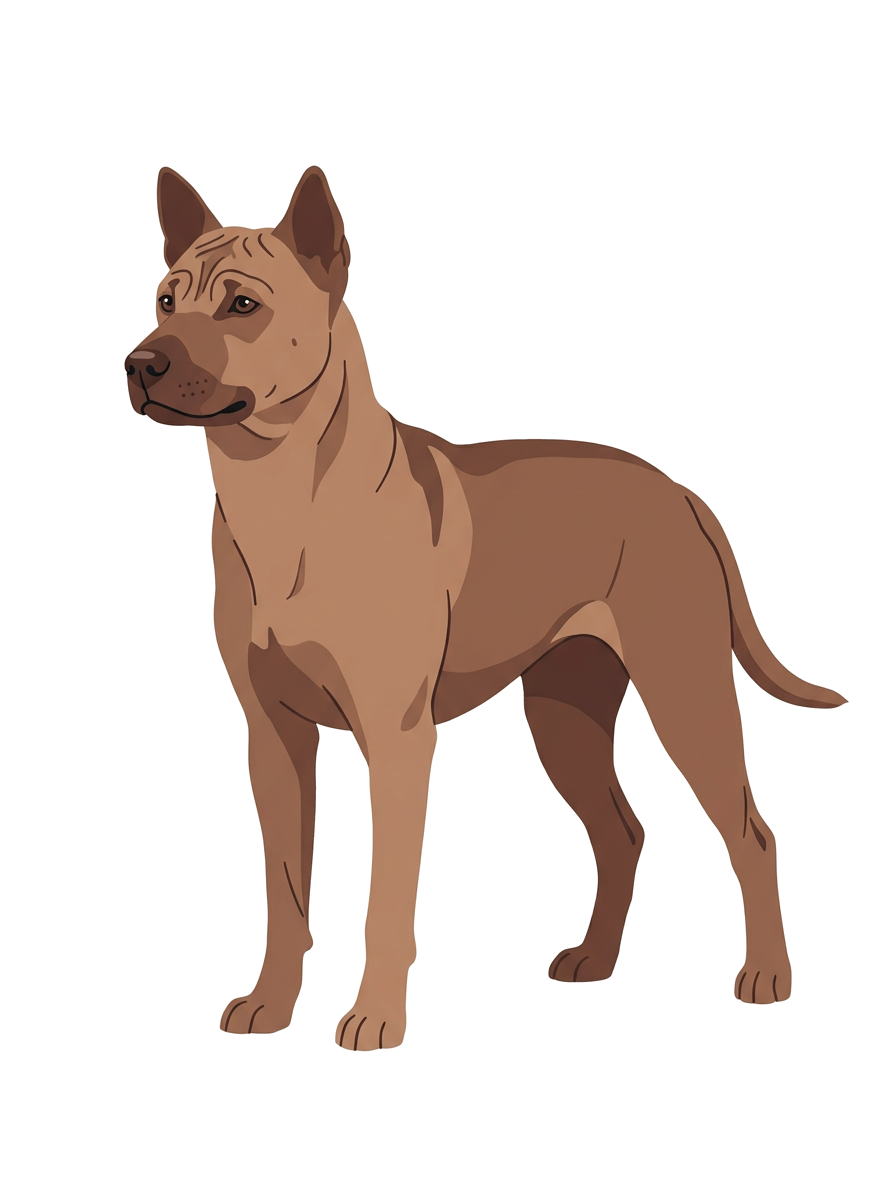
The Jonangi is a rare indigenous landrace breed hailing from the coastal regions of Andhra Pradesh, notably around Kolleru Lake and the Godavari River basin. Historically bred by local pastoral communities and duck farmers, the breed occupies a unique niche in the canine world as one of the few dogs traditionally employed to herd large flocks of ducks, as well as to hunt small game and guard rural homesteads.
At a glance
Quick facts
Size
Medium
Exercise needs
High
Home size suited to
Medium to large
Grooming frequency
Minimal
Coat length
Very short
Sheds
Very low
Lifespan
10–14 years
Town or country
Country or semi-rural
Garden size needed
Medium to large securely fenced garden
Where it comes from
Origins of the Jonangi
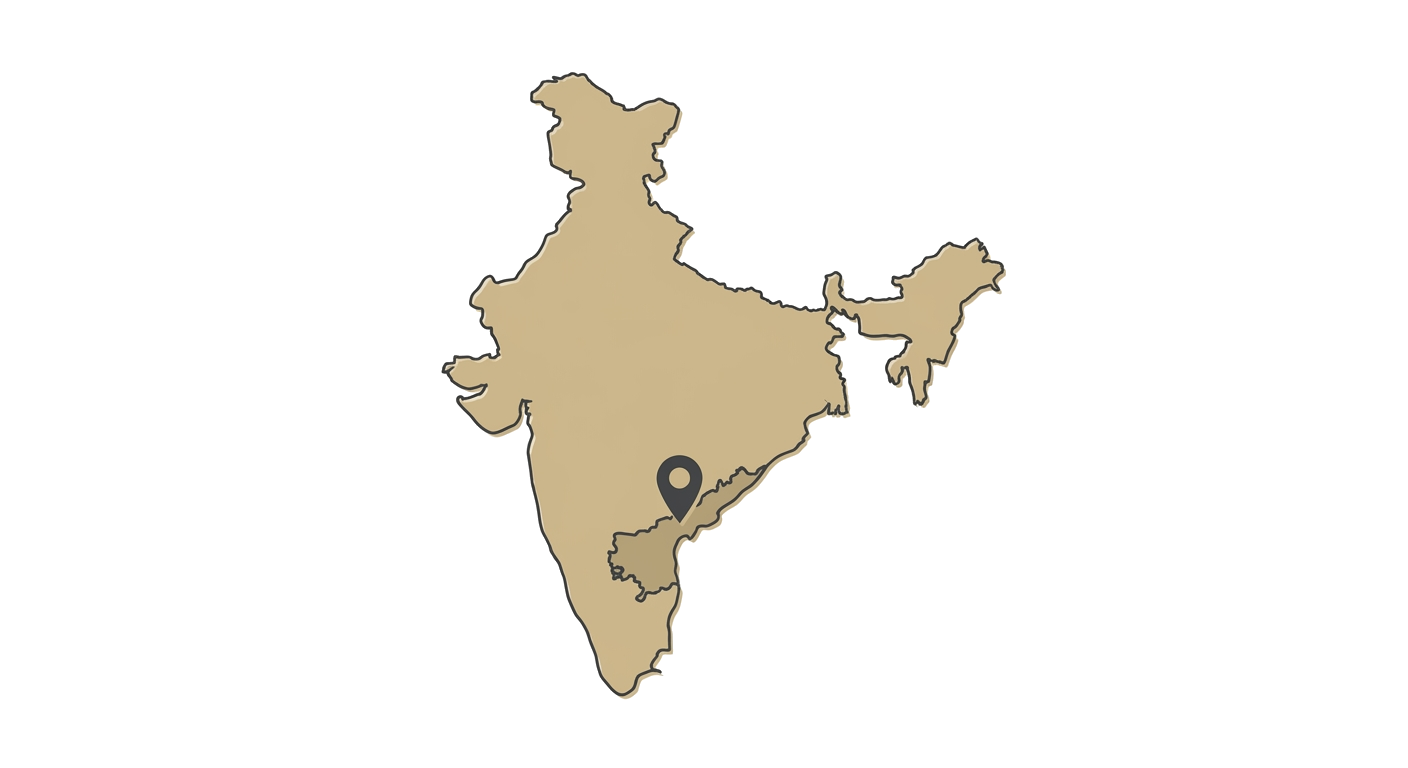
Indigenous working landrace developed along the wetlands and coastal plains of Andhra Pradesh, India.
- Region
- Andhra Pradesh, India
- Climate it was bred for
- Tropical wet-and-dry
- Original job
- Duck herding, small game hunting, and homestead guarding
The long read
About the breed
Characterised by an extraordinarily short, sleek coat that can appear almost microscopic, the Jonangi possesses a lean, athletic build suited to high heat and marshy terrain. A notable idiosyncrasy of the breed is its vocalisation; rather than a typical bark, it often produces a distinctive yodelling sound, and individuals are well known for digging deep trenches in sandy ground to stay cool.
Because the breed was largely sustained through informal working arrangements rather than formal kennel club registries, documented breed standards and pedigree records remain sparse. In recent decades, shifting agricultural practices and aquaculture developments around Kolleru Lake led to a sharp decline in population, though dedicated conservationists in India have initiated efforts to preserve and stabilise the breed.
Illustrated breed standard
The points of the breed
Hover or tap a numbered point to read what the standard asks for.
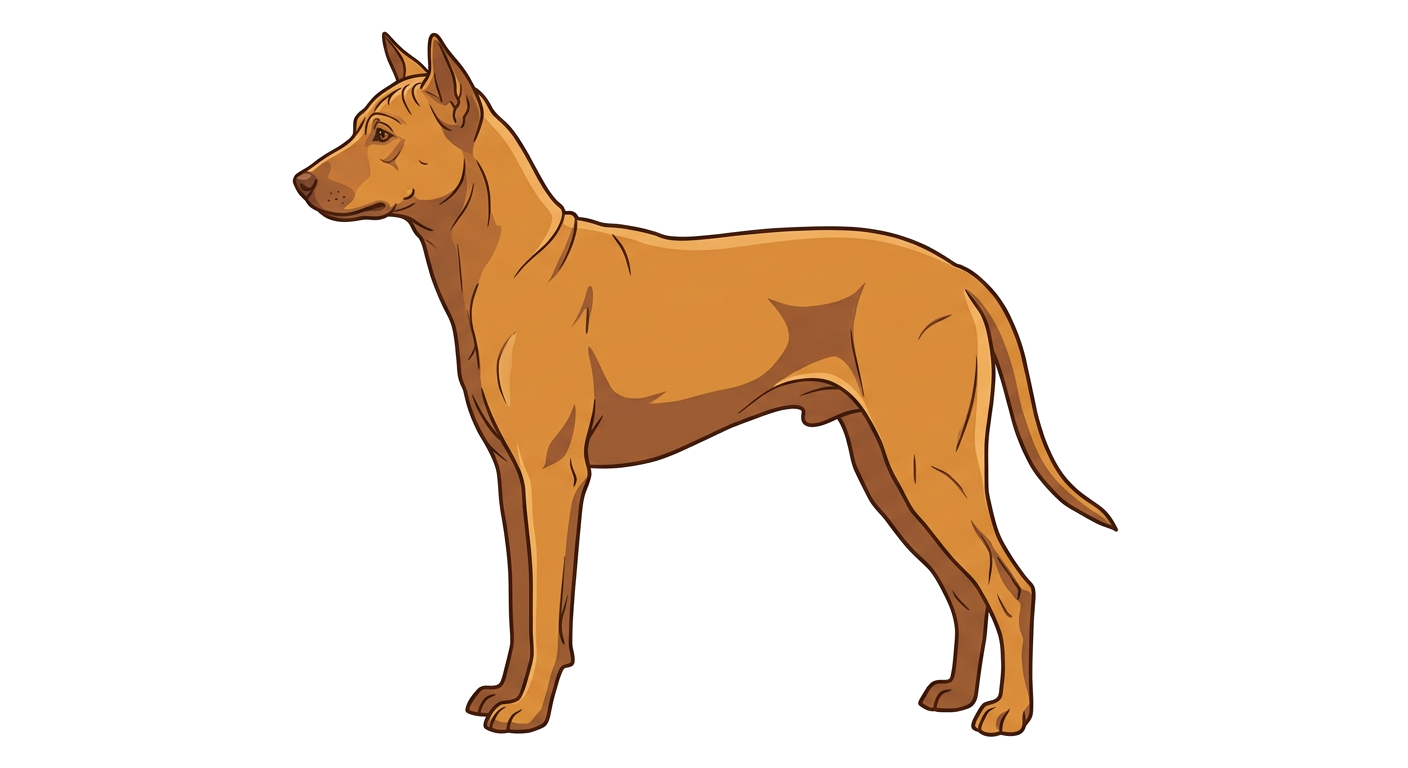
Point 1
Skull
The Jonangi's skull is judged on balance rather than size — proportionate to the body, with a clean cheek and a stop typical of the breed. Coarseness or an over-refined head are both faulted.
Colours & patterns
Recognised coats
Which coats the standard accepts — and which are simply popular.
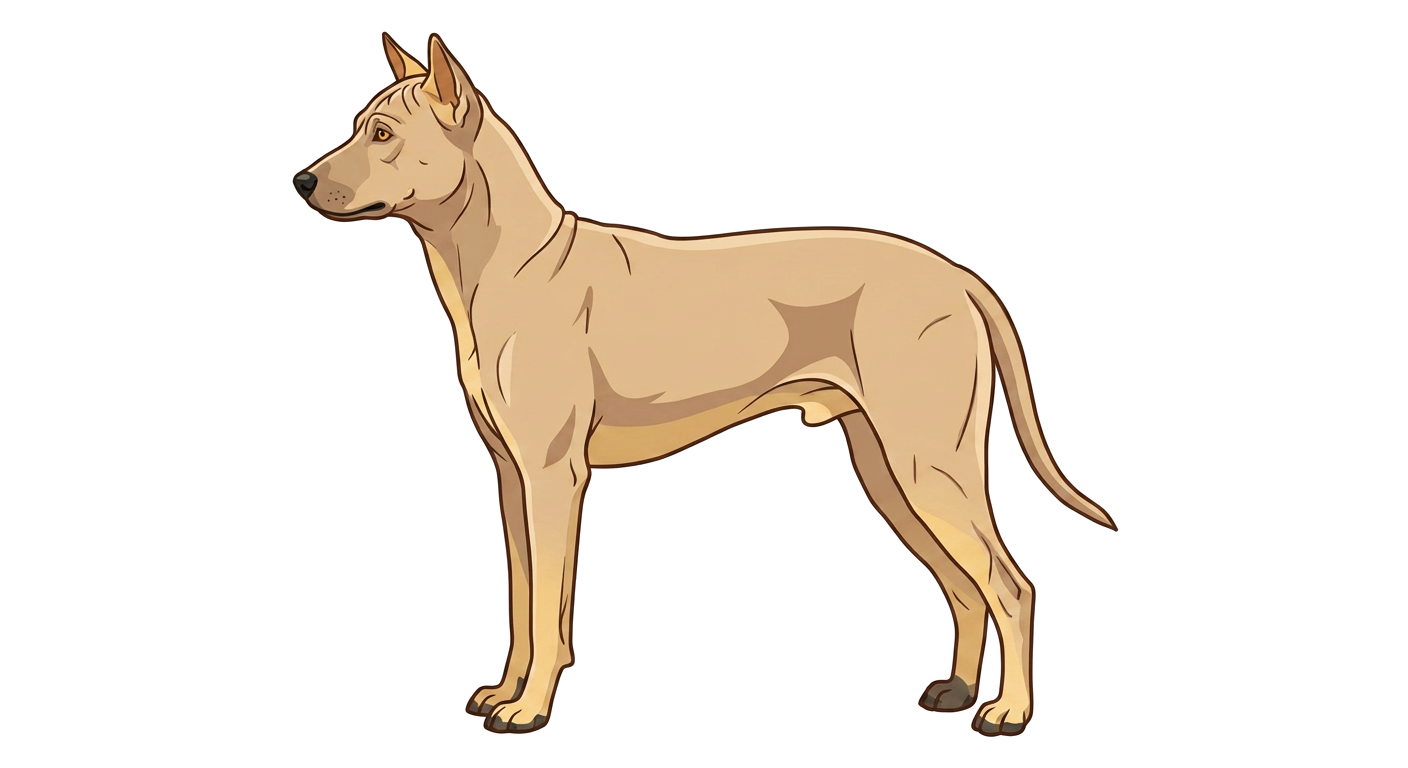
Fawn
Standard colour
Ranges from pale sand to warm golden hues; frequently seen across native populations.
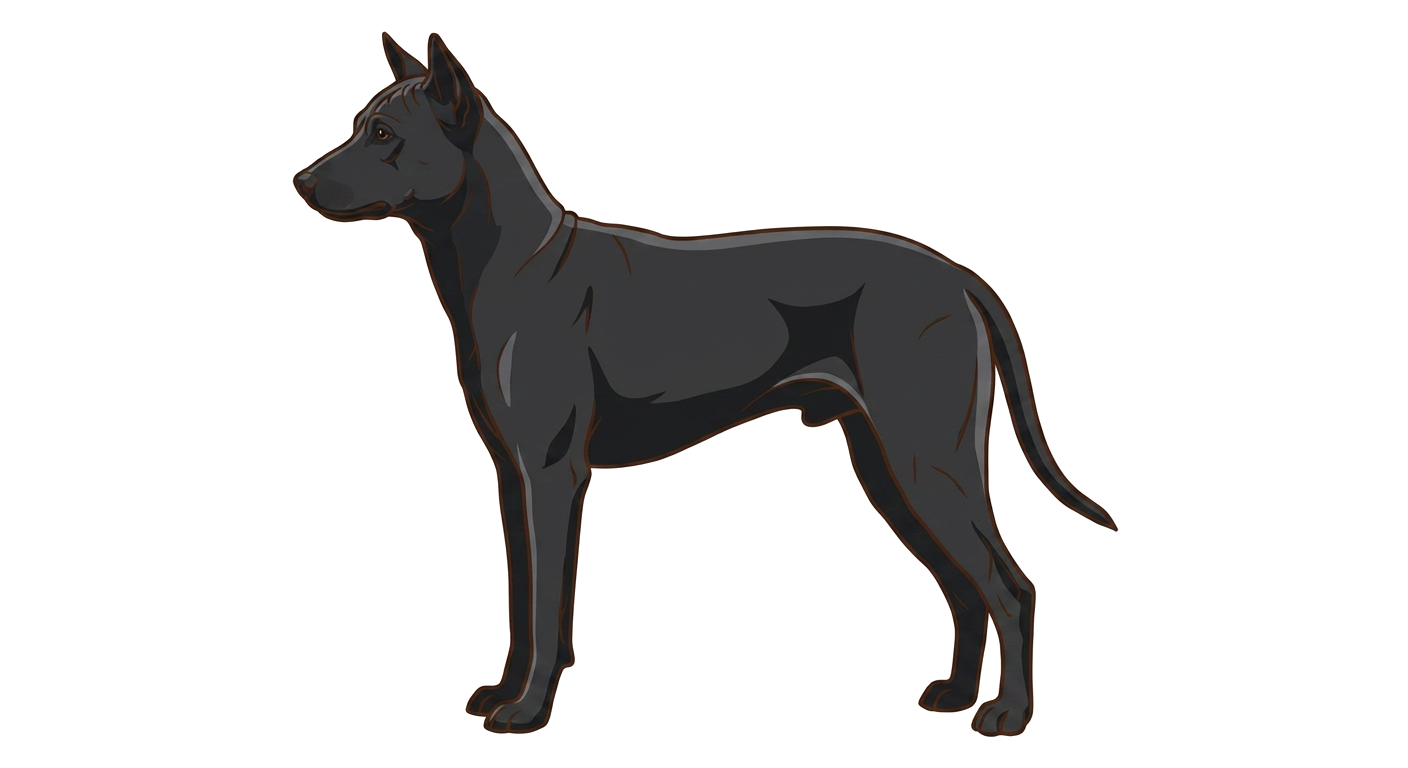
Black
Standard colour
Solid black coat with a naturally glossy, short sheen.
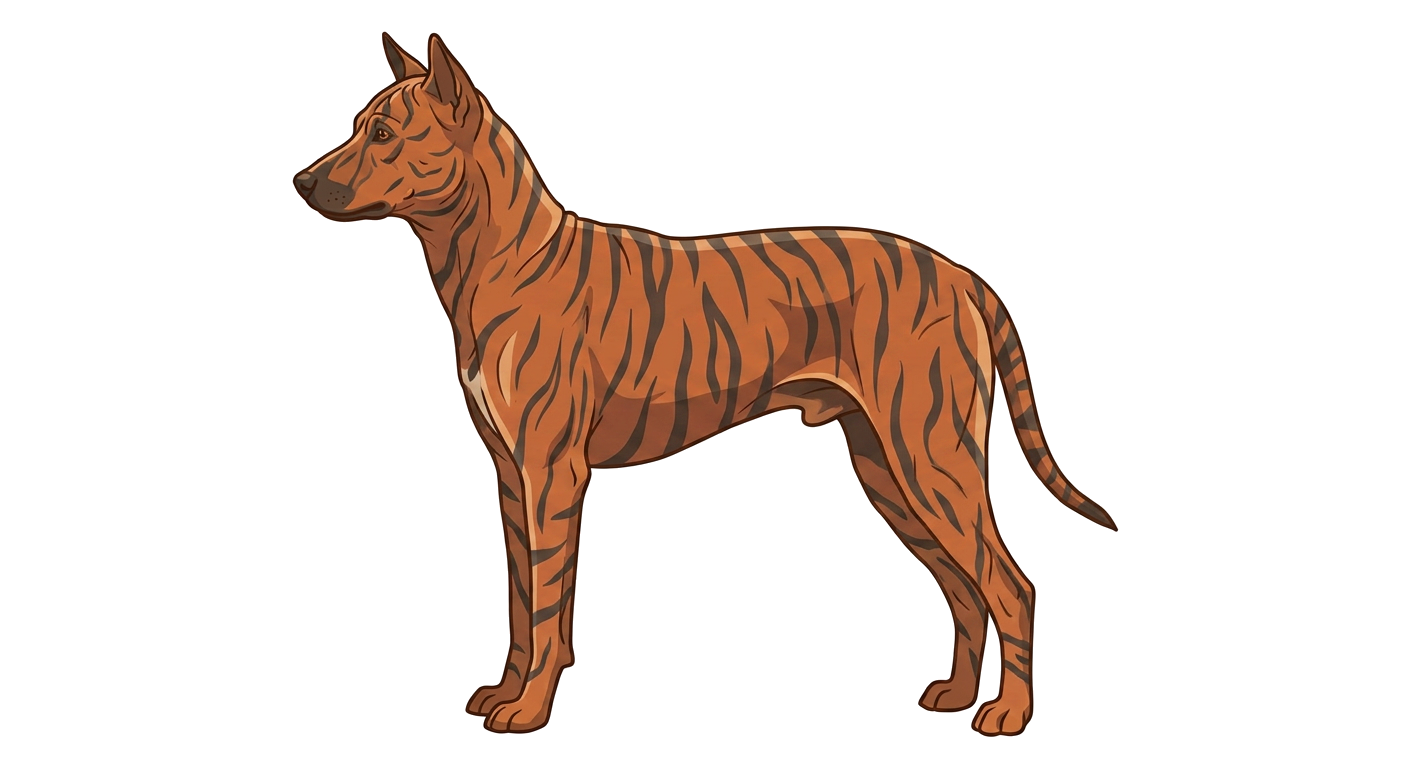
Brindle
Standard colour
Dark stripes over a fawn or reddish base coat.
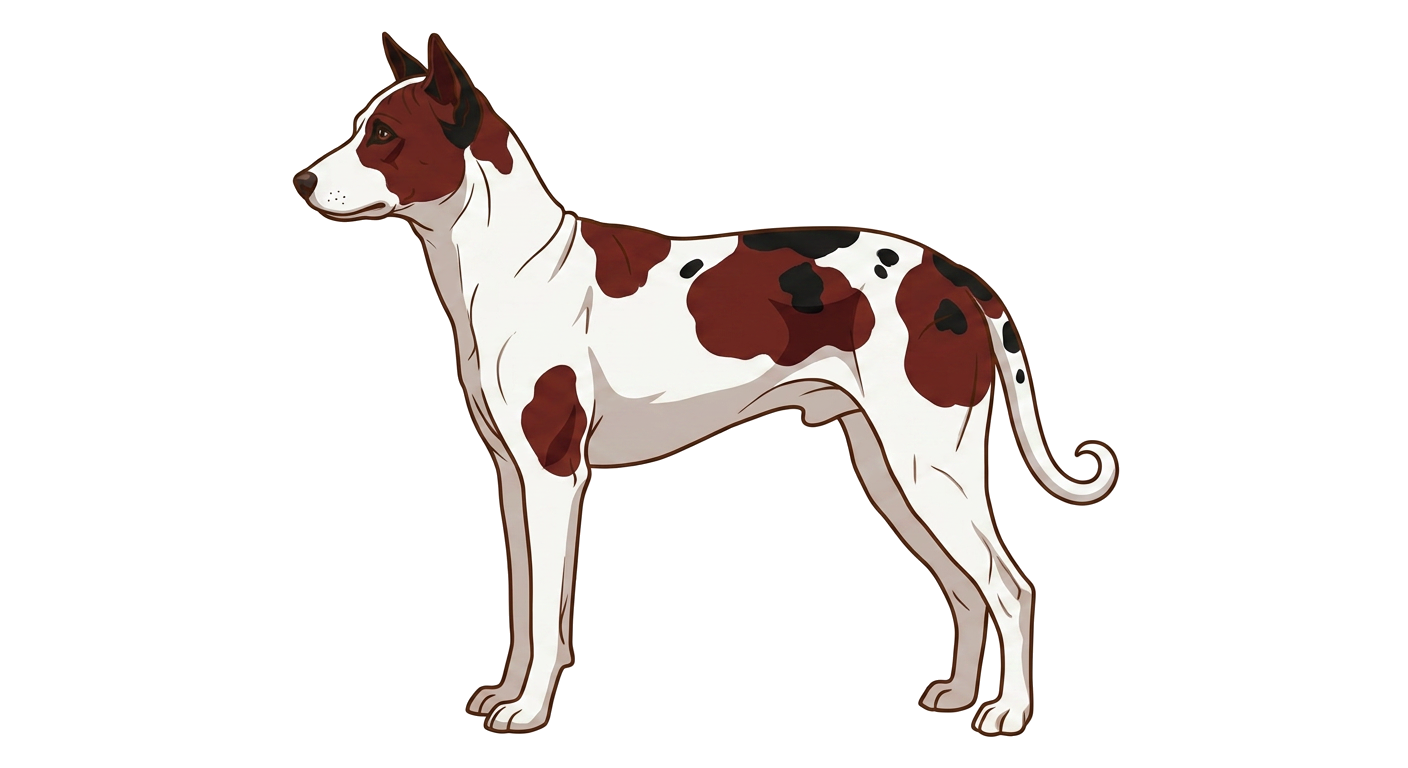
Pied / Bicolour
Standard colour
White base patched with black, fawn, or reddish-brown markings.
Timeline
History & development
c. 1800s
Pastoral Development
The Jonangi developed as a functional working landrace among duck farmers and pastoralists around Lake Kolleru, selected for swimming ability, biddability around waterfowl, and heat tolerance.
1970s–1990s
Decline with Changing Agriculture
As traditional duck farming shifted towards commercial aquaculture and fish farming in Andhra Pradesh, the working utility of the dogs dwindled, causing numbers to fall substantially.
2010s
Conservation Initiatives
Indian native breed enthusiasts and regional kennel clubs began cataloguing remaining specimens, establishing breeding programmes to prevent the extinction of the landrace.
Reference
Breed standard summary
- body
- Compact and supple, with a straight topline, moderate tuck-up, and a deep, well-sprung chest suited for stamina.
- coat
- Extremely short, fine, and close-fitting, often appearing like velvet or nearly hairless on inspection, providing minimal insulation against wet marshland.
- ears
- Pricked or tulip-shaped, mobile, set moderately high, and carried erect when attentive.
- eyes
- Almond-shaped, ranging from hazel to dark brown, with a keen, vigilant gaze.
- gait
- Light-footed, effortless, and springy, displaying natural agility and rapid acceleration.
- head
- Medium in proportion to the body, clean-cut with moderate stop; forehead often displays slight wrinkles when alert.
- size
- Height typically ranges between 43 to 53 cm at the withers; weight generally between 12 to 21 kg.
- tail
- Short to medium length, set low, carried in a slight curve or sabre-fashion, sometimes held tightly curled over the back.
- colour
- Solid fawn, biscuit, red, black, white, brindle, or pied combinations of these colours.
- muzzle
- Tapering moderately towards the nose, with tight lips and strong jaws meeting in a scissor bite.
- temperament
- Devoted and affectionate with immediate family, reserved with strangers, independent, and possessing high prey drive and natural herding instinct.
- general appearance
- A medium-sized, agile, and moderately built hound-type dog with a lean silhouette, distinctively short coat, and alert expression.
Health
What to screen for
Green means little to worry about, amber means ask the breeder for test results, red means manage it actively.
Dermatological Sensitivity
Screen for it
The exceptionally sparse coat offers little protection against sun exposure, insect bites, and environmental allergens.
Tick-Borne Pathogens
Watch closely
Common in indigenous tropical settings; ongoing parasite prevention is critical in outdoor environments.
Musculoskeletal Strain
Watch closely
Active working dogs may experience minor soft-tissue injuries or joint wear; formal dysplasia data remains limited.
General information only — always speak to your vet about your own dog.
From real owners
Dogs like this
Jonangis added by PawPoint members through their pet passports. Share yours to appear here.
Loading the wall…
Made for the Jonangi
The book, plus prints, hoodies and mugs using our own Jonangi illustration — and one everyday accessory that suits any dog.
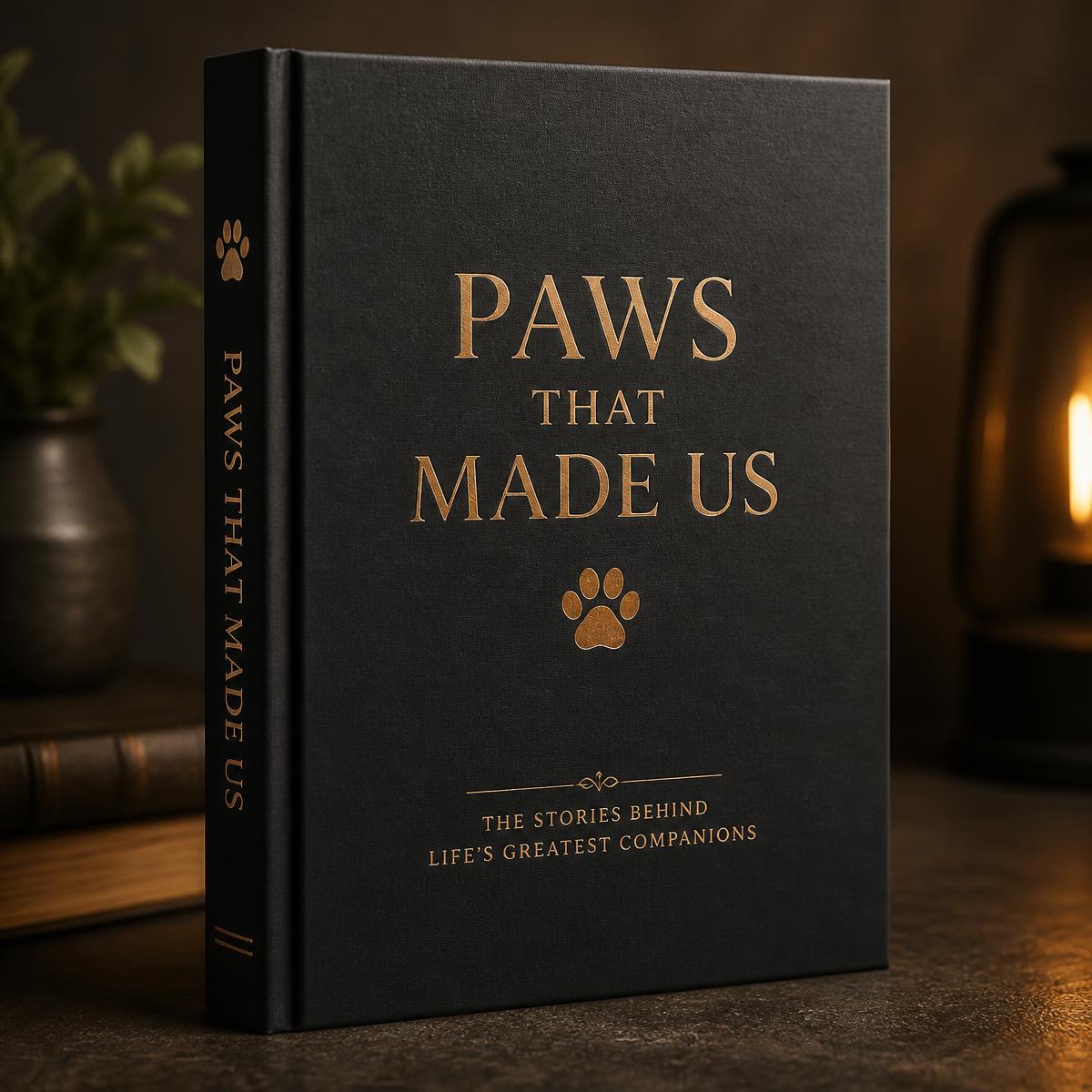
The book
Pawpoint: The Complete Dog Breed Book
Every officially recognised breed plus the unofficial ones nobody else documents. 400+ pages, hardback, printed and shipped from the UK.
Own stock — shipped by us
Framed poster
Jonangi Framed Poster
Museum-weight print of our Jonangi illustration, framed or unframed.
Printed to order
Hoodie
Jonangi Hoodie
Heavyweight hoodie carrying the Jonangi illustration on the chest.
Printed to order
Mug
Jonangi Mug
Ceramic mug with the Jonangi illustration wrapped around it.
Printed to order
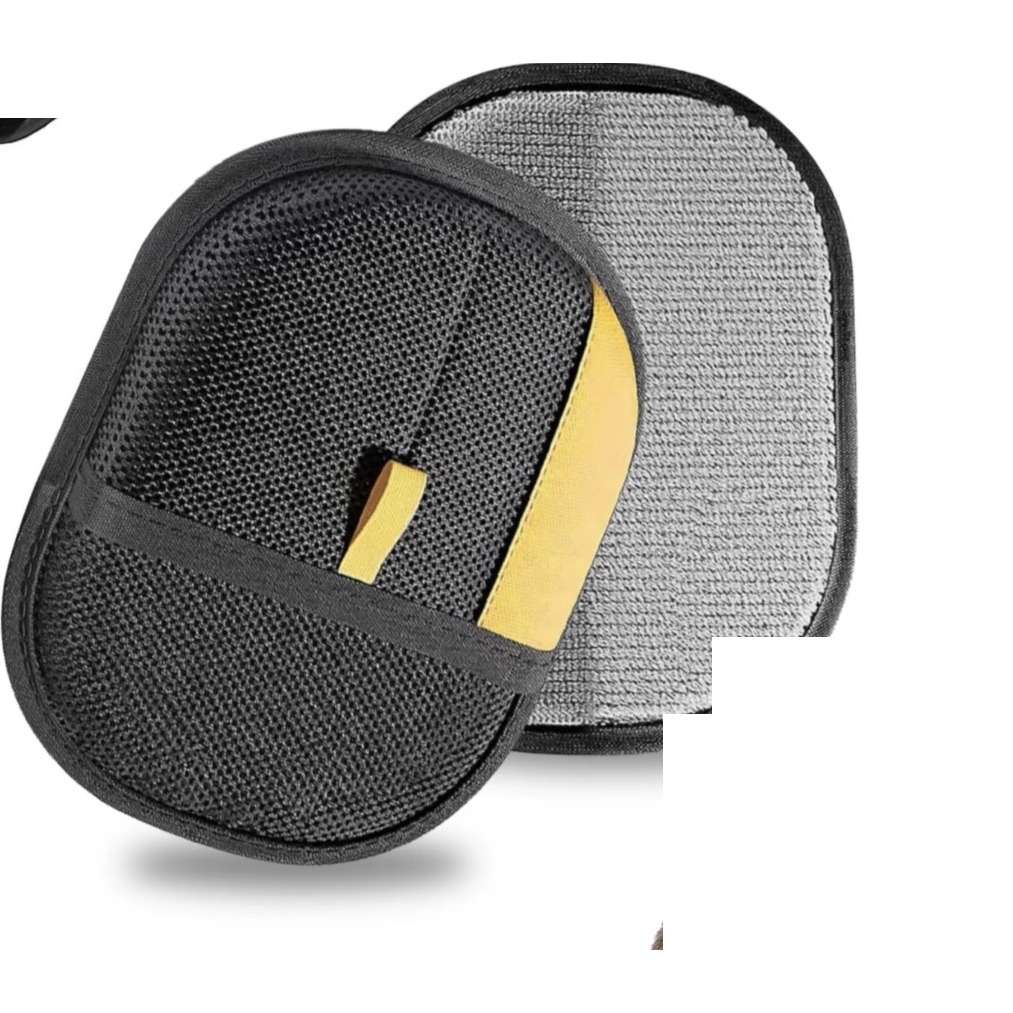
Accessory
Slicker & Deshedding Brush
Self-cleaning slicker head for coats of every length.
Fits any dog
Pawpoint on YouTube
Watch the full Jonangi video
Breed deep-dives, history and honest ownership talk. New film every week.
Watch now