
Kanni
KAHN-nee
India· Tamil Nadu, Southern India
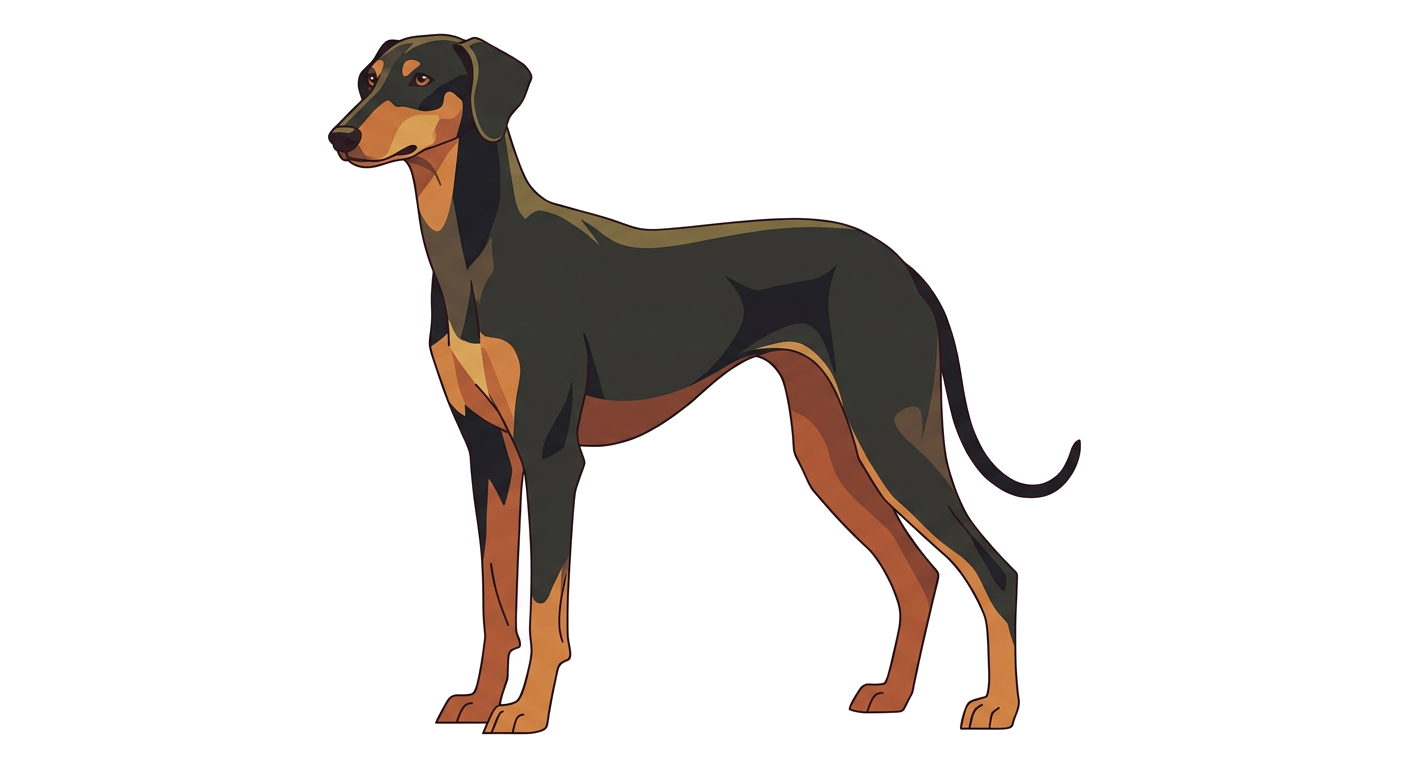
The Kanni is a rare indigenous sighthound originating from the southern districts of Tamil Nadu, particularly around Tirunelveli, Thoothukudi, and Virudhunagar. Bred historically by royal and land-owning families for coursing swift game such as Indian hare and small deer, the hound is built for high speed and agile pursuit across arid, scrub-covered terrain. Morphologically closely related to the Chippiparai, the Kanni is celebrated for its deep chest, tuck-up, and lean, athletic profile.
At a glance
Quick facts
Size
Medium to Large
Exercise needs
High (daily sprinting opportunities)
Home size suited to
Spacious home with secure grounds
Grooming frequency
Minimal
Coat length
Short
Sheds
Low
Lifespan
12–14 years
Town or country
Rural or semi-rural
Garden size needed
Large and securely fenced
Where it comes from
Origins of the Kanni
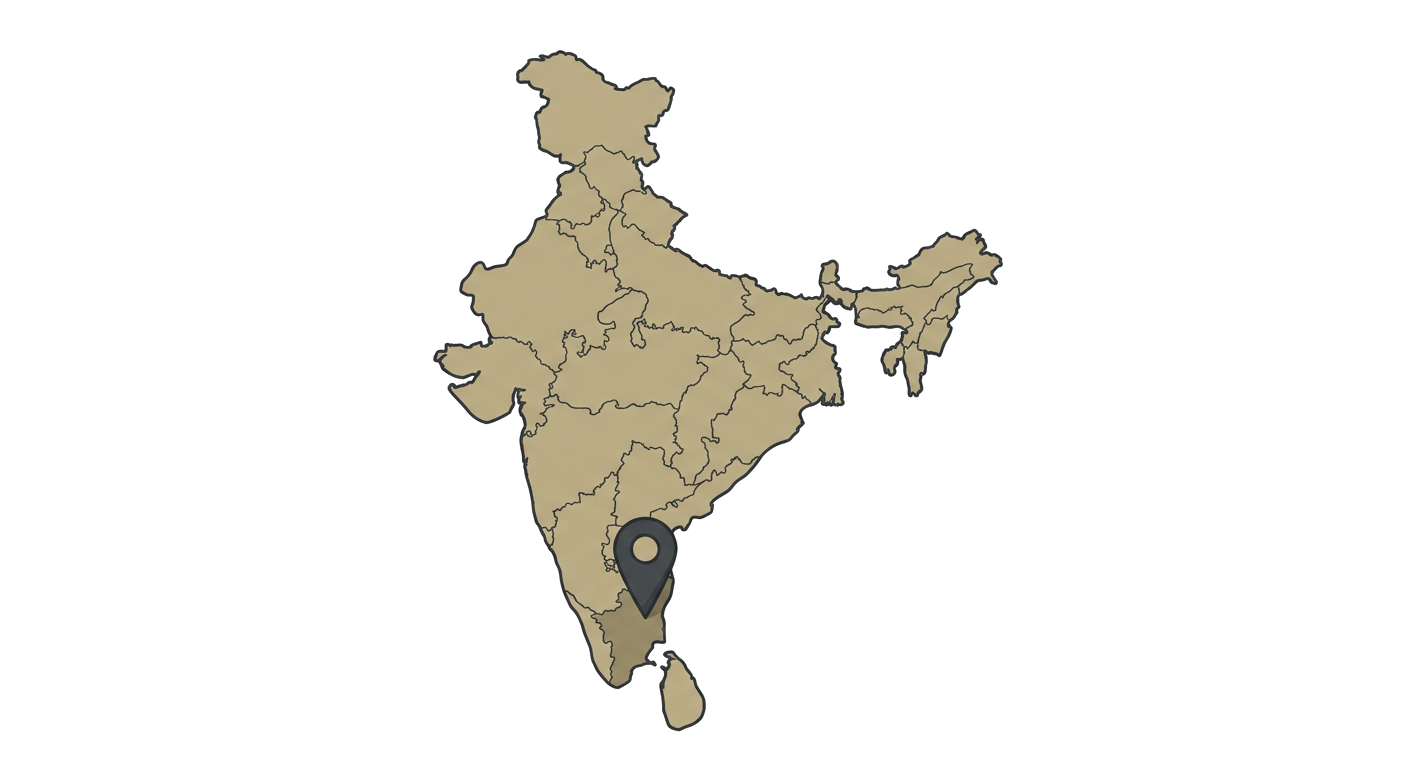
Developed in southern Tamil Nadu, the Kanni is an indigenous sighthound bred for agile coursing across arid scrublands.
- Region
- Tamil Nadu, Southern India
- Climate it was bred for
- Semi-arid tropical
- Original job
- Coursing small game, hare, and deer
The long read
About the breed
In its native region, the breed has strong cultural associations, traditionally presented as a prized gift to brides during weddings, which contributed to its protective status within family households. The breed encompasses distinct colour varieties, traditionally referred to as *Karunkanni* (black and tan) and *Paalakanni* (fawn, cream, or light tan), though specific nomenclature can vary across local rural communities.
Today, the Kanni remains relatively rare outside southern India, though it is officially recognised by the Kennel Club of India (KCI). Dedicated regional breeders and indigenous dog enthusiasts continue preservation efforts to standardise the breed and safeguard it against genetic dilution and population decline.
Illustrated breed standard
The points of the breed
Hover or tap a numbered point to read what the standard asks for.
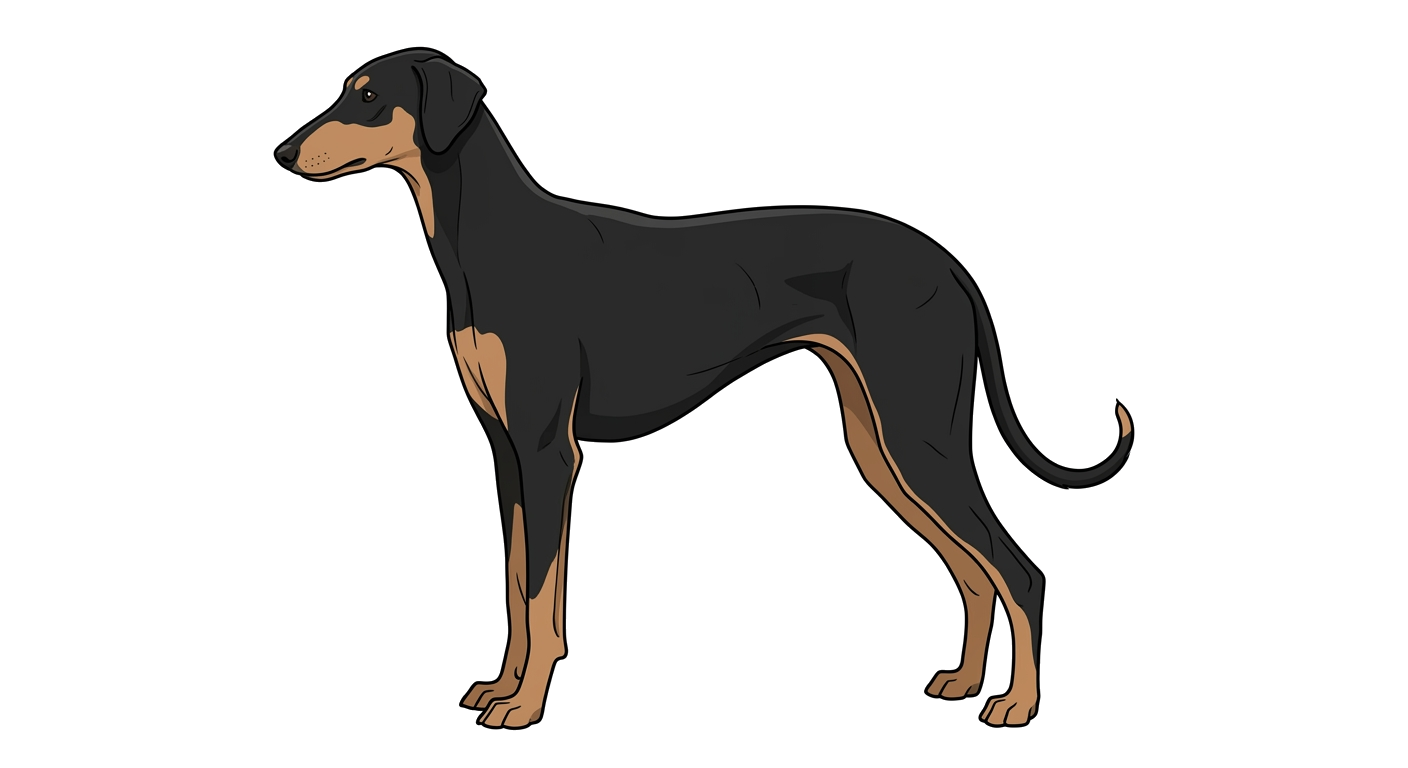
Point 1
Skull
The Kanni's skull is judged on balance rather than size — proportionate to the body, with a clean cheek and a stop typical of the breed. Coarseness or an over-refined head are both faulted.
Colours & patterns
Recognised coats
Which coats the standard accepts — and which are simply popular.
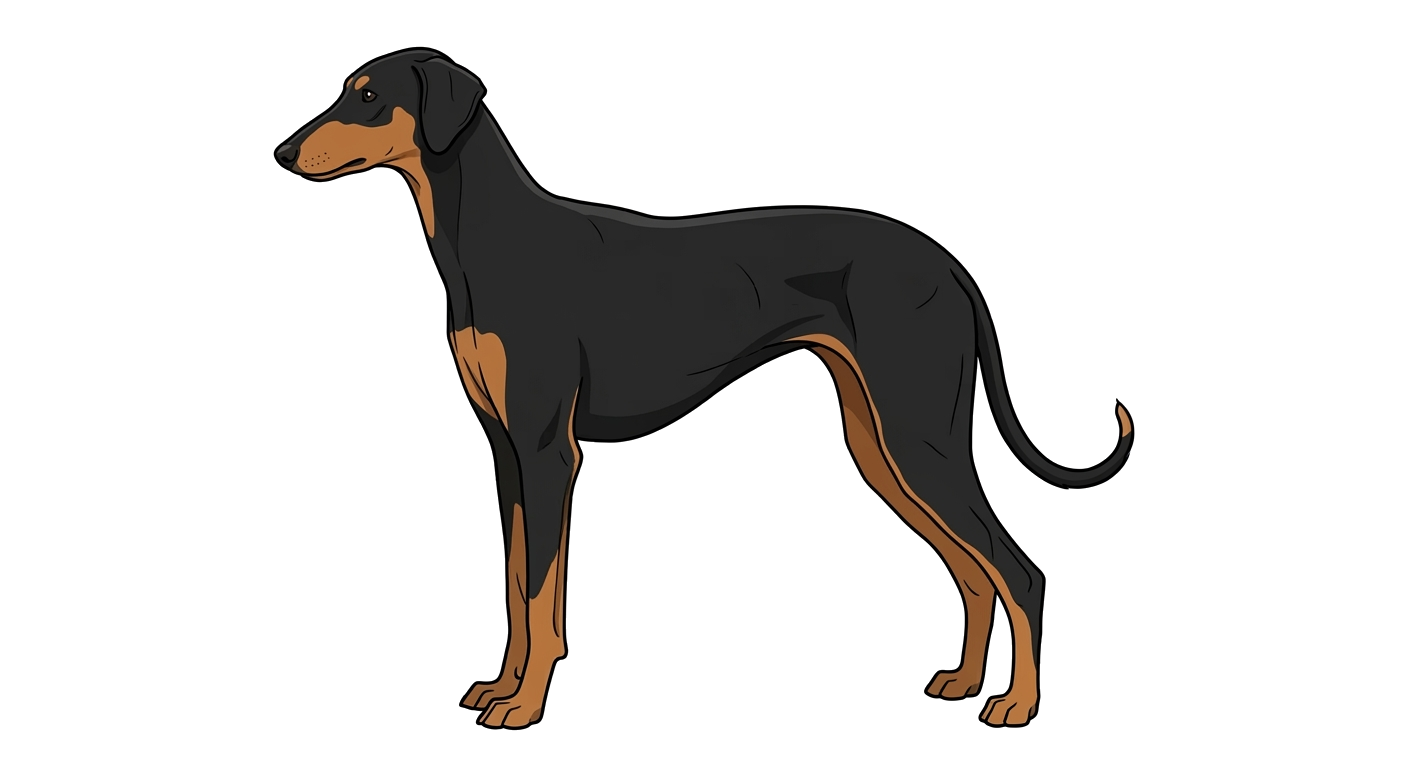
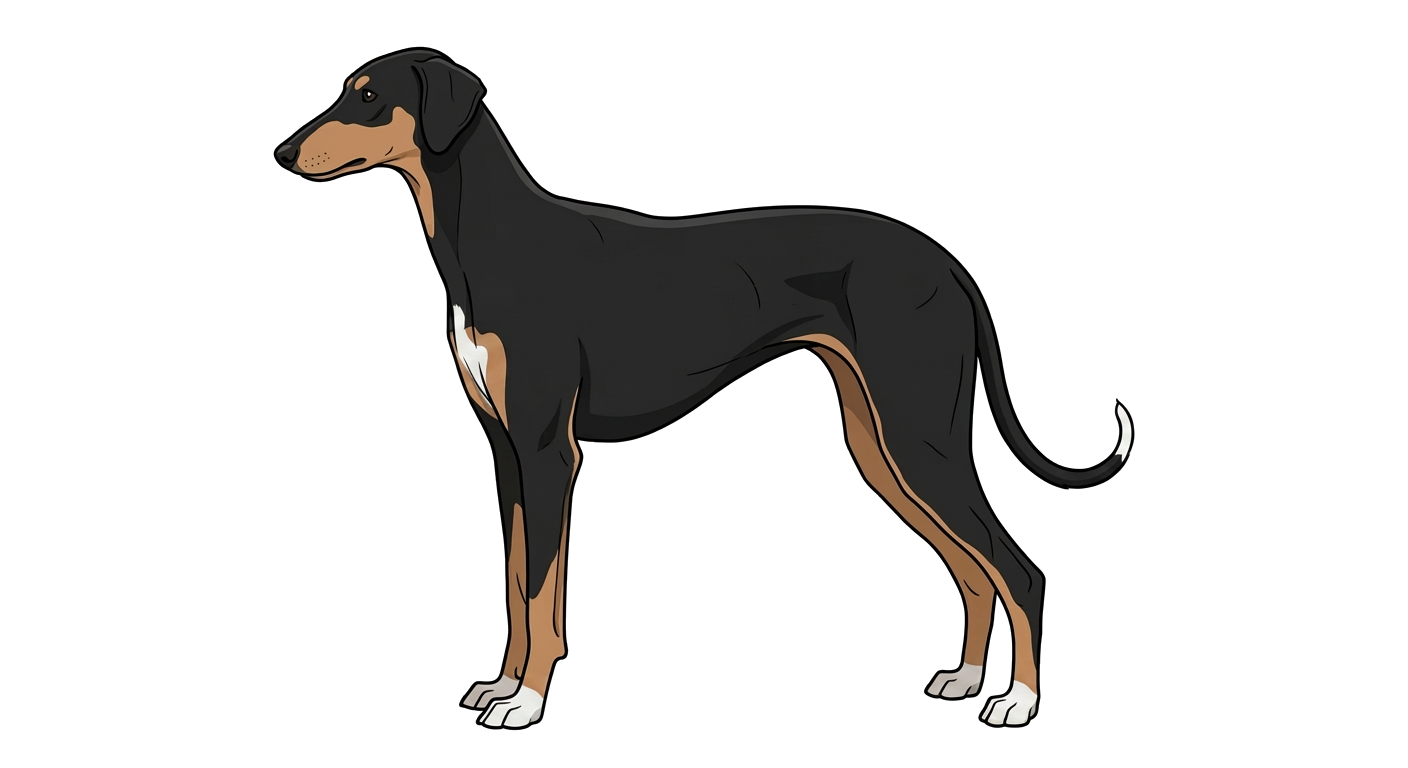
Black and Tan (Karunkanni)
Standard colour
The traditional dark variant, featuring rich black with distinct tan markings on the face, chest, and legs.
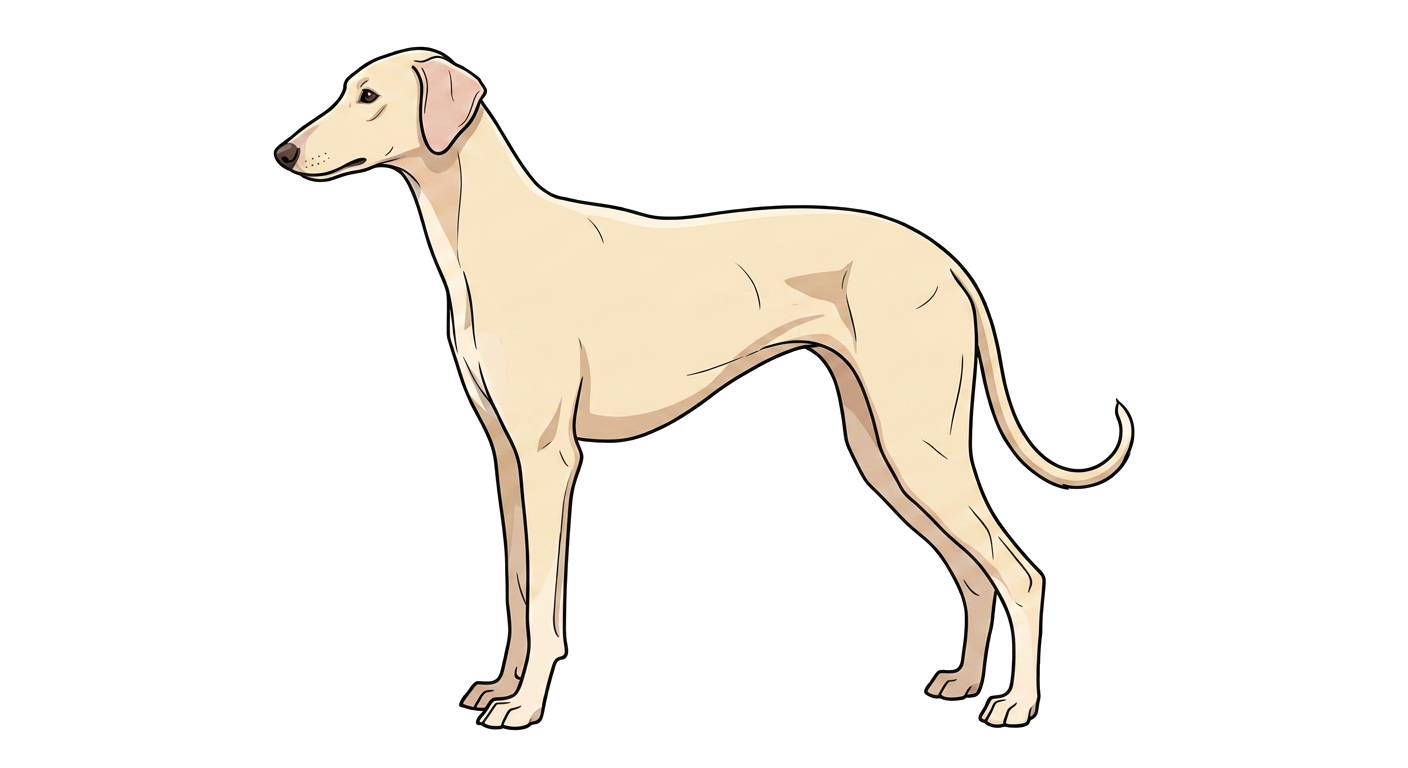
Fawn / Cream (Paalakanni)
Standard colour
Ranges from pale cream to warm fawn, historically valued in southern regions.
Tri-colour
Standard colour
Black and tan base coat with limited white markings on the chest, feet, or tail tip.
Timeline
History & development
1700s–1800s
Traditional coursing role
Bred and maintained by aristocratic families and zamindars in southern Tamil Nadu to hunt hare, blackbuck, and wild boar across thorny scrub forests.
Mid-20th Century
Decline in working numbers
Shifts in land ownership, stricter wildlife hunting bans, and the importation of foreign breeds led to a sharp decrease in native sighthound breeding.
2000s–Present
Preservation and recognition
The Kennel Club of India established a breed standard and recognised the Kanni, spurring regional conservation efforts to document and protect the remaining population.
Reference
Breed standard summary
- body
- Dry and muscular with a moderately long back, well-sprung and deep ribs reaching the elbow, and a prominent abdominal tuck-up.
- coat
- Extremely short, close-fitting, smooth, and glossy, designed to withstand intense heat without holding debris.
- ears
- Medium-sized, flat, carried semi-erect or folded backwards as rose ears when relaxed, rising alertly when excited.
- eyes
- Oval-shaped, set moderately wide, dark hazel to dark brown, displaying an alert, keen, and far-seeing expression.
- head
- Long, lean, and tapering towards the nose without an exaggerated stop; clean-cut and aristocratic.
- size
- Height typically ranges from 60 to 70 cm (24 to 28 inches) at the withers.
- tail
- Long, thin, and whip-like, reaching below the hock, carried low in a slight upward curve when moving.
- colour
- Predominantly black and tan (Karunkanni), or shades of cream, fawn, and light brown (Paalakanni), with or without subtle white markings.
- muzzle
- Long, fine, and tapering, with tight lips and strong jaws meeting in a scissor bite.
- temperament
- Gentle, reserved with strangers, fiercely loyal to its household, and silent yet relentless during pursuit.
- general appearance
- A medium-to-large, lean, and graceful sighthound with a streamlined silhouette, deep chest, and pronounced tuck-up.
Health
What to screen for
Green means little to worry about, amber means ask the breeder for test results, red means manage it actively.
Sighthound Anaesthetic Sensitivity
Watch closely
Low body fat and altered liver metabolism typical of sighthounds require tailored anaesthetic protocols.
Cold Intolerance
Screen for it
A very short, single coat and lean frame make the breed susceptible to chilling in cold or damp climates.
Running Injuries
Watch closely
High sprint speeds over uneven terrain occasionally lead to pad lacerations, toe sprains, or muscle tears.
General information only — always speak to your vet about your own dog.
From real owners
Dogs like this
Kannis added by PawPoint members through their pet passports. Share yours to appear here.
Loading the wall…
Made for the Kanni
The book, plus prints, hoodies and mugs using our own Kanni illustration — and one everyday accessory that suits any dog.

The book
Pawpoint: The Complete Dog Breed Book
Every officially recognised breed plus the unofficial ones nobody else documents. 400+ pages, hardback, printed and shipped from the UK.
Own stock — shipped by us
Framed poster
Kanni Framed Poster
Museum-weight print of our Kanni illustration, framed or unframed.
Printed to order
Hoodie
Kanni Hoodie
Heavyweight hoodie carrying the Kanni illustration on the chest.
Printed to order
Mug
Kanni Mug
Ceramic mug with the Kanni illustration wrapped around it.
Printed to order

Accessory
Waste Bag Dispenser
Clips to the lead, holds one standard roll.
Fits any dog
Pawpoint on YouTube
Watch the full Kanni video
Breed deep-dives, history and honest ownership talk. New film every week.
Watch now