
Karst Shepherd
KARST SHEP-erd
Slovenia· Karst plateau, southwestern Slovenia
The Karst Shepherd is a medium-to-large livestock guardian breed from the Karst plateau of Slovenia, developed to protect sheep from wolves in a harsh, rocky landscape.
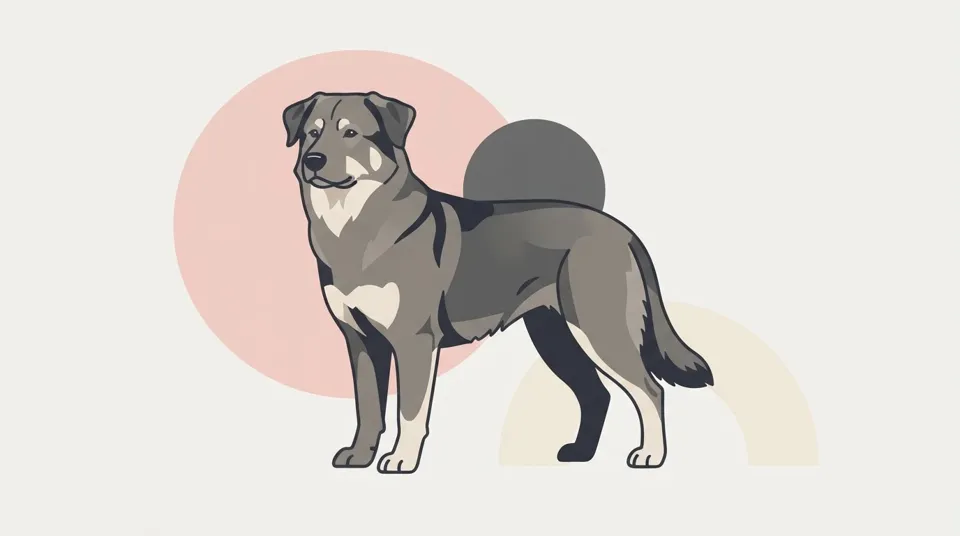
At a glance
Quick facts
- Size
- Large
- Exercise needs
- 1-2 hours per day
- Home size suited to
- Large
- Grooming frequency
- Twice-weekly brush
- Coat length
- Long
- Sheds
- Yes
- Lifespan
- 11-13 years
- Town or country
- Country preferred
- Garden size needed
- Large
Where it comes from
Origins of the Karst Shepherd
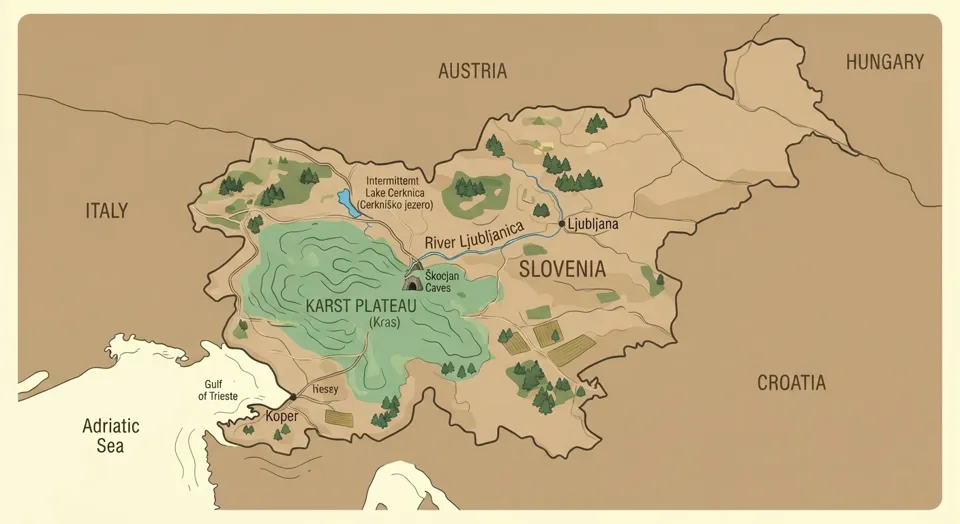
The rocky, exposed Karst plateau of southwestern Slovenia offered thin grazing and real danger from wolves, so shepherds needed a strong, weatherproof dog able to guard flocks over difficult, stony terrain. The breed's dense grey coat and steady temperament reflect a long history of working closely with, but independently of, its shepherd.
- Region
- Karst plateau, southwestern Slovenia
- Climate it was bred for
- Rocky, exposed plateau with cold winters and hot, dry summers
- Original job
- Guarding sheep flocks against wolves on the Karst plateau
The long read
About the breed
Its guarding heritage produced a calm, watchful dog with strong protective instincts, capable of working independently while remaining attentive to its shepherd.
As a companion it is loyal, steady and generally good with family, including children, though it retains natural wariness of strangers and needs consistent socialisation from an early age.
The breed remains closely tied to its native Slovenia, where it continues to work as a livestock guardian, and it is only slowly becoming known beyond the Balkans and Alpine region.
Living with one
Temperament & needs
Our own ratings, based on the breed standard and how these dogs behave in ordinary homes.
Friendliness
3/5
How openly the Karst Shepherd greets people it does not know.
Trainability
3/5
How readily the breed takes to training in an ordinary home.
Energy
3/5
How much daily exercise and stimulation the breed expects.
Barking
3/5
How vocal the breed tends to be day to day.
Grooming
3/5
How much coat work the breed needs to stay comfortable.
Suits a first-time owner
3/5
How forgiving the Karst Shepherd is for someone taking on their first dog.
Illustrated breed standard
The points of the breed
Hover or tap a numbered point to read what the standard asks for.
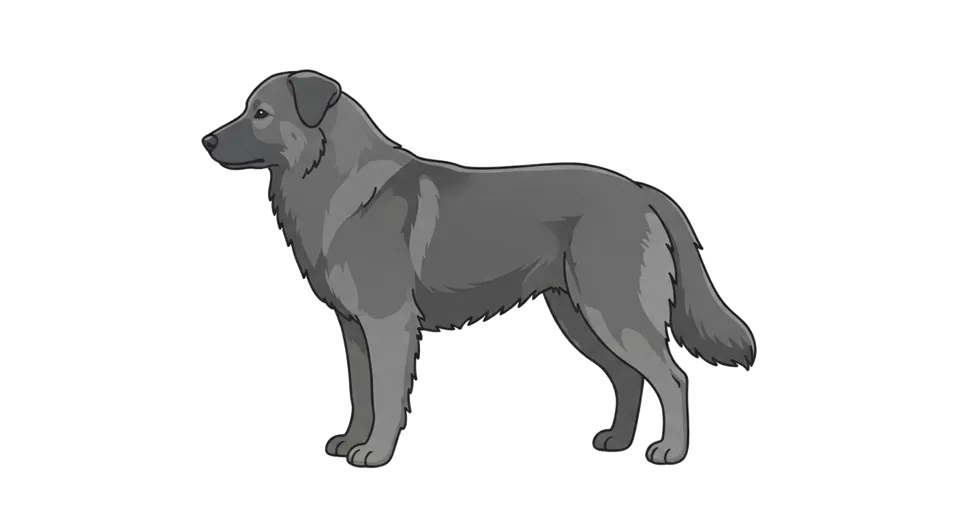
Point 1
Skull
The Karst Shepherd's skull is judged on balance rather than size — proportionate to the body, with a clean cheek and a stop typical of the breed. Coarseness or an over-refined head are both faulted.
Timeline
History & development
1600s
Early references
Historical records from the region describe large grey guardian dogs working the Karst plateau.
1800s
Established type
The breed became firmly established as the standard guardian of Karst plateau flocks.
1939
First breed standard
An initial standard was drafted under the name Illyrian Shepherd Dog, shared with related Balkan types.
1968
Renamed and recognised
The breed was renamed Karst Shepherd and recognised separately by the FCI.
1990s
Slovenian independence and identity
Following Slovenian independence, the breed became a recognised national symbol and conservation focus.
Reference
Breed standard summary
- body
- Muscular with a firm, level back and deep chest.
- coat
- Long, dense and coarse with a thick undercoat.
- ears
- Medium-sized, triangular, hanging close to the head.
- eyes
- Medium-sized, chestnut brown, with a calm, watchful expression.
- head
- Broad skull with a moderate stop and a strong, tapering muzzle.
- size
- Dogs 57-63cm, bitches 54-58cm at the withers
- colour
- Uniform iron grey, sometimes with darker shading over the back.
- temperament
- Calm, steady and protective, loyal to family but reserved with strangers.
- general appearance
- A medium-to-large, well-proportioned mountain guardian dog, slightly longer than tall, with a solid, muscular build.
Health
What to screen for
Green means little to worry about, amber means ask the breeder for test results, red means manage it actively.
General information only — always speak to your vet about your own dog.
From real owners
Karst Shepherds in the PAWPOINT Pack
Karst Shepherds added by PawPoint members through their pet passports. Share yours to appear here.
Loading the wall…
Made for the Karst Shepherd
The book, plus hoodies, tees and mugs featuring the Karst Shepherd.