Keeshond
KAYZ-hond
Netherlands· Dutch waterways and barges
The Keeshond is a fluffy, grey and black spitz bred in the Netherlands as a watchdog and companion aboard barges and small farms along Dutch waterways.
At a glance
Quick facts
Size
Medium
Exercise needs
45-60 minutes daily
Home size suited to
Small to medium home
Grooming frequency
Twice weekly brush
Coat length
Medium
Sheds
Yes, heavily when moulting
Lifespan
12-15 years
Town or country
Either, happy in town
Garden size needed
Small to medium
Where it comes from
Origins of the Keeshond
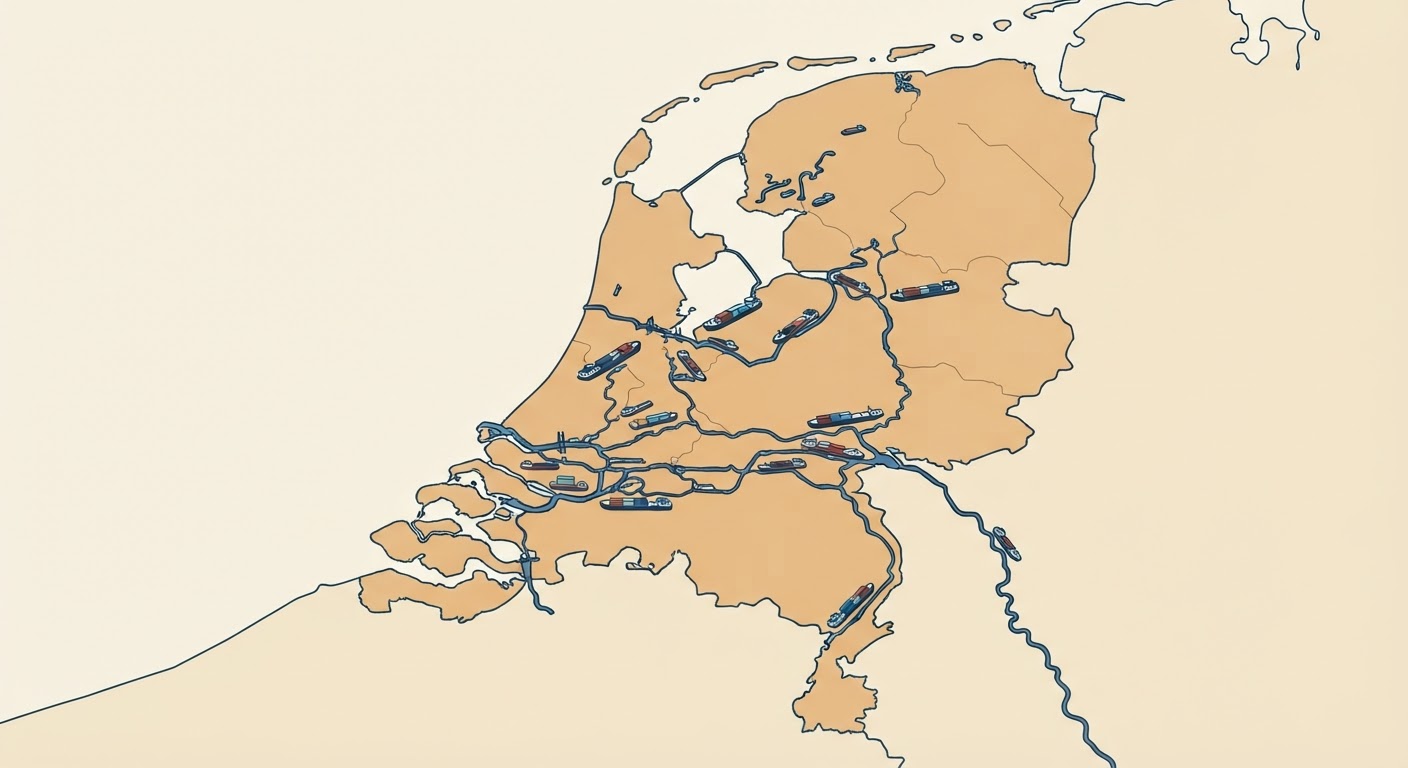
Bred to watch over barges and farmyards along the Dutch waterways, the Keeshond's thick weatherproof coat and alert nature made it a reliable companion in a cold, damp, low-lying landscape.
- Region
- Dutch waterways and barges
- Climate it was bred for
- Cool, damp, low-lying wetlands
- Original job
- Watchdog on barges and farms
The long read
About the breed
The breed's name comes from Cornelis "Kees" de Gyselaer, an eighteenth-century Dutch patriot leader whose dog became a political symbol of the Patriot faction opposing the House of Orange; ownership of the breed briefly carried political meaning in the Netherlands. Long before that, similar spitz-type dogs had worked for generations as barge dogs and farmyard watchdogs, valued for alertness and a distinctive bark rather than any specialised working skill. After the Patriots lost, the breed fell out of fashion among the Dutch elite and survived mainly as a working dog on barges and farms until British and Dutch fanciers revived interest in the twentieth century.
A Keeshond in the home is sociable, alert and eager to be involved in whatever the family is doing, often following people from room to room, a trait that also makes it a poor choice for owners wanting a dog that is content being left alone. It is intelligent and generally easy to train, though its heritage as a watchdog means it will bark to announce anything unusual, and this needs managing in close-quartered housing. The thick double coat, with its characteristic "spectacles" markings around the eyes, sheds heavily and needs regular brushing, particularly during seasonal coat blowouts.
Today the breed is kept purely as a companion, valued for its friendly, people-oriented temperament and striking silver-grey coat, and it remains a solid, if not especially common, choice for families wanting an alert, affectionate dog of moderate size.
Living with one
Temperament & needs
Our own ratings, based on the breed standard and how these dogs behave in ordinary homes.
Friendliness
5/5
How openly the Keeshond greets people it does not know.
Trainability
4/5
Intelligent and generally eager to please.
Energy
3/5
Enjoys daily walks and family activity.
Barking
4/5
A natural watchdog, quick to alert to anything unusual.
Grooming
4/5
Thick double coat needs regular brushing, more during seasonal sheds.
Suits a first-time owner
4/5
How forgiving the Keeshond is for someone taking on their first dog.
Sociability
5/5
Highly people-oriented, dislikes being left alone.
Independence
2/5
Wants to be involved in whatever the family is doing.
Illustrated breed standard
The points of the breed
Hover or tap a numbered point to read what the standard asks for.
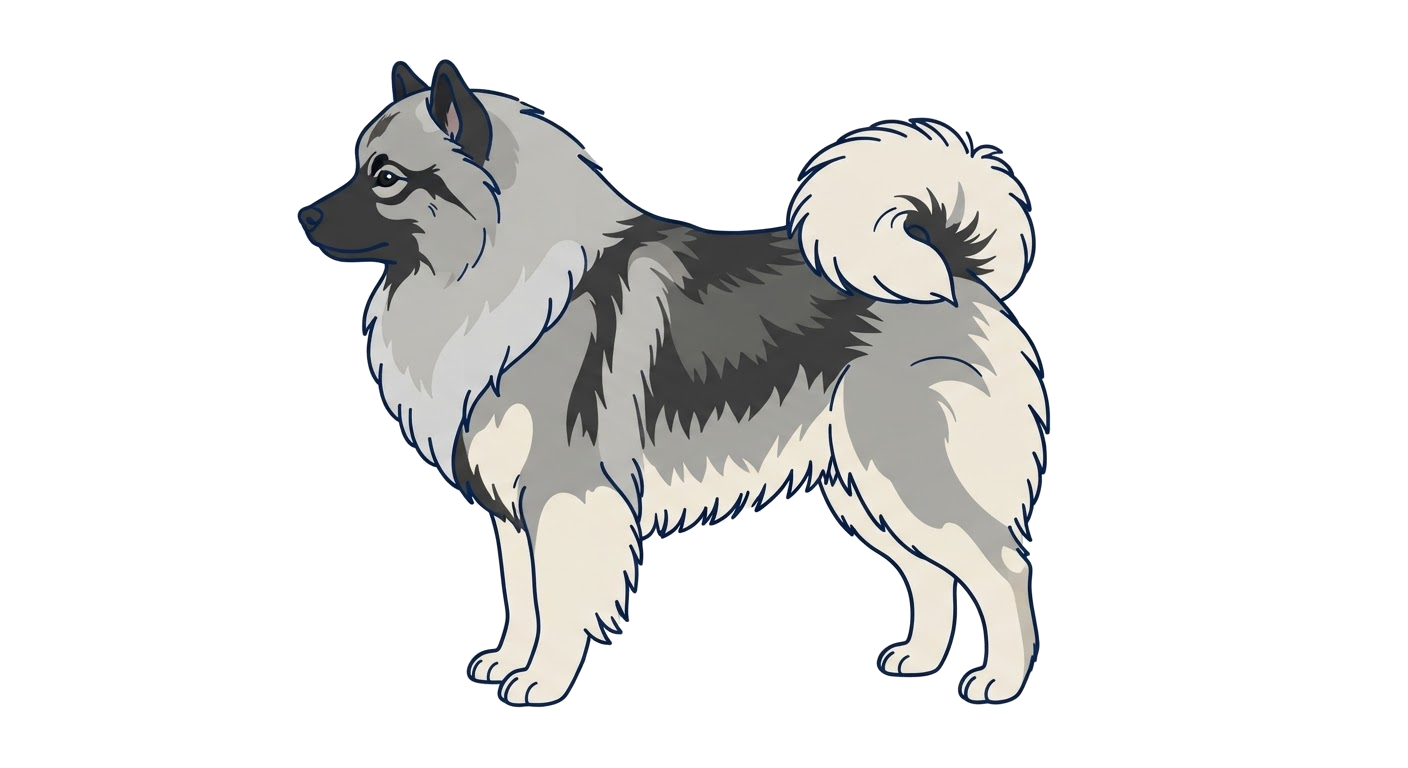
Point 1
Skull
The Keeshond's skull is judged on balance rather than size — proportionate to the body, with a clean cheek and a stop typical of the breed. Coarseness or an over-refined head are both faulted.
Colours & patterns
Recognised coats
Which coats the standard accepts — and which are simply popular.
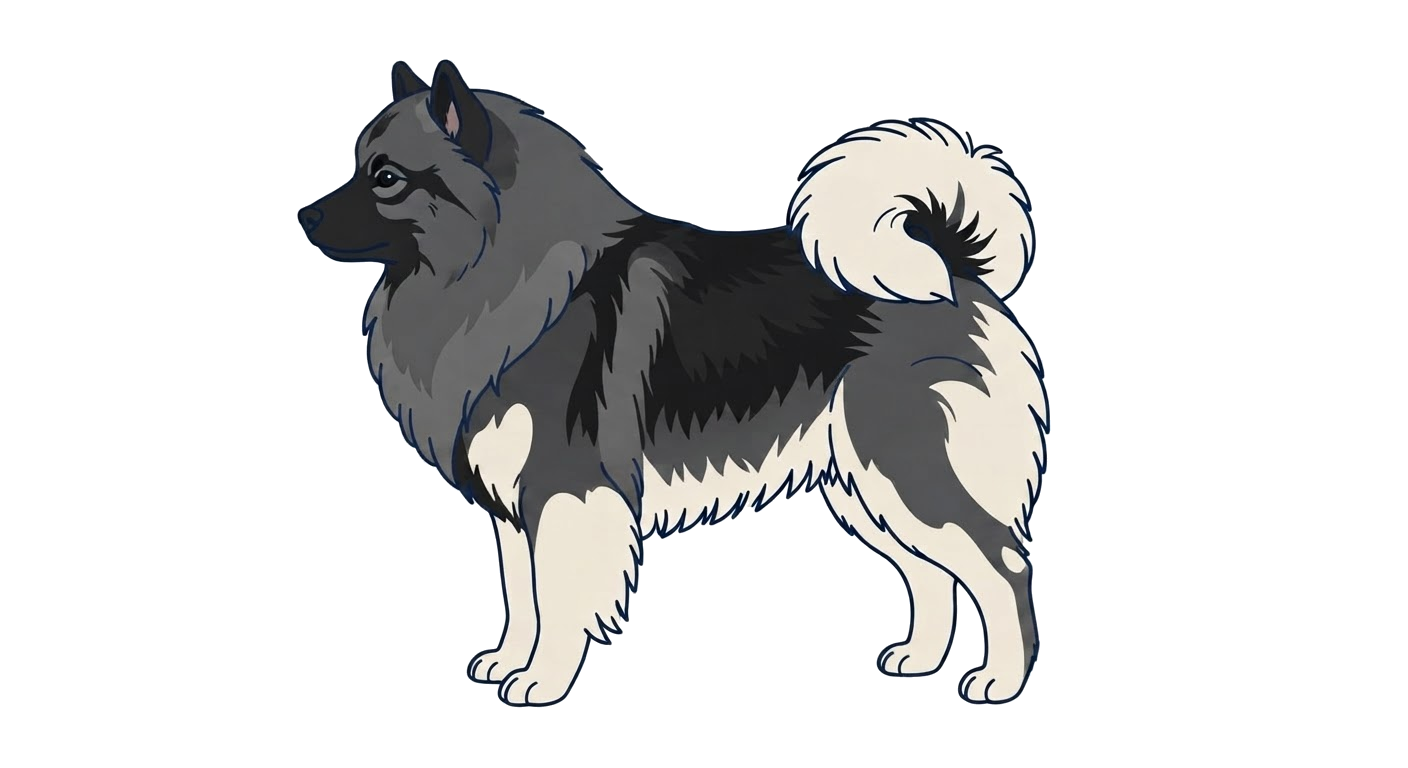
Grey and black
Standard colour
The only accepted colour combination, with distinctive spectacle markings.
Timeline
History & development
1700s
Barge and farm dog
Spitz-type dogs worked as watchdogs on Dutch barges and small farms for generations.
1785
Political symbol
The breed became associated with Cornelis de Gyselaer and the Dutch Patriot movement.
1920s
Revival in Britain
British fanciers, including Wingfield Digby, revived and promoted the breed.
1930
UK Kennel Club recognition
The Keeshond was formally recognised in the United Kingdom.
1950s onward
The breed today
Kennel club registrations settled into a steady pattern and the Keeshond moved from a working specialist to a family companion, with breed clubs in the UK and abroad now focused on health testing and keeping true type alive.
Reference
Breed standard summary
- body
- Compact, short-coupled.
- coat
- Abundant, straight, standoff outer coat.
- ears
- Small, triangular, erect.
- eyes
- Dark brown, medium, with distinctive spectacle markings.
- gait
- Brisk, free-moving.
- head
- Wedge-shaped, well-proportioned.
- size
- Medium
- tail
- Set high, curled tightly over the back.
- colour
- Grey and black. Colours outside this list are seen but are not accepted by the kennel clubs.
- temperament
- Typical of the breed: strongest in sociability, trainability, barking. Nervousness or aggression are serious faults in the show ring and in the home.
- general appearance
- Compact, well-plumed spitz with a fox-like expression.
Health
What to screen for
Green means little to worry about, amber means ask the breeder for test results, red means manage it actively.
Hip dysplasia
Screen for it
Ask for hip scores on breeding parents.
Patellar luxation
Screen for it
Ask whether parents have been checked for kneecap stability.
Hyperadrenocorticism (Cushing's)
Watch closely
A hormonal condition reported in the breed; discuss family history with the breeder.
Primary hyperparathyroidism
Watch closely
A known inherited condition; ask about testing in the line.
General information only — always speak to your vet about your own dog.
From real owners
Dogs like this
Keeshonds added by PawPoint members through their pet passports. Share yours to appear here.
Loading the wall…
Made for the Keeshond
The book, plus prints, hoodies and mugs using our own Keeshond illustration — and one everyday accessory that suits any dog.

The book
Pawpoint: The Complete Dog Breed Book
Every officially recognised breed plus the unofficial ones nobody else documents. 400+ pages, hardback, printed and shipped from the UK.
Own stock — shipped by us
Framed poster
Keeshond Framed Poster
Museum-weight print of our Keeshond illustration, framed or unframed.
Printed to order
Hoodie
Keeshond Hoodie
Heavyweight hoodie carrying the Keeshond illustration on the chest.
Printed to order
Mug
Keeshond Mug
Ceramic mug with the Keeshond illustration wrapped around it.
Printed to order
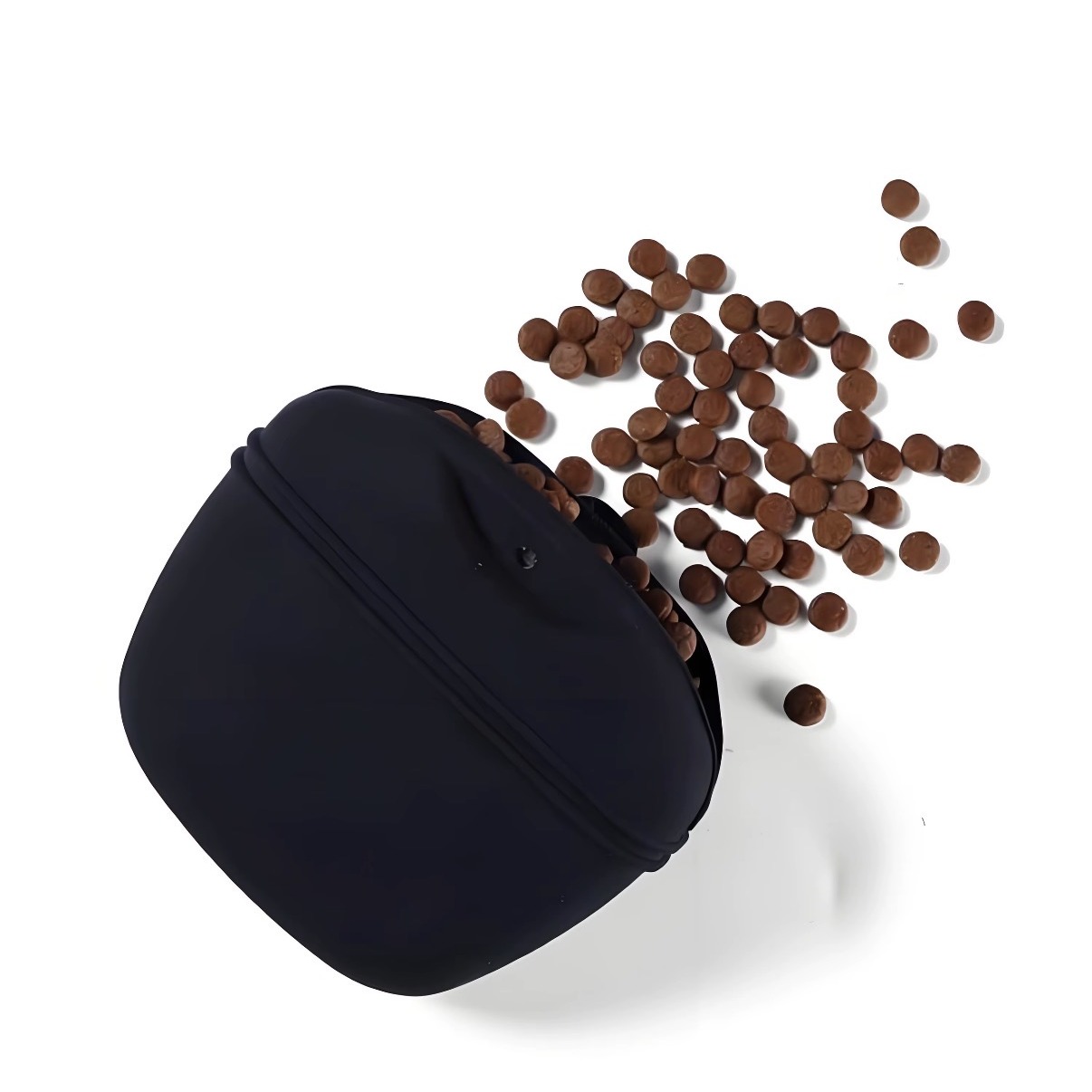
Accessory
Treat Pouch
Magnetic-close belt pouch for training sessions.
Fits any dog
Pawpoint on YouTube
Watch the full Keeshond video
Breed deep-dives, history and honest ownership talk. New film every week.
Watch now