
Kintamani-Bali Dog
kin-tah-MAH-nee BAH-lee
Indonesia· Kintamani highlands, Bali
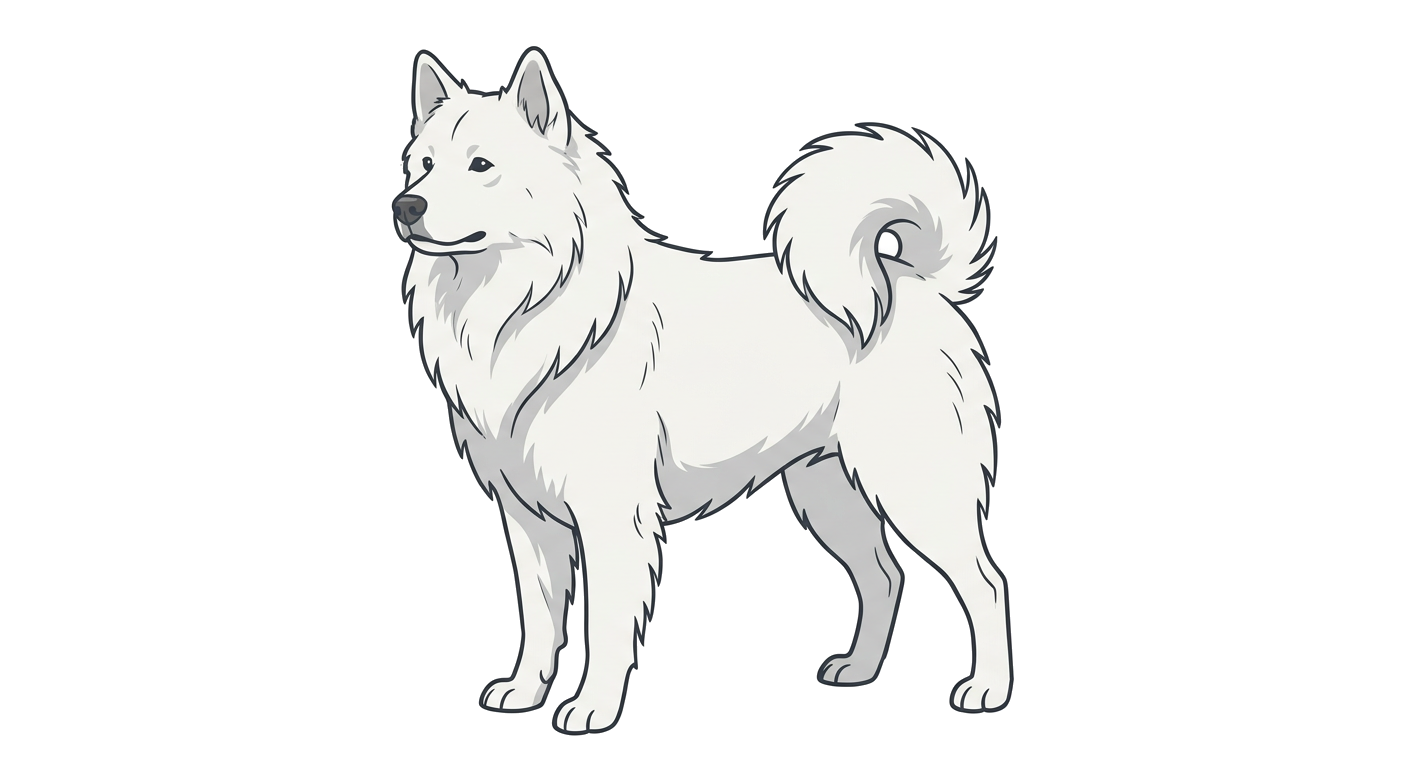
The Kintamani-Bali Dog — the Anjing Kintamani-Bali — is a spitz-type breed native to the Kintamani highlands of Bali, provisionally recognised by the FCI in 2019. It is Bali's only native dog breed and a point of cultural pride on the island.
At a glance
Quick facts
Size
Medium
Exercise needs
Moderate to high
Home size suited to
Adaptable with exercise
Grooming frequency
Weekly brushing
Coat length
Medium
Sheds
Moderate to heavy
Lifespan
Not yet documented
Town or country
Town or country
Garden size needed
Secure garden
Where it comes from
Origins of the Kintamani-Bali Dog
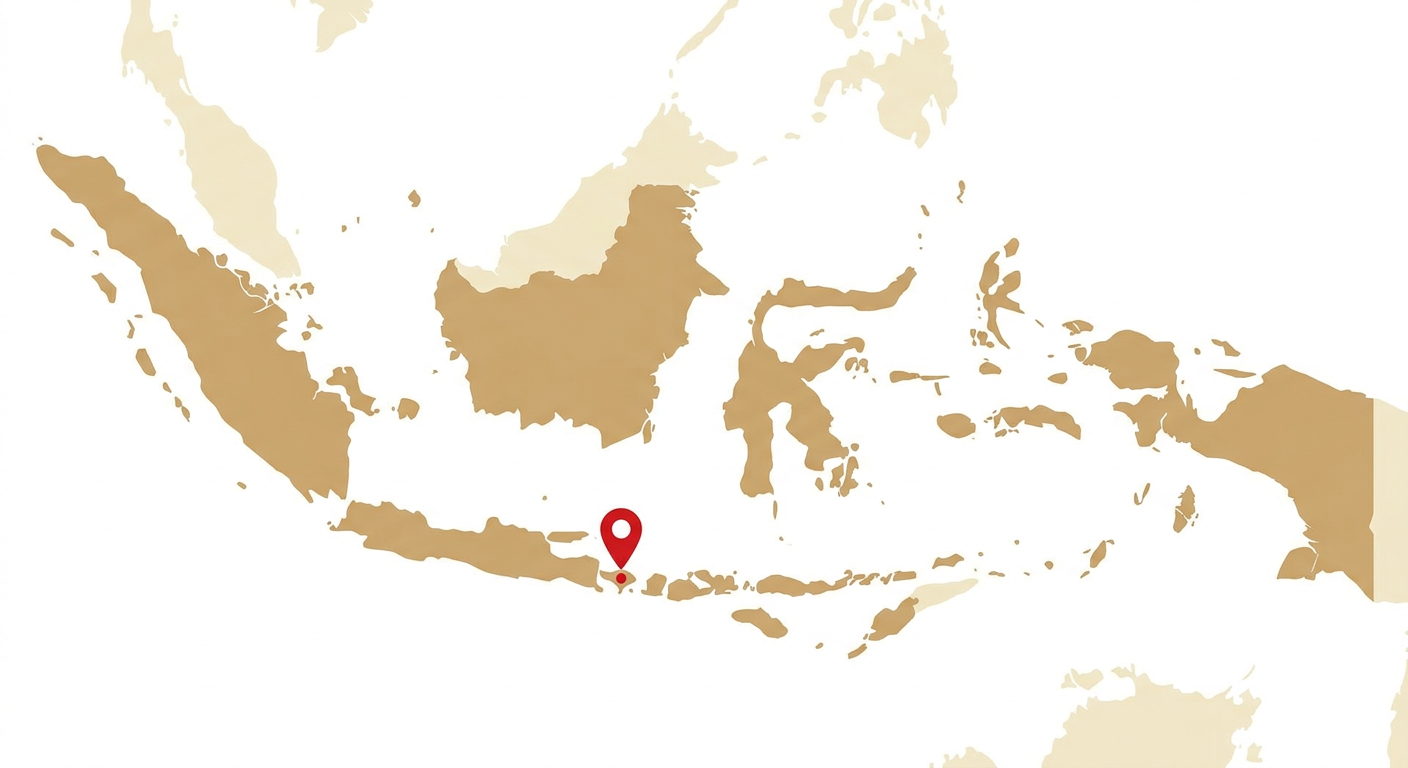
Bali's native highland spitz, provisionally recognised by the FCI in 2019.
- Region
- Kintamani highlands, Bali
- Climate it was bred for
- Tropical highland
- Original job
- Village watchdog and companion
The long read
About the breed
Genetic studies indicate the breed developed over centuries from local Bali street dogs with some influx of Asian spitz-type stock, adapting to the cooler volcanic highlands around Mount Batur. Alert, agile and territorial, it traditionally served as a village watchdog and companion. English-language documentation is still limited while recognition is provisional, so details on this page may change.
Registry note: the FCI accepted the Kintamani-Bali Dog on a provisional basis, which means the standard is still settling and details may change before definitive recognition. We will keep this page updated as more is published.
Living with one
Temperament & needs
Our own ratings, based on the breed standard and how these dogs behave in ordinary homes.
Energy
4/5
Settles well once exercised.
Barking
4/5
Quick to sound off.
Grooming
3/5
Weekly brushing keeps the coat right.
Sociability
3/5
Steady with people it knows.
Independence
4/5
Independent thinker; tolerates being left to it.
Trainability
3/5
Capable, with consistent fair handling.
Illustrated breed standard
The points of the breed
Hover or tap a numbered point to read what the standard asks for.
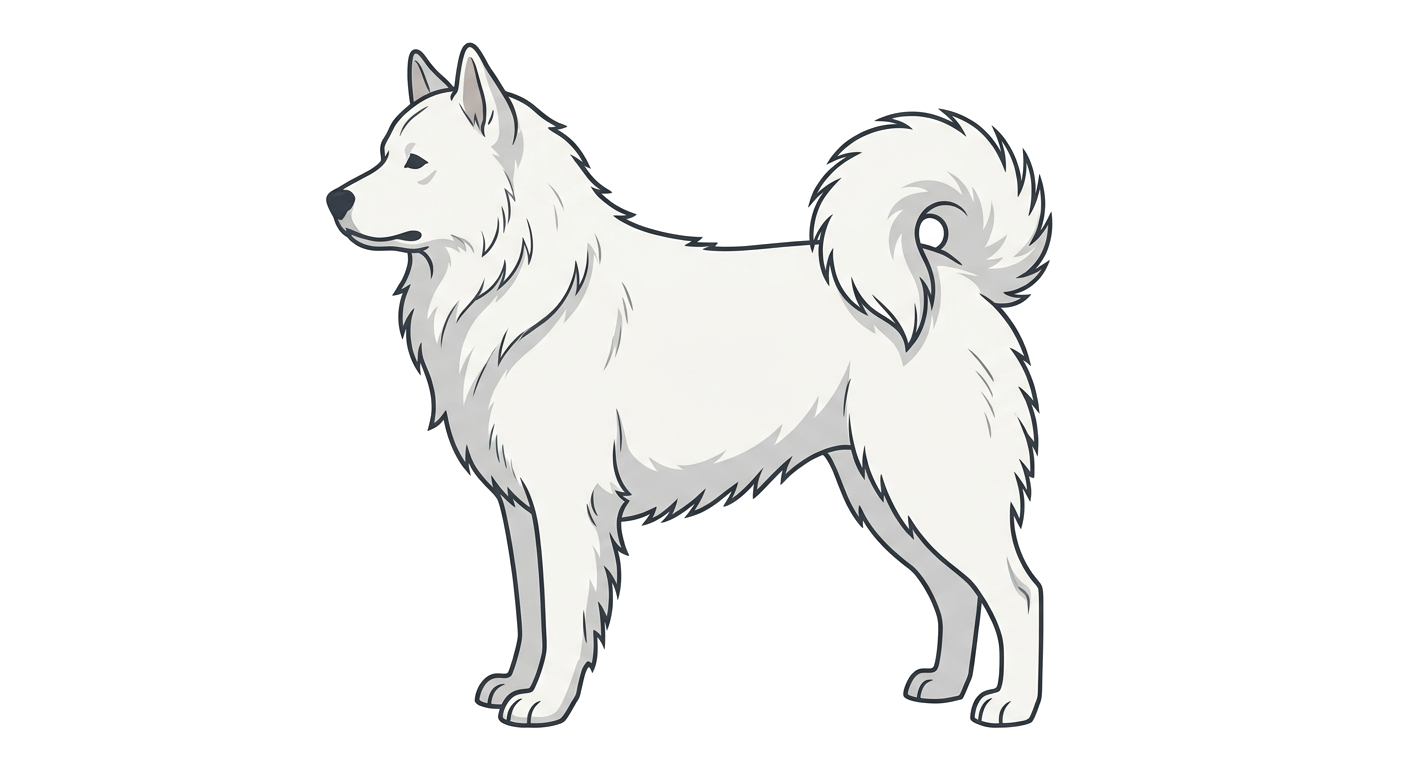
Point 1
Head
Wedge-shaped, in typical spitz fashion.
Colours & patterns
Recognised coats
Which coats the standard accepts — and which are simply popular.
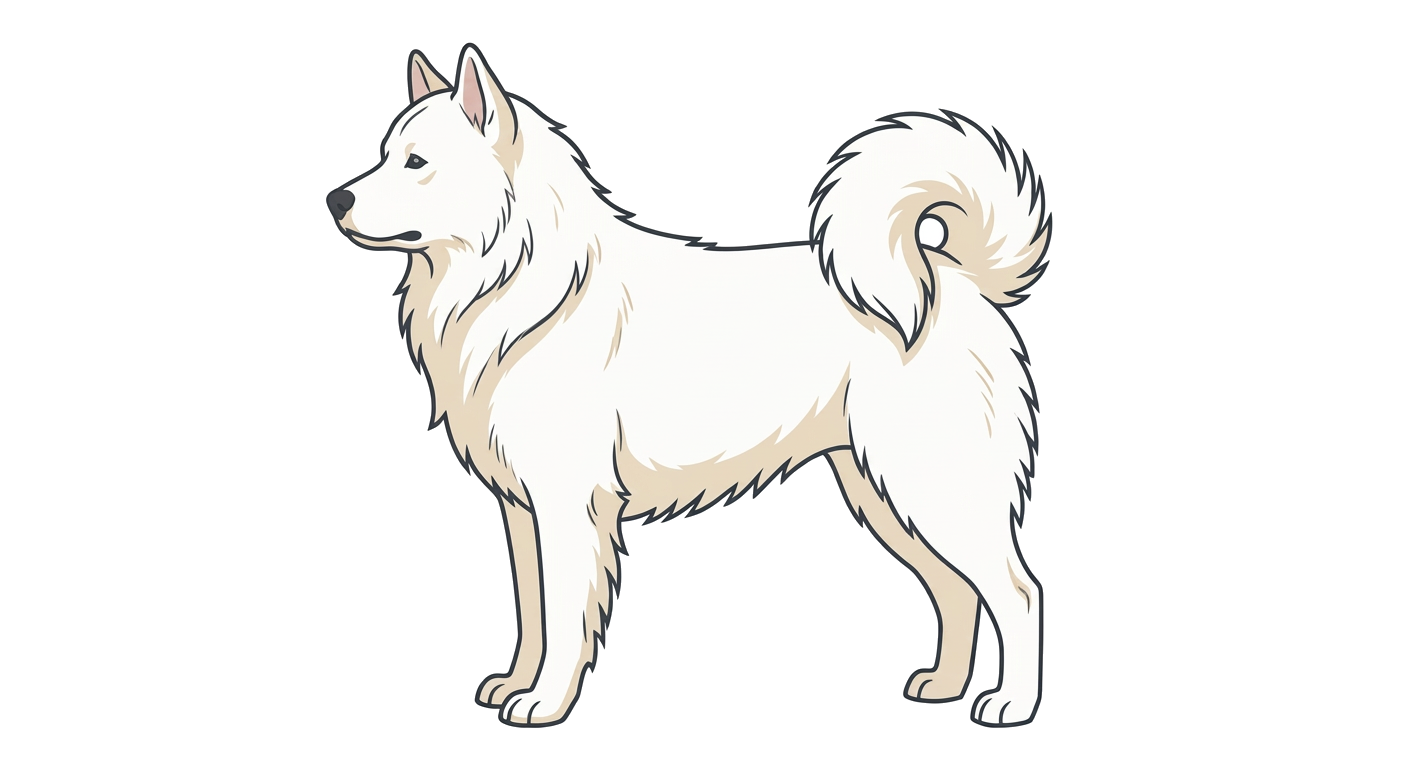
White
Standard colour
The classic and preferred colour, sometimes with biscuit shading.
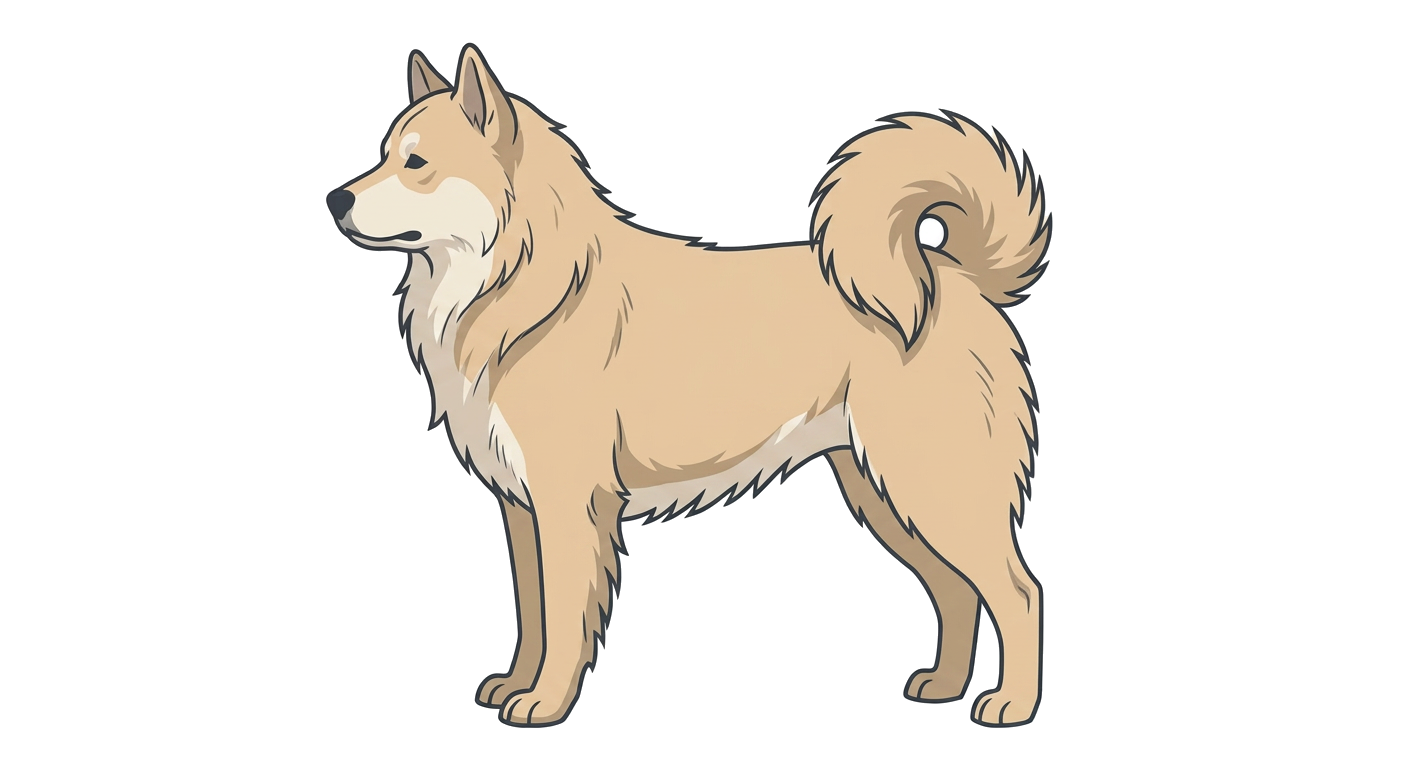
Fawn
Standard colour
Also occurs in the regional population.
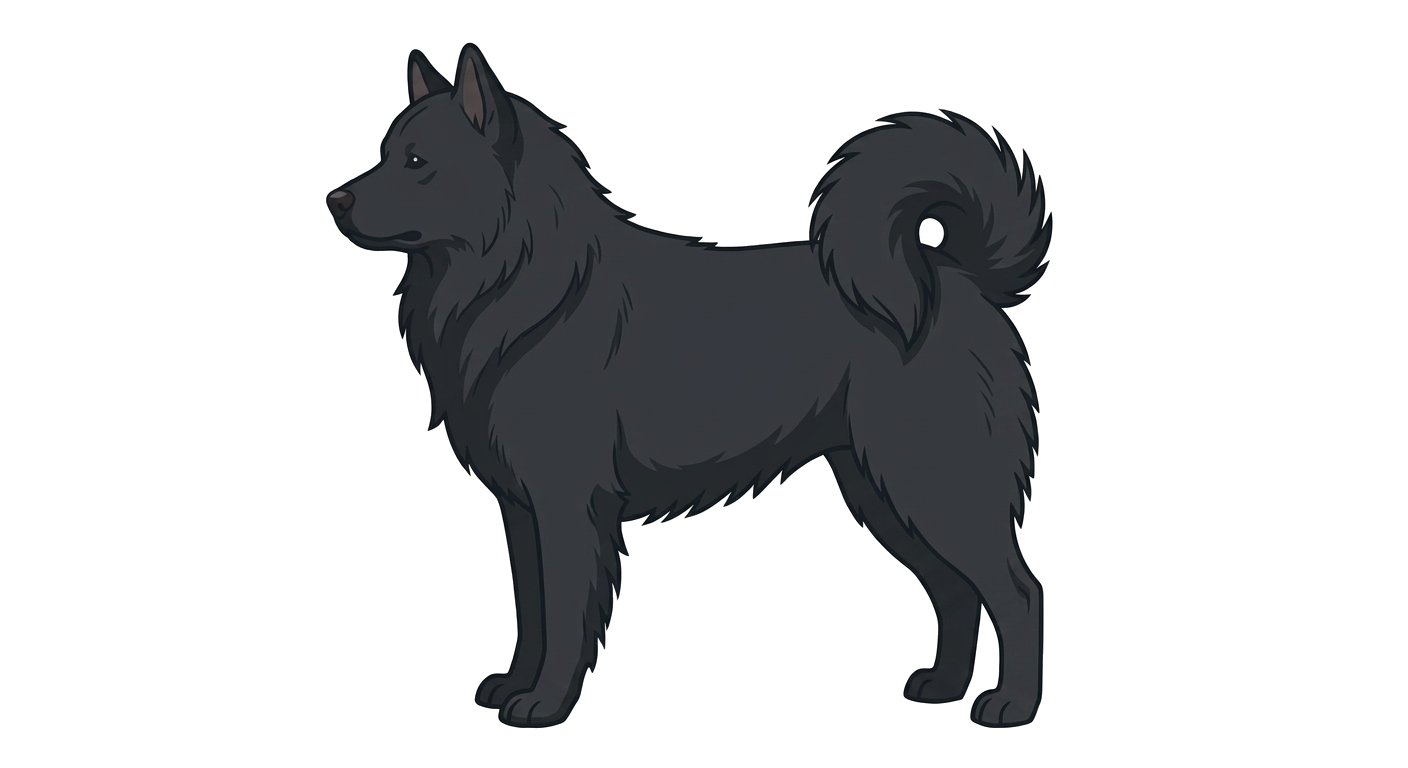
Black
Standard colour
Also occurs in the regional population.
Timeline
History & development
Centuries past
Island development
Local Bali dogs in the Kintamani highlands developed into a distinct spitz type, with some later Asian spitz influence.
2000s
Formal documentation
Indonesian cynologists documented and standardised the breed, supported by genetic studies confirming its distinct population.
2019
Provisional FCI recognition
The FCI accepted the Kintamani-Bali Dog on a provisional basis in 2019.
Reference
Breed standard summary
- body
- Compact and athletic, slightly longer than tall.
- coat
- Medium-length double coat, harsher at the neck and breeches.
- ears
- Erect, triangular and mobile.
- eyes
- Almond-shaped, dark and alert.
- gait
- Light, free and agile.
- head
- Wedge-shaped, in typical spitz fashion.
- size
- Medium; precise figures are set by the Indonesian standard and still being formalised internationally.
- tail
- Set high and carried curled over the back.
- colour
- White is the classic and preferred colour, sometimes with biscuit shading; fawn, red, brindle and black dogs also occur in the regional population.
- muzzle
- Strong and tapering, with a dark nose.
- temperament
- Alert, agile and territorial; loyal to its family and watchful of strangers.
- general appearance
- A medium-sized, well-balanced spitz with a wedge-shaped head, erect ears and a curled tail; full published details are still limited while recognition is provisional.
Health
What to screen for
Green means little to worry about, amber means ask the breeder for test results, red means manage it actively.
Data
Watch closely
Provisionally recognised; no published health surveys yet.
General robustness
Watch closely
Naturalised village-dog background suggests hardiness; unconfirmed by surveys.
General information only — always speak to your vet about your own dog.
From real owners
Dogs like this
Kintamani-Bali Dogs added by PawPoint members through their pet passports. Share yours to appear here.
Loading the wall…
Made for the Kintamani-Bali Dog
The book, plus prints, hoodies and mugs using our own Kintamani-Bali Dog illustration — and one everyday accessory that suits any dog.

The book
Pawpoint: The Complete Dog Breed Book
Every officially recognised breed plus the unofficial ones nobody else documents. 400+ pages, hardback, printed and shipped from the UK.
Own stock — shipped by us
Framed poster
Kintamani-Bali Dog Framed Poster
Museum-weight print of our Kintamani-Bali Dog illustration, framed or unframed.
Printed to order
Hoodie
Kintamani-Bali Dog Hoodie
Heavyweight hoodie carrying the Kintamani-Bali Dog illustration on the chest.
Printed to order
Mug
Kintamani-Bali Dog Mug
Ceramic mug with the Kintamani-Bali Dog illustration wrapped around it.
Printed to order

Accessory
Waste Bag Dispenser
Clips to the lead, holds one standard roll.
Fits any dog
Pawpoint on YouTube
Watch the full Kintamani-Bali Dog video
Breed deep-dives, history and honest ownership talk. New film every week.
Watch now