
Kishu Ken
KEE-shoo ken
Japan· Kishu region (modern Wakayama and Mie Prefectures), Japan
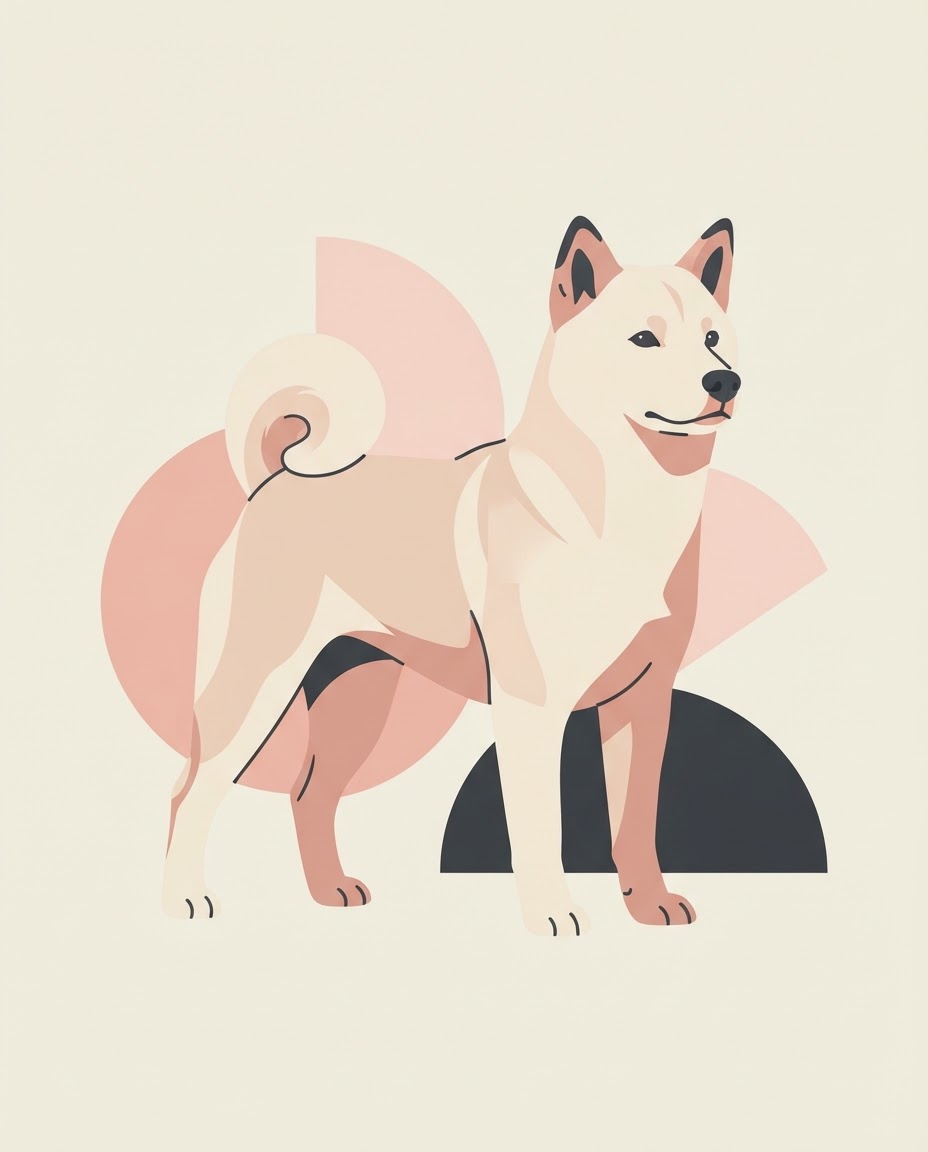
The Kishu Ken is a medium-sized Japanese spitz breed traditionally used to hunt wild boar in the mountains of the Kishu region.
At a glance
Quick facts
Size
Medium
Exercise needs
1-2 hours per day
Home size suited to
Medium home suitable
Grooming frequency
Weekly brush, more when shedding
Coat length
Short to medium, double coat
Sheds
Yes, seasonally
Lifespan
11-13 years
Town or country
Adaptable, enjoys active life
Garden size needed
Medium, securely fenced
Where it comes from
Origins of the Kishu Ken
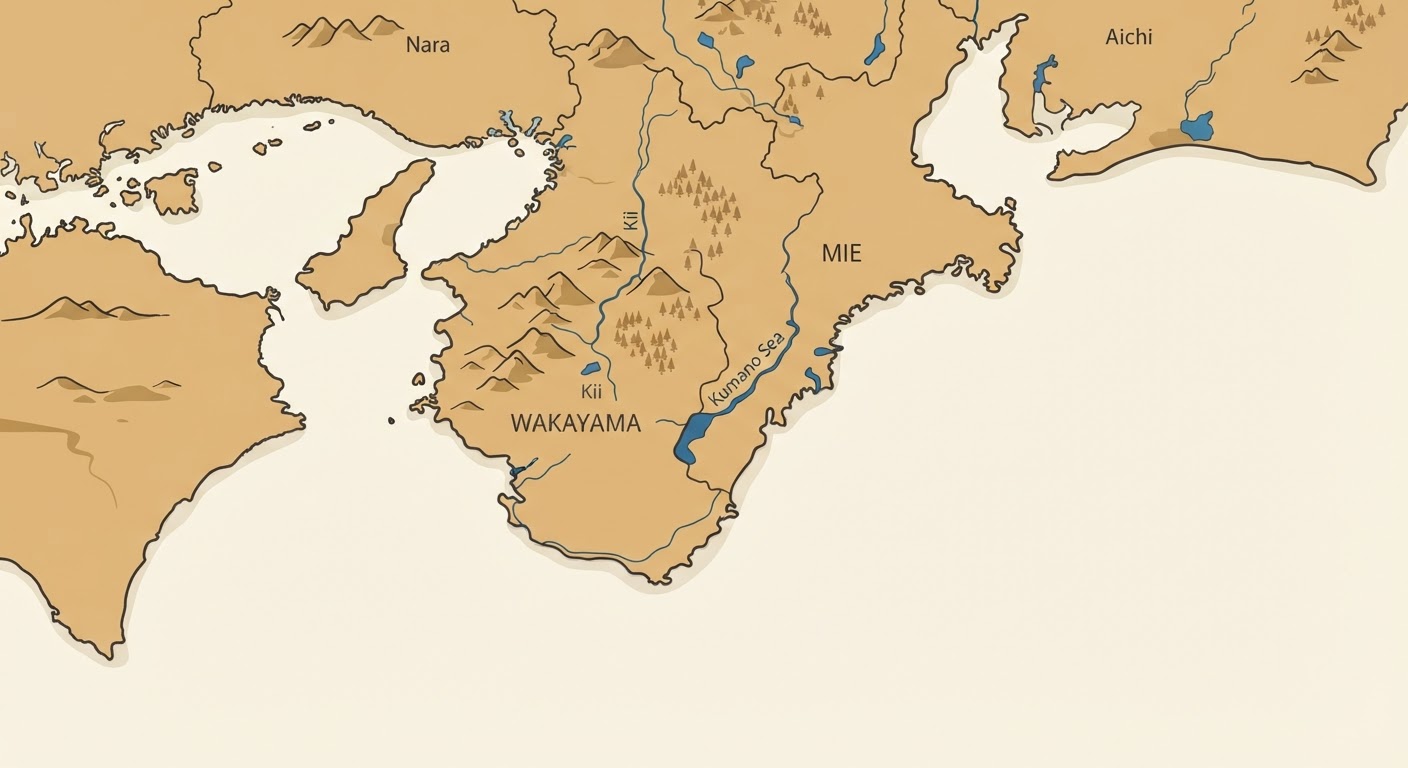
The rugged, forested mountains of the old Kishu region required a dog with courage and stamina to corner wild boar until hunters arrived. Bred for function rather than looks, the Kishu Ken's plain white coat and silent, focused working style made it a favoured boar-hunting companion for centuries.
- Region
- Kishu region (modern Wakayama and Mie Prefectures), Japan
- Climate it was bred for
- Mountainous, temperate with cold winters
- Original job
- Hunting wild boar and deer
The long read
About the breed
Its boar-hunting heritage produced a courageous, silent and highly focused dog, bred to corner dangerous game and hold it at bay.
At home it is calm, clean and devoted to its family, though naturally reserved with strangers, and it does best with an owner who can provide firm, patient guidance and regular exercise.
Today most Kishu Ken are white-coated companions and occasional hunting dogs, still relatively rare outside Japan but valued for their dignified, low-maintenance nature.
Living with one
Temperament & needs
Our own ratings, based on the breed standard and how these dogs behave in ordinary homes.
Friendliness
3/5
How openly the Kishu Ken greets people it does not know.
Trainability
3/5
How readily the breed takes to training in an ordinary home.
Energy
3/5
How much daily exercise and stimulation the breed expects.
Barking
3/5
How vocal the breed tends to be day to day.
Grooming
3/5
How much coat work the breed needs to stay comfortable.
Suits a first-time owner
3/5
How forgiving the Kishu Ken is for someone taking on their first dog.
Illustrated breed standard
The points of the breed
Hover or tap a numbered point to read what the standard asks for.
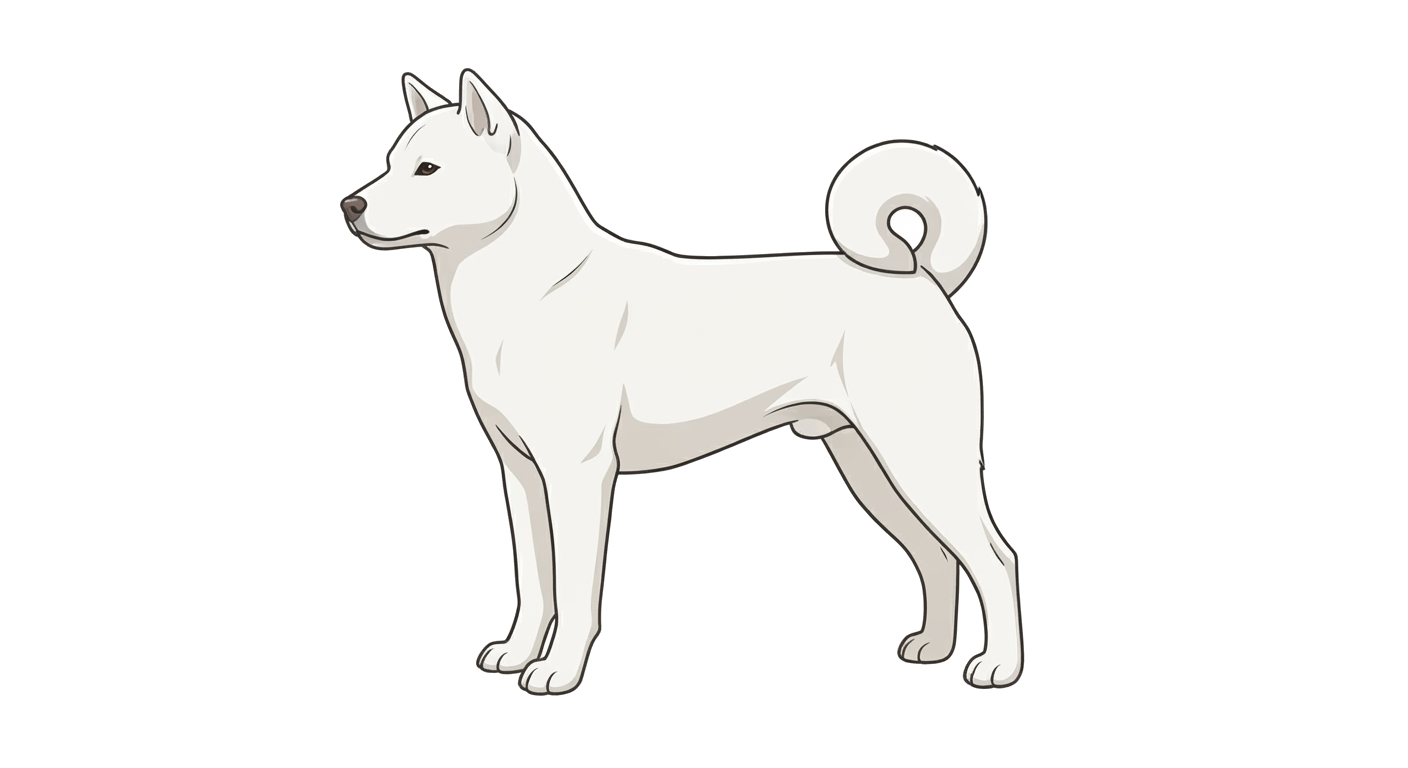
Point 1
Skull
The Kishu Ken's skull is judged on balance rather than size — proportionate to the body, with a clean cheek and a stop typical of the breed. Coarseness or an over-refined head are both faulted.
Timeline
History & development
1600s
Boar-hunting origins
Developed in the mountains of Kishu to hunt wild boar alongside hunters on foot.
1934
Natural monument
The Kishu Ken was designated a Natural Monument of Japan.
1937
Standard established
A formal Japanese breed standard favoured the white coat colour that predominates today.
1982
FCI recognition
The FCI granted the Kishu Ken formal international recognition.
1990s
Companion role grows
The breed increasingly became a household companion in Japan alongside its hunting use.
Reference
Breed standard summary
- body
- Compact and muscular with a straight back and deep chest.
- coat
- Harsh, straight double coat, predominantly white.
- ears
- Small, triangular, erect and tilted slightly forward.
- eyes
- Small, triangular and dark brown.
- head
- Wedge-shaped with a moderate stop and strong, deep muzzle.
- size
- Dogs 49-55cm, bitches 46-52cm
- colour
- White is most common, though red and sesame occur.
- temperament
- Calm, courageous and reserved, forming a strong bond with its family while wary of strangers.
- general appearance
- Medium-sized, well-balanced spitz with a solid, muscular build and dignified bearing.
Health
What to screen for
Green means little to worry about, amber means ask the breeder for test results, red means manage it actively.
General information only — always speak to your vet about your own dog.
From real owners
Dogs like this
Kishu Kens added by PawPoint members through their pet passports. Share yours to appear here.
Loading the wall…
Made for the Kishu Ken
The book, plus prints, hoodies and mugs using our own Kishu Ken illustration — and one everyday accessory that suits any dog.

The book
Pawpoint: The Complete Dog Breed Book
Every officially recognised breed plus the unofficial ones nobody else documents. 400+ pages, hardback, printed and shipped from the UK.
Own stock — shipped by us
Framed poster
Kishu Ken Framed Poster
Museum-weight print of our Kishu Ken illustration, framed or unframed.
Printed to order
Hoodie
Kishu Ken Hoodie
Heavyweight hoodie carrying the Kishu Ken illustration on the chest.
Printed to order
Mug
Kishu Ken Mug
Ceramic mug with the Kishu Ken illustration wrapped around it.
Printed to order

Accessory
Travel Water Bottle & Bowl
550ml bottle with a fold-out drinking trough.
Fits any dog
Pawpoint on YouTube
Watch the full Kishu Ken video
Breed deep-dives, history and honest ownership talk. New film every week.
Watch now