
Komondor
KOH-mon-dor
Hungary· Hungarian puszta plains
The Komondor is a large Hungarian livestock guardian, instantly recognisable by its thick coat of white cords, bred to live permanently with flocks and deter wolves and other predators on the open plains.
At a glance
Quick facts
Size
Giant
Exercise needs
1 hour daily plus space to patrol
Home size suited to
Large home with space to stretch out
Grooming frequency
Daily brushing
Coat length
Long
Sheds
Yes, heavily when moulting
Lifespan
10-12 years
Town or country
Happiest in the country
Garden size needed
Large and securely fenced
Where it comes from
Origins of the Komondor
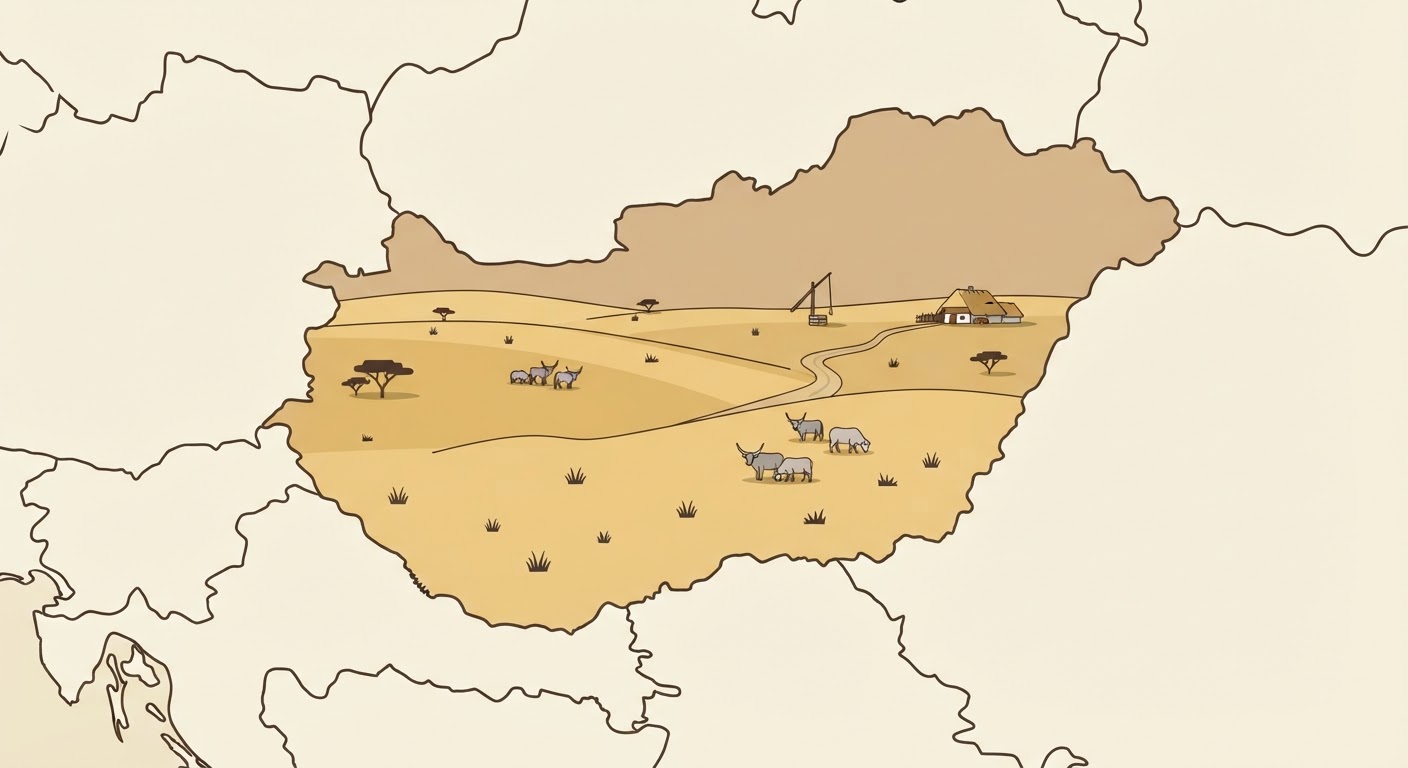
Bred on Hungary's open puszta plains, where shepherds needed a dog able to live outdoors year-round and physically confront wolves while remaining unmistakably distinct from them at a distance.
- Region
- Hungarian puszta plains
- Climate it was bred for
- Continental, hot summers and harsh winters
- Original job
- Guarding livestock flocks from wolves
The long read
About the breed
The breed's ancestry likely traces back over a thousand years to Central Asian guardian dogs brought west by the Magyars, though the Komondor as recognised today developed on the Hungarian puszta, where shepherds needed a dog that could work independently, live outdoors year-round, and physically deter wolves without close human direction. Its distinctive white, corded coat is not decorative; the colour let shepherds distinguish it at a glance from wolves in low light, and the dense cords provided real protection against bites and harsh winter weather alike. The cords form naturally as the puppy coat mats and separates over its first two years, a process breeders manage by hand-separating sections rather than brushing.
Living with a Komondor is a serious commitment quite unlike owning a typical companion breed. It is calm and watchful at home but was bred to make independent decisions about threats without consulting a human, which means it can be genuinely protective, even aggressive, toward unfamiliar people or animals if not extensively socialised from puppyhood. The corded coat takes years to mature fully and requires ongoing hand maintenance to prevent matting problems or trapped moisture and dirt, a genuinely significant time commitment.
Today the Komondor is still used as a working livestock guardian in parts of Hungary and North America, and kept elsewhere mainly by experienced owners drawn to its striking appearance and guarding instincts. It is not a suitable breed for first-time dog owners, small properties, or households wanting a sociable dog that welcomes every visitor, and its size and protective nature mean training and socialisation cannot be treated as optional.
Living with one
Temperament & needs
Our own ratings, based on the breed standard and how these dogs behave in ordinary homes.
Friendliness
2/5
How openly the Komondor greets people it does not know.
Trainability
3/5
Intelligent but bred to decide for itself, so training takes patience.
Energy
3/5
Moderate exercise needs but benefits from space to patrol.
Barking
4/5
Will bark to warn off perceived threats, especially at night.
Grooming
5/5
Corded coat needs years of hand maintenance and ongoing care.
Suits a first-time owner
2/5
How forgiving the Komondor is for someone taking on their first dog.
Sociability
2/5
Protective and wary of strangers without thorough, early socialisation.
Independence
5/5
Bred to guard livestock unsupervised, far from human direction.
Illustrated breed standard
The points of the breed
Hover or tap a numbered point to read what the standard asks for.
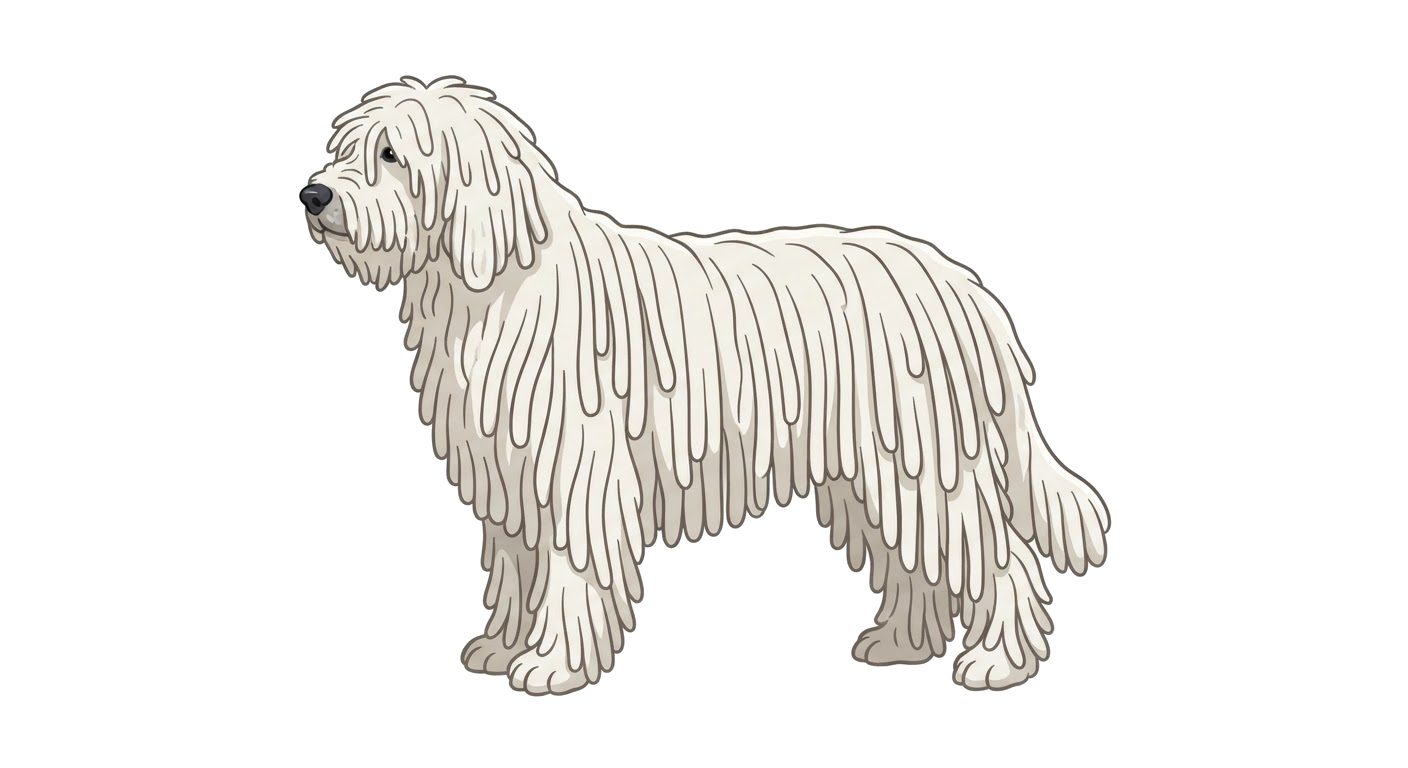
Point 1
Skull
The Komondor's skull is judged on balance rather than size — proportionate to the body, with a clean cheek and a stop typical of the breed. Coarseness or an over-refined head are both faulted.
Colours & patterns
Recognised coats
Which coats the standard accepts — and which are simply popular.
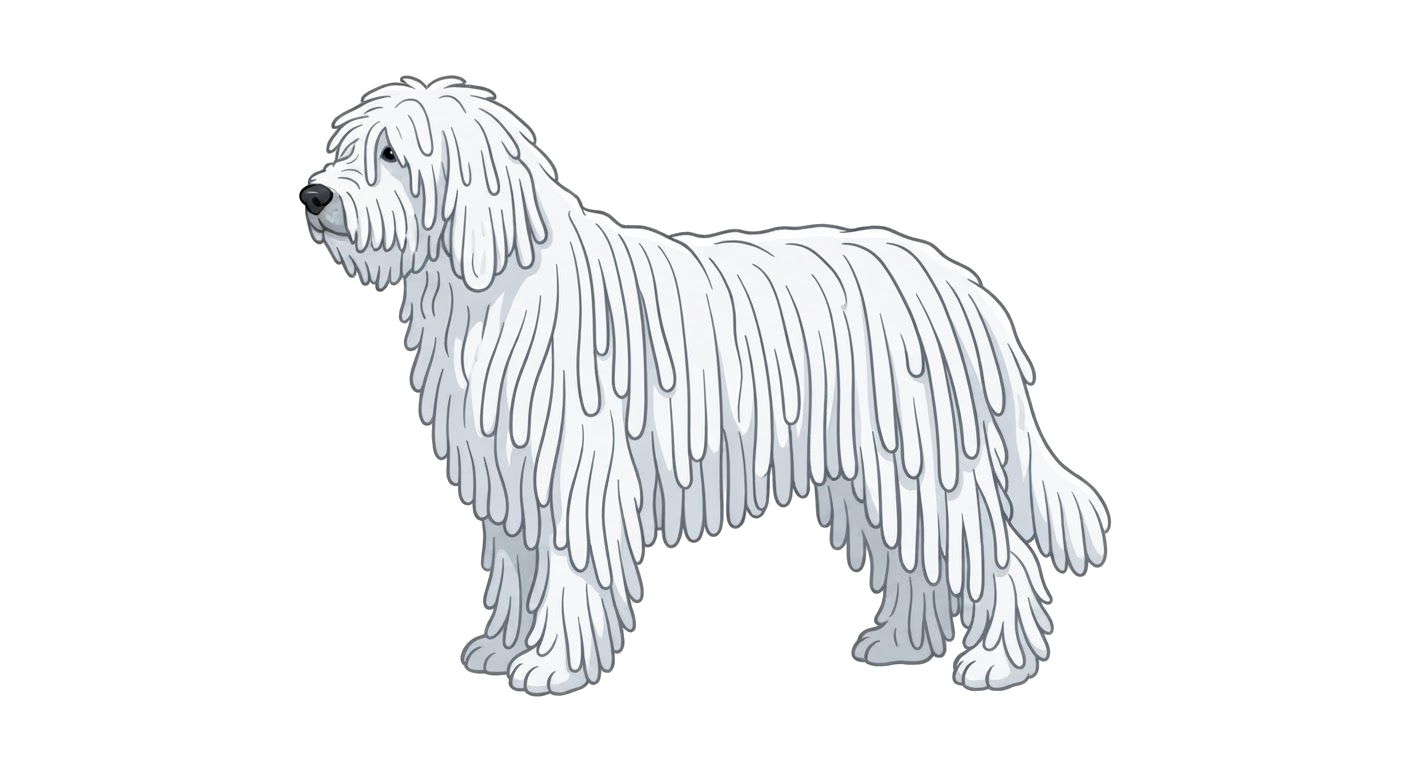
White
Standard colour
The only accepted colour, historically chosen to distinguish the dog from wolves.
Timeline
History & development
c.1000s
Central Asian ancestry
Large white guardian dogs are believed to have travelled west with Magyar tribes migrating into the Carpathian Basin.
Medieval period
Established on the puszta
The breed became firmly established among Hungarian shepherds, guarding sheep flocks across the open plains largely without human supervision.
1544
First written mention
An early Hungarian text refers to the Komondor by name, one of the earliest documented references to the breed.
1937
First official standard
Hungary published its first formal breed standard for the Komondor.
1960s
Post-war recovery
Numbers, which had fallen sharply after the Second World War, were rebuilt through dedicated breeding programmes in Hungary and abroad.
Reference
Breed standard summary
- body
- Muscular, slightly longer than tall, with a broad, deep chest.
- coat
- Long, dense, forming natural white cords from puppyhood onward.
- ears
- Medium-sized, hanging, covered in cords blending into the head coat.
- eyes
- Dark brown, medium-sized, deeply set beneath the coat.
- gait
- Light and balanced for its size, capable of sustained patrolling.
- head
- Fairly large, with a flat skull covered in cords falling over the eyes.
- size
- 65-80cm at the withers.
- tail
- Reaches to the hock, carried low with a slight upward curve at the tip.
- colour
- White. Colours outside this list are seen but are not accepted by the kennel clubs.
- temperament
- Typical of the breed: strongest in independence, grooming, barking. Nervousness or aggression are serious faults in the show ring and in the home.
- general appearance
- A large, muscular guardian dog covered head to tail in dense white cords, giving a distinctive corded silhouette.
Health
What to screen for
Green means little to worry about, amber means ask the breeder for test results, red means manage it actively.
Hip dysplasia
Screen for it
Ask for official hip scores on both parents given the breed's large size.
Bloat (gastric dilatation-volvulus)
Watch closely
Feed smaller meals and avoid vigorous exercise straight after eating.
Entropion
Low concern
Ask the breeder whether the line has a history of eyelid problems.
Skin issues under cords
Screen for it
Cords must be kept clean and fully dry to avoid trapped moisture and skin infection.
General information only — always speak to your vet about your own dog.
From real owners
Dogs like this
Komondors added by PawPoint members through their pet passports. Share yours to appear here.
Loading the wall…
Made for the Komondor
The book, plus prints, hoodies and mugs using our own Komondor illustration — and one everyday accessory that suits any dog.

The book
Pawpoint: The Complete Dog Breed Book
Every officially recognised breed plus the unofficial ones nobody else documents. 400+ pages, hardback, printed and shipped from the UK.
Own stock — shipped by us
Framed poster
Komondor Framed Poster
Museum-weight print of our Komondor illustration, framed or unframed.
Printed to order
Hoodie
Komondor Hoodie
Heavyweight hoodie carrying the Komondor illustration on the chest.
Printed to order
Mug
Komondor Mug
Ceramic mug with the Komondor illustration wrapped around it.
Printed to order
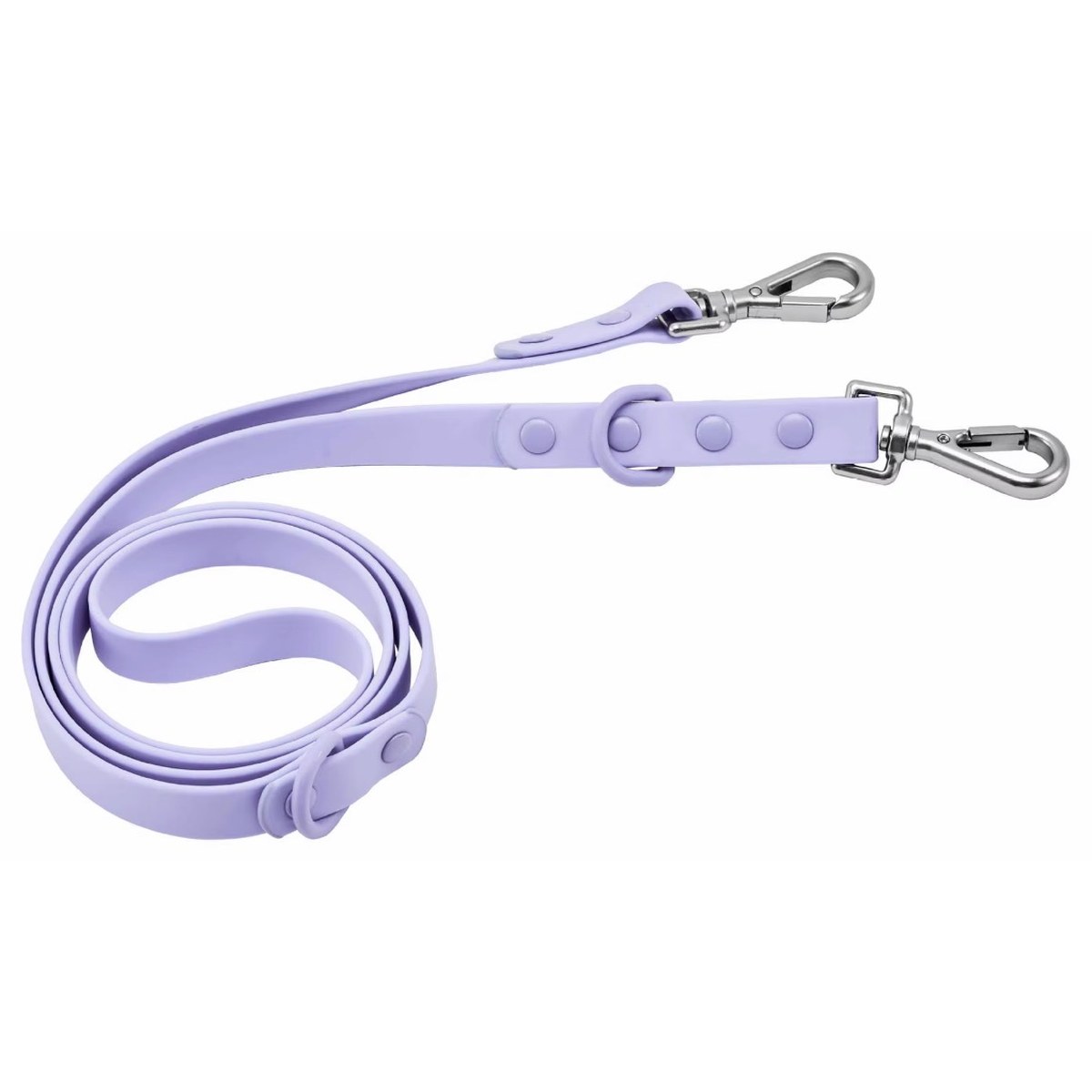
Accessory
Standard Lead
Padded-handle 1.2m lead in Pawpoint tan.
Fits any dog

Pawpoint on YouTube
Watch the full Komondor video
Breed deep-dives, history and honest ownership talk. New film every week.
Watch now