
Kromfohrlander
KROM-for-lahn-der
Germany· Siegen, Germany
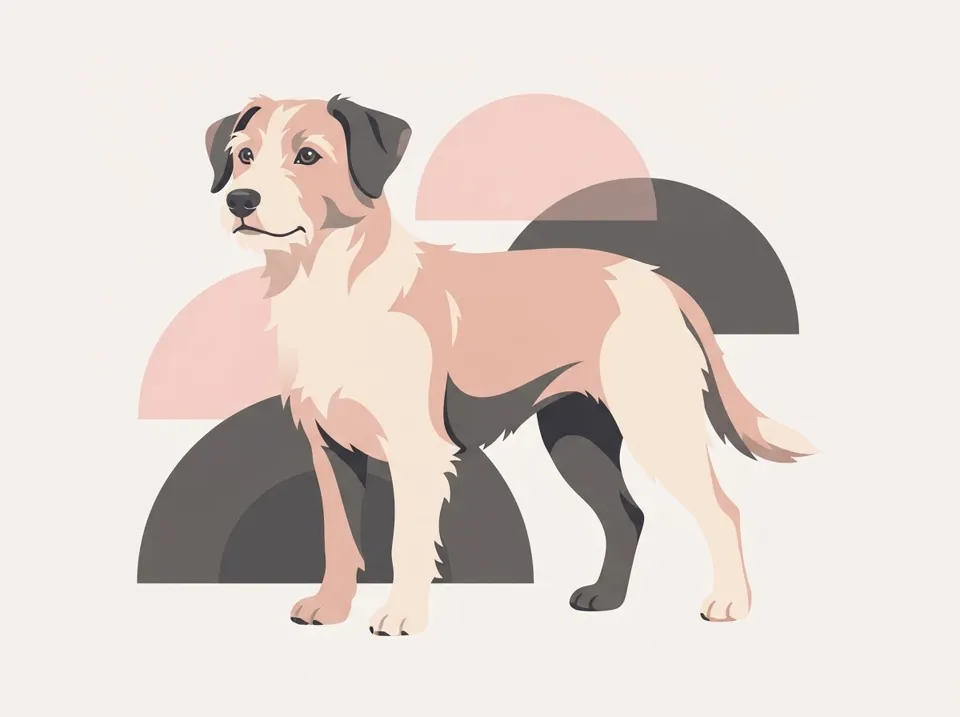
The Kromfohrlander is a medium-small German breed developed purely as a companion dog from an accidental terrier-Griffon cross.
At a glance
Quick facts
- Size
- Medium
- Exercise needs
- 1 hour per day
- Home size suited to
- Any
- Grooming frequency
- Weekly brush
- Coat length
- Smooth or rough
- Sheds
- Low to moderate
- Lifespan
- 13-15 years
- Town or country
- Either
- Garden size needed
- Small or larger
Where it comes from
Origins of the Kromfohrlander
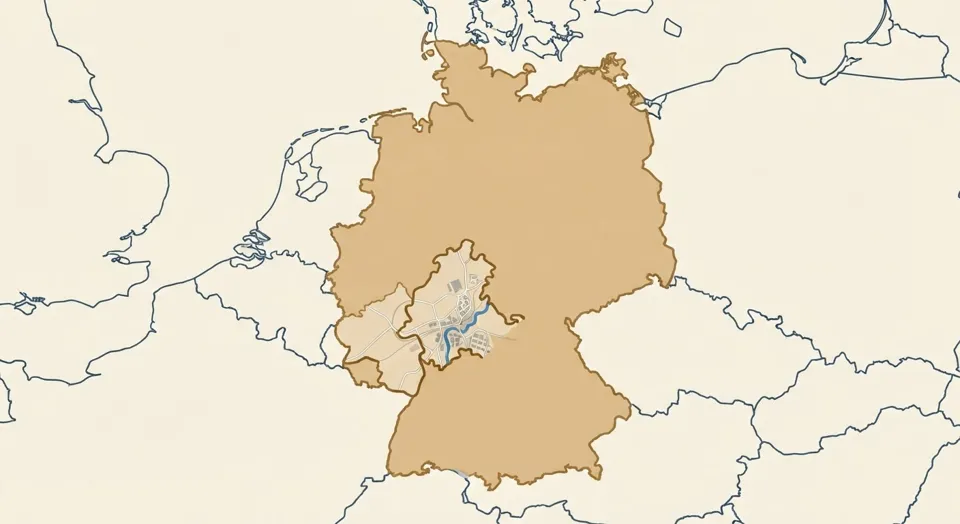
After the Second World War, a Griffon-type dog that had followed American troops to Germany was crossed with a local hunting terrier, and the resulting puppies proved such charming companions that a breeder chose to develop them purely as pets rather than working dogs. This deliberate shift away from hunting purpose is unusual among German breeds and shaped the Kromfohrlander's gentle character.
- Region
- Siegen, Germany
- Climate it was bred for
- Temperate central European
- Original job
- Companionship, originally accidental cross of hunting terrier and Griffon
The long read
About the breed
Its unusual origin, selected for temperament rather than working ability, shaped a calm, affectionate and adaptable dog unlike most terrier-descended breeds.
It suits families and individuals wanting a genuinely easy-going companion, being generally good with children and other pets while retaining a playful, alert side.
Today it remains a rare but steadily popular companion breed, found mainly in Germany with a small international following.
Living with one
Temperament & needs
Our own ratings, based on the breed standard and how these dogs behave in ordinary homes.
Friendliness
3/5
How openly the Kromfohrlander greets people it does not know.
Trainability
3/5
How readily the breed takes to training in an ordinary home.
Energy
3/5
How much daily exercise and stimulation the breed expects.
Barking
3/5
How vocal the breed tends to be day to day.
Grooming
3/5
How much coat work the breed needs to stay comfortable.
Suits a first-time owner
3/5
How forgiving the Kromfohrlander is for someone taking on their first dog.
Illustrated breed standard
The points of the breed
Hover or tap a numbered point to read what the standard asks for.
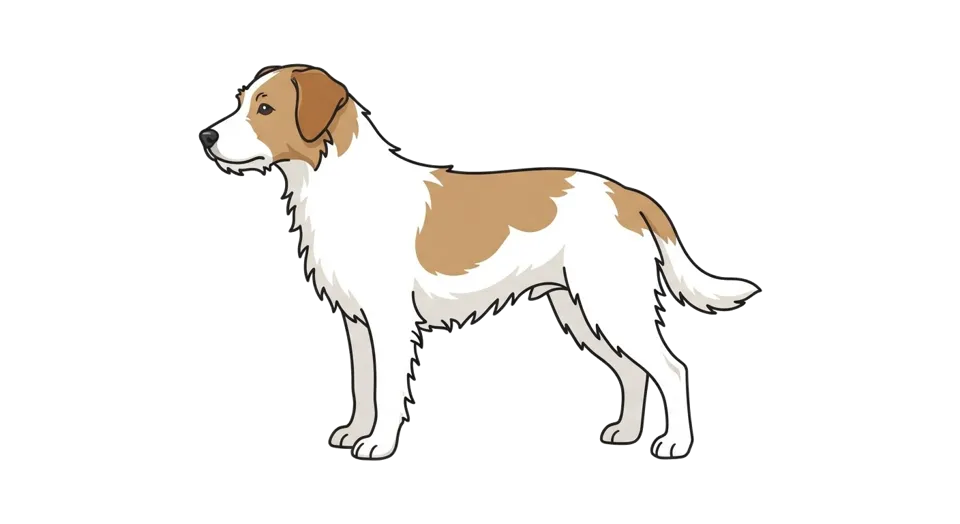
Point 1
Skull
The Kromfohrlander's skull is judged on balance rather than size — proportionate to the body, with a clean cheek and a stop typical of the breed. Coarseness or an over-refined head are both faulted.
Timeline
History & development
1945
Chance crossing
A Griffon-type stray was crossed with a local hunting terrier in post-war Germany.
1955
Breed club founded
Ilse Schleifenbaum established a club to develop the new breed as a companion.
1955
First standard
An official standard was drawn up for the Kromfohrlander.
1990s
Wider German popularity
The breed grew steadily in popularity as a family companion in Germany.
2000s
FCI recognition maintained
The breed continues under FCI recognition with a small, stable population.
Reference
Breed standard summary
- body
- Slightly elongated, well-muscled body.
- coat
- Smooth or rough, dense and weatherproof.
- ears
- Medium, dropping, set high.
- eyes
- Dark brown, medium-sized, lively expression.
- head
- Moderately long head with a slight stop.
- size
- 38-46cm at the withers
- colour
- White with brown or black patches.
- temperament
- Friendly, calm and affectionate, good with children.
- general appearance
- A medium-small, elegant, well-proportioned dog with a friendly expression.
Health
What to screen for
Green means little to worry about, amber means ask the breeder for test results, red means manage it actively.
General information only — always speak to your vet about your own dog.
From real owners
Kromfohrlanders in the PAWPOINT Pack
Kromfohrlanders added by PawPoint members through their pet passports. Share yours to appear here.
Loading the wall…
Made for the Kromfohrlander
The book, plus hoodies, tees and mugs featuring the Kromfohrlander.