
Lancashire Heeler
LANG-ka-sher HEE-ler
England· Lancashire and the Ormskirk area
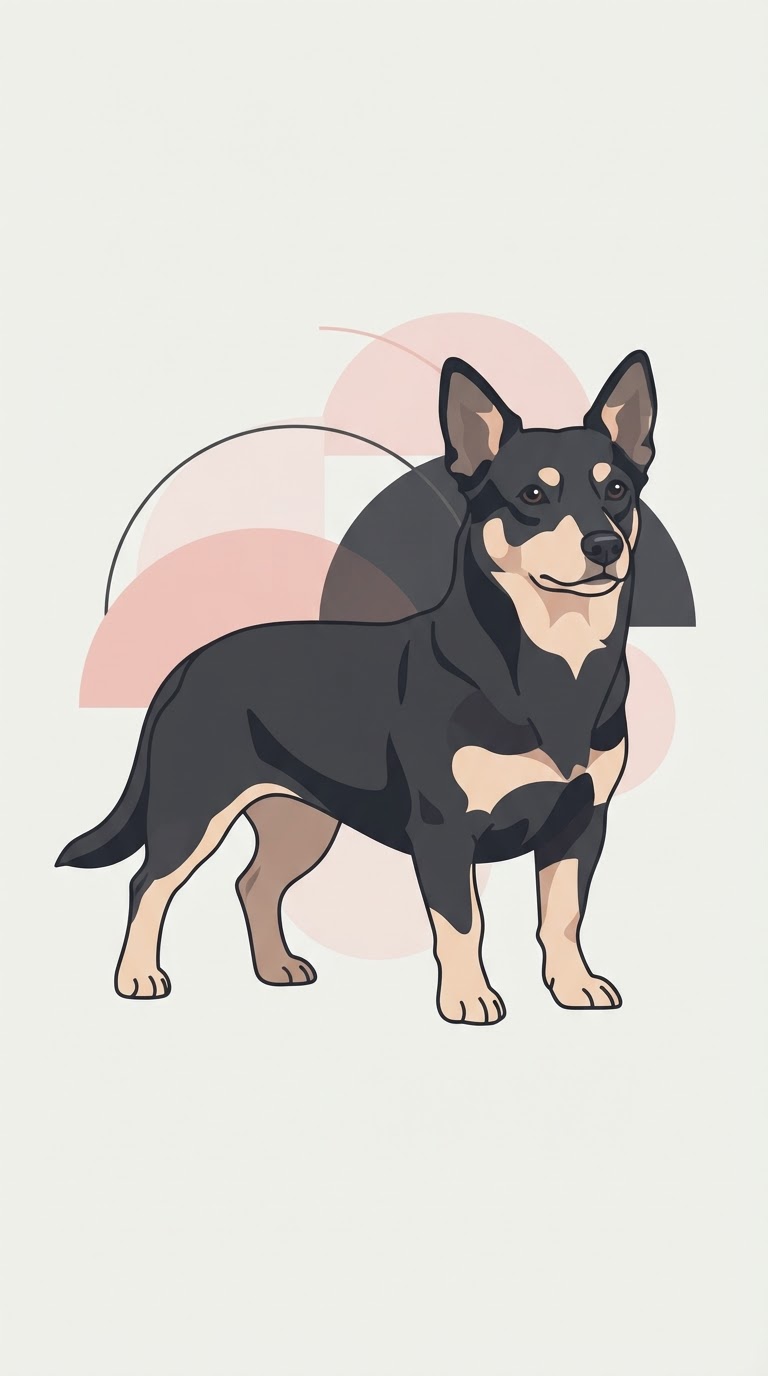
The Lancashire Heeler is a very small, black and tan droving dog from north-west England, listed by the Kennel Club as a vulnerable native breed.
At a glance
Quick facts
Size
Small
Exercise needs
45–60 minutes daily plus something to think about
Home size suited to
Flat or small home
Grooming frequency
Weekly brush, hand-strip a few times a year
Coat length
Wiry
Sheds
Yes, heavily when moulting
Lifespan
12–15 years
Town or country
Happiest in the country
Garden size needed
Small garden or none
Where it comes from
Origins of the Lancashire Heeler
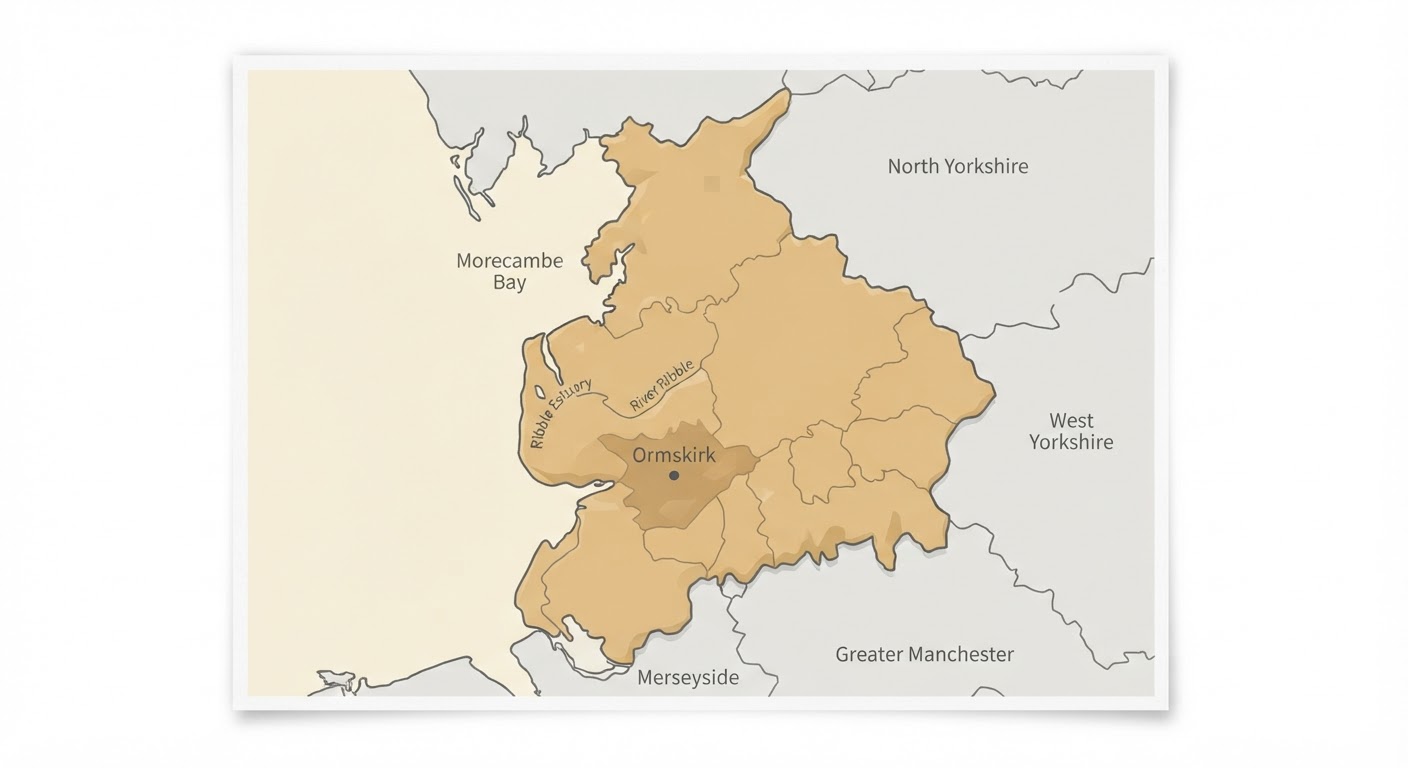
The breed comes from the cattle country of west Lancashire, where stock was walked to market along lanes and droving roads. A dog low enough to duck a kick and hard enough to work all day suited that trade. The same farms needed a ratter, so the Heeler did both jobs on one small frame.
- Region
- Lancashire and the Ormskirk area
- Climate it was bred for
- Cool, wet north-west English lowland
- Original job
- Droving cattle and killing farmyard rats
The long read
About the breed
It worked cattle in Lancashire and the surrounding counties, nipping at heels to move stock and dropping flat to avoid the kick that followed. At roughly 25 to 31 centimetres at the shoulder and 5 to 8 kilograms, it did that job on a frame closer to a terrier than a collie, and the same dog was expected to clear rats from the farmyard between droving jobs. The type probably owes something to Welsh Corgis brought north with cattle and to Manchester Terrier blood, though the record is thin.
The modern Heeler keeps the working temperament in a pet-sized package. It is alert, quick to learn, physically hardy and given to a facial expression owners call the Heeler smile. It is also opinionated, prone to barking at movement, and still inclined to herd children and ankles unless taught otherwise. Its low centre of gravity makes it robust on rough ground and surprisingly fast.
Registrations remain low, with a few hundred puppies a year, and the Kennel Club has kept it on the vulnerable breeds list since 2003. That small gene pool is the breed's central problem: two inherited eye conditions are common enough that DNA testing of both parents is not optional. Well bred, it is a long-lived, low-maintenance small dog with far more substance than its size suggests.
Living with one
Temperament & needs
Our own ratings, based on the breed standard and how these dogs behave in ordinary homes.
Friendliness
3/5
How openly the Lancashire Heeler greets people it does not know.
Trainability
4/5
Sharp and eager, with an independent streak from the terrier side.
Energy
4/5
Small but built for a working day; boredom shows quickly.
Barking
4/5
Vocal at movement, visitors and anything unfamiliar.
Grooming
2/5
A weekly brush; the short coat sheds moderately.
Suits a first-time owner
3/5
How forgiving the Lancashire Heeler is for someone taking on their first dog.
Sociability
3/5
Friendly with its own people, initially reserved with strangers.
Independence
3/5
Happy to make its own decisions if not given a job.
Illustrated breed standard
The points of the breed
Hover or tap a numbered point to read what the standard asks for.
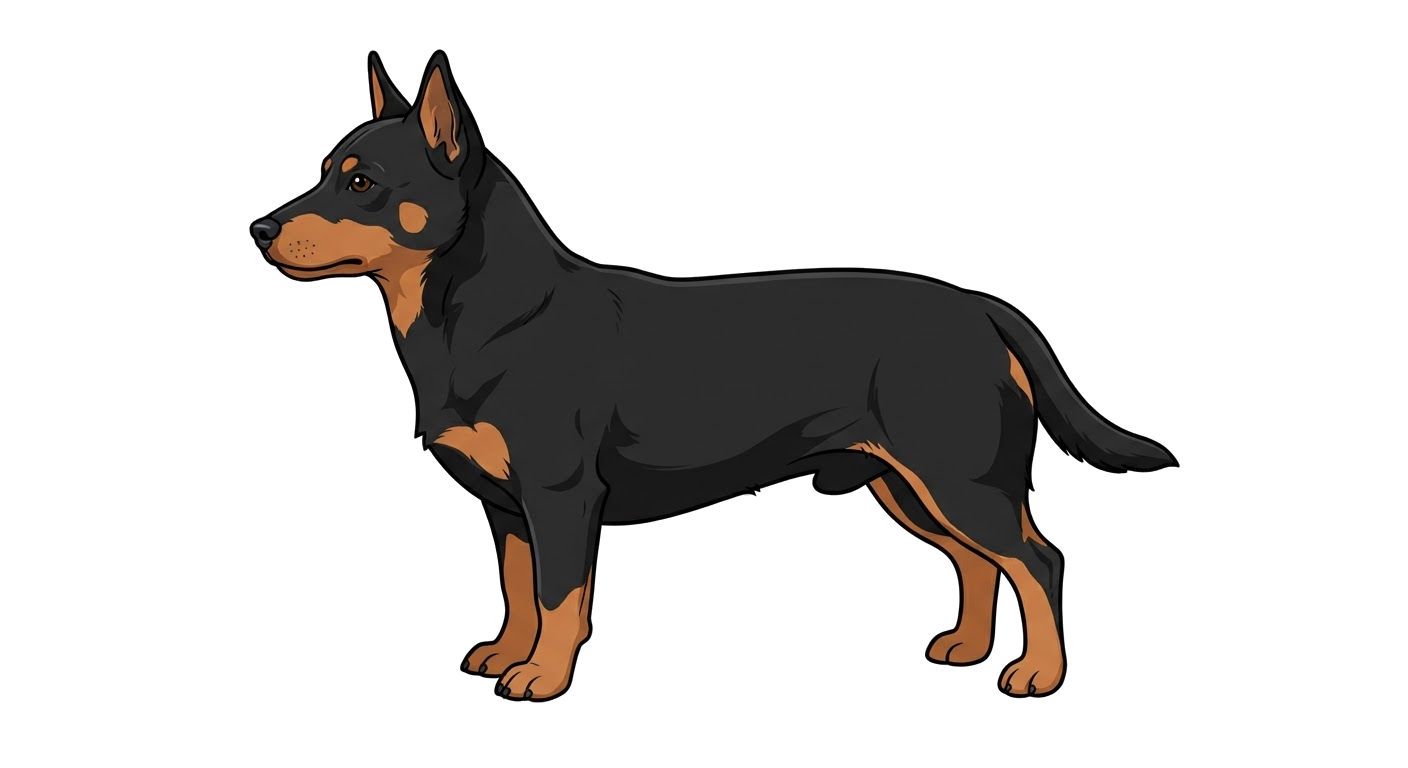
Point 1
Skull
The Lancashire Heeler's skull is judged on balance rather than size — proportionate to the body, with a clean cheek and a stop typical of the breed. Coarseness or an over-refined head are both faulted.
Colours & patterns
Recognised coats
Which coats the standard accepts — and which are simply popular.
Black and tan
Standard colour
The classic colour, with rich tan points and often a tan thumbprint on the foreleg.
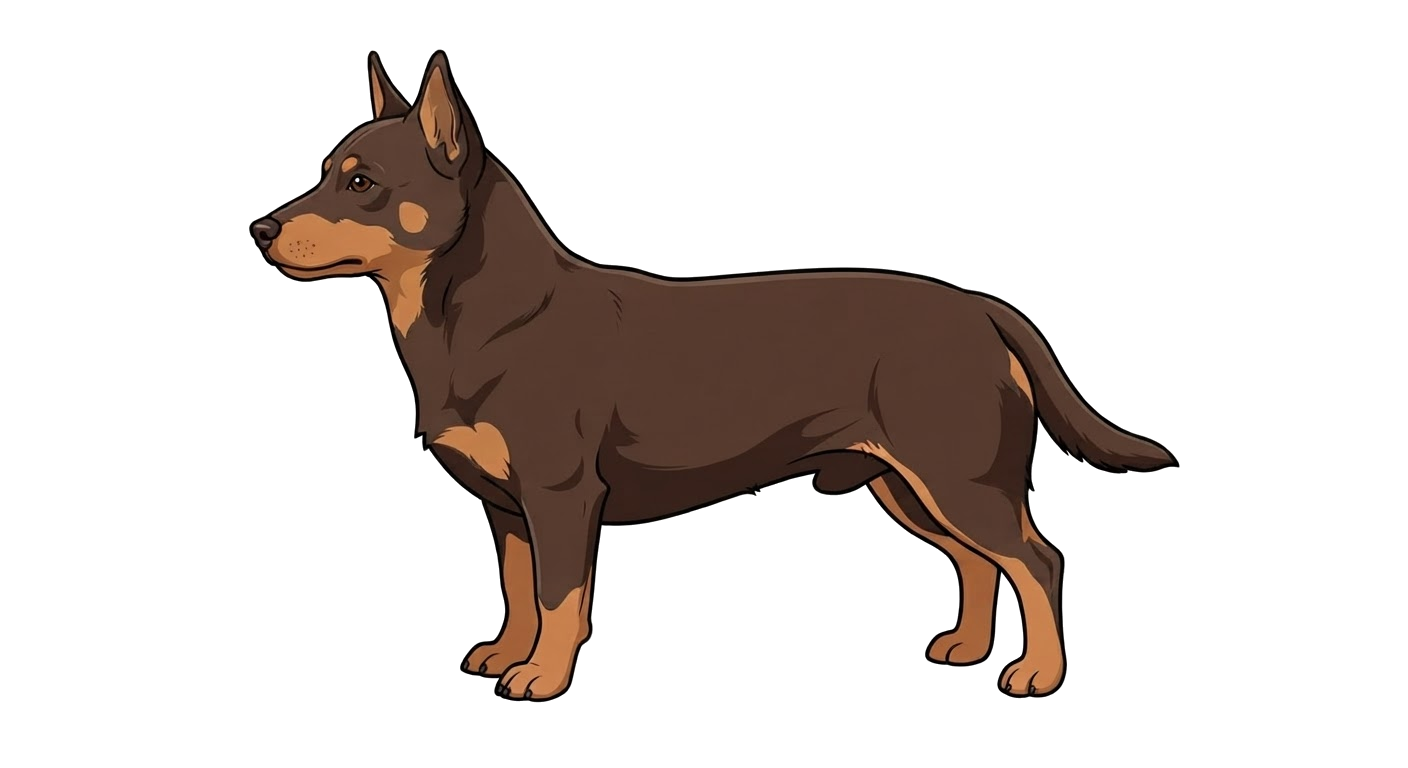
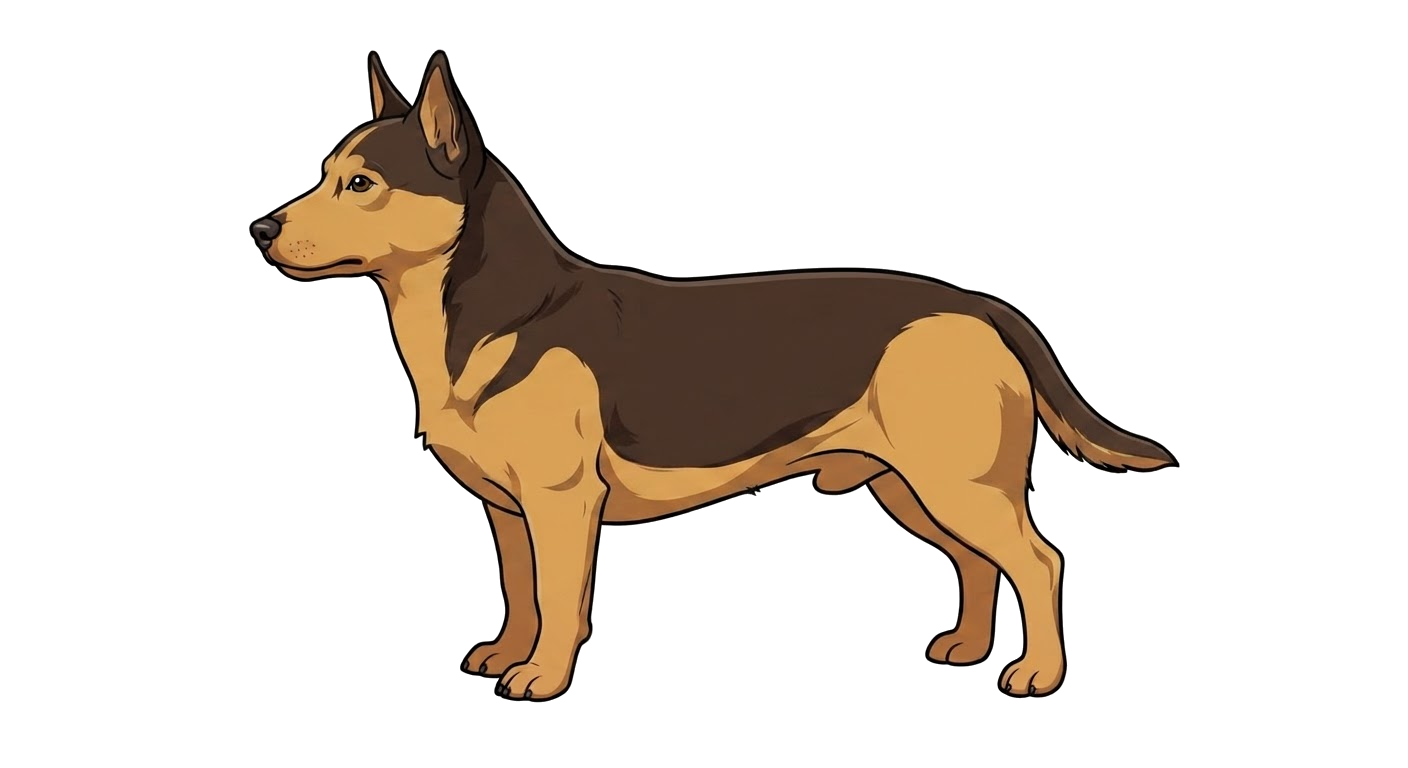
Liver and tan
Standard colour
Accepted in the standard, with brown pigment on the nose and eye rims.
Timeline
History & development
1600s
Droving stock
Small heeling dogs work cattle between Lancashire farms and markets, likely influenced by Welsh Corgis moving north with the drovers.
1960s
Near disappearance
Mechanised transport removes the droving trade and numbers fall sharply.
1981
Breed club
The Lancashire Heeler Club forms to organise the surviving stock.
2003
Vulnerable listing
The Kennel Club places the breed on its list of vulnerable native breeds.
2024
American recognition
The American Kennel Club grants full recognition, raising international interest.
Reference
Breed standard summary
- body
- Well sprung ribs, level topline, no tuck-up.
- coat
- Harsh, flat topcoat with a dense undercoat; a longer mane in winter.
- ears
- Erect or tipped, both accepted; erect preferred by many judges.
- eyes
- Almond, dark, medium sized and set well apart.
- gait
- Brisk and free with good drive, forelegs turning slightly outward.
- head
- Flat skull, moderate stop, muzzle tapering but strong.
- size
- Dogs 30 cm, bitches 25 cm at the withers.
- tail
- Set high, carried in a gentle curve over the back when alert.
- colour
- Black and tan, Liver and tan. Colours outside this list are seen but are not accepted by the kennel clubs.
- temperament
- Typical of the breed: strongest in energy, trainability, barking. Nervousness or aggression are serious faults in the show ring and in the home.
- general appearance
- Small, sturdy, low-set and alert, longer than tall.
Health
What to screen for
Green means little to worry about, amber means ask the breeder for test results, red means manage it actively.
Primary lens luxation
Watch closely
A painful, sight-threatening condition; both parents must be DNA tested.
Collie eye anomaly
Screen for it
DNA test both parents and avoid affected-to-affected matings.
Patellar luxation
Screen for it
Ask whether the breeder has knees examined before breeding.
Small gene pool
Screen for it
Check the coefficient of inbreeding against the breed average.
Longevity
Low concern
Well bred and kept lean, many reach fourteen or fifteen.
General information only — always speak to your vet about your own dog.
From real owners
Dogs like this
Lancashire Heelers added by PawPoint members through their pet passports. Share yours to appear here.
Loading the wall…
Made for the Lancashire Heeler
The book, plus prints, hoodies and mugs using our own Lancashire Heeler illustration — and one everyday accessory that suits any dog.

The book
Pawpoint: The Complete Dog Breed Book
Every officially recognised breed plus the unofficial ones nobody else documents. 400+ pages, hardback, printed and shipped from the UK.
Own stock — shipped by us
Framed poster
Lancashire Heeler Framed Poster
Museum-weight print of our Lancashire Heeler illustration, framed or unframed.
Printed to order
Hoodie
Lancashire Heeler Hoodie
Heavyweight hoodie carrying the Lancashire Heeler illustration on the chest.
Printed to order
Mug
Lancashire Heeler Mug
Ceramic mug with the Lancashire Heeler illustration wrapped around it.
Printed to order
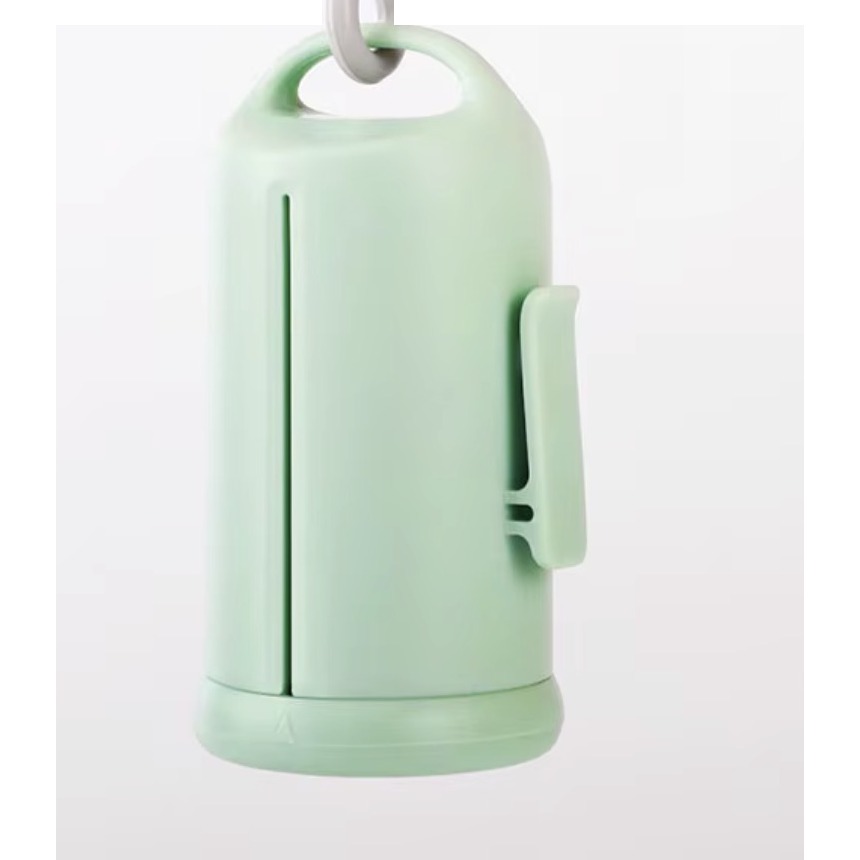
Accessory
Waste Bag Dispenser
Clips to the lead, holds one standard roll.
Fits any dog
Pawpoint on YouTube
Watch the full Lancashire Heeler video
Breed deep-dives, history and honest ownership talk. New film every week.
Watch now