
Landseer
LAND-seer
Germany and Switzerland· Continental Europe, particularly Germany and Switzerland
The Landseer is a large, black-and-white working breed developed on the European continent from Newfoundland stock, historically used for water rescue and draught work.
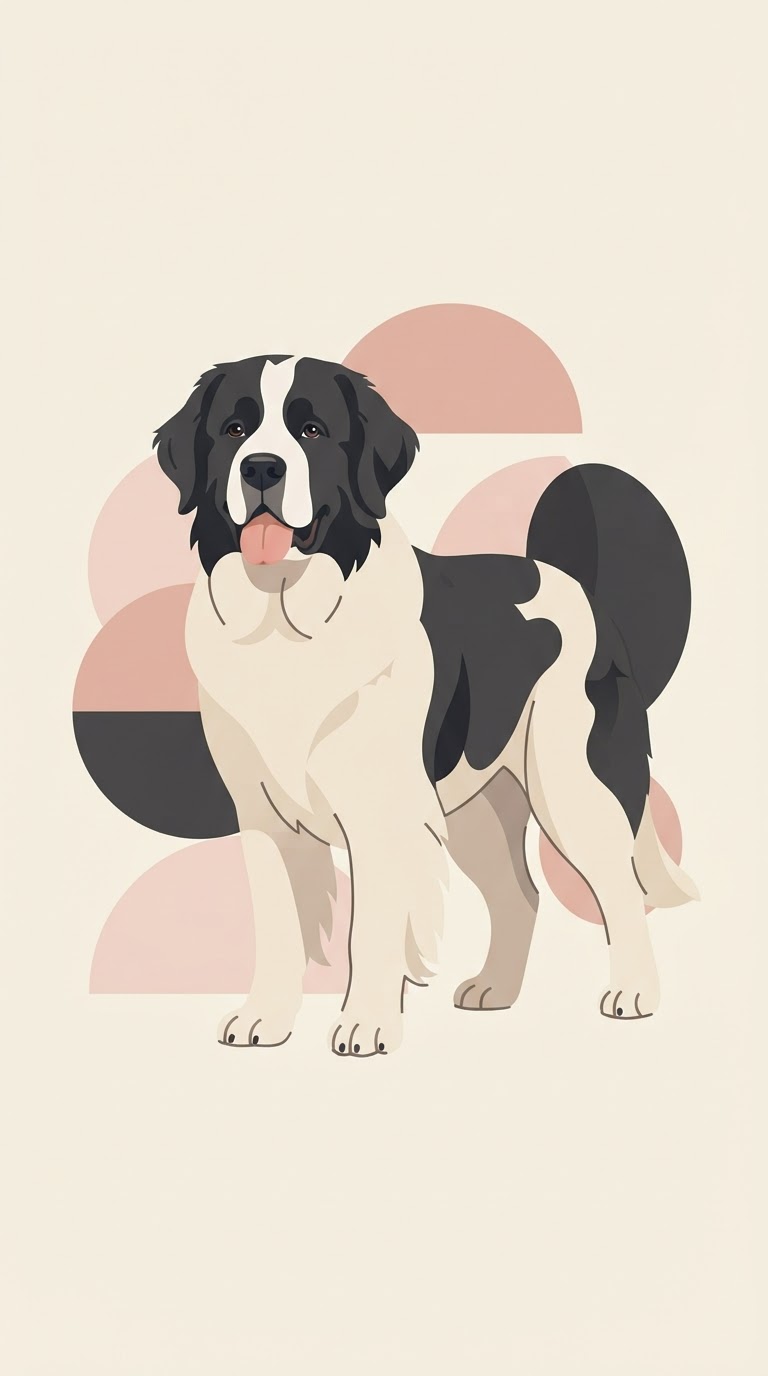
At a glance
Quick facts
Size
Giant
Exercise needs
1-2 hours per day
Home size suited to
Large
Grooming frequency
Twice-weekly brush
Coat length
Long
Sheds
Yes
Lifespan
9-10 years
Town or country
Country preferred
Garden size needed
Large, ideally with access to water
Where it comes from
Origins of the Landseer
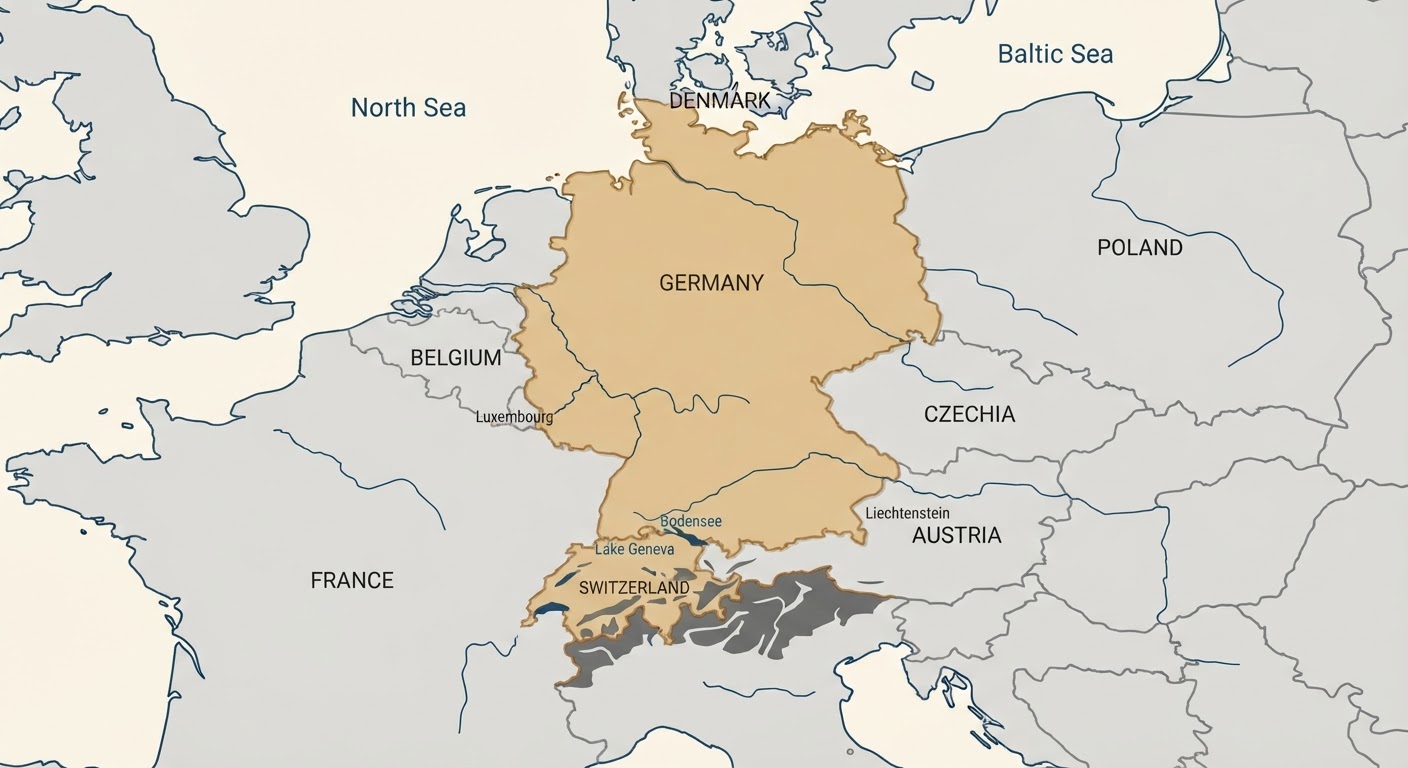
Black-and-white Newfoundland-type dogs brought to continental Europe were bred selectively for water rescue and haulage work, and their distinctive colouring, popularised by the painter Sir Edwin Landseer, led breeders in Germany and Switzerland to develop them as a separate line distinct from the solid-coloured Newfoundland. The breed's strength and swimming ability suited coastal and lakeside rescue work.
- Region
- Continental Europe, particularly Germany and Switzerland
- Climate it was bred for
- Temperate climate suited to both land and water work
- Original job
- Water rescue and draught work, developed from black-and-white Newfoundland stock
The long read
About the breed
Its rescue heritage gave it powerful swimming ability, a calm temperament under pressure and a strong instinct to help, alongside great physical strength for hauling and towing.
Within the family it is gentle, patient and affectionate, particularly good with children, and it enjoys water-based activities, though its size and drooling mean it suits owners with adequate space.
Today the European Continental Landseer is bred as a separate FCI breed from the Newfoundland, valued as a calm, capable family companion and occasionally still used in water rescue work.
Living with one
Temperament & needs
Our own ratings, based on the breed standard and how these dogs behave in ordinary homes.
Friendliness
3/5
How openly the Landseer greets people it does not know.
Trainability
3/5
How readily the breed takes to training in an ordinary home.
Energy
3/5
How much daily exercise and stimulation the breed expects.
Barking
3/5
How vocal the breed tends to be day to day.
Grooming
3/5
How much coat work the breed needs to stay comfortable.
Suits a first-time owner
3/5
How forgiving the Landseer is for someone taking on their first dog.
Illustrated breed standard
The points of the breed
Hover or tap a numbered point to read what the standard asks for.
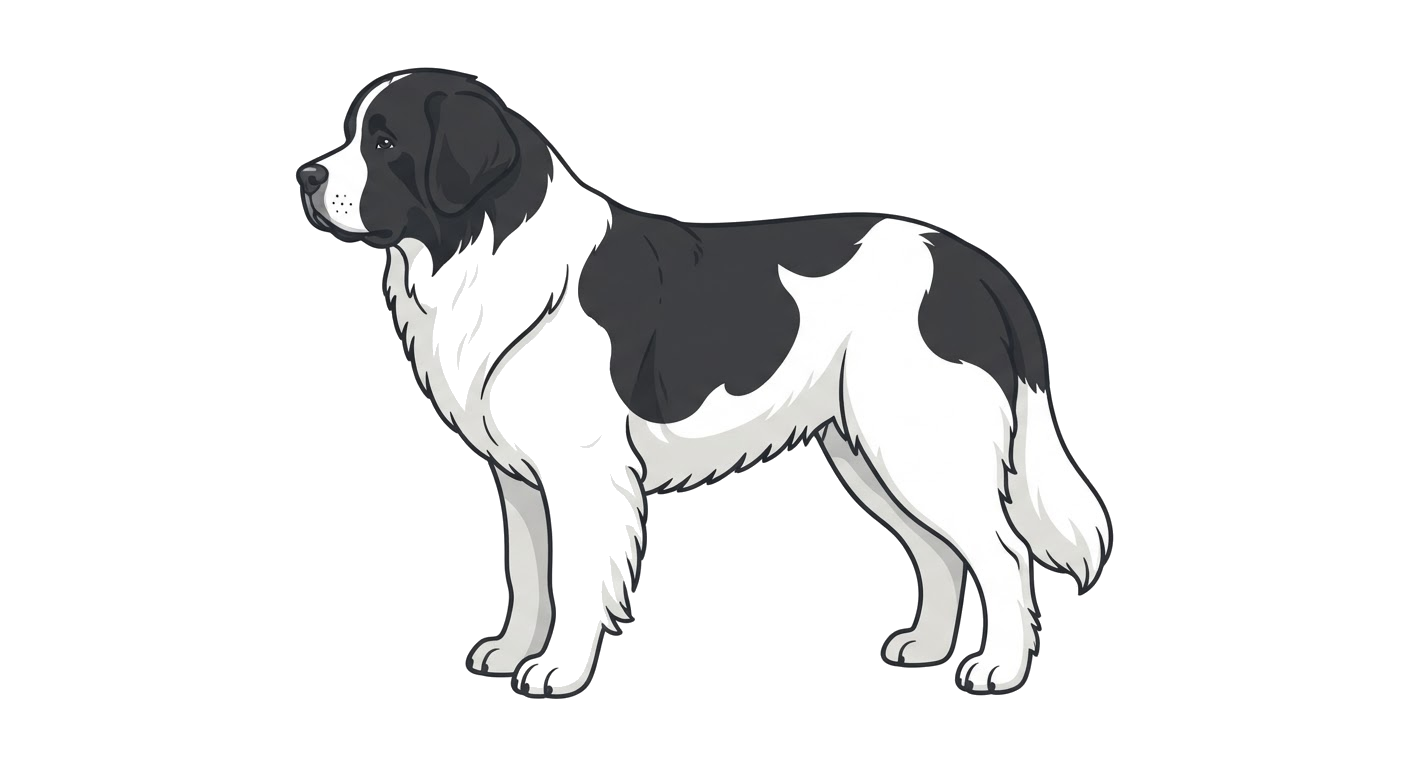
Point 1
Skull
The Landseer's skull is judged on balance rather than size — proportionate to the body, with a clean cheek and a stop typical of the breed. Coarseness or an over-refined head are both faulted.
Timeline
History & development
1800s
Black-and-white Newfoundlands
Black-and-white Newfoundland-type dogs were kept for water rescue and draught work in Britain and continental Europe.
1838
Landseer's paintings
Sir Edwin Landseer's popular paintings of these dogs led to the colouring becoming strongly associated with his name.
1900s
Divergence in Europe
German and Swiss breeders developed the black-and-white type along separate lines from the British Newfoundland.
1960
Separate breed standard
The European Continental type was given its own standard, distinguishing it from the Newfoundland.
1991
FCI confirmation
The FCI confirmed the Landseer as a breed distinct from the Newfoundland.
Reference
Breed standard summary
- body
- Well-muscled with a broad chest, strong back and good depth of body.
- coat
- Long, dense and slightly wavy, water-resistant, with a thick undercoat.
- ears
- Medium-sized, triangular, hanging close to the head.
- eyes
- Medium-sized, dark brown, with a gentle, intelligent expression.
- head
- Broad skull with a moderate stop and a strong, square muzzle.
- size
- Dogs 72-80cm, bitches 67-72cm at the withers
- colour
- White ground colour with clearly defined black markings, ideally with a black head marked by a white blaze.
- temperament
- Calm, gentle and patient, devoted to family and generally excellent with children.
- general appearance
- A large, powerfully built dog, slightly lighter and more athletic in outline than the Newfoundland, with a calm, dignified bearing.
Health
What to screen for
Green means little to worry about, amber means ask the breeder for test results, red means manage it actively.
General information only — always speak to your vet about your own dog.
From real owners
Dogs like this
Landseers added by PawPoint members through their pet passports. Share yours to appear here.
Loading the wall…
Made for the Landseer
The book, plus prints, hoodies and mugs using our own Landseer illustration — and one everyday accessory that suits any dog.

The book
Pawpoint: The Complete Dog Breed Book
Every officially recognised breed plus the unofficial ones nobody else documents. 400+ pages, hardback, printed and shipped from the UK.
Own stock — shipped by us
Framed poster
Landseer Framed Poster
Museum-weight print of our Landseer illustration, framed or unframed.
Printed to order
Hoodie
Landseer Hoodie
Heavyweight hoodie carrying the Landseer illustration on the chest.
Printed to order
Mug
Landseer Mug
Ceramic mug with the Landseer illustration wrapped around it.
Printed to order
Accessory
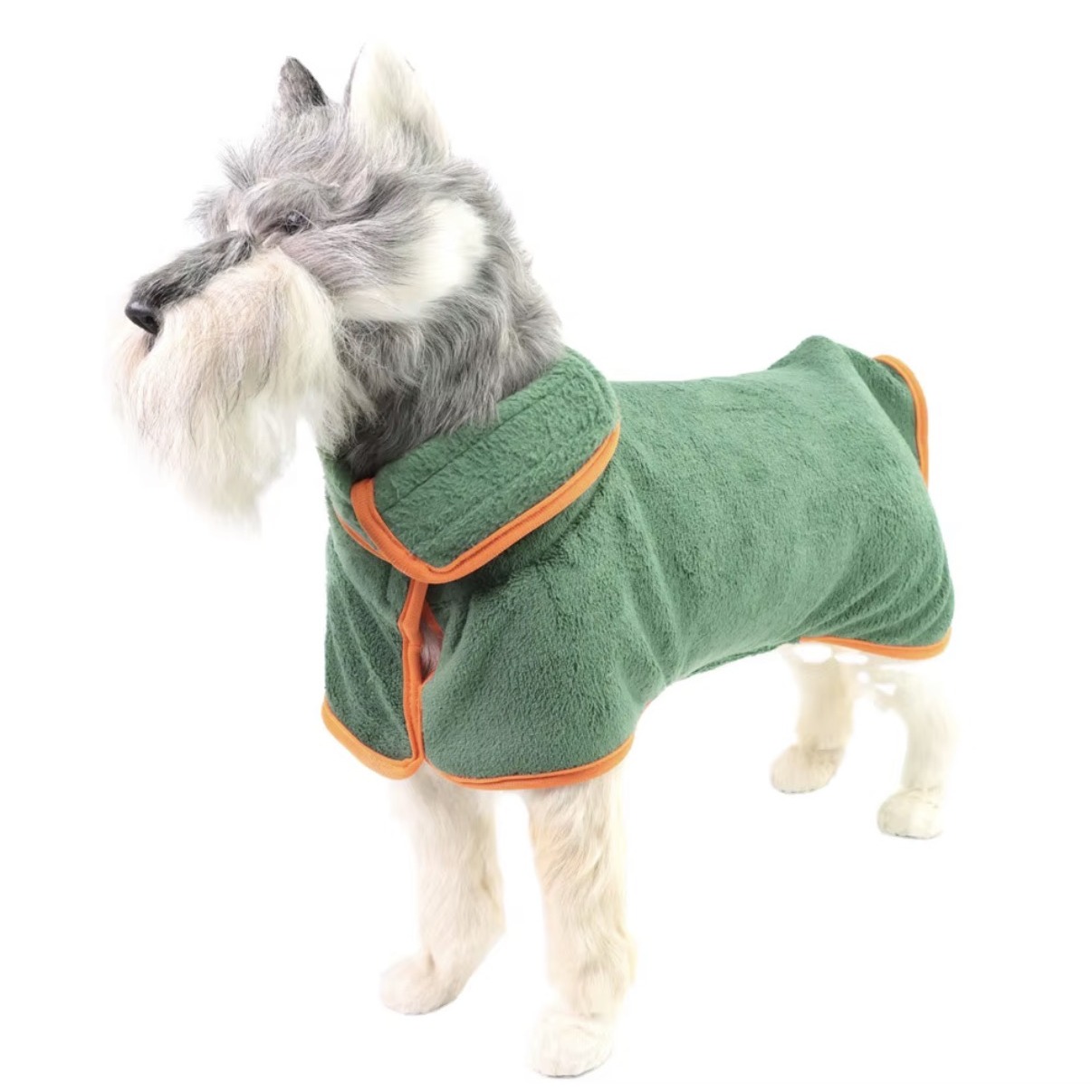
Drying Towel Robe
Microfibre robe that soaks up a wet-walk shake.
Fits any dog
Pawpoint on YouTube
Watch the full Landseer video
Breed deep-dives, history and honest ownership talk. New film every week.
Watch now