
Leonberger
lee-ON-berg-er
Germany· Leonberg, Baden-Württemberg
The Leonberger is a giant German breed created in the mid-1800s to resemble a lion, combining size, calm temperament and a striking mane.
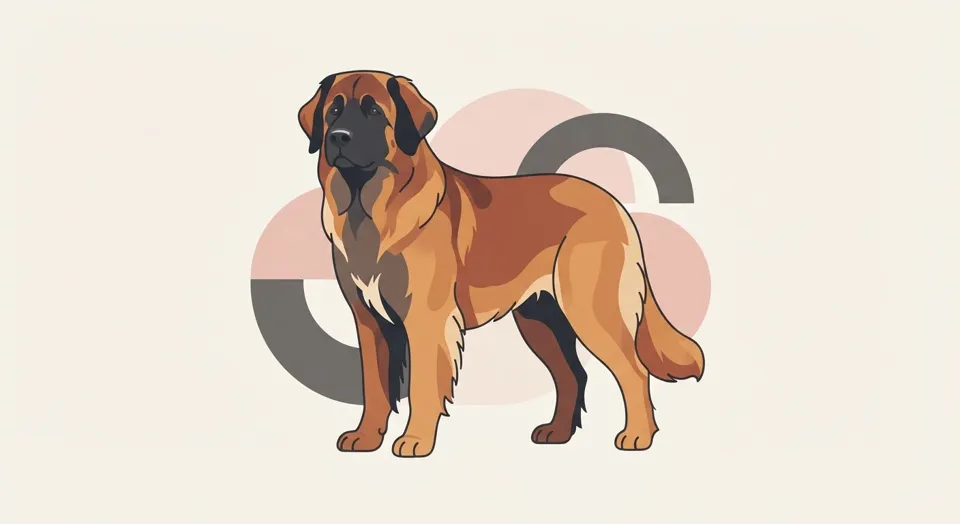
At a glance
Quick facts
- Size
- Giant
- Exercise needs
- 1-2 hours daily
- Home size suited to
- Large home with space to stretch out
- Grooming frequency
- Daily brushing
- Coat length
- Long
- Sheds
- Yes, heavily when moulting
- Lifespan
- 7-9 years
- Town or country
- Better suited to the country
- Garden size needed
- Large and securely fenced
Where it comes from
Origins of the Leonberger
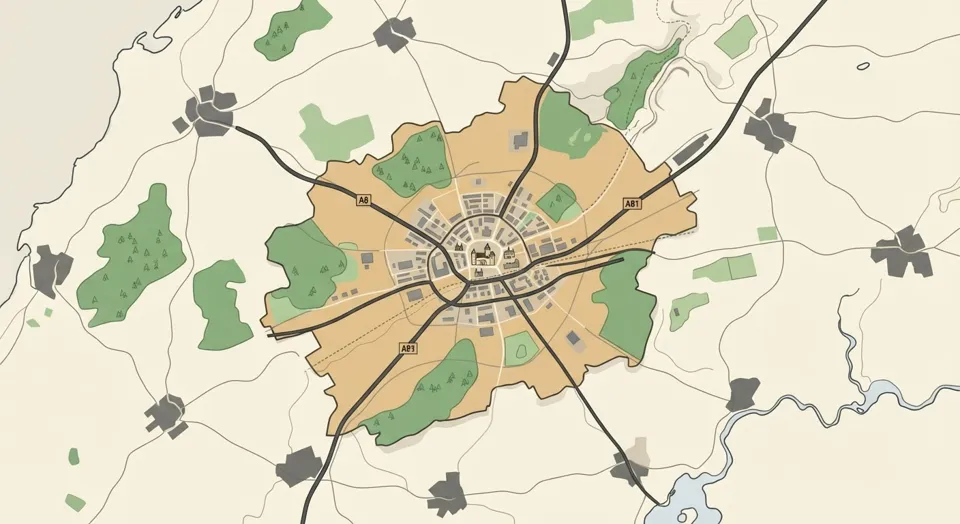
Leonberg sits near Stuttgart in a region of small farms and forested hills. The breed was built for hauling and guarding on those farms, with Newfoundland ancestry adding a strong instinct for water work.
- Region
- Leonberg, Baden-Württemberg
- Climate it was bred for
- Temperate central European, cold winters
- Original job
- Draught and watch dog, later water rescue
The long read
About the breed
The breed was developed in the town of Leonberg, near Stuttgart, by breeder Heinrich Essig, who crossed Saint Bernards, Newfoundlands and Pyrenean Mountain Dogs. Essig wanted a dog that echoed the lion on the town's coat of arms, and sold puppies to European royalty as a status gift. Beyond its ornamental role, the resulting dog proved useful on farms as a draught and watch dog, and its water-loving Newfoundland ancestry gave it a natural aptitude for swimming and water rescue.
Living with a Leonberger means planning around its size: adult males can weigh over 60kg and the breed does not reach full maturity until around three years old, so early joint care and controlled exercise matter. The coat is thick, water-resistant and sheds heavily, particularly in a seasonal blow-out twice a year, so regular brushing is not optional. Despite the bulk, the temperament is famously steady; well-bred Leonbergers are gentle with children and tolerant of handling, which is part of why the breed remains popular as a family dog and in water rescue and therapy work.
Today's Leonberger is closely tied to breed clubs that require health testing before breeding, a legacy of the population bottleneck the breed passed through after both World Wars, when numbers dropped to a handful of dogs. Buyers should expect a slow-maturing, food-motivated dog that needs space, regular grooming and owners prepared for a giant breed's shorter lifespan and higher veterinary costs.
Living with one
Temperament & needs
Our own ratings, based on the breed standard and how these dogs behave in ordinary homes.
Friendliness
5/5
How openly the Leonberger greets people it does not know.
Trainability
4/5
Food motivated and eager to please, though slow to mature.
Energy
3/5
Needs a solid daily walk but is not hyperactive indoors.
Barking
2/5
Barks to alert but is not a nuisance barker.
Grooming
4/5
Heavy seasonal shedding needs frequent brushing.
Suits a first-time owner
4/5
How forgiving the Leonberger is for someone taking on their first dog.
Sociability
5/5
Typically warm with familiar people and children.
Independence
2/5
Prefers to be with its family rather than off on its own.
Illustrated breed standard
The points of the breed
Hover or tap a numbered point to read what the standard asks for.
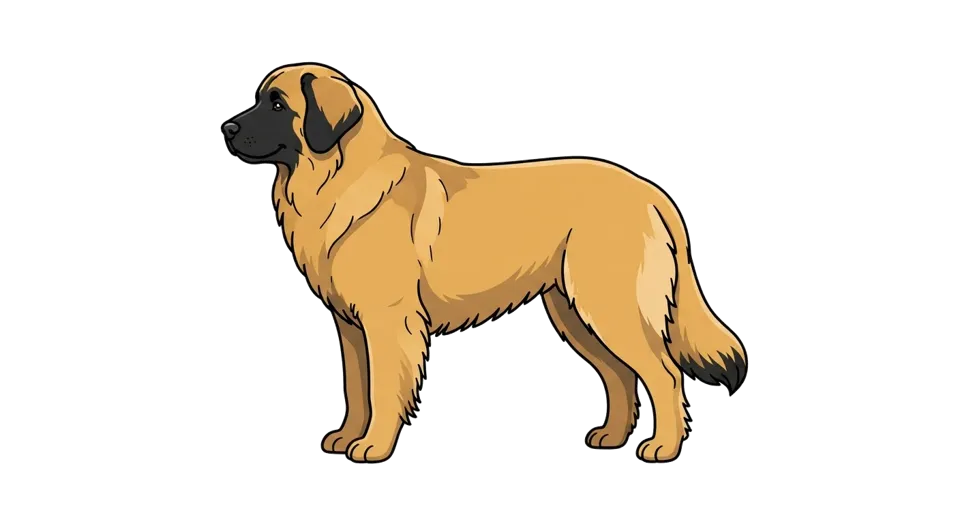
Point 1
Skull
The Leonberger's skull is judged on balance rather than size — proportionate to the body, with a clean cheek and a stop typical of the breed. Coarseness or an over-refined head are both faulted.
Colours & patterns
Recognised coats
Which coats the standard accepts — and which are simply popular.
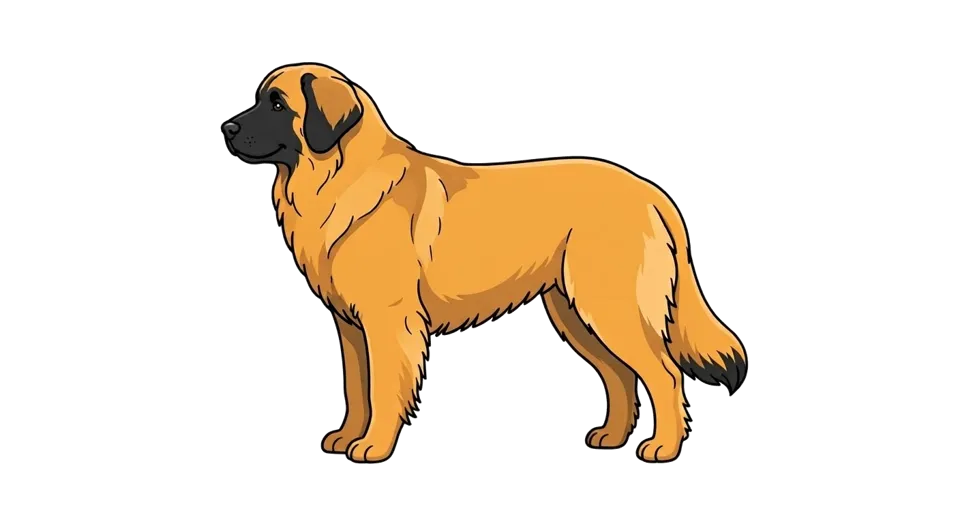
Lion yellow
Standard colour
The classic golden shade referencing the town's heraldic lion.
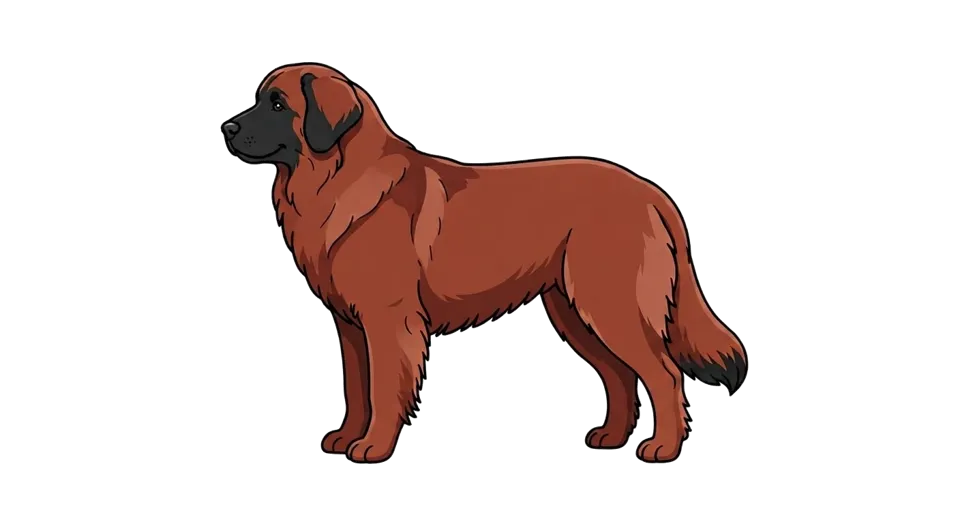
Red-brown
Standard colour
A deeper reddish coat, often with darker shading.
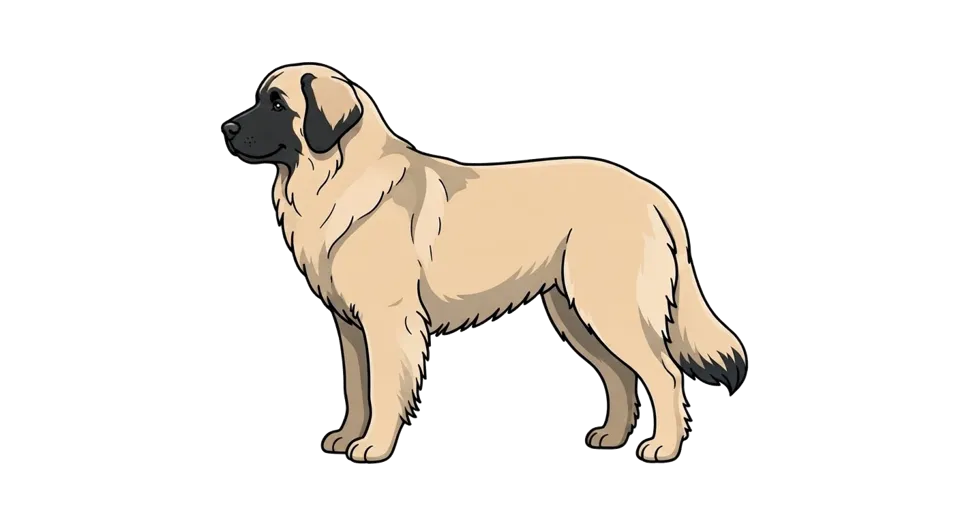
Sandy
Standard colour
A paler cream-gold tone still within the standard.
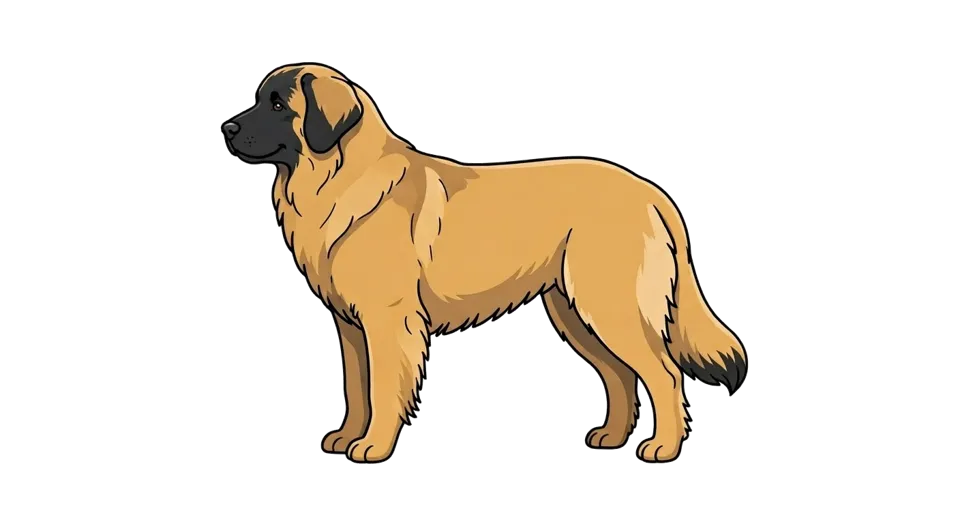
Black mask
Standard colour
A dark facial mask is required and adds to the lion-like look.
Timeline
History & development
1846
Breed created
Heinrich Essig begins crossing Saint Bernards, Newfoundlands and Pyrenean Mountain Dogs in Leonberg.
1895
Breed club founded
The first Leonberger breed club is established to standardise type.
1945
Post-war bottleneck
The breed nearly disappears after two World Wars, surviving through a small number of dogs.
1970s
International revival
Careful breeding programmes rebuild numbers and spread the breed beyond Germany.
Reference
Breed standard summary
- body
- Long, muscular and well-boned.
- coat
- Medium-length, water-resistant double coat with a mane.
- ears
- Ear set, size and carriage follow the Leonberger standard, clean and mobile, never thickened or badly carried.
- eyes
- Set well apart, of a shade in keeping with the coat, giving an alert and intelligent expression. Light or protruding eyes are undesirable.
- head
- Strong and deep, with a black mask.
- size
- Giant, males noticeably larger than females.
- colour
- Lion yellow, Red-brown, Sandy, Black mask. Colours outside this list are seen but are not accepted by the kennel clubs.
- temperament
- Typical of the breed: strongest in sociability, trainability, grooming. Nervousness or aggression are serious faults in the show ring and in the home.
- general appearance
- Large, muscular and elegant, with a lion-like mane and confident bearing.
Health
What to screen for
Green means little to worry about, amber means ask the breeder for test results, red means manage it actively.
Hip and elbow dysplasia
Screen for it
Ask breeders for hip and elbow scores on both parents.
Leonberger polyneuropathy
Watch closely
Ask for LPN1/LPN2 genetic test results before buying.
Osteosarcoma
Screen for it
A giant-breed risk; report unexplained limping to a vet promptly.
Bloat (GDV)
Watch closely
Feed smaller meals and avoid vigorous exercise straight after eating.
General information only — always speak to your vet about your own dog.
From real owners
Leonbergers in the PAWPOINT Pack
Leonbergers added by PawPoint members through their pet passports. Share yours to appear here.
Loading the wall…
Made for the Leonberger
The book, plus hoodies, tees and mugs featuring the Leonberger.