
Lurcher
LUR-cher
United Kingdom & Ireland· Rural Britain and Ireland
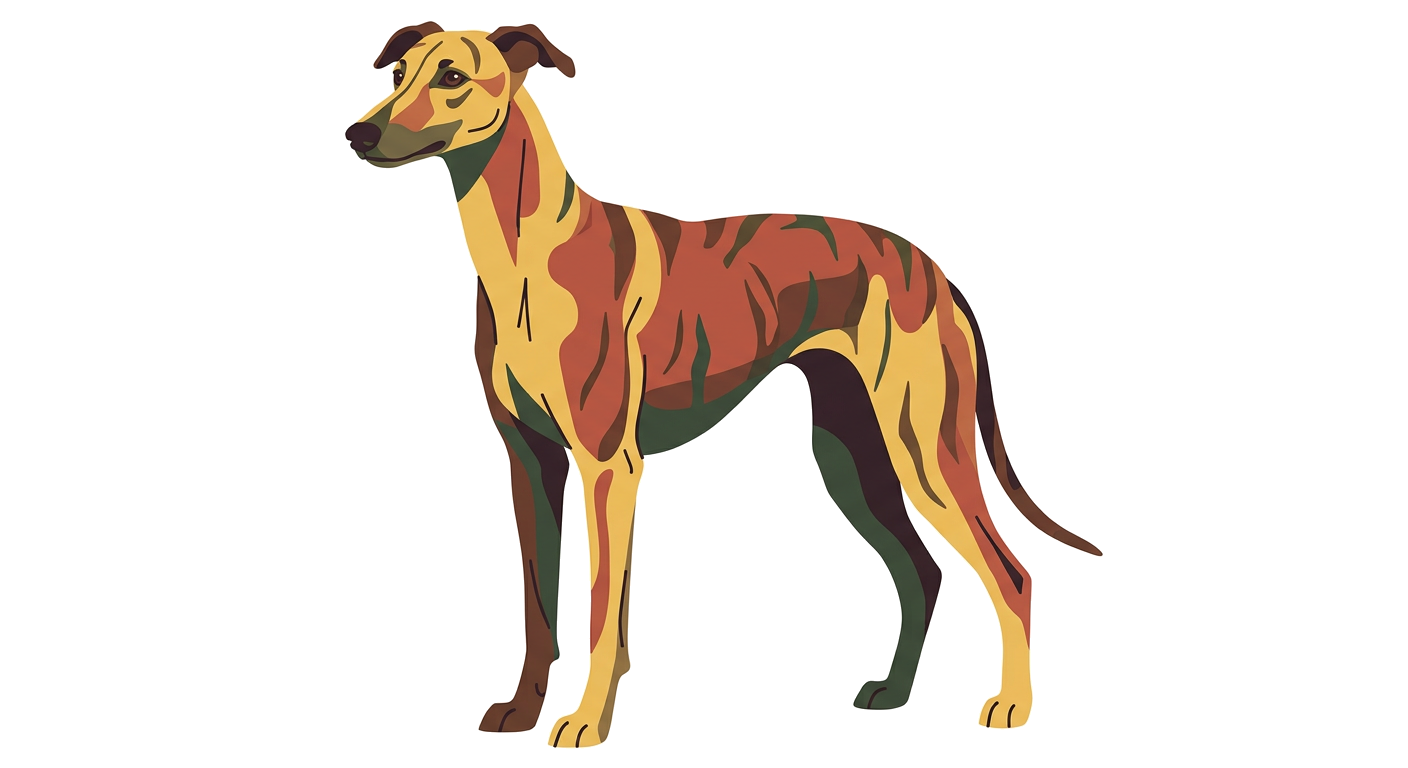
The Lurcher is a type rather than a fixed breed: a sighthound crossed with a working dog, bred for the job rather than for a written standard.
At a glance
Quick facts
Size
Medium to large
Exercise needs
1-1.5 hours daily, including a safe chance to gallop
Home size suited to
Any size home with a soft bed and a secure garden
Grooming frequency
Weekly brush; rough coats need occasional hand-stripping
Coat length
Varies with cross
Sheds
Yes, usually lightly
Lifespan
12-15 years
Town or country
Adaptable, but needs open space to run
Garden size needed
Secure, high fencing essential
Where it comes from
Origins of the Lurcher
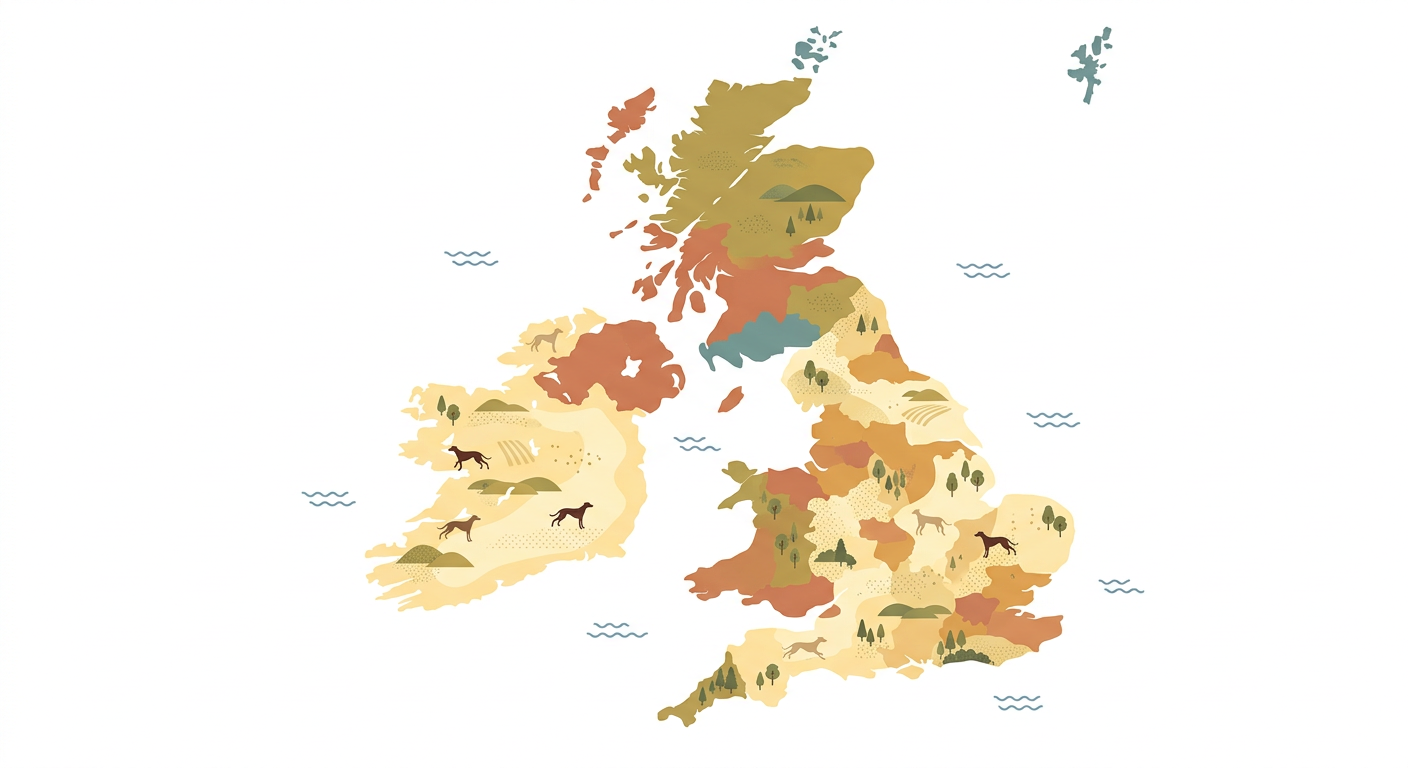
Born of British and Irish country life, where working people crossed sighthounds with collies, terriers and Deerhounds to produce a fast, quiet, versatile hunting dog — long associated with Romani and Traveller families.
- Region
- Rural Britain and Ireland
- Climate it was bred for
- Cool, wet temperate farmland and moorland
- Original job
- Coursing and hunting rabbit, hare and deer for the pot
The long read
About the breed
The classic recipe is a Greyhound, Whippet, Deerhound or Saluki crossed with a Collie, Bedlington, or a working terrier. The sighthound side supplies speed, sight-driven hunting instinct and the galloping frame; the other half adds trainability, stamina, scenting ability, a hardier coat or a harder attitude to rough cover. Because the mix is chosen by the breeder rather than dictated by a kennel club, appearance varies enormously — a Deerhound-cross Lurcher can stand over 70 cm and look shaggy and grey, while a Whippet-cross may be under 50 cm and slick-coated. Nothing about height, coat, colour or head shape can be called definitive.
What they share is temperament and function. A well-bred Lurcher is quiet, affectionate and almost comically lazy indoors, then transforms into a fast, focused, independent hunter the moment it is loose in open country. Recall and a reliable long line matter far more than for most breeds, because a Lurcher on a scent or a sight-line simply stops hearing you. They are gentle with people, usually good with children, and often poor with cats and small animals.
Lurchers are extremely common in Britain and Ireland — including, sadly, in rescue, where retired or unwanted working dogs turn up in large numbers. Adopting an adult is often the most honest route into the type, since you can see exactly what the cross produced.
Living with one
Temperament & needs
Our own ratings, based on the breed standard and how these dogs behave in ordinary homes.
Friendliness
4/5
How openly the Lurcher greets people it does not know.
Trainability
3/5
Willing at home, but sight and scent override recall in the open.
Energy
3/5
Short bursts of hard galloping, then hours of sleeping on the sofa.
Barking
2/5
Typically quiet; bred to hunt silently.
Grooming
4/5
Smooth coats need almost nothing; rough coats an occasional strip.
Suits a first-time owner
3/5
Easy company indoors, but the prey drive needs real management.
Sociability
4/5
Gentle with people and usually other dogs; poor with cats and small animals.
Independence
4/5
Happy in its own company and inclined to make its own decisions outdoors.
Illustrated breed standard
The points of the breed
Hover or tap a numbered point to read what the standard asks for.
Point 1
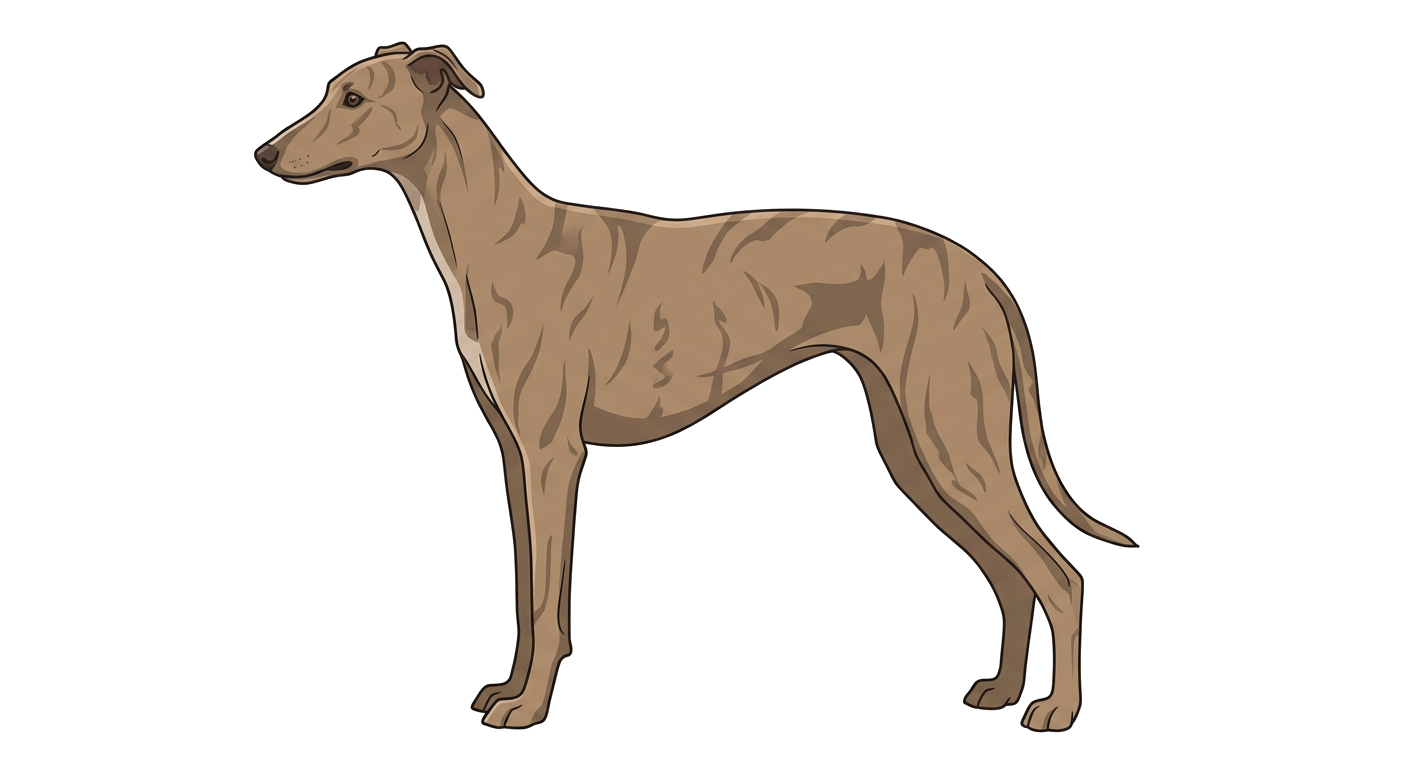
Skull
Long and fairly narrow in most Lurchers, reflecting the sighthound side of the cross. Collie or terrier blood can add breadth, stop or a softer expression — there is no single correct head.
Colours & patterns
Recognised coats
Which coats the standard accepts — and which are simply popular.
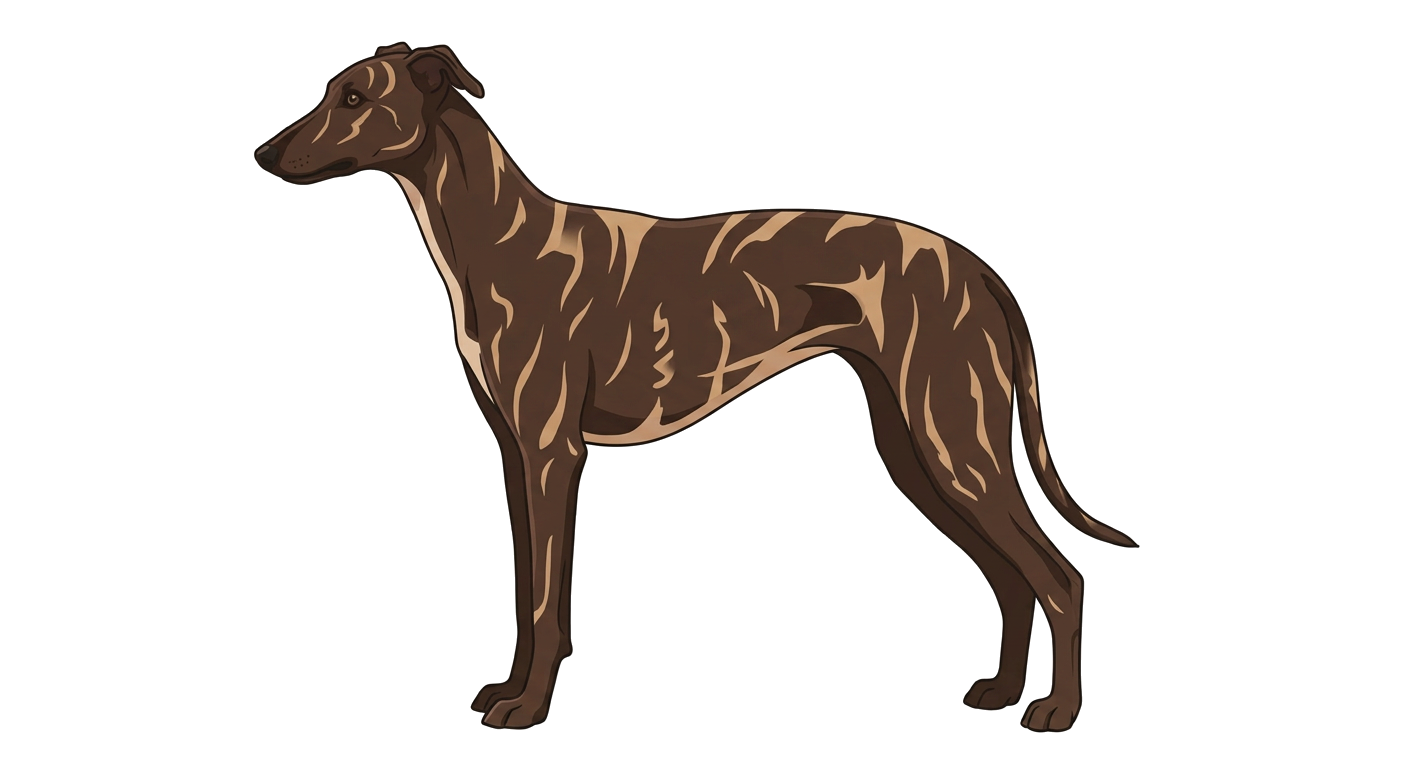
Brindle
Standard colour
One of the commonest Lurcher coats, striped fawn over a darker base.
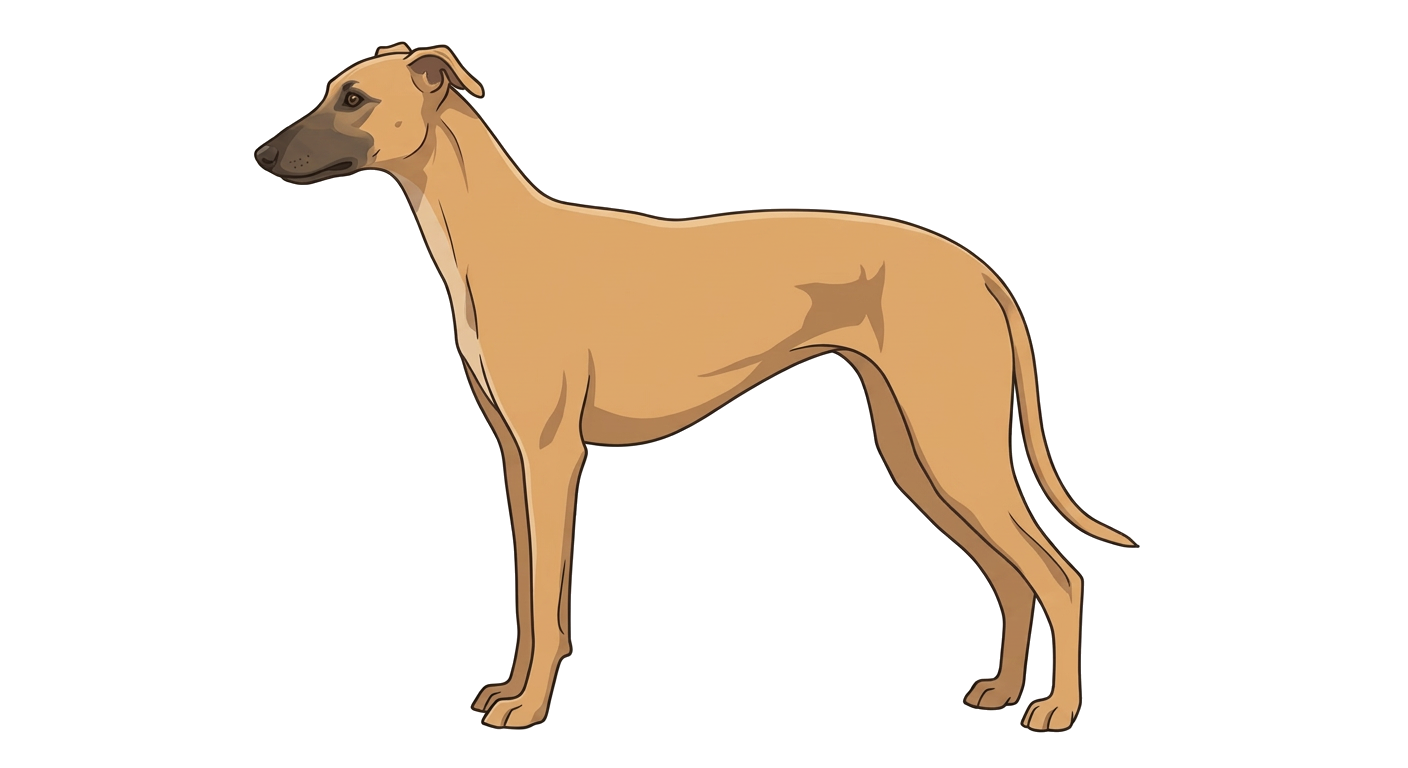
Fawn
Standard colour
Warm sandy fawn, often with a darker mask, from Greyhound and Saluki lines.
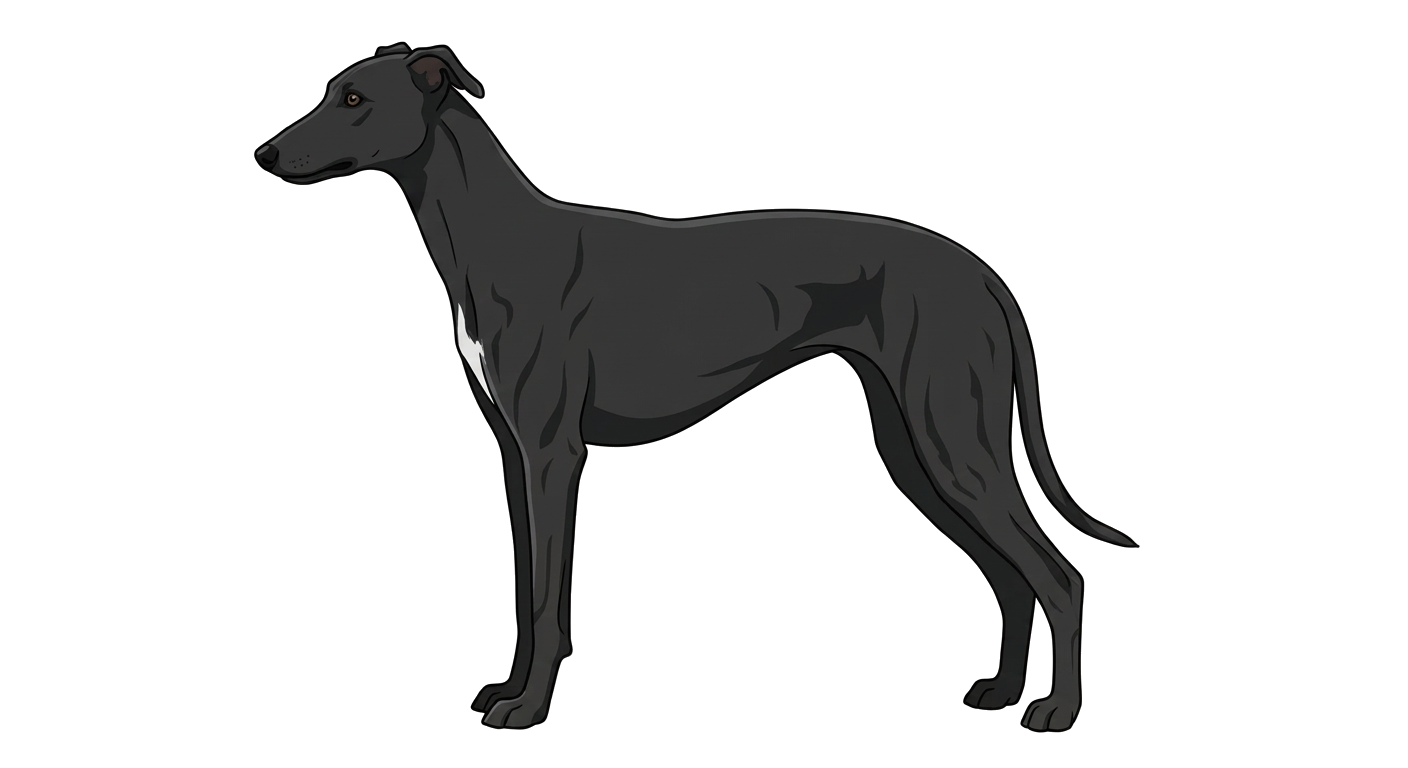
Black
Standard colour
Solid black, frequently with a white chest flash or white toes.
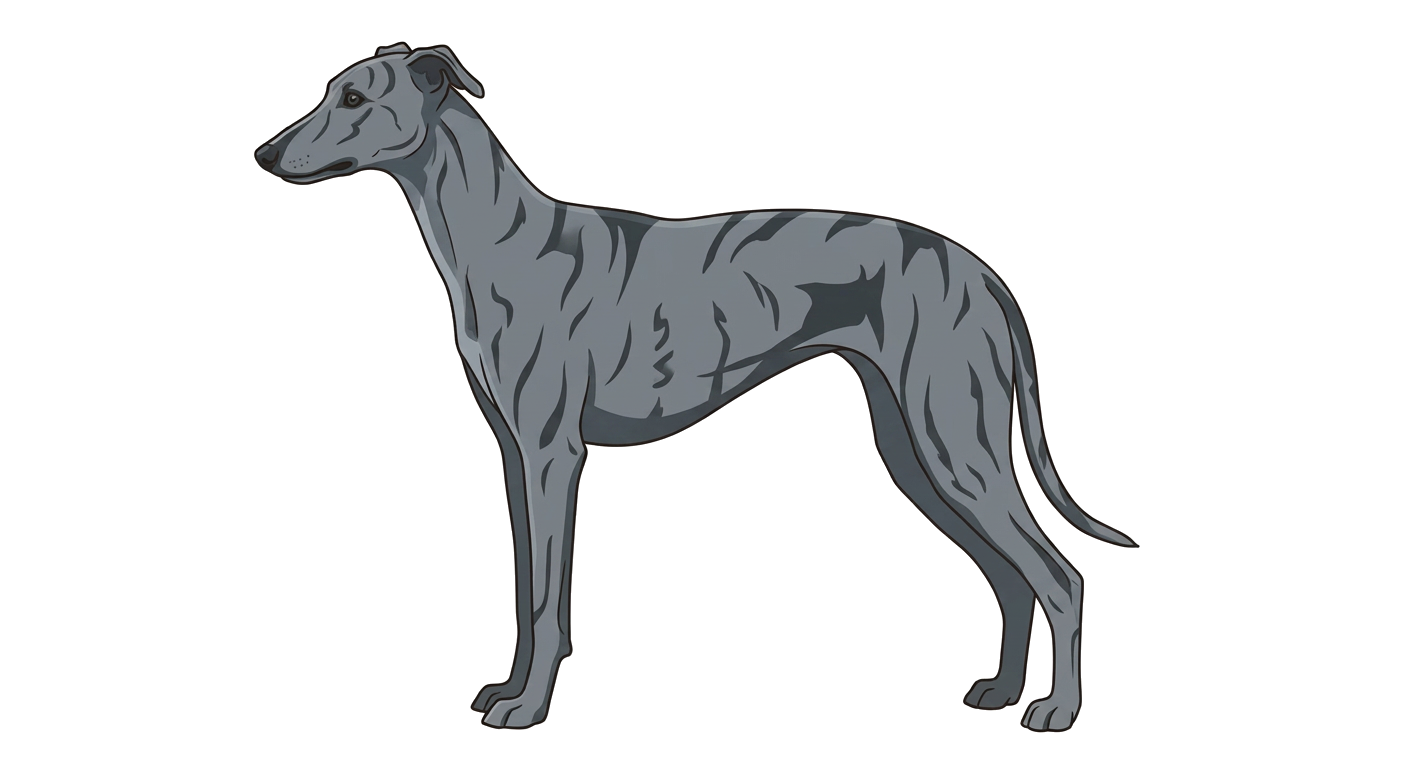
Blue Grey
Standard colour
Smoky blue-grey, typical of Deerhound and blue Greyhound crosses.
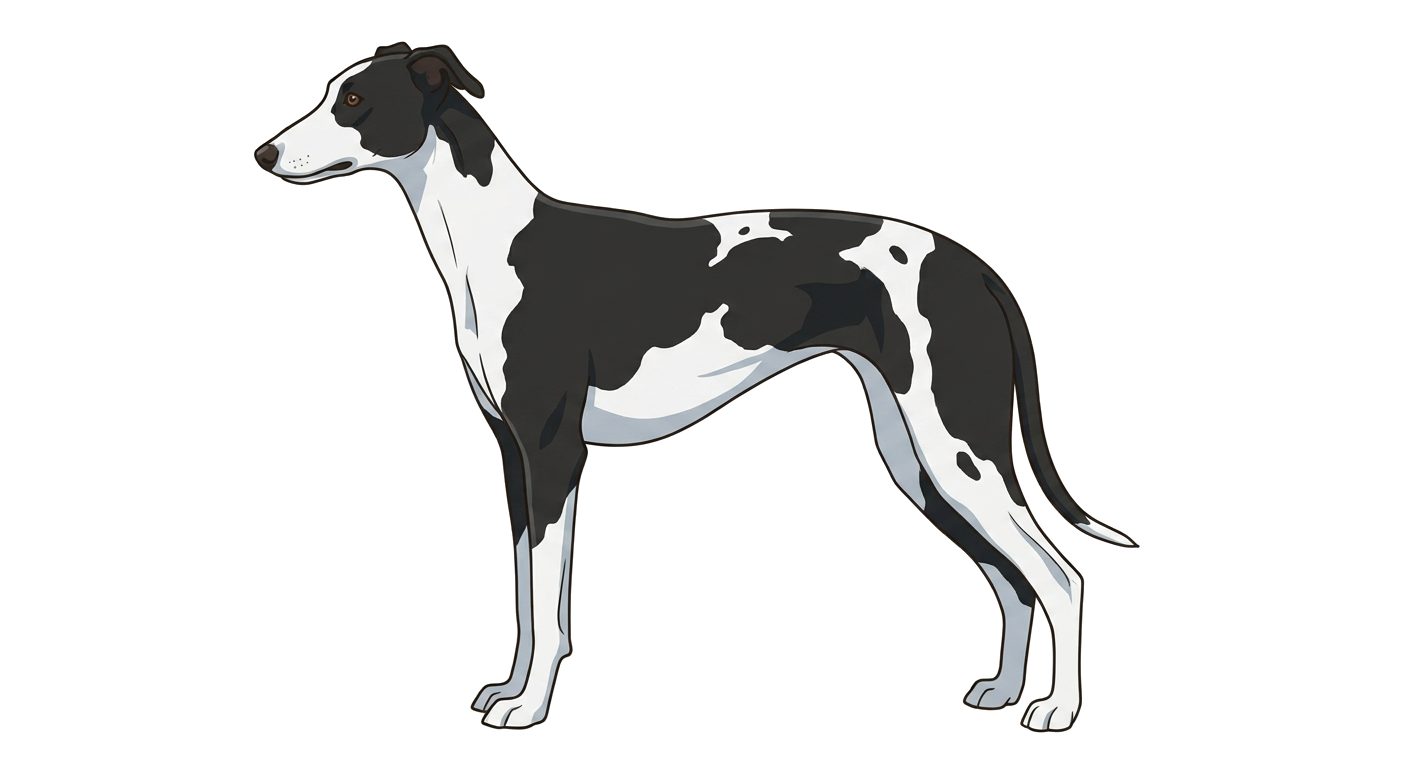
Black & White
Standard colour
Broken black and white, usually a sign of collie blood in the cross.
Timeline
History & development
15th century
Commoners' hunting dog
Forest laws restricted ownership of pure Greyhounds to the nobility, so working people bred sighthound crosses that were less conspicuous but just as effective.
18th-19th century
Traveller and Romani lines
Romani and Traveller families refined the type for poaching and provisioning, prizing silent, biddable dogs that could take rabbit, hare and deer.
1900s
The working recipes settle
Collie, Bedlington and Deerhound crosses became the recognised staples, each chosen for a different balance of speed, stamina and grit.
Today
Type, not breed
No kennel club recognises the Lurcher, and no standard exists. It remains defined by function and by the cross behind each individual dog.
Reference
Breed standard summary
- body
- Deep chest, ribs carried back, pronounced tuck-up, slight arch over a strong loin.
- coat
- Smooth, broken/wiry or rough depending entirely on the cross. No coat is more correct than another.
- ears
- Commonly small and semi-erect; prick or higher-set ears occur in some crosses.
- eyes
- Oval, dark, forward-set for a wide field of vision.
- gait
- A true galloping dog: enormous reach and drive, low and level at speed, exceptionally agile on the turn.
- head
- Usually long and lean, though collie or terrier blood adds breadth and stop.
- neck
- Long, clean and muscular, running into a well-laid shoulder.
- size
- Medium to large, roughly 55-75 cm; there is no set height.
- tail
- Long, fine and tapering, carried low.
- colour
- Any colour or combination — brindle, fawn, black, blue-grey, and any of these broken with white.
- muzzle
- Long and tapering, with a beard in rough-coated dogs.
- temperament
- Calm and affectionate at home, sharply focused and independent when hunting. Nervousness or aggression to people is untypical.
- general appearance
- No fixed standard. A running dog of sighthound outline, varying widely in size, coat and colour with the cross behind it.
Health
What to screen for
Green means little to worry about, amber means ask the breeder for test results, red means manage it actively.
Anaesthetic sensitivity
Screen for it
Tell any vet the dog is a sighthound type before sedation or surgery.
Skin tears & injuries
Screen for it
Thin skin cuts easily on wire and rough cover; check after every run.
Gastric torsion (bloat)
Screen for it
Feed smaller meals and avoid hard exercise straight after eating.
Osteosarcoma
Screen for it
Sighthound lines carry raised risk; investigate persistent limping early.
Hereditary eye conditions
Watch closely
Depends on the cross — ask about eye testing in the collie or terrier parent.
General information only — always speak to your vet about your own dog.
From real owners
Dogs like this
Lurchers added by PawPoint members through their pet passports. Share yours to appear here.
Loading the wall…
Made for the Lurcher
The book, plus prints, hoodies and mugs using our own Lurcher illustration — and one everyday accessory that suits any dog.

The book
Pawpoint: The Complete Dog Breed Book
Every officially recognised breed plus the unofficial ones nobody else documents. 400+ pages, hardback, printed and shipped from the UK.
Own stock — shipped by us
Framed poster
Lurcher Framed Poster
Museum-weight print of our Lurcher illustration, framed or unframed.
Printed to order
Hoodie
Lurcher Hoodie
Heavyweight hoodie carrying the Lurcher illustration on the chest.
Printed to order
Mug
Lurcher Mug
Ceramic mug with the Lurcher illustration wrapped around it.
Printed to order
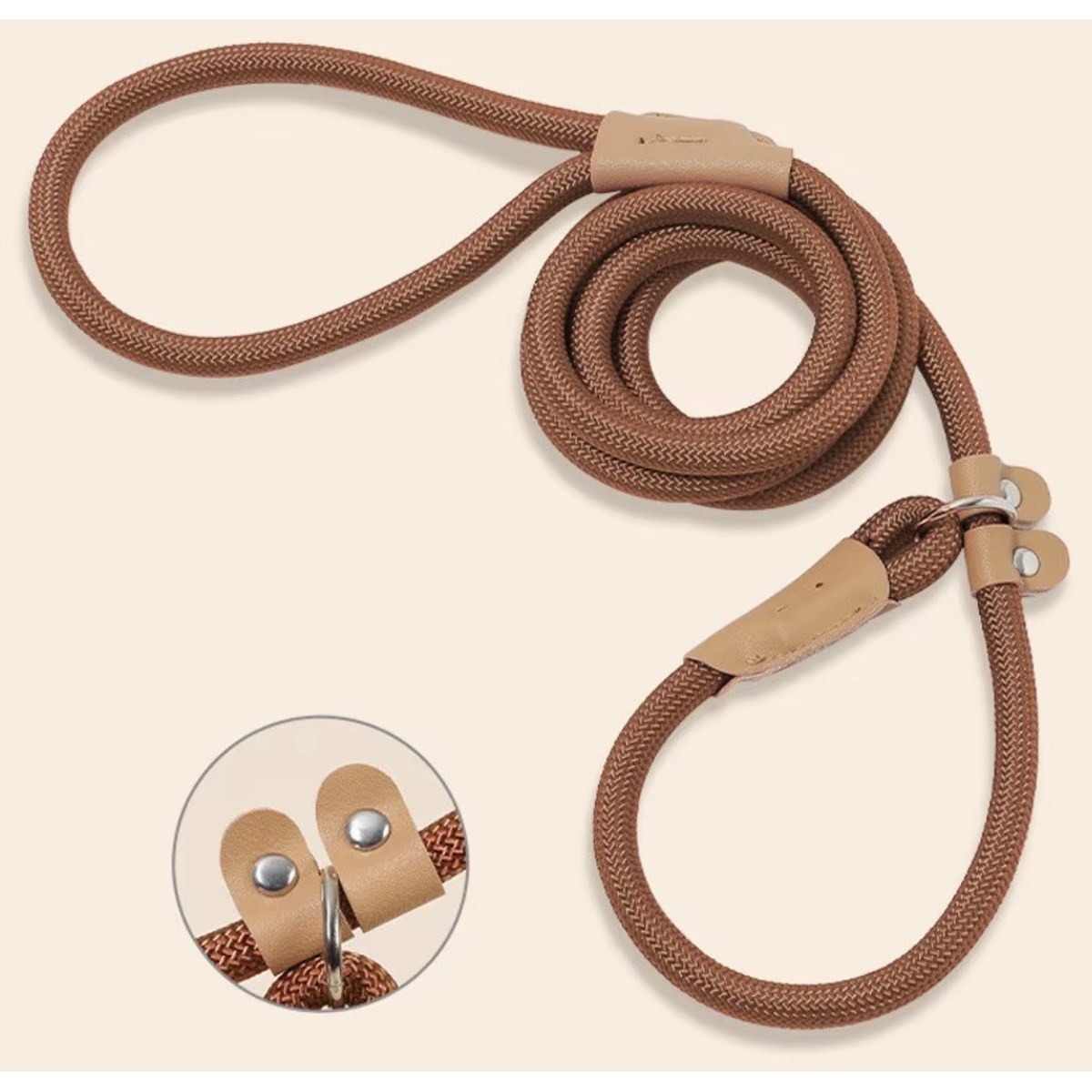
Accessory
Rope Slip Lead
Braided rope lead with a leather stop, 150cm. Good for training walks.
Fits any dog
Pawpoint on YouTube
Watch the full Lurcher video
Breed deep-dives, history and honest ownership talk. New film every week.
Watch now