
Majorca Shepherd Dog
kah deh bes-tee-AHR
Spain· Mallorca, Balearic Islands
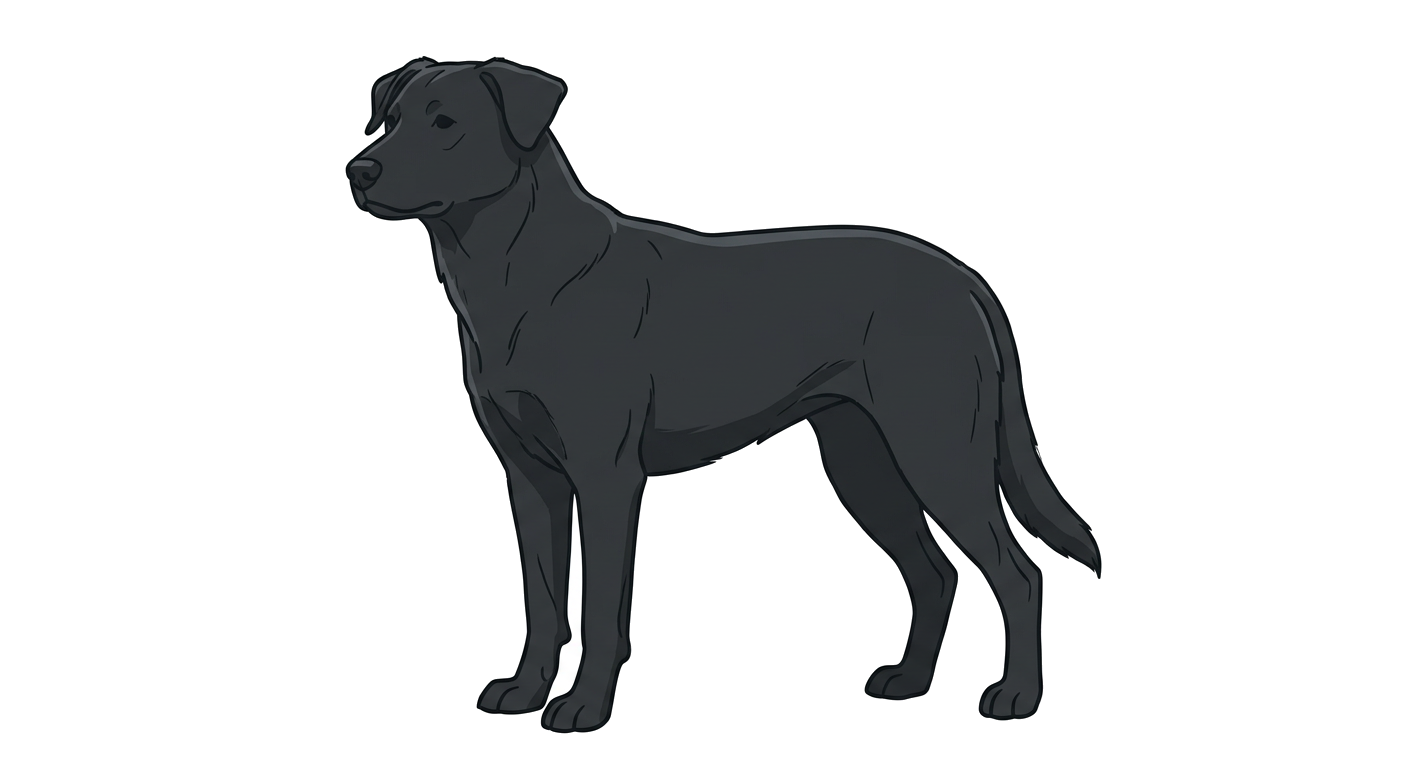
The Majorca Shepherd Dog — the Ca de Bestiar — is the traditional herding and farm-guard dog of Mallorca, and one of four native Balearic breeds. A large, dark-coated, rustic dog, it has managed sheep, guarded fincas and watched over island farms for centuries, prized for its courage, hardiness and instinctive protective nature.
At a glance
Quick facts
Size
Large
Exercise needs
Moderate (about an hour daily, plus space)
Home size suited to
Rural home with land
Grooming frequency
Weekly brushing
Coat length
Medium
Sheds
Moderate to heavy
Lifespan
10–13 years
Town or country
Country
Garden size needed
Large, securely fenced grounds
Where it comes from
Origins of the Majorca Shepherd Dog
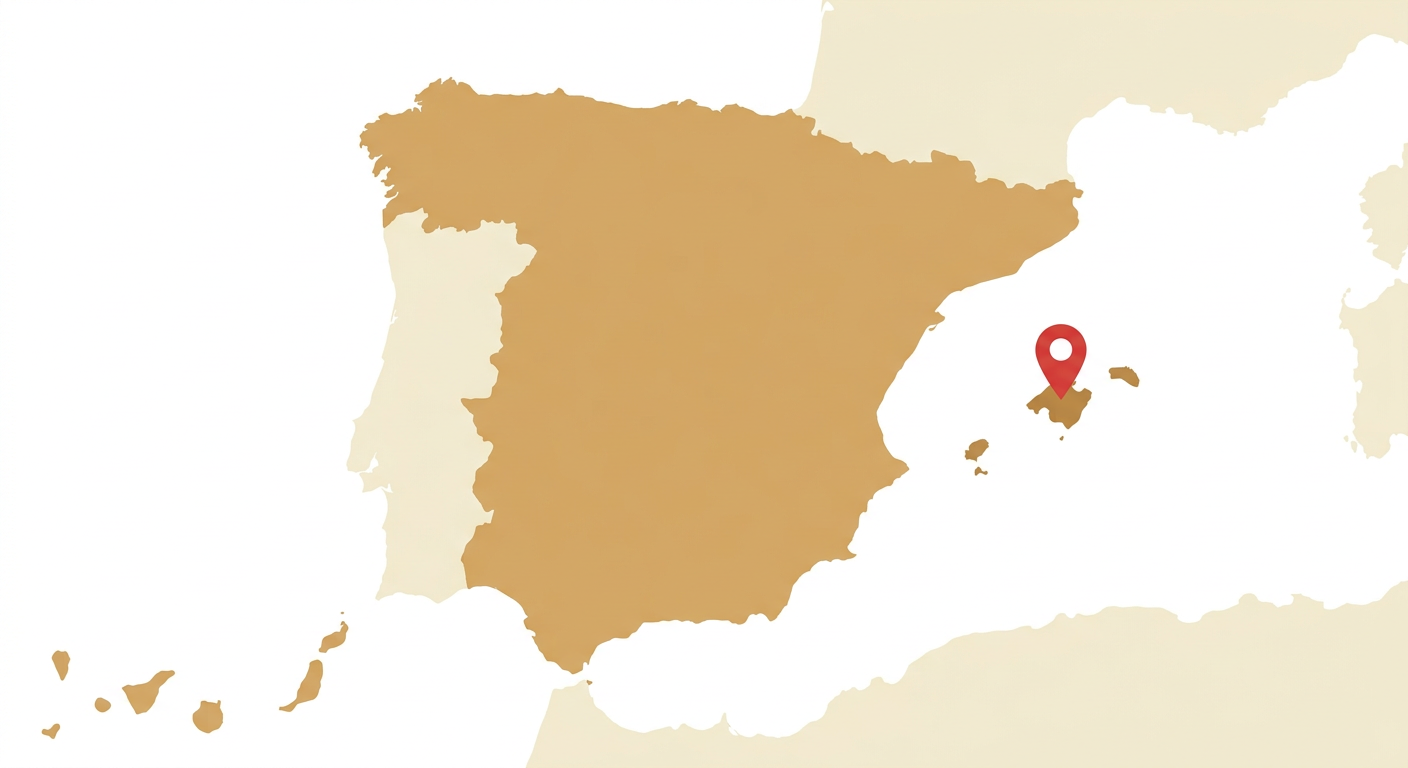
Mallorca's native black herding and guard dog, one of four traditional Balearic breeds.
- Region
- Mallorca, Balearic Islands
- Climate it was bred for
- Mediterranean
- Original job
- Herding sheep and guarding island farms
The long read
About the breed
The breed's origins are old and imperfectly documented: it is thought to descend from dogs brought to the Balearics after the Catalan conquest of the thirteenth century, later shaped by island conditions into a distinct local type. It should not be confused with the Majorca Mastiff (Ca de Bou), a separate breed with a different job and a different FCI section.
The Ca de Bestiar is devoted and docile with its own family but suspicious of strangers and fearless in defence of its territory and stock. It matures slowly, trains with patience rather than repetition, and needs space and a meaningful role; it is not a dog for inexperienced or urban owners.
Living with one
Temperament & needs
Our own ratings, based on the breed standard and how these dogs behave in ordinary homes.
Energy
3/5
Moderate energy; daily walks and play.
Barking
3/5
Will give voice when working or alarmed.
Grooming
2/5
Minimal grooming beyond a weekly once-over.
Sociability
2/5
Aloof with strangers, devoted to its own.
Independence
4/5
Independent thinker; tolerates being left to it.
Trainability
3/5
Capable, with consistent fair handling.
Illustrated breed standard
The points of the breed
Hover or tap a numbered point to read what the standard asks for.
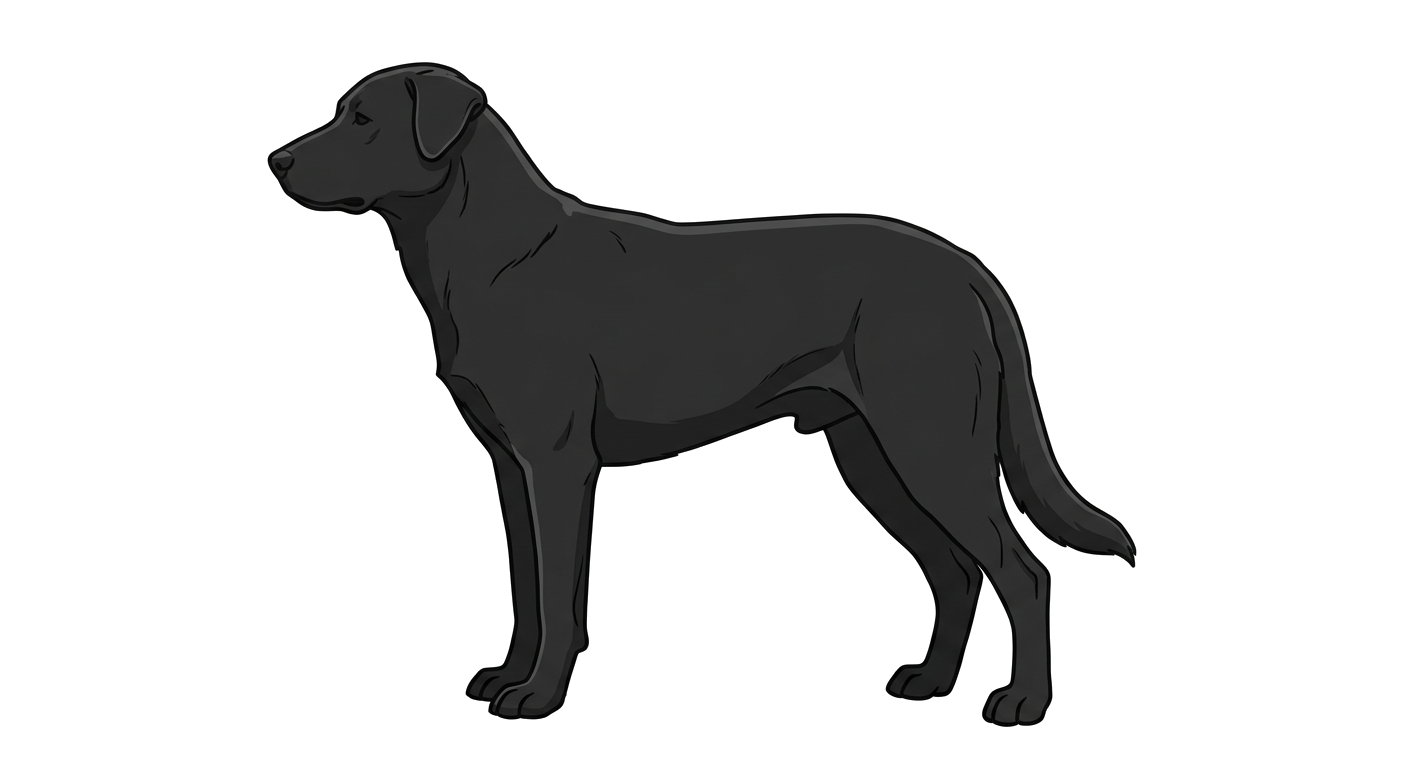
Point 1
Head
Large and strong with a broad skull, marked stop and powerful muzzle.
Colours & patterns
Recognised coats
Which coats the standard accepts — and which are simply popular.
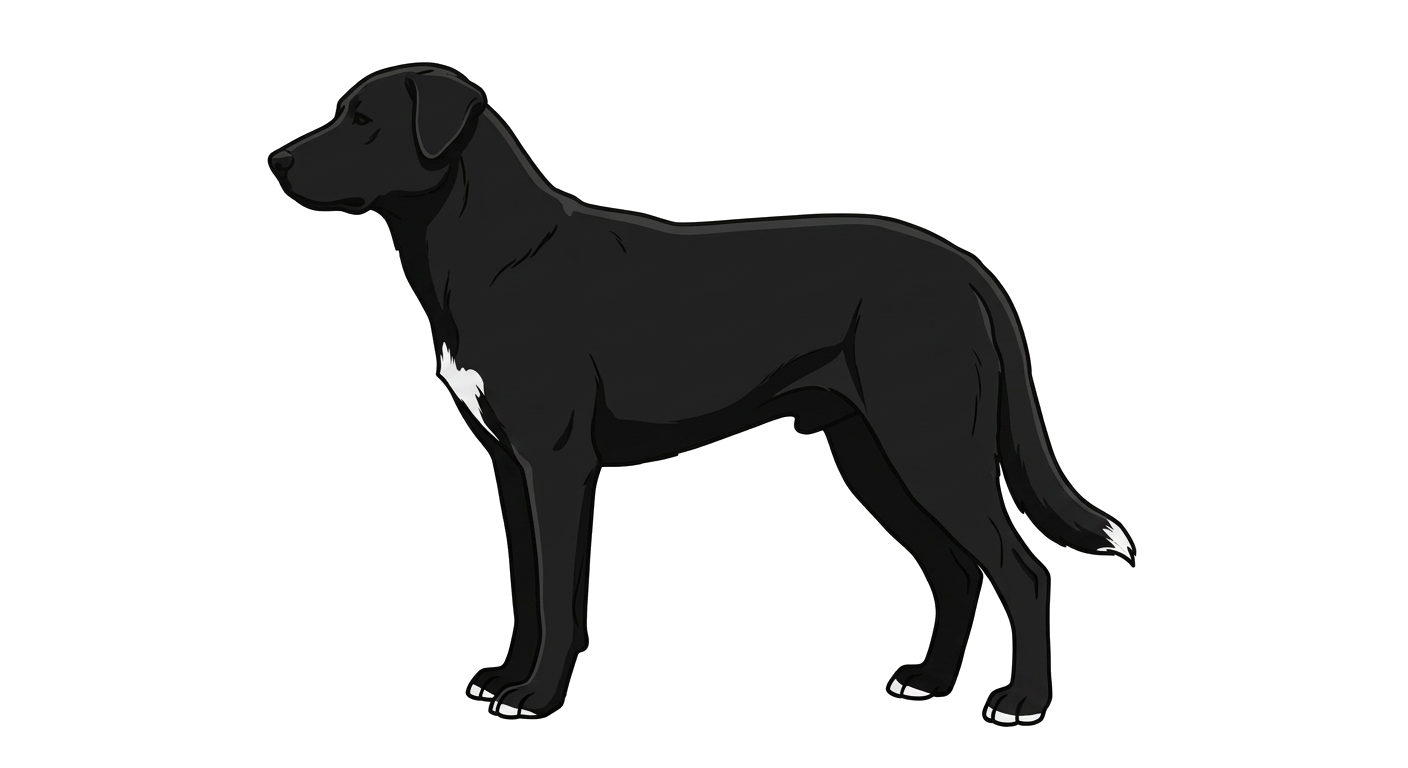
Black
Standard colour
Solid black; a white chest patch and small white marks on feet or tail tip are tolerated.
Timeline
History & development
1200s onwards
Island stock
Dogs arriving with the Catalan conquest of Mallorca were selected over centuries into a hardy all-purpose herding and guard type.
1900s
Rural fixture
The Ca de Bestiar became the standard farm dog of the Mallorcan interior, working sheep and guarding property.
1970s–1980s
Formal recognition
Breed enthusiasts documented the type and secured recognition from the Spanish kennel authorities, followed by the FCI under standard number 321.
Today
Living heritage
Still worked on island farms, the breed is promoted by Balearic heritage programmes while remaining rare beyond Spain.
Reference
Breed standard summary
- body
- Strong and slightly longer than tall, with a straight back, powerful loin and deep chest.
- coat
- Two varieties: short (close and harsh) and long (up to about 7 cm, harsher over the back), both with a dense undercoat.
- ears
- Medium-sized, triangular, folded or rose-carried, set high and mobile.
- eyes
- Medium-sized, oval, dark, with an intelligent and slightly reserved expression.
- gait
- Easy and powerful, with good reach and drive.
- head
- Large and strong with a broad skull, marked stop and powerful muzzle.
- size
- Males stand 66 to 73 cm at the withers and weigh around 40 kg or more; females are slightly smaller.
- tail
- Thick at the base, set low, reaching at least to the hock, carried low with a slight curve at rest.
- colour
- Black, with or without a white patch on the chest; small white markings on the feet and tip of the tail are tolerated.
- muzzle
- Broad and strong, with tight black lips and a large black nose.
- temperament
- Devoted and docile with its family, watchful and courageous with strangers; a natural guardian with a strong protective instinct.
- general appearance
- A large, strong, rustic dog of moderate proportions, always black, with two accepted coat lengths.
Health
What to screen for
Green means little to worry about, amber means ask the breeder for test results, red means manage it actively.
Hips
Watch closely
Large breed — hip scoring recommended for breeding stock.
Bloat
Watch closely
Deep-chested; standard bloat precautions apply.
Data
Watch closely
Rare breed with limited formal health records.
General information only — always speak to your vet about your own dog.
From real owners
Dogs like this
Majorca Shepherd Dogs added by PawPoint members through their pet passports. Share yours to appear here.
Loading the wall…
Made for the Majorca Shepherd Dog
The book, plus prints, hoodies and mugs using our own Majorca Shepherd Dog illustration — and one everyday accessory that suits any dog.

The book
Pawpoint: The Complete Dog Breed Book
Every officially recognised breed plus the unofficial ones nobody else documents. 400+ pages, hardback, printed and shipped from the UK.
Own stock — shipped by us
Framed poster
Majorca Shepherd Dog Framed Poster
Museum-weight print of our Majorca Shepherd Dog illustration, framed or unframed.
Printed to order
Hoodie
Majorca Shepherd Dog Hoodie
Heavyweight hoodie carrying the Majorca Shepherd Dog illustration on the chest.
Printed to order
Mug
Majorca Shepherd Dog Mug
Ceramic mug with the Majorca Shepherd Dog illustration wrapped around it.
Printed to order
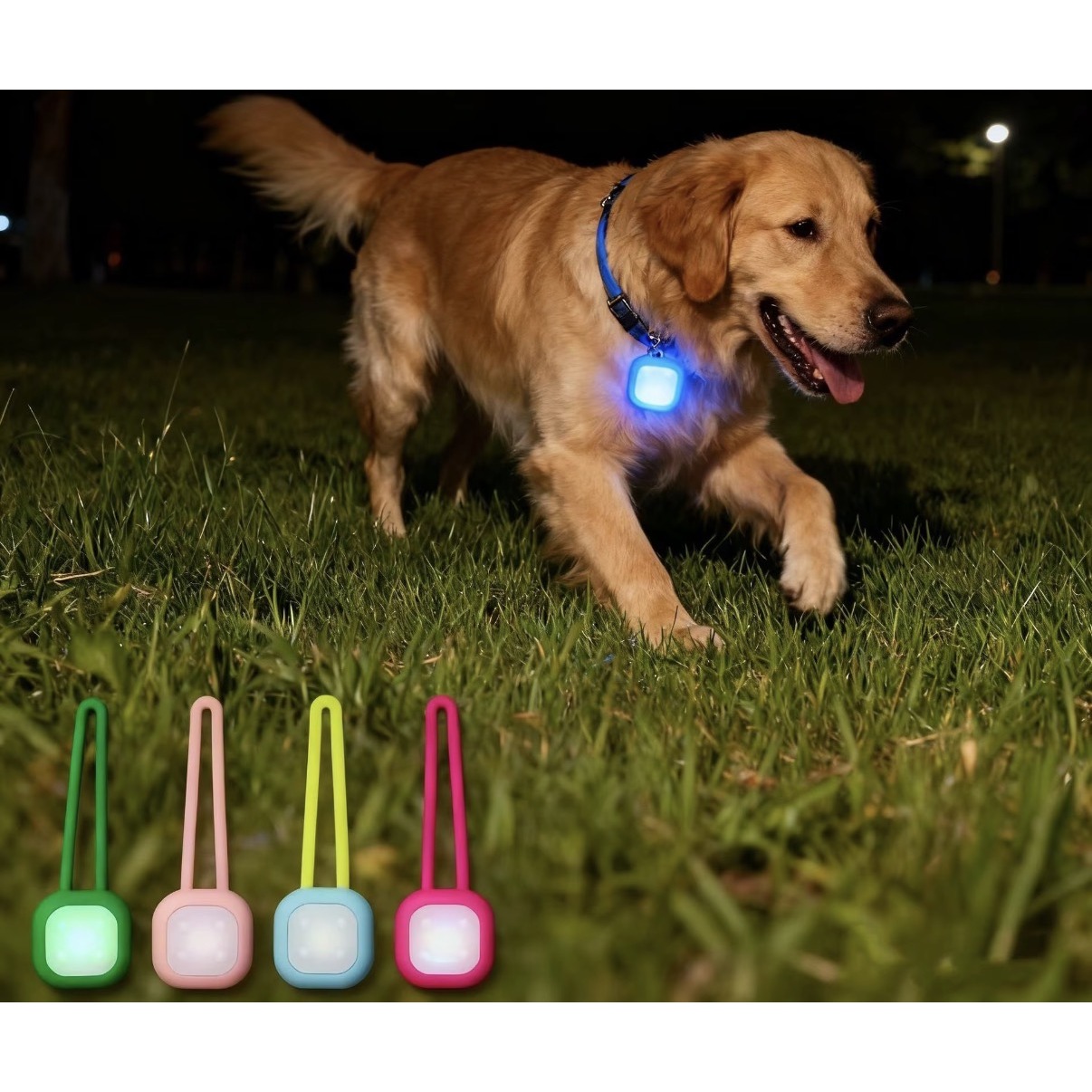
Accessory
LED Reflective Lead Light
Rechargeable clip-on light for dark walks.
Fits any dog
Pawpoint on YouTube
Watch the full Majorca Shepherd Dog video
Breed deep-dives, history and honest ownership talk. New film every week.
Watch now