
Maltese
mol-TEEZ
Malta· Mediterranean, associated with Malta
The Maltese is a small, long-coated companion breed with a flowing white coat, believed to have been kept as a lapdog around the Mediterranean for over two thousand years.

At a glance
Quick facts
Size
Toy
Exercise needs
20-30 minutes daily
Home size suited to
Flat or any size home
Grooming frequency
Daily brushing
Coat length
Long
Sheds
Yes
Lifespan
12-15 years
Town or country
Either, happy in town
Garden size needed
None needed
Where it comes from
Origins of the Maltese
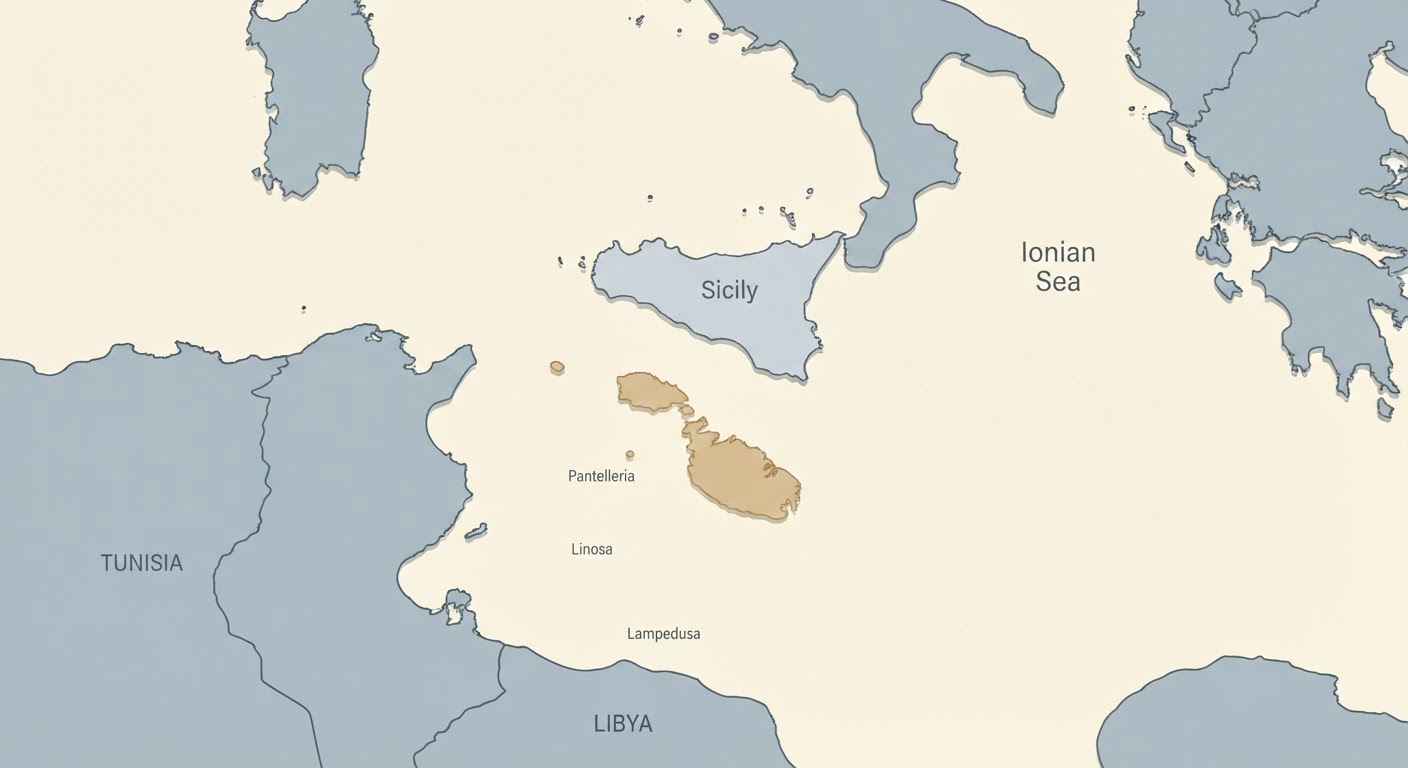
The exact birthplace of the Maltese is debated, but Mediterranean sailors and traders are thought to have carried small white lapdogs between ports for centuries, with Malta lending the breed its name.
- Region
- Mediterranean, associated with Malta
- Climate it was bred for
- Warm, dry Mediterranean
- Original job
- Companion and lapdog
Living with one
Temperament & needs
Our own ratings, based on the breed standard and how these dogs behave in ordinary homes.
Friendliness
5/5
How openly the Maltese greets people it does not know.
Trainability
4/5
Bright and responsive, though can be wilful when bored.
Energy
3/5
Playful in short bursts, happy with modest walks.
Barking
3/5
Will bark at visitors and unfamiliar noises.
Grooming
5/5
The long white coat needs daily brushing to prevent matting and staining.
Suits a first-time owner
4/5
How forgiving the Maltese is for someone taking on their first dog.
Sociability
5/5
Thrives on company and attention from its family.
Independence
1/5
Dislikes being left alone for long periods.
Illustrated breed standard
The points of the breed
Hover or tap a numbered point to read what the standard asks for.

Point 1
Skull
The Maltese's skull is judged on balance rather than size — proportionate to the body, with a clean cheek and a stop typical of the breed. Coarseness or an over-refined head are both faulted.
Colours & patterns
Recognised coats
Which coats the standard accepts — and which are simply popular.

White
Standard colour
The only colour recognised in most breed standards.

Ivory
Standard colour
A very pale cream tint sometimes seen and still accepted.
Outside the standard
Other colours
Dilute coats you will see advertised. They are the same breed, but no kennel club accepts them.
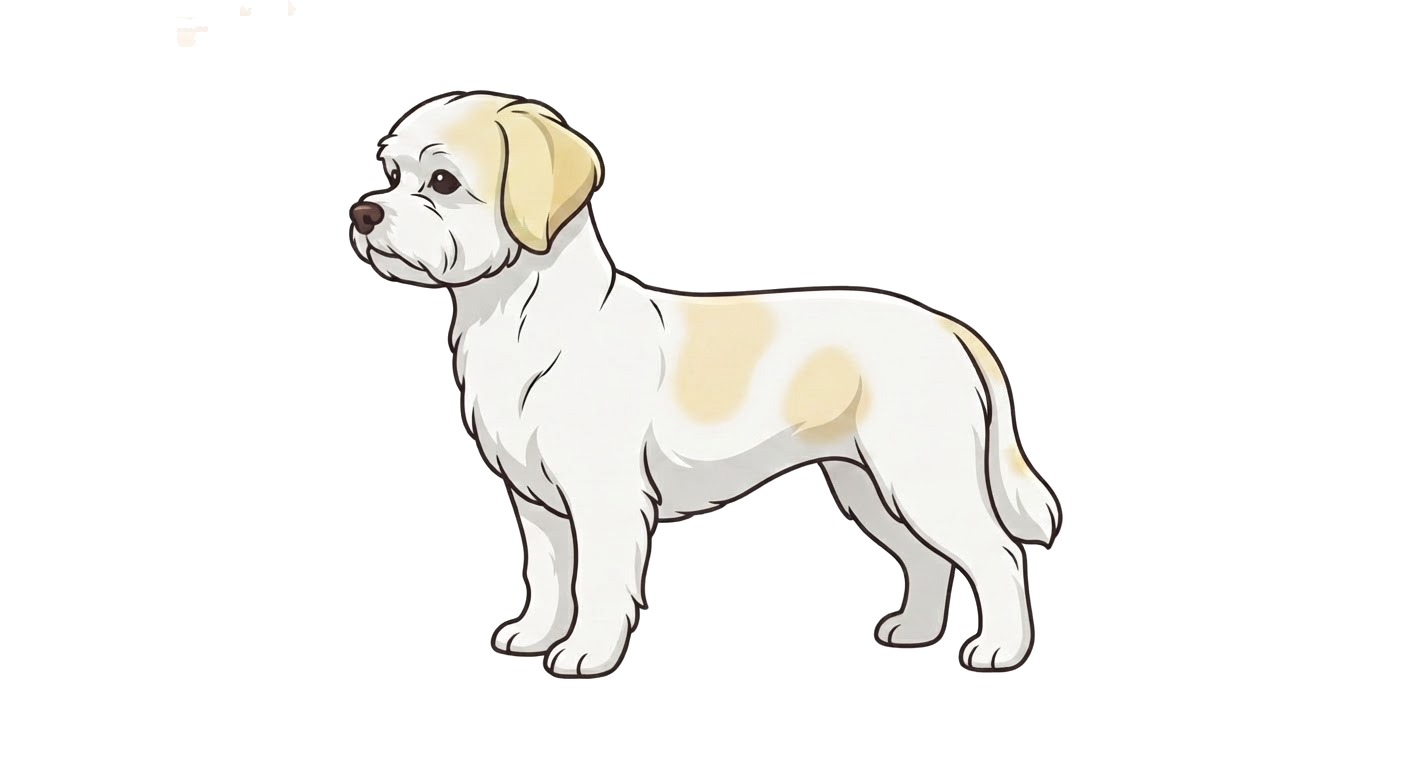
Lemon markings
Not in the standard
Faint lemon patches occasionally appear but are not preferred.
Timeline
History & development
Antiquity
Ancient lapdog
Small white dogs resembling the Maltese appear in Greek and Roman art and writing.
1600s
European nobility
The breed becomes a favourite lapdog among European aristocracy and royal courts.
1877
Early show entries
Maltese dogs are exhibited at early dog shows in Britain and the United States.
1900s
Modern standard set
Kennel clubs formalise the breed's white coat and small size as standard.
1950s onward
The breed today
Kennel club registrations settled into a steady pattern and the Maltese moved from a working specialist to a family companion, with breed clubs in the UK and abroad now focused on health testing and keeping true type alive.
Reference
Breed standard summary
- body
- Well-bodied and sound: a firm level topline, deep chest with well-sprung ribs and a strong, muscular loin.
- coat
- Long, silky and straight, falling close to the body.
- ears
- Ear set, size and carriage follow the Maltese standard, clean and mobile, never thickened or badly carried.
- eyes
- Dark, round, with an alert expression.
- head
- Of medium length, with a well-defined stop.
- size
- Toy, ideally under 4kg.
- tail
- Long-haired, carried gracefully over the back.
- colour
- White, Ivory. Colours outside this list are seen but are not accepted by the kennel clubs.
- temperament
- Typical of the breed: strongest in sociability, grooming, trainability. Nervousness or aggression are serious faults in the show ring and in the home.
- general appearance
- Small, elegant and covered in a long white coat, carried with a gentle, lively manner.
Health
What to screen for
Green means little to worry about, amber means ask the breeder for test results, red means manage it actively.
Patellar luxation
Screen for it
Ask breeders whether the parents' knees have been checked.
Dental disease
Low concern
Small jaws crowd teeth; daily brushing reduces early tooth loss.
White shaker syndrome
Screen for it
A tremor condition seen in small white breeds; ask a vet if unsure.
Portosystemic shunt
Watch closely
Ask breeders about liver screening in the line if buying a puppy.
General information only — always speak to your vet about your own dog.
From real owners
Dogs like this
Malteses added by PawPoint members through their pet passports. Share yours to appear here.
Loading the wall…
Made for the Maltese
The book, plus prints, hoodies and mugs using our own Maltese illustration — and one everyday accessory that suits any dog.

The book
Pawpoint: The Complete Dog Breed Book
Every officially recognised breed plus the unofficial ones nobody else documents. 400+ pages, hardback, printed and shipped from the UK.
Own stock — shipped by us
Framed poster
Maltese Framed Poster
Museum-weight print of our Maltese illustration, framed or unframed.
Printed to order
Hoodie
Maltese Hoodie
Heavyweight hoodie carrying the Maltese illustration on the chest.
Printed to order
Mug
Maltese Mug
Ceramic mug with the Maltese illustration wrapped around it.
Printed to order
Accessory
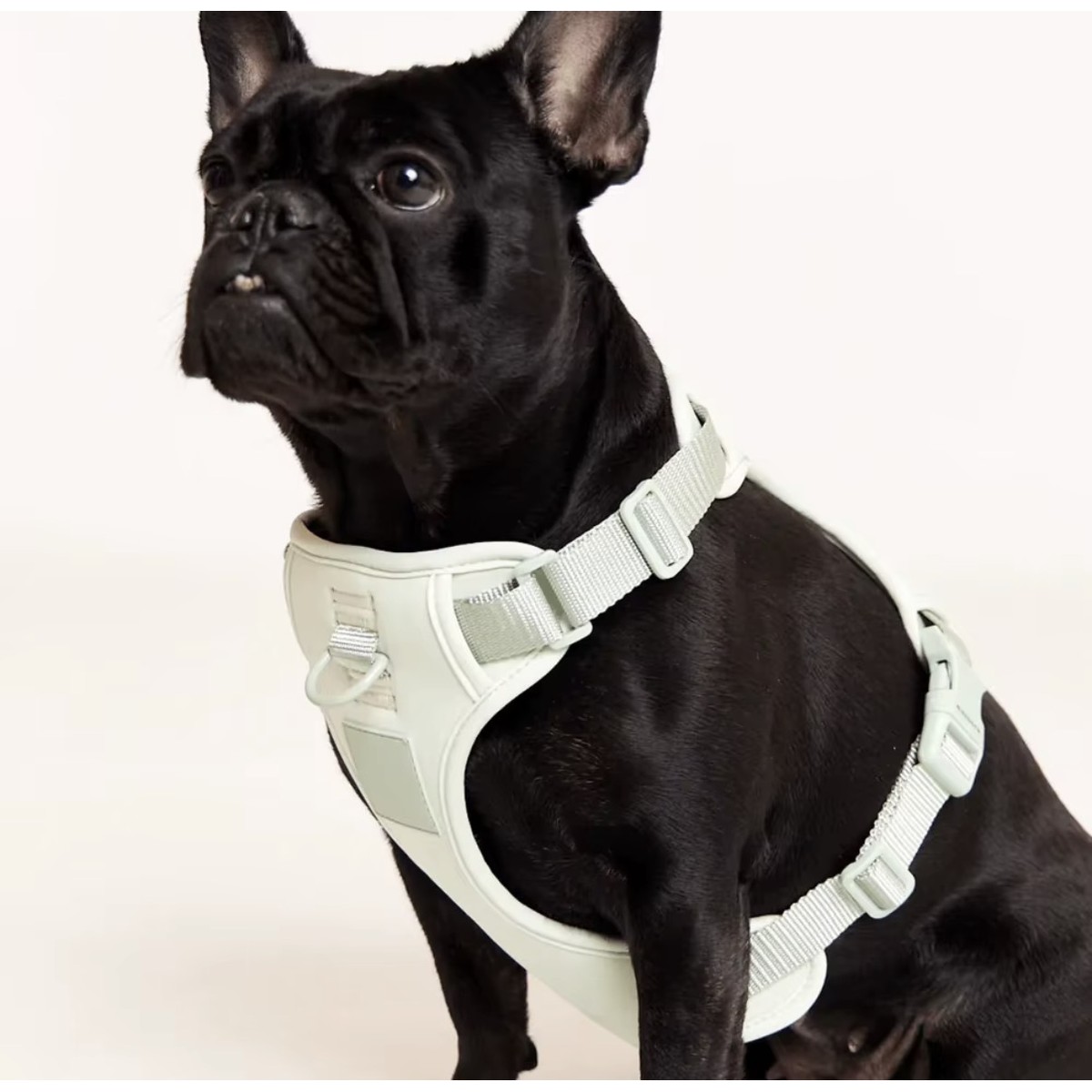
Adjustable Harness (S/M/L)
Fully adjustable chest and girth straps — no fixed sizing.
Fits any dog

Pawpoint on YouTube
Watch the full Maltese video
Breed deep-dives, history and honest ownership talk. New film every week.
Watch now