
Maremma Sheepdog
mar-EM-ma
Italy· Maremma and Abruzzo
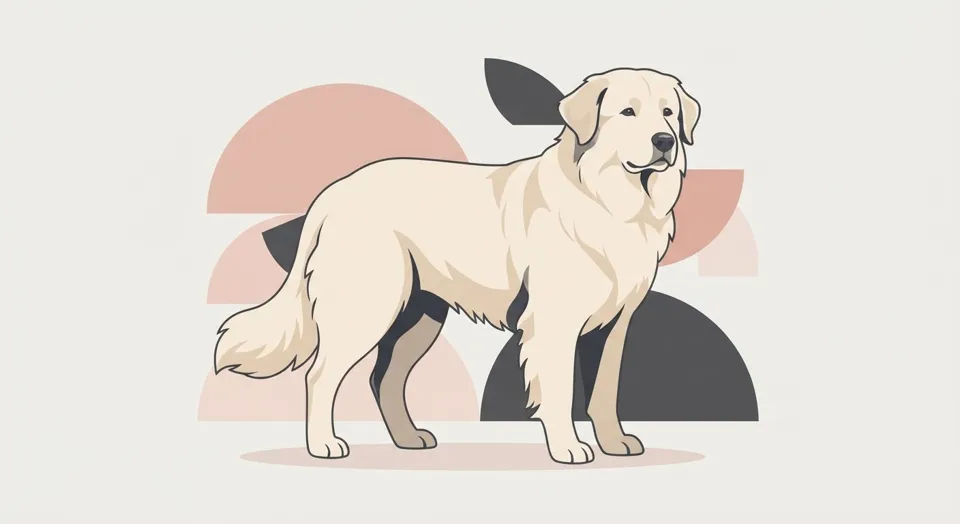
The Maremma Sheepdog is a large white Italian livestock guardian bred to live with flocks year-round and deter wolves without herding.
At a glance
Quick facts
- Size
- Large
- Exercise needs
- 1 hour daily, needs space to patrol
- Home size suited to
- Medium to large home
- Grooming frequency
- Weekly brush, hand-strip a few times a year
- Coat length
- Wiry
- Sheds
- Yes, heavily when moulting
- Lifespan
- 11-13 years
- Town or country
- Happiest in the country
- Garden size needed
- Medium or larger
Where it comes from
Origins of the Maremma Sheepdog
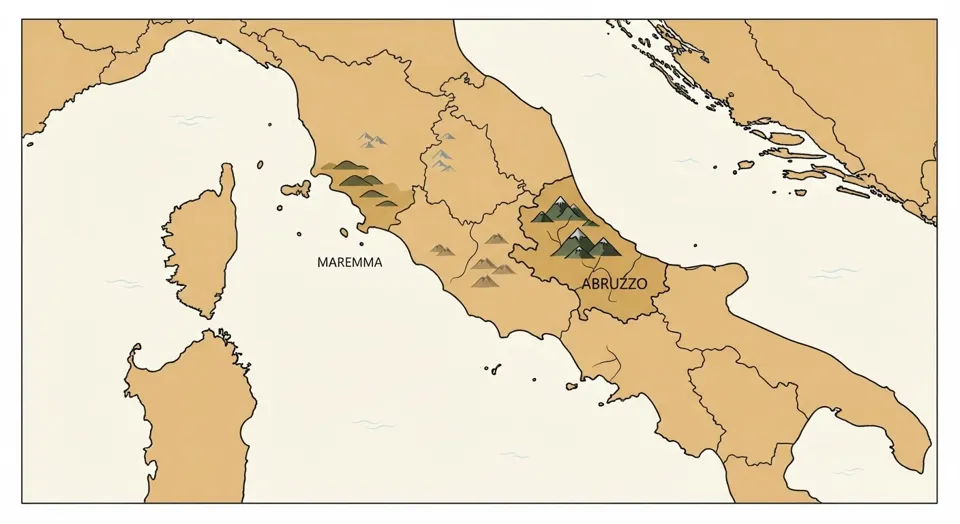
The Maremma and Abruzzo regions of central Italy involve seasonal sheep drives between lowland and mountain pasture, and the breed's white coat let shepherds tell it apart from wolves at a distance in the dark.
- Region
- Maremma and Abruzzo
- Climate it was bred for
- Hot summers, cold mountain winters
- Original job
- Livestock guardian against wolves
Living with one
Temperament & needs
Our own ratings, based on the breed standard and how these dogs behave in ordinary homes.
Friendliness
2/5
How openly the Maremma Sheepdog greets people it does not know.
Trainability
2/5
Bred to make independent decisions, so obedience training takes patience.
Energy
3/5
Active outdoors but not restless, built for steady patrol rather than play.
Barking
4/5
Barks readily at night to warn off predators, a trait bred on purpose.
Grooming
3/5
Long weatherproof coat sheds heavily and needs regular brushing.
Suits a first-time owner
2/5
How forgiving the Maremma Sheepdog is for someone taking on their first dog.
Sociability
2/5
Reserved and wary with strangers, loyal to its own flock or family.
Independence
5/5
Historically worked alone with flocks for days without a handler.
Illustrated breed standard
The points of the breed
Hover or tap a numbered point to read what the standard asks for.
Point 1
Skull
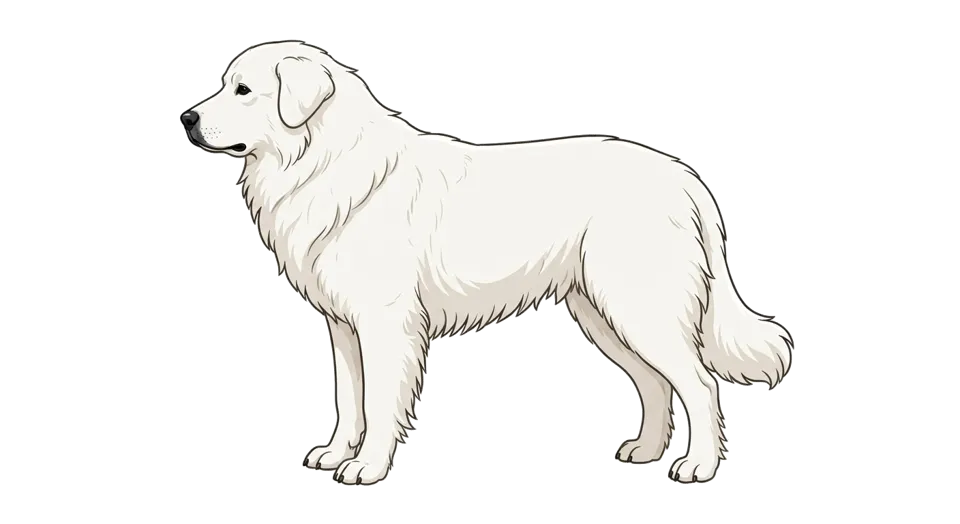
The Maremma Sheepdog's skull is judged on balance rather than size — proportionate to the body, with a clean cheek and a stop typical of the breed. Coarseness or an over-refined head are both faulted.
Colours & patterns
Recognised coats
Which coats the standard accepts — and which are simply popular.
White
Standard colour
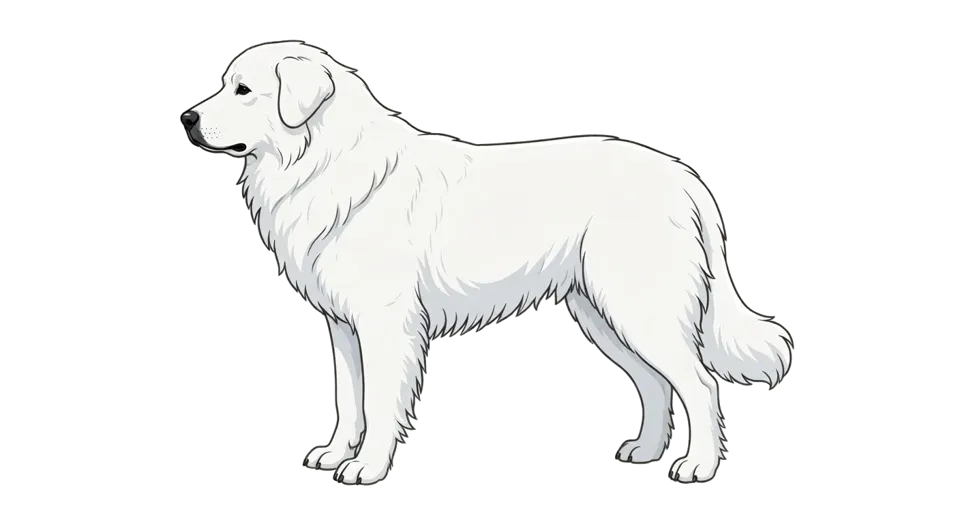
The only colour, chosen historically to distinguish the dog from wolves.
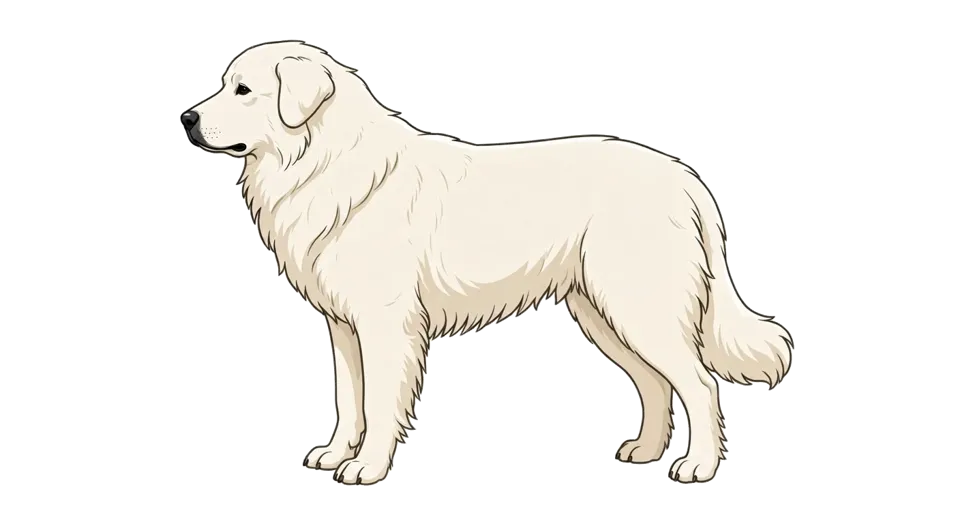
Ivory shading
Standard colour
A faint cream tint is permitted within the white standard.
Timeline
History & development
Roman era
Ancient guardian
Roman writers describe white livestock guardian dogs used in the same central Italian regions.
1800s
Transhumance role
The breed accompanies shepherds on seasonal sheep drives between the Maremma coast and Abruzzo mountains.
1958
Standard unified
Separate Maremma and Abruzzese types are combined into one official Italian standard.
1970s onward
Conservation use
The breed is used internationally to guard livestock against predators, including a well-known Australian penguin colony project.
Reference
Breed standard summary
- body
- Strong, slightly longer than tall.
- coat
- Long, harsh, abundant, weather resistant.
- ears
- Ear set, size and carriage follow the Maremma Sheepdog standard, clean and mobile, never thickened or badly carried.
- eyes
- Set well apart, of a shade in keeping with the coat, giving an alert and intelligent expression. Light or protruding eyes are undesirable.
- head
- Broad, resembling a polar bear's head in shape.
- size
- Large, built for stamina and strength.
- tail
- Low-set, carried low at rest.
- colour
- White, Ivory shading. Colours outside this list are seen but are not accepted by the kennel clubs.
- temperament
- Typical of the breed: strongest in independence, barking, energy. Nervousness or aggression are serious faults in the show ring and in the home.
- general appearance
- Large, powerful and well-boned, with a strong, majestic bearing.
Health
What to screen for
Green means little to worry about, amber means ask the breeder for test results, red means manage it actively.
Hip dysplasia
Screen for it
Ask breeders for hip scores on both parents given the breed's size.
Bloat (GDV)
Watch closely
Feed multiple smaller meals rather than one large one.
Hypothyroidism
Low concern
Occasionally seen; a simple blood test can confirm it.
General information only — always speak to your vet about your own dog.
From real owners
Maremma Sheepdogs in the PAWPOINT Pack
Maremma Sheepdogs added by PawPoint members through their pet passports. Share yours to appear here.
Loading the wall…
Made for the Maremma Sheepdog
The book, plus hoodies, tees and mugs featuring the Maremma Sheepdog.