Mudhol Hound
MOOD-hohl HOUND
India· Karnataka and the Deccan Plateau, India
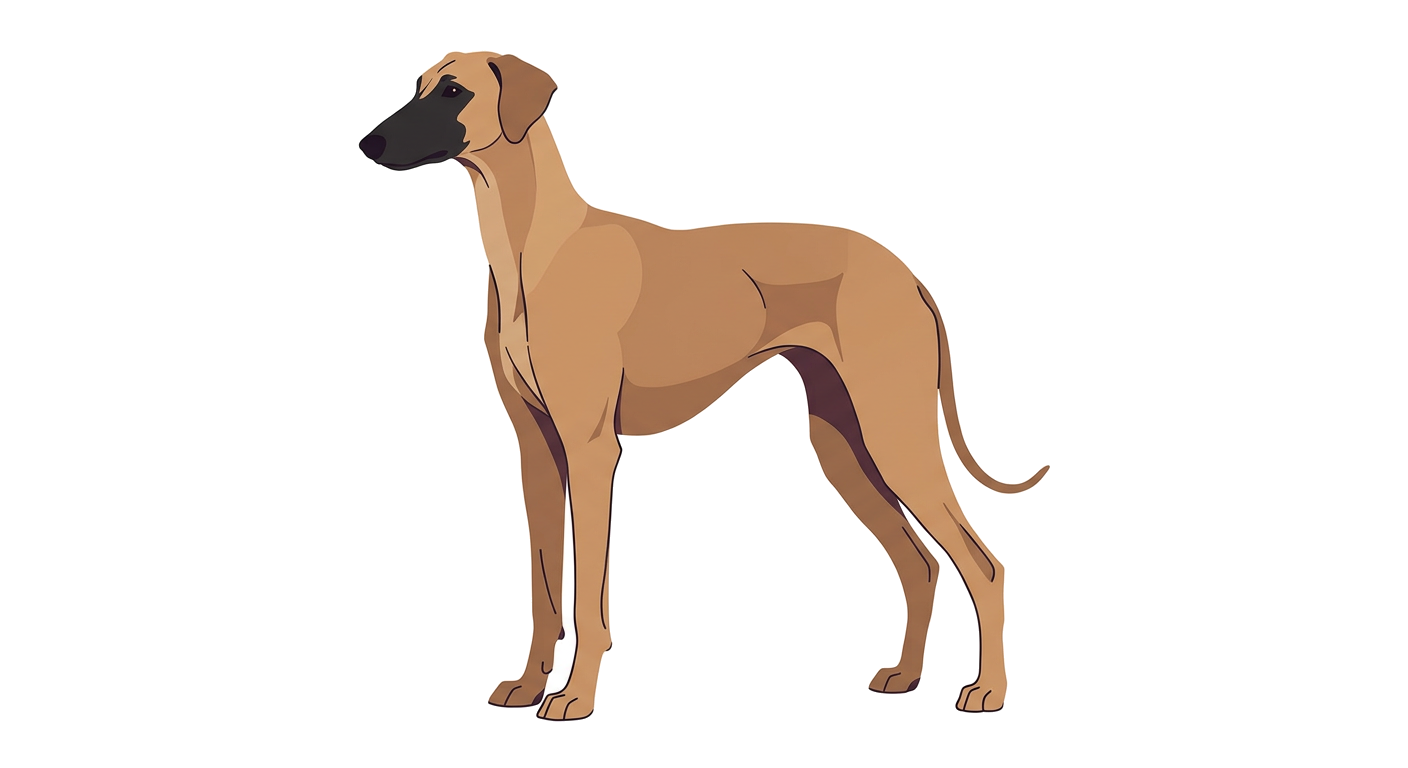
The Mudhol Hound is a native Indian sighthound originating from the Deccan Plateau, particularly associated with the Bagalkot district in northern Karnataka. Often identified interchangeably with the Caravan Hound, it is an ancient coursing breed historically maintained by pastoralists, villagers, and nobility for hunting hare, blackbuck, and small game across arid plains. Its build is aerodynamically honed for high-speed pursuit over rough terrain, displaying the classic deep chest, tuck-up, and lean limbs typical of working sighthounds.
At a glance
Quick facts
Size
Large
Exercise needs
High (over 2 hours daily)
Home size suited to
Spacious home with secure grounds
Grooming frequency
Low
Coat length
Short
Sheds
Low
Lifespan
10–14 years
Town or country
Rural or semi-rural
Garden size needed
Large, securely fenced garden or acreage
Where it comes from
Origins of the Mudhol Hound
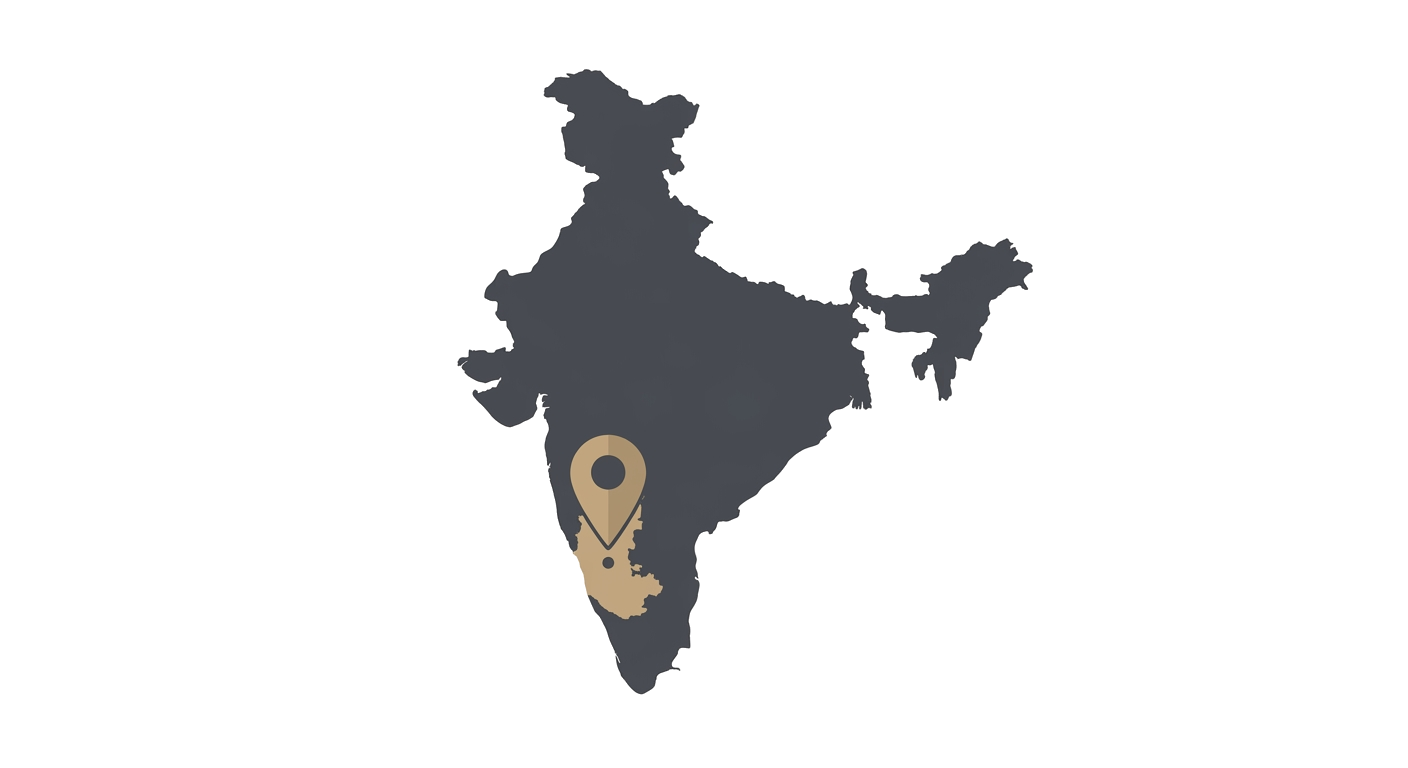
Developed across the semi-arid Deccan Plateau of southern India, with notable refinement in the princely state of Mudhol.
- Region
- Karnataka and the Deccan Plateau, India
- Climate it was bred for
- Semi-arid tropical
- Original job
- Coursing fast game and caravan protection
The long read
About the breed
Documented pedigree records from earlier centuries are scarce, but regional accounts suggest the breed developed through the intermingling of Middle Eastern or Central Asian sighthounds—brought along trading caravans—with local indigenous dogs of the Deccan. In the early twentieth century, the rulers of the princely state of Mudhol selectively bred and refined these hounds, helping to establish the distinct regional variety recognised today. The breed remains an integral part of rural Karnataka's working heritage.
In character, the Mudhol Hound is an alert, reserved, and independent working dog. While deeply loyal to its handler and immediate household, it typically displays a pronounced aloofness towards strangers and retains a powerful prey drive. In recent decades, formal recognition by the Kennel Club of India (KCI) and preservation initiatives by state agricultural bodies and military units have sought to safeguard the breed from dilution and preserve its functional conformation.
Illustrated breed standard
The points of the breed
Hover or tap a numbered point to read what the standard asks for.
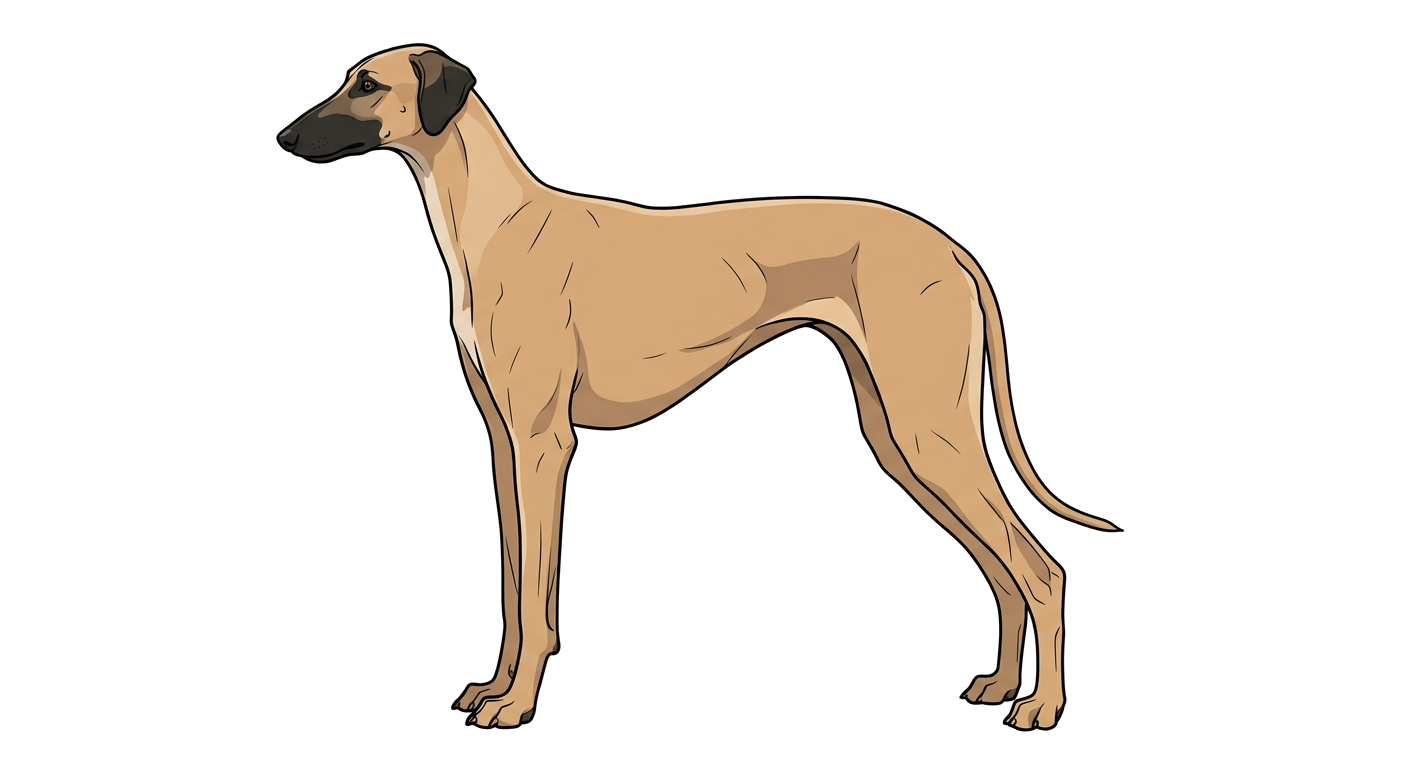
Point 1
Skull
The Mudhol Hound's skull is judged on balance rather than size — proportionate to the body, with a clean cheek and a stop typical of the breed. Coarseness or an over-refined head are both faulted.
Colours & patterns
Recognised coats
Which coats the standard accepts — and which are simply popular.
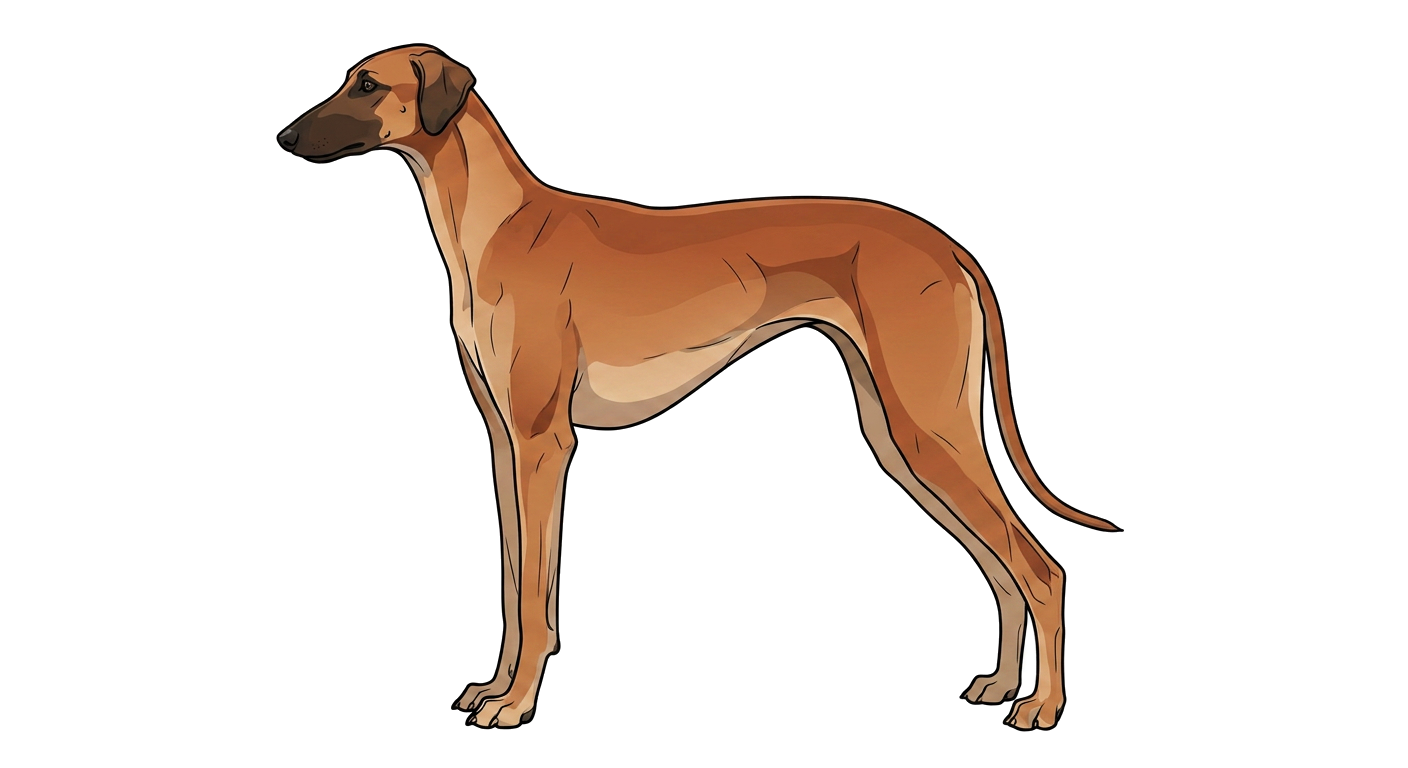
Fawn
Standard colour
Ranging from light sand to rich reddish fawn, often with a darker muzzle mask.
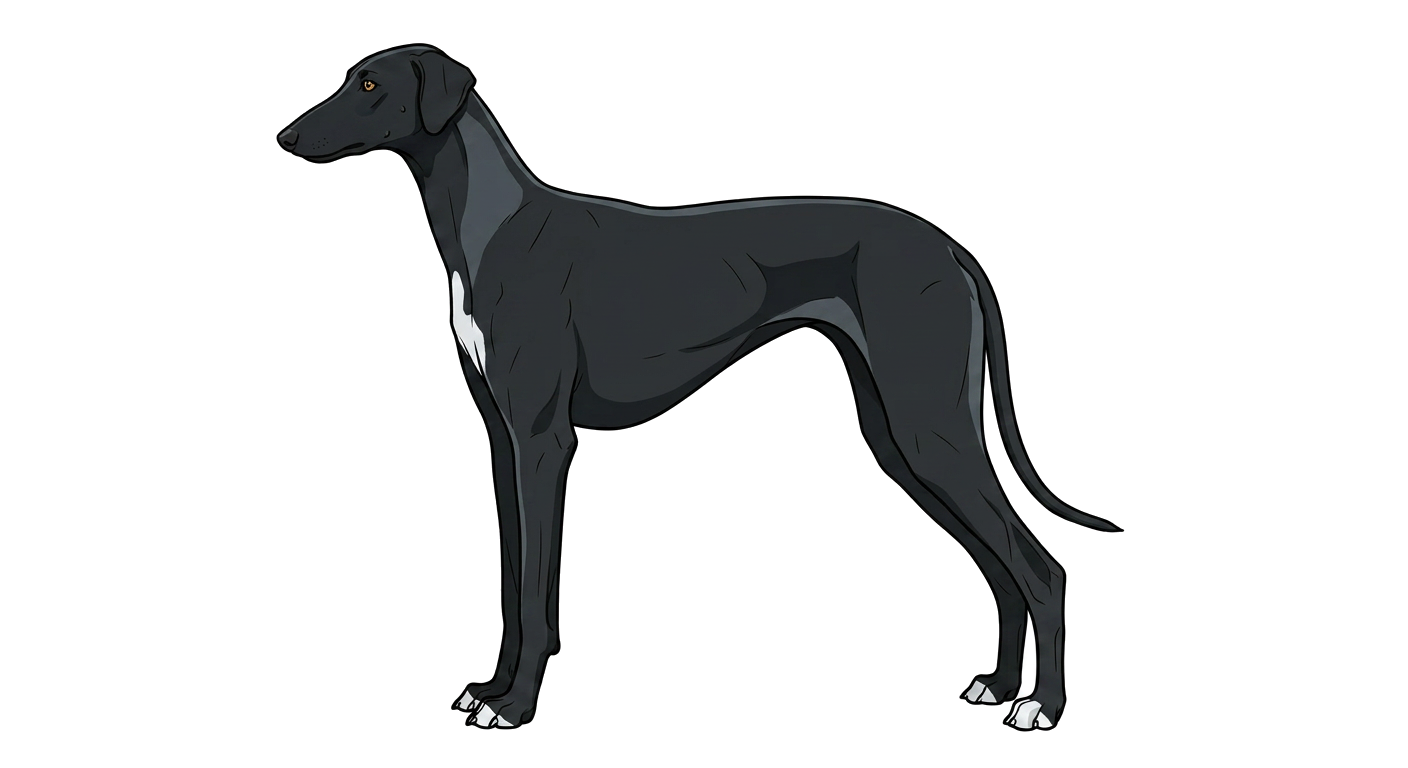
Black
Standard colour
Solid black or black with small white markings on the chest and feet.
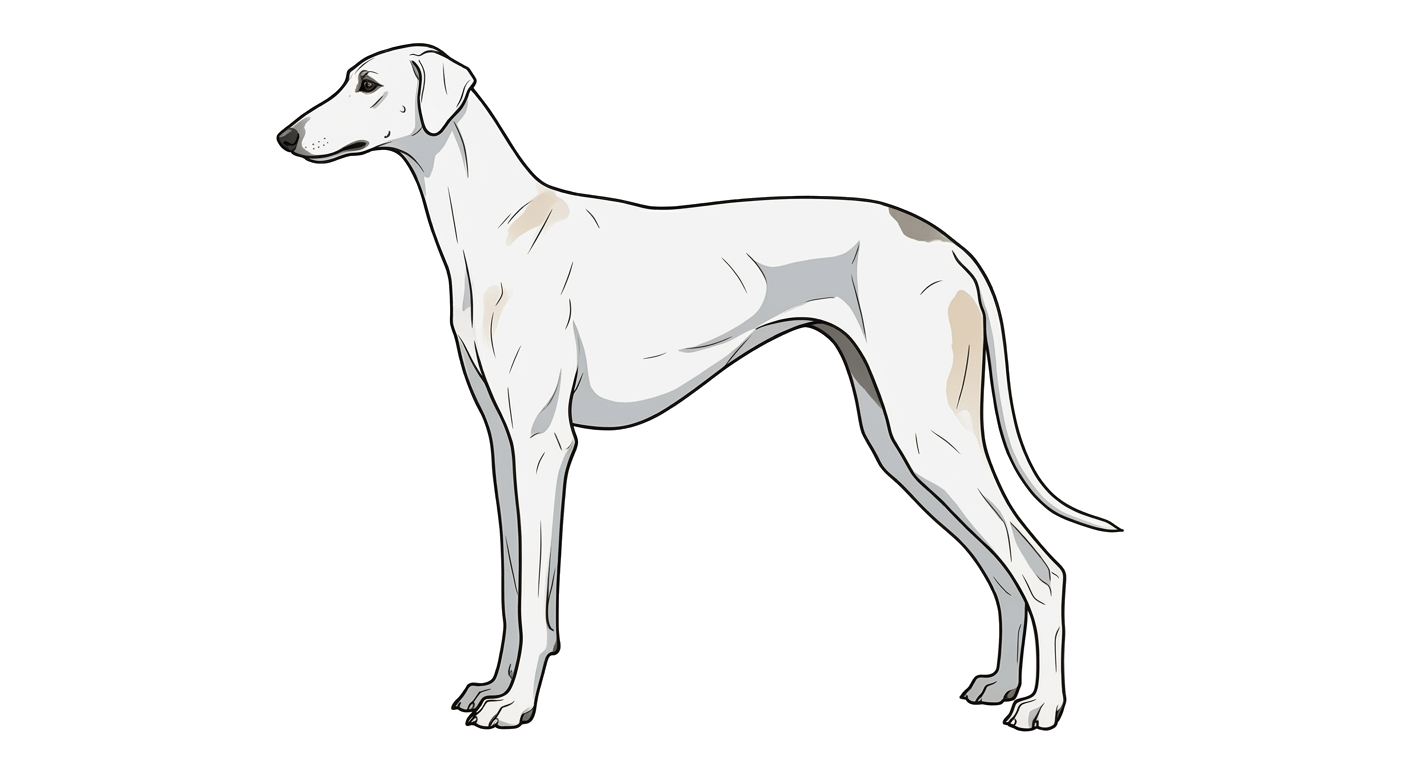
White
Standard colour
Clear solid white or white with minimal contrasting patches.
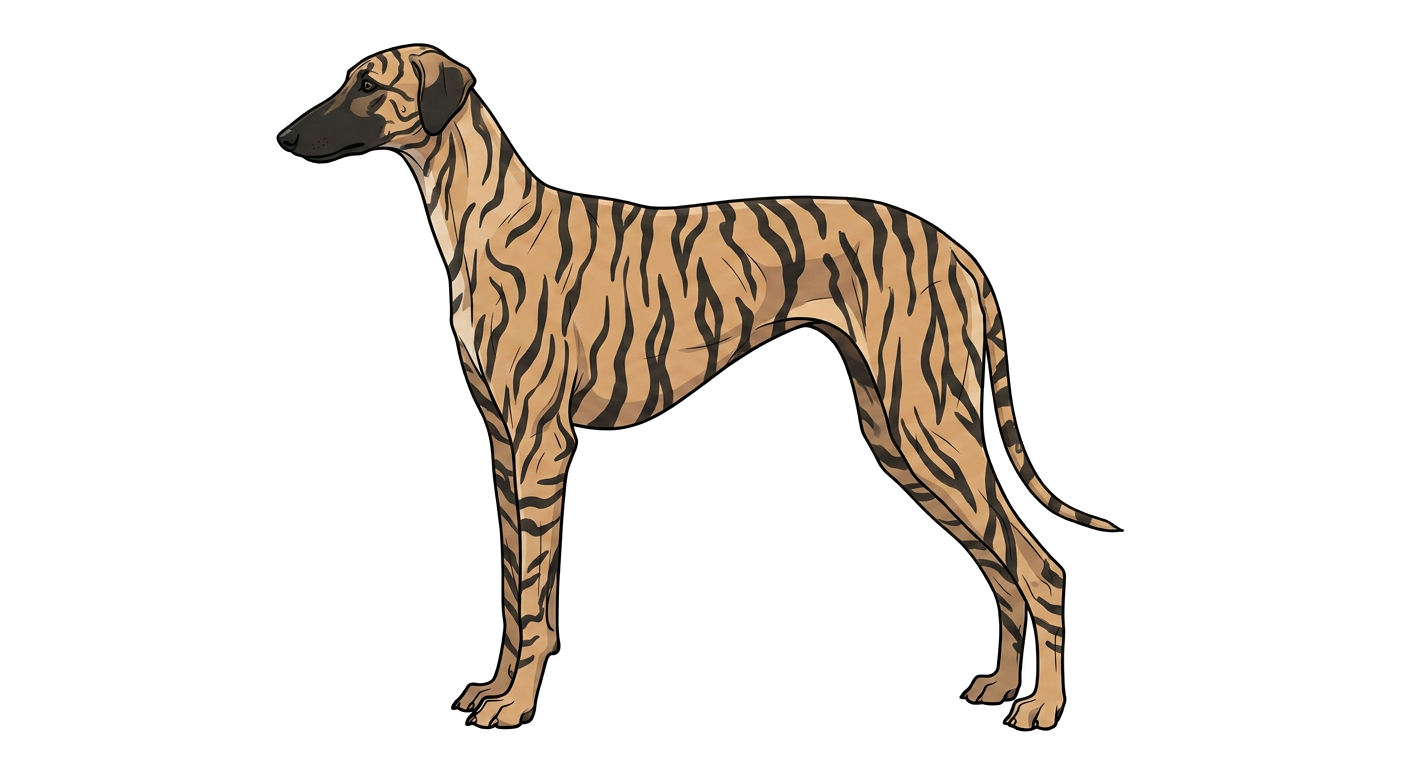
Brindle
Standard colour
Dark stripes over a fawn, grey, or red base coat.
Timeline
History & development
c. 1600
Caravan Routes
Nomadic traders and pastoralists traverse the Deccan, bringing Saluki- and Tazi-type hounds that gradually blend with local Indian landraces.
1900
Royal Patronage
Shrimant Rajesaheb Malojirao Ghorpade of the princely state of Mudhol begins selective breeding programmes to preserve and refine the native coursing hound.
1914
Imperial Presentation
A pair of Mudhol Hounds is presented to King George V during an official imperial visit, drawing brief international attention to the breed.
2015
Military Trials
The Indian Army Remount Veterinary Corps inducts Mudhol Hounds for boundary surveillance and tracking duties, highlighting their scent and sight capabilities.
Reference
Breed standard summary
- body
- Long and supple with a prominent, deep brisket reaching the elbows, well-sprung ribs, and a strong, arched loin leading into a pronounced tuck-up.
- coat
- Extremely short, smooth, and tight to the body, offering minimal resistance to running; very sparsely coated varieties exist under broader Caravan Hound definitions.
- ears
- Medium-sized, triangular, set moderately high, and carried flat against the head or folded back when relaxed.
- eyes
- Oval or almond-shaped, dark hazel to amber in colour, set slightly obliquely with a keen, distant expression.
- gait
- Effortless, low, and ground-covering stride with immense reach and drive, displaying agile acceleration without excess movement.
- head
- Long, narrow, and clean-cut, tapering smoothly towards the muzzle without a prominent stop.
- size
- Height at the withers is typically 64–72 cm for dogs and 58–66 cm for bitches.
- tail
- Set low, strong at the root, tapering to a fine point, carried in a slight upward curve but not raised above the line of the back.
- colour
- All shades of fawn, red, cream, white, black, and brindle, either solid or broken with white markings.
- muzzle
- Long and tapering with tight, clean lips and strong jaws meeting in a scissor bite.
- temperament
- Aloof, independent, and watchful, showing keen coursing instincts and strong loyalty to its owner, while remaining wary of strangers.
- general appearance
- A tall, lean, and muscular sighthound of noble carriage, characterised by a deep chest, tucked-up abdomen, and long limbs giving an impression of speed and stamina.
Health
What to screen for
Green means little to worry about, amber means ask the breeder for test results, red means manage it actively.
Anaesthetic Sensitivity
Watch closely
A lean sighthound metabolism and low body fat percentage alter the clearance of standard lipid-soluble anaesthetics.
Cold and Environmental Sensitivity
Screen for it
The extremely thin coat and low body fat provide little insulation against low temperatures and damp climates.
Musculoskeletal Injuries
Watch closely
High sprint speeds and rapid turning can predispose working dogs to toe fractures, pad tears, and tendon strains.
General information only — always speak to your vet about your own dog.
From real owners
Dogs like this
Mudhol Hounds added by PawPoint members through their pet passports. Share yours to appear here.
Loading the wall…
Made for the Mudhol Hound
The book, plus prints, hoodies and mugs using our own Mudhol Hound illustration — and one everyday accessory that suits any dog.
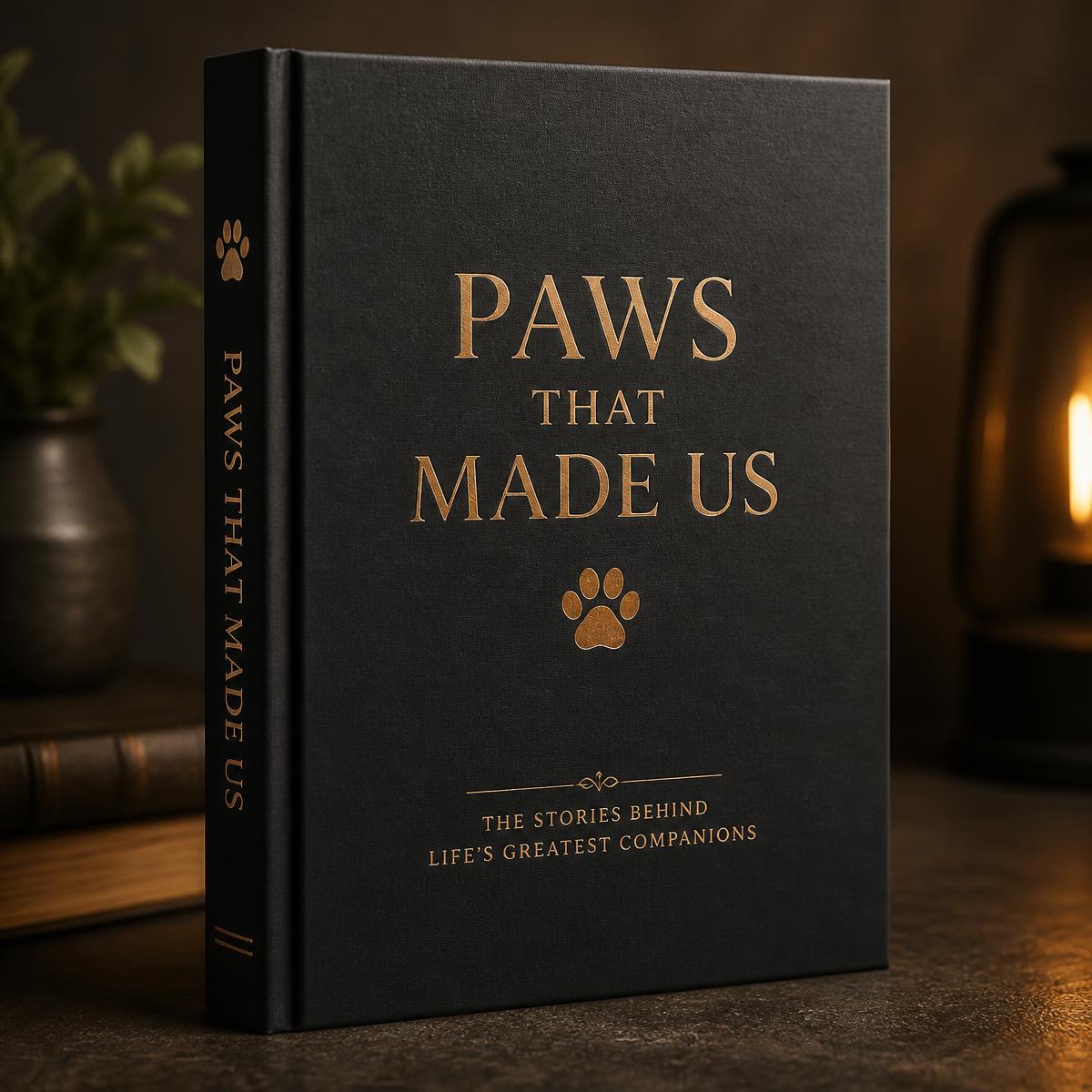
The book
Pawpoint: The Complete Dog Breed Book
Every officially recognised breed plus the unofficial ones nobody else documents. 400+ pages, hardback, printed and shipped from the UK.
Own stock — shipped by us
Framed poster
Mudhol Hound Framed Poster
Museum-weight print of our Mudhol Hound illustration, framed or unframed.
Printed to order
Hoodie
Mudhol Hound Hoodie
Heavyweight hoodie carrying the Mudhol Hound illustration on the chest.
Printed to order
Mug
Mudhol Hound Mug
Ceramic mug with the Mudhol Hound illustration wrapped around it.
Printed to order
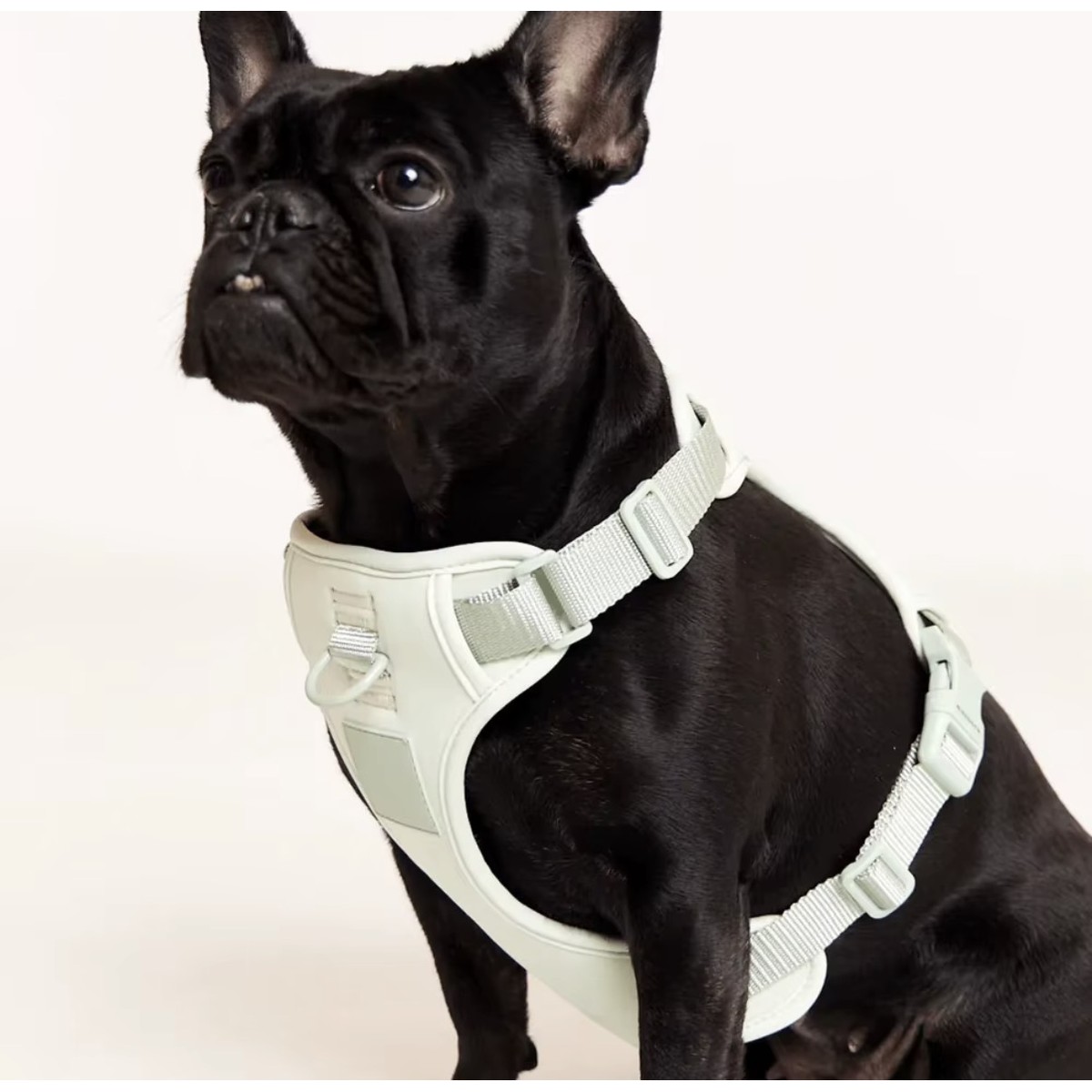
Accessory
Adjustable Harness (S/M/L)
Fully adjustable chest and girth straps — no fixed sizing.
Fits any dog
Pawpoint on YouTube
Watch the full Mudhol Hound video
Breed deep-dives, history and honest ownership talk. New film every week.
Watch now