
Mudi
MOO-dee
Hungary· Rural Hungary
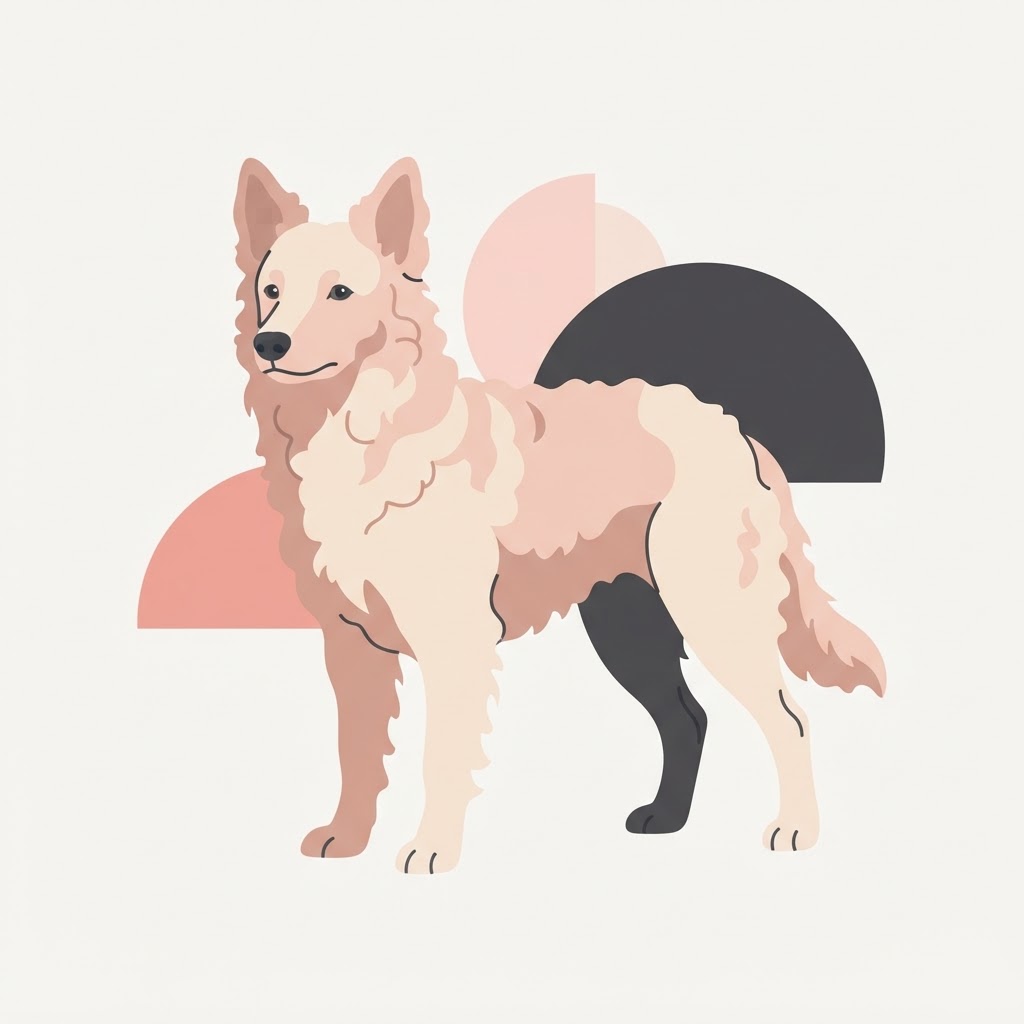
The Mudi is a small to medium, wavy-coated Hungarian herding breed known for its versatility and sharp intelligence.
At a glance
Quick facts
Size
Small-Medium
Exercise needs
1-2 hours per day
Home size suited to
Medium
Grooming frequency
Weekly brush
Coat length
Medium, wavy or curly
Sheds
Moderate
Lifespan
13-14 years
Town or country
Country preferred, adapts with enough exercise
Garden size needed
Medium or larger, secure fencing
Where it comes from
Origins of the Mudi

Hungarian farms needed a small, versatile dog able to herd livestock, guard the yard and kill vermin, all with minimal upkeep. The Mudi developed naturally from crosses between older Hungarian herding breeds and local farm dogs, without deliberate selective breeding for looks. Its curly coat and compact build reflect a dog shaped entirely by usefulness on mixed working farms.
- Region
- Rural Hungary
- Climate it was bred for
- Continental, with cold winters and warm summers
- Original job
- Herding sheep and cattle and controlling vermin on Hungarian farms
The long read
About the breed
Its development as a farm all-rounder, herding, guarding and ratting, shaped a highly alert, energetic dog with strong prey drive and quick reflexes.
As a companion the Mudi is devoted and biddable with its family but wary of strangers, and it needs an owner able to provide substantial mental and physical exercise.
Still rare outside Hungary, the breed has a growing following in agility and herding sports thanks to its speed and trainability.
Living with one
Temperament & needs
Our own ratings, based on the breed standard and how these dogs behave in ordinary homes.
Friendliness
3/5
How openly the Mudi greets people it does not know.
Trainability
3/5
How readily the breed takes to training in an ordinary home.
Energy
3/5
How much daily exercise and stimulation the breed expects.
Barking
3/5
How vocal the breed tends to be day to day.
Grooming
3/5
How much coat work the breed needs to stay comfortable.
Suits a first-time owner
3/5
How forgiving the Mudi is for someone taking on their first dog.
Illustrated breed standard
The points of the breed
Hover or tap a numbered point to read what the standard asks for.
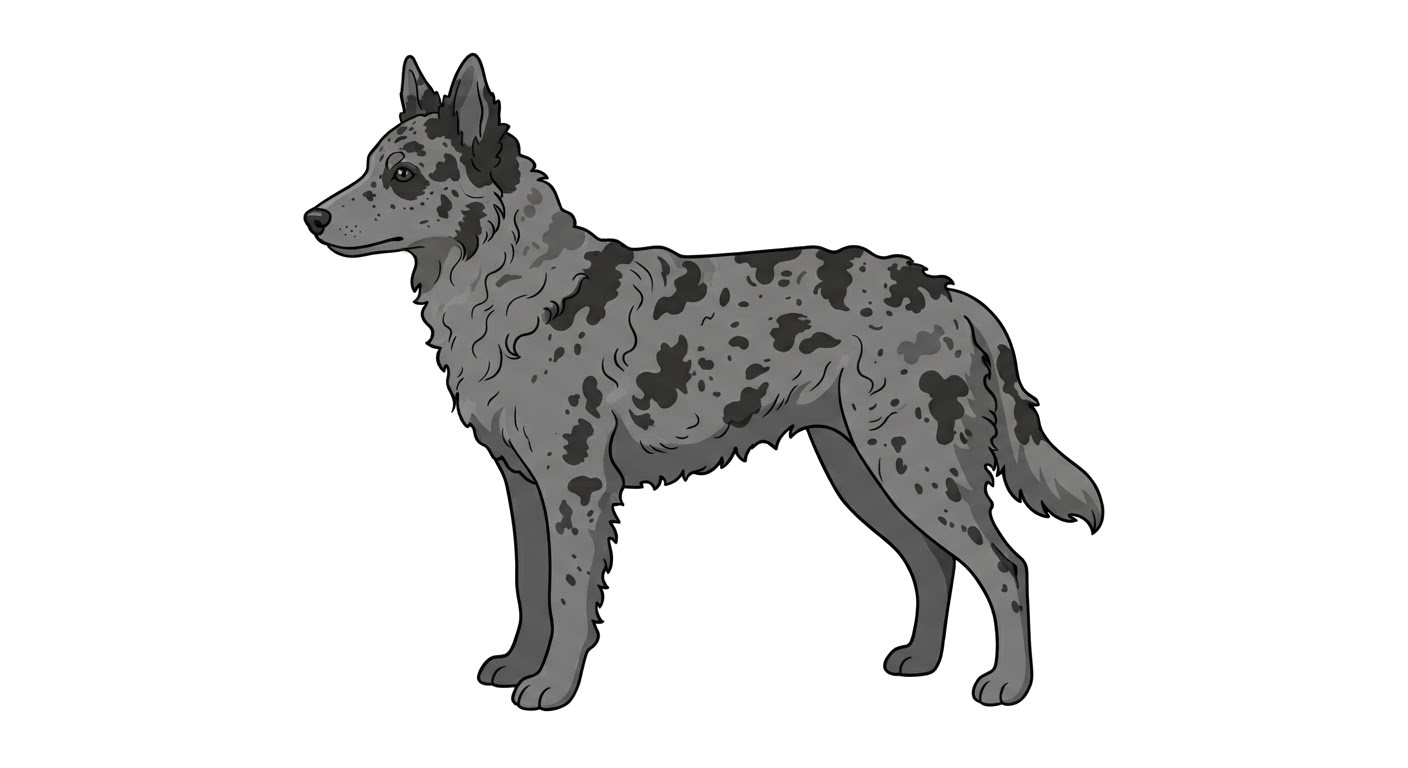
Point 1
Skull
The Mudi's skull is judged on balance rather than size — proportionate to the body, with a clean cheek and a stop typical of the breed. Coarseness or an over-refined head are both faulted.
Timeline
History & development
1800s
Emerged on Hungarian farms
Developed naturally from crosses of Puli, Pumi and local farm dogs.
1936
Formally identified as a breed
Dr Dezső Fényes distinguished the Mudi from the Puli and Pumi and named it.
1966
Official breed standard
A formal FCI standard was established for the Mudi.
1960s-70s
Wartime and postwar losses
Numbers dropped severely and the breed came close to disappearing.
1990s
Renewed breeding programmes
Hungarian breeders re-established the population and exports abroad began.
Reference
Breed standard summary
- body
- Square in proportion, with a level back and deep chest.
- coat
- Medium length, wavy to curly, close-fitting.
- ears
- Medium, erect, set high with pointed tips.
- eyes
- Dark, almond-shaped, with a keen, lively expression.
- head
- Moderately long, with a slightly domed skull and pronounced stop.
- size
- Dogs 41-47cm, bitches 38-44cm
- colour
- Black, white, fawn, brown, blue merle or ash, always solid.
- temperament
- Alert, intelligent and energetic, reserved with strangers, devoted to family.
- general appearance
- A small to medium, square-built herding dog, lively and alert with a wavy coat.
Health
What to screen for
Green means little to worry about, amber means ask the breeder for test results, red means manage it actively.
General information only — always speak to your vet about your own dog.
From real owners
Dogs like this
Mudis added by PawPoint members through their pet passports. Share yours to appear here.
Loading the wall…
Made for the Mudi
The book, plus prints, hoodies and mugs using our own Mudi illustration — and one everyday accessory that suits any dog.

The book
Pawpoint: The Complete Dog Breed Book
Every officially recognised breed plus the unofficial ones nobody else documents. 400+ pages, hardback, printed and shipped from the UK.
Own stock — shipped by us
Framed poster
Mudi Framed Poster
Museum-weight print of our Mudi illustration, framed or unframed.
Printed to order
Hoodie
Mudi Hoodie
Heavyweight hoodie carrying the Mudi illustration on the chest.
Printed to order
Mug
Mudi Mug
Ceramic mug with the Mudi illustration wrapped around it.
Printed to order
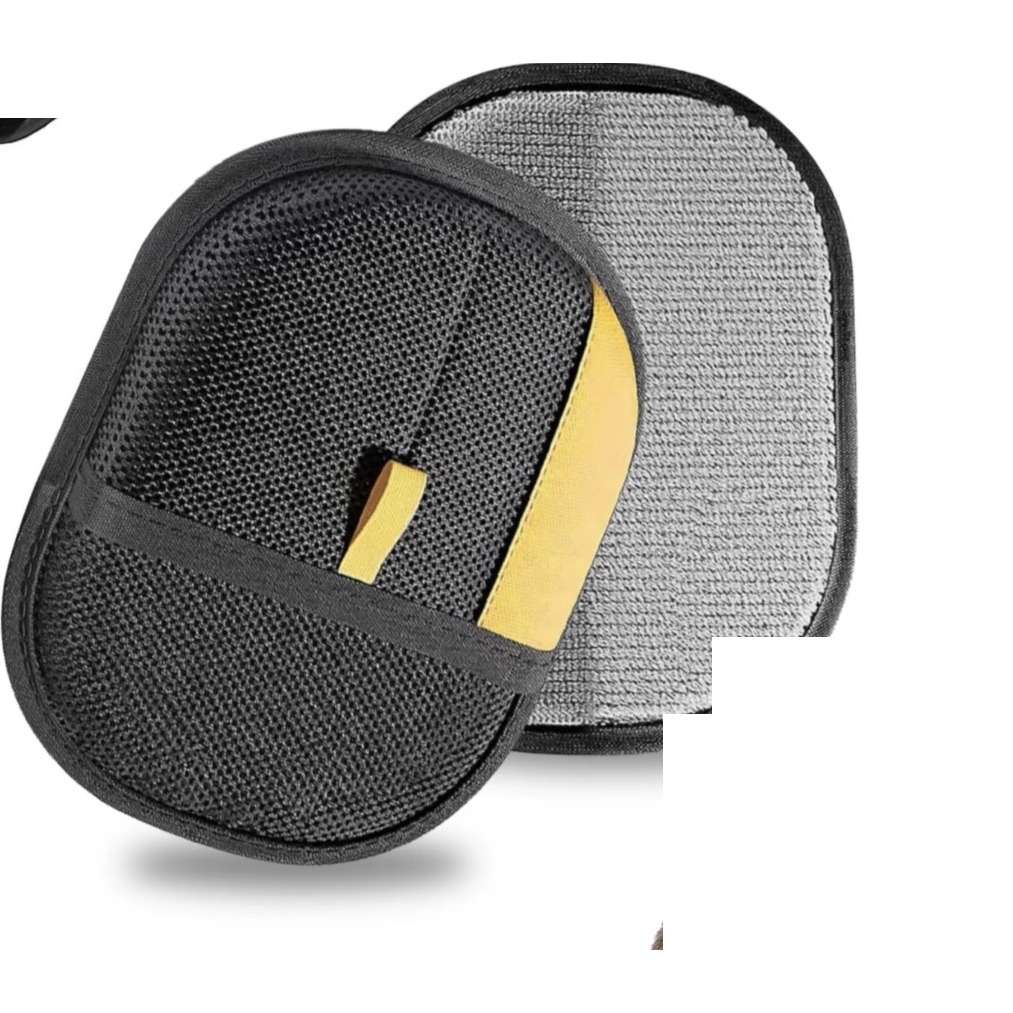
Accessory
Slicker & Deshedding Brush
Self-cleaning slicker head for coats of every length.
Fits any dog

Pawpoint on YouTube
Watch the full Mudi video
Breed deep-dives, history and honest ownership talk. New film every week.
Watch now