Norfolk Terrier
NOR-fuhk TER-ee-uhr
England· Norfolk and Cambridgeshire
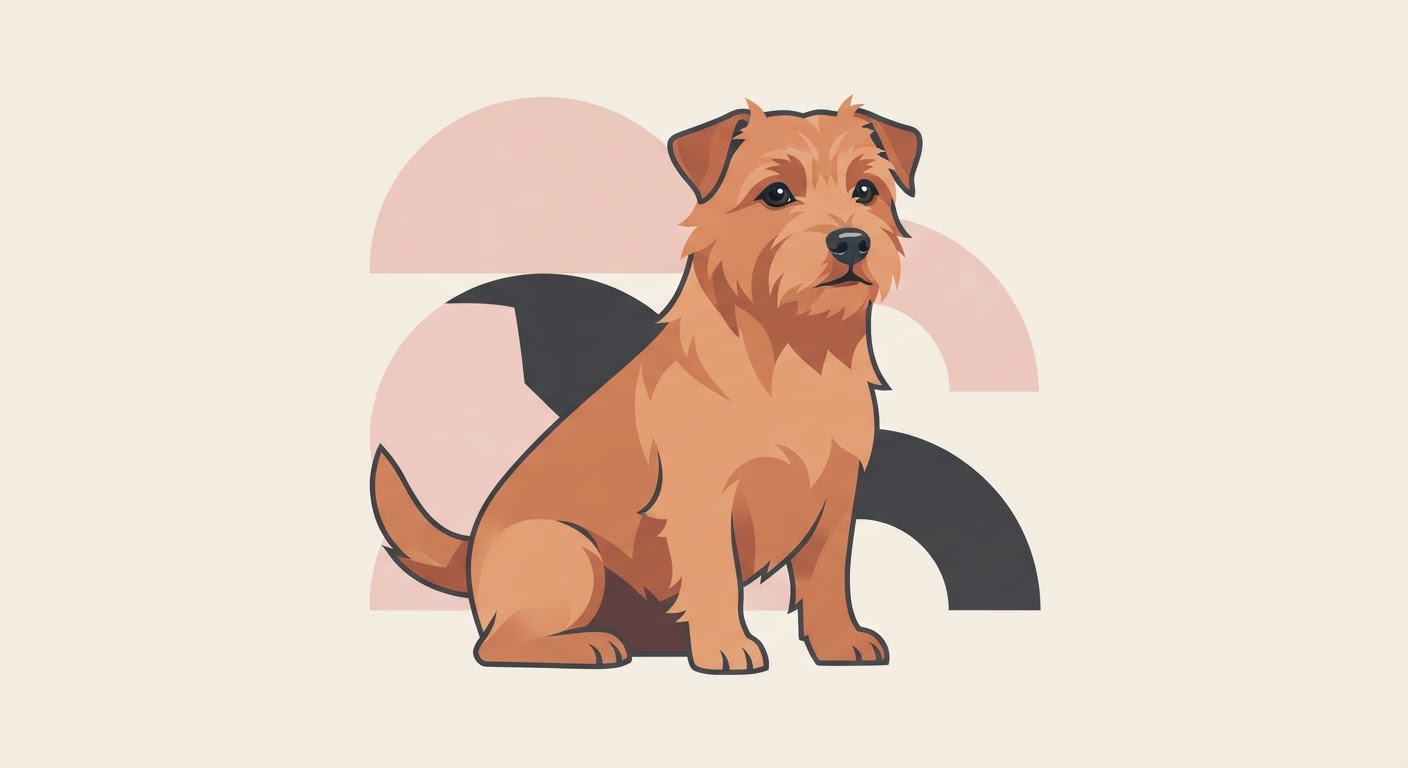
The Norfolk Terrier is a small, sturdy earth dog from East Anglia, near-identical to the Norwich Terrier apart from its drop ears, and one of the smallest working terriers ever bred.
At a glance
Quick facts
Size
Small
Exercise needs
45-60 minutes daily
Home size suited to
Flat or any size home
Grooming frequency
Weekly brush, hand-strip a few times a year
Coat length
Wiry
Sheds
Yes, heavily when moulting
Lifespan
13-16 years
Town or country
Either, with enough exercise
Garden size needed
None needed
Where it comes from
Origins of the Norfolk Terrier
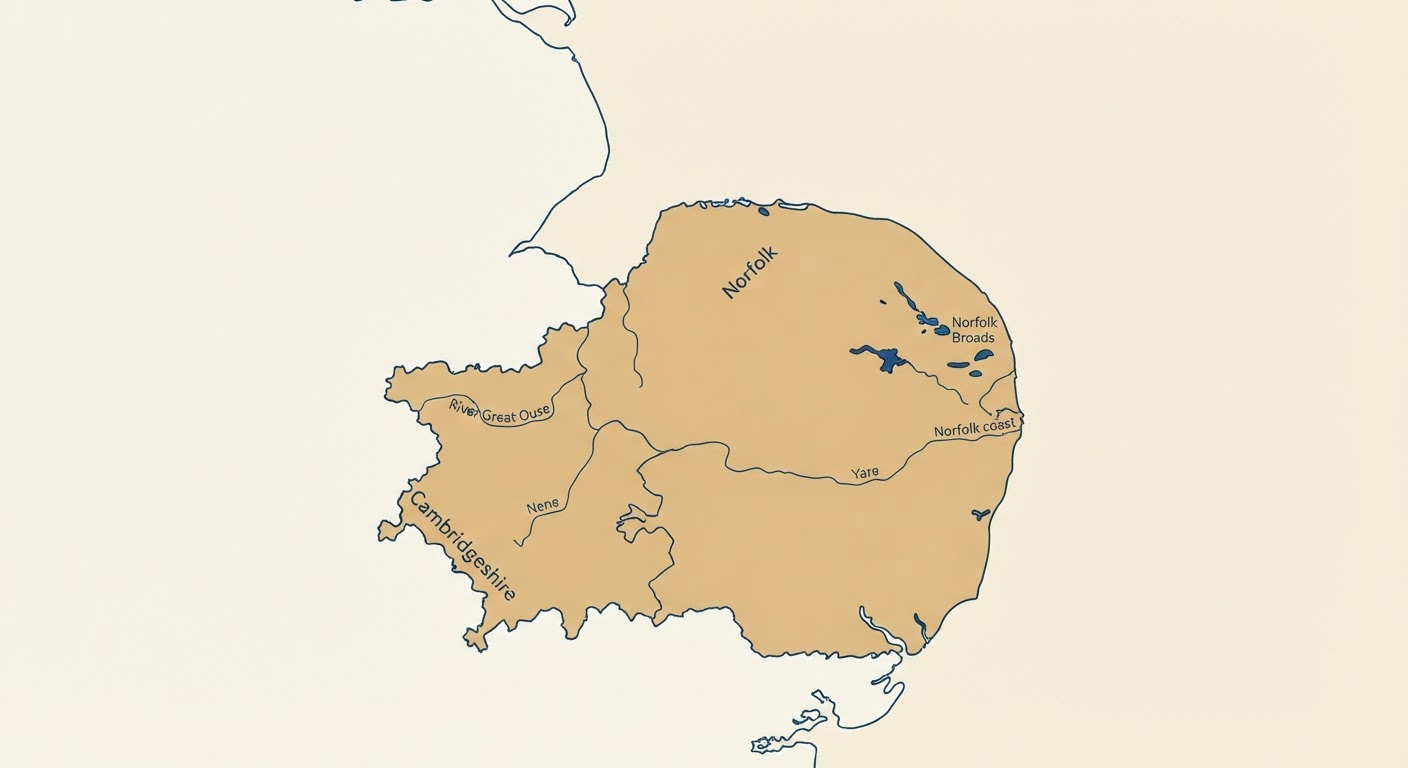
Bred in the flat, damp countryside of East Anglia around Cambridge, the Norfolk Terrier needed to be small enough to follow a fox to ground yet tough enough to work all day in cold, wet conditions typical of the region.
- Region
- Norfolk and Cambridgeshire
- Climate it was bred for
- Cool, damp East Anglian countryside
- Original job
- Bolting foxes and ratting in stables
The long read
About the breed
The breed emerged in Norfolk and Cambridgeshire in the late nineteenth century among students and stable staff at Cambridge, who kept small ratting terriers around their lodgings and later on hunt stables. Norfolk and Norwich Terriers were considered a single breed with two ear types until 1964, when the Kennel Club split them, giving drop-eared dogs the Norfolk name. Both types were bred to bolt foxes from earths and to keep stables and barns free of vermin, work that demanded a fearless, compact dog able to squeeze into tight spaces.
Living with a Norfolk Terrier means living with a dog far tougher and busier than its small size suggests. It is affectionate and sociable, generally good with children and other dogs, and less prone to scrappiness than some terrier breeds, though it retains a strong prey drive and will chase anything that runs. It is intelligent but can be single-minded, so recall around wildlife needs careful, early training and a secure garden is essential.
The wiry coat is weatherproof and needs hand-stripping two or three times a year to maintain its harsh texture, plus a weekly brush to prevent tangles. Exercise needs are moderate — brisk walks and time to dig and explore suit the breed well, and it enjoys earth dog trials and other terrier activities that let it use its natural instincts.
Today the Norfolk Terrier is kept largely as a companion, valued for its cheerful, unflappable temperament and its manageable size, though it remains a true terrier at heart, always ready to investigate a hole in the ground.
Living with one
Temperament & needs
Our own ratings, based on the breed standard and how these dogs behave in ordinary homes.
Friendliness
4/5
How openly the Norfolk Terrier greets people it does not know.
Trainability
3/5
Bright but can be distracted by scent or prey.
Energy
4/5
Busy and active, enjoys digging and exploring.
Barking
3/5
Alert and vocal when something catches its interest.
Grooming
3/5
Wiry coat needs hand-stripping a few times a year.
Suits a first-time owner
3/5
How forgiving the Norfolk Terrier is for someone taking on their first dog.
Sociability
4/5
Friendly with people and generally good with other dogs.
Independence
3/5
A true terrier with a mind of its own outdoors.
Illustrated breed standard
The points of the breed
Hover or tap a numbered point to read what the standard asks for.
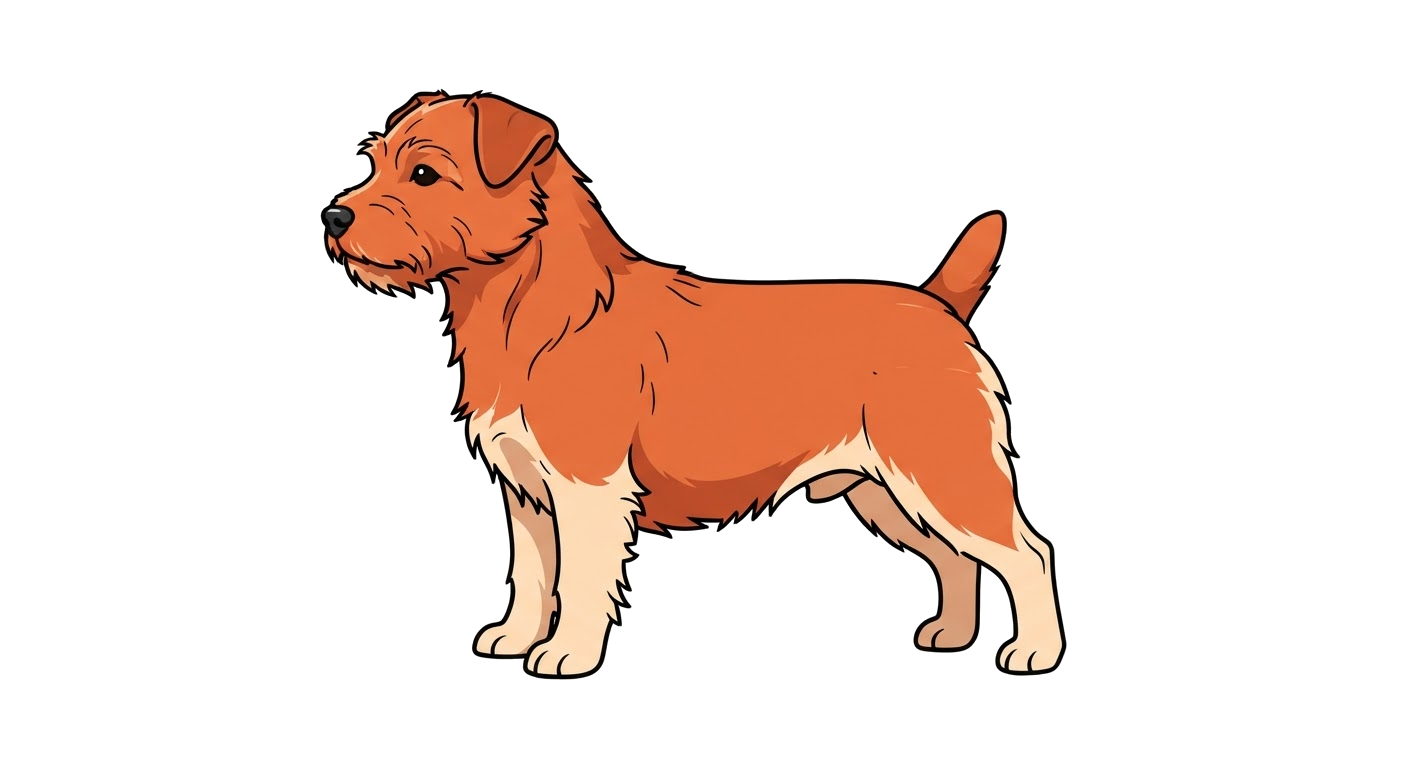
Point 1
Skull
The Norfolk Terrier's skull is judged on balance rather than size — proportionate to the body, with a clean cheek and a stop typical of the breed. Coarseness or an over-refined head are both faulted.
Colours & patterns
Recognised coats
Which coats the standard accepts — and which are simply popular.
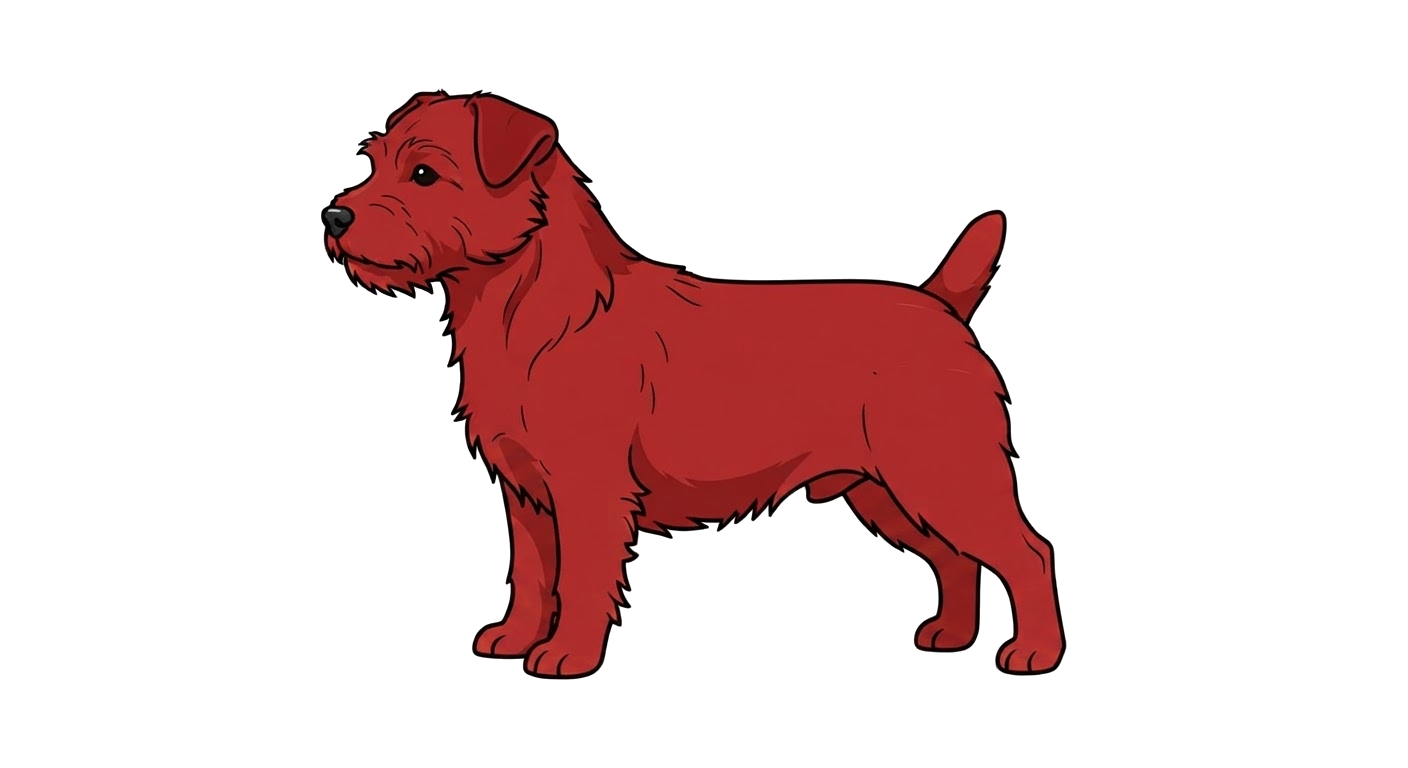
Red
Standard colour
A warm reddish coat, one of the most common shades.
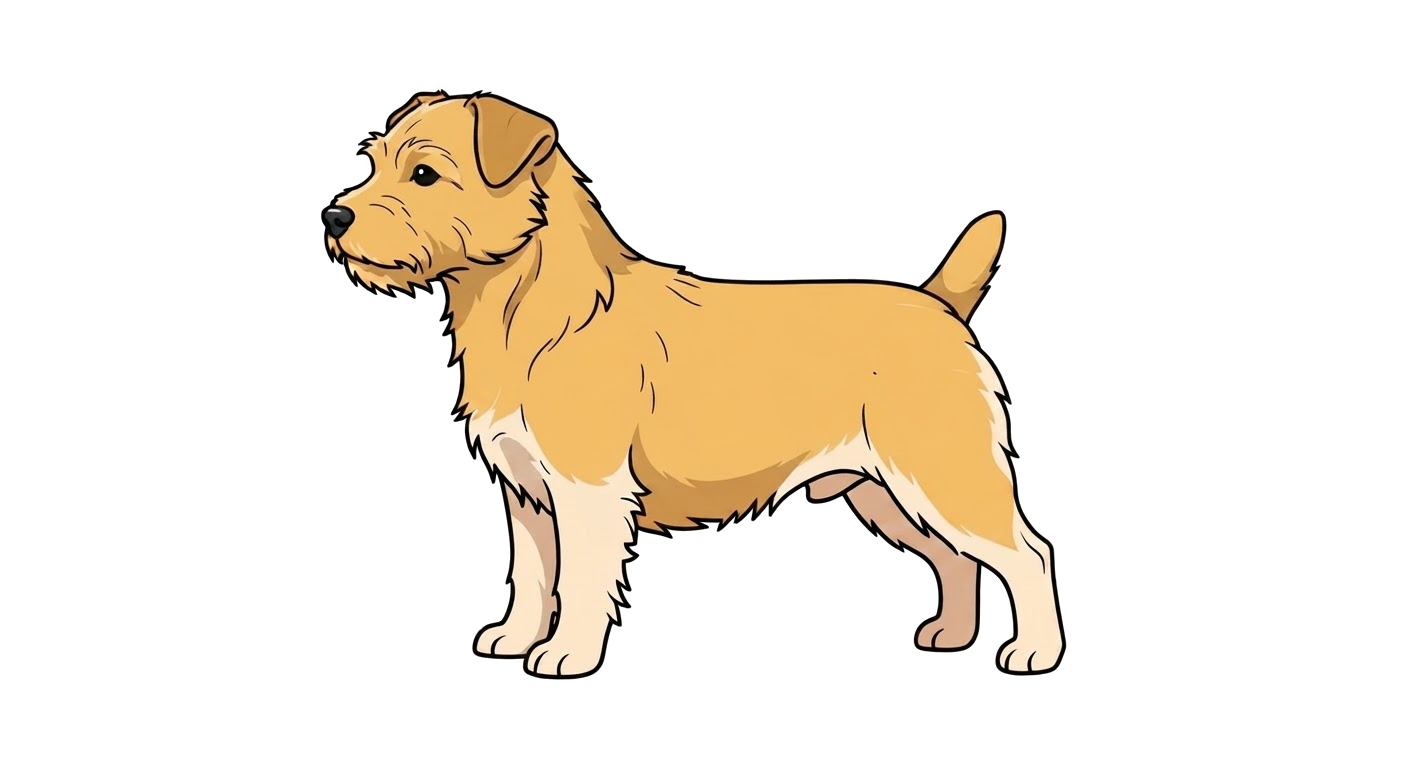
Wheaten
Standard colour
A pale, wheat-coloured coat.
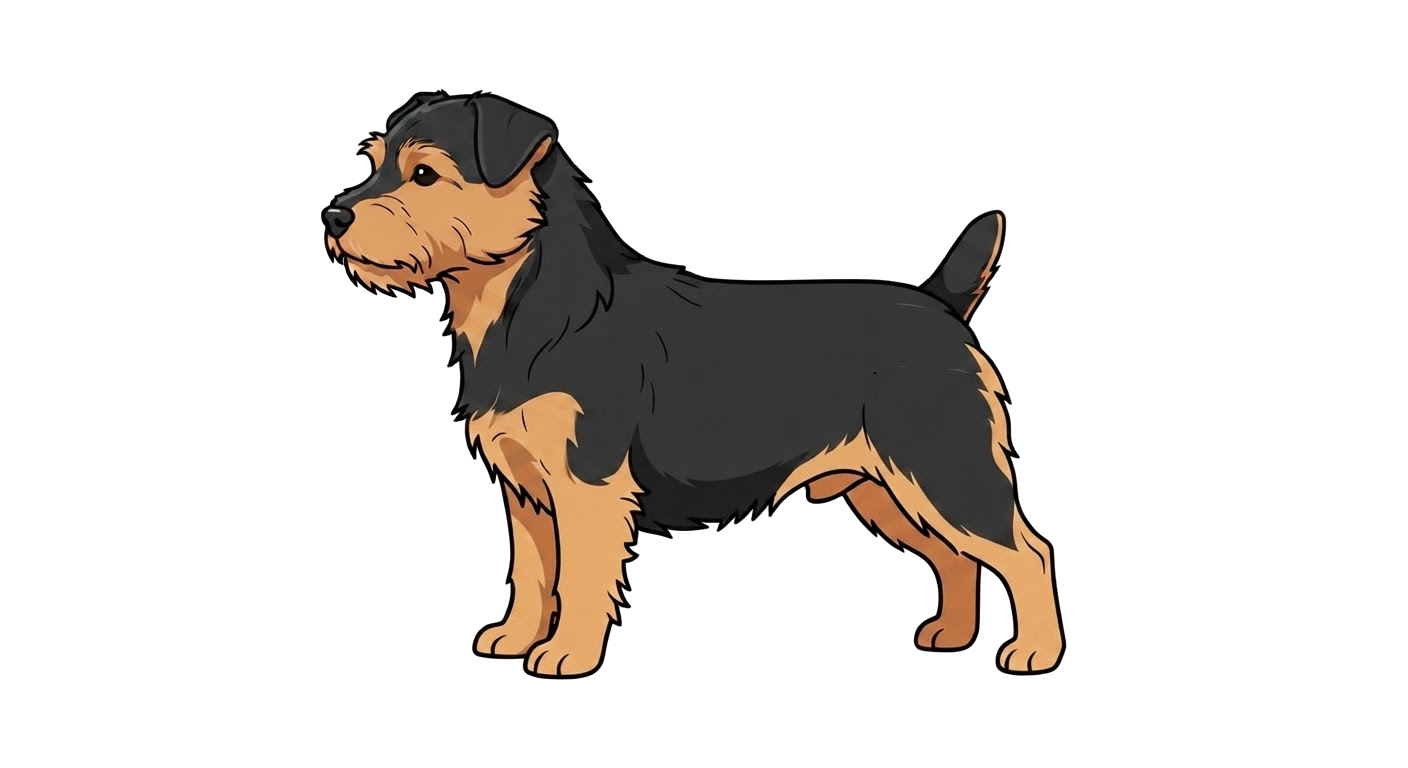
Black and tan
Standard colour
Black body with tan points, less common than red.
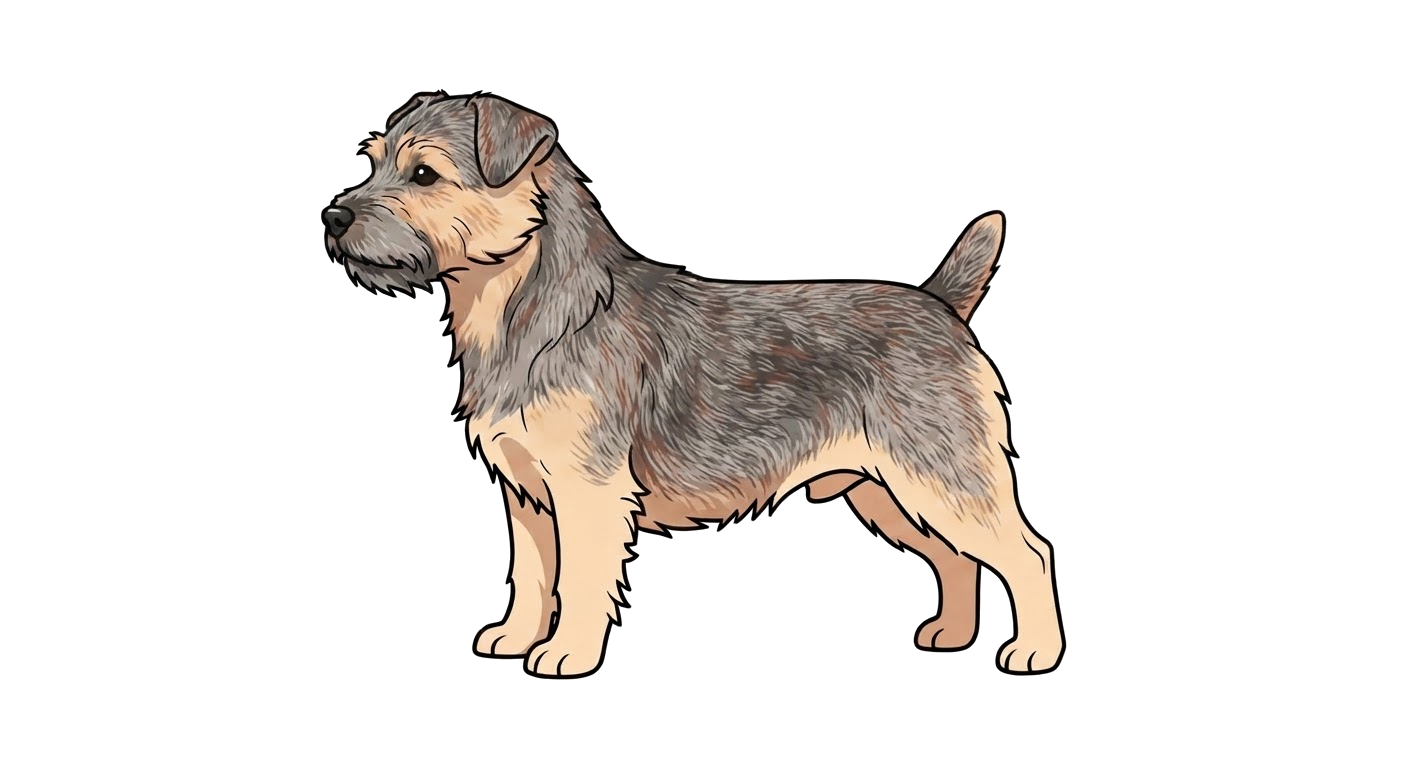
Grizzle
Standard colour
A mix of red and black hairs giving a grizzled effect.
Timeline
History & development
1880s
Cambridge origins
Small ratting terriers become popular among students and grooms around Cambridge and Norfolk.
1932
Kennel Club recognition
The Kennel Club recognises the breed under the name Norwich Terrier, covering both ear types.
1964
Split into two breeds
Drop-eared dogs are separated and named the Norfolk Terrier, while prick-eared dogs keep the Norwich name.
1979
American Kennel Club recognition
The AKC formally recognises the Norfolk Terrier as distinct from the Norwich.
Reference
Breed standard summary
- body
- Short-coupled, compact, with good spring of rib.
- coat
- Hard, wiry, straight, with a good undercoat.
- ears
- Drop, small, neatly folded, carried close to the cheek.
- eyes
- Small, dark, oval, keen expression.
- gait
- Low, driving movement showing good reach.
- head
- Slightly rounded, with a strong muzzle and good width between the ears.
- size
- Small, 23-25cm at the shoulder.
- tail
- Medium docked, or natural, carried erect.
- colour
- Red, Wheaten, Black and tan, Grizzle. Colours outside this list are seen but are not accepted by the kennel clubs.
- temperament
- Typical of the breed: strongest in energy, sociability, trainability. Nervousness or aggression are serious faults in the show ring and in the home.
- general appearance
- A small, low, active working terrier with a compact, sturdy build.
Health
What to screen for
Green means little to worry about, amber means ask the breeder for test results, red means manage it actively.
Patellar luxation
Screen for it
Ask breeders for a patella check on the parents.
Mitral valve disease
Watch closely
A heart murmur screening is worth requesting in older breeding stock.
Lens luxation
Watch closely
An eye test can catch this before it becomes a problem.
Upper airway issues
Watch closely
Generally sound-breathing, but keep an eye on fitness and weight.
General information only — always speak to your vet about your own dog.
From real owners
Dogs like this
Norfolk Terriers added by PawPoint members through their pet passports. Share yours to appear here.
Loading the wall…
Made for the Norfolk Terrier
The book, plus prints, hoodies and mugs using our own Norfolk Terrier illustration — and one everyday accessory that suits any dog.

The book
Pawpoint: The Complete Dog Breed Book
Every officially recognised breed plus the unofficial ones nobody else documents. 400+ pages, hardback, printed and shipped from the UK.
Own stock — shipped by us
Framed poster
Norfolk Terrier Framed Poster
Museum-weight print of our Norfolk Terrier illustration, framed or unframed.
Printed to order
Hoodie
Norfolk Terrier Hoodie
Heavyweight hoodie carrying the Norfolk Terrier illustration on the chest.
Printed to order
Mug
Norfolk Terrier Mug
Ceramic mug with the Norfolk Terrier illustration wrapped around it.
Printed to order
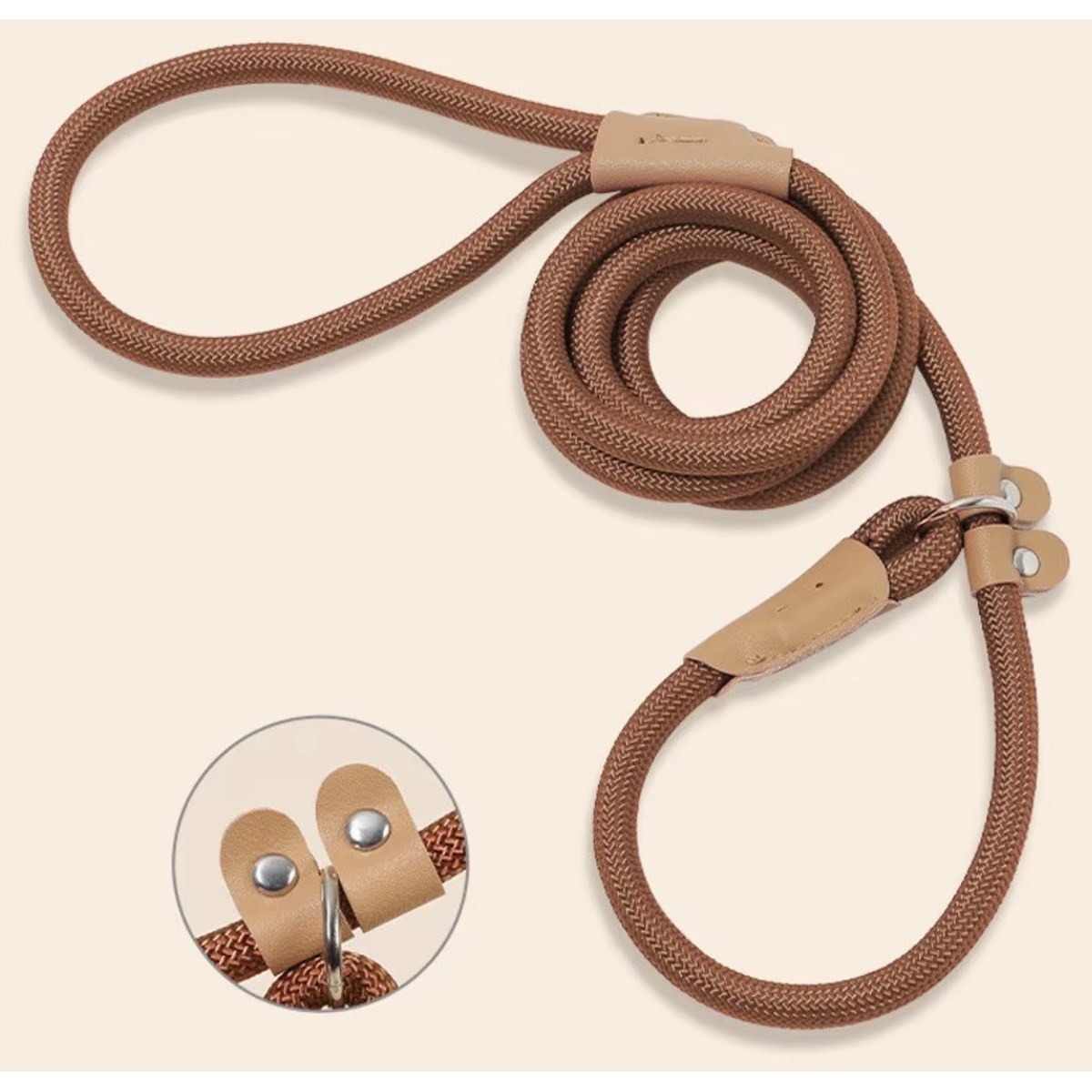
Accessory
Rope Slip Lead
Braided rope lead with a leather stop, 150cm. Good for training walks.
Fits any dog
Pawpoint on YouTube
Watch the full Norfolk Terrier video
Breed deep-dives, history and honest ownership talk. New film every week.
Watch now