Norwegian Lundehund
nor-WEE-jun LUN-de-hoond
Norway· Vaeroy island, Lofoten archipelago, Norway
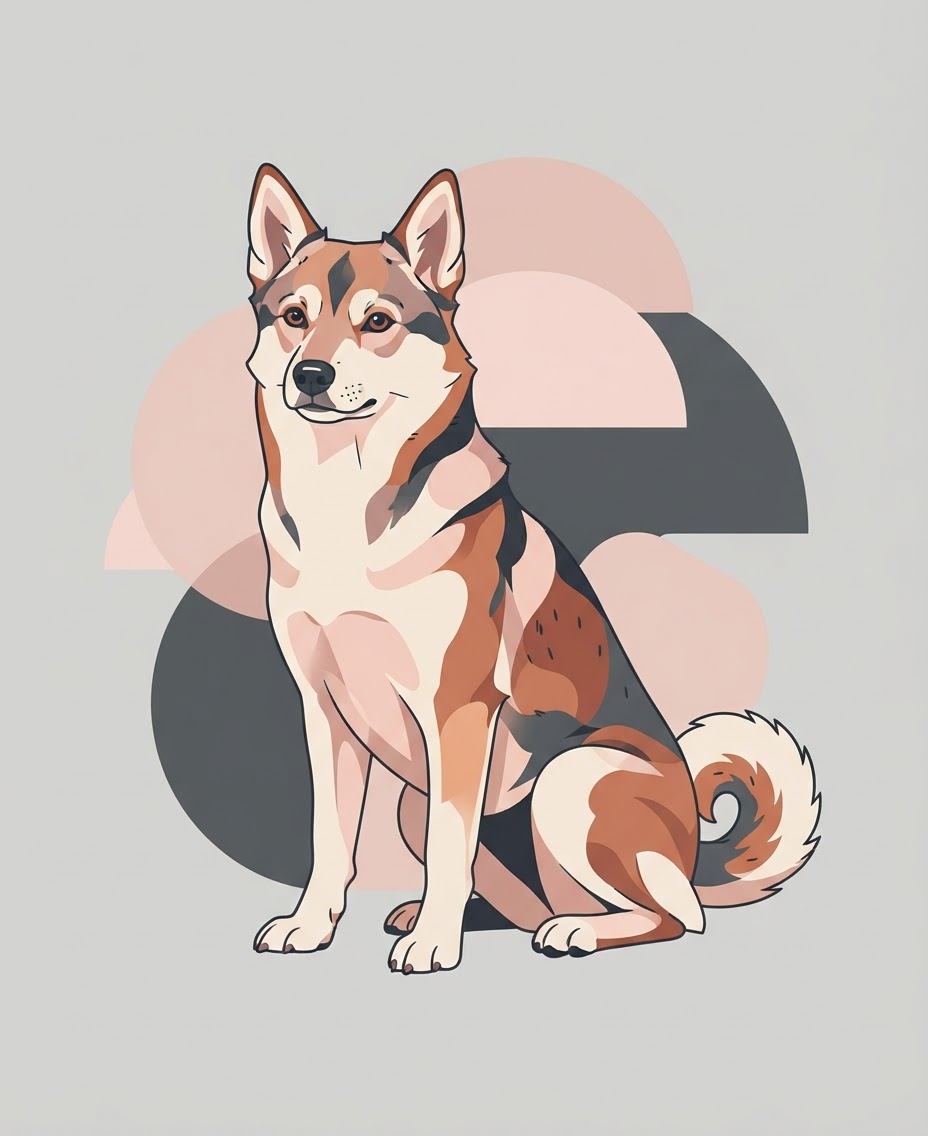
The Norwegian Lundehund is a small spitz breed developed on the Norwegian island of Vaeroy specifically to hunt puffins on sea cliffs.
At a glance
Quick facts
Size
Small
Exercise needs
1 hour per day
Home size suited to
Any size home
Grooming frequency
Weekly brush, more when shedding
Coat length
Short to medium, double coat
Sheds
Yes, heavily seasonally
Lifespan
12-15 years
Town or country
Adaptable to both
Garden size needed
Small to medium, secure fencing important
Where it comes from
Origins of the Norwegian Lundehund
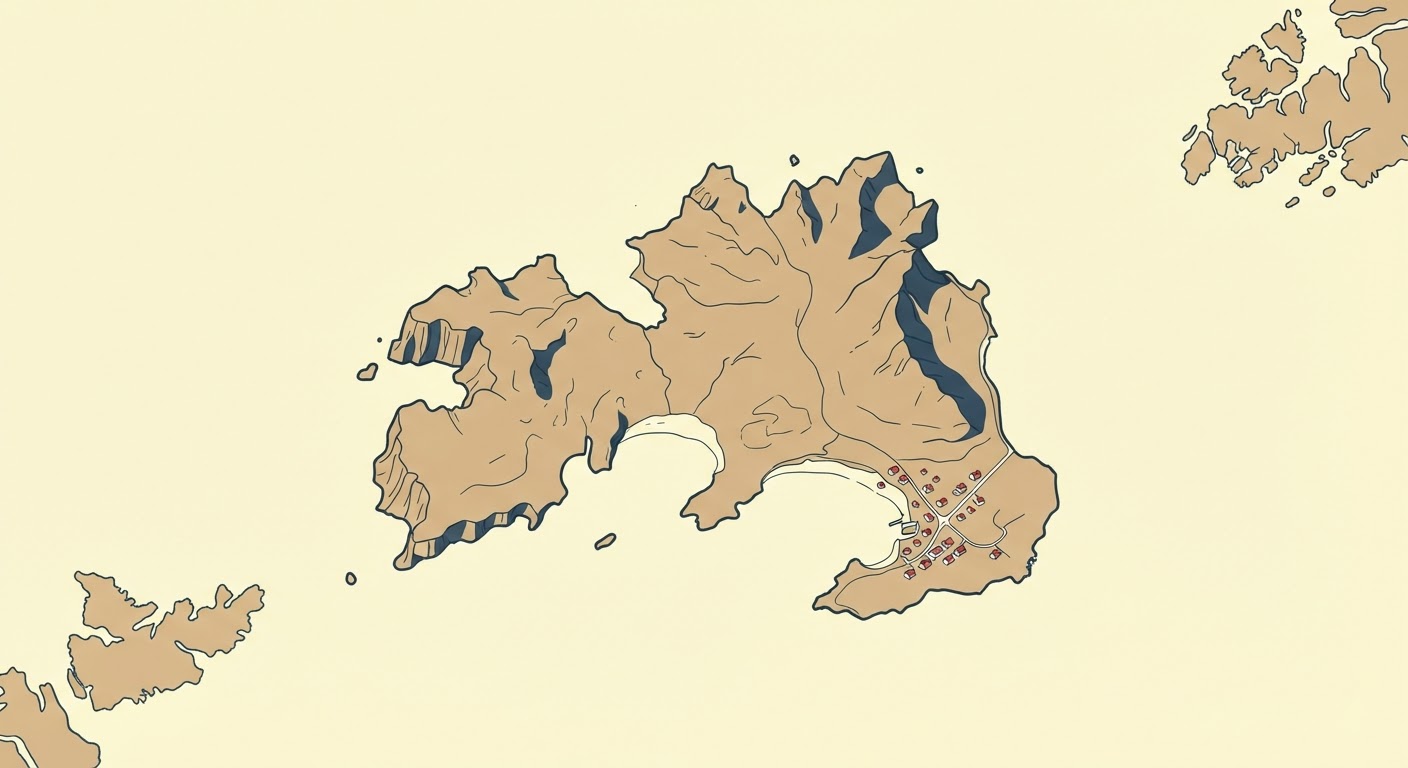
On the remote island of Vaeroy in the Lofoten archipelago, families depended on puffins for food, feathers and oil, requiring a dog able to climb the narrow ledges and crevices of steep sea cliffs. The Lundehund's extraordinary anatomy, including extra toes and unique flexibility, evolved specifically to navigate this dangerous terrain.
- Region
- Vaeroy island, Lofoten archipelago, Norway
- Climate it was bred for
- Cold, windswept coastal and cliff terrain
- Original job
- Hunting puffins and collecting eggs from steep sea cliffs
The long read
About the breed
Its extraordinary purpose shaped equally extraordinary anatomy, including at least six toes on each foot, joints that allow the head to bend backwards along the spine, and ear flaps that can fold shut, all suited to squeezing through cliff crevices.
In the home it is lively, alert and affectionate, but independent-minded and prone to escaping through small gaps, so secure fencing and patient, reward-based training suit it best.
Today the breed survives as a rare companion dog worldwide, its numbers still recovering from a near-extinction event in the mid-twentieth century, and it remains a favourite among owners drawn to unusual, characterful breeds.
Living with one
Temperament & needs
Our own ratings, based on the breed standard and how these dogs behave in ordinary homes.
Friendliness
3/5
How openly the Norwegian Lundehund greets people it does not know.
Trainability
3/5
How readily the breed takes to training in an ordinary home.
Energy
3/5
How much daily exercise and stimulation the breed expects.
Barking
3/5
How vocal the breed tends to be day to day.
Grooming
3/5
How much coat work the breed needs to stay comfortable.
Suits a first-time owner
3/5
How forgiving the Norwegian Lundehund is for someone taking on their first dog.
Illustrated breed standard
The points of the breed
Hover or tap a numbered point to read what the standard asks for.
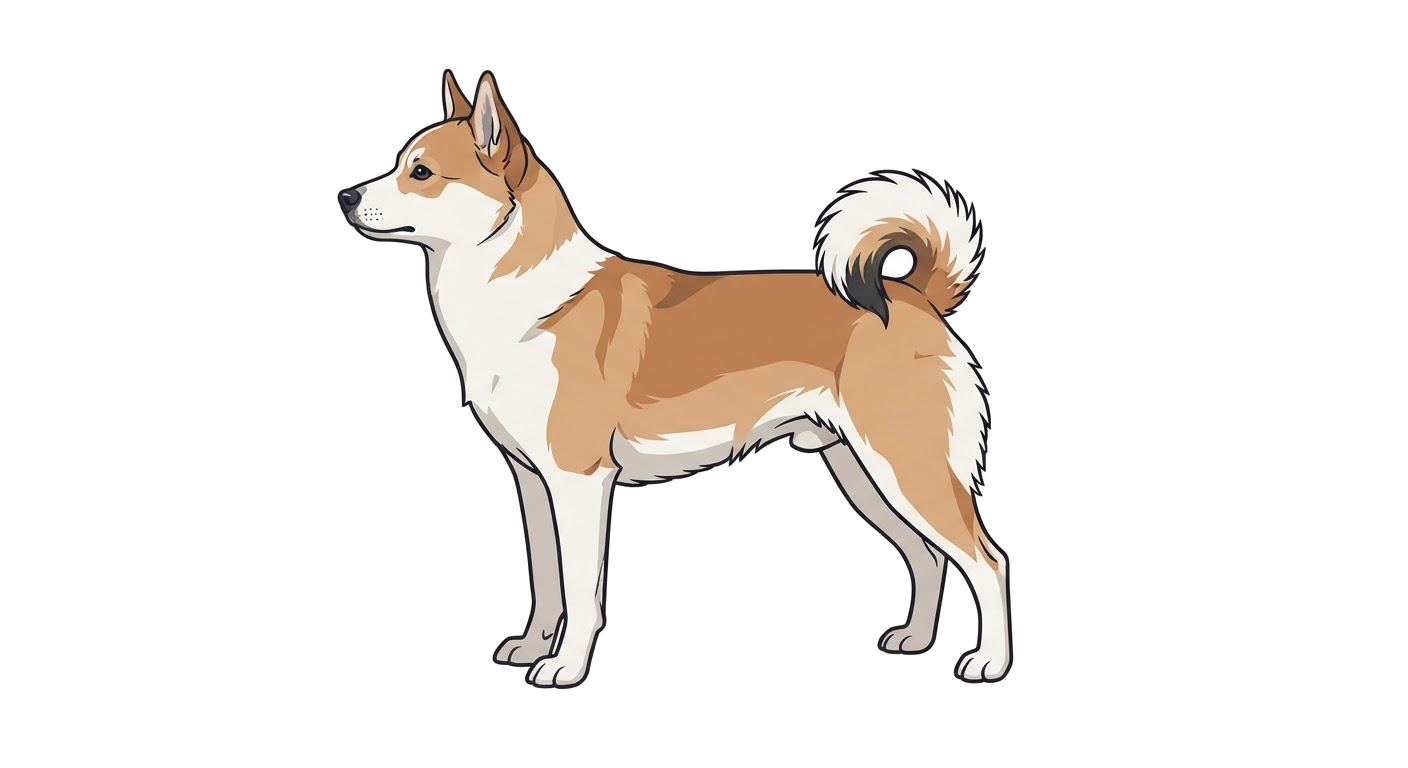
Point 1
Skull
The Norwegian Lundehund's skull is judged on balance rather than size — proportionate to the body, with a clean cheek and a stop typical of the breed. Coarseness or an over-refined head are both faulted.
Timeline
History & development
1500s
Cliff hunting origins
Developed on Vaeroy island to climb sea cliffs and retrieve puffins and their eggs.
1900s
Decline in use
Netting largely replaced dogs for puffin hunting, and numbers fell sharply.
1963
Near extinction
A distemper outbreak reduced the breed to around six surviving dogs.
1970s
Careful rebuilding
Dedicated Norwegian breeders rebuilt the population from a very narrow genetic base.
2000s
Health focus
Breed clubs launched international programmes to widen genetic diversity and combat intestinal disease.
Reference
Breed standard summary
- body
- Rectangular, with at least six toes on each foot and unusually flexible shoulder and neck joints.
- coat
- Dense, harsh double coat, short to medium in length.
- ears
- Medium, triangular and highly mobile, able to fold shut.
- eyes
- Yellow-brown to dark brown, with a distinctive slightly triangular shape.
- head
- Wedge-shaped, moderately small in proportion to the body.
- size
- 32-38cm at the withers
- colour
- Reddish brown with black tips, black, grey or white with dark markings.
- temperament
- Alert, agile and independent, playful with family but reserved with strangers.
- general appearance
- Small, rectangular spitz-type dog with unique physical adaptations including polydactyly and exceptional joint flexibility.
Health
What to screen for
Green means little to worry about, amber means ask the breeder for test results, red means manage it actively.
General information only — always speak to your vet about your own dog.
From real owners
Dogs like this
Norwegian Lundehunds added by PawPoint members through their pet passports. Share yours to appear here.
Loading the wall…
Made for the Norwegian Lundehund
The book, plus prints, hoodies and mugs using our own Norwegian Lundehund illustration — and one everyday accessory that suits any dog.
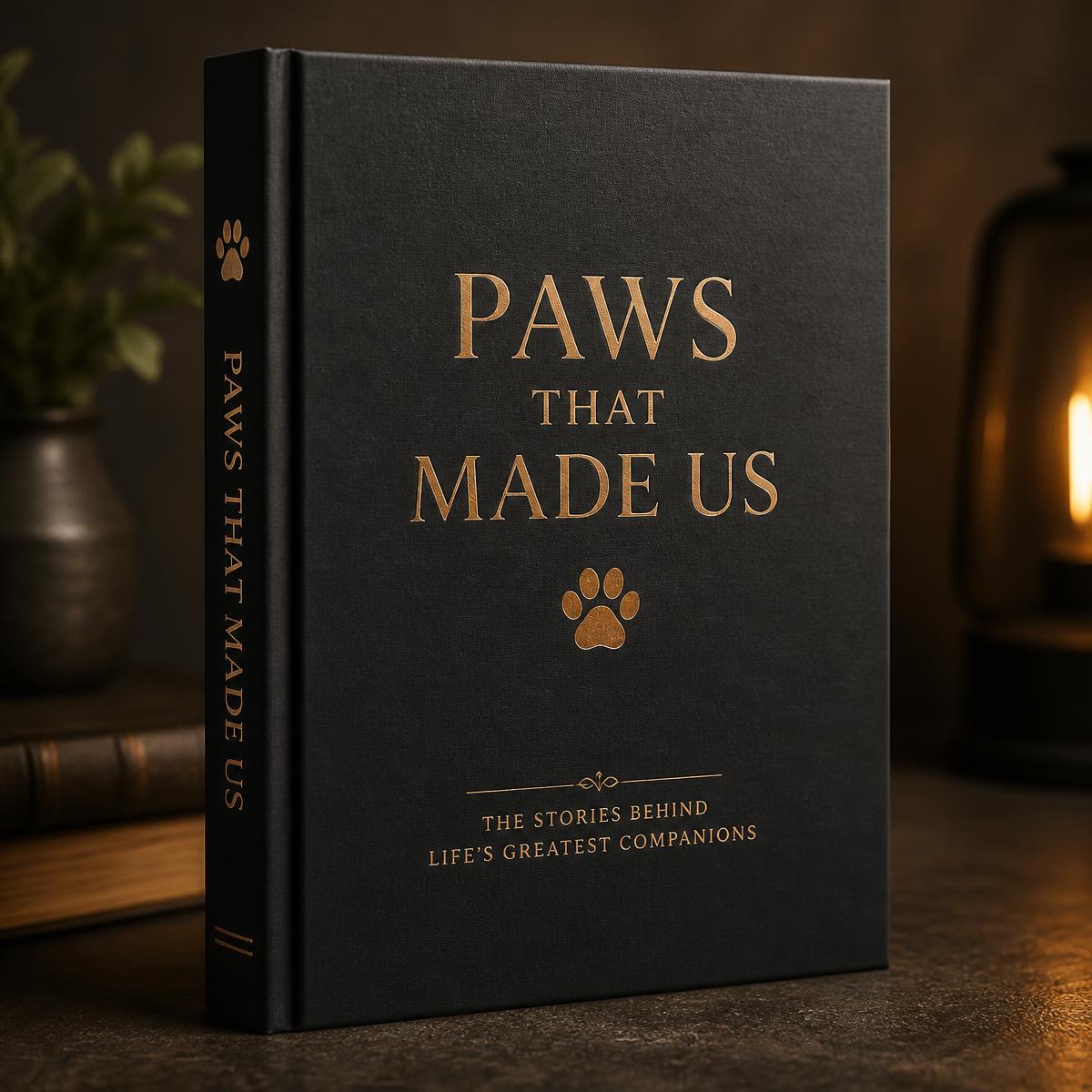
The book
Pawpoint: The Complete Dog Breed Book
Every officially recognised breed plus the unofficial ones nobody else documents. 400+ pages, hardback, printed and shipped from the UK.
Own stock — shipped by us
Framed poster
Norwegian Lundehund Framed Poster
Museum-weight print of our Norwegian Lundehund illustration, framed or unframed.
Printed to order
Hoodie
Norwegian Lundehund Hoodie
Heavyweight hoodie carrying the Norwegian Lundehund illustration on the chest.
Printed to order
Mug
Norwegian Lundehund Mug
Ceramic mug with the Norwegian Lundehund illustration wrapped around it.
Printed to order
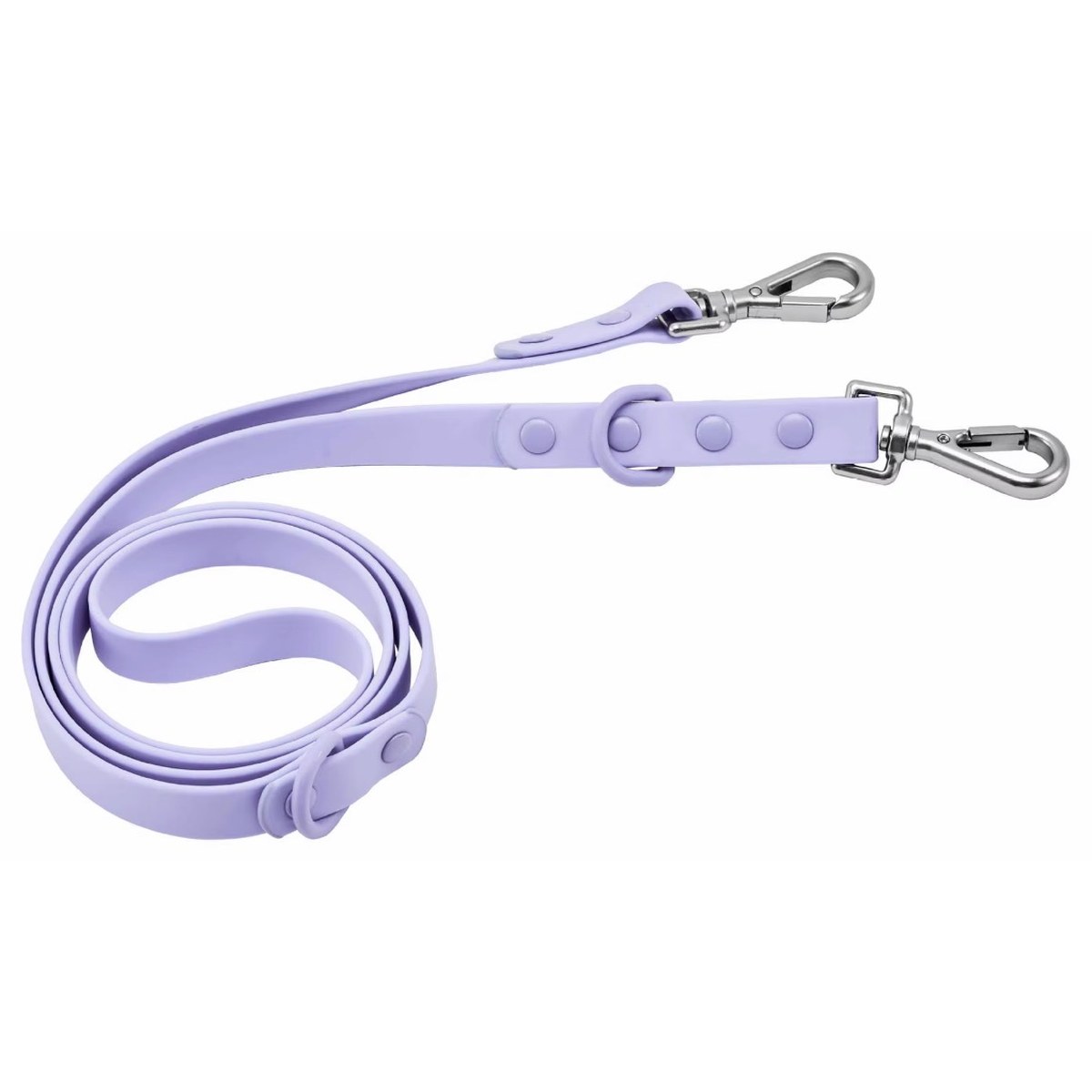
Accessory
Standard Lead
Padded-handle 1.2m lead in Pawpoint tan.
Fits any dog
Pawpoint on YouTube
Watch the full Norwegian Lundehund video
Breed deep-dives, history and honest ownership talk. New film every week.
Watch now