
Nova Scotia Duck Tolling Retriever
NOH-vuh SKOH-shuh DUK TOH-ling ri-TREE-vuhr
Canada· Yarmouth County, Nova Scotia
The Nova Scotia Duck Tolling Retriever is a medium-sized gundog from Canada's Maritime provinces, bred to lure ducks within gunshot range by playing on the birds' curiosity before retrieving them from the water.
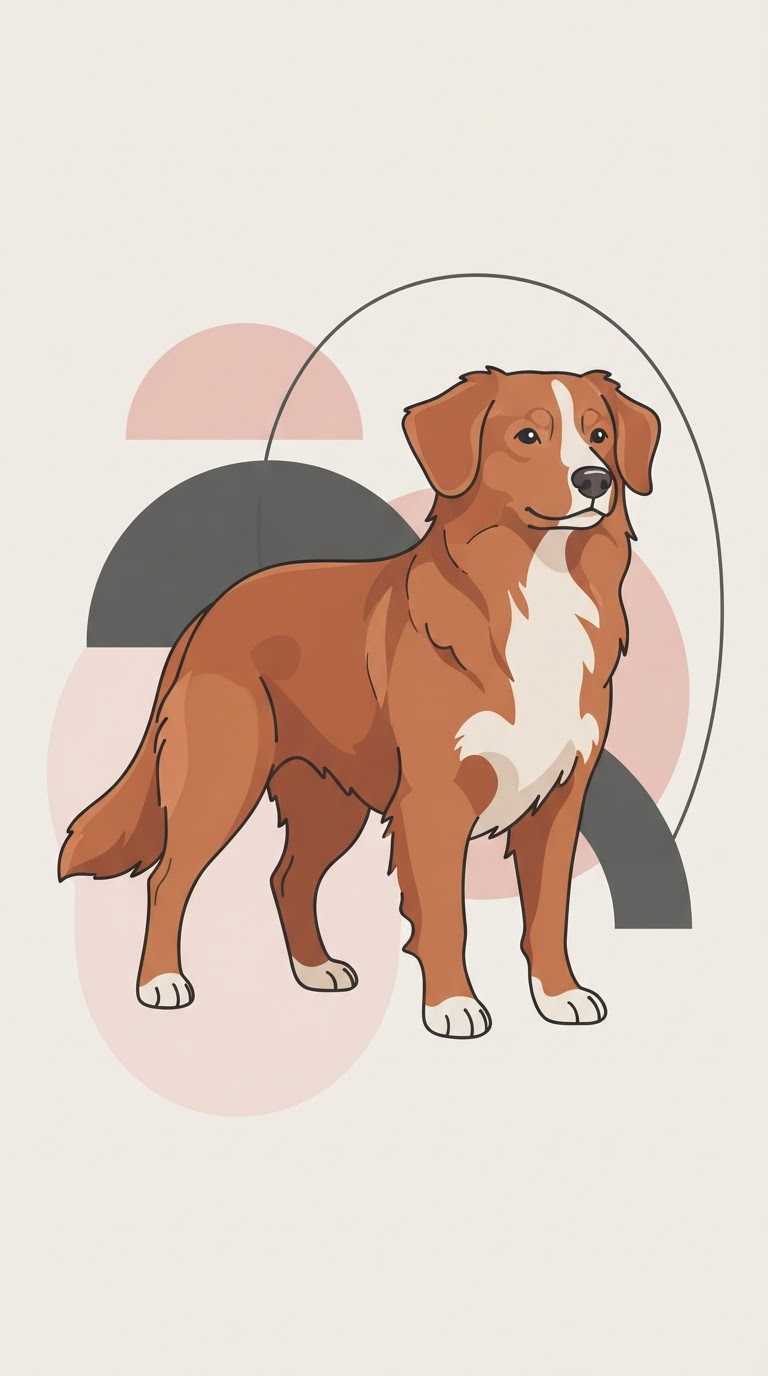
At a glance
Quick facts
Size
Medium
Exercise needs
90 minutes or more daily
Home size suited to
Small to medium home
Grooming frequency
Twice weekly brush
Coat length
Medium
Sheds
Yes, heavily when moulting
Lifespan
12-14 years
Town or country
Either, with enough exercise
Garden size needed
Small to medium
Where it comes from
Origins of the Nova Scotia Duck Tolling Retriever
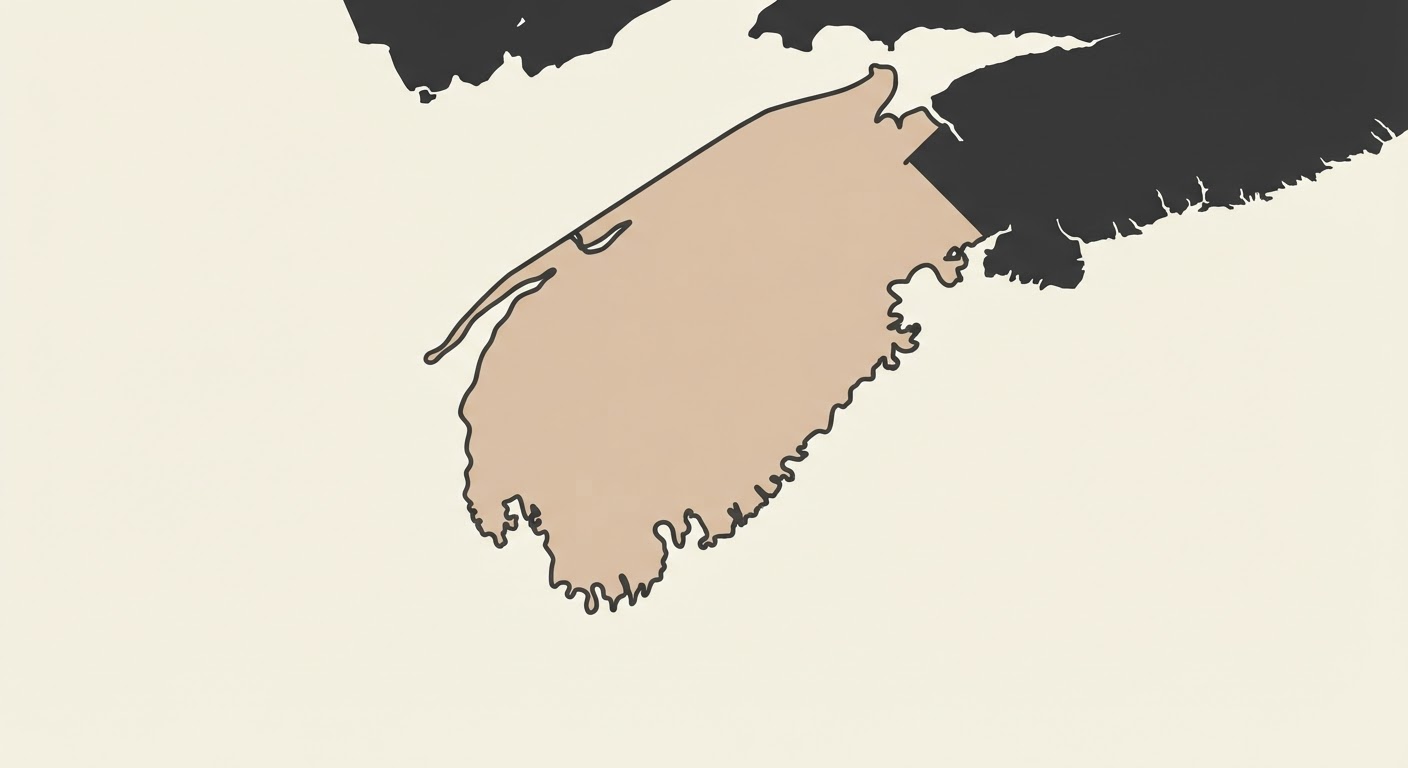
Developed by hunters in the coastal marshes of Nova Scotia, this breed learned to mimic a fox playing at the water's edge, tolling curious ducks within gunshot range before retrieving them from the cold Atlantic waters.
- Region
- Yarmouth County, Nova Scotia
- Climate it was bred for
- Cold, wet Atlantic coast
- Original job
- Luring and retrieving ducks
The long read
About the breed
Developed in Yarmouth County, Nova Scotia, in the nineteenth century, the breed's unusual working method mimics the behaviour of foxes, which were observed drawing curious waterfowl closer to shore. Hunters trained small red-coated dogs to romp and play at the water's edge, luring ducks near enough to be shot, then sent the same dogs into the water to retrieve the birds. This "tolling" technique gives the breed its name and remains a demonstrated skill at working tests today.
Living with a Toller means living with an intensely energetic, biddable dog that thrives on having a task. It is affectionate with its family, often reserved with strangers, and needs considerable daily exercise and mental stimulation, ideally including swimming and retrieving games, to avoid becoming restless or destructive. It is highly trainable and excels in obedience, agility and field work, making it a good match for active owners with time to invest in training.
The medium-length double coat sheds seasonally and needs regular brushing to manage loose hair, particularly during the spring and autumn coat blows. The breed's strong drive to retrieve means many Tollers will happily fetch anything thrown for hours, and this needs channelling into structured games rather than left unmanaged.
Today the Nova Scotia Duck Tolling Retriever remains relatively uncommon outside Canada but has a growing following among active owners and competitive dog sport handlers who value its combination of trainability, athleticism and striking foxy-red coat.
Living with one
Temperament & needs
Our own ratings, based on the breed standard and how these dogs behave in ordinary homes.
Friendliness
3/5
How openly the Nova Scotia Duck Tolling Retriever greets people it does not know.
Trainability
5/5
Extremely biddable and quick to learn new tasks.
Energy
5/5
Highly energetic and needs substantial daily exercise.
Barking
3/5
Can be vocal, especially when excited during play.
Grooming
3/5
Double coat sheds seasonally and needs regular brushing.
Suits a first-time owner
3/5
How forgiving the Nova Scotia Duck Tolling Retriever is for someone taking on their first dog.
Sociability
3/5
Affectionate at home but often reserved with strangers.
Independence
2/5
Works closely with its handler and dislikes being left out.
Illustrated breed standard
The points of the breed
Hover or tap a numbered point to read what the standard asks for.
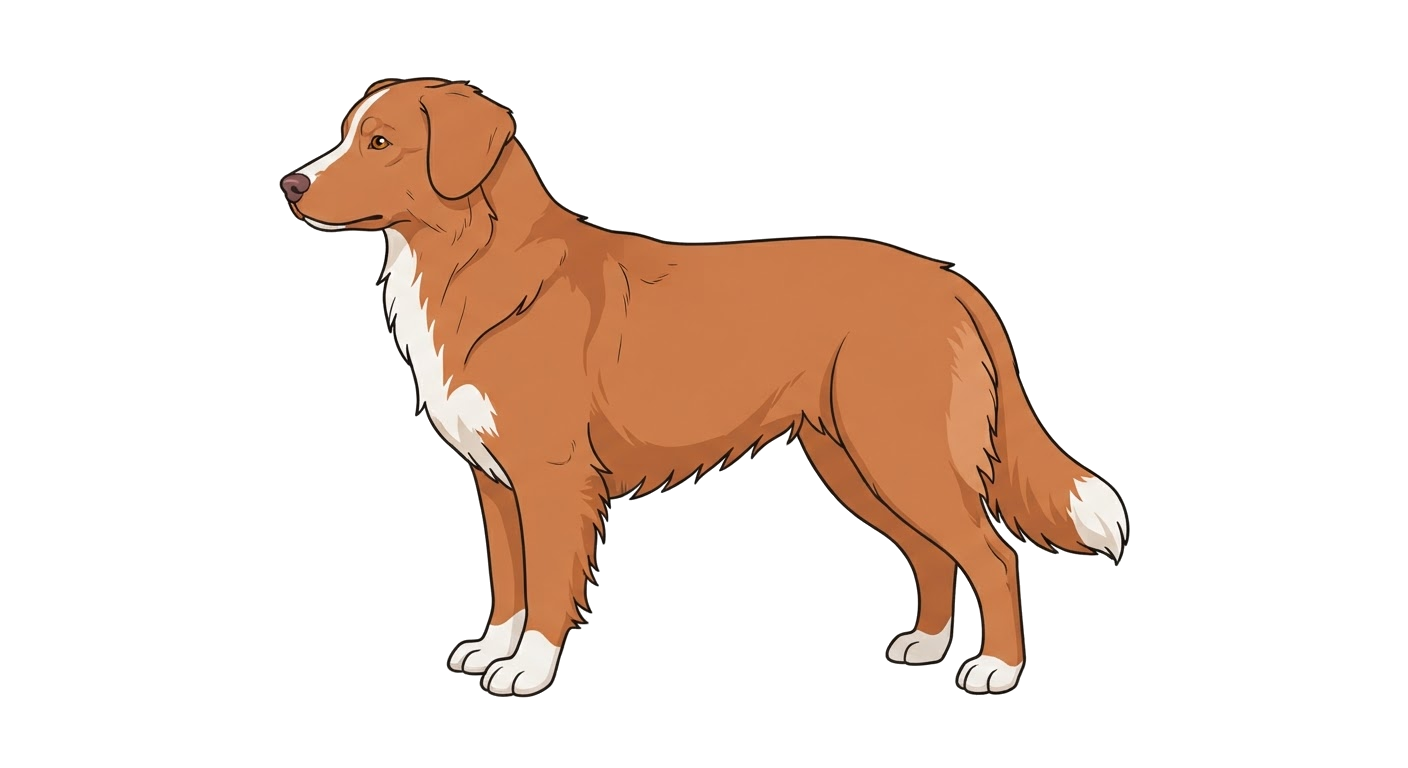
Point 1
Skull
The Nova Scotia Duck Tolling Retriever's skull is judged on balance rather than size — proportionate to the body, with a clean cheek and a stop typical of the breed. Coarseness or an over-refined head are both faulted.
Colours & patterns
Recognised coats
Which coats the standard accepts — and which are simply popular.
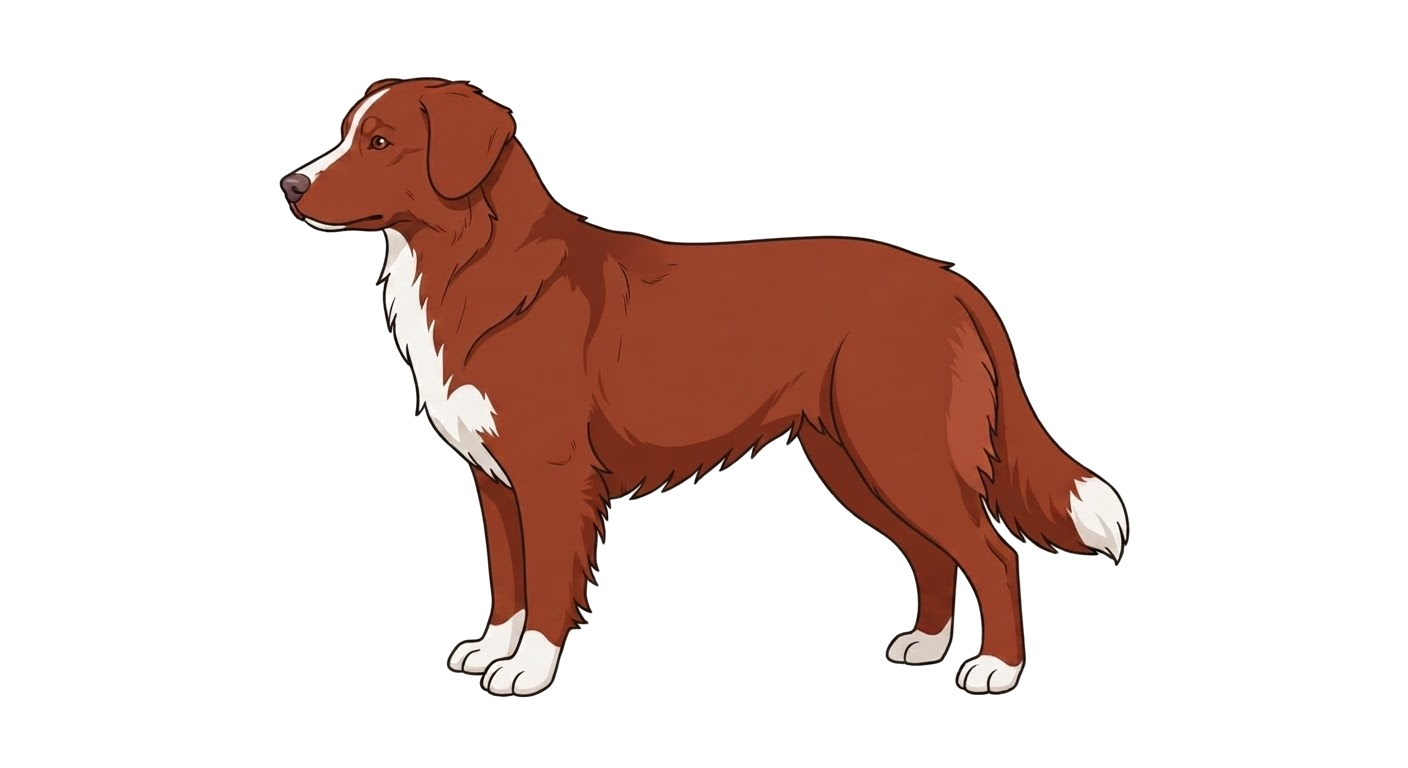
Red
Standard colour
The classic coppery red that gives the breed its foxy look.
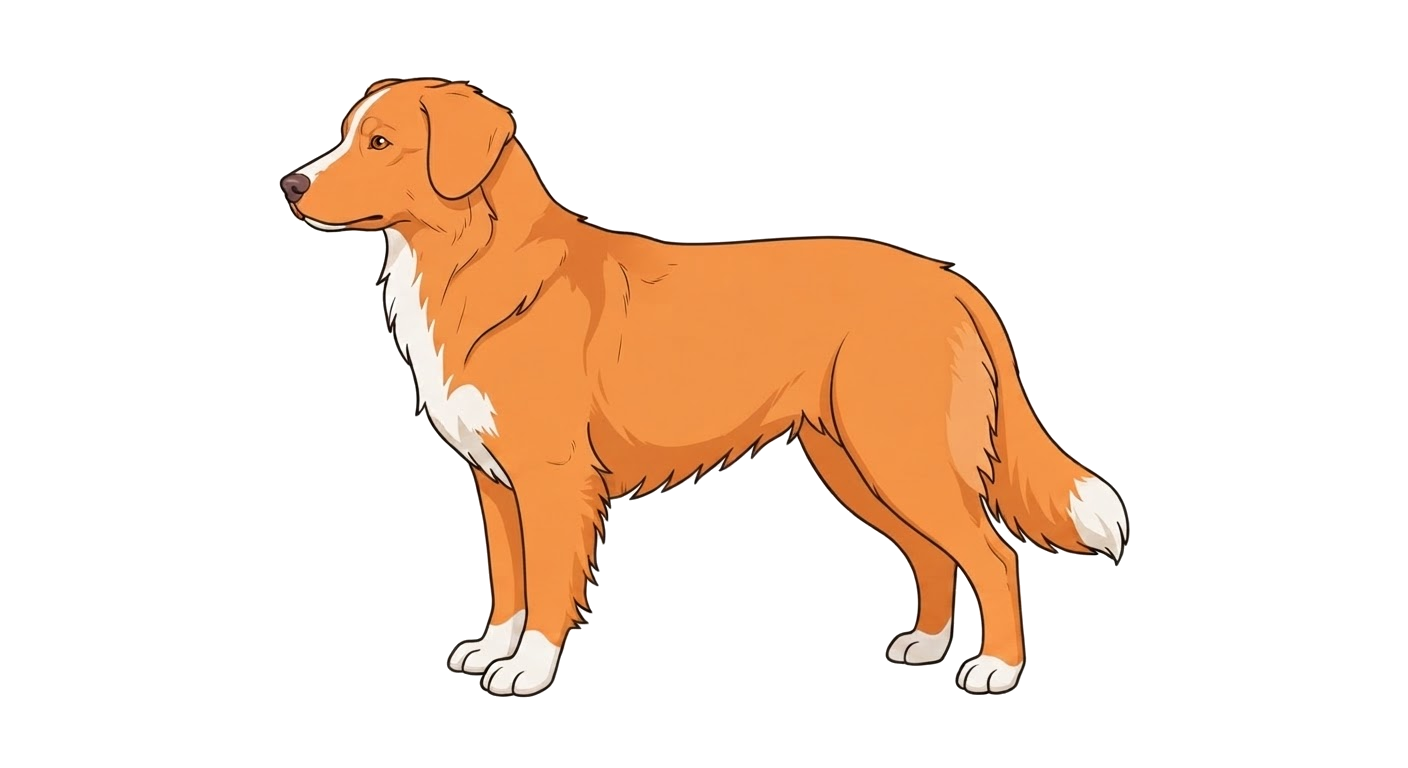
Orange
Standard colour
A lighter shade, still within the accepted red range.
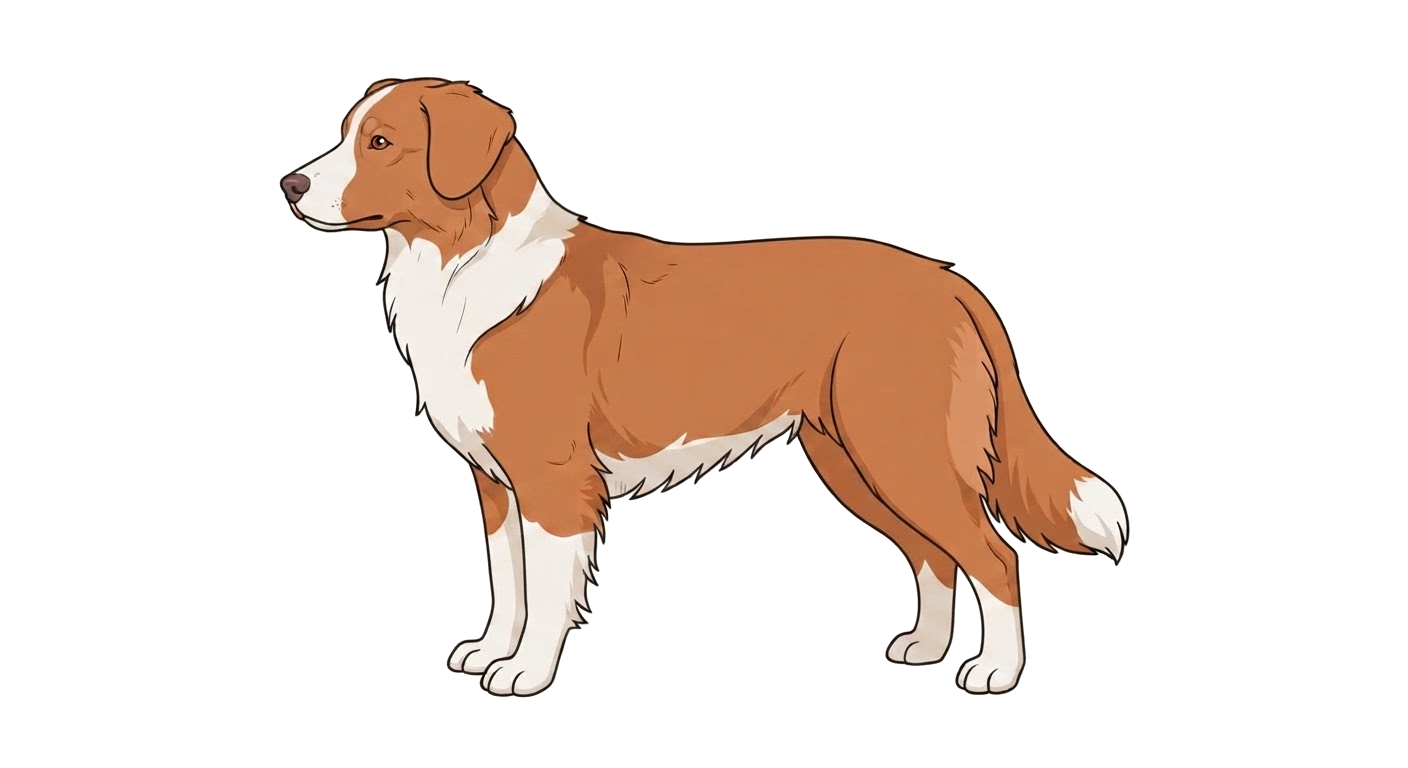
White markings
Standard colour
White on chest, feet, tail tip and blaze is typical and desired.
Timeline
History & development
1800s
Development in Nova Scotia
Hunters in Yarmouth County breed small red retrievers to toll ducks within range.
1945
Canadian Kennel Club recognition
The breed is formally recognised in Canada under its current name.
1988
UK Kennel Club recognition
The Toller gains recognition and a small but growing following in Britain.
2003
American Kennel Club recognition
The breed is admitted to the AKC Sporting Group.
Reference
Breed standard summary
- body
- Muscular, well-proportioned, deep chest.
- coat
- Medium length, water-repellent double coat.
- ears
- Triangular, set fairly high, well-feathered.
- eyes
- Almond-shaped, amber to brown, blending with coat colour.
- gait
- Free, smooth, and powerful.
- head
- Clean-cut, slightly wedge-shaped.
- size
- Medium, 43-51cm at the shoulder.
- tail
- Well-feathered, carried with a slight upward curve.
- colour
- Red, Orange, White markings. Colours outside this list are seen but are not accepted by the kennel clubs.
- temperament
- Typical of the breed: strongest in energy, trainability, sociability. Nervousness or aggression are serious faults in the show ring and in the home.
- general appearance
- A medium-sized, powerful, compact gundog with a lively, alert expression.
Health
What to screen for
Green means little to worry about, amber means ask the breeder for test results, red means manage it actively.
Hip dysplasia
Screen for it
Ask breeders for hip scores on both parents.
Autoimmune thyroiditis
Watch closely
Request thyroid testing on breeding stock, common in the breed.
Progressive retinal atrophy
Screen for it
Ask for current eye test certification.
Collie eye anomaly
Screen for it
A genetic eye test is available and worth requesting from breeders.
General information only — always speak to your vet about your own dog.
From real owners
Dogs like this
Nova Scotia Duck Tolling Retrievers added by PawPoint members through their pet passports. Share yours to appear here.
Loading the wall…
Made for the Nova Scotia Duck Tolling Retriever
The book, plus prints, hoodies and mugs using our own Nova Scotia Duck Tolling Retriever illustration — and one everyday accessory that suits any dog.

The book
Pawpoint: The Complete Dog Breed Book
Every officially recognised breed plus the unofficial ones nobody else documents. 400+ pages, hardback, printed and shipped from the UK.
Own stock — shipped by us
Framed poster
Nova Scotia Duck Tolling Retriever Framed Poster
Museum-weight print of our Nova Scotia Duck Tolling Retriever illustration, framed or unframed.
Printed to order
Hoodie
Nova Scotia Duck Tolling Retriever Hoodie
Heavyweight hoodie carrying the Nova Scotia Duck Tolling Retriever illustration on the chest.
Printed to order
Mug
Nova Scotia Duck Tolling Retriever Mug
Ceramic mug with the Nova Scotia Duck Tolling Retriever illustration wrapped around it.
Printed to order

Accessory
Stainless Dog Bowl
Weighted, non-slip base. Dishwasher safe.
Fits any dog

Pawpoint on YouTube
Watch the full Nova Scotia Duck Tolling Retriever video
Breed deep-dives, history and honest ownership talk. New film every week.
Watch now