
Old Danish Pointer
OHLD DAY-nish POYN-ter
Denmark· Denmark
The Old Danish Pointer is a robust, medium-to-large gundog and one of Denmark's oldest native breeds.
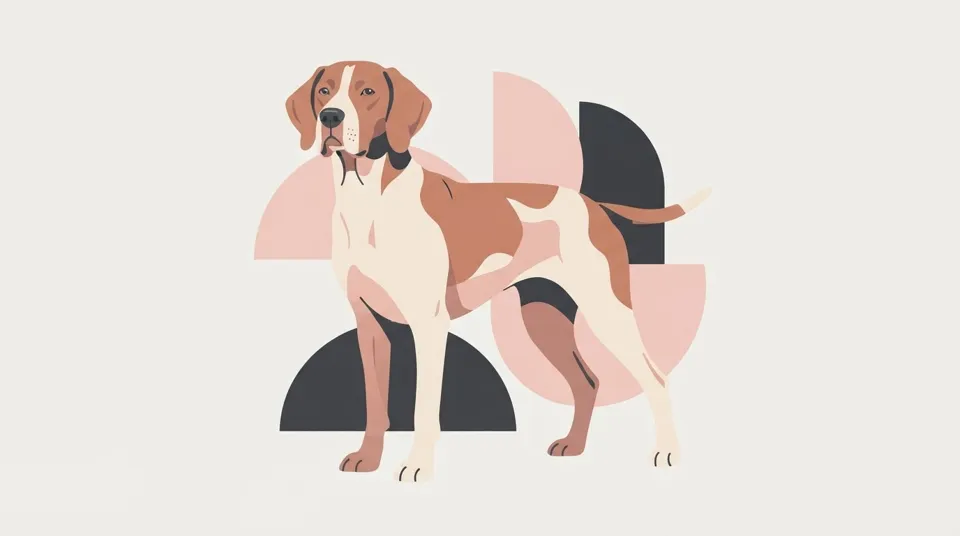
At a glance
Quick facts
- Size
- Large
- Exercise needs
- 1-2 hours per day
- Home size suited to
- Medium or larger
- Grooming frequency
- Minimal, weekly wipe-down
- Coat length
- Short
- Sheds
- Yes
- Lifespan
- 11-13 years
- Town or country
- Country preferred
- Garden size needed
- Medium or larger
Where it comes from
Origins of the Old Danish Pointer
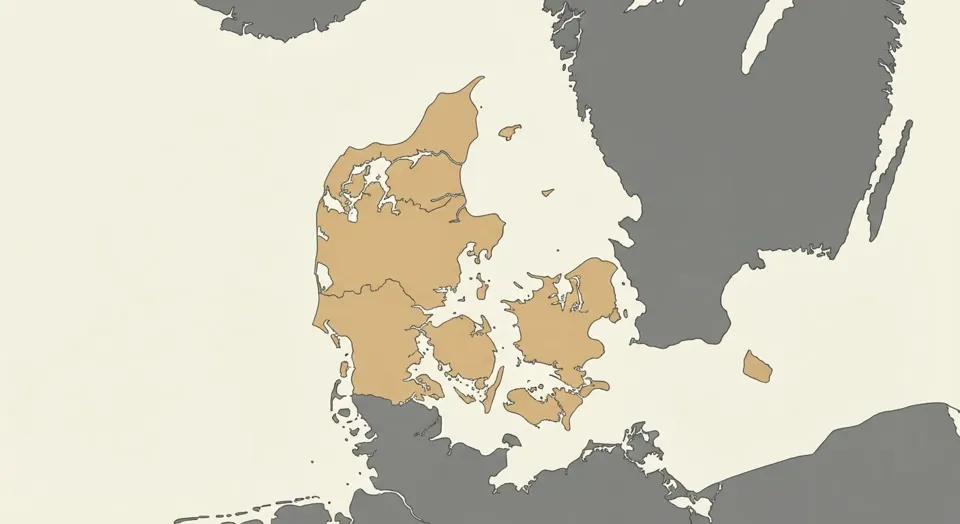
Danish farmers and hunters of the 18th century needed a steady, versatile pointing dog suited to mixed farmland and wetland, leading to the development of a calm, heavily built breed descended from crosses of old Spanish pointing stock with local scenthounds.
- Region
- Denmark
- Climate it was bred for
- Cool, damp northern European lowlands
- Original job
- All-round pointing and retrieving gundog for Danish farms
The long read
About the breed
Developed from early Spanish Pointer imports crossed with local hunting dogs, it evolved into a versatile, close-working pointer valued for its calm, methodical style and strong retrieving instinct.
It is a placid, affectionate and easy-going companion, generally good-natured with children and adaptable to family life, provided it gets regular exercise.
The breed remains uncommon even in Denmark today, kept mainly by enthusiasts preserving this historic native pointer, and it is essentially unknown outside Scandinavia.
Living with one
Temperament & needs
Our own ratings, based on the breed standard and how these dogs behave in ordinary homes.
Friendliness
3/5
How openly the Old Danish Pointer greets people it does not know.
Trainability
3/5
How readily the breed takes to training in an ordinary home.
Energy
3/5
How much daily exercise and stimulation the breed expects.
Barking
3/5
How vocal the breed tends to be day to day.
Grooming
3/5
How much coat work the breed needs to stay comfortable.
Suits a first-time owner
3/5
How forgiving the Old Danish Pointer is for someone taking on their first dog.
Illustrated breed standard
The points of the breed
Hover or tap a numbered point to read what the standard asks for.
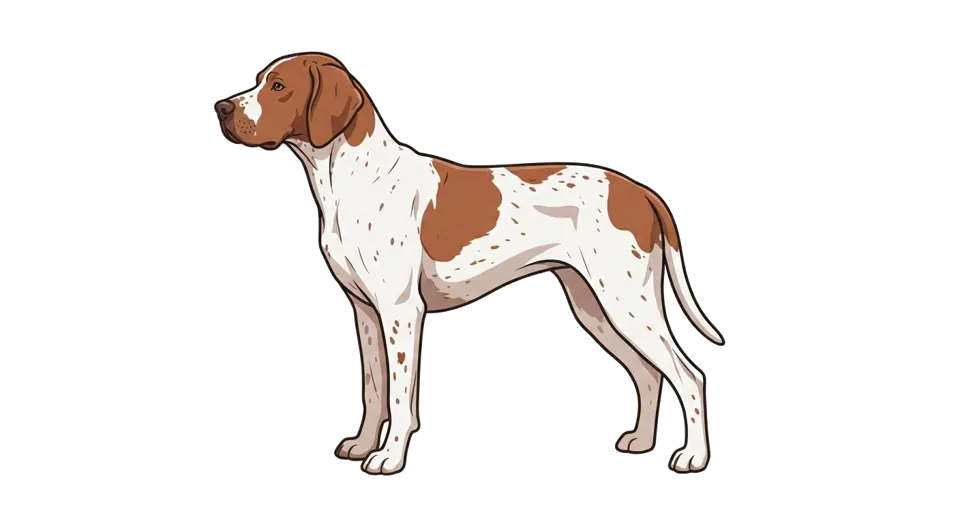
Point 1
Skull
The Old Danish Pointer's skull is judged on balance rather than size — proportionate to the body, with a clean cheek and a stop typical of the breed. Coarseness or an over-refined head are both faulted.
Timeline
History & development
1700s
Spanish Pointer imports
Spanish Pointers brought to Denmark were crossed with local hunting dogs to create a hardier working type.
1800s
Established farm breed
The resulting breed became a common all-round gundog on Danish farms and estates.
1900s
Decline with modernisation
As modern pointing breeds became popular, the Old Danish Pointer's numbers dwindled significantly.
1962
Breed club founded
Danish enthusiasts formed a club to preserve and promote the breed.
1998
FCI recognition
The Old Danish Pointer gained official recognition from the FCI.
Reference
Breed standard summary
- body
- Well-proportioned, deep-chested and strongly built.
- coat
- Short, dense and glossy.
- ears
- Set moderately high, hanging flat against the head.
- eyes
- Large, round, brown, with a gentle expression.
- head
- Broad skull with a moderate stop and square muzzle.
- size
- Dogs 56-60cm, bitches 54-58cm
- colour
- White with large brown or liver patches, sometimes ticked.
- temperament
- Calm, friendly, biddable and steady.
- general appearance
- A robust, medium-to-large pointing dog of calm, dignified bearing.
Health
What to screen for
Green means little to worry about, amber means ask the breeder for test results, red means manage it actively.
General information only — always speak to your vet about your own dog.
From real owners
Old Danish Pointers in the PAWPOINT Pack
Old Danish Pointers added by PawPoint members through their pet passports. Share yours to appear here.
Loading the wall…
Made for the Old Danish Pointer
The book, plus hoodies, tees and mugs featuring the Old Danish Pointer.