
Old English Sheepdog
OHLD ING-glish SHEEP-dog
England· West Country, including Devon and Somerset
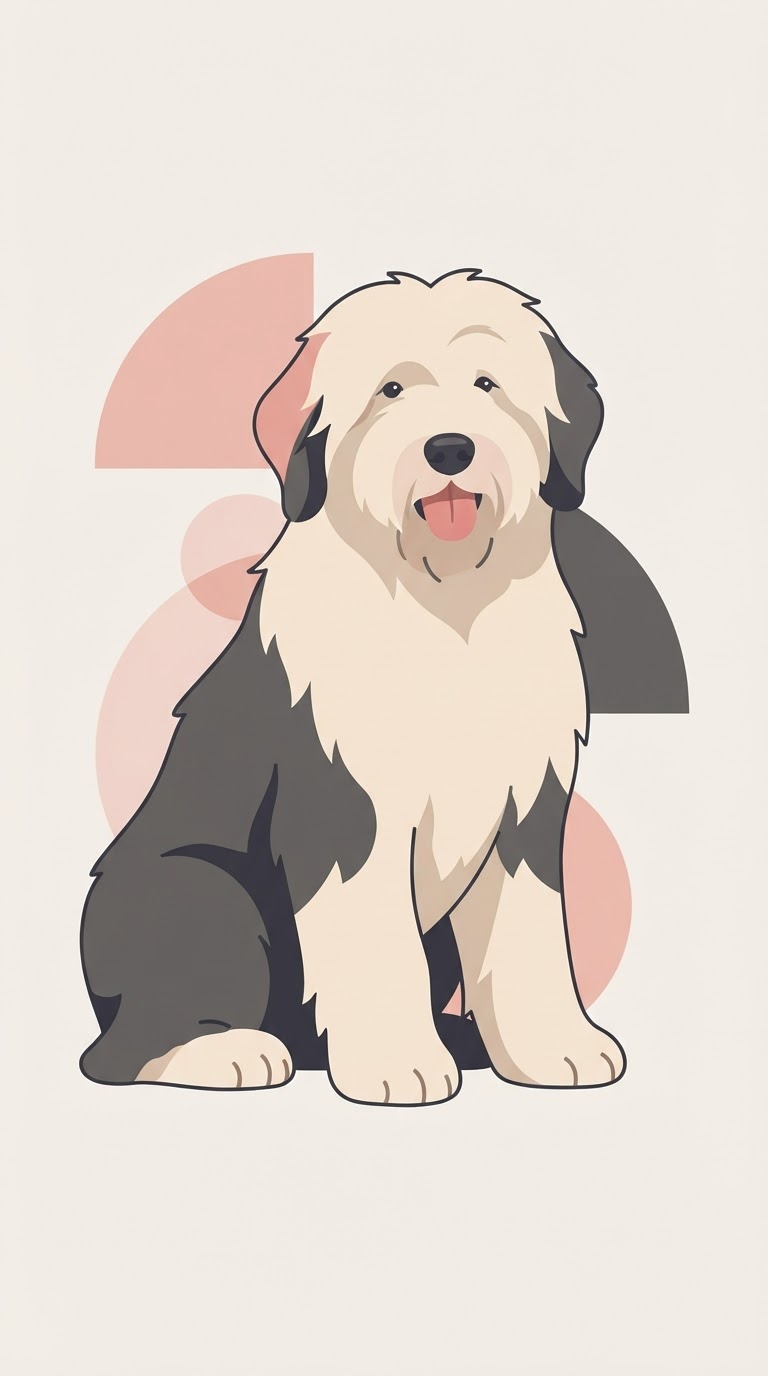
The Old English Sheepdog is a large, shaggy-coated herding breed developed in the West Country of England, bred to drive livestock to market and to work as an all-purpose farm dog.
At a glance
Quick facts
Size
Large
Exercise needs
60 minutes daily
Home size suited to
Medium to large home
Grooming frequency
Daily brushing
Coat length
Long
Sheds
Yes, heavily when moulting
Lifespan
10-12 years
Town or country
Happiest in the country
Garden size needed
Medium or larger
Where it comes from
Origins of the Old English Sheepdog
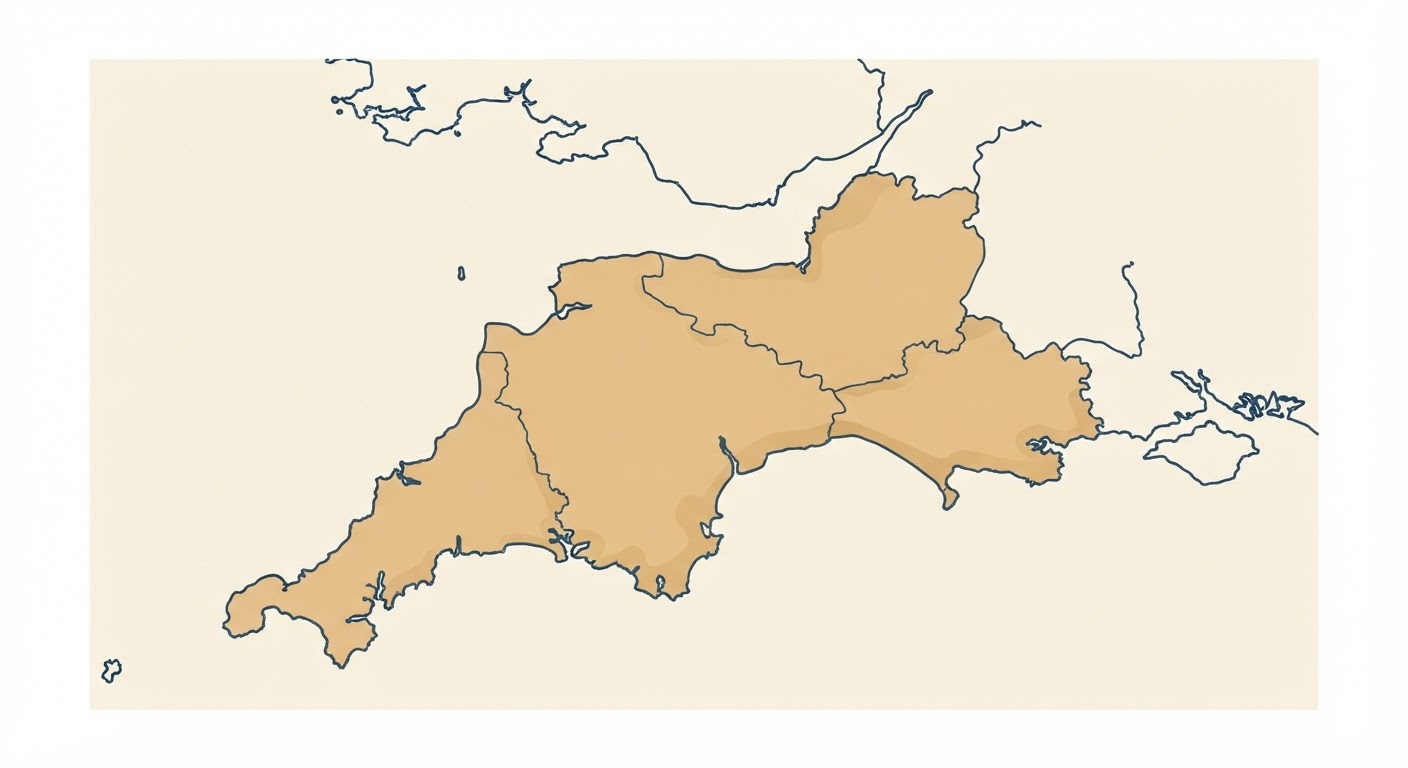
Developed in the damp, green farmland of England's West Country, the Old English Sheepdog needed a dense, weatherproof coat to work outdoors herding and driving sheep and cattle to market in all conditions.
- Region
- West Country, including Devon and Somerset
- Climate it was bred for
- Cool, wet English countryside
- Original job
- Herding and driving livestock to market
The long read
About the breed
The breed's exact origins are debated, but it is generally believed to have developed in Devon, Somerset and the Cotswolds in the eighteenth and nineteenth centuries, likely from a mix of drover and herding breeds. Its dense, shaggy coat protected it while working outdoors in wet West Country weather, and it was used both to herd sheep and cattle and to drive them to market over long distances, sometimes having its tail docked as a mark of a working drover's dog exempt from tax. Its distinctive bear-like, rolling gait made it recognisable even from a distance in the fields it worked.
Living with an Old English Sheepdog means living with a large, exuberant, sociable dog that genuinely wants to be part of family life. It is playful, affectionate and generally very good with children, often taking on a herding role within the household, gently nudging family members into groups. It needs regular training and socialisation, as its size and enthusiasm can be overwhelming without some structure, particularly for young children or elderly visitors.
The dense double coat is the breed's defining and most demanding feature, requiring brushing several times a week to prevent matting, plus regular trimming around the eyes, ears and feet. Owners who cannot commit real time to grooming, either themselves or via a professional groomer, will find the coat quickly becomes matted and uncomfortable for the dog. Exercise needs are moderate to high, and the breed enjoys long walks and has more stamina than its shaggy silhouette suggests.
Today the Old English Sheepdog is kept almost entirely as a companion and show dog, its herding work largely a thing of the past, but its friendly, clownish nature has kept it popular with families willing to manage its considerable grooming needs.
Living with one
Temperament & needs
Our own ratings, based on the breed standard and how these dogs behave in ordinary homes.
Friendliness
5/5
How openly the Old English Sheepdog greets people it does not know.
Trainability
4/5
Intelligent and generally eager to please.
Energy
3/5
Playful and active but content with moderate daily exercise.
Barking
2/5
Not a frequent barker by nature.
Grooming
5/5
Dense coat needs brushing several times a week to avoid matting.
Suits a first-time owner
4/5
How forgiving the Old English Sheepdog is for someone taking on their first dog.
Sociability
5/5
Highly sociable and affectionate with the whole family.
Independence
2/5
Wants to be involved in whatever the family is doing.
Illustrated breed standard
The points of the breed
Hover or tap a numbered point to read what the standard asks for.
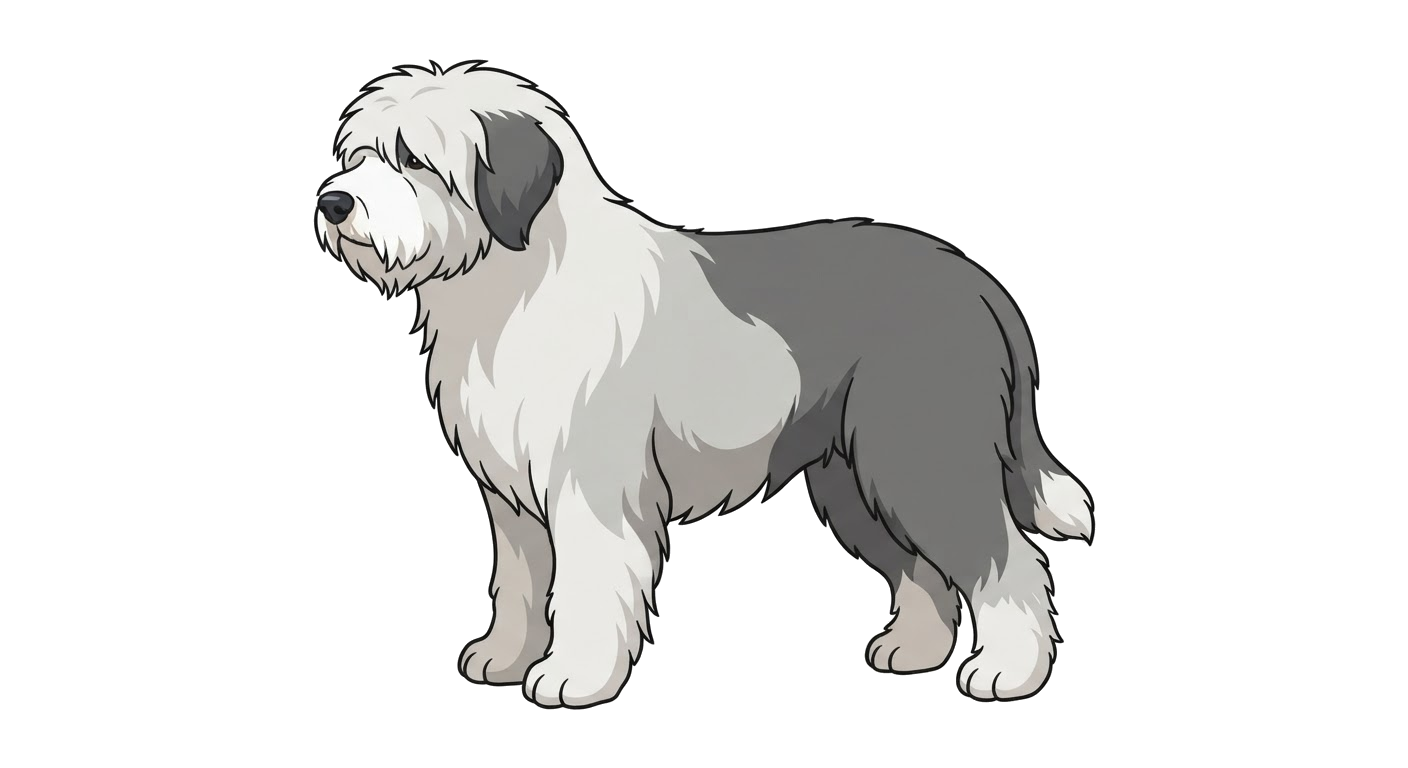
Point 1
Skull
The Old English Sheepdog's skull is judged on balance rather than size — proportionate to the body, with a clean cheek and a stop typical of the breed. Coarseness or an over-refined head are both faulted.
Colours & patterns
Recognised coats
Which coats the standard accepts — and which are simply popular.
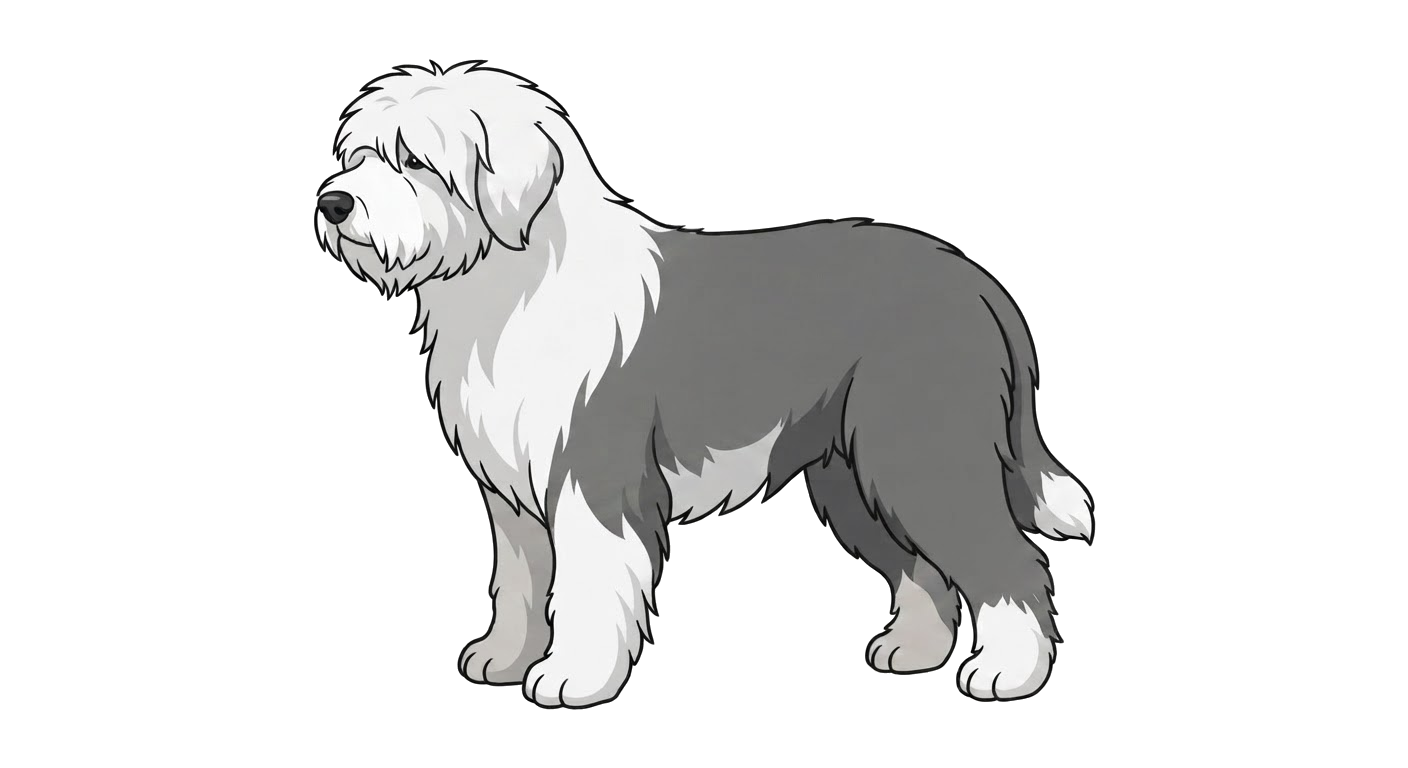
Grey and white
Standard colour
The classic and most recognisable colour combination.
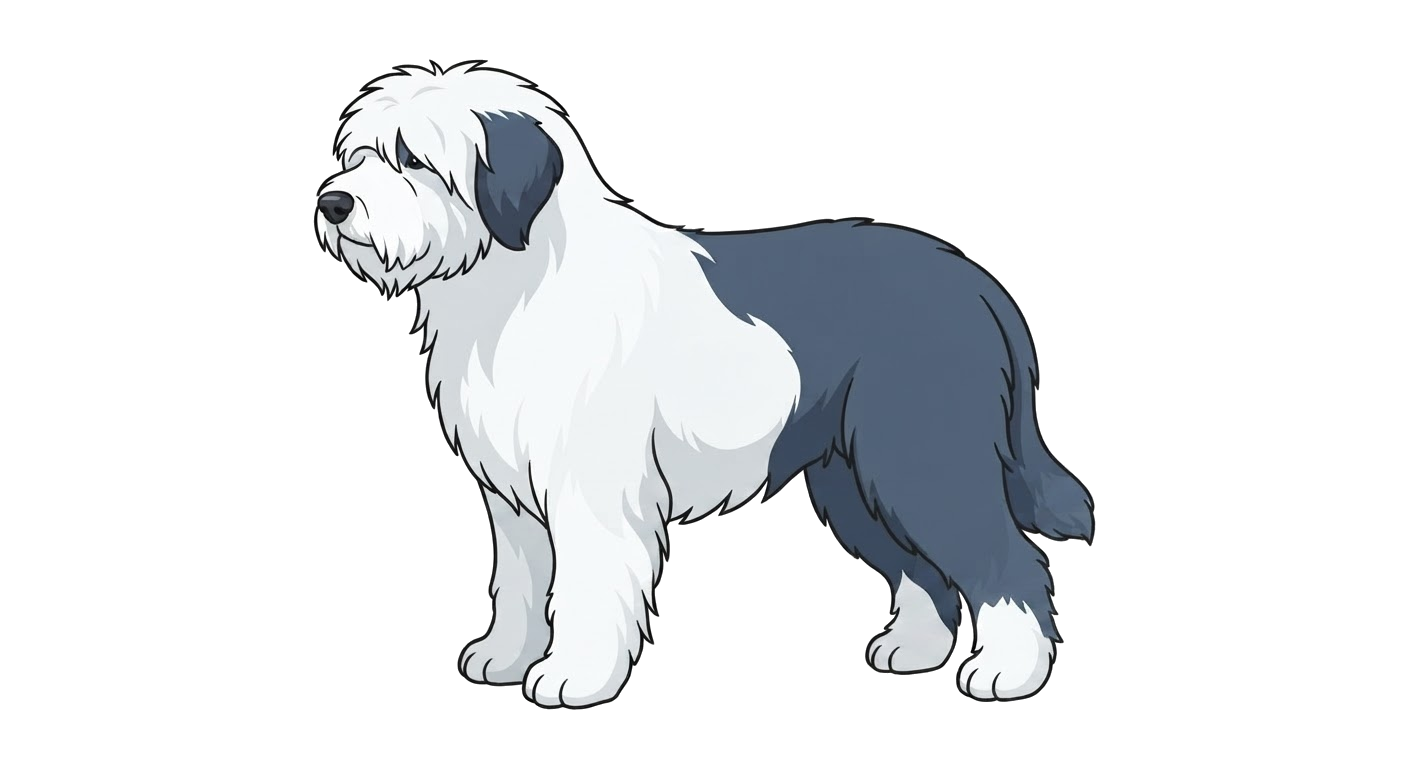
Blue and white
Standard colour
A deeper blue-grey shade with white markings.
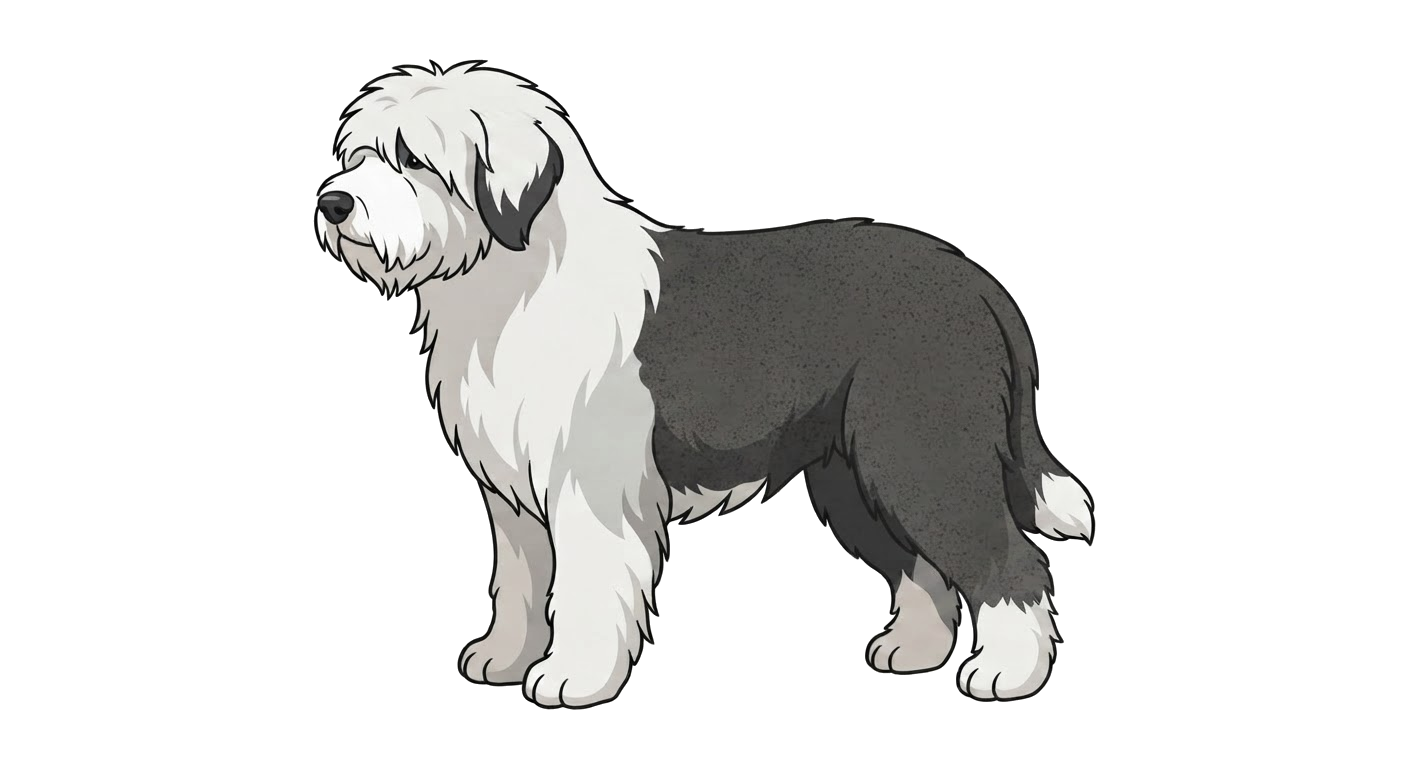
Grizzle and white
Standard colour
A grizzled mix of grey and white hairs.
Timeline
History & development
1700s
West Country origins
Shaggy herding and droving dogs develop in the farmland of Devon and Somerset.
1873
First shown
The breed is exhibited at English dog shows under the name Old English Sheepdog.
1888
Breed club founded
The Old English Sheepdog Club is established in England to promote and standardise the breed.
1965
Popular culture boost
The breed's popularity surges in the United States after appearing in Disney's The Shaggy Dog films.
Reference
Breed standard summary
- body
- Short-coupled, deep, well-sprung ribs.
- coat
- Profuse, shaggy, textured, not straight.
- ears
- Medium, carried flat to the side of the head.
- eyes
- Dark or wall eyes, set well apart.
- gait
- Distinctive bear-like roll when walking.
- head
- Large, square, with a well-defined stop.
- size
- Large, 56-61cm at the shoulder.
- tail
- Customarily docked in some countries, otherwise natural and low-set.
- colour
- Grey and white, Blue and white, Grizzle and white. Colours outside this list are seen but are not accepted by the kennel clubs.
- temperament
- Typical of the breed: strongest in sociability, grooming, trainability. Nervousness or aggression are serious faults in the show ring and in the home.
- general appearance
- A strong, compact, square-looking dog with a profuse, shaggy coat.
Health
What to screen for
Green means little to worry about, amber means ask the breeder for test results, red means manage it actively.
Hip dysplasia
Screen for it
Ask for hip scores on both parents before buying a puppy.
Hereditary cataracts
Screen for it
Request current eye test certification from the breeder.
Hypothyroidism
Screen for it
Thyroid testing is worth requesting in breeding stock.
Deafness
Watch closely
BAER hearing testing is recommended, particularly in merle-influenced lines.
General information only — always speak to your vet about your own dog.
From real owners
Dogs like this
Old English Sheepdogs added by PawPoint members through their pet passports. Share yours to appear here.
Loading the wall…
Made for the Old English Sheepdog
The book, plus prints, hoodies and mugs using our own Old English Sheepdog illustration — and one everyday accessory that suits any dog.

The book
Pawpoint: The Complete Dog Breed Book
Every officially recognised breed plus the unofficial ones nobody else documents. 400+ pages, hardback, printed and shipped from the UK.
Own stock — shipped by us
Framed poster
Old English Sheepdog Framed Poster
Museum-weight print of our Old English Sheepdog illustration, framed or unframed.
Printed to order
Hoodie
Old English Sheepdog Hoodie
Heavyweight hoodie carrying the Old English Sheepdog illustration on the chest.
Printed to order
Mug
Old English Sheepdog Mug
Ceramic mug with the Old English Sheepdog illustration wrapped around it.
Printed to order
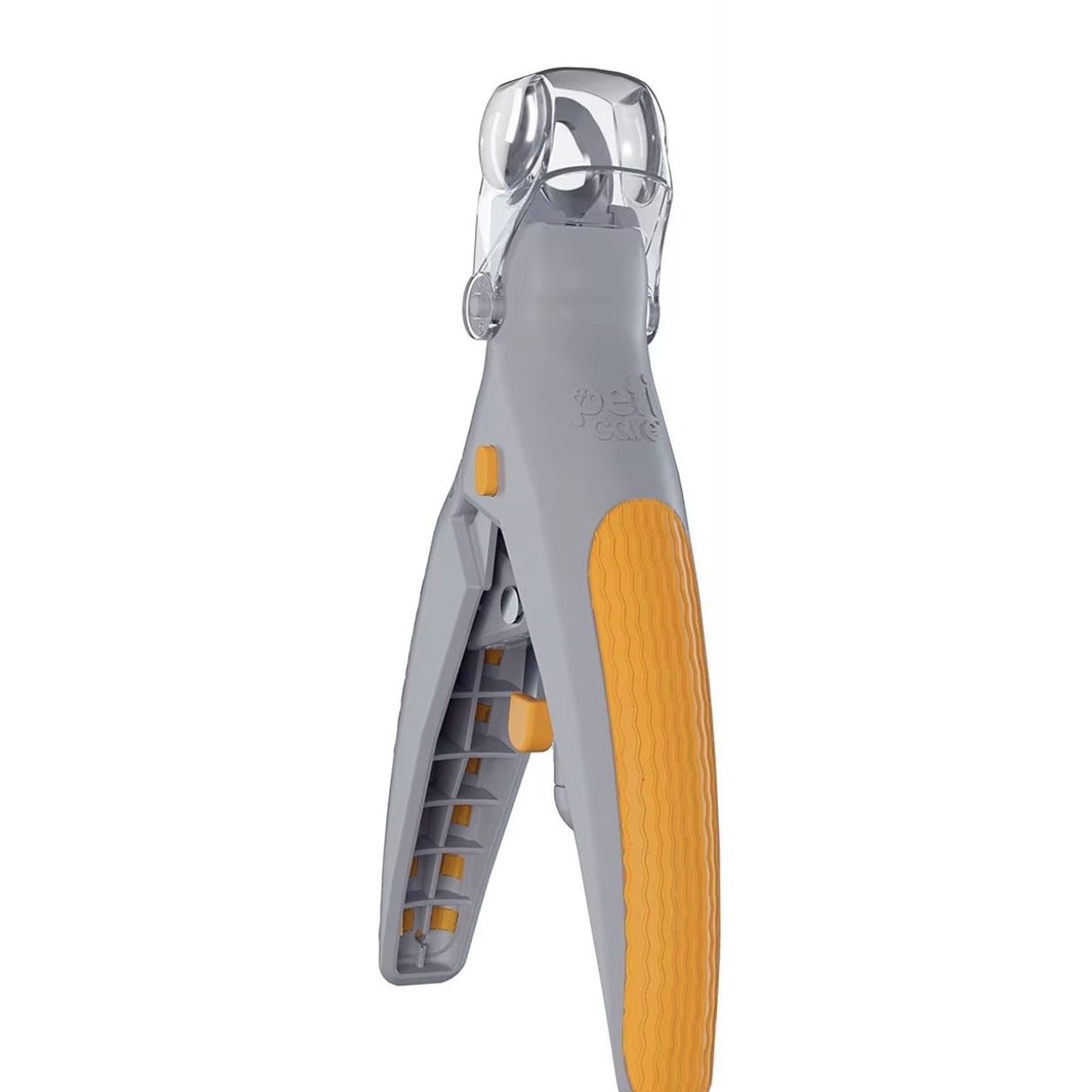
Accessory
Nail Clippers & Grinder
Safety-guard clippers with a quiet rotary grinder.
Fits any dog

Pawpoint on YouTube
Watch the full Old English Sheepdog video
Breed deep-dives, history and honest ownership talk. New film every week.
Watch now