Otterhound
OT-uhr-hownd
England· Rivers and waterways of England
The Otterhound is a large, shaggy-coated scent hound from England, bred specifically for the now-banned sport of otter hunting, and is today one of the rarest breeds in the world.
At a glance
Quick facts
Size
Large
Exercise needs
60-90 minutes daily, ideally with swimming
Home size suited to
Medium to large home
Grooming frequency
Twice weekly brush
Coat length
Medium
Sheds
Yes, heavily when moulting
Lifespan
10-13 years
Town or country
Happiest in the country
Garden size needed
Medium or larger
Where it comes from
Origins of the Otterhound
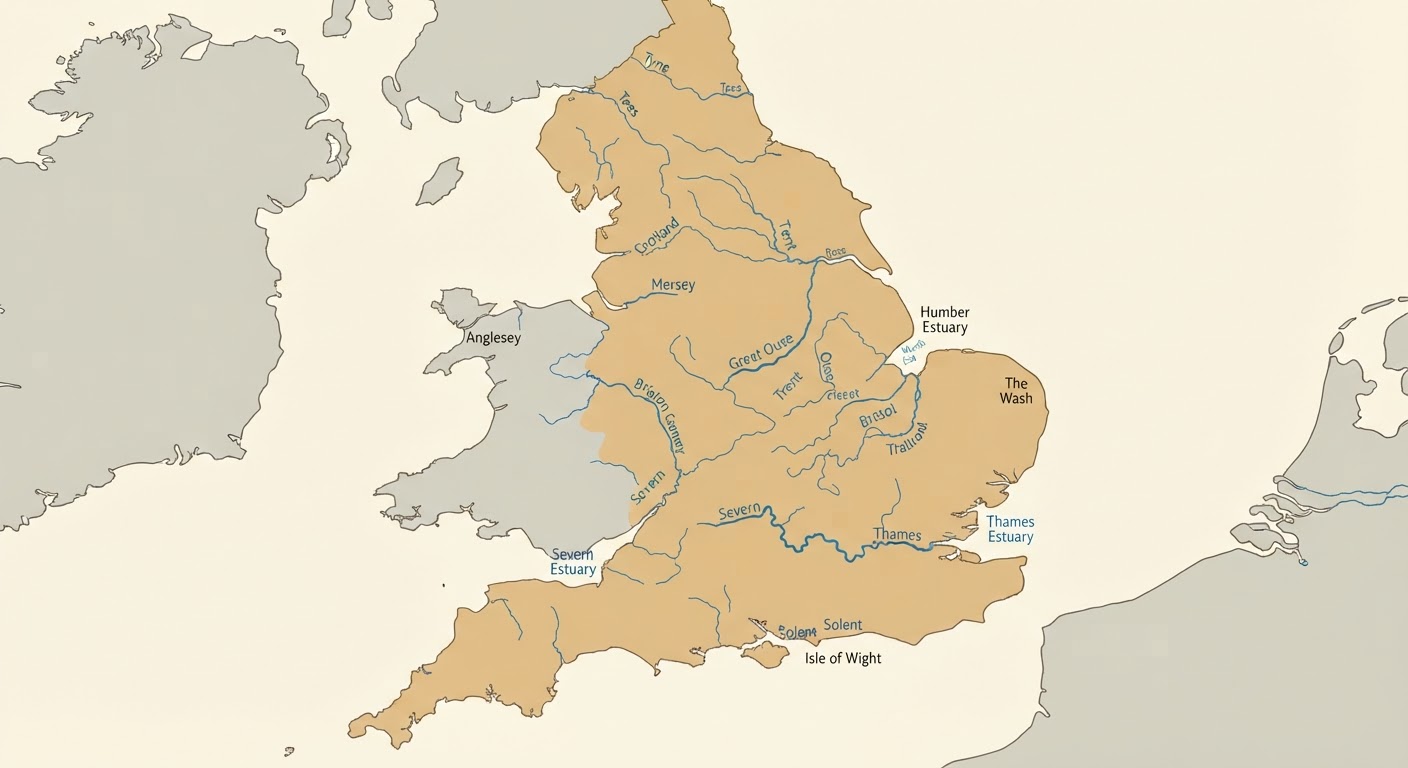
Bred to work England's rivers and waterways, the Otterhound needed a dense, oily, waterproof coat and webbed feet to swim for hours tracking otters, a role that vanished when otter hunting was banned in 1978.
- Region
- Rivers and waterways of England
- Climate it was bred for
- Cool, wet English countryside
- Original job
- Hunting otters in rivers
The long read
About the breed
Developed over centuries in England, the Otterhound combines the scenting ability of bloodhound-type dogs with a dense, oily, waterproof double coat and webbed feet suited to swimming in cold rivers. Packs of Otterhounds were used to hunt otters, then considered a threat to fish stocks, working through rivers and marshland for hours at a time. When otter hunting was banned in the United Kingdom in 1978, the breed lost its original purpose almost overnight, and numbers, already modest, declined sharply as fewer people kept working packs.
Living with an Otterhound means living with a large, good-natured, somewhat clumsy dog that loves water more than almost any other breed. It is affectionate, sociable and generally excellent with children, but its size and enthusiasm mean it is not always the most graceful presence in a small home. It has a loud, distinctive baying voice, a legacy of pack hunting where hounds needed to be heard over long distances, and this makes it unsuitable for noise-sensitive neighbourhoods.
Its coat needs regular brushing to prevent matting and manage its natural oiliness, and the breed's love of water means frequent muddy, wet returns from walks near rivers or ponds. Exercise needs are considerable, reflecting its hunting stamina, and it does best with access to safe water for swimming.
Today the Otterhound is critically endangered, with only a few dozen registered annually in Britain, kept almost entirely by dedicated enthusiasts working to keep the breed from disappearing altogether.
Living with one
Temperament & needs
Our own ratings, based on the breed standard and how these dogs behave in ordinary homes.
Friendliness
5/5
How openly the Otterhound greets people it does not know.
Trainability
3/5
Independent-minded, though generally biddable with patience.
Energy
4/5
Needs plenty of exercise, ideally including swimming.
Barking
4/5
Has a loud, distinctive baying voice used to full effect.
Grooming
4/5
Dense, oily coat needs regular brushing.
Suits a first-time owner
3/5
How forgiving the Otterhound is for someone taking on their first dog.
Sociability
5/5
Very friendly, good with children and other dogs.
Independence
3/5
Follows its nose readily once on a scent.
Illustrated breed standard
The points of the breed
Hover or tap a numbered point to read what the standard asks for.
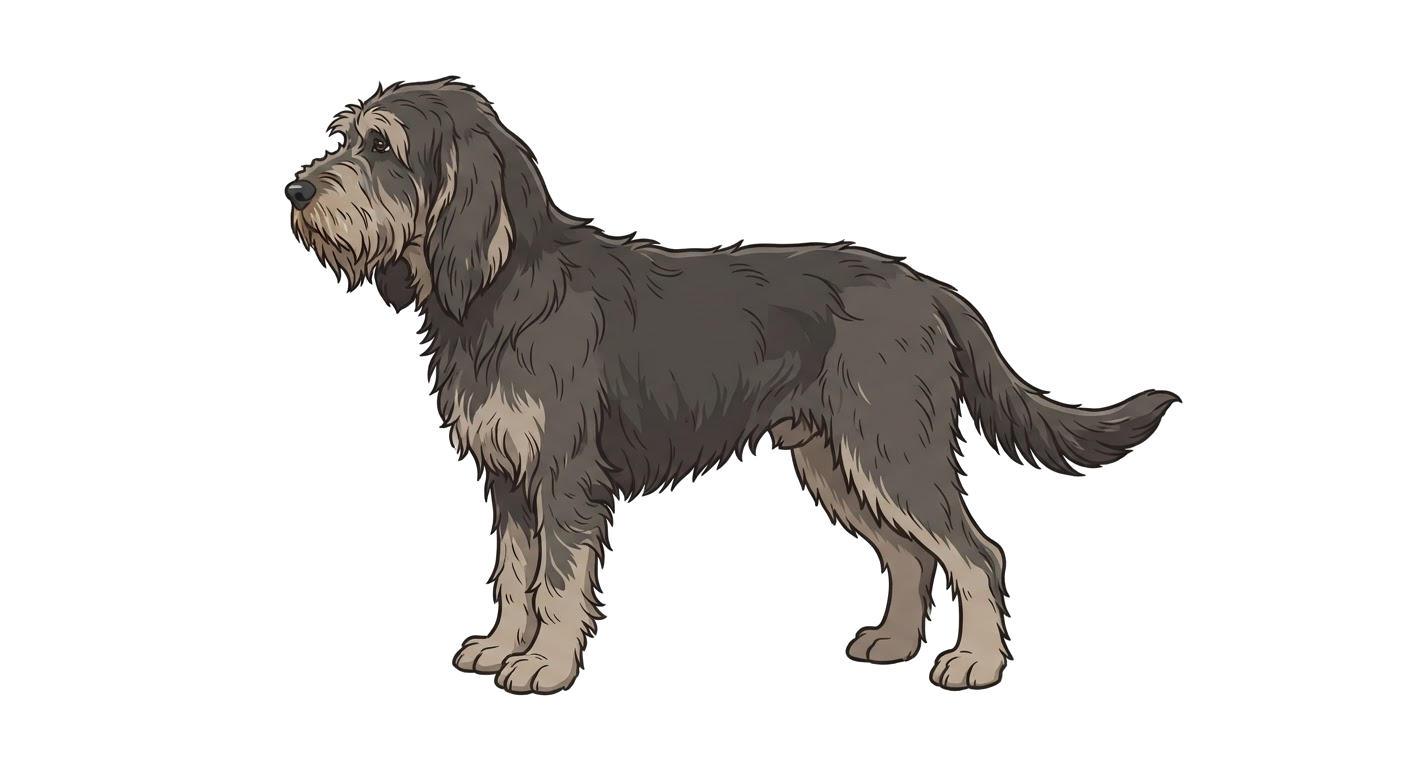
Point 1
Skull
The Otterhound's skull is judged on balance rather than size — proportionate to the body, with a clean cheek and a stop typical of the breed. Coarseness or an over-refined head are both faulted.
Colours & patterns
Recognised coats
Which coats the standard accepts — and which are simply popular.
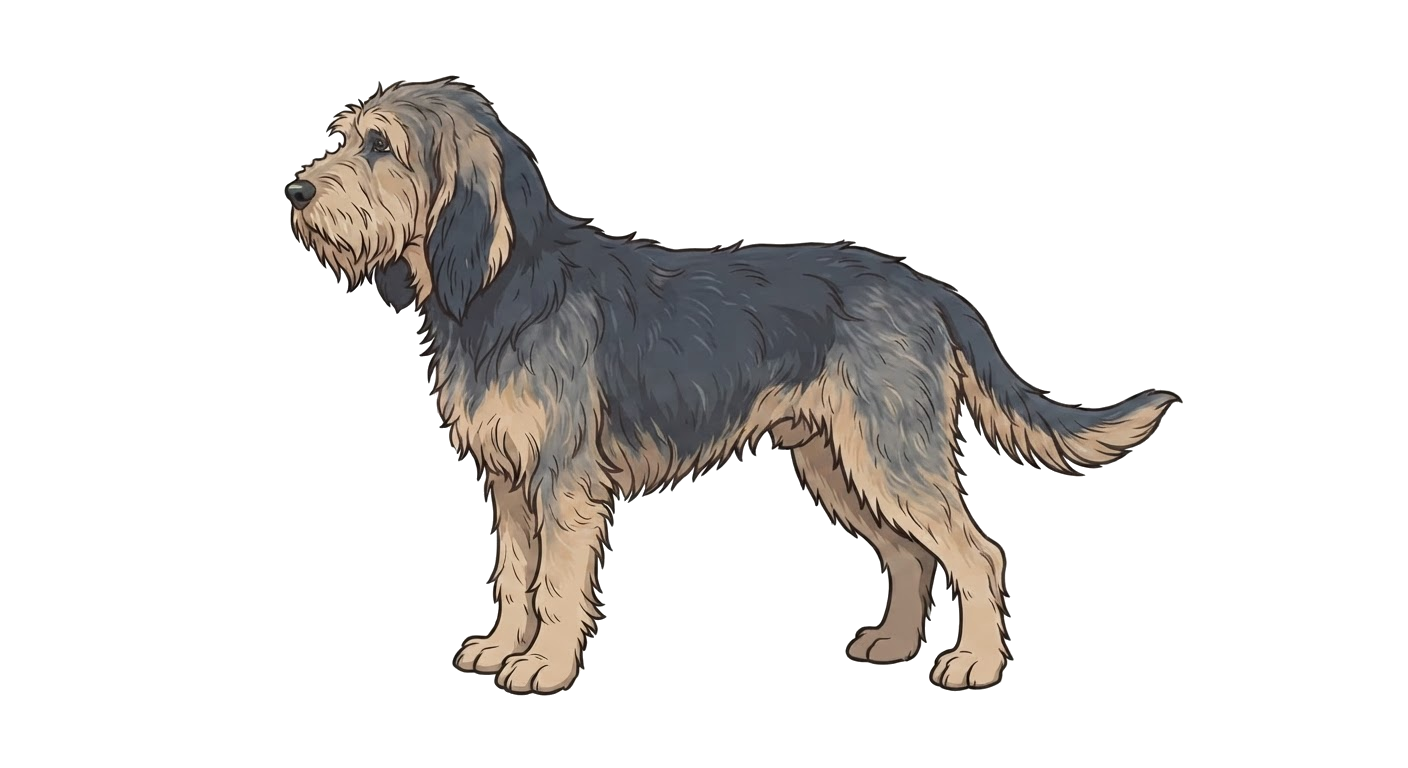
Grizzle
Standard colour
A grizzled grey-brown mix, one of the most common colours.
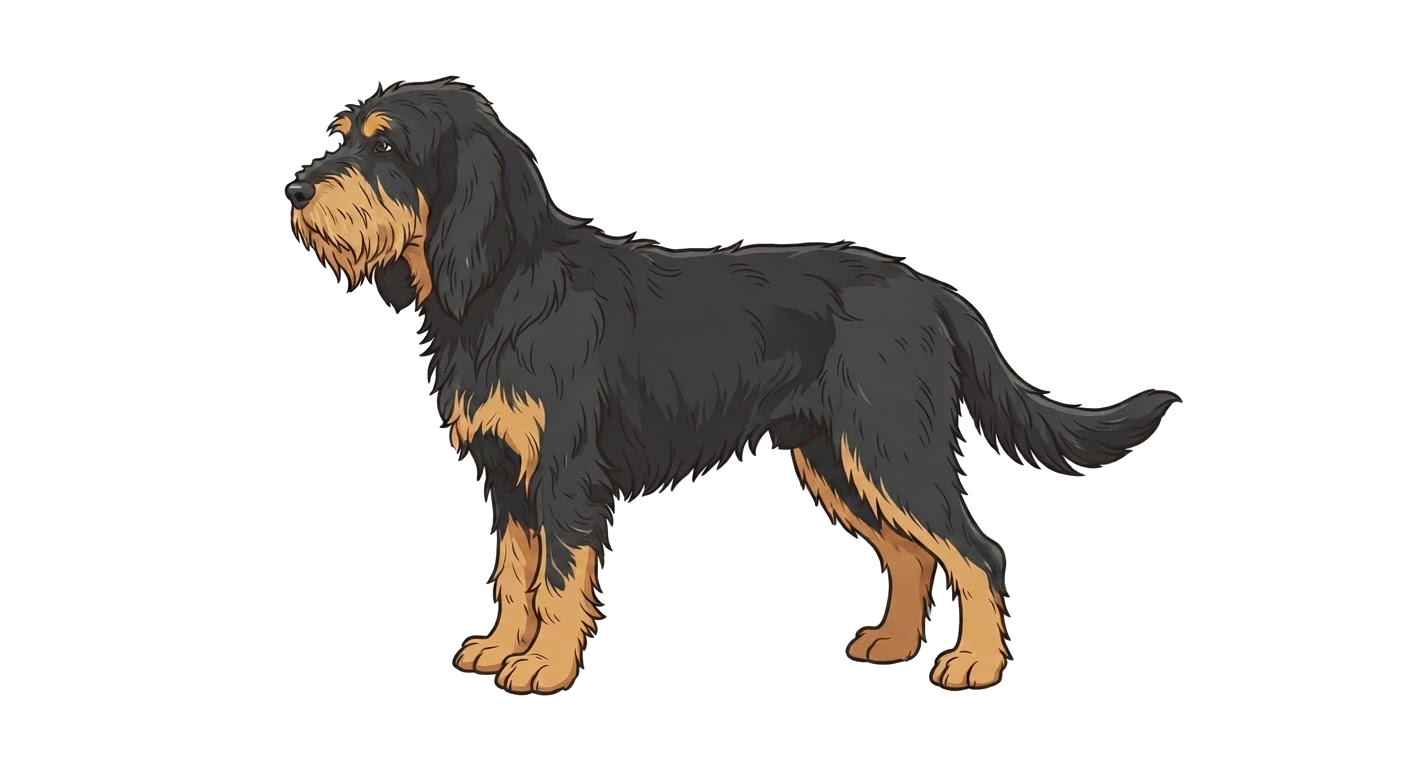
Black and tan
Standard colour
Black body with tan points, a classic hound colouring.
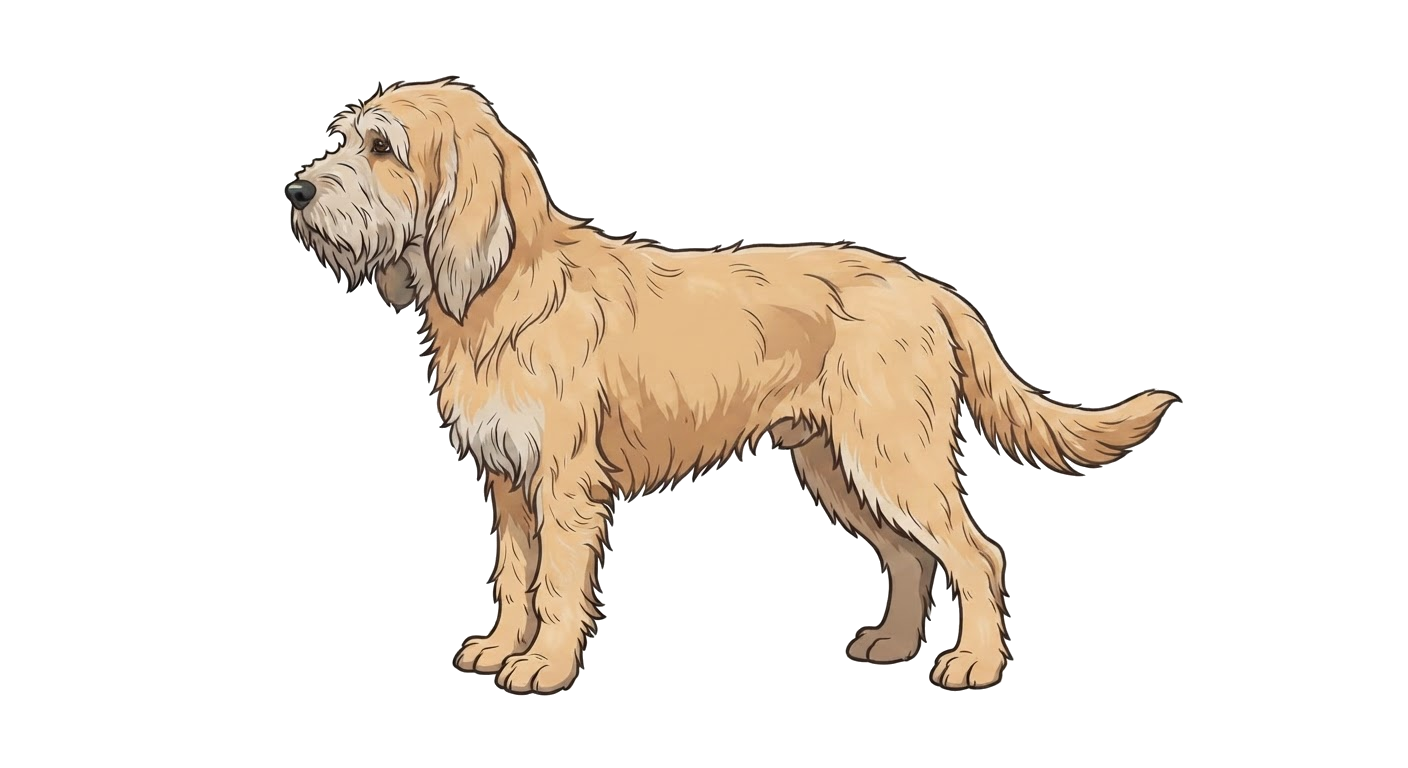
Wheaten
Standard colour
A pale golden shade seen in some lines.
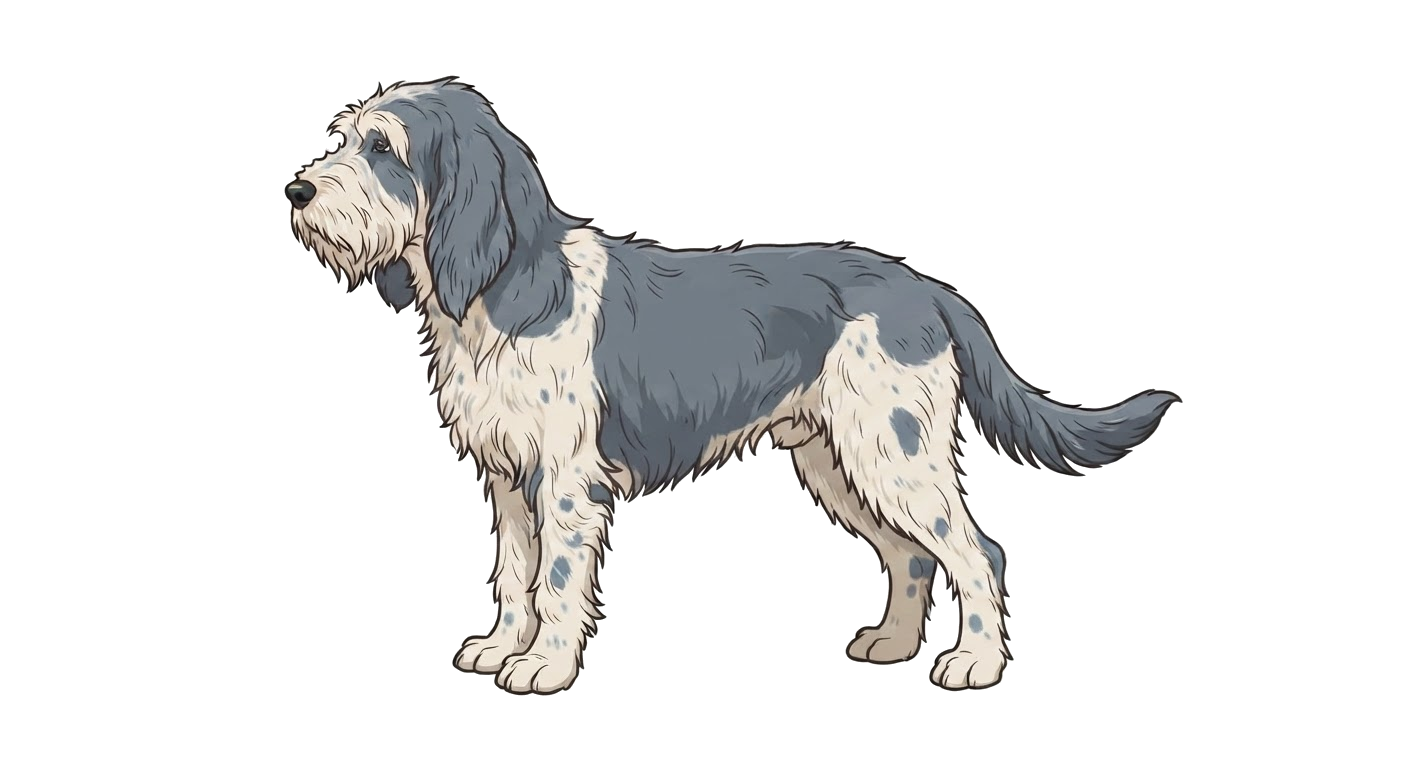
Blue and white
Standard colour
A less common but accepted combination.
Timeline
History & development
1200s
Early mentions
References to otter-hunting hounds appear in English royal records under King John.
1800s
Breed refinement
Packs of Otterhounds are refined and kept by dedicated hunting clubs across England.
1978
Otter hunting banned
Otter hunting becomes illegal in the UK, removing the breed's original working purpose overnight.
Present day
Conservation efforts
The Otterhound is classified as a vulnerable native breed, with dedicated clubs working to preserve it.
Reference
Breed standard summary
- body
- Long, deep-chested, powerfully built.
- coat
- Rough, dense, oily, and waterproof.
- ears
- Long, pendulous, framing the face.
- eyes
- Dark, deep-set, with a thoughtful expression.
- gait
- Long, easy stride suited to covering distance.
- head
- Large, with a broad muzzle and pronounced brow.
- size
- Large, 60-69cm at the shoulder.
- tail
- Thick at the base, carried up when moving.
- colour
- Grizzle, Black and tan, Wheaten, Blue and white. Colours outside this list are seen but are not accepted by the kennel clubs.
- temperament
- Typical of the breed: strongest in sociability, energy, barking. Nervousness or aggression are serious faults in the show ring and in the home.
- general appearance
- A large, rough-coated hound of considerable strength, built for stamina in water and on land.
Health
What to screen for
Green means little to worry about, amber means ask the breeder for test results, red means manage it actively.
Hip dysplasia
Watch closely
Very common in the breed; insist on hip scores on both parents.
Bloat (gastric torsion)
Watch closely
A deep-chested breed prone to bloat; feed smaller meals and avoid exercise around feeding.
Elbow dysplasia
Screen for it
Ask for elbow scores alongside hip scores.
Epilepsy
Watch closely
Ask the breeder about seizure history in the wider bloodline.
General information only — always speak to your vet about your own dog.
From real owners
Dogs like this
Otterhounds added by PawPoint members through their pet passports. Share yours to appear here.
Loading the wall…
Made for the Otterhound
The book, plus prints, hoodies and mugs using our own Otterhound illustration — and one everyday accessory that suits any dog.
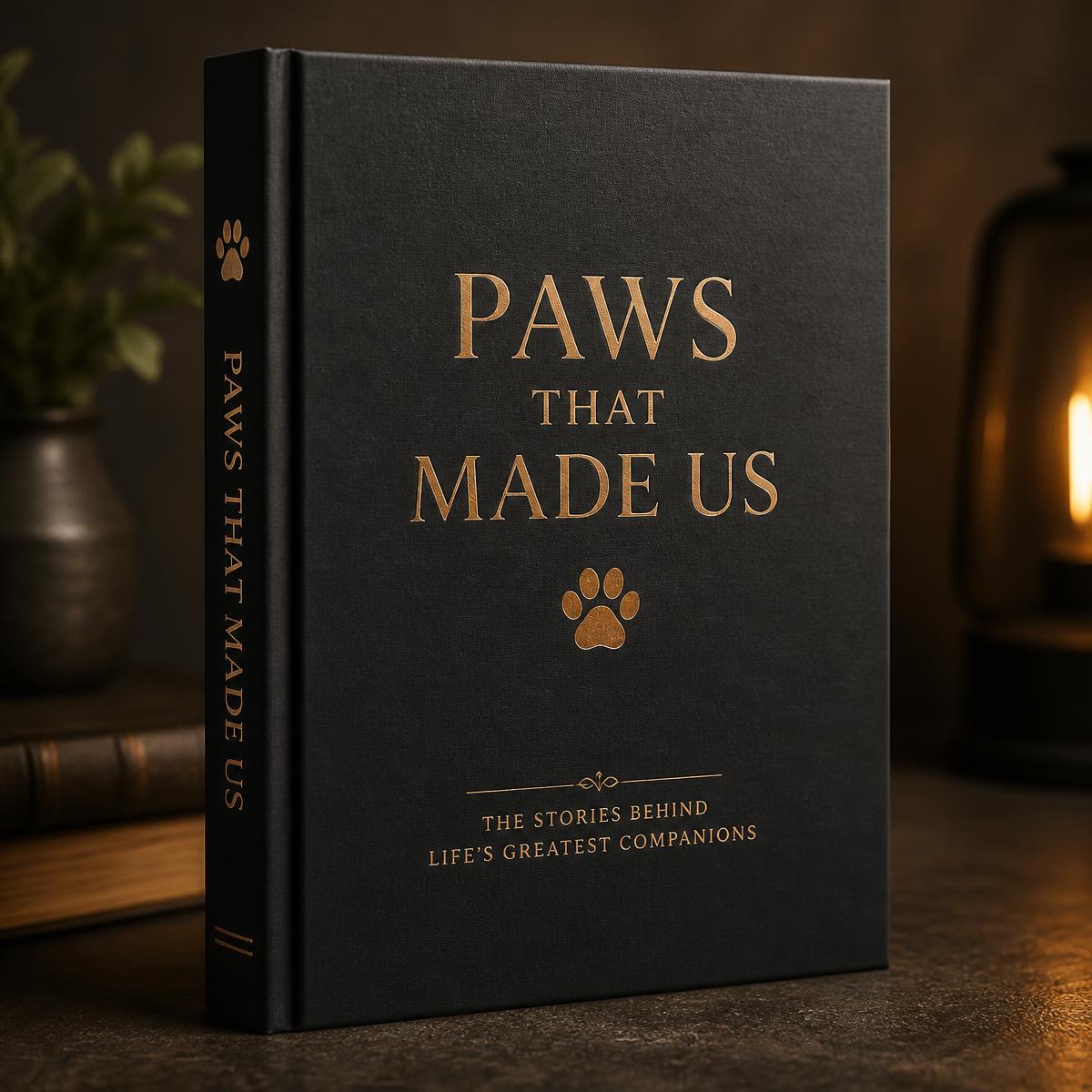
The book
Pawpoint: The Complete Dog Breed Book
Every officially recognised breed plus the unofficial ones nobody else documents. 400+ pages, hardback, printed and shipped from the UK.
Own stock — shipped by us
Framed poster
Otterhound Framed Poster
Museum-weight print of our Otterhound illustration, framed or unframed.
Printed to order
Hoodie
Otterhound Hoodie
Heavyweight hoodie carrying the Otterhound illustration on the chest.
Printed to order
Mug
Otterhound Mug
Ceramic mug with the Otterhound illustration wrapped around it.
Printed to order
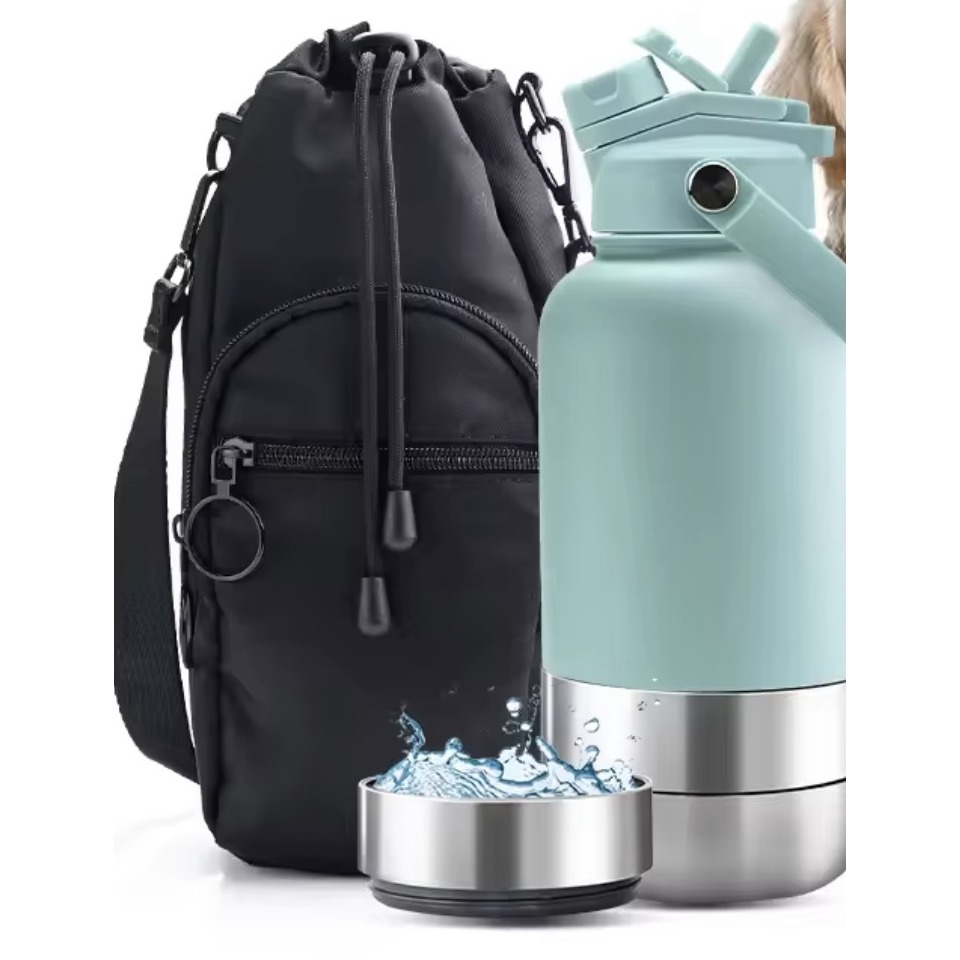
Accessory
Travel Water Bottle & Bowl
550ml bottle with a fold-out drinking trough.
Fits any dog
Pawpoint on YouTube
Watch the full Otterhound video
Breed deep-dives, history and honest ownership talk. New film every week.
Watch now