Pandikona
pahn-dih-KOH-nuh
India· Kurnool District, Andhra Pradesh, India
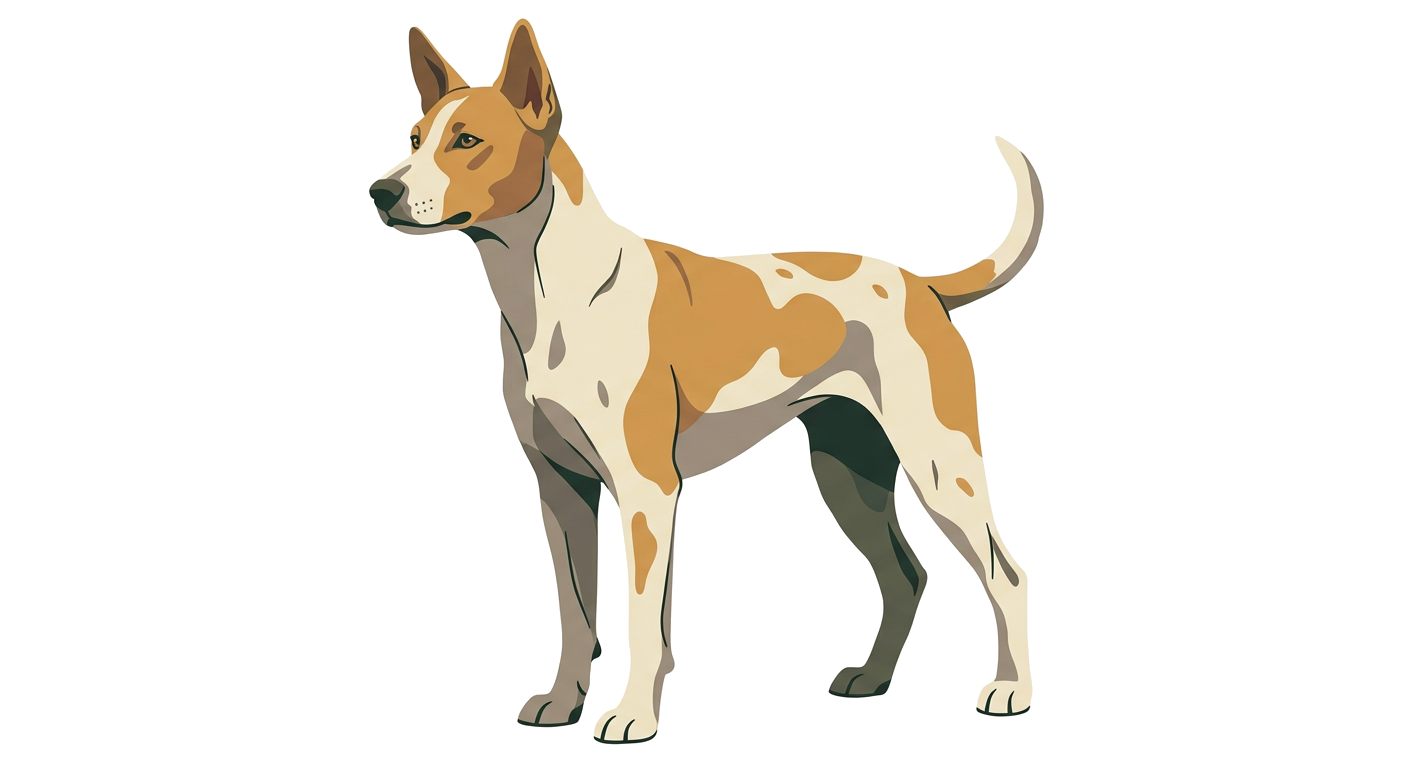
The Pandikona is an ancient landrace hound originating from the Kurnool district of Andhra Pradesh in southern India. Named after the village of Pandikona, the breed developed largely through natural and functional selection rather than formal pedigree breeding programmes. Historically kept by local pastoralists, farmers, and hunters, these dogs were valued for their stamina, keen senses, and ability to track and tackle wild boar, hare, and other regional game.
At a glance
Quick facts
Size
Medium
Exercise needs
High (needs regular vigorous activity)
Home size suited to
Spacious home or rural holding
Grooming frequency
Minimal (occasional brushing)
Coat length
Short
Sheds
Low to moderate
Lifespan
10–14 years
Town or country
Country or rural fringe
Garden size needed
Large and securely fenced
Where it comes from
Origins of the Pandikona
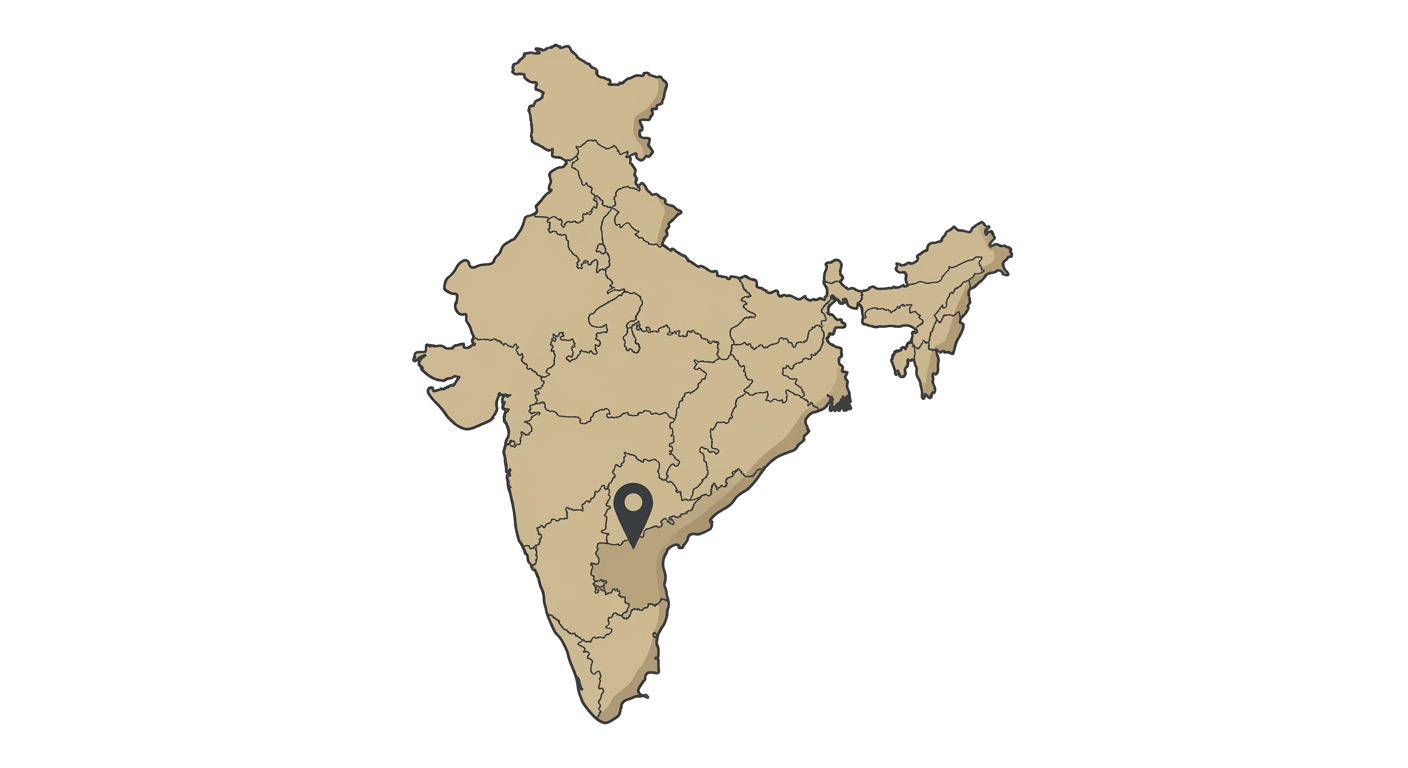
Developed in the rocky, scrub-covered terrain of Andhra Pradesh as an adaptable hunting hound and homestead protector.
- Region
- Kurnool District, Andhra Pradesh, India
- Climate it was bred for
- Semi-arid tropical
- Original job
- Hunting small-to-medium game and property guarding
The long read
About the breed
Physically, the Pandikona is a medium-sized, athletic dog presenting characteristics of both primitive pariah types and functional sighthounds. Built for speed, endurance, and harsh semi-arid terrain, the breed possesses a lean muscular frame, a short protective coat, and upright or semi-pricked ears. Their coats typically range from shades of fawn, cream, and red to white-patched or pied variations, suited to blending into dry scrubland environments.
Today, the Pandikona remains relatively rare outside its native geographical enclave and is not widely recognized by major international kennel registries. Because systematic scientific studies and official studbooks are limited, much of what is recorded relies on regional observation and breed enthusiast documentation. Conservation efforts within India have steadily increased in recent years to preserve the genetic purity and working heritage of this resilient indigenous hound.
Illustrated breed standard
The points of the breed
Hover or tap a numbered point to read what the standard asks for.
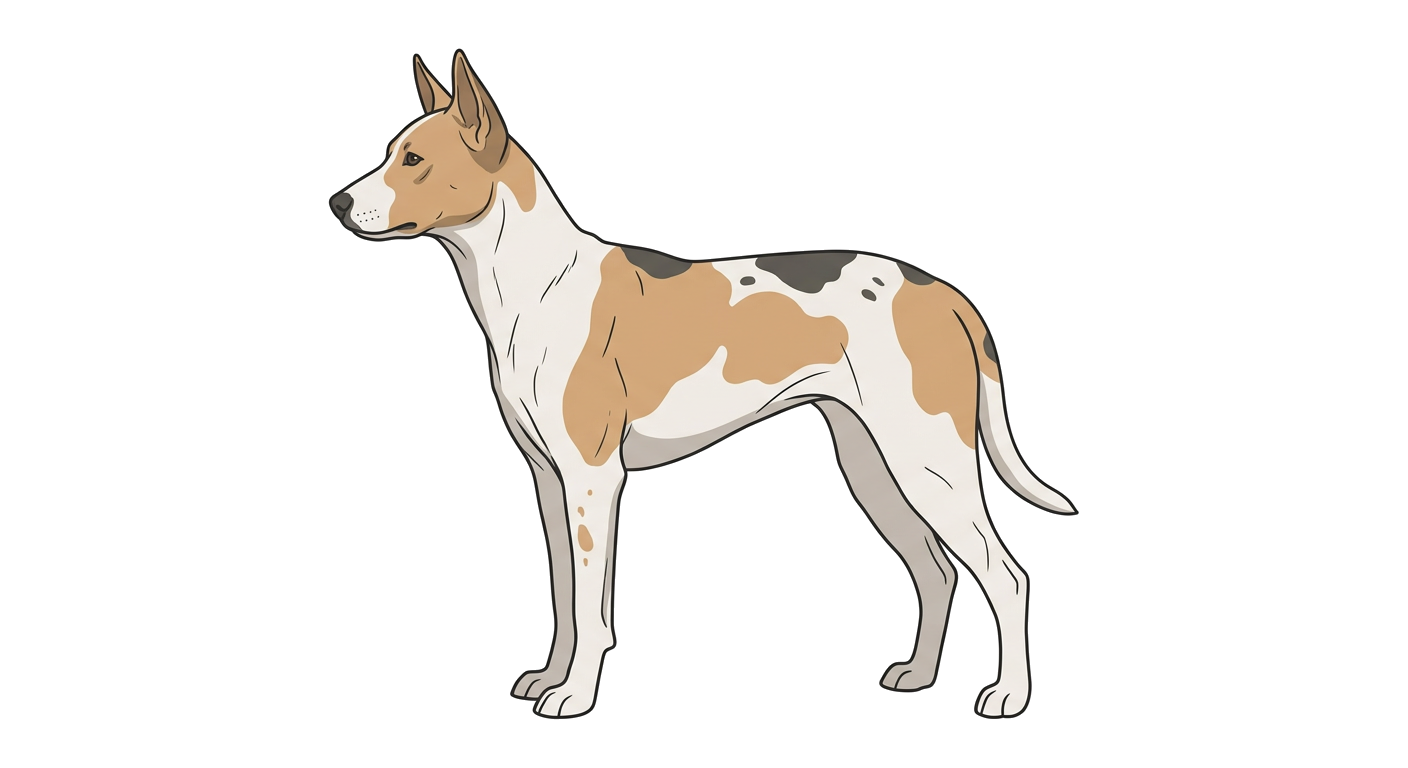
Point 1
Skull
The Pandikona's skull is judged on balance rather than size — proportionate to the body, with a clean cheek and a stop typical of the breed. Coarseness or an over-refined head are both faulted.
Colours & patterns
Recognised coats
Which coats the standard accepts — and which are simply popular.
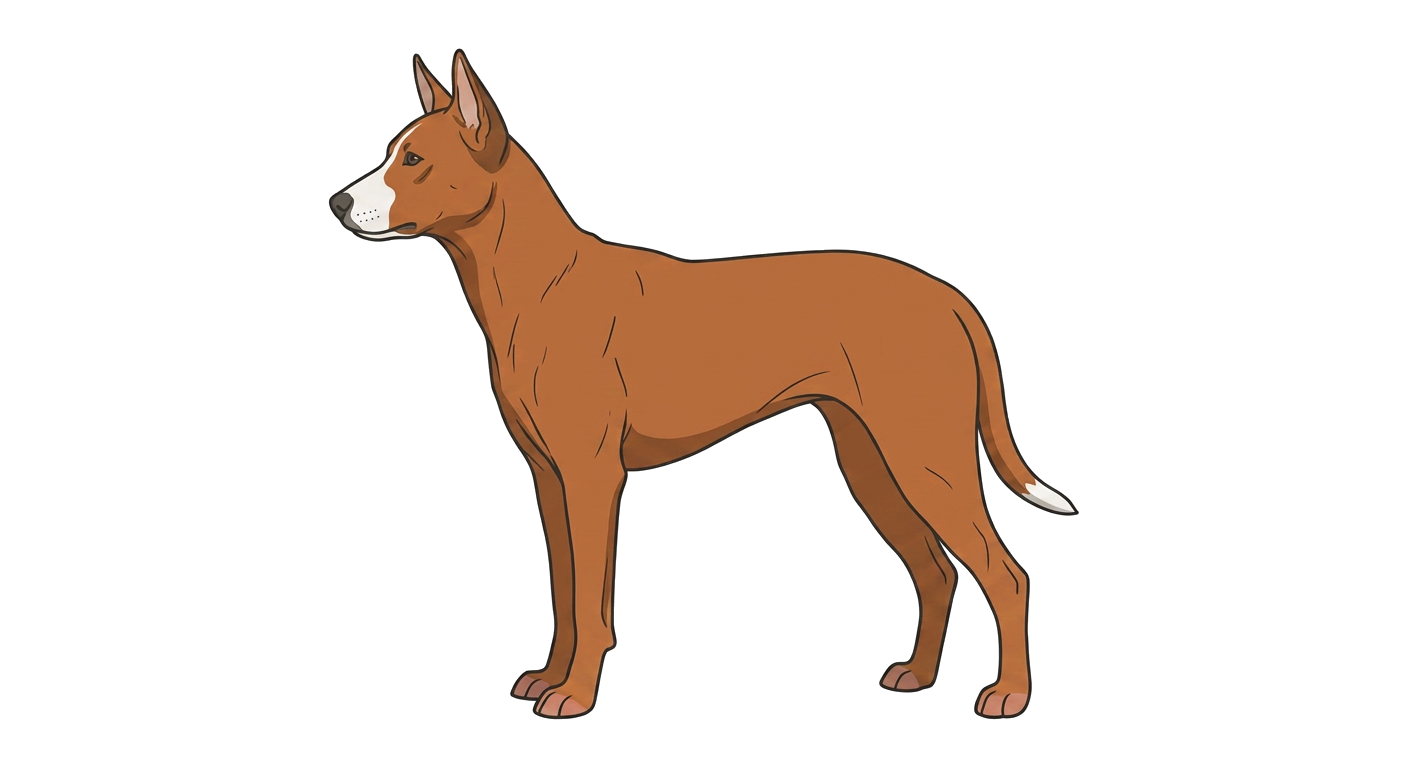
Fawn and Red
Standard colour
The most traditional shade, ranging from warm yellow-fawn to deeper reddish-tan.
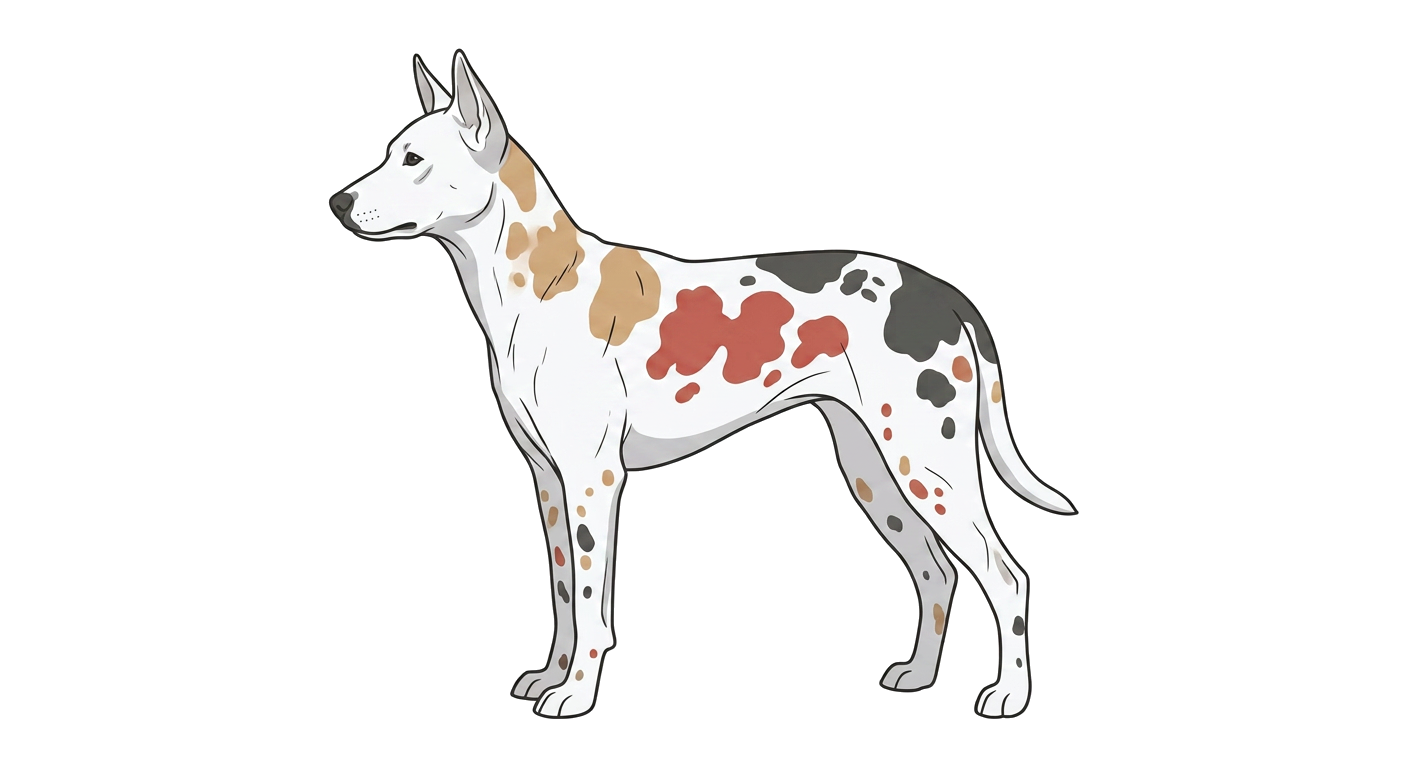
White and Pied
Standard colour
White base coat with variable patches of fawn, red, or dark pigmentation.
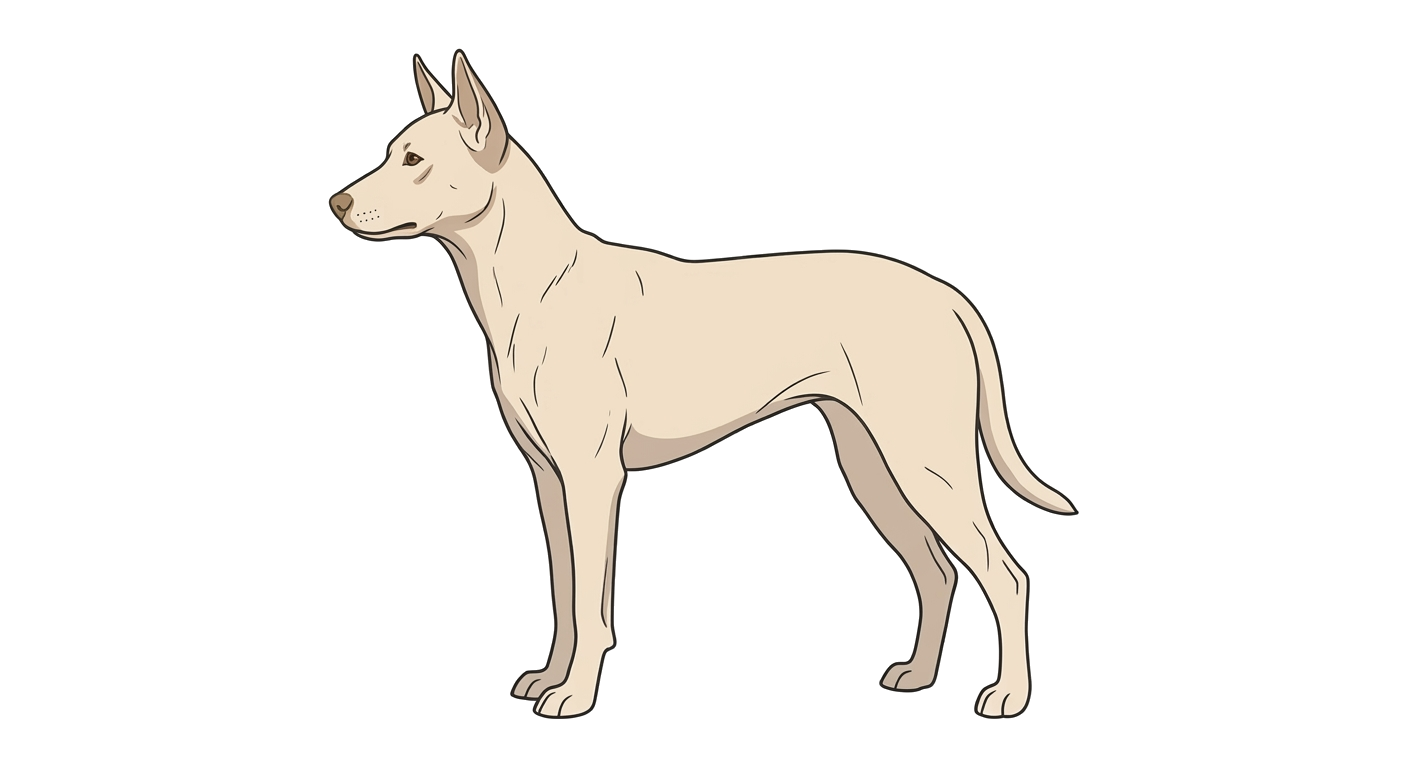
Cream and Buff
Standard colour
A paler shade of solid or near-solid buff, well suited to desert camouflage.
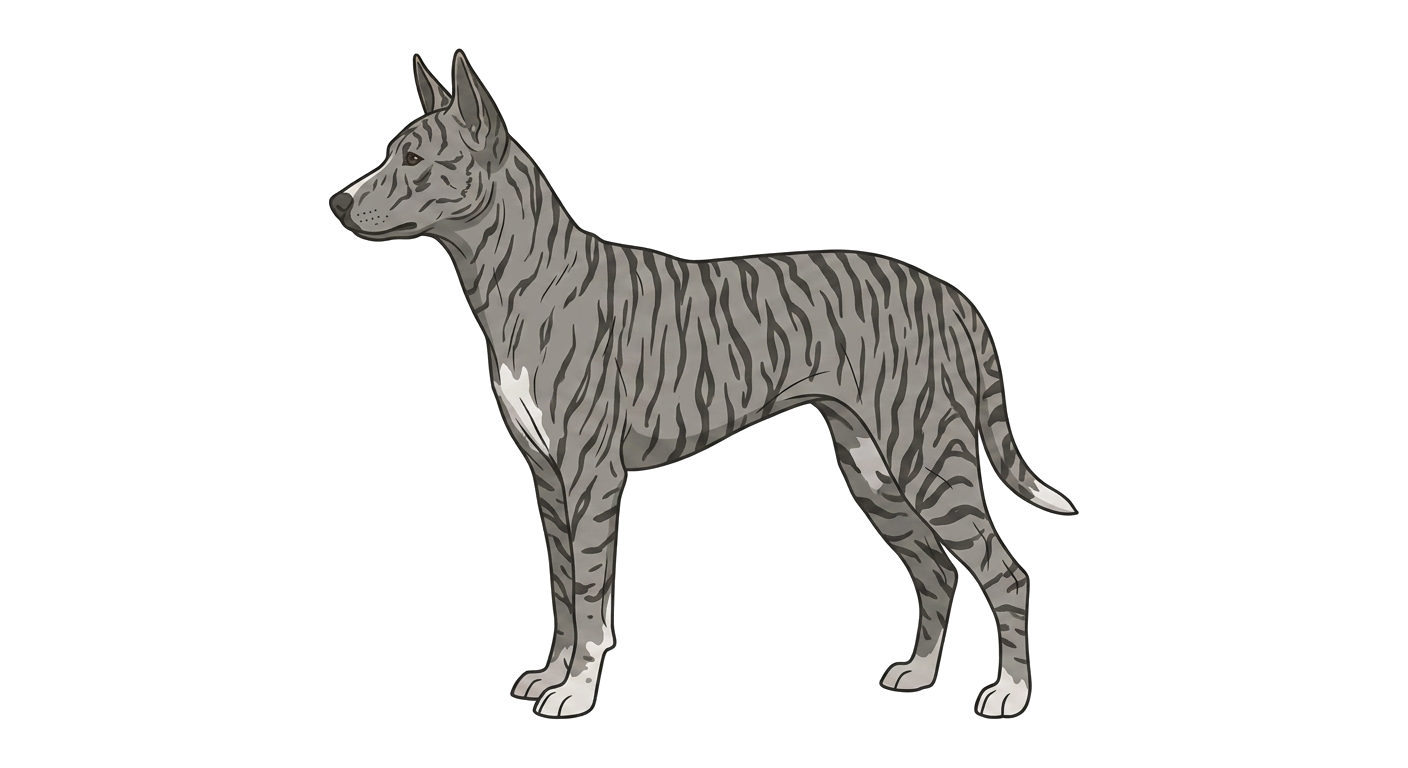
Brindle
Standard colour
Darker tiger-stripe patterning over a fawn or grey ground, seen less frequently.
Timeline
History & development
c. 1800s
Agrarian and Hunting Roots
Local pastoral and farming communities in western Andhra Pradesh maintain packs of indigenous hounds for defending crops against predators and hunting wild game across rocky scrubland.
Mid-20th Century
Sustained Regional Isolation
The breed continues to exist primarily as an isolated working landrace, prized by regional hunters for its fearless disposition and ability to withstand prolonged heat and scarce sustenance.
2010s
Preservation Initiatives
Indian indigenous canine enthusiasts and local welfare bodies begin cataloguing the breed to encourage native breed conservation and prevent genetic dilution from urban stray populations.
Reference
Breed standard summary
- body
- Compact yet flexible, with a level topline, moderately deep chest allowing for lung capacity, well-sprung ribs, and a distinct abdominal tuck-up.
- coat
- Short, dense, and harsh to the touch, providing protection against thorns and harsh sunlight without retaining excessive heat.
- ears
- Medium in size, erect or semi-erect, mobile, carried alertly when attentive and folded backwards when in motion.
- eyes
- Almond-shaped, medium in size, set slightly obliquely, ranging in colour from hazel to dark brown, displaying a vigilant and sharp expression.
- gait
- Light-footed, free, and economical, demonstrating good reach and drive suitable for traversing uneven, rocky terrain.
- head
- Wedge-shaped and clean-cut, tapering moderately towards the nose with a flat skull and slight to moderate stop.
- size
- Typically stands between 48 cm and 66 cm at the withers, though variations occur due to the landrace nature of the breed.
- tail
- Moderate in length, set relatively low, carried low or slightly curved upwards in a sabre fashion when the dog is excited.
- colour
- Predominantly shades of fawn, cream, red, and yellow, frequently seen with white markings or in pied configurations; occasional brindle patterns occur.
- muzzle
- Strong and tapering, roughly equal in length to the skull, with tight lips and strong jaws meeting in a scissor bite.
- temperament
- Highly territorial, loyal to its handler, independent, and naturally suspicious of strangers, retaining pronounced predatory and protective drives.
- general appearance
- Medium-sized, lean, and athletic hound with a pariah-type silhouette, exhibiting strength, agility, and keen alertness without excessive bulk.
Health
What to screen for
Green means little to worry about, amber means ask the breeder for test results, red means manage it actively.
Tick-Borne Diseases
Screen for it
Common in rural semi-arid environments; routine tick prevention is essential to avoid conditions such as ehrlichiosis.
Field and Hunting Injuries
Screen for it
Abrasions, footpad lacerations, and musculoskeletal strains can occur when navigating rough, thorny scrubland.
Heat Stress / Dehydration
Watch closely
Highly heat-tolerant by nature, but high-intensity work in extreme summer temperatures warrants adequate hydration and shade.
General information only — always speak to your vet about your own dog.
From real owners
Dogs like this
Pandikonas added by PawPoint members through their pet passports. Share yours to appear here.
Loading the wall…
Made for the Pandikona
The book, plus prints, hoodies and mugs using our own Pandikona illustration — and one everyday accessory that suits any dog.
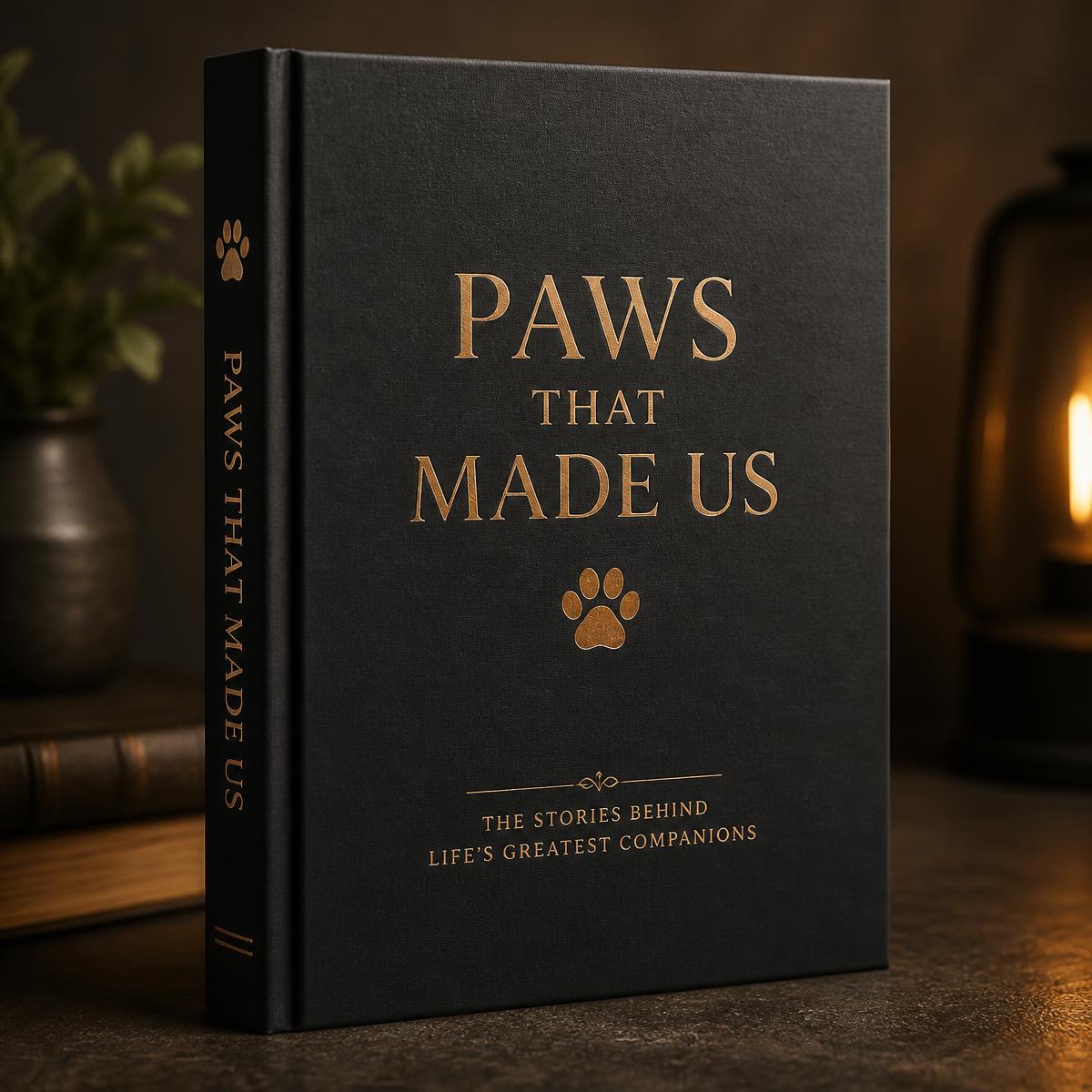
The book
Pawpoint: The Complete Dog Breed Book
Every officially recognised breed plus the unofficial ones nobody else documents. 400+ pages, hardback, printed and shipped from the UK.
Own stock — shipped by us
Framed poster
Pandikona Framed Poster
Museum-weight print of our Pandikona illustration, framed or unframed.
Printed to order
Hoodie
Pandikona Hoodie
Heavyweight hoodie carrying the Pandikona illustration on the chest.
Printed to order
Mug
Pandikona Mug
Ceramic mug with the Pandikona illustration wrapped around it.
Printed to order
Accessory
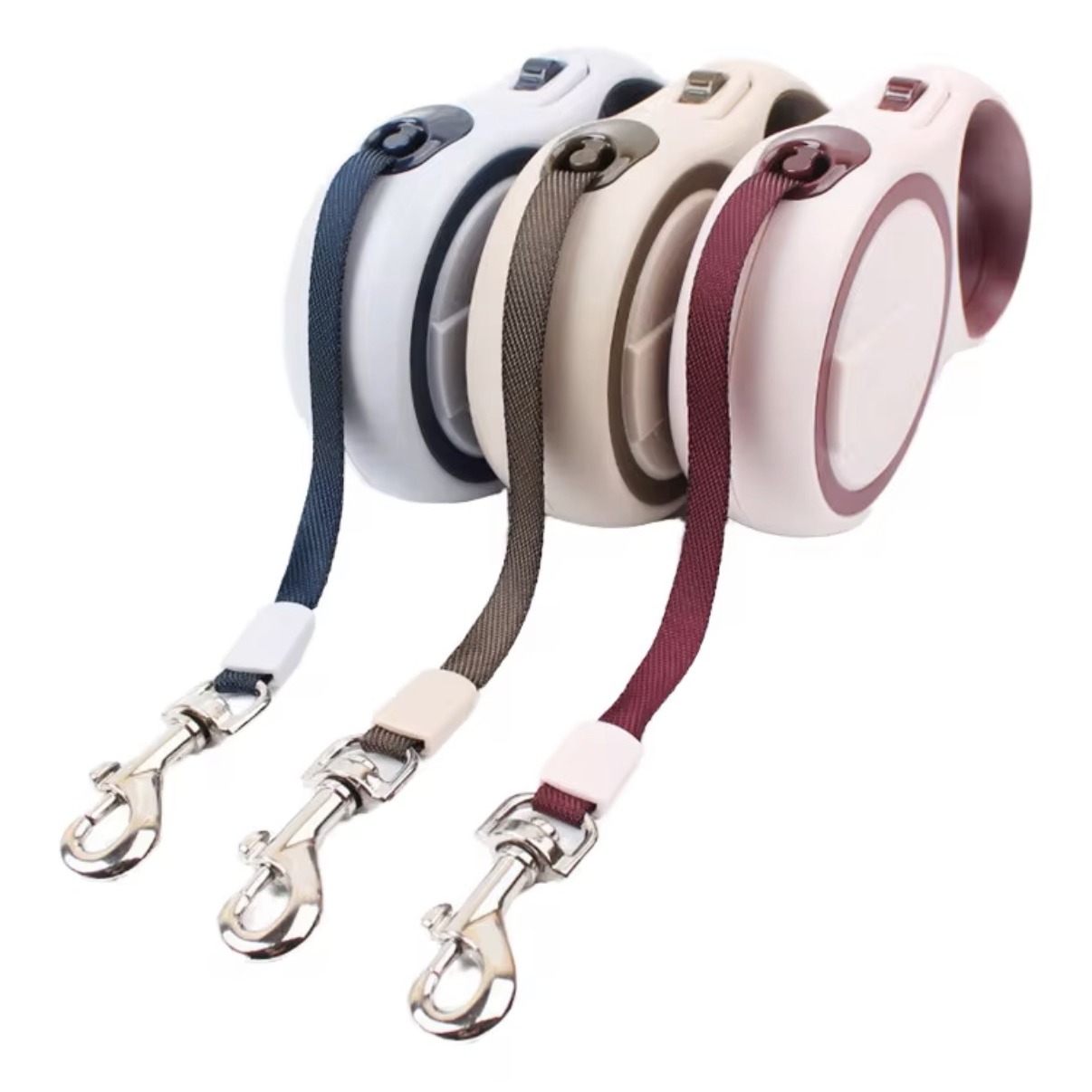
Retractable Lead
5m retractable with one-touch brake.
Fits any dog
Pawpoint on YouTube
Watch the full Pandikona video
Breed deep-dives, history and honest ownership talk. New film every week.
Watch now