
Papillon
PAP-ee-on
France· France, Belgium and Spain
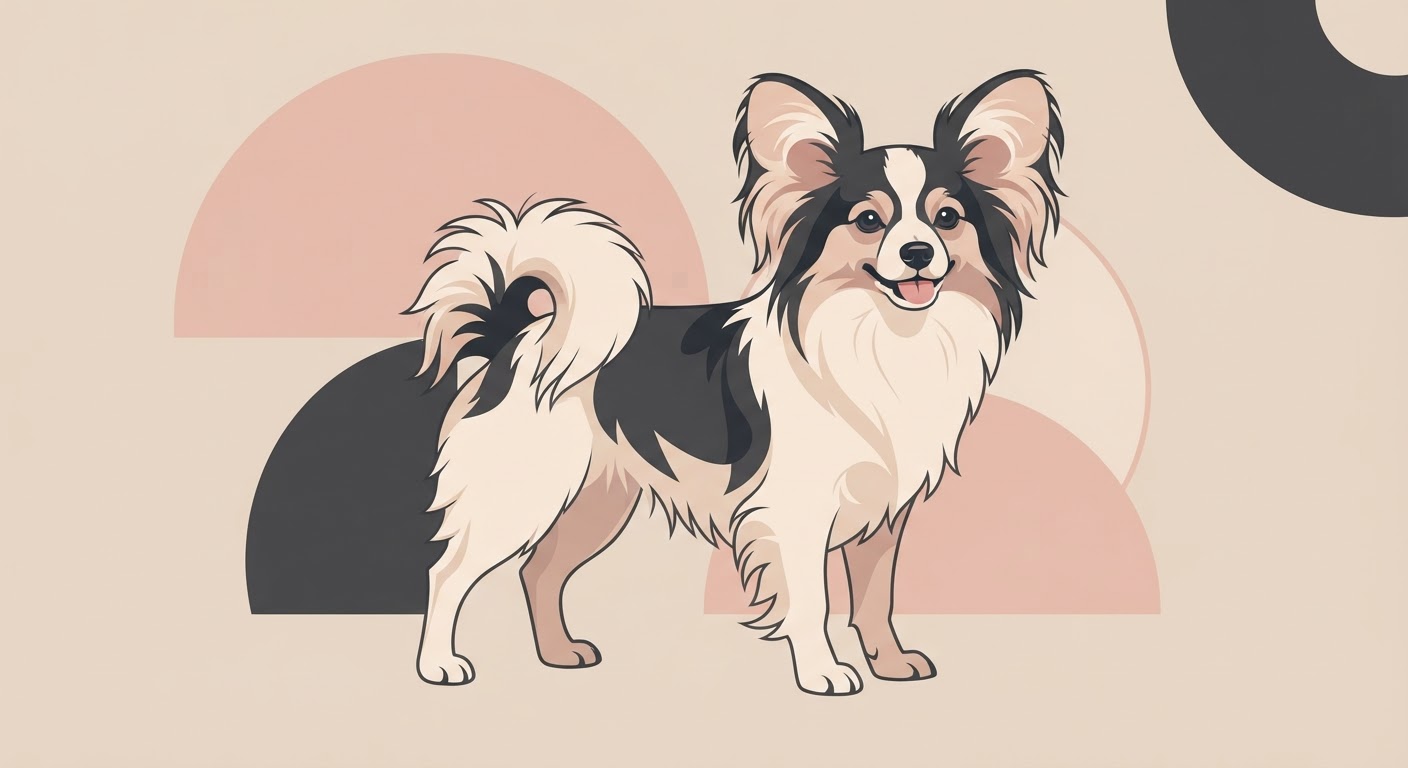
The Papillon is a small toy spaniel-type dog named for its distinctive butterfly-like ears, developed across France, Belgium and Spain over centuries as a companion to European nobility.
At a glance
Quick facts
Size
Toy
Exercise needs
30-45 minutes daily
Home size suited to
Flat or any size home
Grooming frequency
Daily brushing
Coat length
Long
Sheds
Yes
Lifespan
14-16 years
Town or country
Either, happy in town
Garden size needed
None needed
Where it comes from
Origins of the Papillon
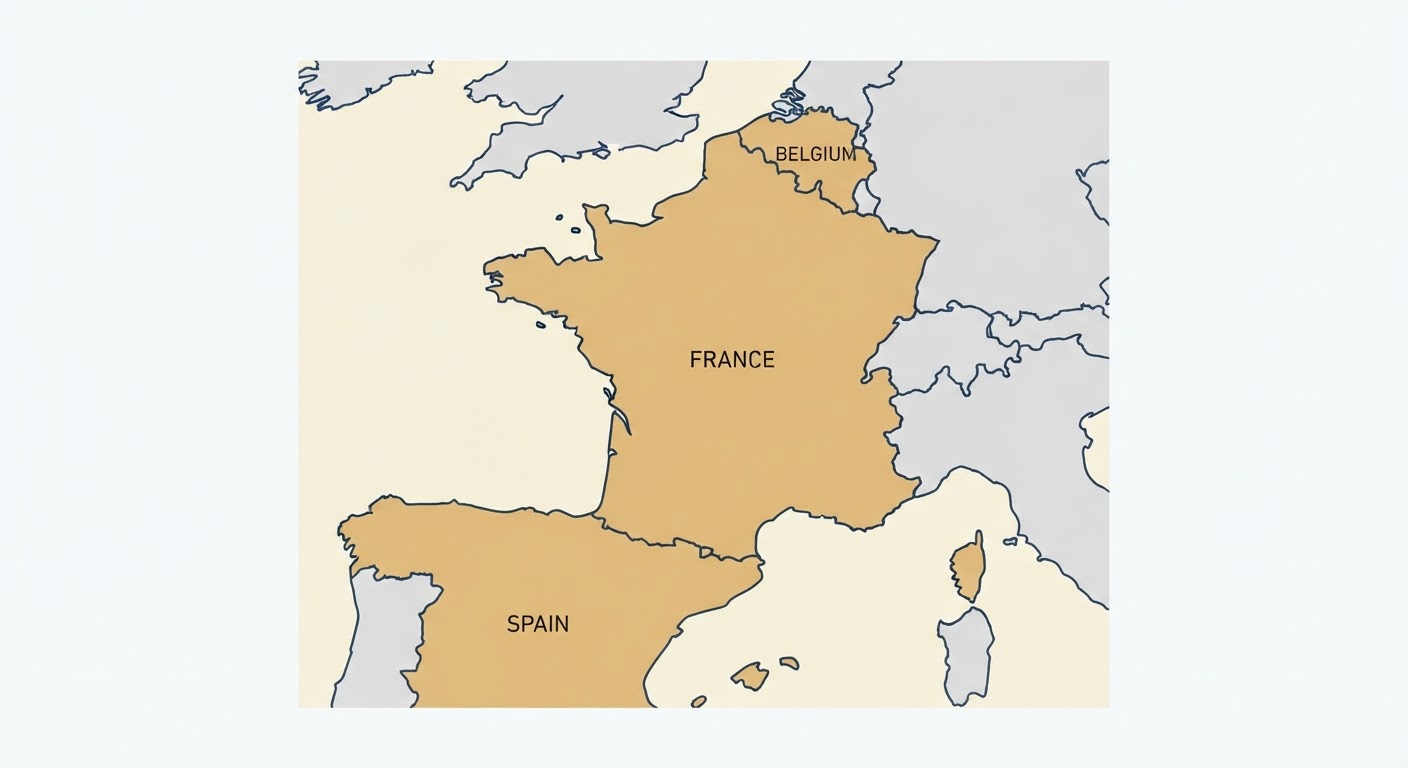
Bred as a lapdog for European courts across France, Belgium and Spain, the Papillon's role was purely social, its elegant appearance and lively character prized by aristocratic owners for centuries.
- Region
- France, Belgium and Spain
- Climate it was bred for
- Temperate Western European
- Original job
- Companion to European nobility
The long read
About the breed
The breed's ancestors appear in European paintings from as early as the sixteenth century, depicted as lapdogs owned by royalty and the aristocracy, including reportedly Marie Antoinette. Early examples had drop ears, similar to today's Phalene variety, with the erect-eared Papillon type becoming dominant and more fashionable from the late nineteenth century onward. Despite its aristocratic history, the breed has always been kept as a companion rather than for any working task.
Living with a Papillon means living with a small dog with a notably large personality and surprising athleticism for its size. It is intelligent, alert and highly trainable, often excelling in agility and obedience competitions despite its diminutive frame. It is generally sociable and affectionate, forming strong bonds with its family, though its small size means care is needed around boisterous children, larger dogs or rough handling, all of which pose a genuine injury risk.
The long, silky coat looks demanding but is actually relatively easy to maintain, needing brushing two or three times a week rather than daily grooming, since it lacks a dense undercoat. Exercise needs are moderate, met with brisk walks and indoor play, and mental stimulation matters as much as physical exercise, since the breed is quick to become bored without a challenge.
Today the Papillon remains a popular companion and competitive dog sport participant, appreciated for combining a delicate, elegant appearance with genuine intelligence and energy.
Living with one
Temperament & needs
Our own ratings, based on the breed standard and how these dogs behave in ordinary homes.
Friendliness
4/5
How openly the Papillon greets people it does not know.
Trainability
5/5
Highly intelligent and quick to learn.
Energy
4/5
Lively and playful, enjoys agility and games.
Barking
3/5
Alert and will bark at unfamiliar noises.
Grooming
3/5
Silky coat needs brushing two or three times a week.
Suits a first-time owner
4/5
How forgiving the Papillon is for someone taking on their first dog.
Sociability
4/5
Affectionate with family, generally friendly overall.
Independence
2/5
Enjoys being close to its owner and involved in daily life.
Illustrated breed standard
The points of the breed
Hover or tap a numbered point to read what the standard asks for.
Point 1
Skull
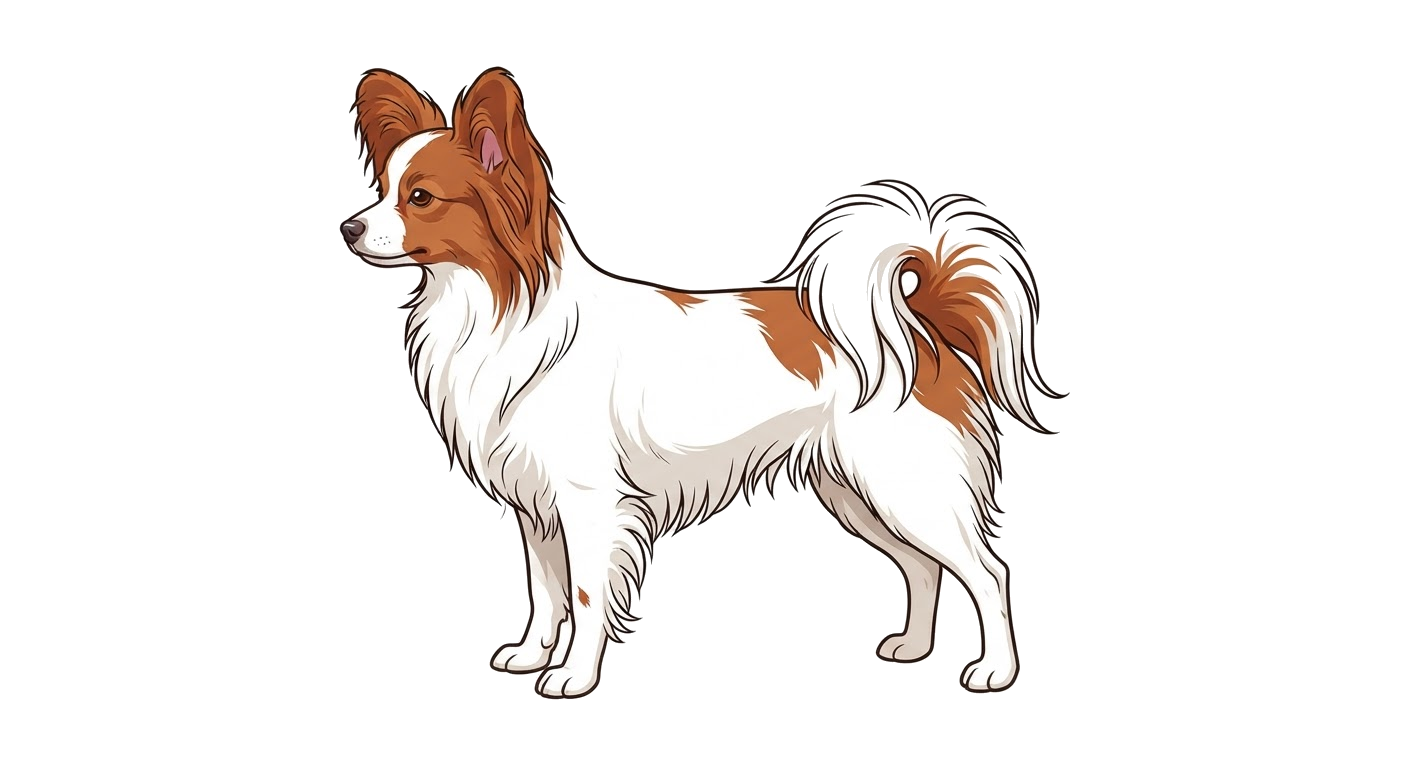
The Papillon's skull is judged on balance rather than size — proportionate to the body, with a clean cheek and a stop typical of the breed. Coarseness or an over-refined head are both faulted.
Colours & patterns
Recognised coats
Which coats the standard accepts — and which are simply popular.
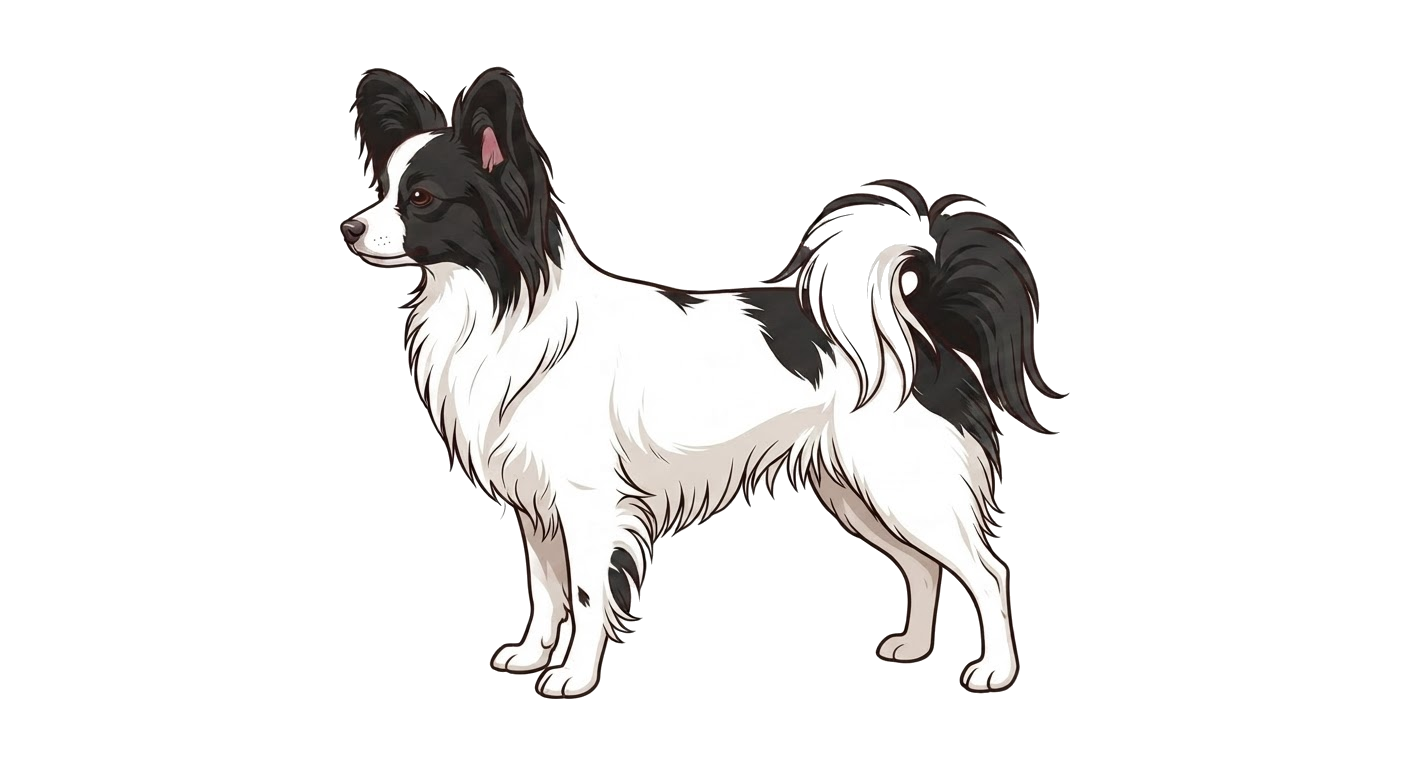
White and black
Standard colour
A classic combination with a mostly white body.
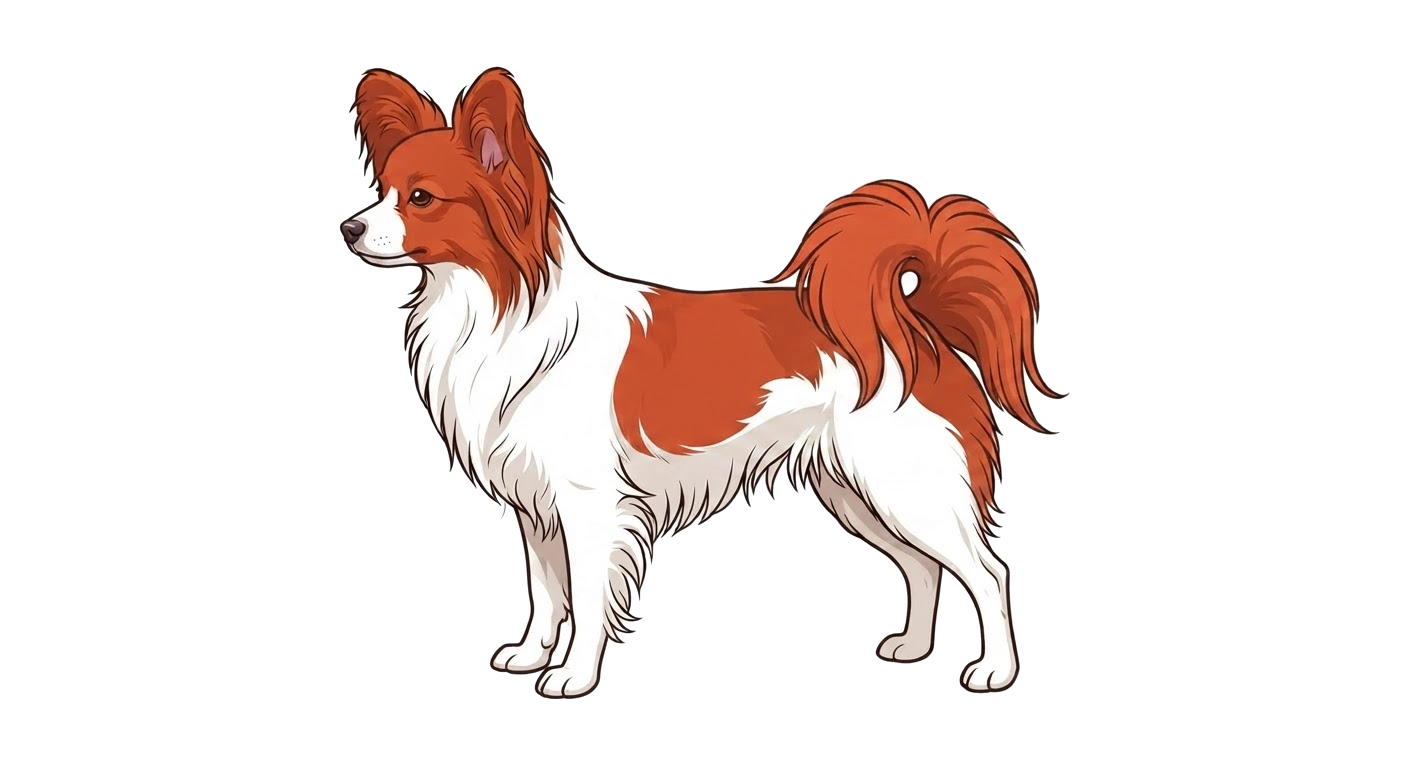
White and red
Standard colour
White with red or sable patches.
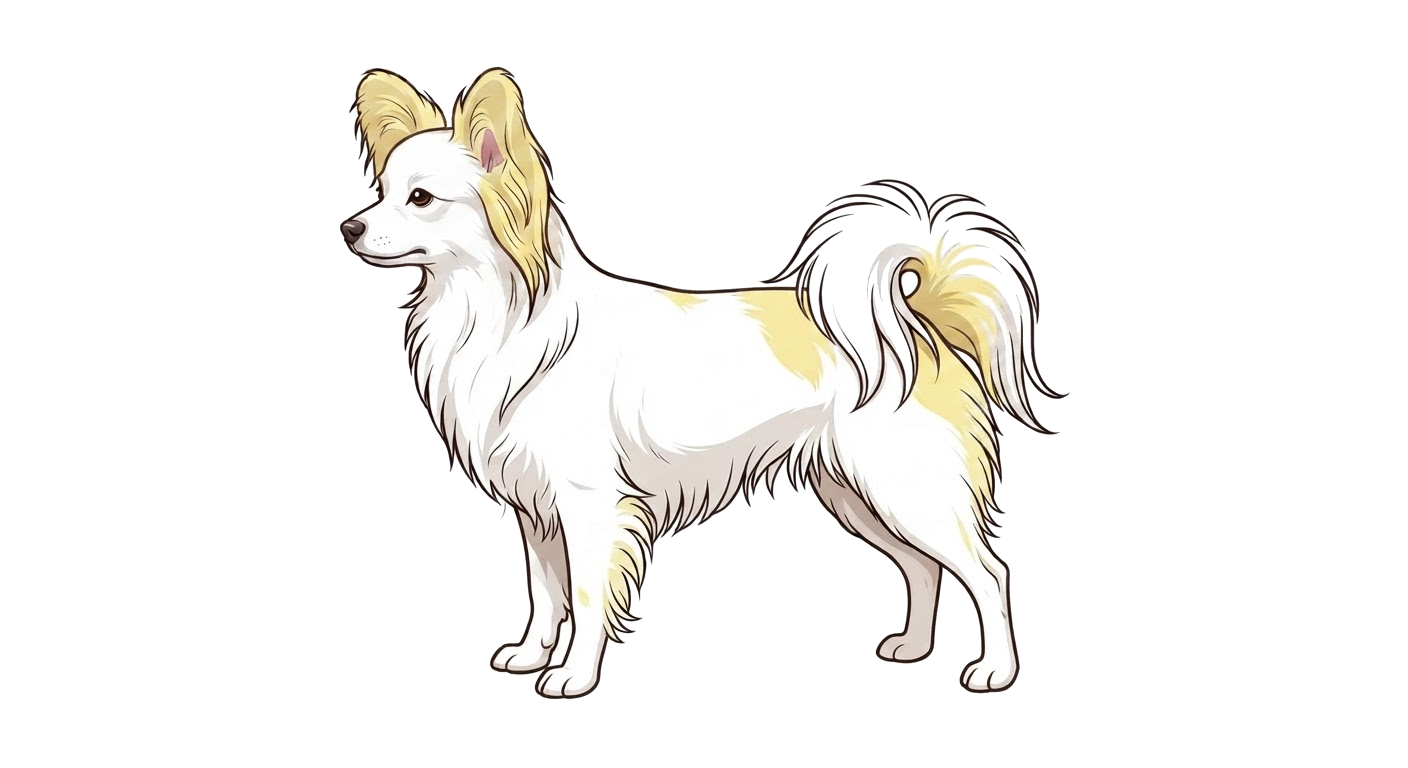
White and lemon
Standard colour
A softer, paler patch colour on a white base.
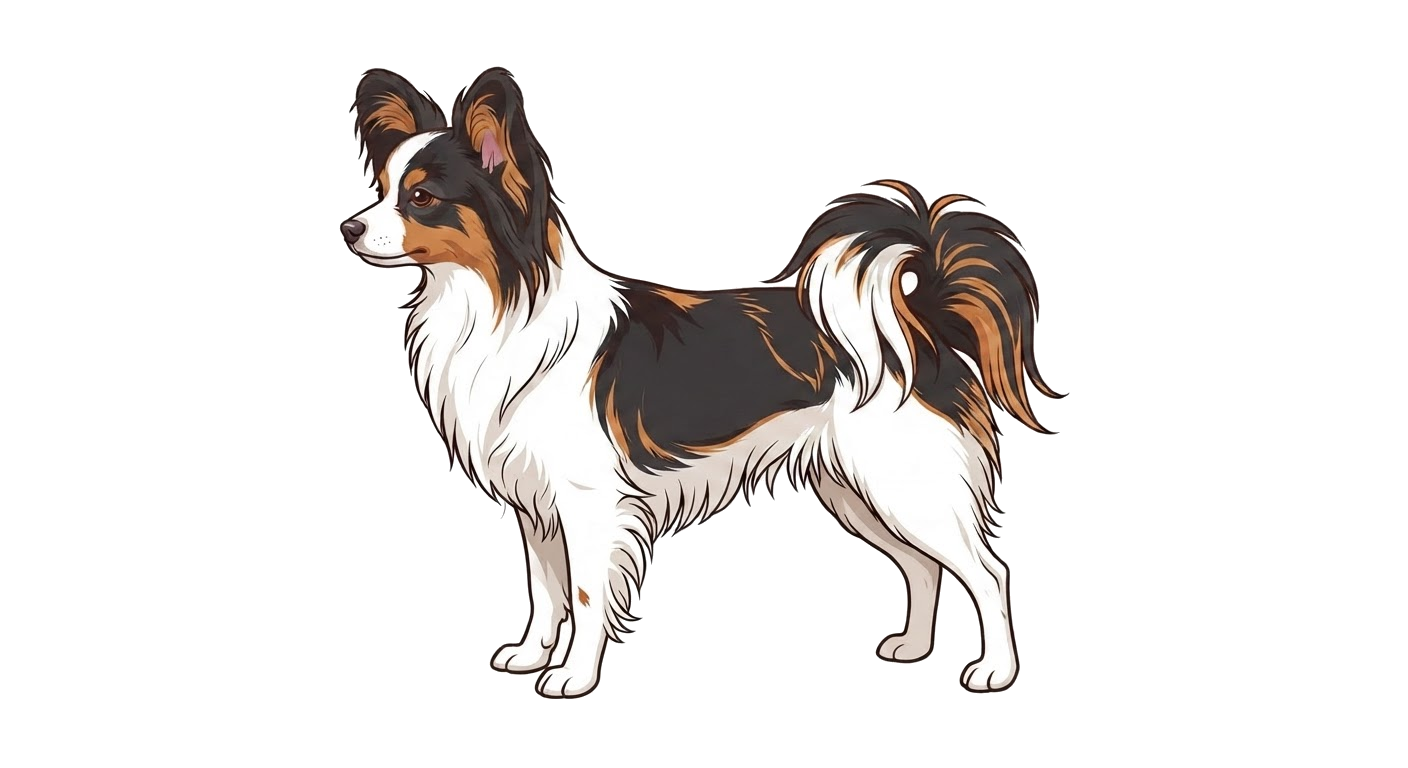
Tricolour
Standard colour
White base with black and tan markings.
Timeline
History & development
1500s
Early European lapdogs
Drop-eared toy spaniels resembling the Papillon appear in paintings across France, Spain and Italy.
1700s
Court favourite
The breed becomes a fashionable companion among European nobility, including at the French court.
1880s
Erect-ear type emerges
Breeders begin favouring the erect, butterfly-eared type that gives the breed its name.
1935
Kennel Club recognition
The Papillon gains formal recognition in Britain, distinct from the drop-eared Phalene.
1950s onward
The breed today
Kennel club registrations settled into a steady pattern and the Papillon moved from a working specialist to a family companion, with breed clubs in the UK and abroad now focused on health testing and keeping true type alive.
Reference
Breed standard summary
- body
- Slightly longer than tall, fine and elegant.
- coat
- Long, fine, silky, with a profuse frill.
- ears
- Large, rounded, carried erect like a butterfly's wings.
- eyes
- Dark, round, alert, and medium-sized.
- gait
- Free, quick, and elegant.
- head
- Small, slightly rounded skull, with a fine muzzle.
- size
- Toy, 20-28cm at the shoulder.
- tail
- Set high, carried arched over the back.
- colour
- White and black, White and red, White and lemon, Tricolour. Colours outside this list are seen but are not accepted by the kennel clubs.
- temperament
- Typical of the breed: strongest in trainability, energy, sociability. Nervousness or aggression are serious faults in the show ring and in the home.
- general appearance
- A small, elegant, fine-boned toy dog of alert bearing.
Health
What to screen for
Green means little to worry about, amber means ask the breeder for test results, red means manage it actively.
Patellar luxation
Screen for it
Ask breeders for a patella check on both parents.
Progressive retinal atrophy
Screen for it
Request current eye test certification.
Open fontanelle
Screen for it
Some puppies have a soft spot on the skull; ask the breeder about head injuries risk when young.
Dental crowding
Low concern
Small jaws can crowd teeth; regular dental checks help prevent problems.
General information only — always speak to your vet about your own dog.
From real owners
Dogs like this
Papillons added by PawPoint members through their pet passports. Share yours to appear here.
Loading the wall…
Made for the Papillon
The book, plus prints, hoodies and mugs using our own Papillon illustration — and one everyday accessory that suits any dog.
The book
Pawpoint: The Complete Dog Breed Book
Every officially recognised breed plus the unofficial ones nobody else documents. 400+ pages, hardback, printed and shipped from the UK.
Own stock — shipped by us
Framed poster
Papillon Framed Poster
Museum-weight print of our Papillon illustration, framed or unframed.
Printed to order
Hoodie
Papillon Hoodie
Heavyweight hoodie carrying the Papillon illustration on the chest.
Printed to order
Mug
Papillon Mug
Ceramic mug with the Papillon illustration wrapped around it.
Printed to order
Accessory
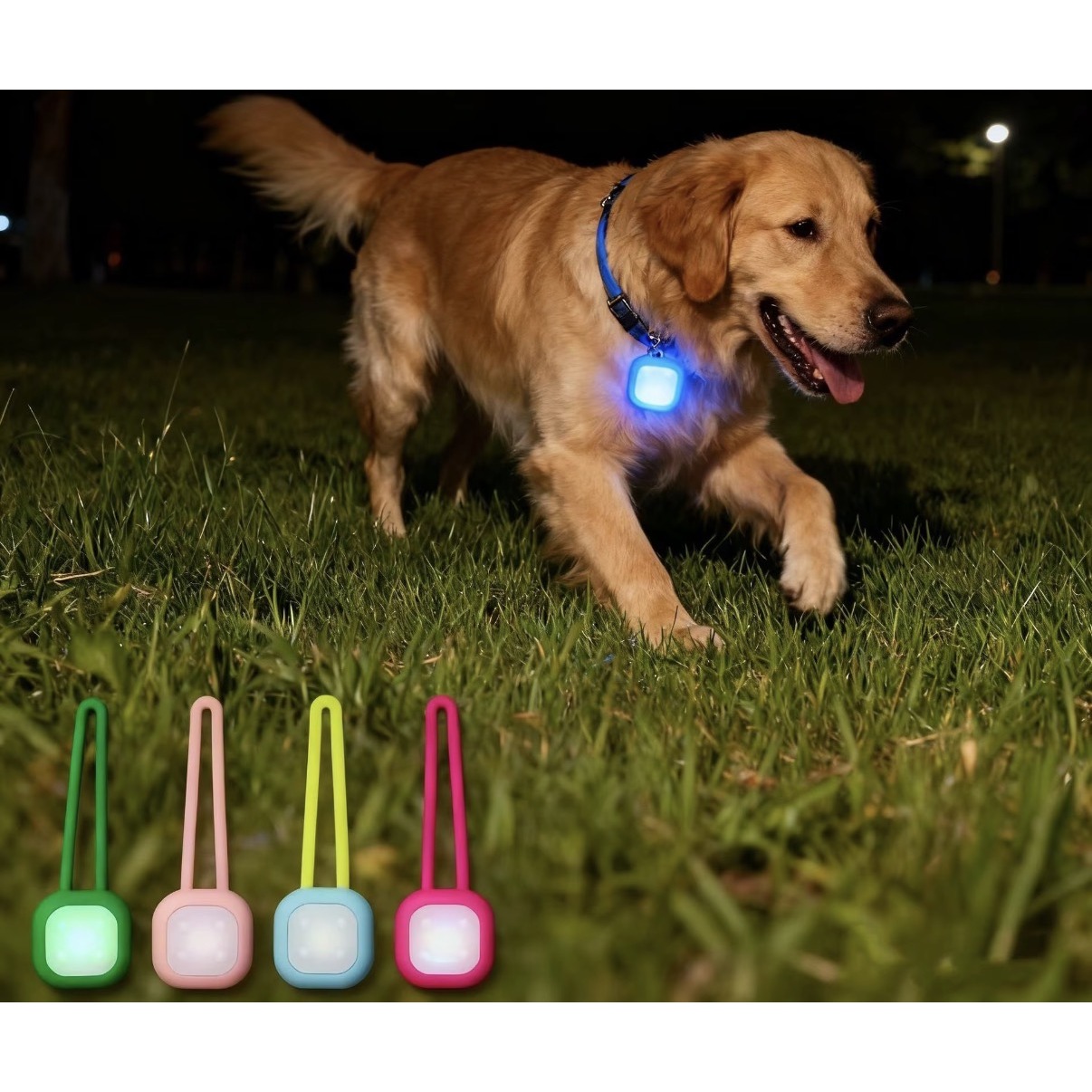
LED Reflective Lead Light
Rechargeable clip-on light for dark walks.
Fits any dog
Pawpoint on YouTube
Watch the full Papillon video
Breed deep-dives, history and honest ownership talk. New film every week.
Watch now