
Pembroke Welsh Corgi
PEM-brook WELSH CORE-gee
Wales· Pembrokeshire
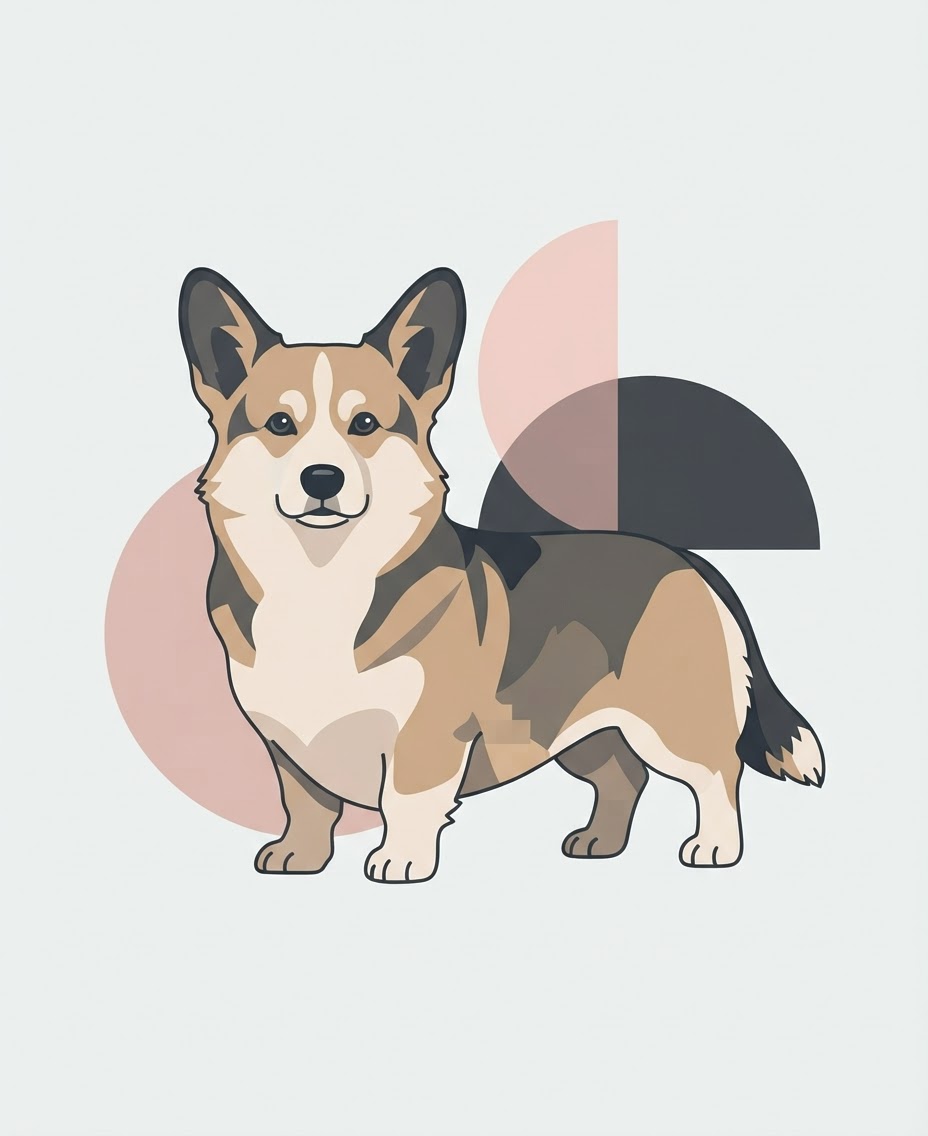
The Pembroke Welsh Corgi is a small, low-set herding dog from Wales, bred to drive cattle by nipping at their heels and dodging the resulting kicks, and now one of the world's best-known breeds through its long association with the British royal family.
At a glance
Quick facts
Size
Small
Exercise needs
45-60 minutes daily
Home size suited to
Flat or small home
Grooming frequency
Twice weekly brush
Coat length
Medium
Sheds
Yes, heavily when moulting
Lifespan
12-13 years
Town or country
Happiest in the country
Garden size needed
Small garden or none
Where it comes from
Origins of the Pembroke Welsh Corgi
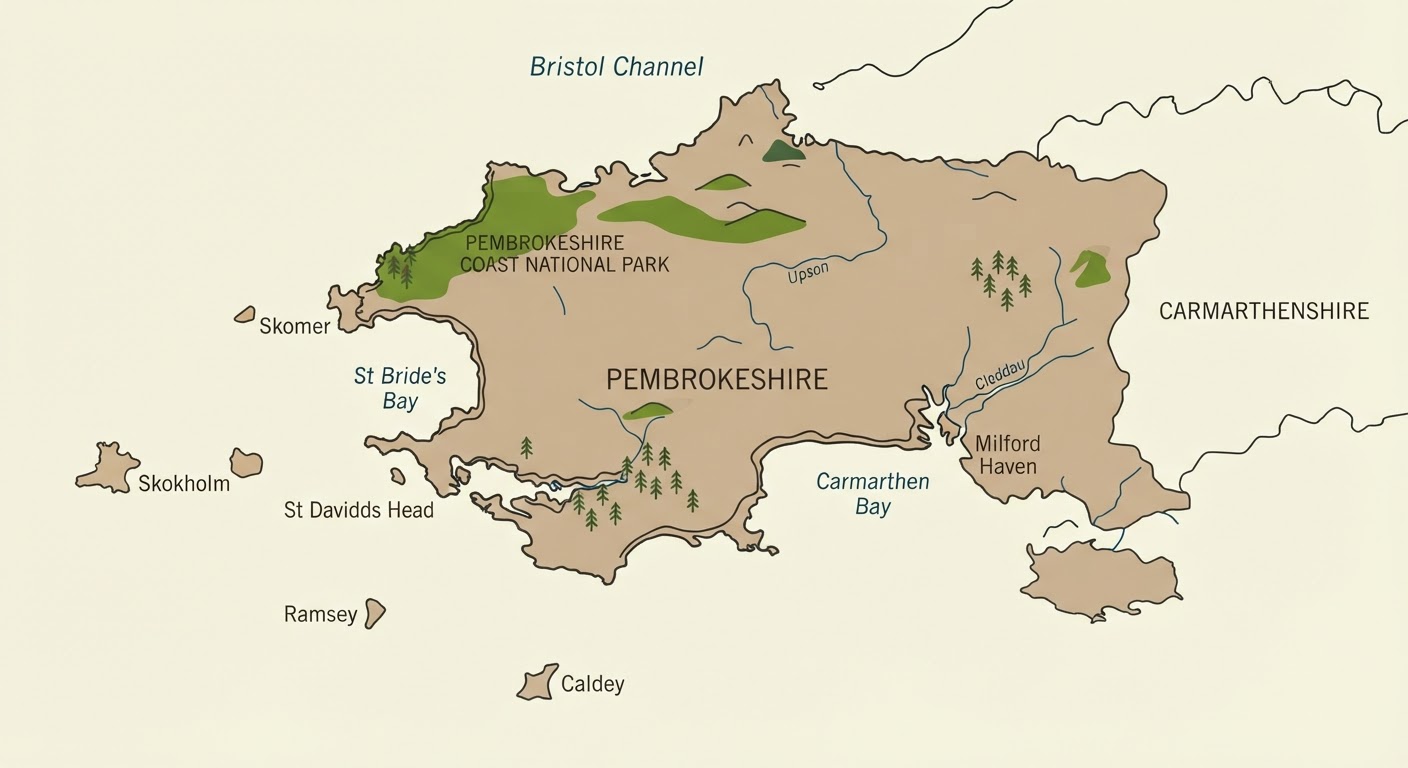
Developed in the farmland of Pembrokeshire, this low-slung herder needed short legs and quick reflexes to dodge kicks while driving cattle, a working style known as heeling that shaped its distinctive build.
- Region
- Pembrokeshire
- Climate it was bred for
- Cool, damp Welsh countryside
- Original job
- Herding cattle by nipping at heels
The long read
About the breed
Corgis have worked in Wales for centuries, likely arriving with Flemish weavers who settled in Pembrokeshire in the twelfth century, bringing dogs whose descendants developed into the modern Pembroke. Its short legs and low build meant it could duck under a cow's kicking hooves while still being agile and quick enough to herd effectively, a job known as heeling. The Pembroke was long confused with its Cardigan Welsh Corgi cousin, a related but distinct breed with a longer tail, until the two were formally separated in 1934.
Living with a Pembroke Welsh Corgi means living with a confident, intelligent, surprisingly athletic small dog that does not consider itself small at all. It is highly trainable and often excels at herding trials, obedience and agility, but it can be vocal and, if bored, may try to herd children or other pets by nipping at heels, a habit that needs gentle discouragement from puppyhood. It is generally sociable and forms close bonds with its family.
The double coat sheds heavily, particularly during seasonal changes, and needs brushing several times a week. Exercise needs are moderate to high for its size — the breed has real stamina despite its short legs — and its long back means jumping on and off furniture should be limited to protect its spine.
Today the Pembroke Welsh Corgi remains hugely popular worldwide, propelled in large part by the seven decades Queen Elizabeth II kept the breed, and continues to be valued as an intelligent, adaptable family companion.
Living with one
Temperament & needs
Our own ratings, based on the breed standard and how these dogs behave in ordinary homes.
Friendliness
4/5
How openly the Pembroke Welsh Corgi greets people it does not know.
Trainability
5/5
Highly intelligent and eager to learn.
Energy
4/5
Active and athletic despite its short legs.
Barking
4/5
Vocal and quick to alert to visitors.
Grooming
3/5
Sheds heavily and needs regular brushing.
Suits a first-time owner
3/5
How forgiving the Pembroke Welsh Corgi is for someone taking on their first dog.
Sociability
4/5
Friendly and bonds closely with its family.
Independence
3/5
Confident and can be strong-willed when bored.
Illustrated breed standard
The points of the breed
Hover or tap a numbered point to read what the standard asks for.
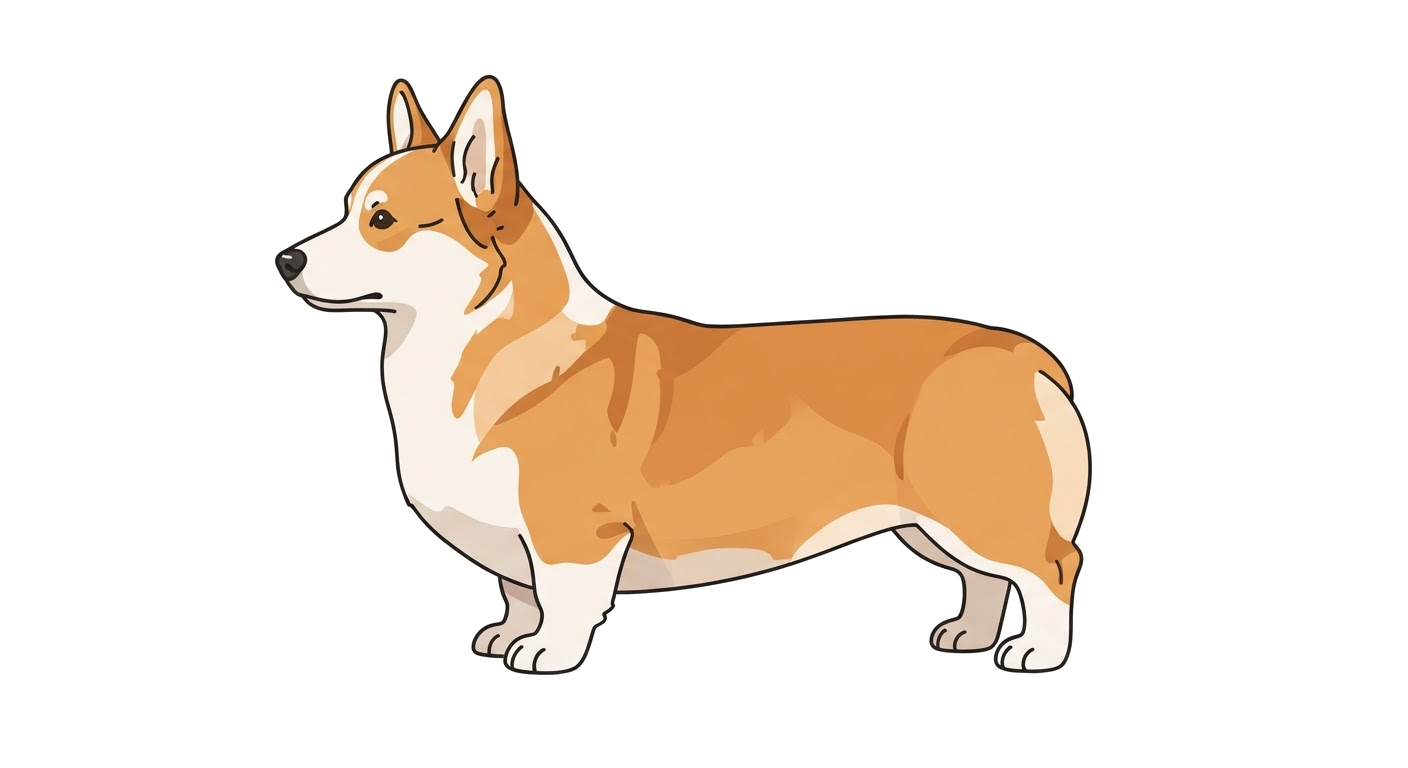
Point 1
Skull
The Pembroke Welsh Corgi's skull is judged on balance rather than size — proportionate to the body, with a clean cheek and a stop typical of the breed. Coarseness or an over-refined head are both faulted.
Colours & patterns
Recognised coats
Which coats the standard accepts — and which are simply popular.
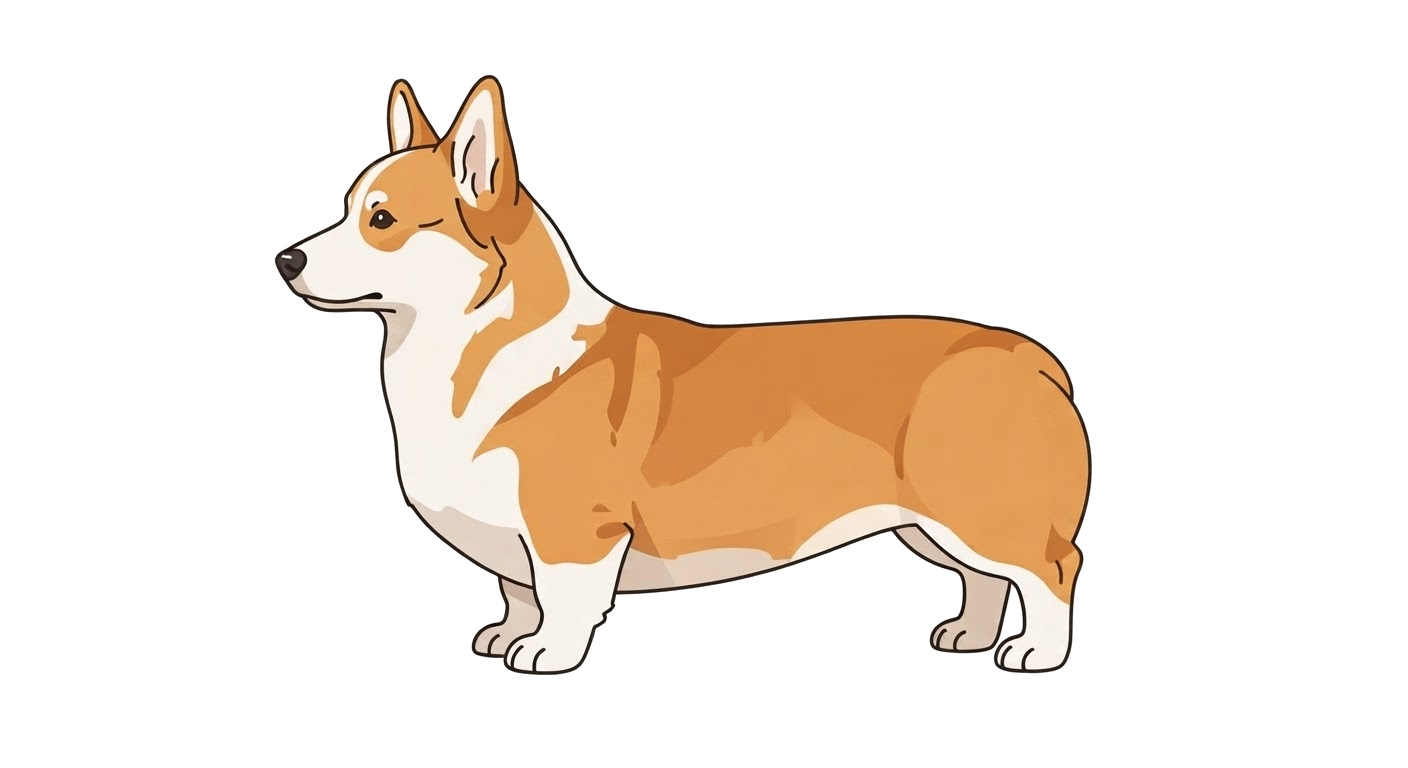
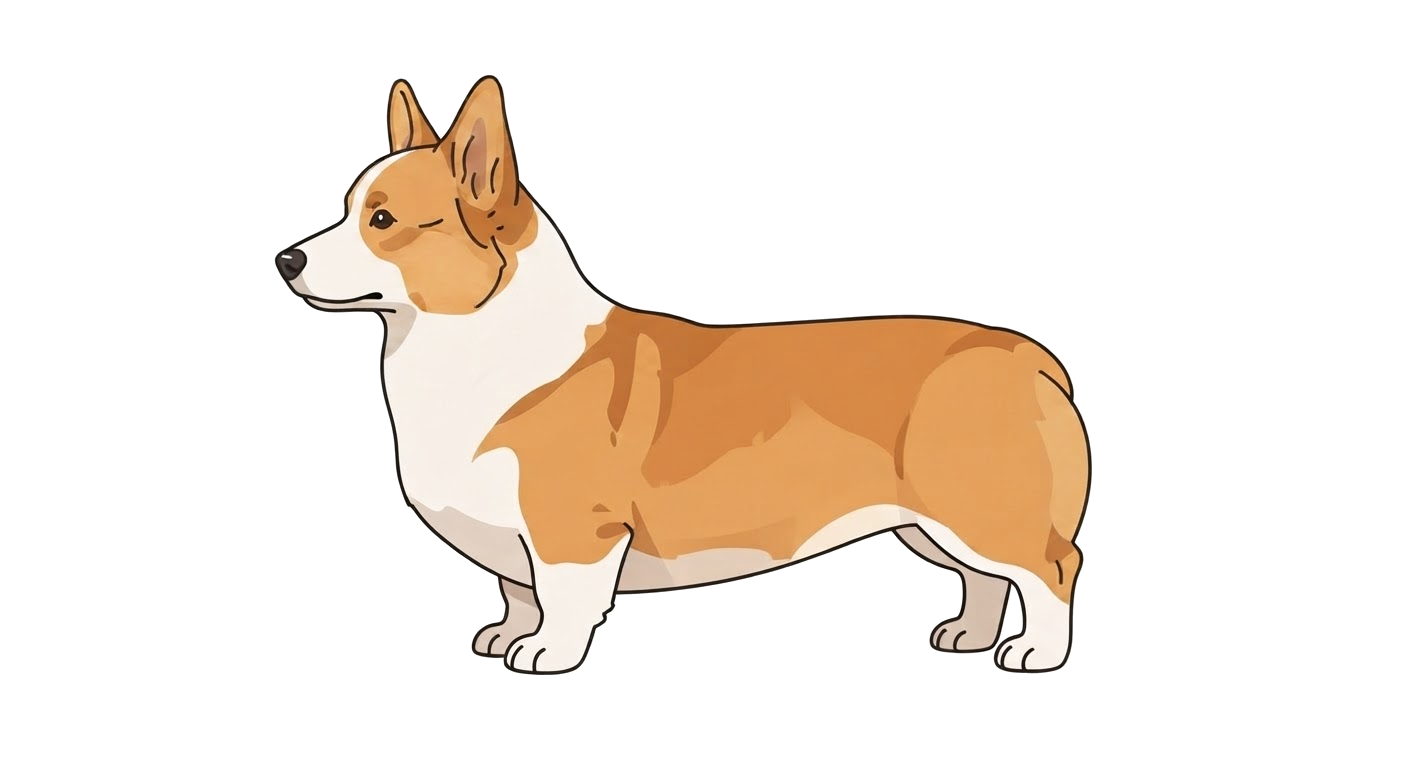
Red and white
Standard colour
The most common colour, seen on countless Corgis including royal ones.
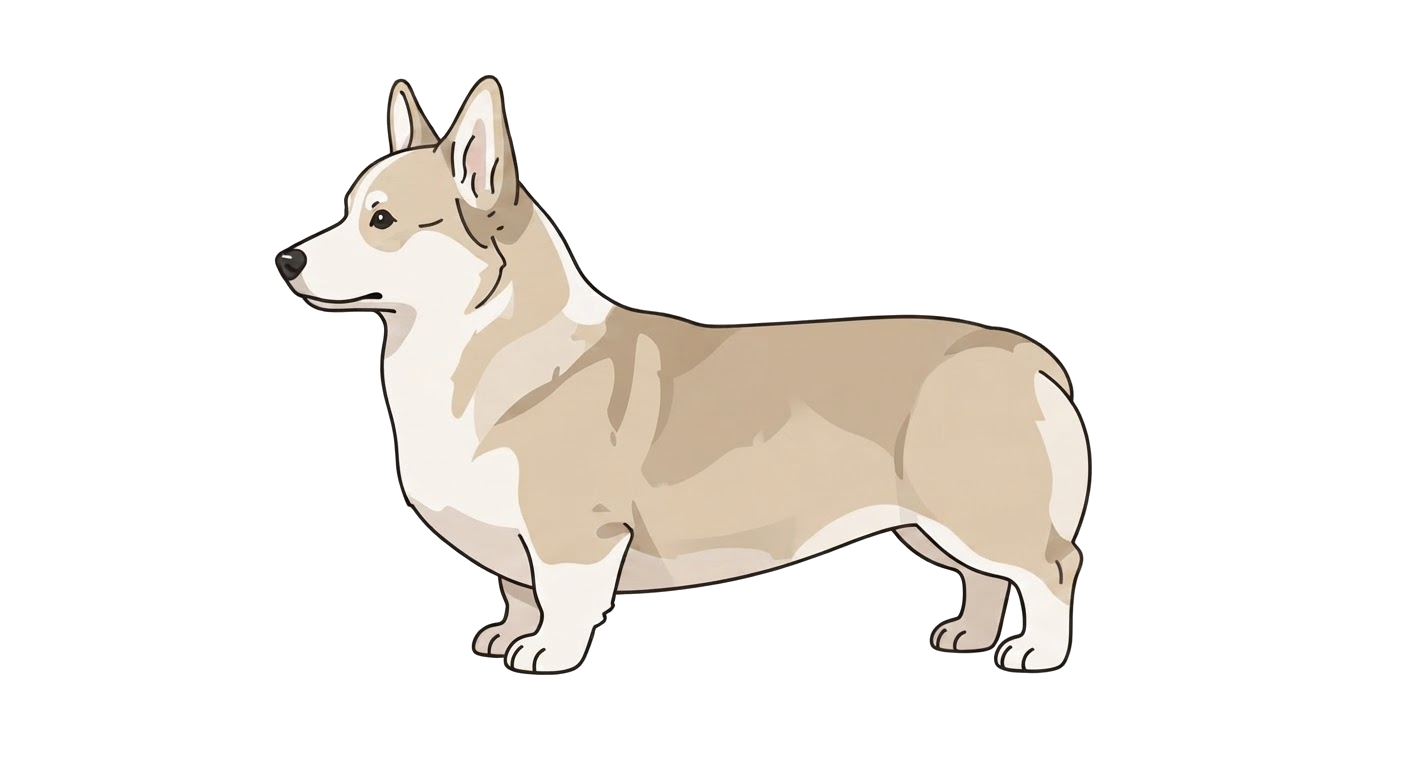
Sable and white
Standard colour
A warm, banded sable coat with white markings.
Fawn and white
Standard colour
A paler shade than red, still fully accepted.
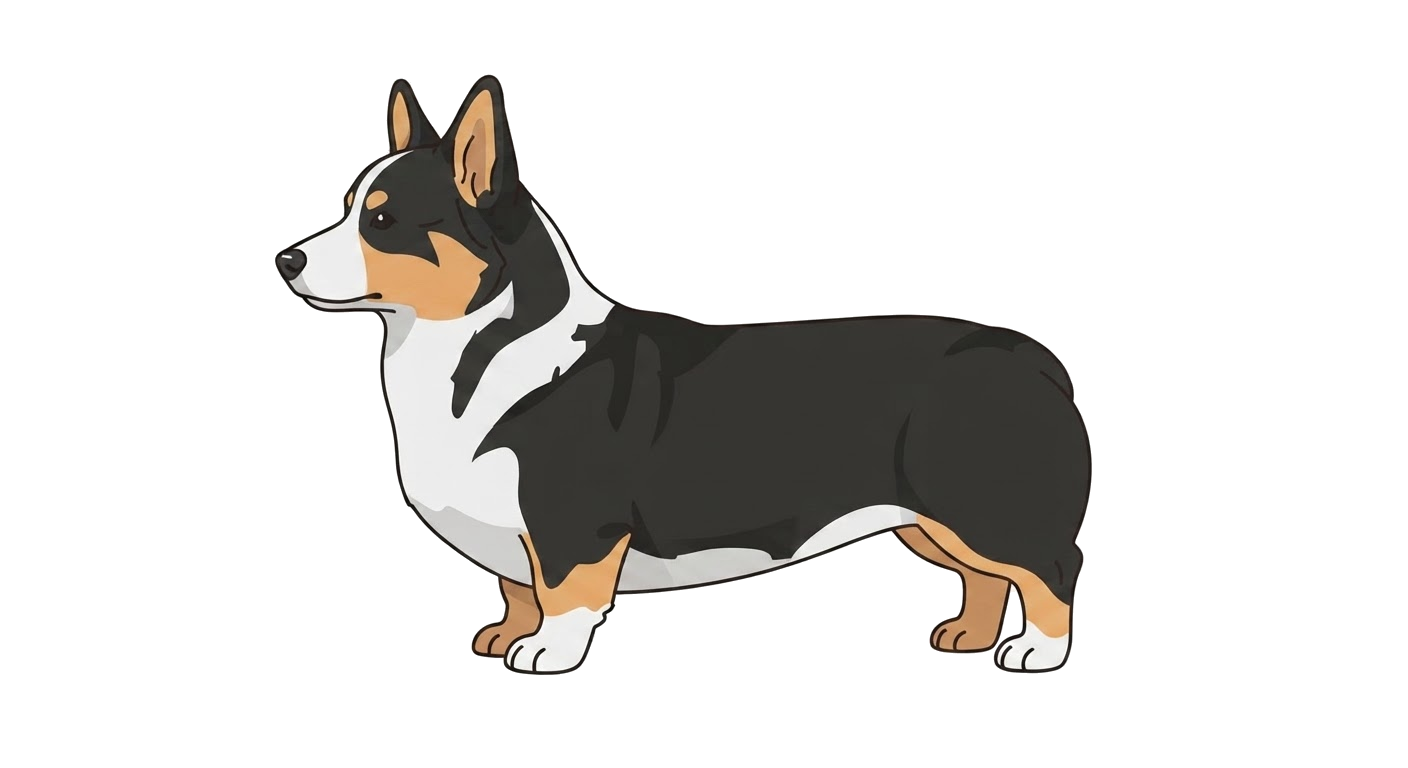
Black, tan and white
Standard colour
A tricolour combination, striking but less common.
Timeline
History & development
1100s
Arrival with Flemish weavers
Dogs likely brought by Flemish settlers to Pembrokeshire form the foundation of the breed.
1925
Kennel Club recognition
Corgis are recognised as a single breed, encompassing both Pembroke and Cardigan types.
1934
Split into two breeds
The Kennel Club formally separates the Pembroke and Cardigan Welsh Corgi.
1933
Royal association begins
The family of the future Queen Elizabeth II acquires their first Pembroke Corgi, beginning decades of royal ownership.
1950s onward
The breed today
Kennel club registrations settled into a steady pattern and the Pembroke Welsh Corgi moved from a working specialist to a family companion, with breed clubs in the UK and abroad now focused on health testing and keeping true type alive.
Reference
Breed standard summary
- body
- Long and low, with a level topline.
- coat
- Medium length, dense, weatherproof double coat.
- ears
- Erect, medium size, firm and mobile.
- eyes
- Round, medium size, well set, blending with coat colour.
- gait
- Free and smooth, with good drive from the rear.
- head
- Foxy in shape and appearance, alert expression.
- size
- Small, 25-30cm at the shoulder.
- tail
- Short, natural or docked, set in line with the back.
- colour
- Red and white, Sable and white, Fawn and white, Black, tan and white. Colours outside this list are seen but are not accepted by the kennel clubs.
- temperament
- Typical of the breed: strongest in trainability, energy, sociability. Nervousness or aggression are serious faults in the show ring and in the home.
- general appearance
- A low-set, sturdy, active dog giving an impression of substance and stamina.
Health
What to screen for
Green means little to worry about, amber means ask the breeder for test results, red means manage it actively.
Intervertebral disc disease
Watch closely
The long back is prone to disc problems; avoid excess jumping and keep weight lean.
Hip dysplasia
Screen for it
Ask breeders for hip scores on both parents.
Degenerative myelopathy
Watch closely
A DNA test is available to identify carriers before breeding.
Progressive retinal atrophy
Screen for it
Request current eye test certification.
General information only — always speak to your vet about your own dog.
From real owners
Dogs like this
Pembroke Welsh Corgis added by PawPoint members through their pet passports. Share yours to appear here.
Loading the wall…
Made for the Pembroke Welsh Corgi
The book, plus prints, hoodies and mugs using our own Pembroke Welsh Corgi illustration — and one everyday accessory that suits any dog.

The book
Pawpoint: The Complete Dog Breed Book
Every officially recognised breed plus the unofficial ones nobody else documents. 400+ pages, hardback, printed and shipped from the UK.
Own stock — shipped by us
Framed poster
Pembroke Welsh Corgi Framed Poster
Museum-weight print of our Pembroke Welsh Corgi illustration, framed or unframed.
Printed to order
Hoodie
Pembroke Welsh Corgi Hoodie
Heavyweight hoodie carrying the Pembroke Welsh Corgi illustration on the chest.
Printed to order
Mug
Pembroke Welsh Corgi Mug
Ceramic mug with the Pembroke Welsh Corgi illustration wrapped around it.
Printed to order
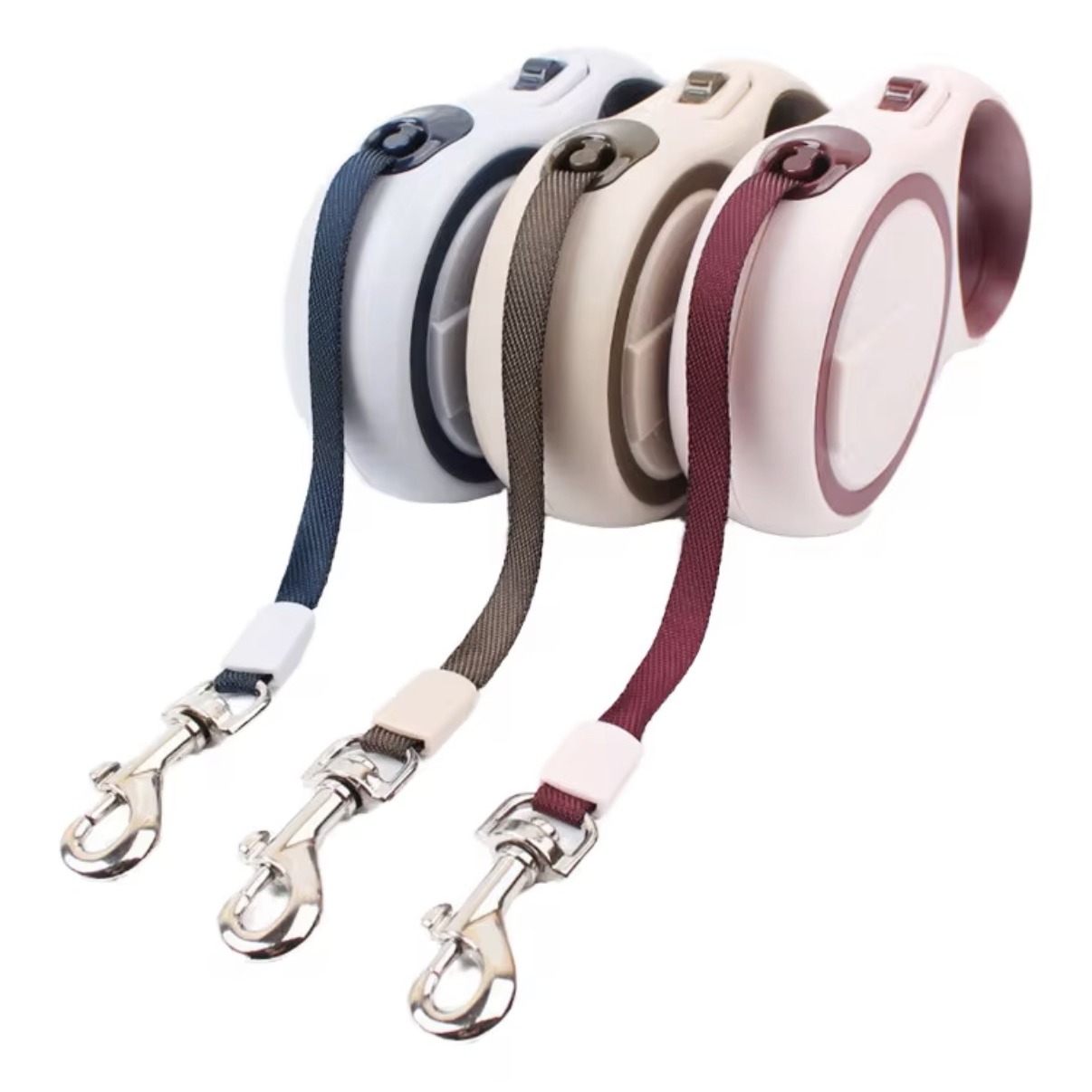
Accessory
Retractable Lead
5m retractable with one-touch brake.
Fits any dog

Pawpoint on YouTube
Watch the full Pembroke Welsh Corgi video
Breed deep-dives, history and honest ownership talk. New film every week.
Watch now