
Phu Quoc Ridgeback
foo KWOK RIJ-back
Vietnam· Phú Quốc Island, Kiên Giang Province, Vietnam
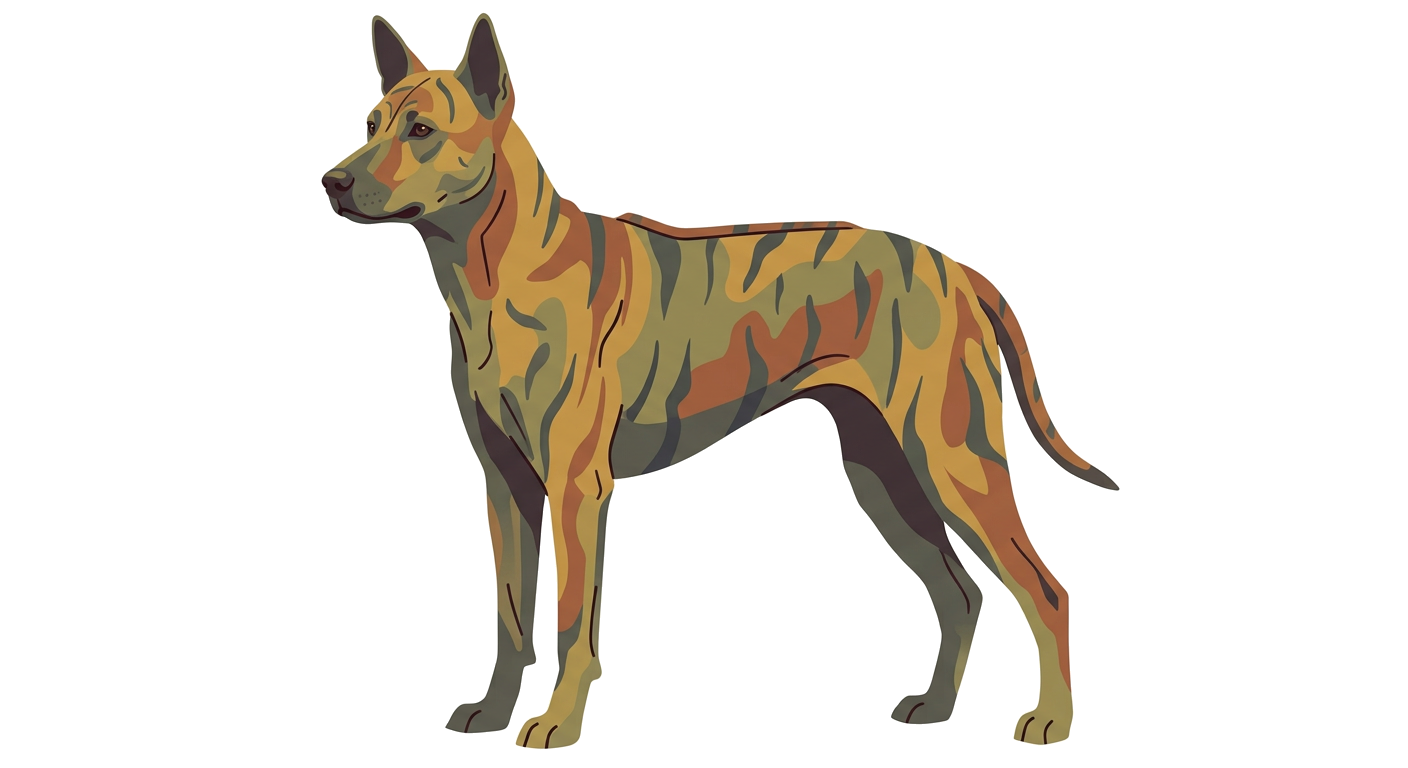
The Phu Quoc Ridgeback is a medium-sized Vietnamese hunting dog from Phú Quốc Island in Kiên Giang Province, off the country's southern coast. It is one of only three ridgeback breeds in the world — the others being the Rhodesian Ridgeback and the Thai Ridgeback — all three carrying the same striking feature: a defined strip of hair along the spine that grows in the opposite direction to the rest of the coat.
At a glance
Quick facts
Size
Medium
Exercise needs
1-2 hours daily, plus scent work or swimming
Home size suited to
House with a very secure garden
Grooming frequency
A weekly rub-over with a rubber mitt is enough
Coat length
Very short and hard, no undercoat
Sheds
Yes, lightly year-round
Lifespan
12-15 years
Town or country
Country; warm climates strongly preferred
Garden size needed
Medium to large, high fencing
Where it comes from
Origins of the Phu Quoc Ridgeback
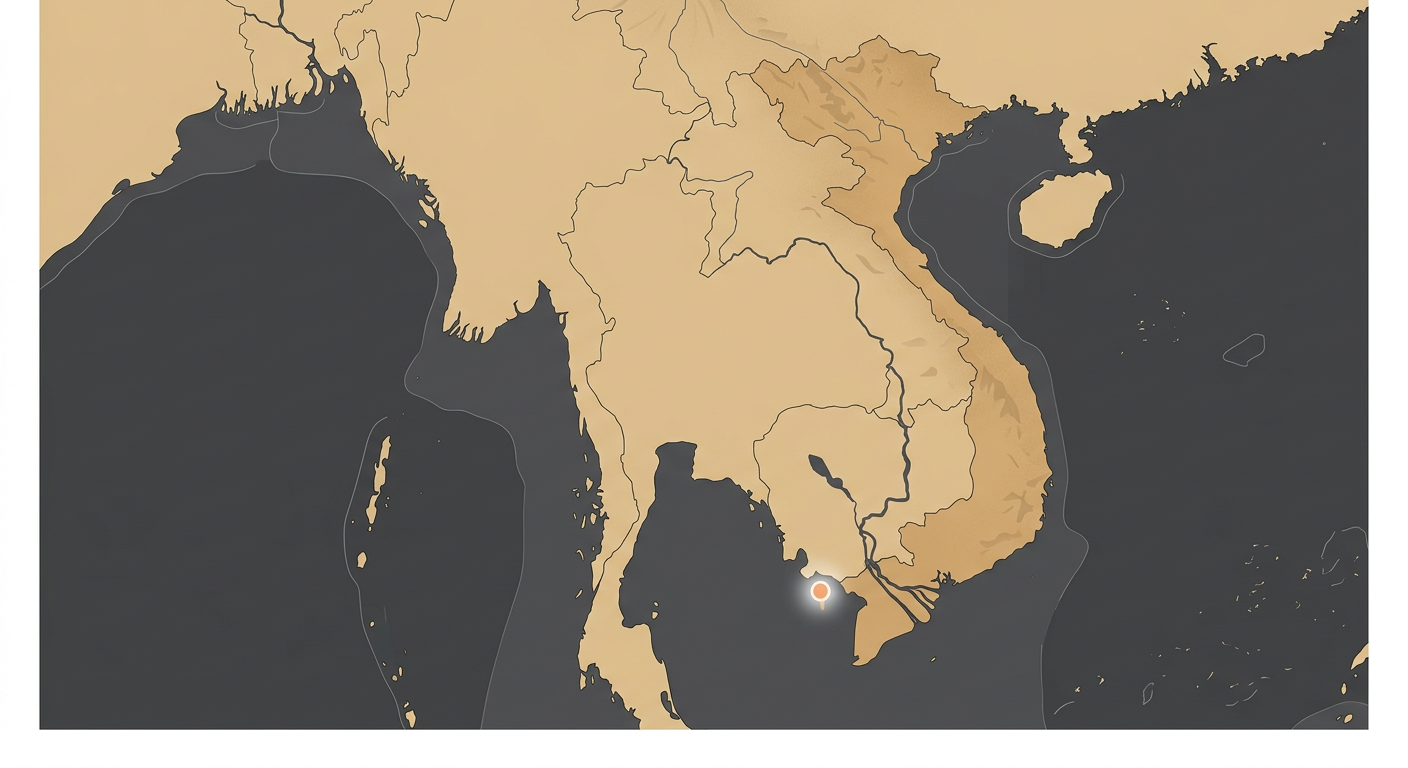
Shaped for generations on Phú Quốc Island off Vietnam's southern coast, where islanders needed one dog that could trail game through forest scrub, guard a boat and swim well enough to work the shoreline.
- Region
- Phú Quốc Island, Kiên Giang Province, Vietnam
- Climate it was bred for
- Tropical monsoon — hot, humid, coastal
- Original job
- Hunting small game, guarding homes and boats, swimming between shorelines
The long read
About the breed
For most of its history this was not a bred dog at all but a landrace: a semi-feral island population shaped by the work islanders needed done. Dogs hunted small game in scrub and forest, guarded homes and boats, and swam readily — Phu Quoc dogs are genuinely strong swimmers, and are credited locally with tracking both fresh and cold scent trails, digging out prey and working in loose family groups. French colonial writers in the nineteenth century were the first to describe them as a distinct breed and exhibited them in Europe.
Their origin story is disputed and worth taking with some salt. Because all three ridgeback breeds share the same mutation, theories have tried to link Phu Quoc dogs to Thai stock brought across by traders, or even to dogs left by French colonists, while others argue the island population is entirely indigenous and older than either. None of these accounts is proven, and the honest answer is that the breed's beginnings are unrecorded.
In temperament they are alert, self-reliant and strongly bonded to their own household — affectionate at home, reserved with strangers and quick to sound the alarm. They are also easily bored, athletic out of all proportion to their size, and much happier with a job than a sofa. Numbers on the island have fallen sharply as pure dogs have been crossed with imports, and conservation efforts are ongoing.
Living with one
Temperament & needs
Our own ratings, based on the breed standard and how these dogs behave in ordinary homes.
Friendliness
2/5
How openly the Phu Quoc Ridgeback greets people it does not know — genuinely reserved, and slow to accept newcomers.
Trainability
3/5
Quick-witted and a fast learner, but independent-minded and easily bored by repetition.
Energy
5/5
A tireless island hunting dog; needs real work, running and ideally swimming every day.
Barking
3/5
Vocal when something is amiss — a natural alarm dog rather than a nuisance barker.
Grooming
1/5
The very short hard coat needs almost nothing beyond a weekly rub-down.
Suits a first-time owner
1/5
Rare, primitive in temperament and demanding; best suited to experienced owners.
Sociability
2/5
Works in loose groups with familiar dogs, but strong prey drive and wariness of strange dogs.
Independence
5/5
A self-reliant problem-solver that will hunt, roam and make its own decisions given the chance.
Illustrated breed standard
The points of the breed
Hover or tap a numbered point to read what the standard asks for.
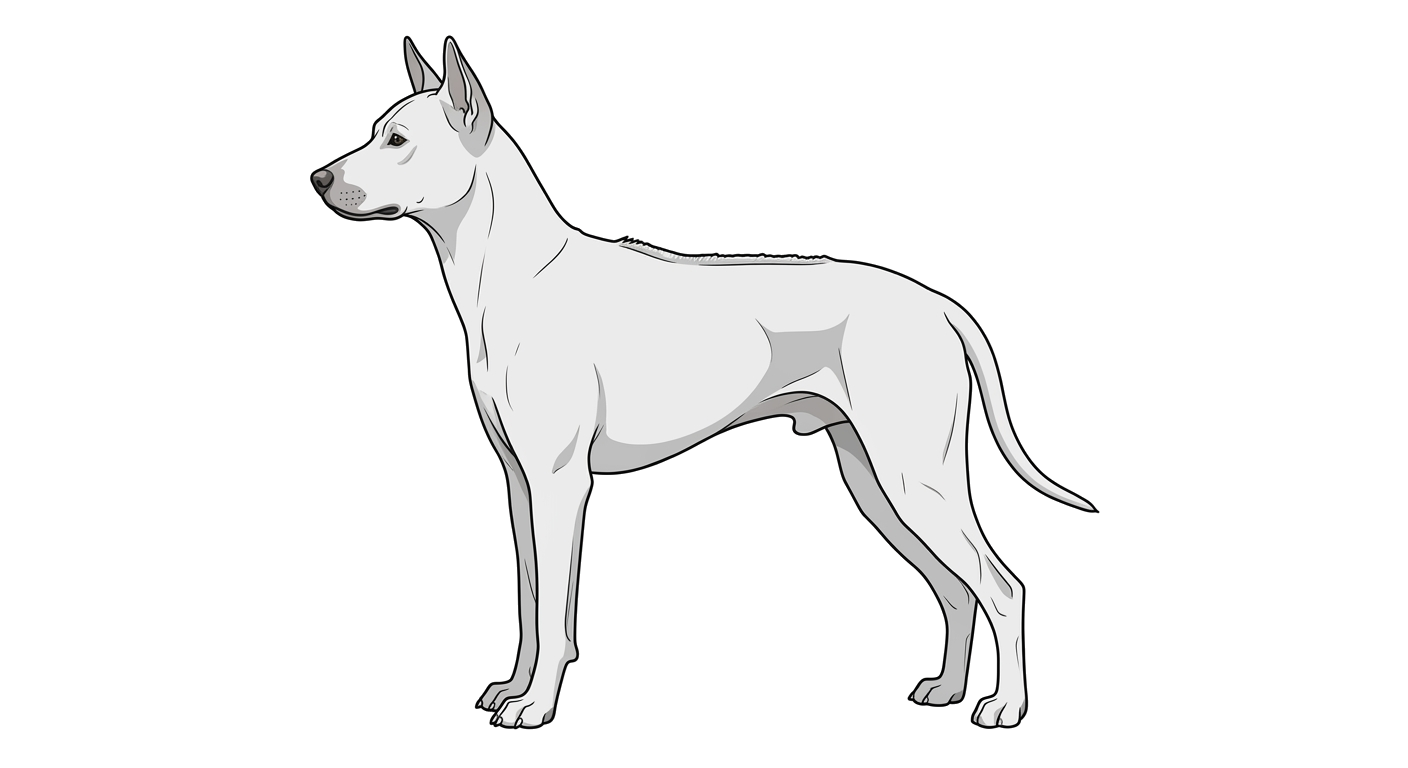
Point 1
Skull
Flat and moderately broad between the ears with only a slight stop, giving the alert, watchful look of a working island hunting dog.
Colours & patterns
Recognised coats
Which coats the standard accepts — and which are simply popular.
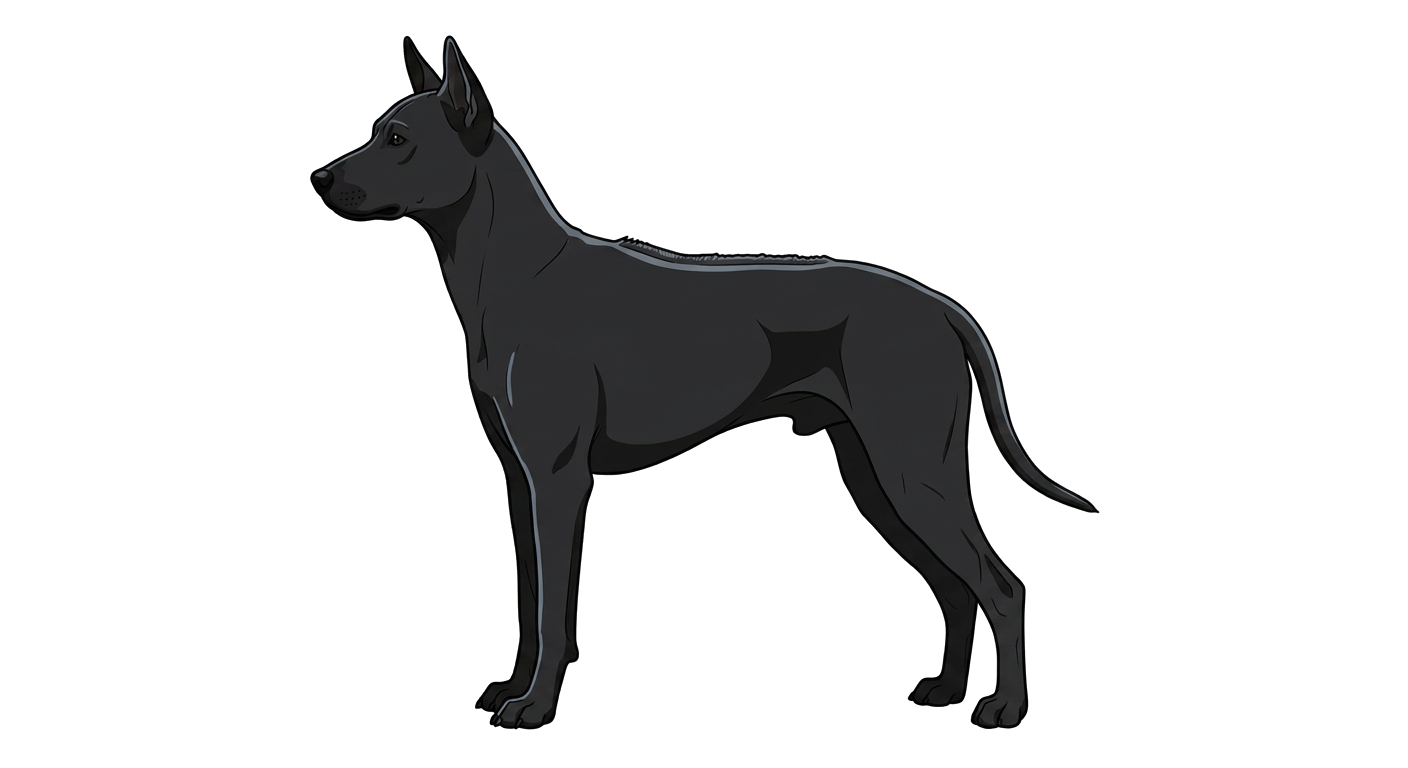
Black
Standard colour
Solid black with a very short glossy coat; the ridge visible as a change in light along the spine.
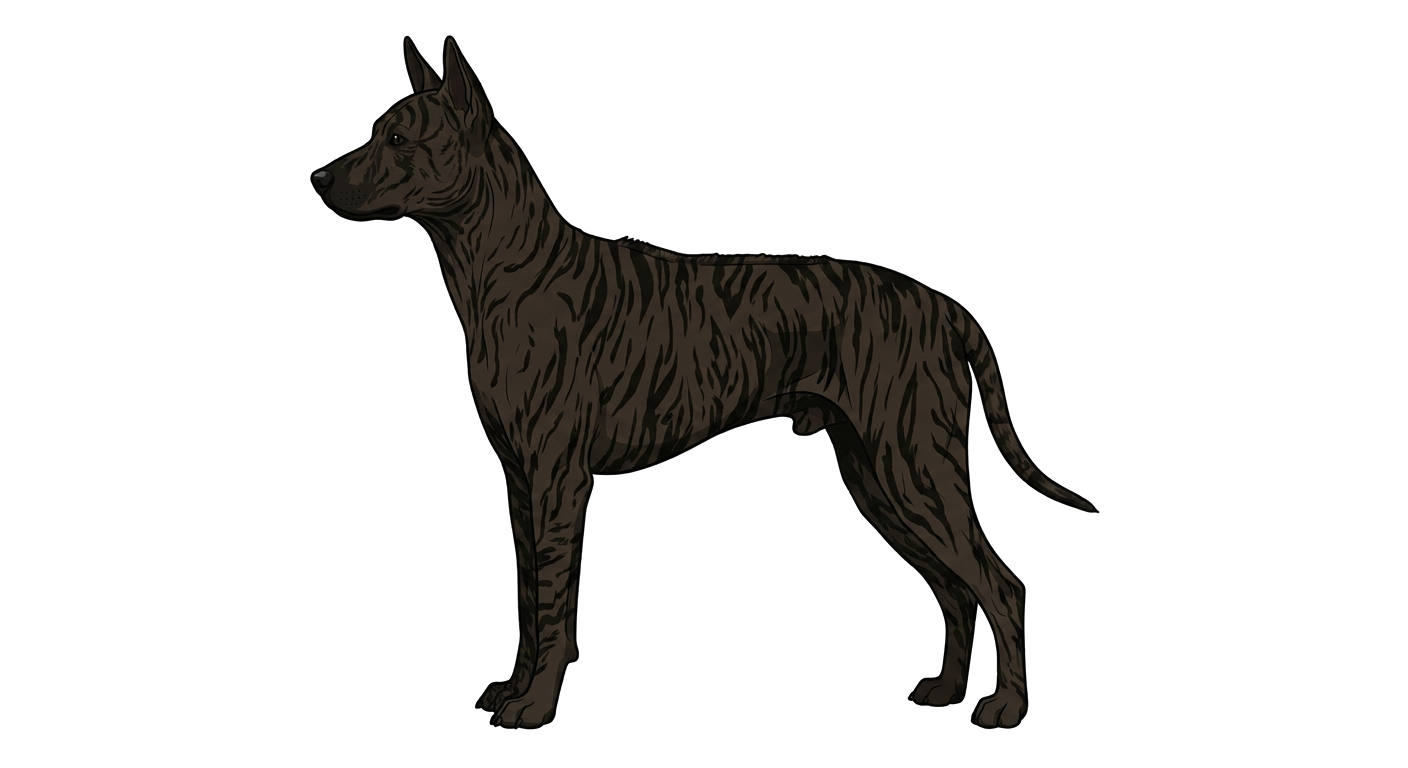
Dark Brindle
Standard colour
Heavy black striping over a dark base, so the dog reads almost black until the light catches the pattern.
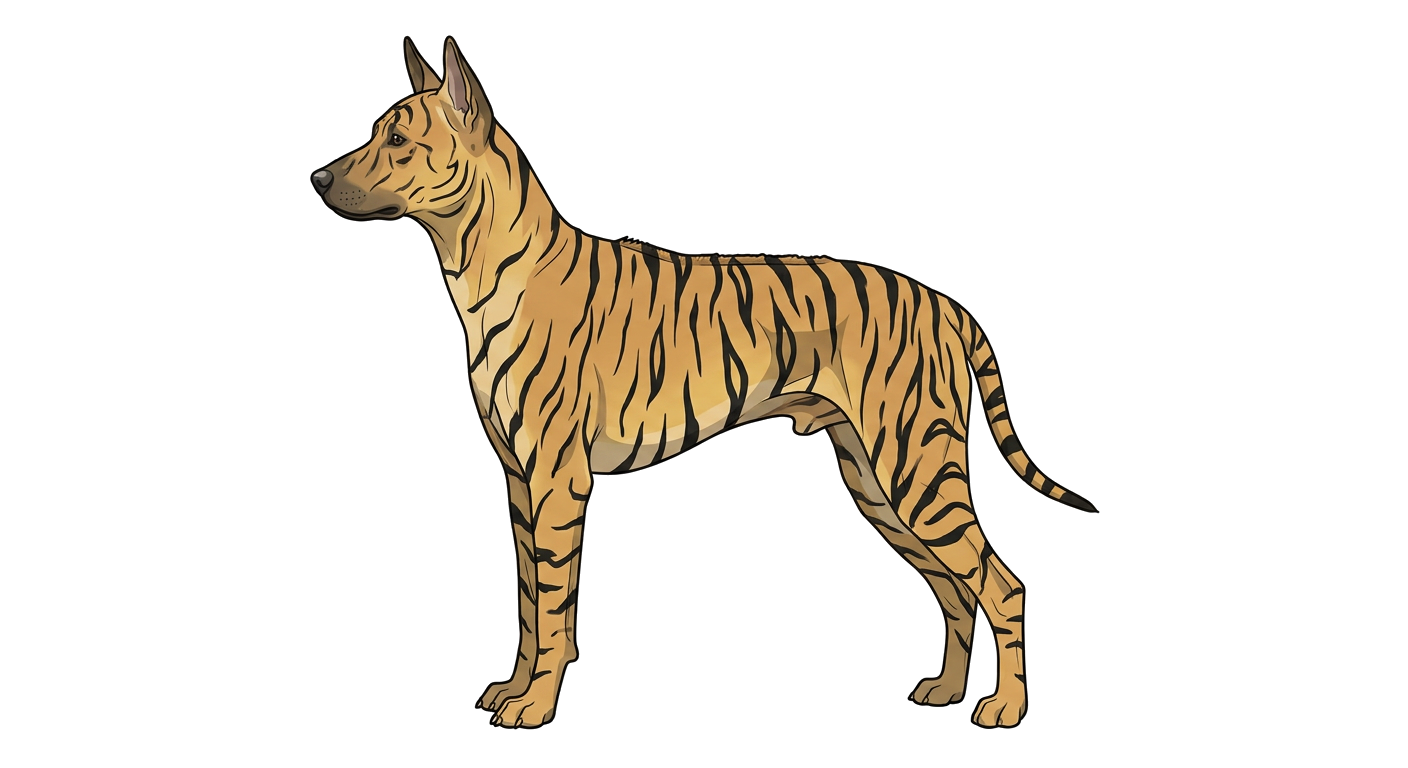
Tiger Brindle
Standard colour
The classic island 'tiger-striped' coat: clear black striping over a tan or golden base.
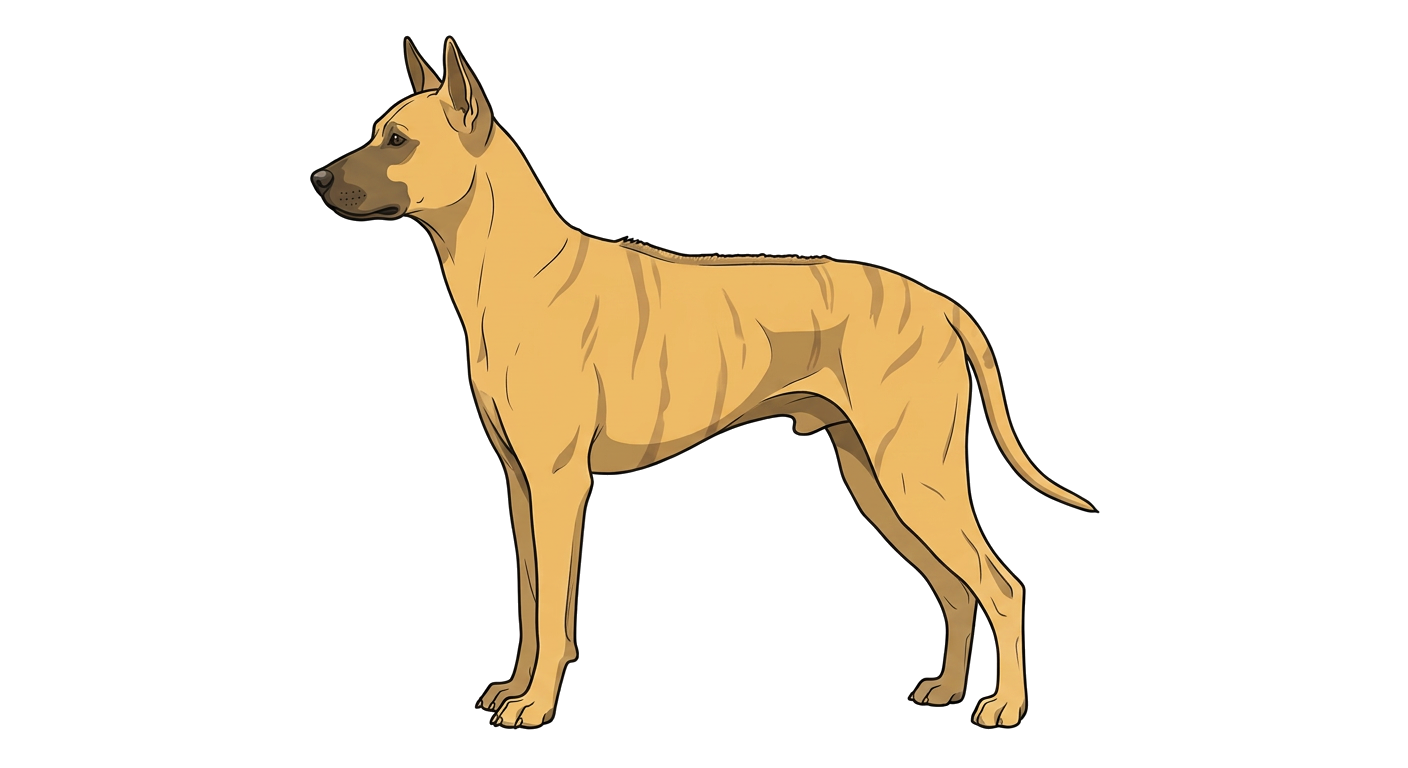
Fawn
Standard colour
A plain warm fawn to yellow coat, often with a slightly darker mask and faint striping.
Timeline
History & development
Pre-1800s
An island landrace
A semi-feral population develops on Phú Quốc Island, kept by islanders and fishermen for hunting small game, guarding property and boats, and swimming between shorelines.
1880s
Described by the French
French colonial administrators and naturalists document the ridged island dogs as a distinct breed, and a handful are taken to Europe and shown at exhibitions in France.
1900s-1990s
Isolation and decline
The population stays largely closed by geography, but as the island opens up, crossbreeding with mainland and imported dogs dilutes the original type.
2000s
Recognition at home
The Vietnam Kennel Association recognises the breed and promotes conservation breeding. No international kennel club — including the FCI — recognises it, so it remains an emerging breed abroad.
Reference
Breed standard summary
- body
- A little longer than tall, chest deep to the elbow, ribs well sprung but not wide, level topline, strong slightly arched loin, pronounced tuck-up.
- coat
- Very short, hard and close-lying, without undercoat; a defined ridge of reverse-growing hair runs along the spine from behind the shoulders towards the loin.
- ears
- Set high, triangular and of medium size, carried erect or half-pricked and highly mobile.
- eyes
- Almond-shaped, medium, dark brown, set slightly oblique; keen and watchful expression.
- gait
- Light, springy and economical, with easy reach and a notable ability to change direction at speed.
- head
- Wedge-shaped with a flat, moderately broad skull and only a slight stop; forehead may wrinkle slightly when alert.
- neck
- Long, muscular and dry, free of throatiness, flowing into well laid shoulders.
- size
- Dogs 50-60 cm; bitches 48-55 cm. Weight 15-20 kg.
- tail
- Set moderately high, thick at the root and tapering, carried in a sabre curve; used as a rudder when swimming.
- colour
- Black, and brindle in every shade from light tiger-stripe to dark; also seen in fawn and streaked yellow. White markings on chest and toes occur.
- muzzle
- Tapering and clean with tight lips, scissor bite and a dark nose; a black or spotted tongue is common and typical.
- temperament
- Alert, intelligent, self-reliant and devoted to its own family; reserved with strangers, a natural watchdog, never mindlessly aggressive.
- general appearance
- A lean, athletic, medium-sized hunting dog, slightly longer than tall, in very short hard coat, with a clearly defined reverse-growing ridge along the spine.
Health
What to screen for
Green means little to worry about, amber means ask the breeder for test results, red means manage it actively.
Dermoid sinus
Screen for it
The ridge-linked defect common to all ridgeback breeds; puppies should be vet-checked before leaving the litter.
Skin allergies & mange
Screen for it
Demodectic mange and contact allergies are the commonest everyday complaints in the short, undercoat-free skin.
Sunburn & cold intolerance
Watch closely
Almost no undercoat: pale skin burns easily and the breed copes badly with cold, wet climates.
Hip & elbow dysplasia
Watch closely
Low incidence for the size, but worth screening given the tiny conservation gene pool.
Unregulated breeding
Watch closely
No international registry oversight, so ask directly about health testing and inbreeding within the line.
General information only — always speak to your vet about your own dog.
From real owners
Dogs like this
Phu Quoc Ridgebacks added by PawPoint members through their pet passports. Share yours to appear here.
Loading the wall…
Made for the Phu Quoc Ridgeback
The book, plus prints, hoodies and mugs using our own Phu Quoc Ridgeback illustration — and one everyday accessory that suits any dog.

The book
Pawpoint: The Complete Dog Breed Book
Every officially recognised breed plus the unofficial ones nobody else documents. 400+ pages, hardback, printed and shipped from the UK.
Own stock — shipped by us
Framed poster
Phu Quoc Ridgeback Framed Poster
Museum-weight print of our Phu Quoc Ridgeback illustration, framed or unframed.
Printed to order
Hoodie
Phu Quoc Ridgeback Hoodie
Heavyweight hoodie carrying the Phu Quoc Ridgeback illustration on the chest.
Printed to order
Mug
Phu Quoc Ridgeback Mug
Ceramic mug with the Phu Quoc Ridgeback illustration wrapped around it.
Printed to order
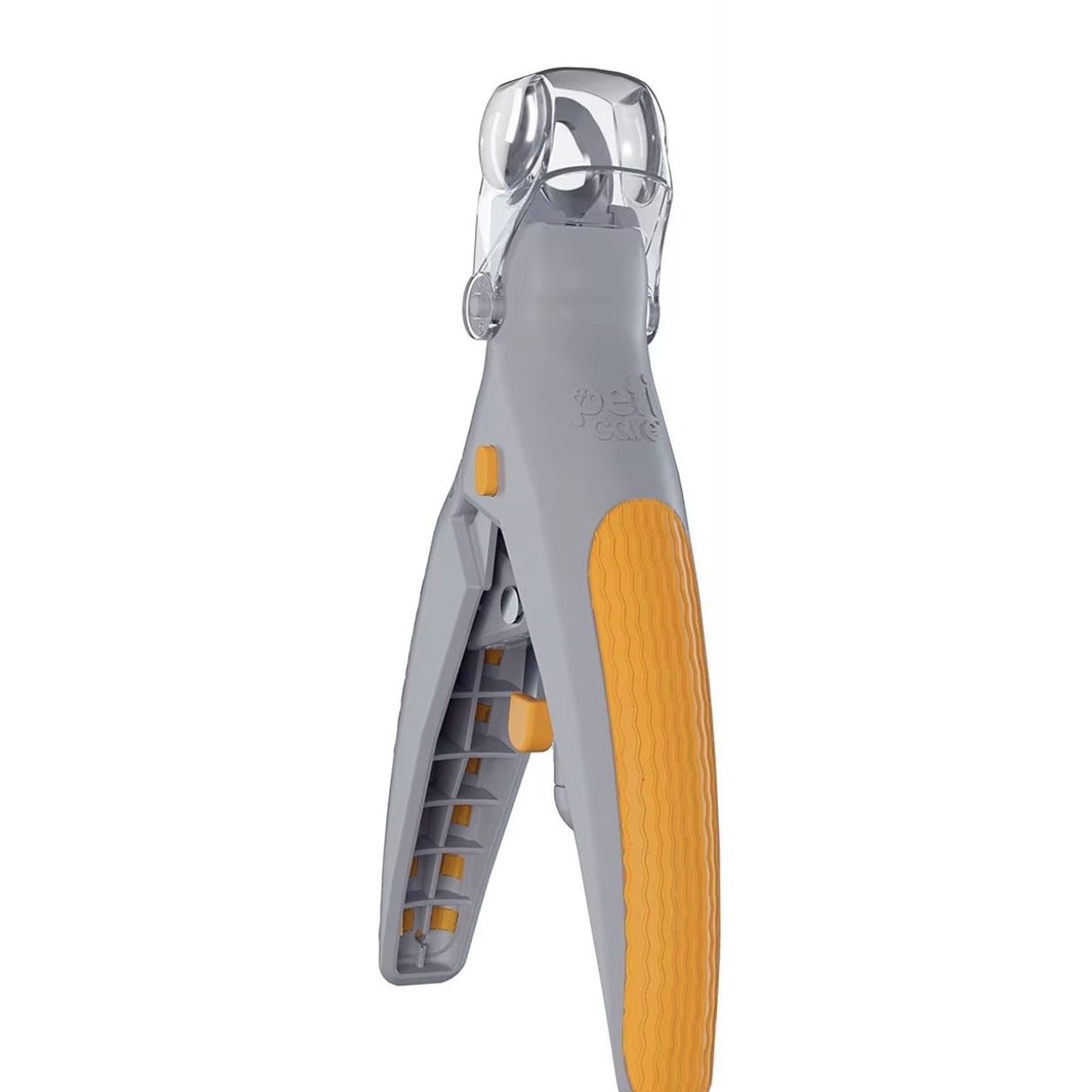
Accessory
Nail Clippers & Grinder
Safety-guard clippers with a quiet rotary grinder.
Fits any dog
Pawpoint on YouTube
Watch the full Phu Quoc Ridgeback video
Breed deep-dives, history and honest ownership talk. New film every week.
Watch now